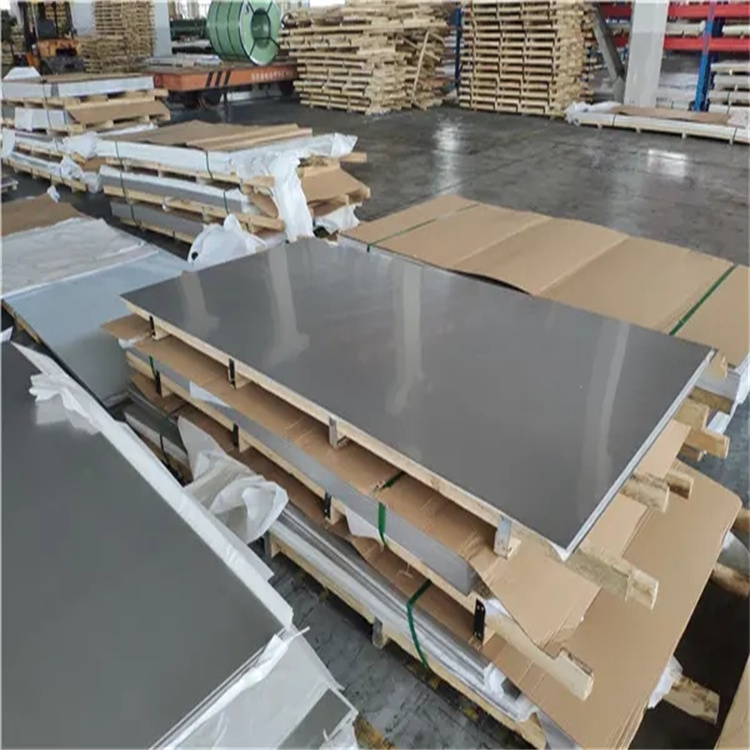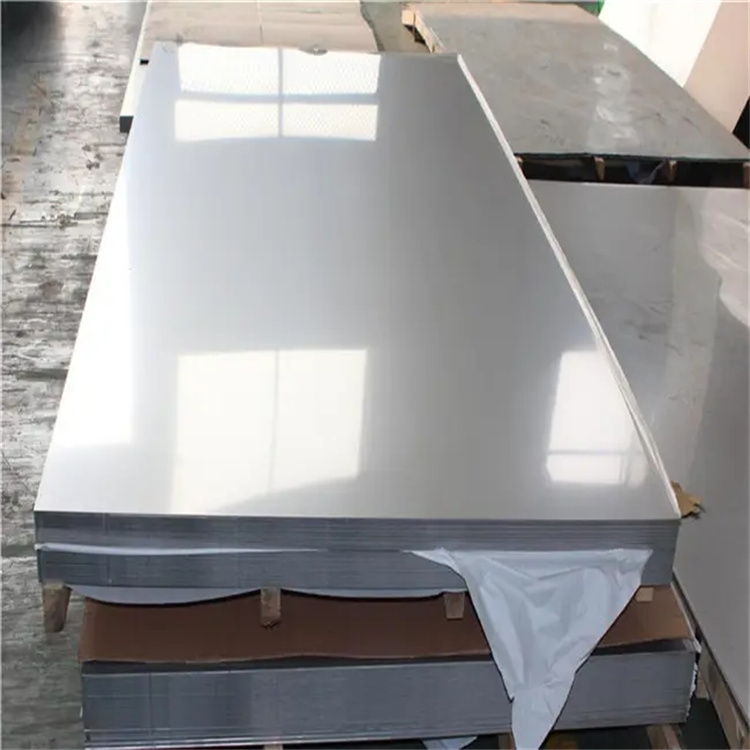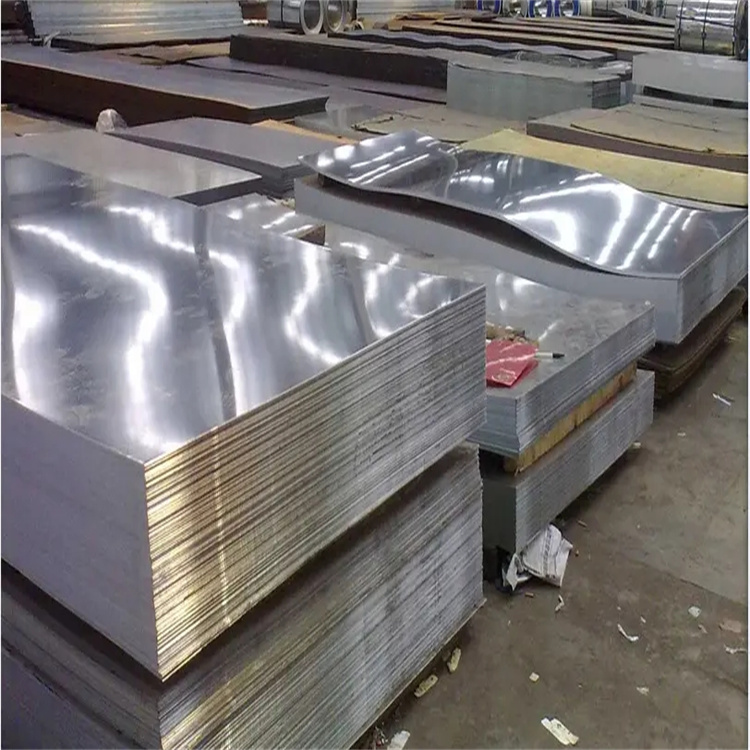

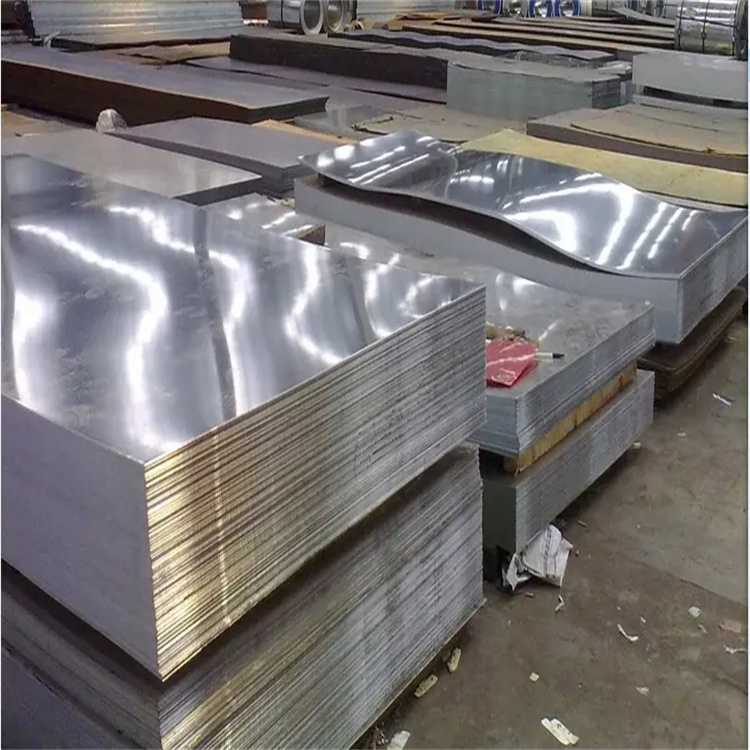
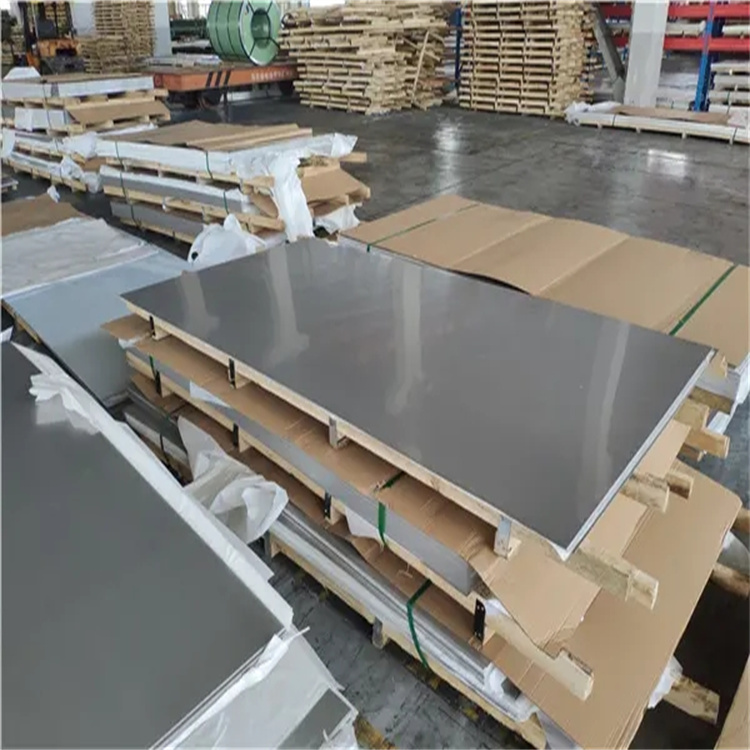











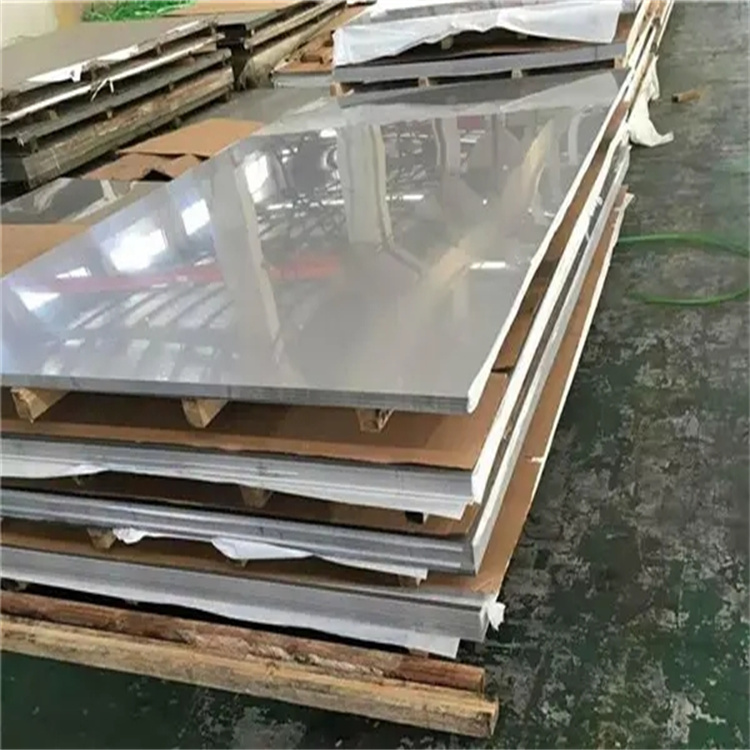
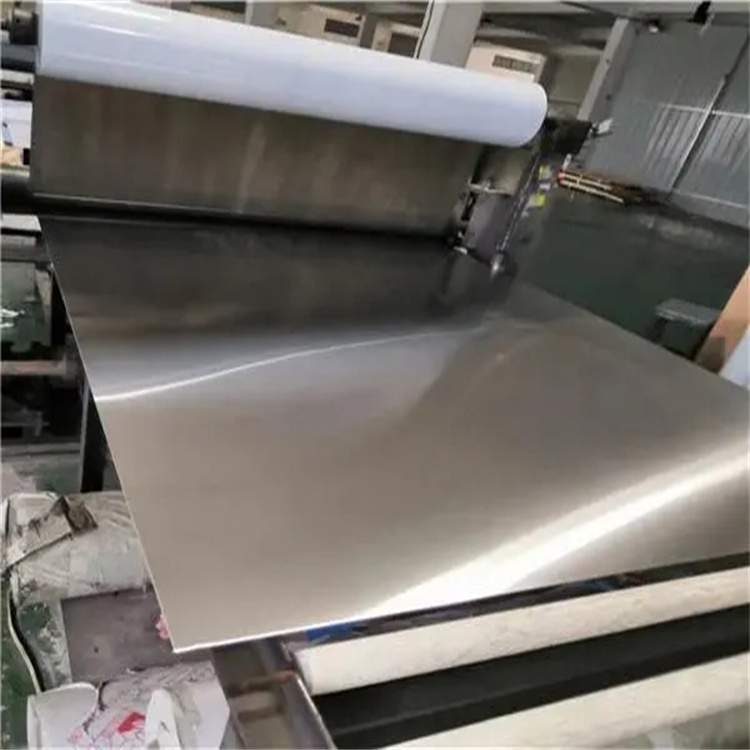
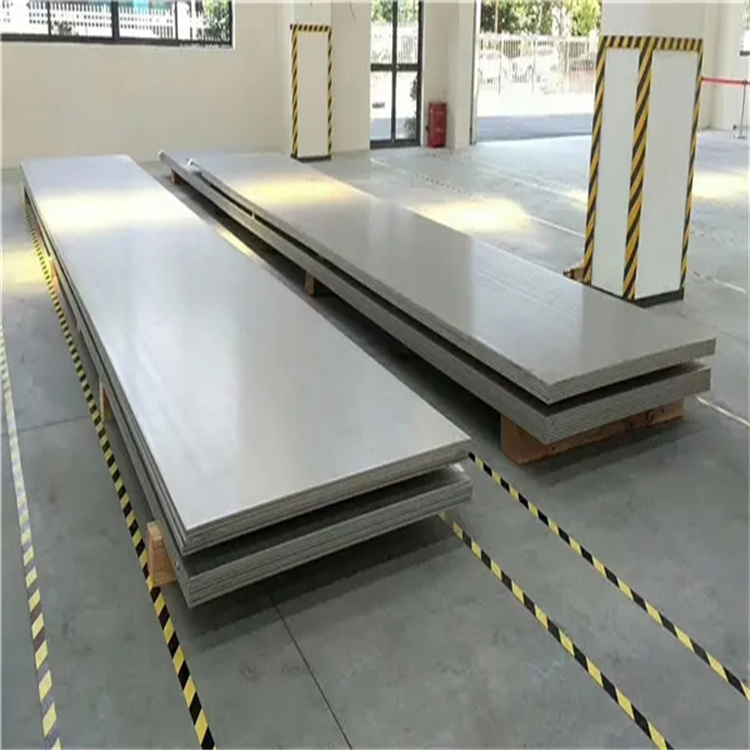


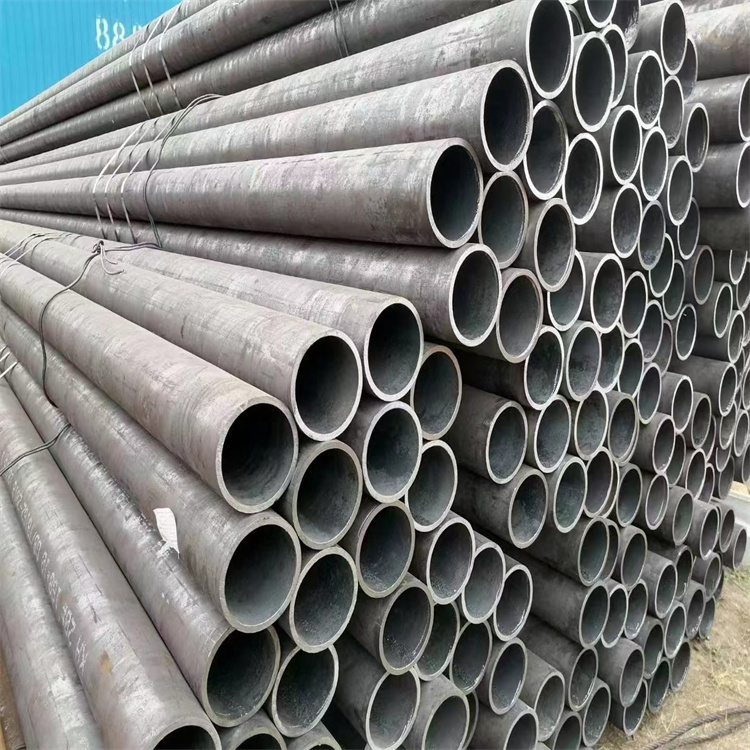
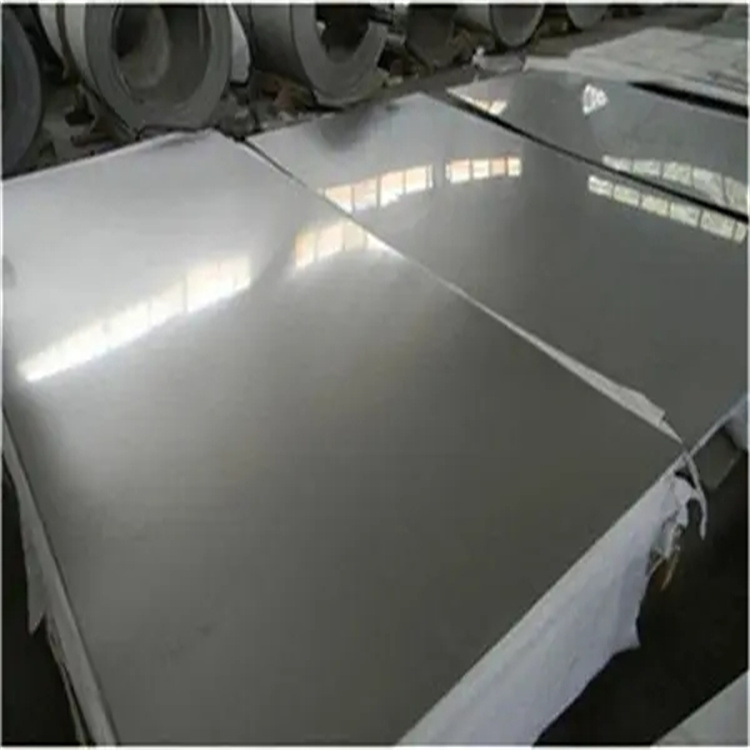
 Stainless steel sheets are made of stainless steel, which does not rust and is also very sturdy. They are a common type of steel plate, and may be bleached for special engineering purposes. But how is this bleaching process achieved?
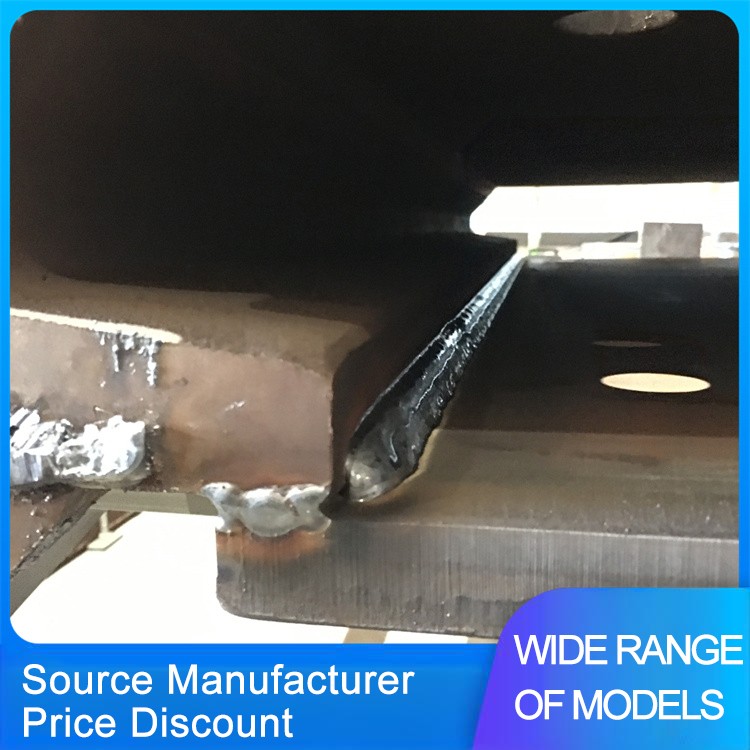
1. What is whitening treatment? It refers to the process of removing black oxide scale from stainless steel sheets during processing, which may involve rolling, edging, welding, or artificial surface firing and heating. Traditional whitening treatment of the original color of stainless steel surfaces typically uses a strong corrosion method with hydrofluoric acid and nitric acid, but this method is costly and also pollutes the environment.
2. Current surface oxidation treatment methods for stainless steel plates include sandblasting and chemical methods. Sandblasting: Primarily involves using a spray of micro glass beads to remove the black oxidation layer. Chemical Method: Utilizes a non-polluting acid pickling paste and a non-toxic, inorganic additive-containing cleaning solution at room temperature for immersion cleaning to achieve the whitening treatment of the stainless steel's natural color. After treatment, the surface appears matte and is more suitable for large and complex products.
Stainless steel sheets may develop some oxidation scale in certain processes. In such cases, we can resort to bleaching treatment. Sandblasting and chemical methods are quite suitable for this purpose. You might want to give them a try.