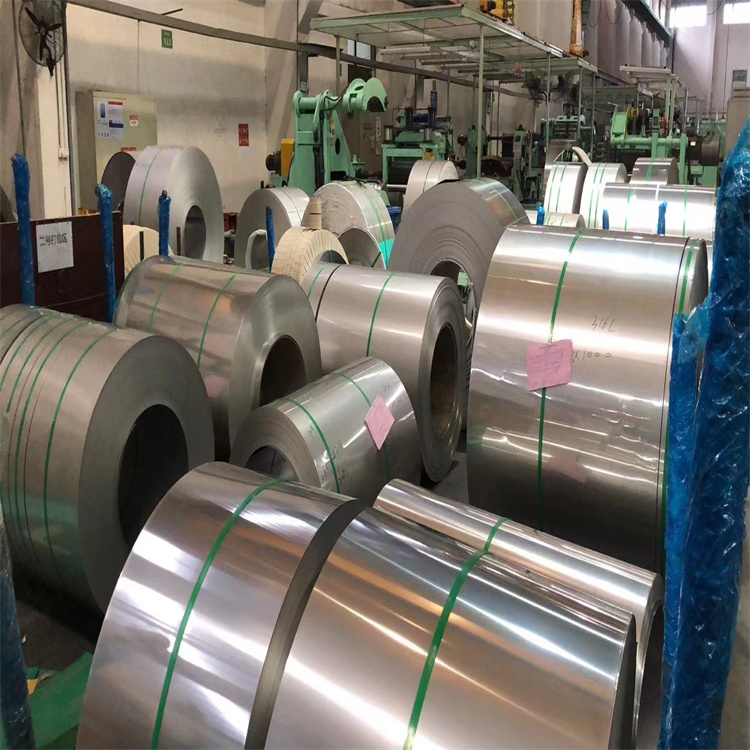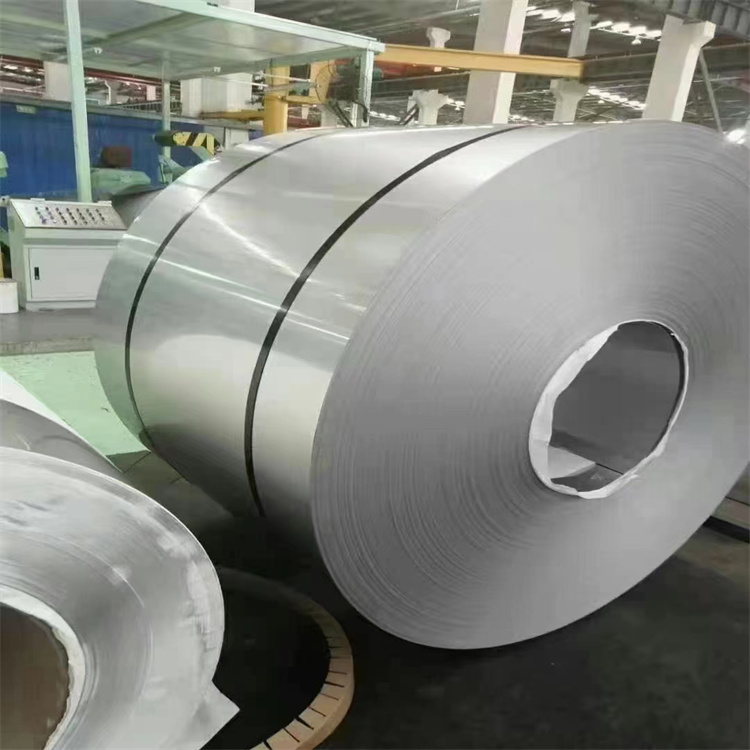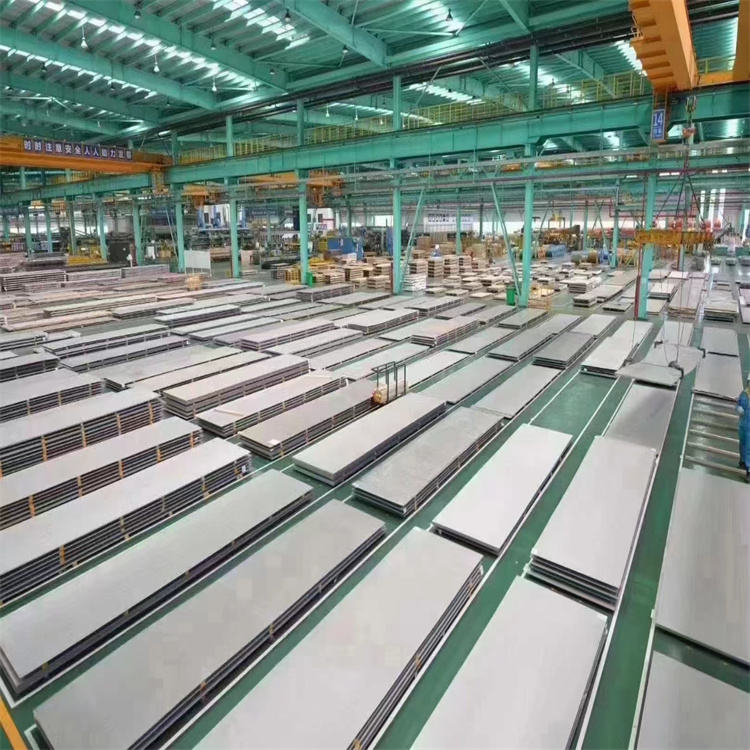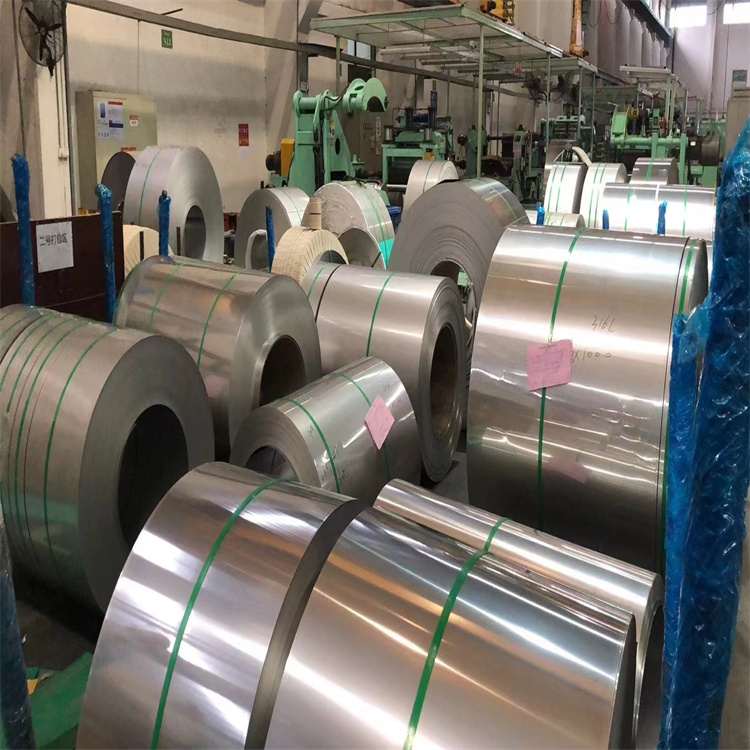

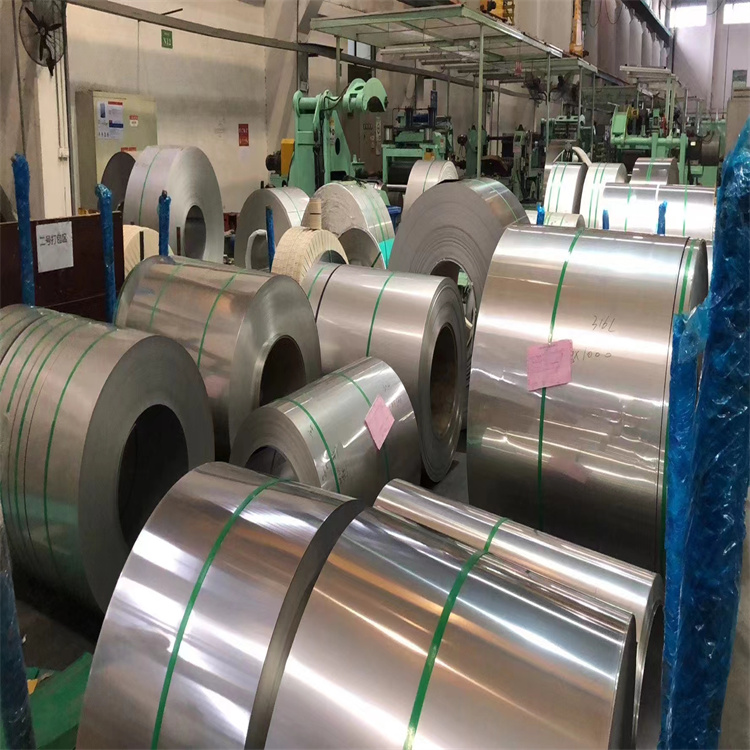
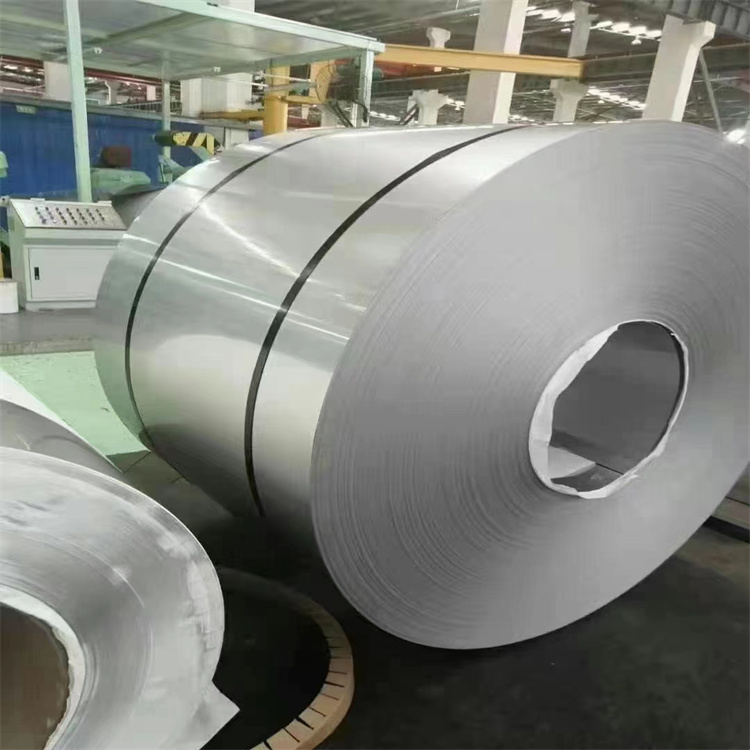
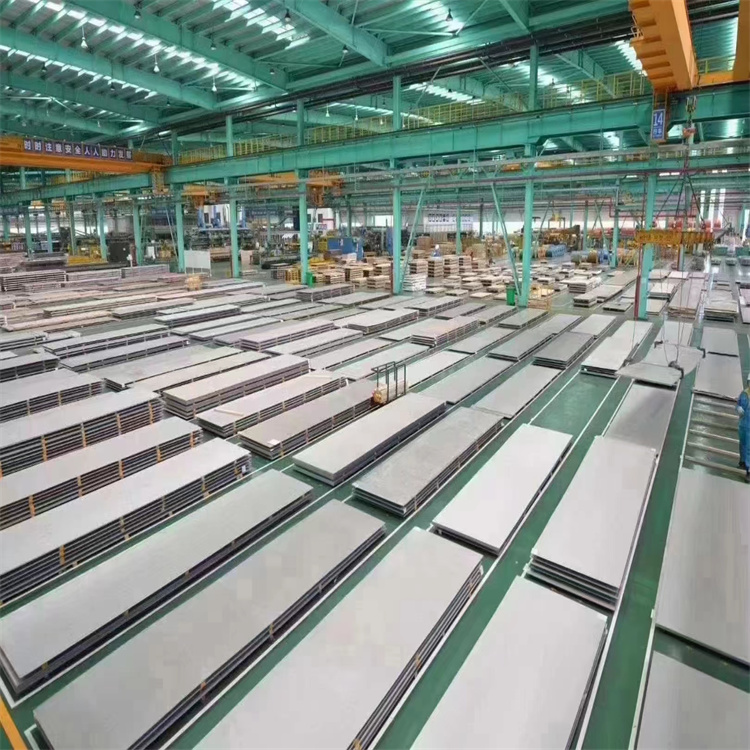











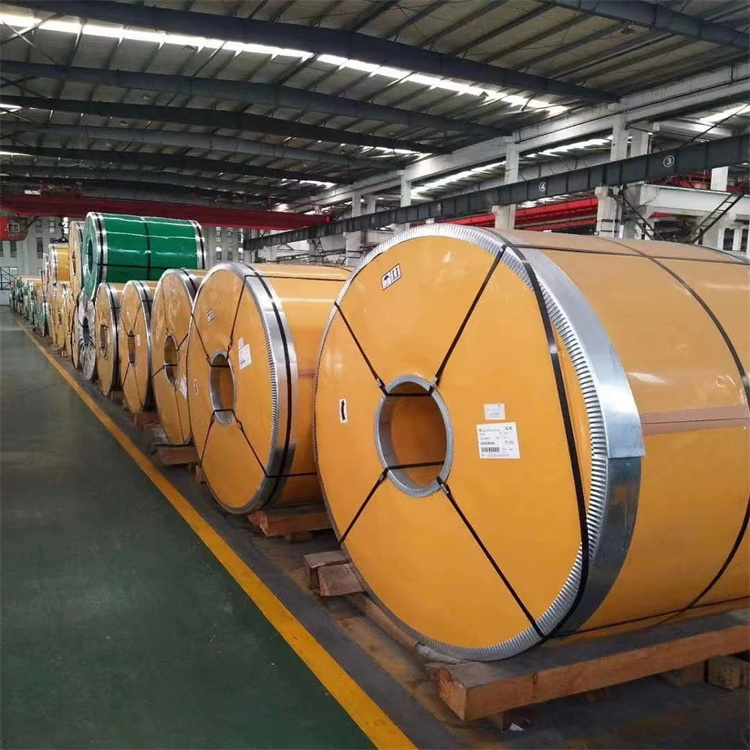
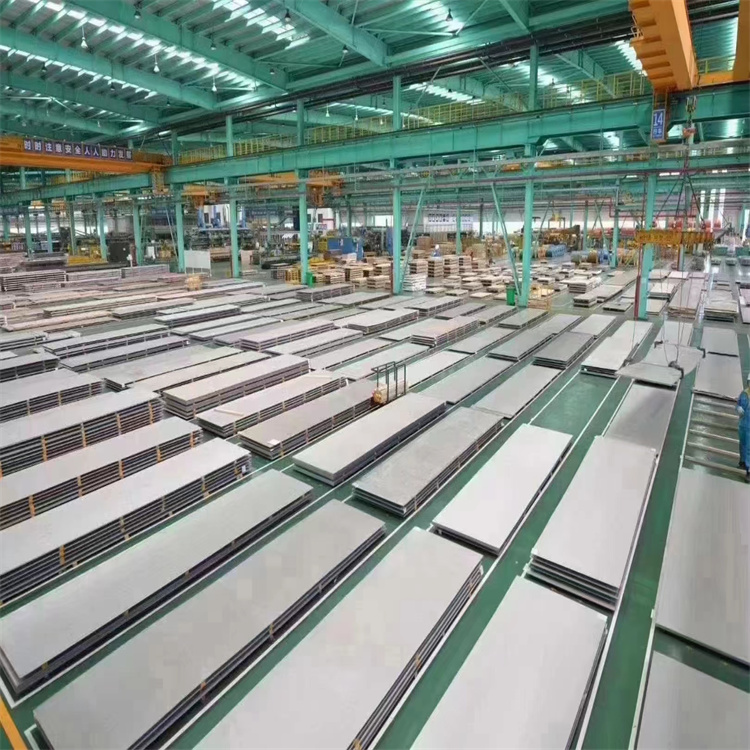

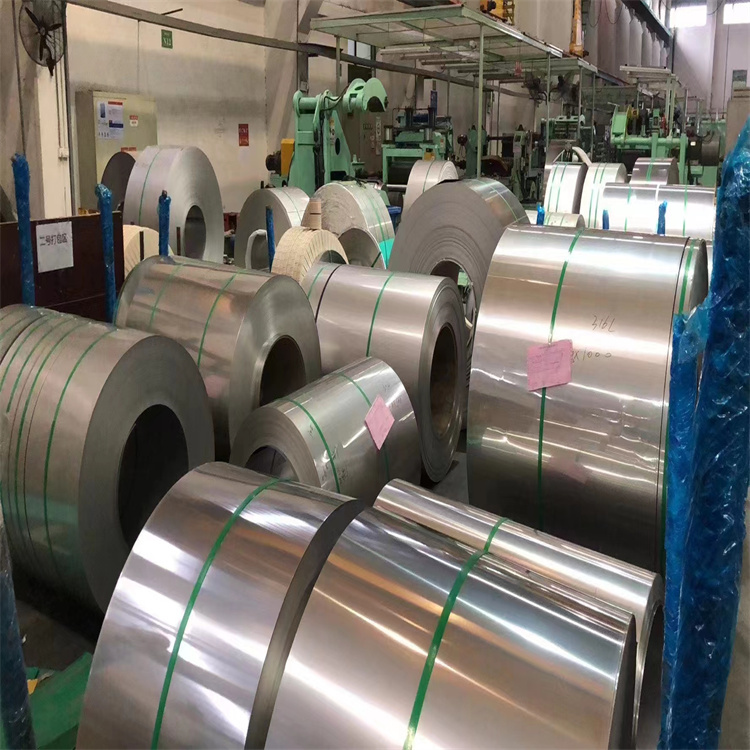
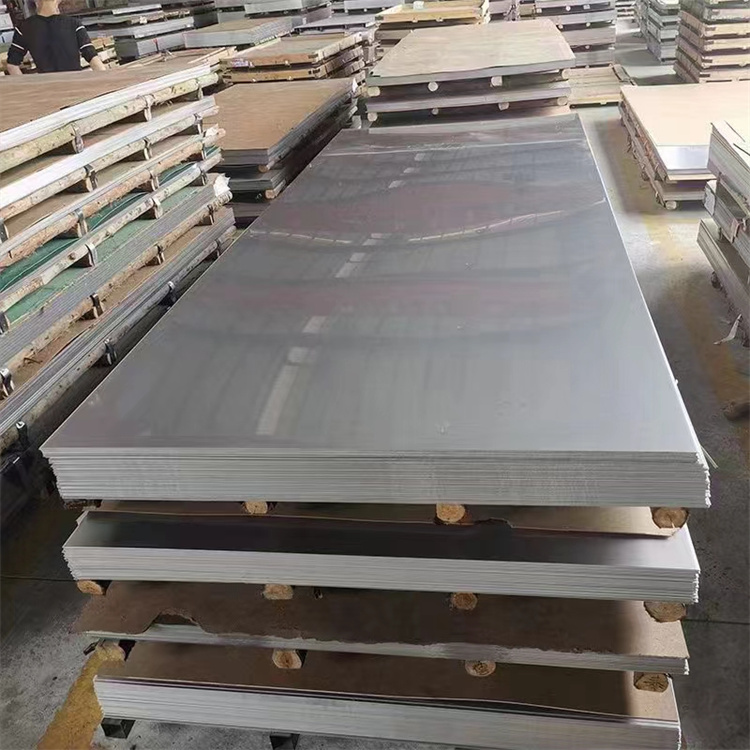
 When selecting the appropriate thickness of steel plate, consider its usage duration, quality, and rigidity first, as well as the strength requirements under compression, thermal conductivity, pressure distribution, and the sheet size specifications. If the steel plate is too thin and prone to bending, it will undoubtedly affect decorative panel production. Conversely, if the steel plate is too thick and heavy, it not only increases the cost of the steel plate but also brings unnecessary operational麻烦. Additionally, consider the allowance for processing or usage of stainless steel plates. Copper plate thickness is not uniform, but strive for consistency within a single sheet. For standard-sized sawn plates, the thickness tolerance is typically between 0.05 to 0.15 millimeters. Excessive strictness in requirements will also increase the grinding costs.
Stainless steel plates have been in existence for over 90 years since their introduction at the beginning of this century. The invention of stainless steel plates is a significant achievement in the history of metallurgy, laying the material and technological foundation for the development of modern industry and scientific and technological progress.
WeChat Official Account

Scan to follow Official Account