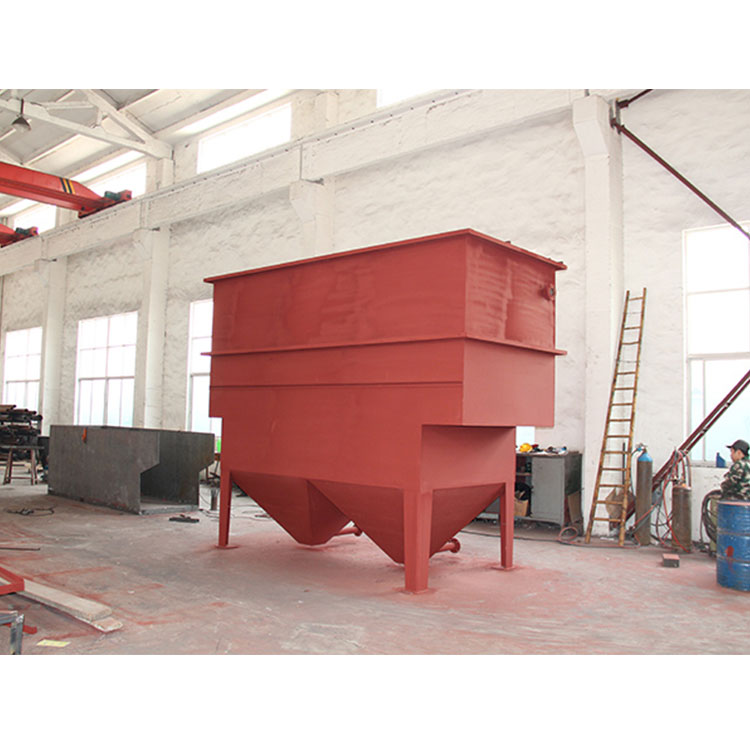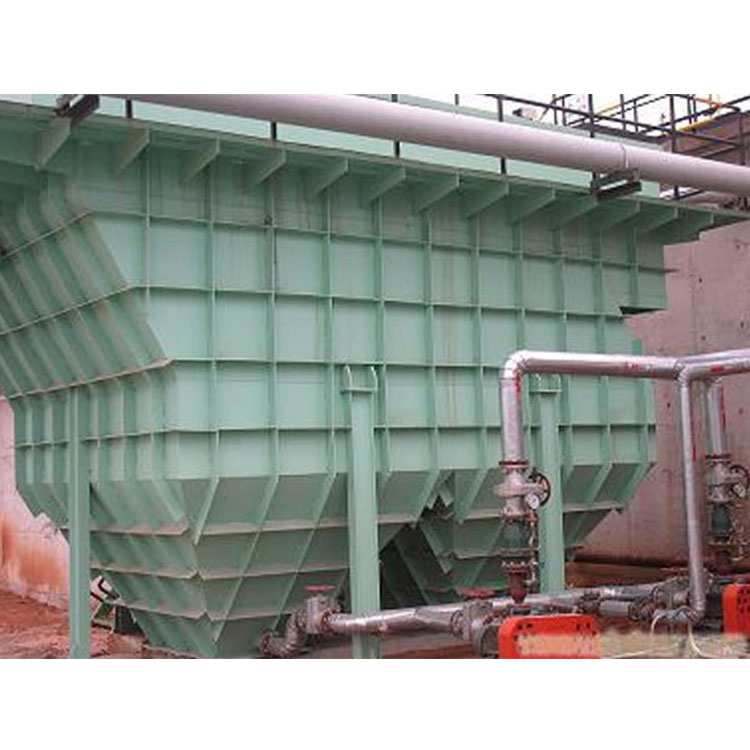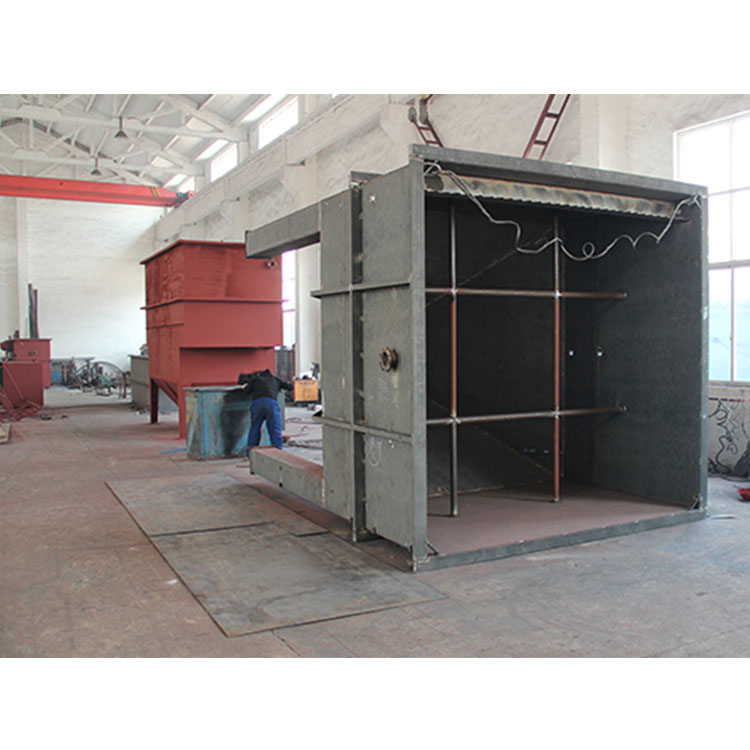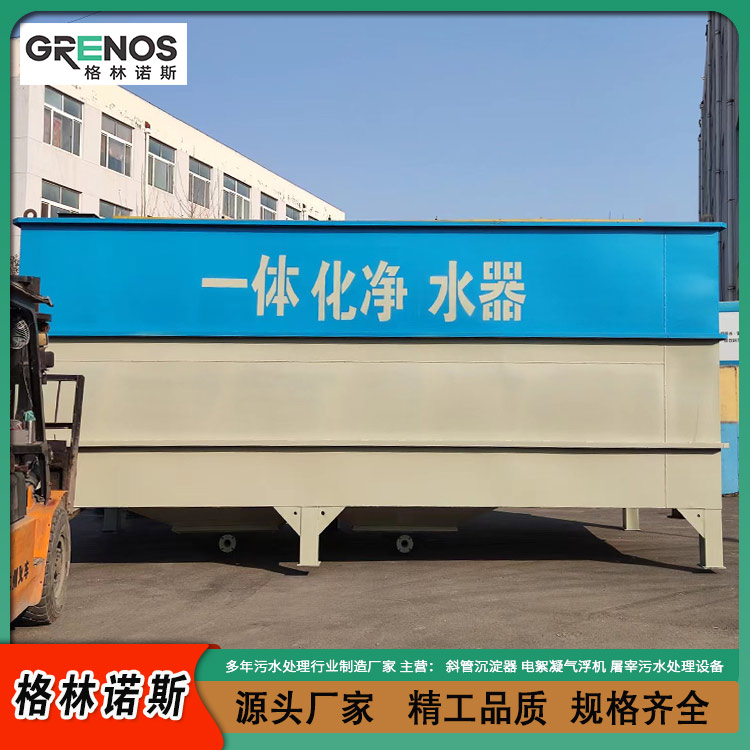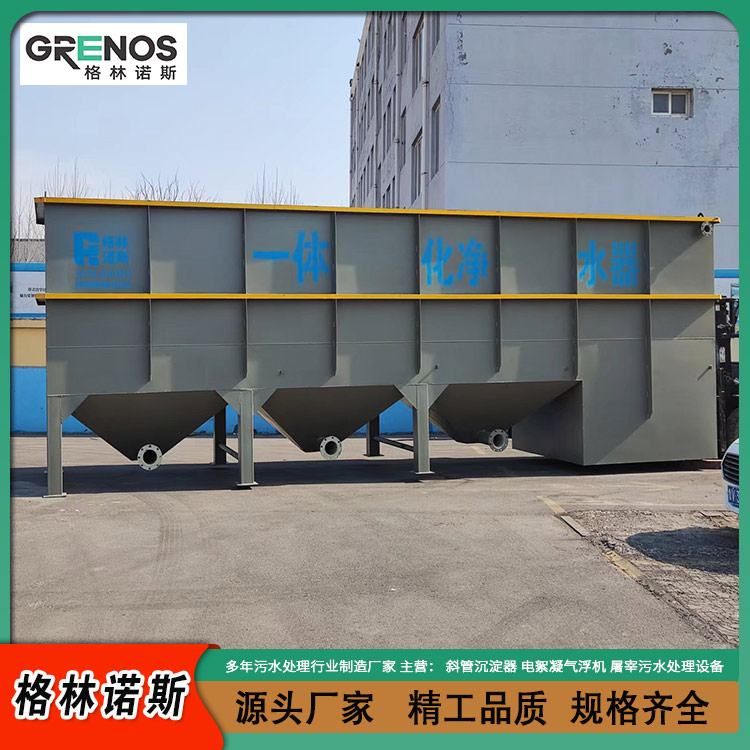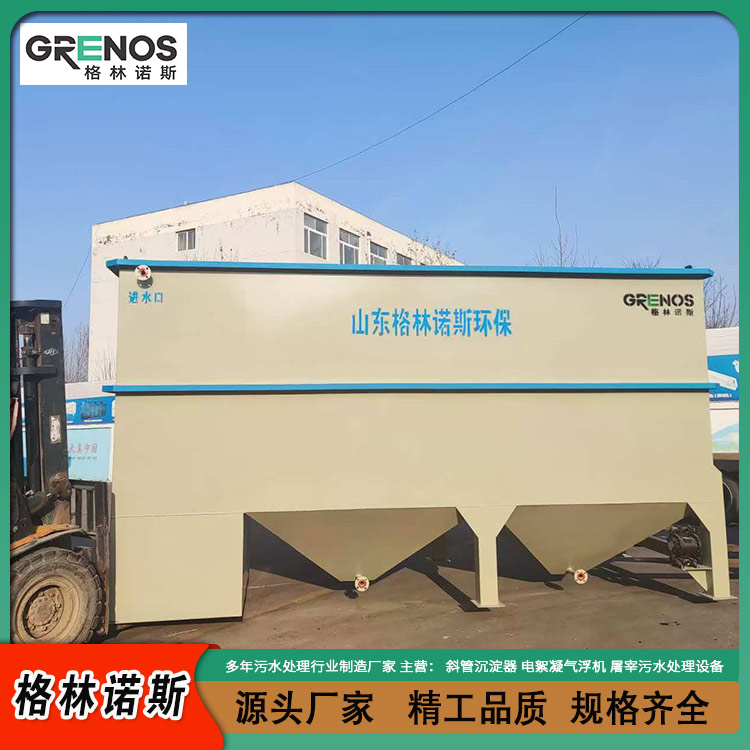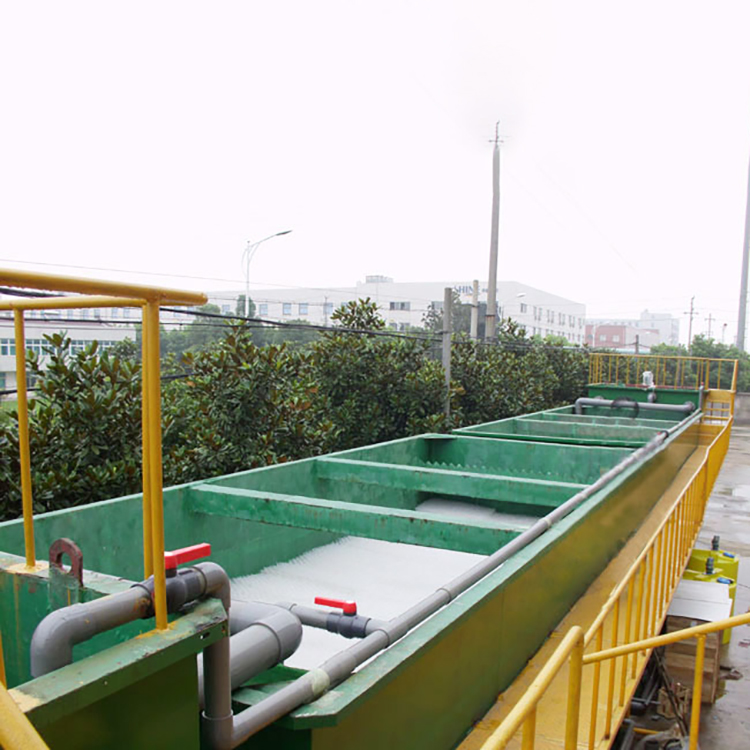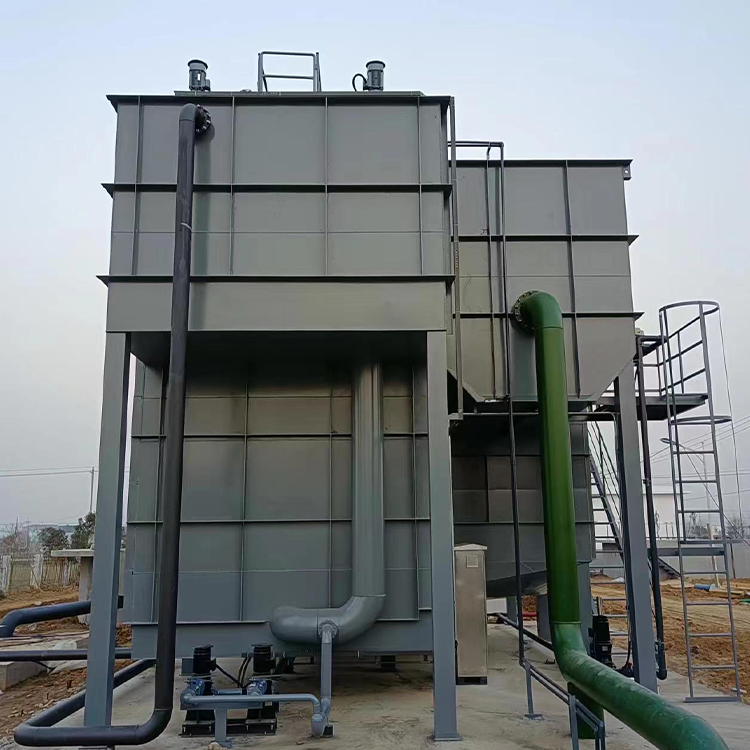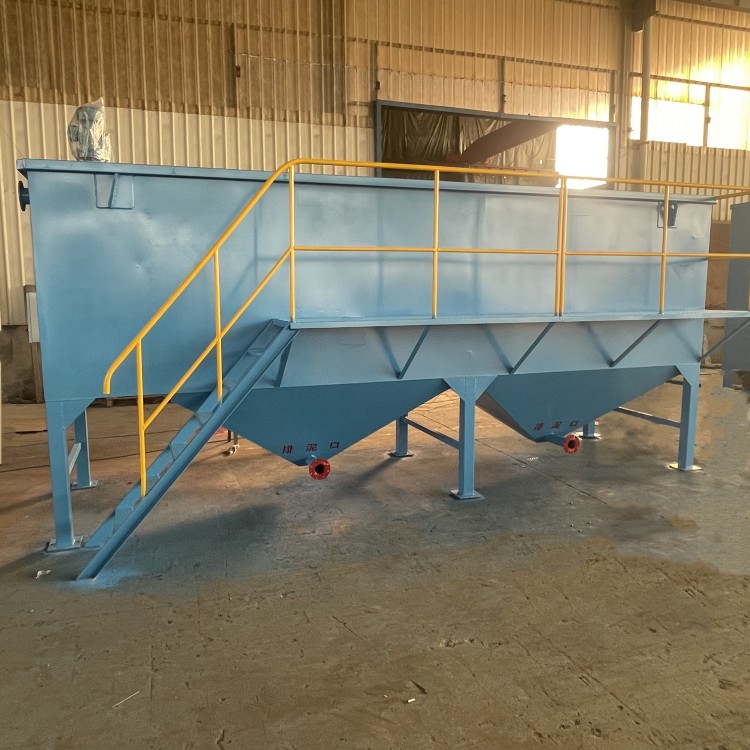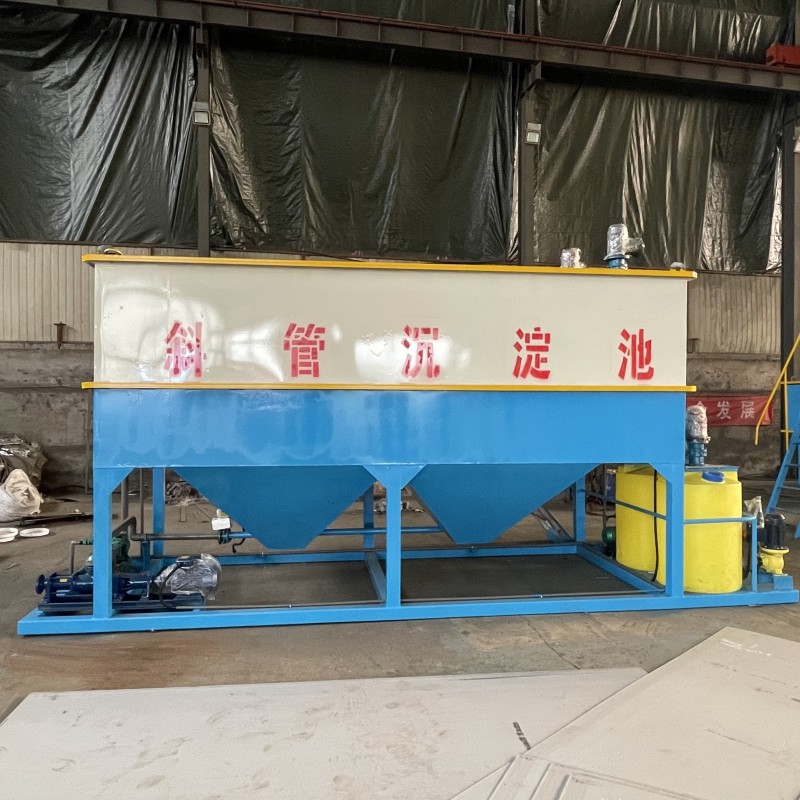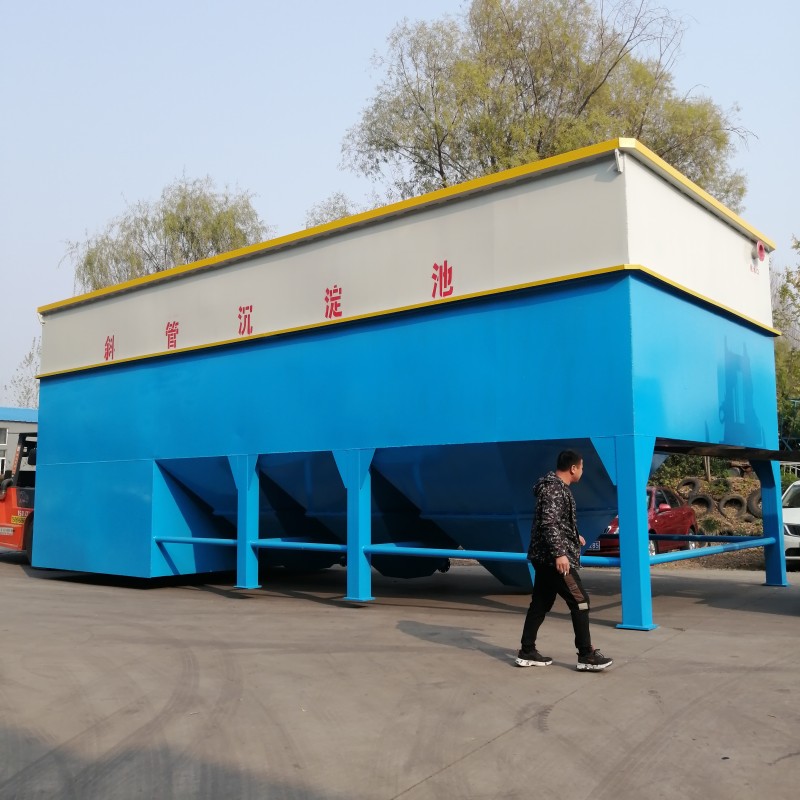










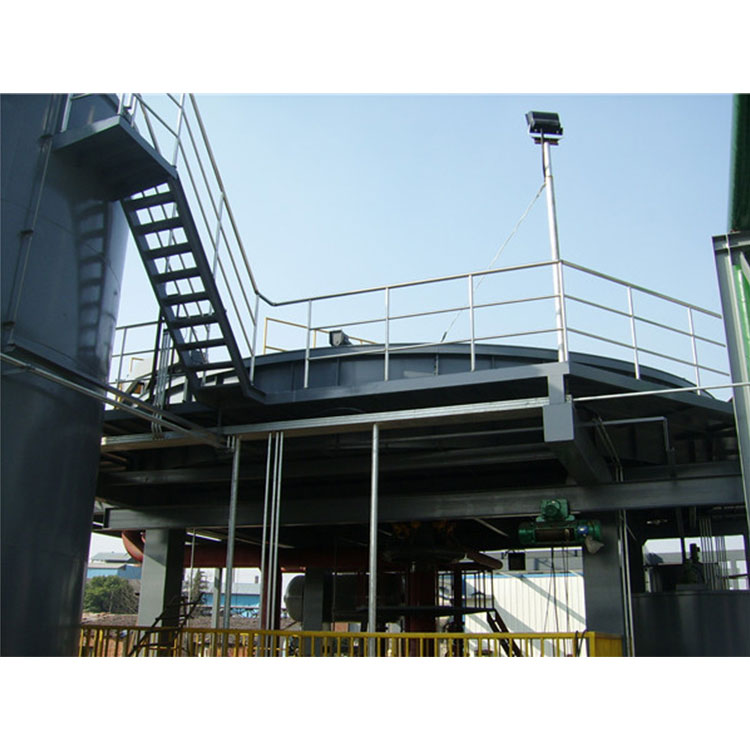


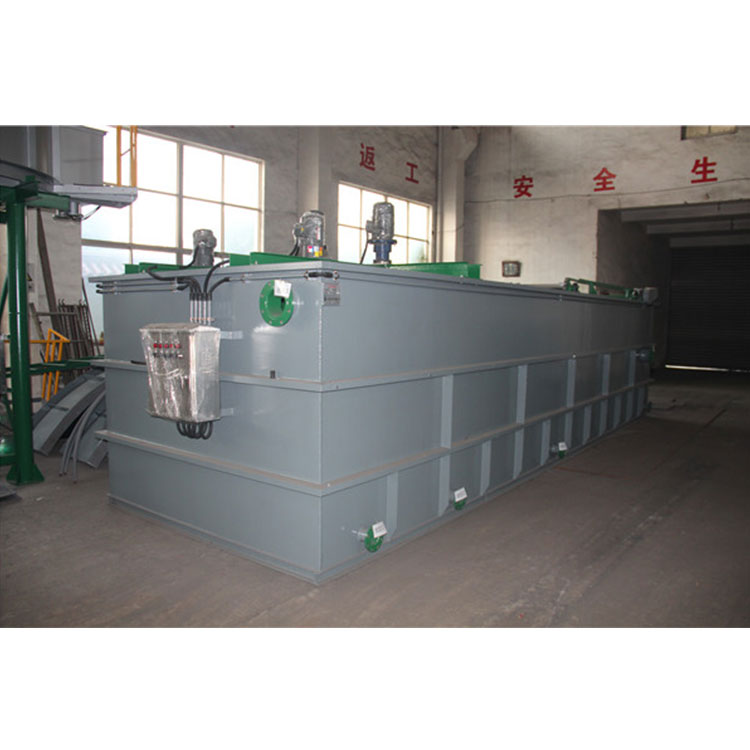
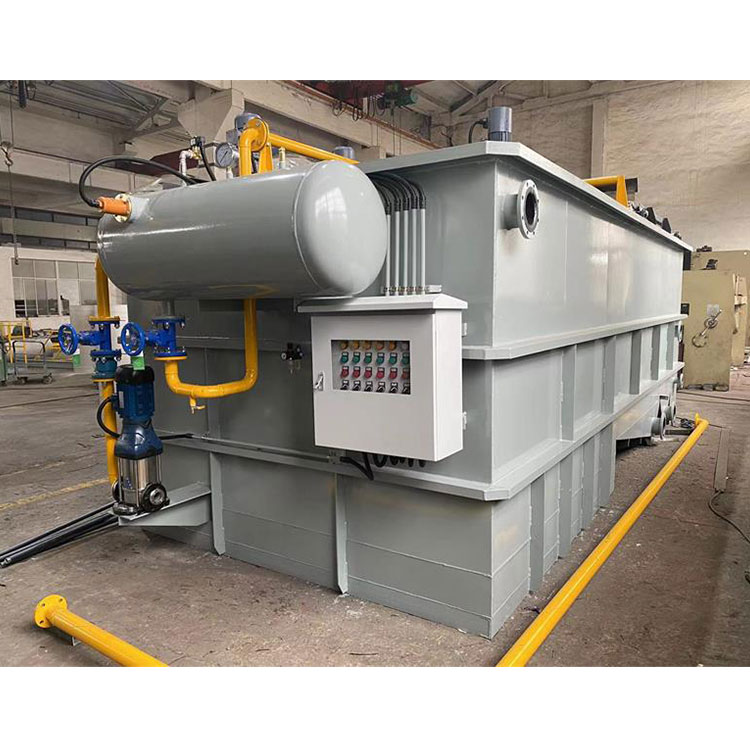
Our hexagonal honeycomb packing is available in both inclined and straight tube configurations. It is made of three materials: polypropylene, polyvinyl chloride, and fiberglass.
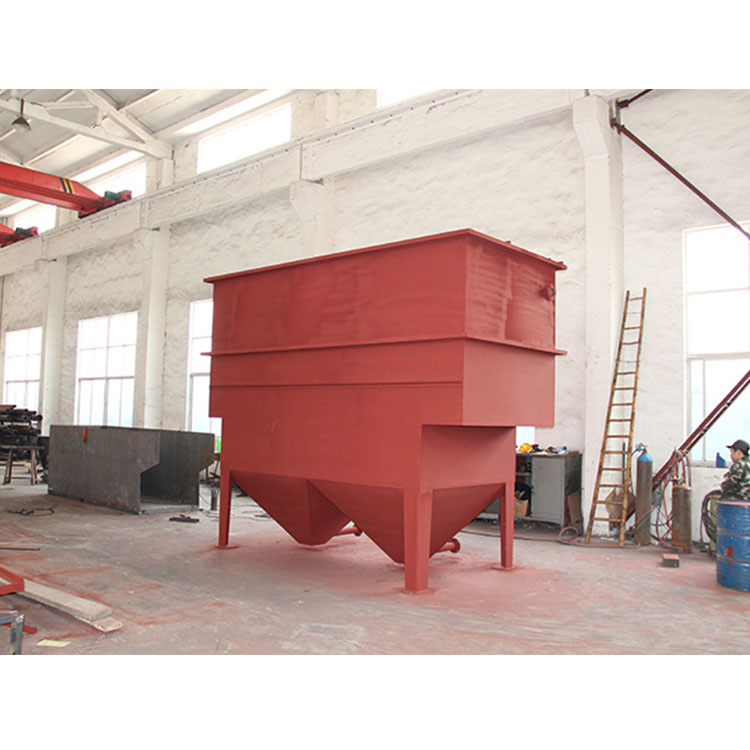
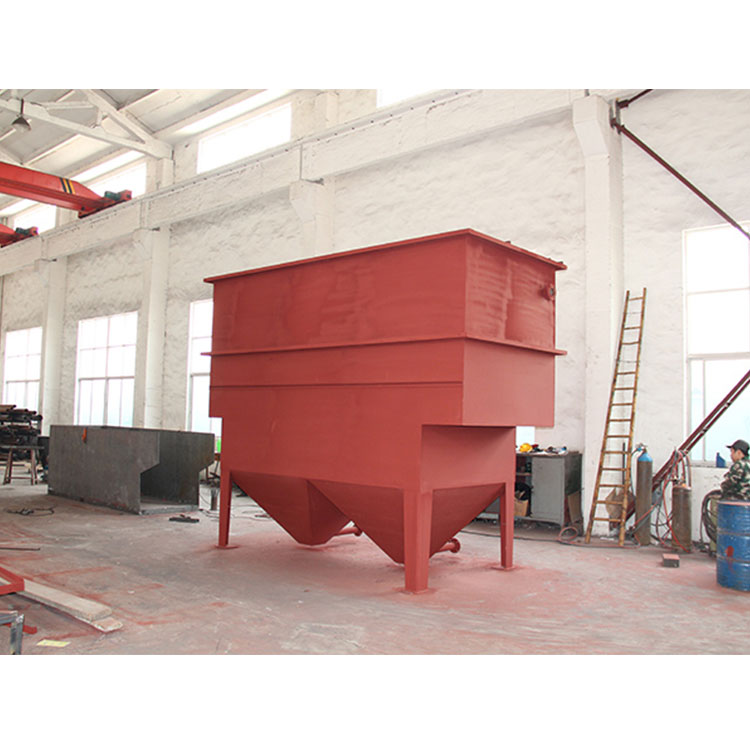
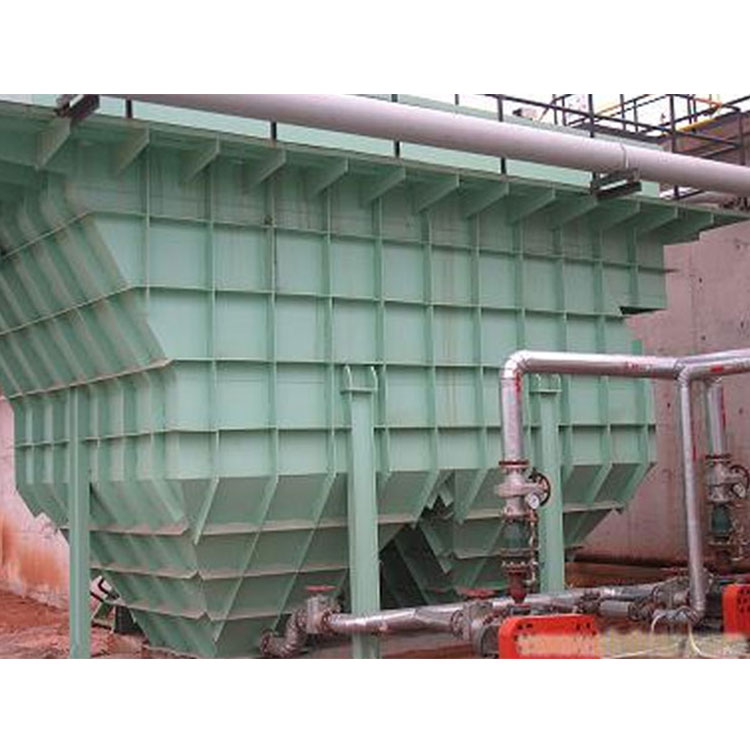
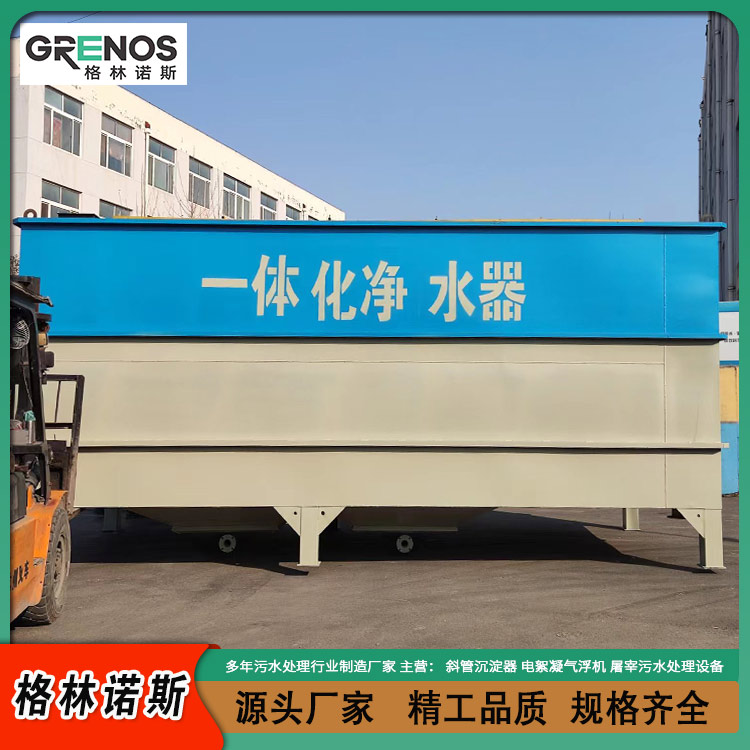
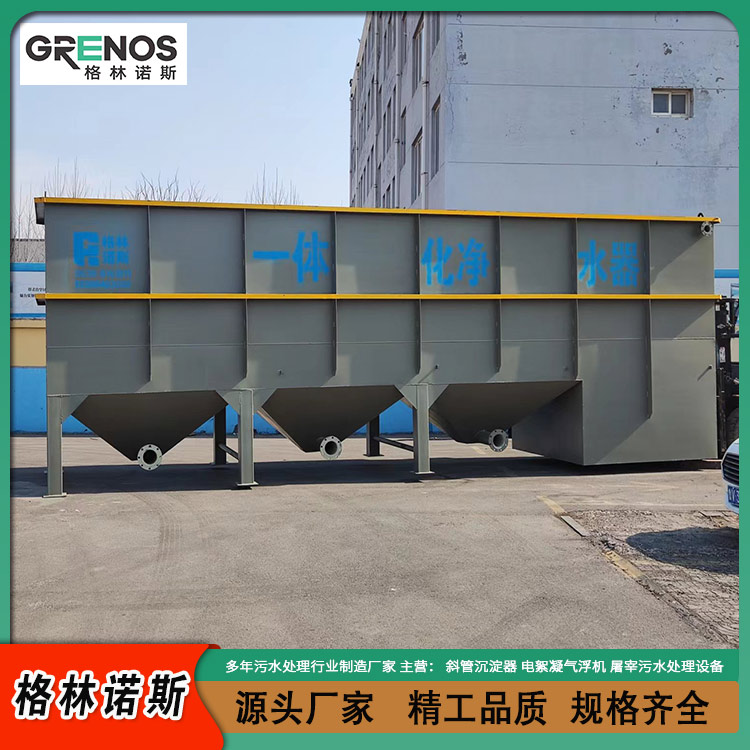
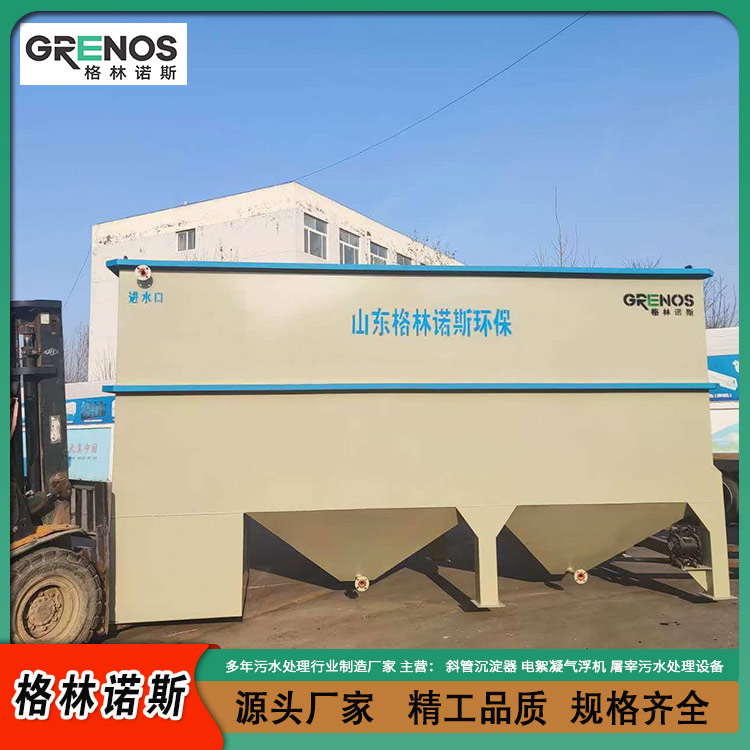
The slanting pipe is primarily used for sedimentation and sand removal, and has been a widely and maturely adopted water treatment device in civil engineering for drainage and water supply for over a decade. It boasts a broad application range, high treatment efficiency, and minimal land occupation. It is suitable for sand removal at intake ports, sedimentation and oil separation in industrial and domestic water supply, as well as tailings concentration treatment. It is equally applicable to new construction projects and the renovation of existing old ponds, ensuring favorable economic benefits.
II. Product Features
Large wetted circumference, small hydraulic radius.
2. Good laminar flow; particle sedimentation is not disturbed by turbulence.
3. When the inclined pipe length is 1 meter, the effective load is designed at 3-5 tons/m³·hr. V control is maintained within the range of 2.5-3.0 mm/sec, resulting in excellent water quality.
4. The honeycomb inclined tubes at the intake are designed to operate and treat in highly turbid water with a sediment content of 50-100 kg/m³, when the tube length is 2.0-3.0 meters.
5. Utilizing inclined tube sedimentation tanks with a treatment capacity 3-5 times that of horizontal flow sedimentation tanks, and 2-3 times that of clarification tanks and pulsating clarification tanks. The straight pipes are mainly used for high-load biological filters in biofilter systems, tower biofilters, submerged biofilters (also known as contact oxidation tanks), and microbial carriers for biological rotating disks, for the biochemical treatment of industrial organic wastewater and urban sewage.
3. Key Features
1. Higher treatment efficiency than activated sludge process, with a general hydraulic load of 100-200 m³/m²·day and an organic load of 2000-5000 g/m³, thereby reducing the occupied area.
2. Aeration intensity is lower than in the activated sludge process, and sludge return is not required, thus reducing energy consumption and simplifying management.
3. Reduced sludge volume, minimizing the workload for sludge dewatering and subsequent treatment.
4. The sludge produced has good sedimentation properties, which is beneficial for the removal of suspended solids in the subsequent stage.
5. Highly adaptable with a broad range of water quality, strong tolerance to sudden changes in water quality and volume, maintaining consistent treatment performance.
6. With scientific operation management and regular flushing and draining, blockages are generally preventable.
Section 4: Specifications:

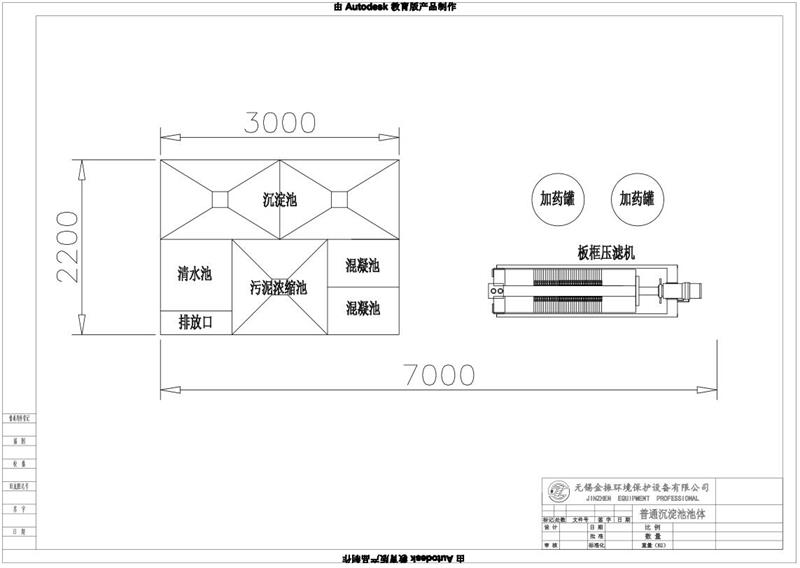
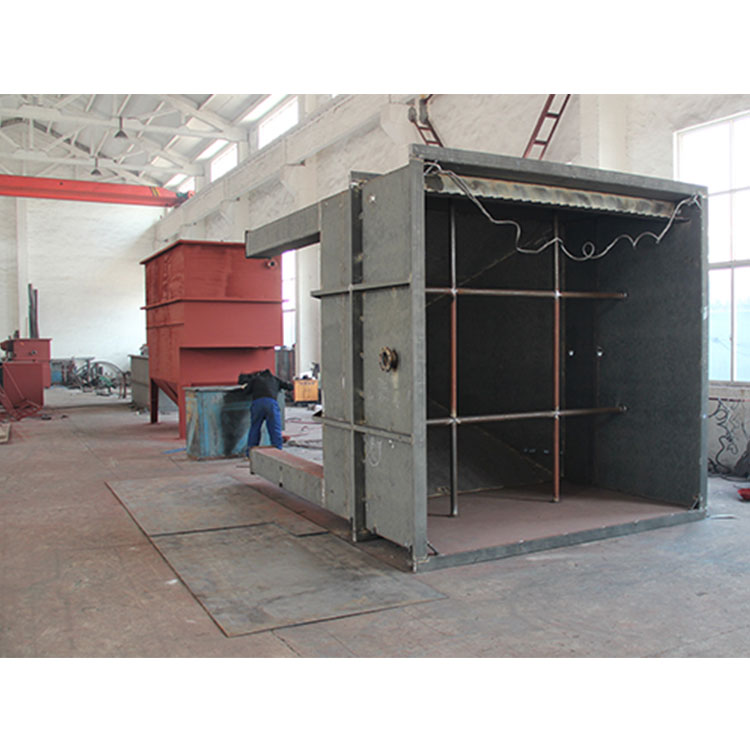
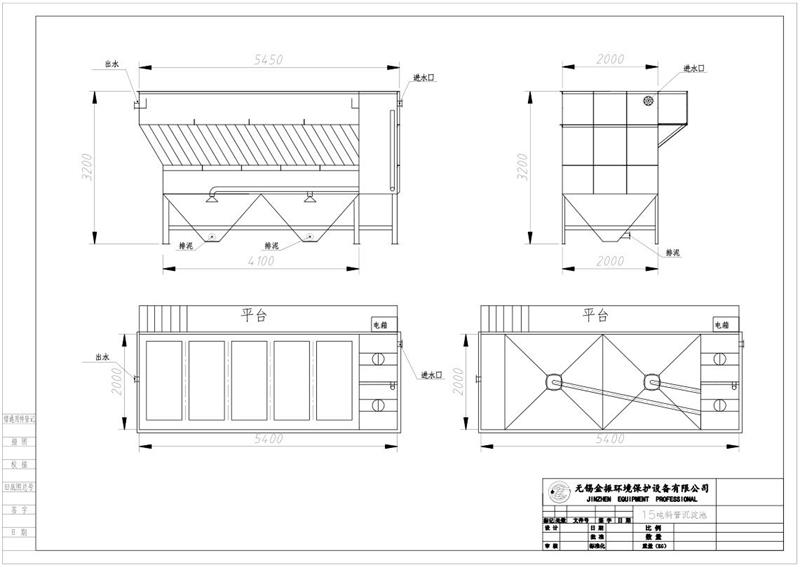
Standard Sedimentation Pond Basin
5-ton inclined tube sedimentation tank

15-ton inclined tube sedimentation tank


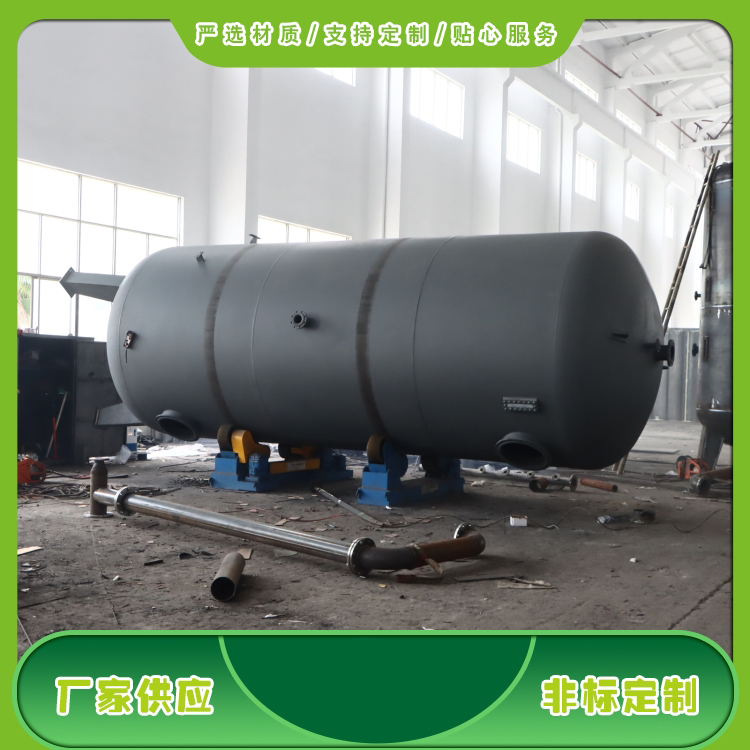
20-ton sedimentation tank