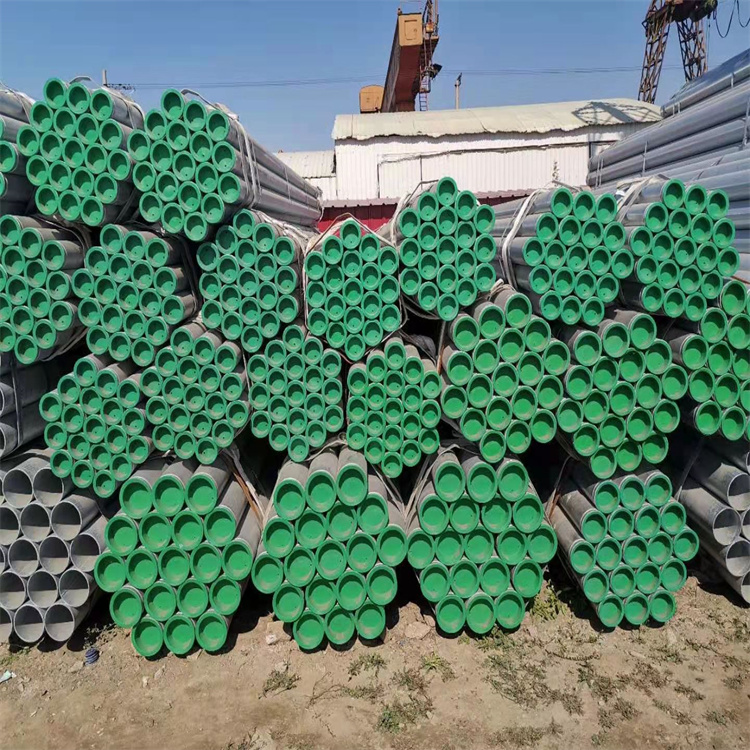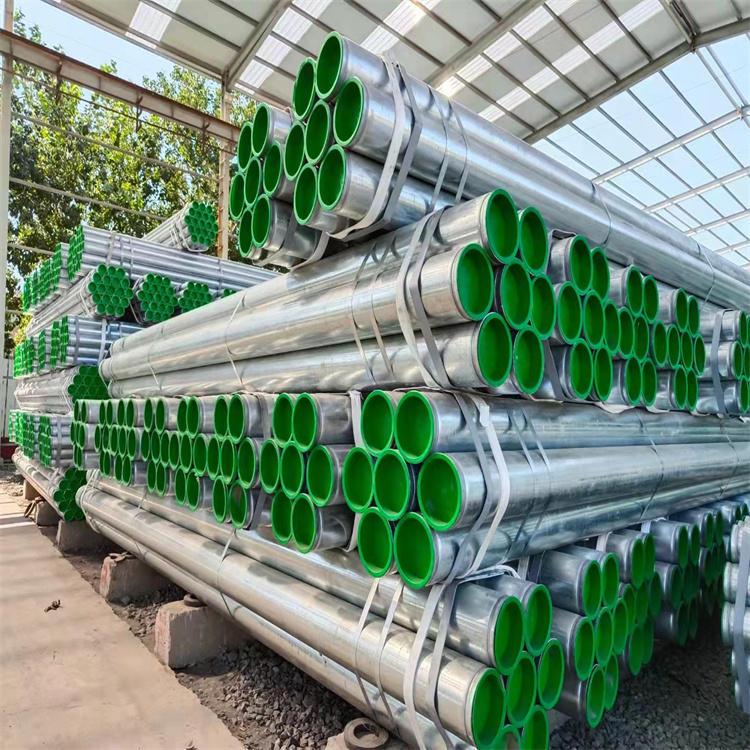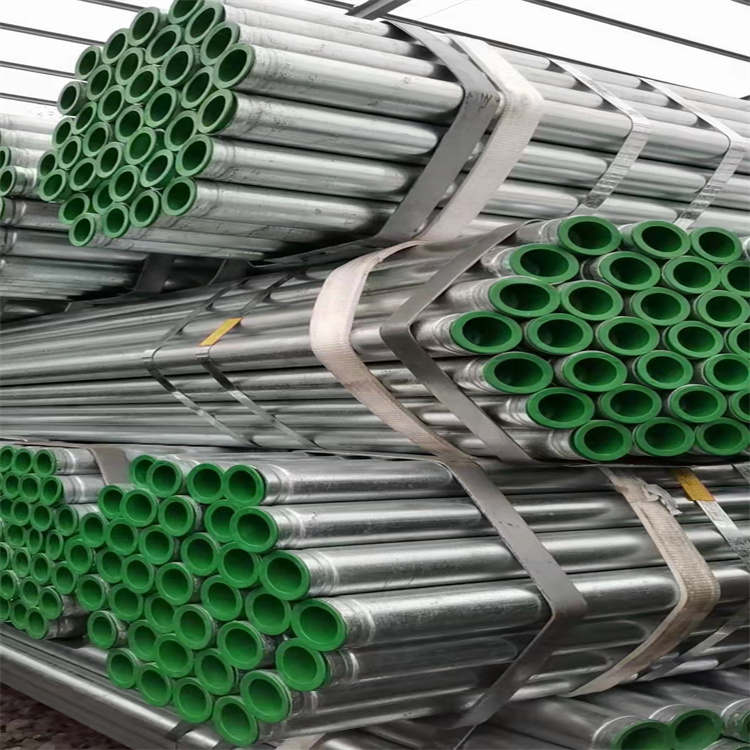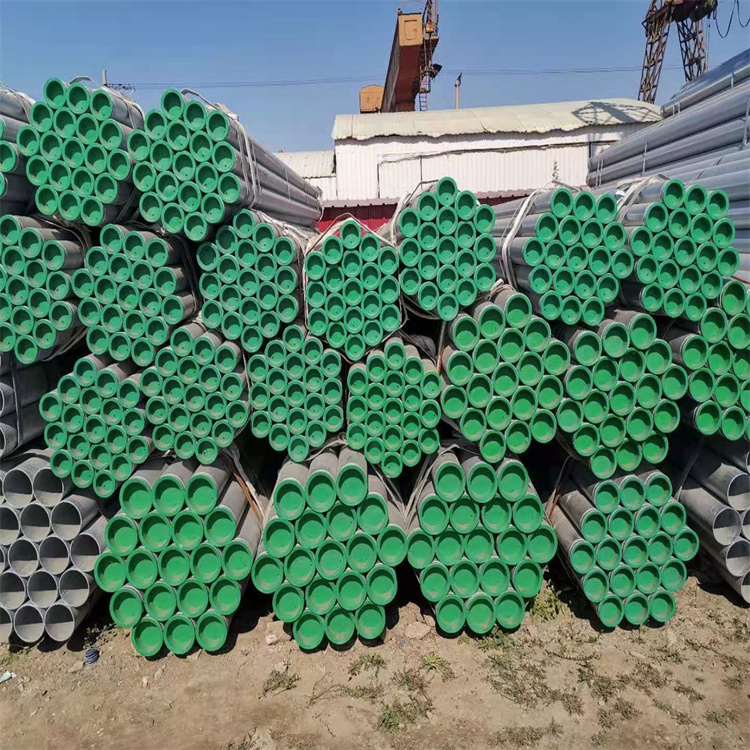

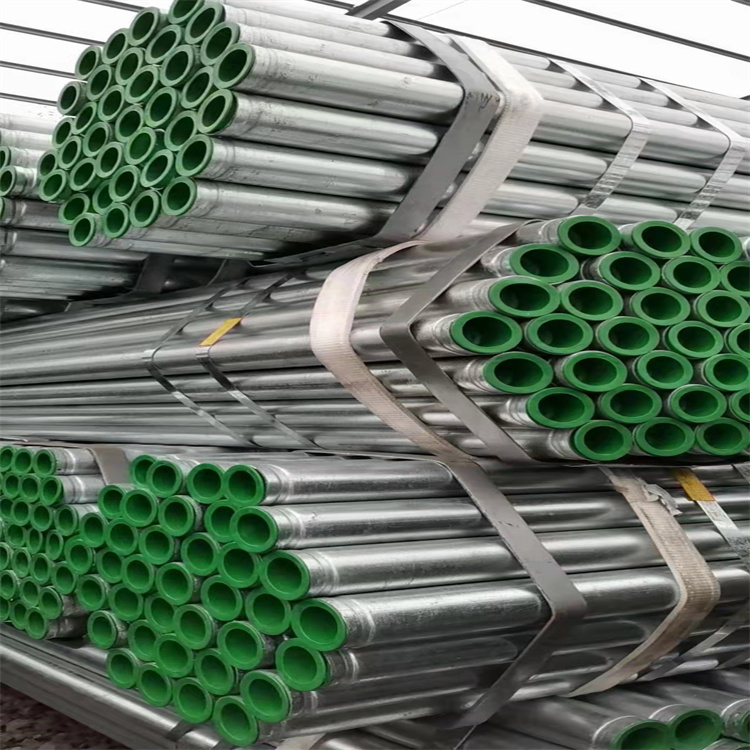











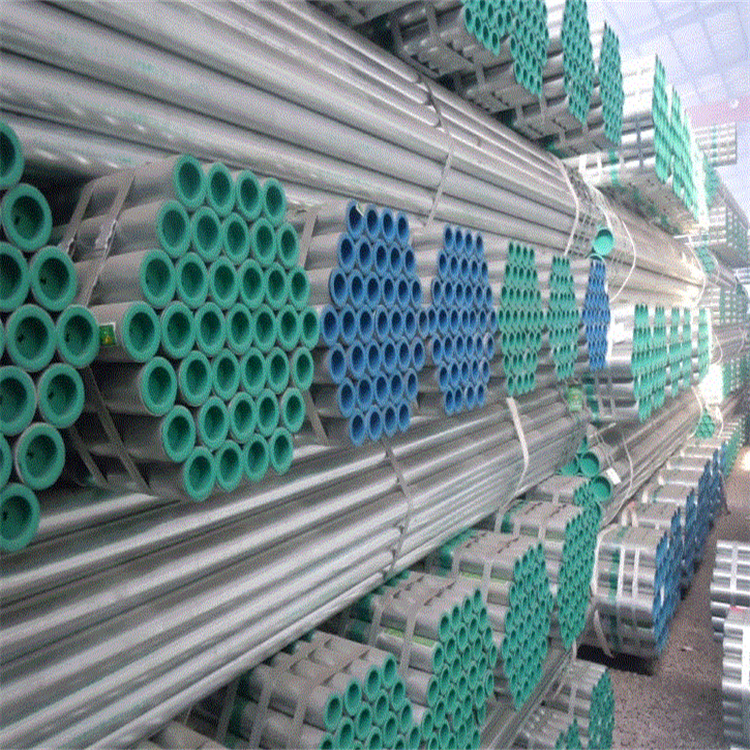
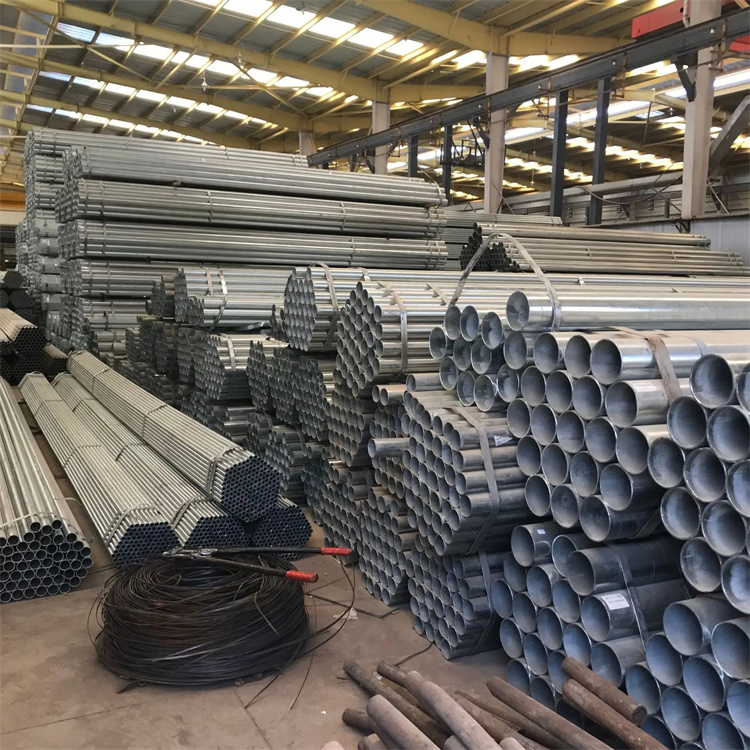
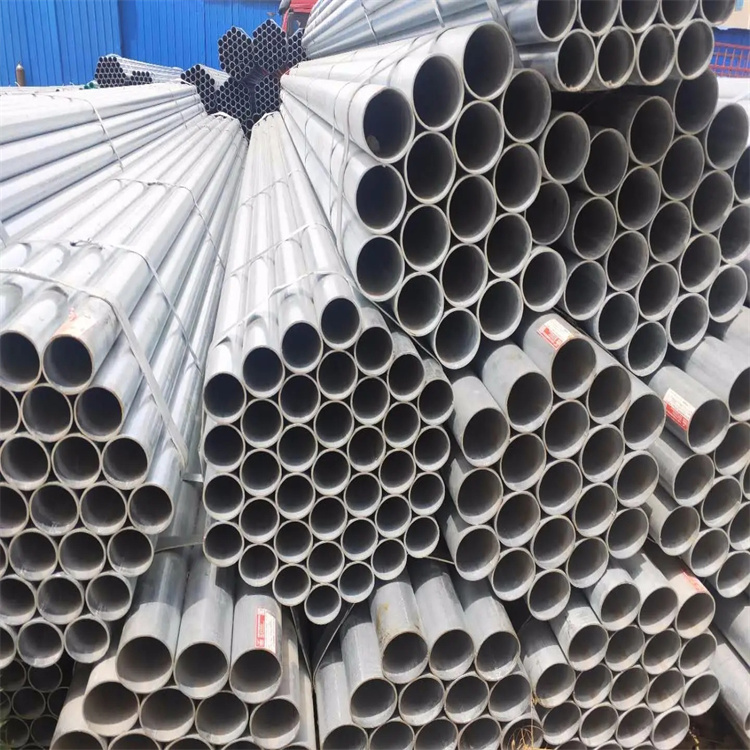
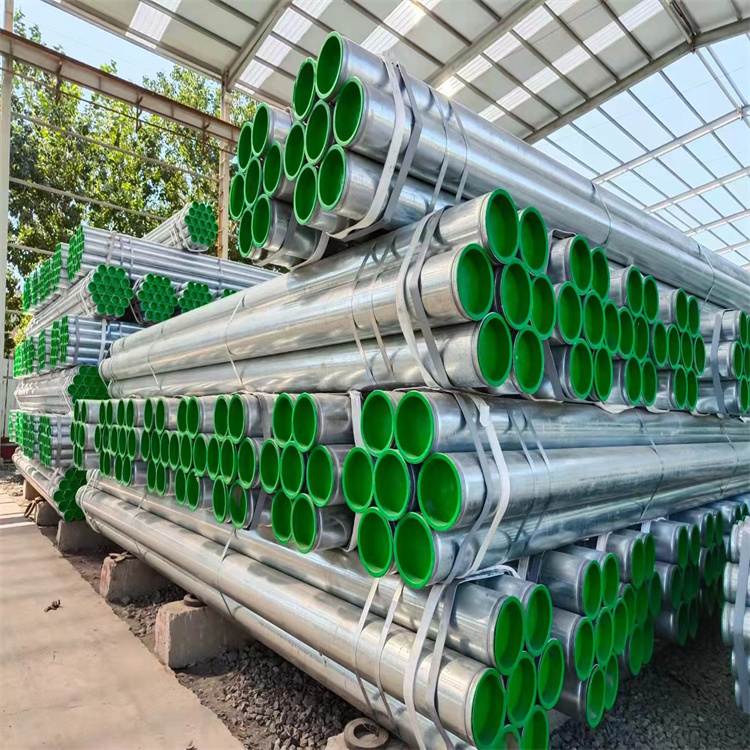
 1. External Pipeline Coating: Types of materials and usage conditions for pipeline external coating.
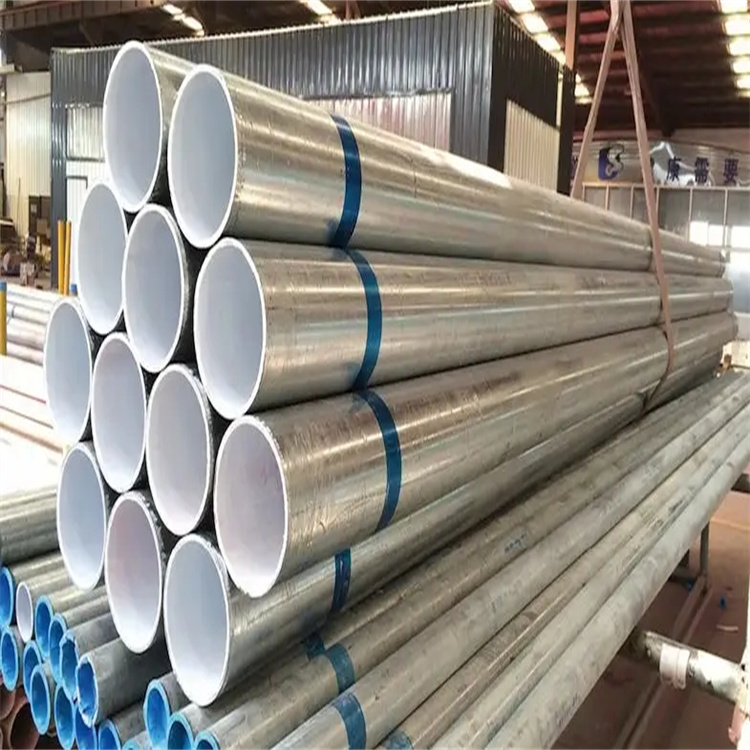
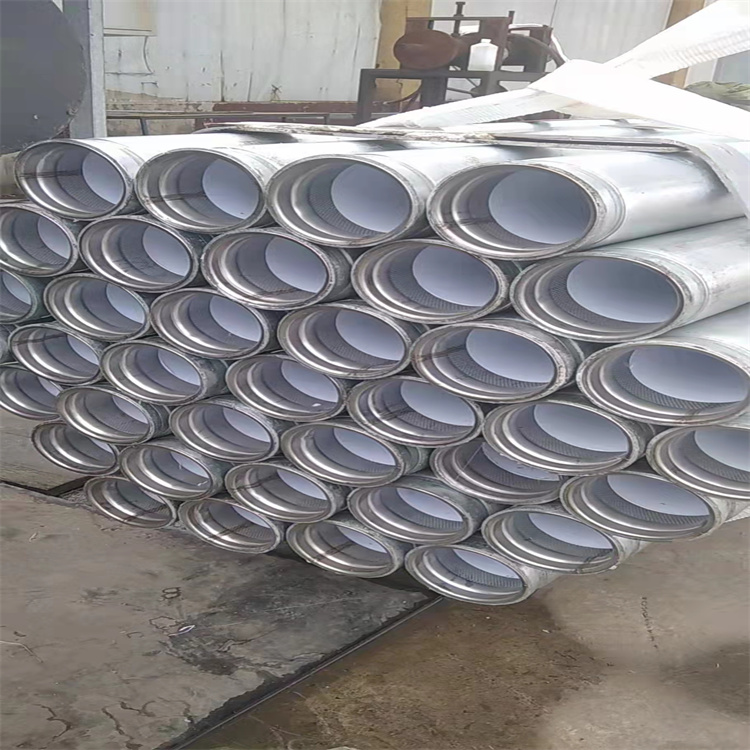
②Internal wall anti-corrosion coating: A thin film applied to the inner wall of the pipe to prevent internal corrosion, reduce friction resistance, and increase flow rate. Common coatings include amine-cured epoxy resin and polyamide epoxy resin, with a coating thickness of 0.038 to 0.2 millimeters. To ensure a strong bond between the coating and the pipe wall, surface treatment of the inner pipe wall is necessary. Since the 1970s, there has been a trend towards using the same material for both the inner and outer wall coatings to facilitate simultaneous application.
③ 3PE Corrosion-Resistant Steel Pipe Insulation Coating: On medium and small bore pipelines for transporting crude oil or fuel oil, a composite layer of insulation and corrosion protection is added to the exterior of the pipeline to reduce heat dissipation into the soil. The commonly used insulation material is rigid polyurethane foam plastic, suitable for temperatures ranging from -185 to 95°C. This material is soft in texture; to enhance its strength, a layer of high-density polyethylene is applied to the exterior of the insulating layer, creating a composite structure to prevent groundwater from infiltrating into the insulation.
2. If the external protective pipe is made of polyethylene, no further anti-corrosion treatment is required.
Polyethylene is odorless, non-toxic, feels like wax, and has excellent low-temperature resistance (useable temperature as low as -70 to -100℃). It boasts good chemical stability, can withstand the erosion of most acids and bases (not resistant to oxidizing acids), is not soluble in general solvents at room temperature, has low water absorption, but can slowly dissolve in certain organic solvents due to its linear molecular structure without swelling, and exhibits excellent electrical insulation properties.
3PE anti-corrosion steel pipe coating involves applying a uniformly dense layer of paint onto the metal pipeline surface after it has been de-rusted, isolating it from various corrosive media. This is one of the fundamental methods for 3PE anti-corrosion steel pipe protection. More and more, anti-corrosion coatings on steel pipes are made using composite materials or composite structures. These materials and structures must have good dielectric properties, physical properties, stable chemical properties, and a wide temperature adaptability range.
WeChat Official Account

Scan to follow Official Account