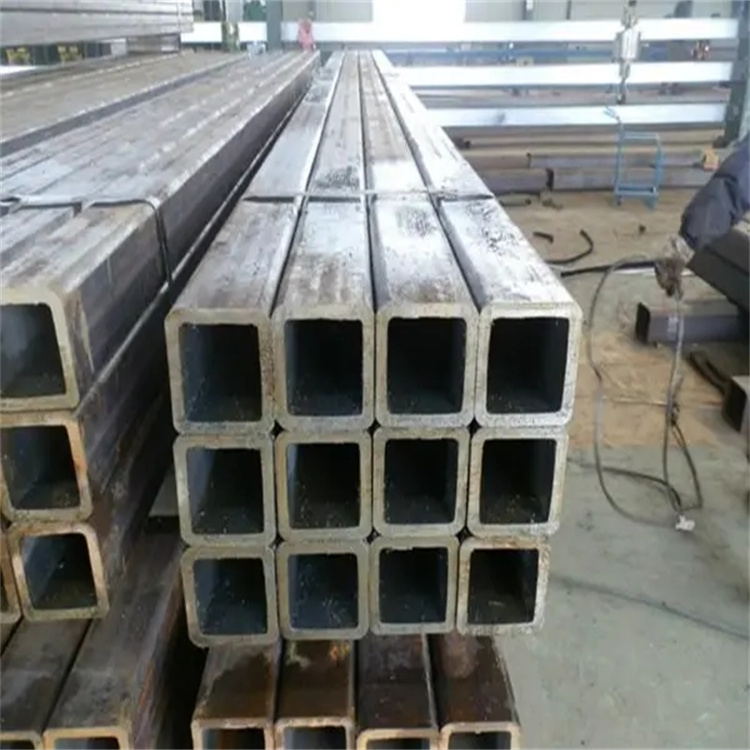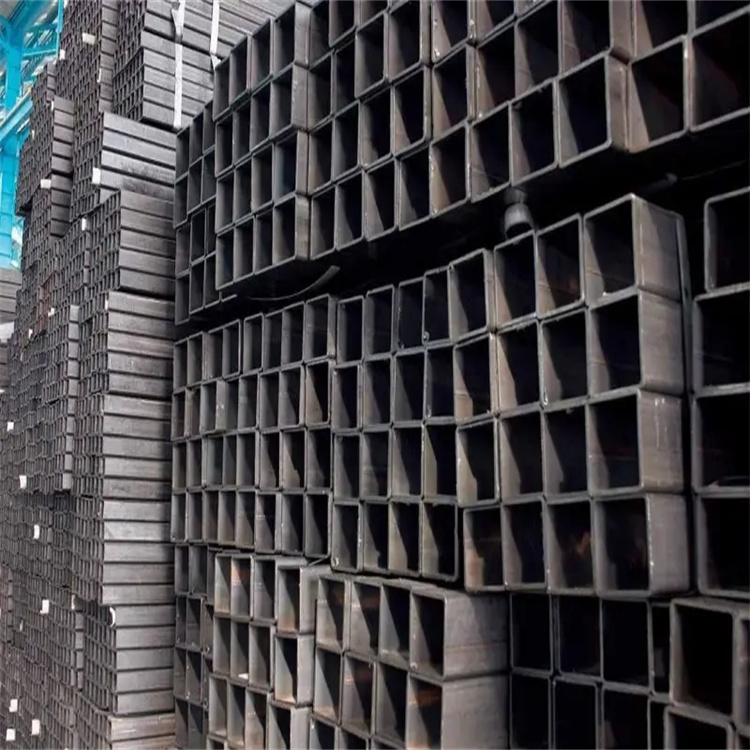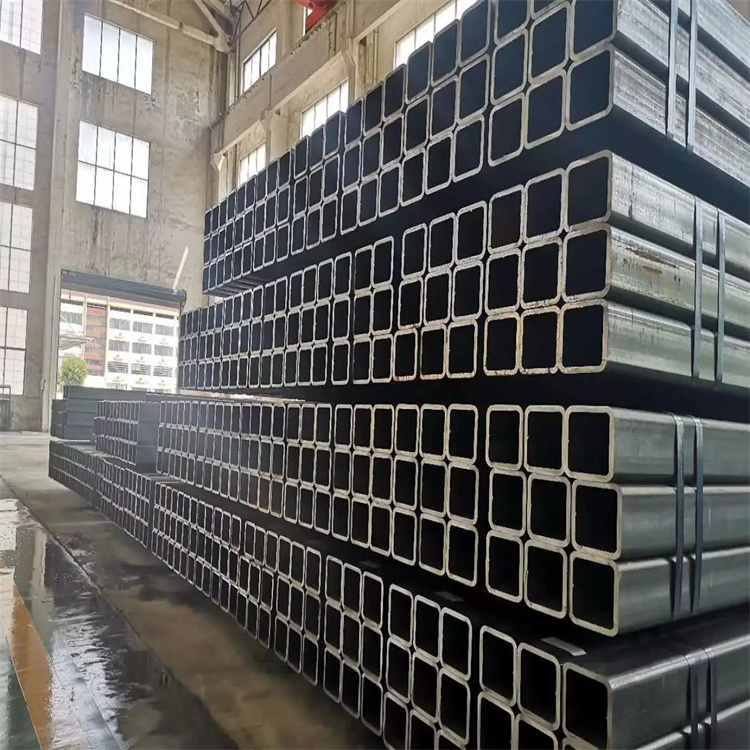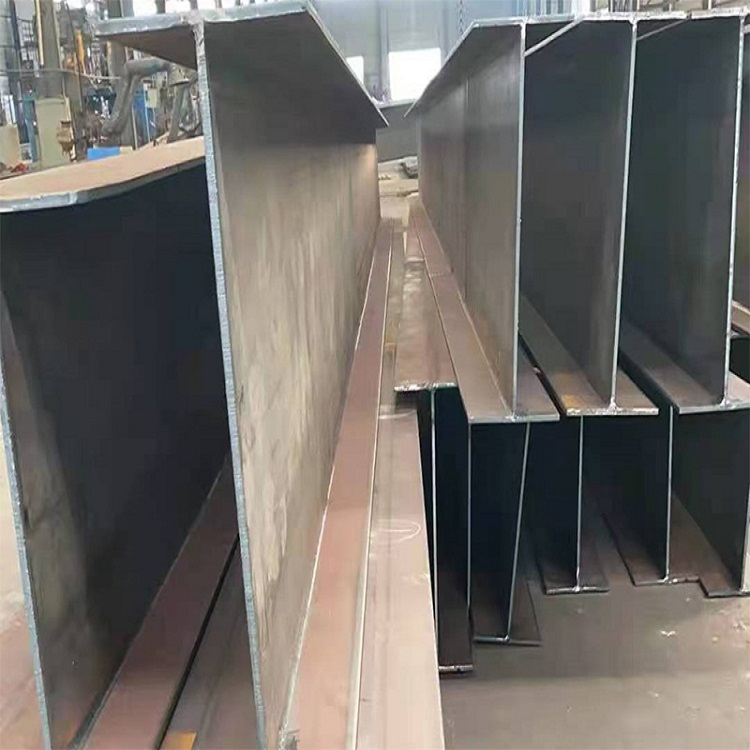













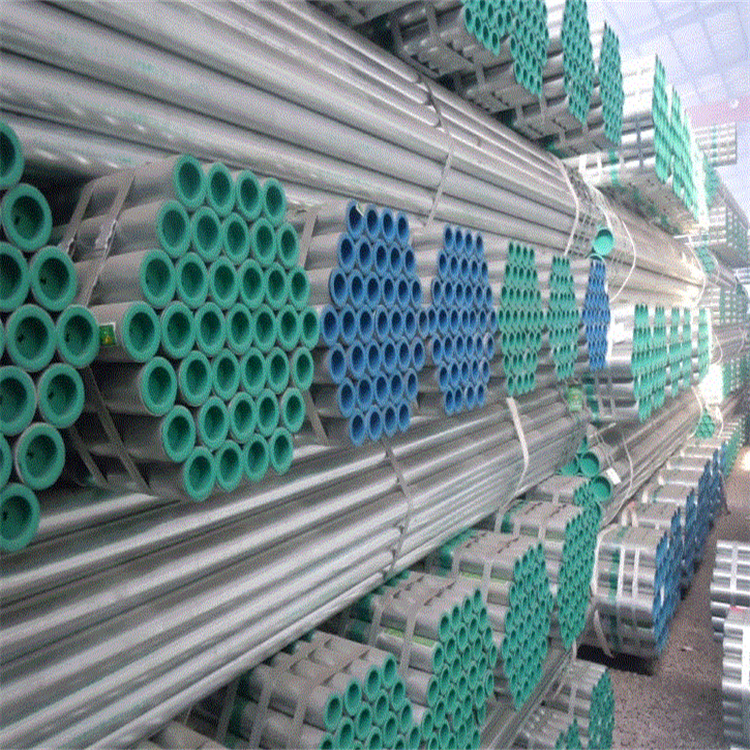
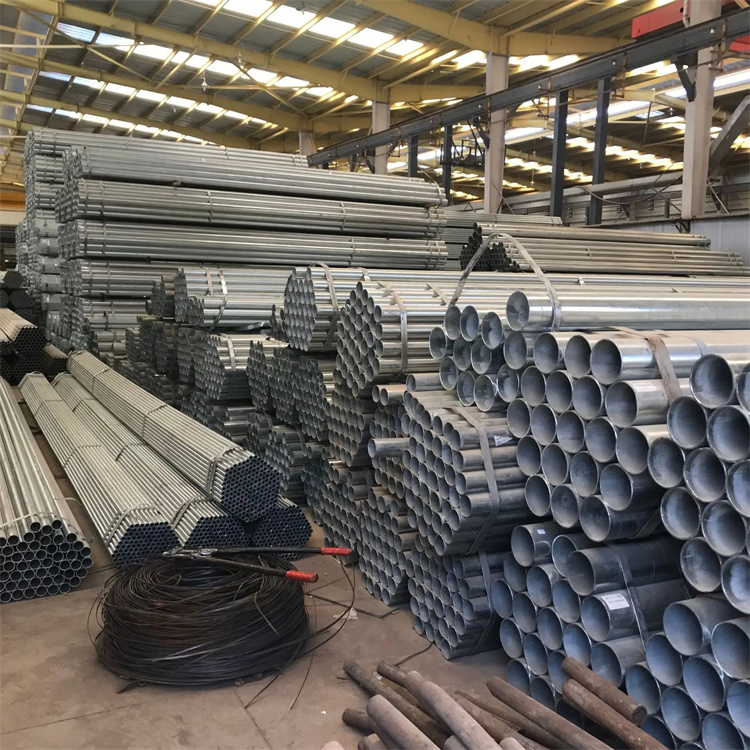
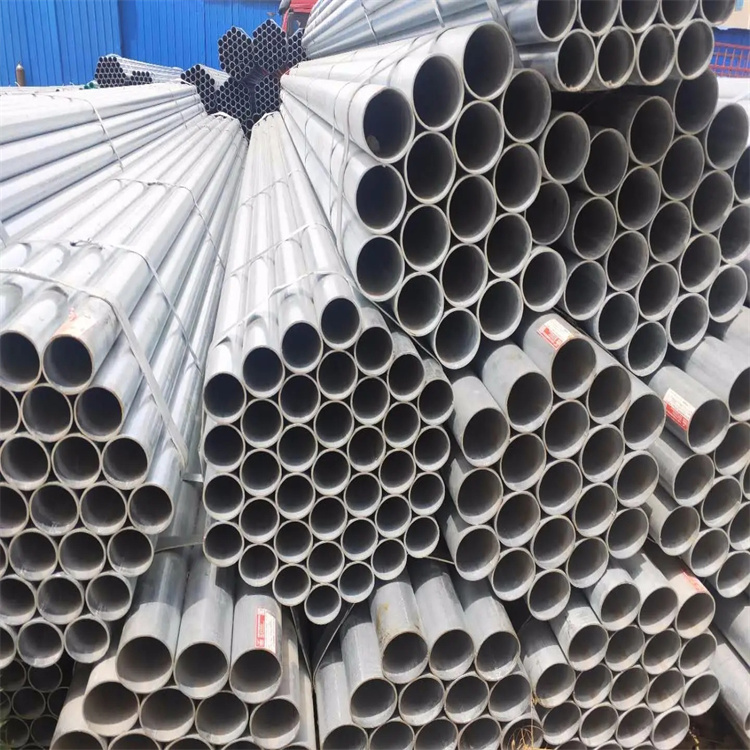
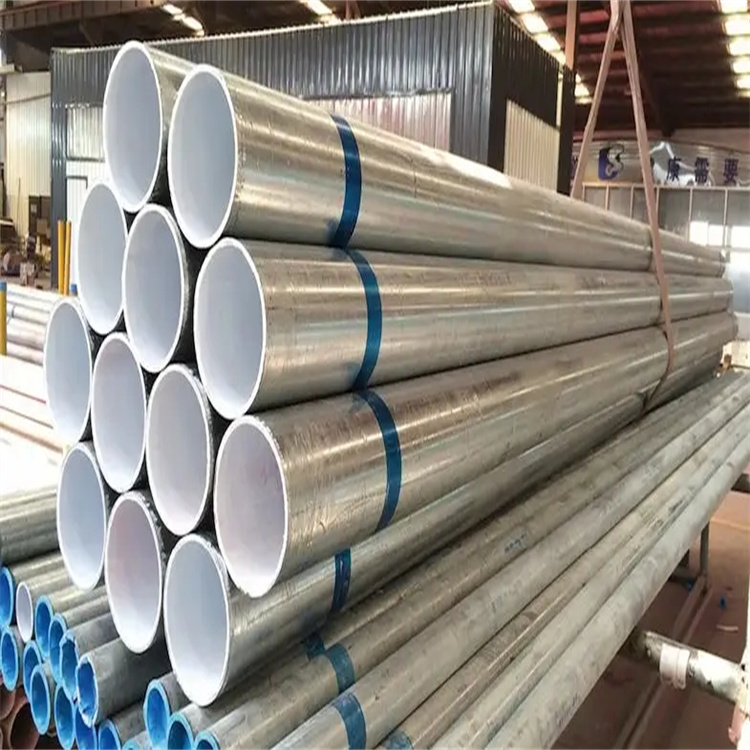
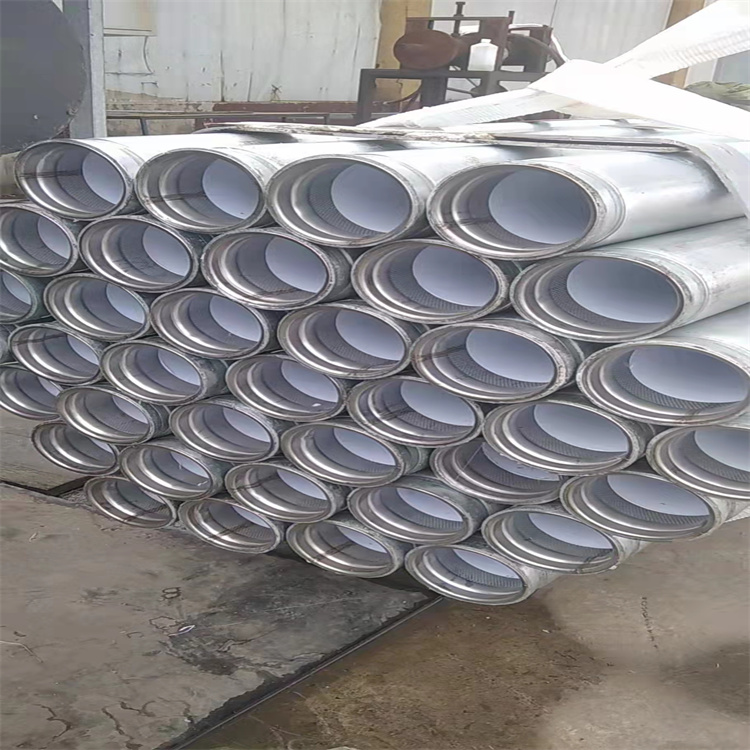
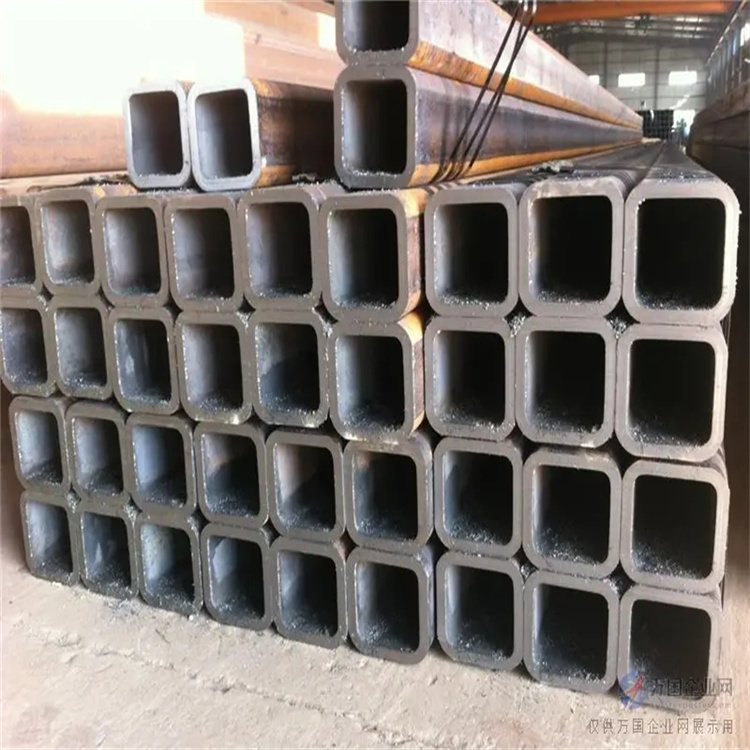
 Hot-dip galvanized pipes are produced by causing the molten metal to react with the iron substrate, forming an alloy layer that binds the base material and the coating together. The process involves first pickling the steel pipes to remove surface oxide iron, followed by cleaning in an ammonium chloride or zinc chloride aqueous solution, or a mixture of both, then the pipes are immersed in a hot-dip galvanizing bath. Hot-dip galvanized coatings offer advantages such as evenness, strong adhesion, and a long service life.
2. Cold galvanized pipe
Cold galvanized is essentially electroplated zinc, with a very thin coating of only 10-50g/m², which is significantly less corrosion-resistant than hot-dipped zinc pipes. Reputable galvanized pipe manufacturers, to ensure quality, generally do not use electroplated zinc (cold galvanizing). Only small-scale, outdated-equipment enterprises opt for electroplating, and naturally, their prices are relatively lower. The Construction Ministry has officially decreed the elimination of outdated cold galvanized pipe technology; henceforth, cold galvanized pipes will not be permitted for use in water and gas pipelines.
3. Hot-Dip Galvanized Steel Pipe
The steel pipe substrate undergoes complex physical and chemical reactions with the molten galvanizing bath, forming a tightly structured, corrosion-resistant zinc-iron alloy layer. This alloy layer merges seamlessly with the pure zinc layer and the steel pipe substrate, thereby enhancing its corrosion resistance.