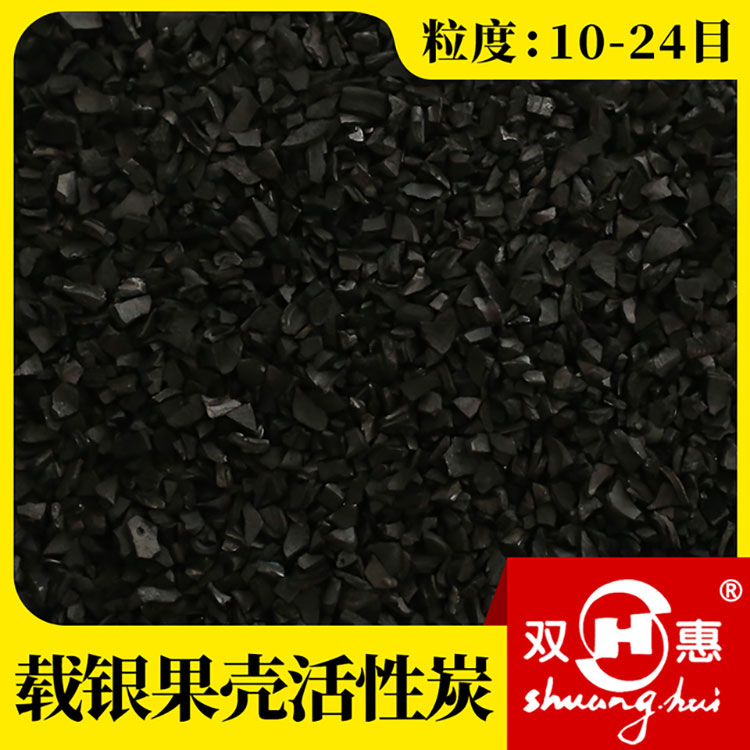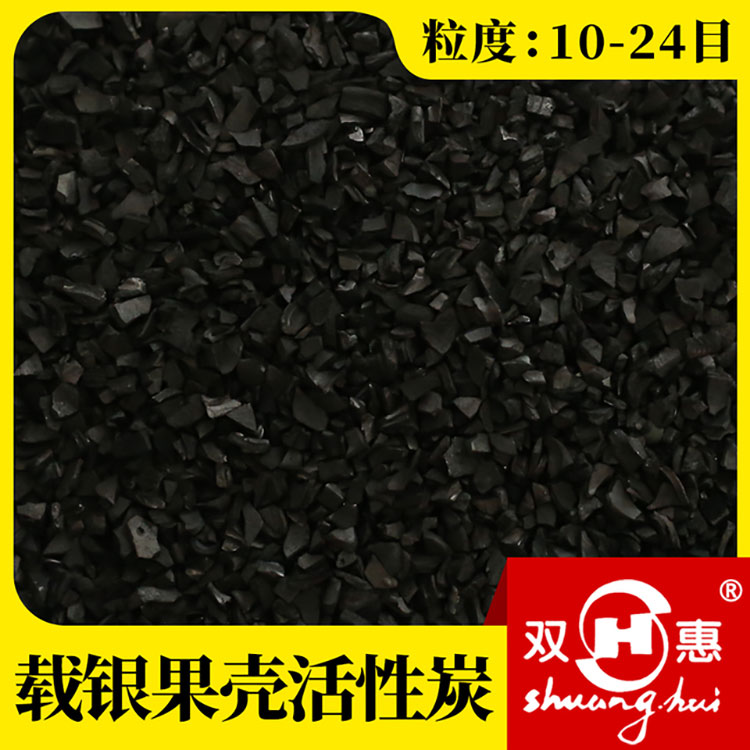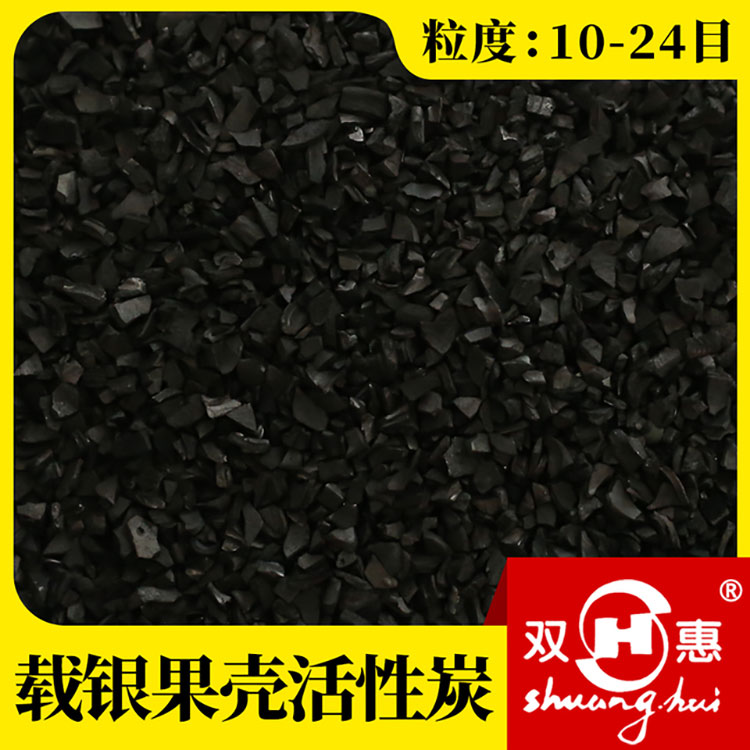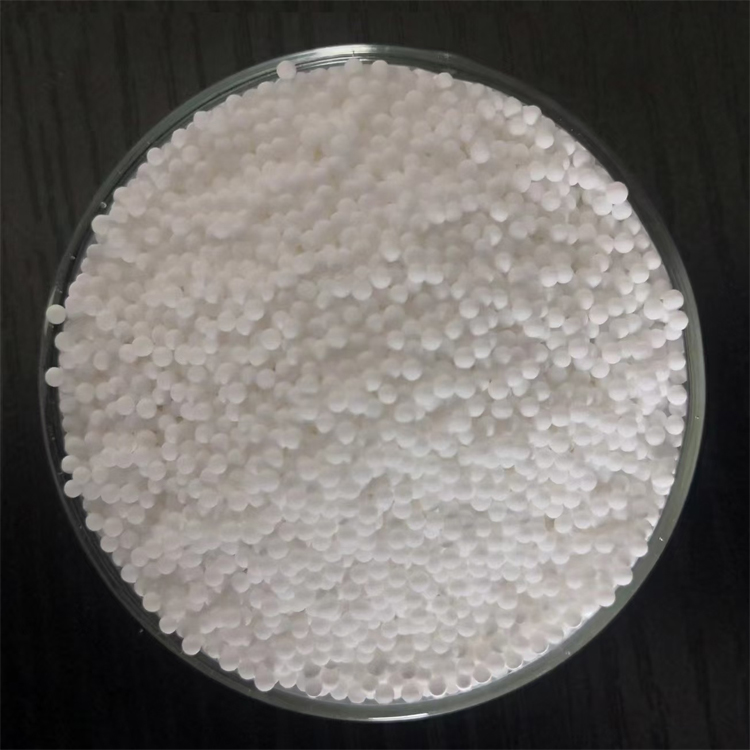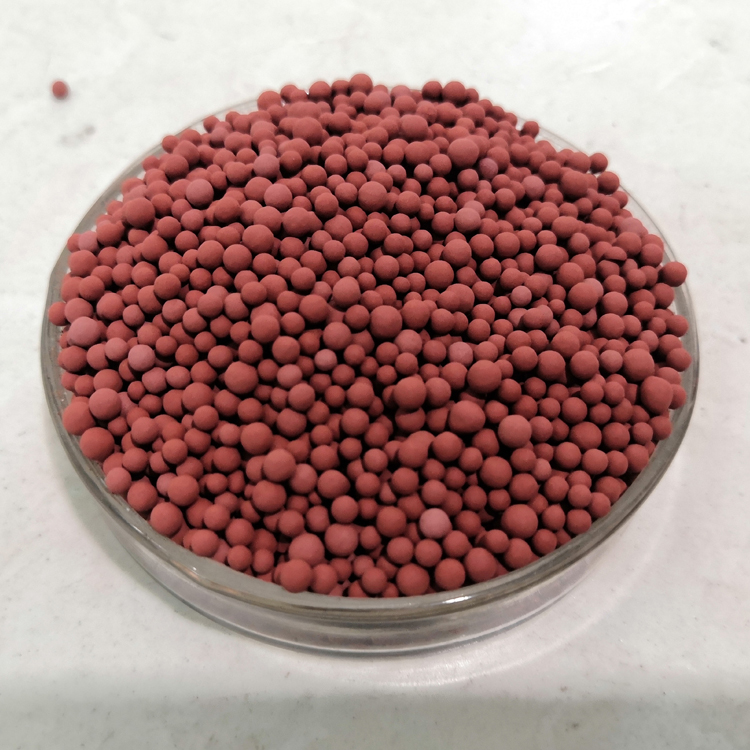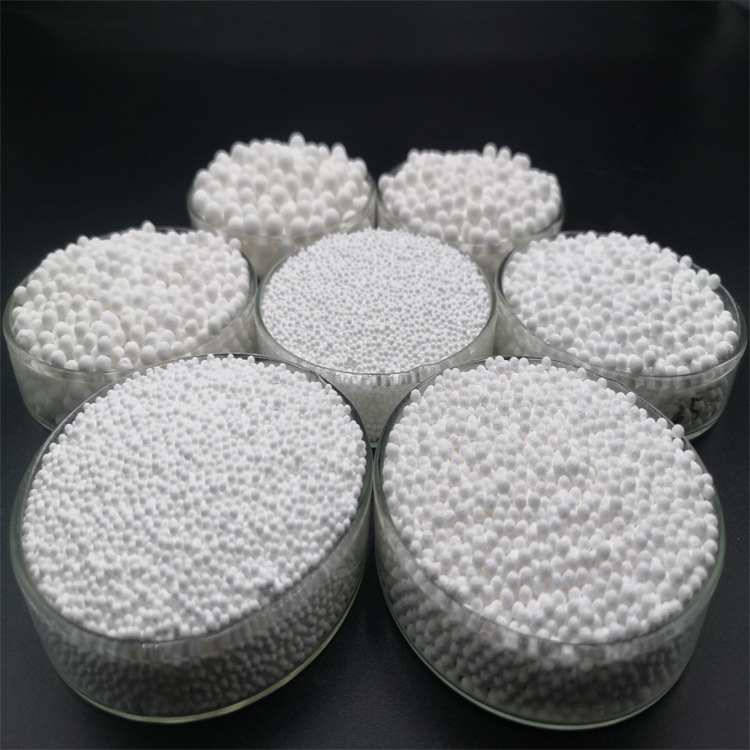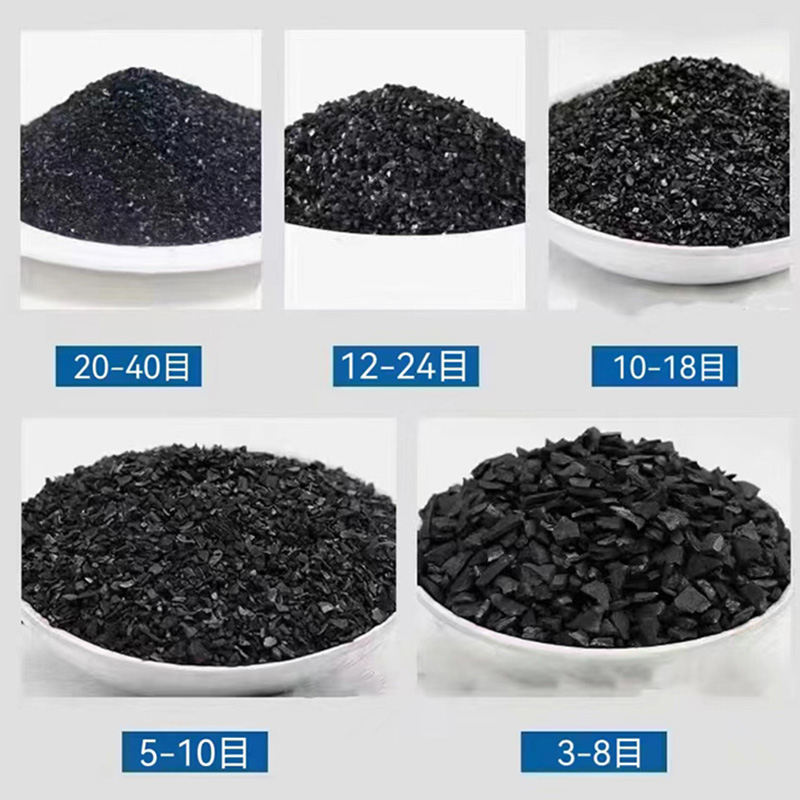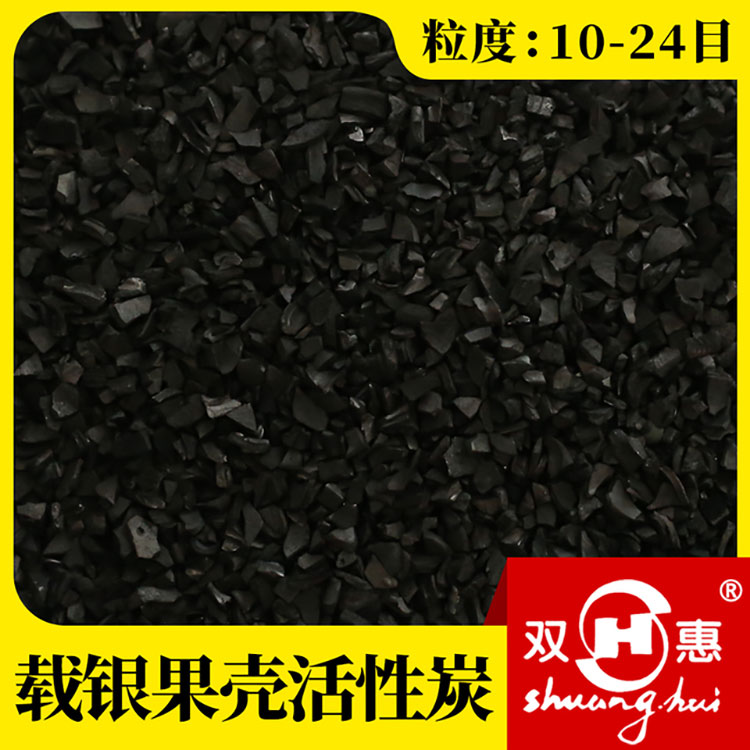

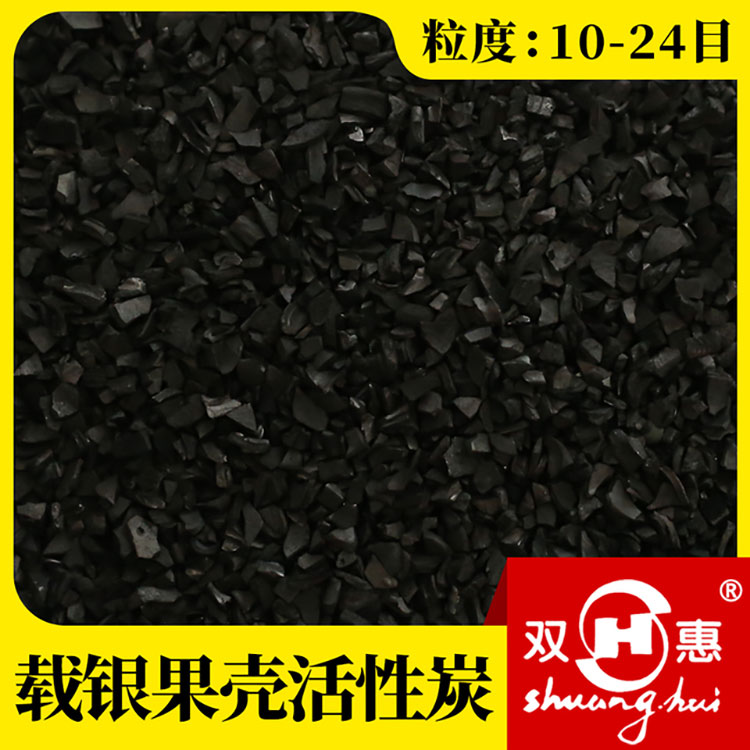


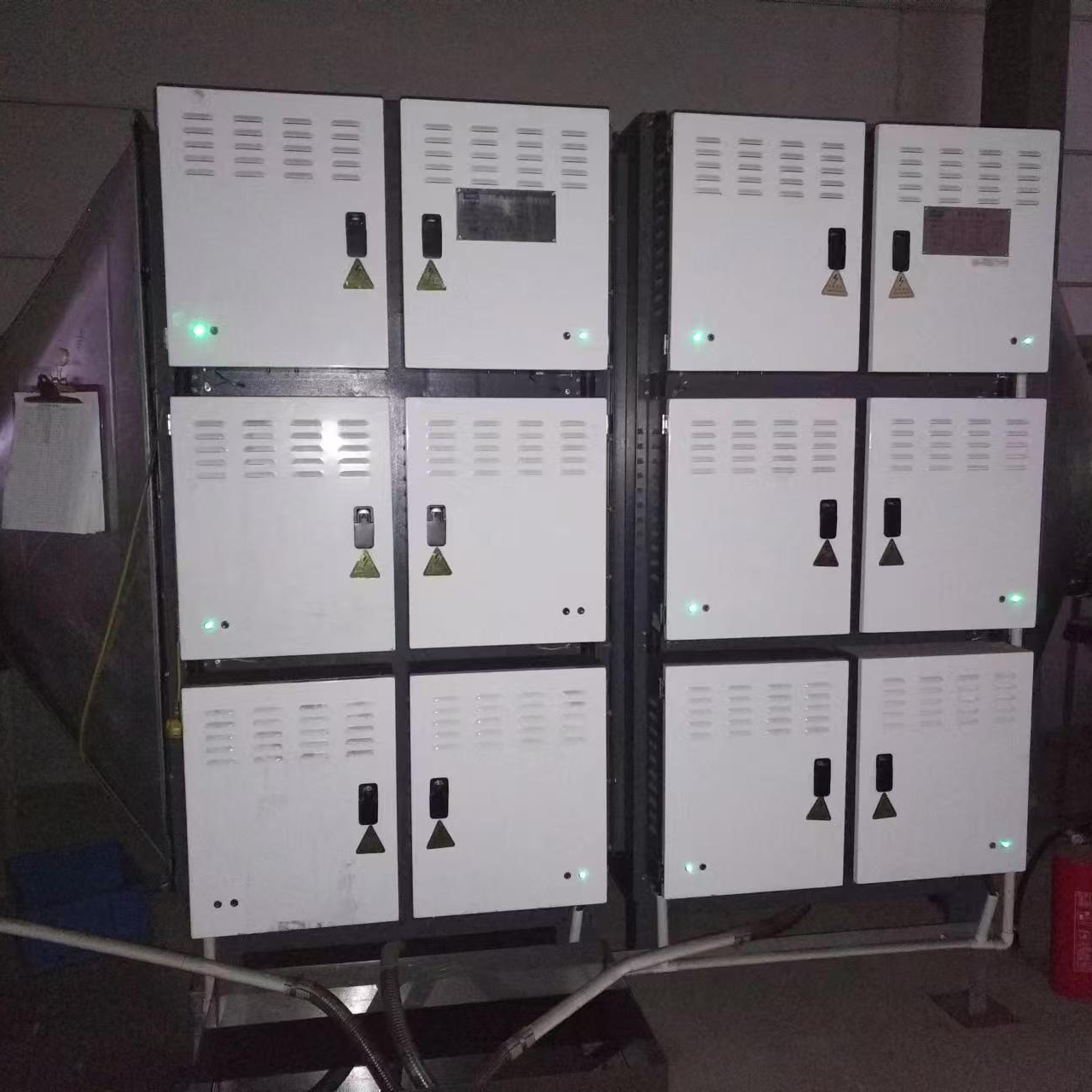
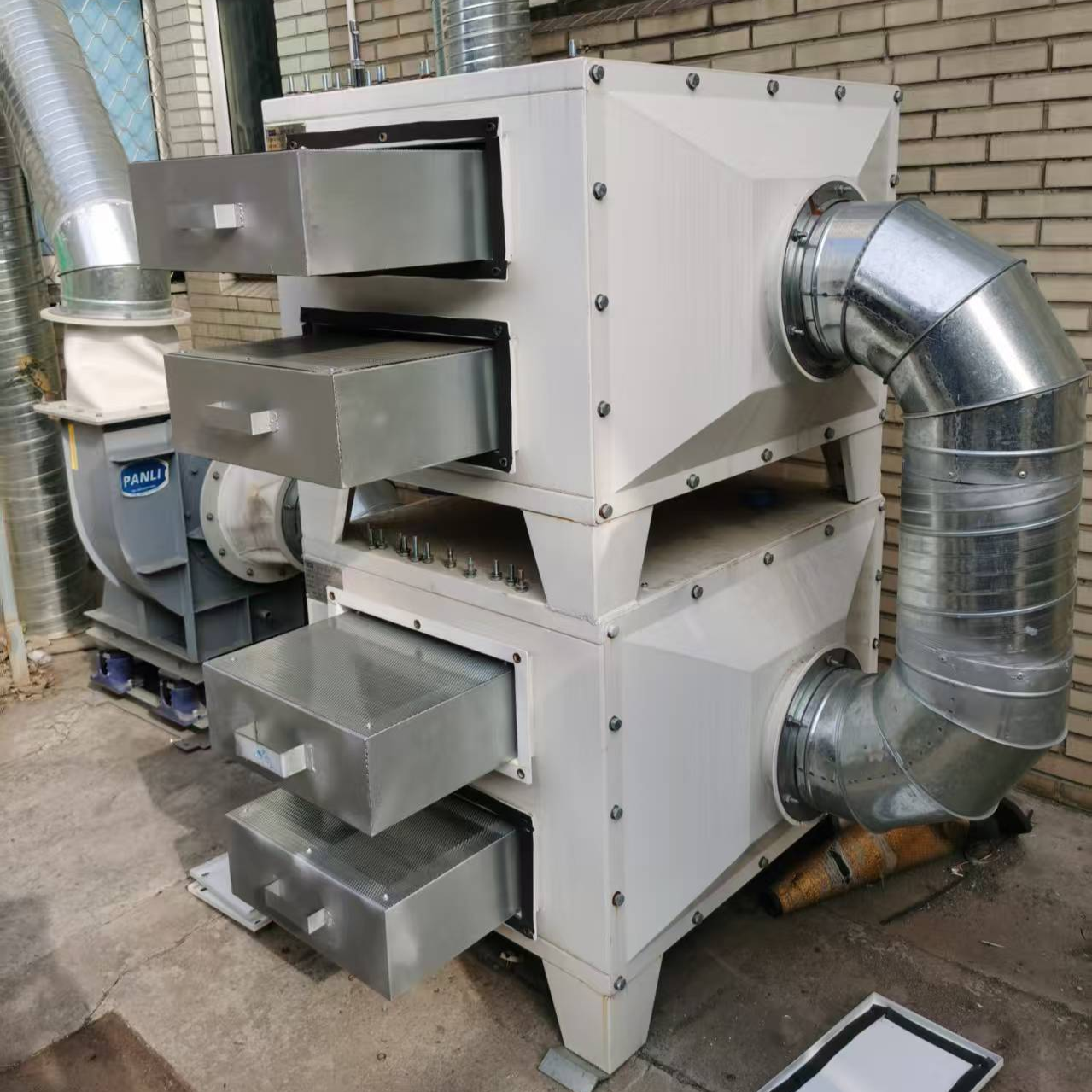
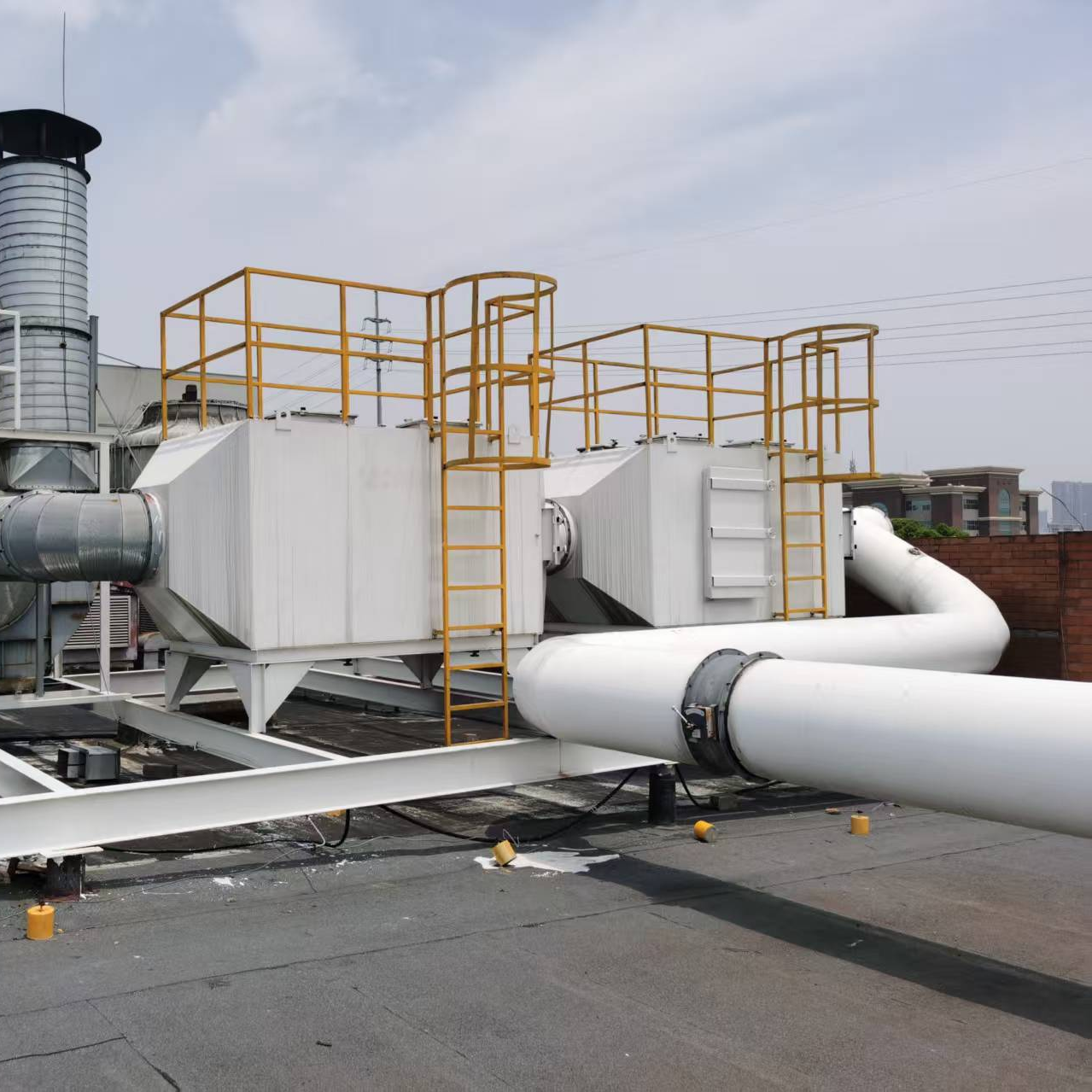
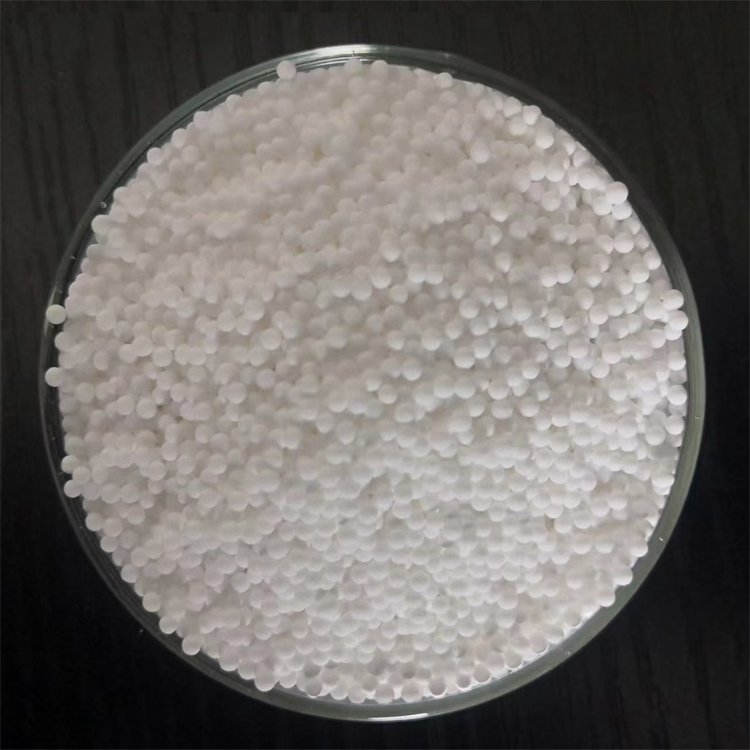
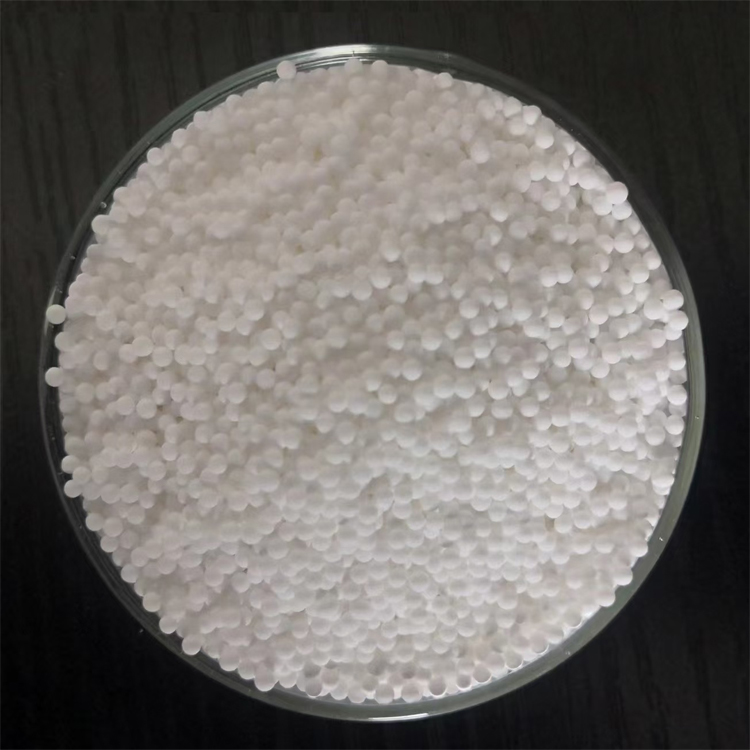





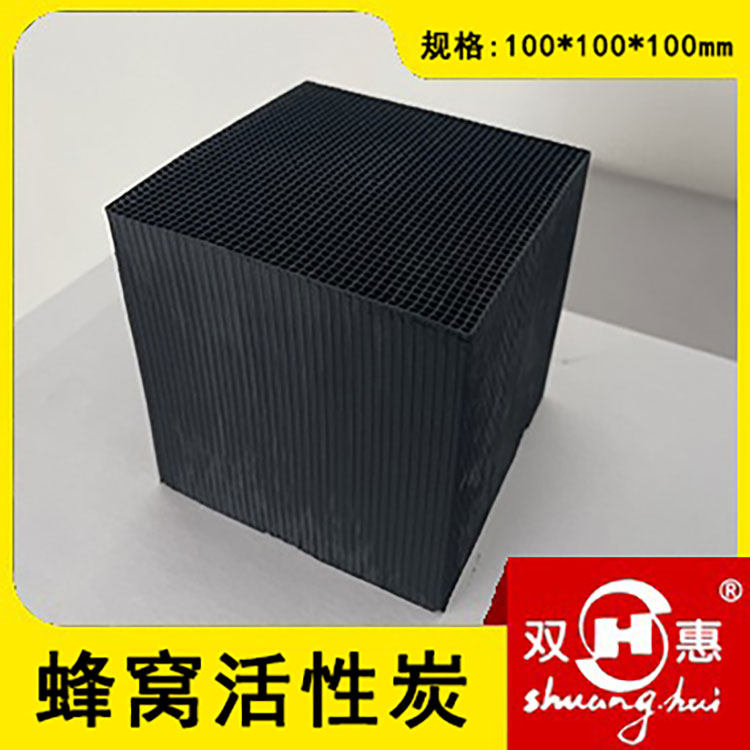
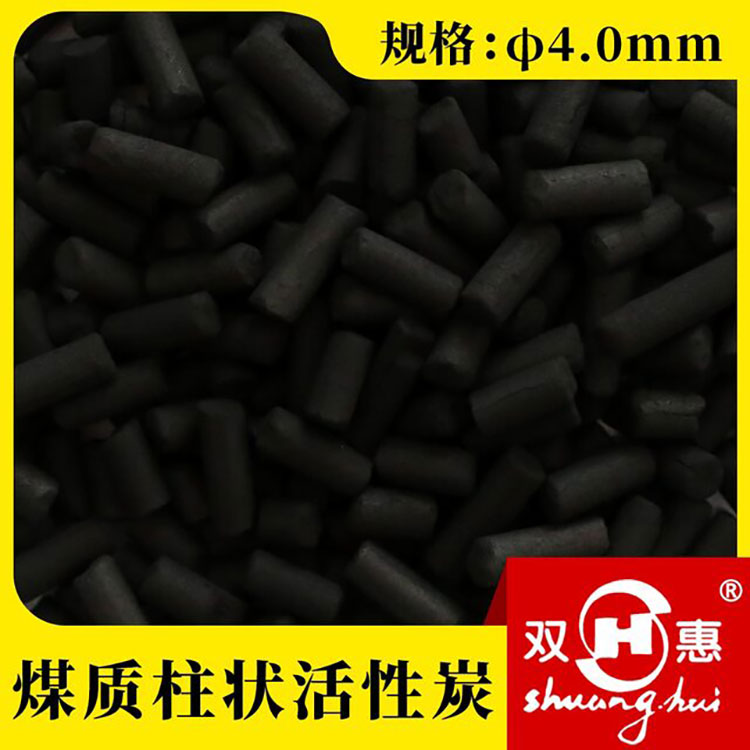
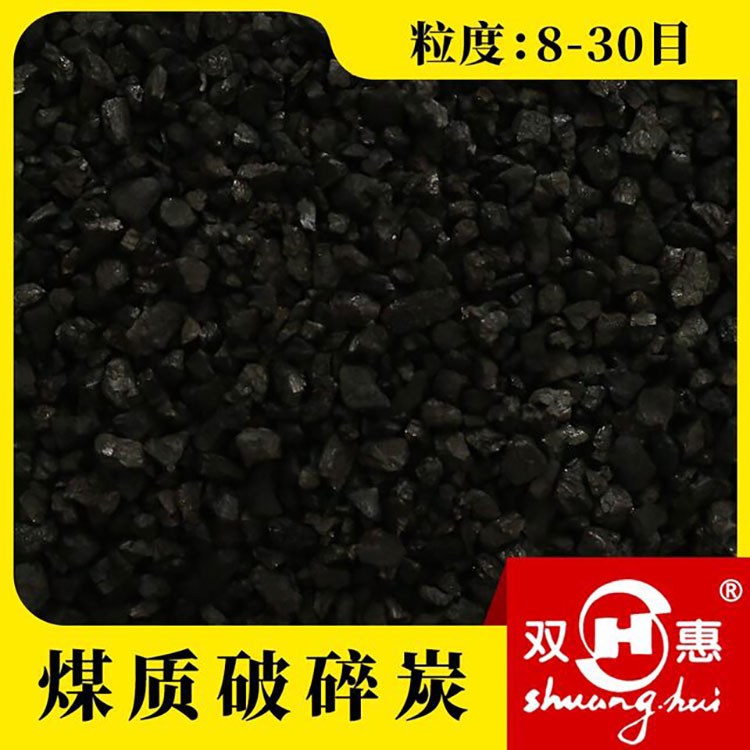
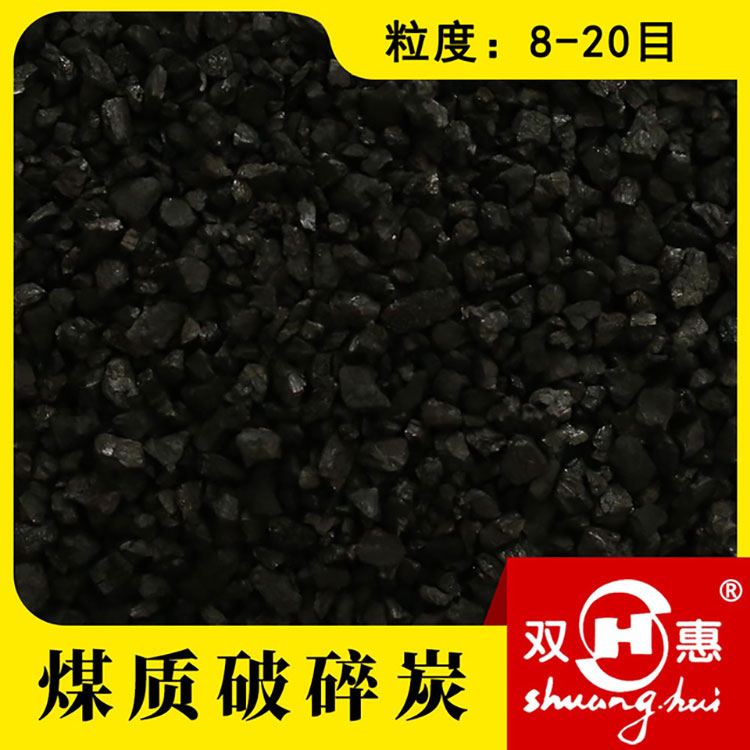
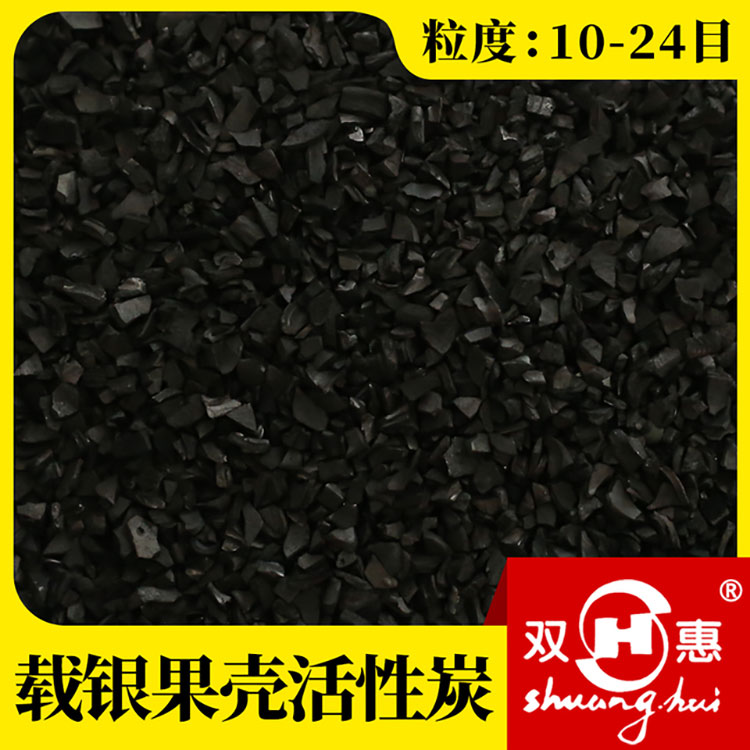
Shell activated carbon is a type of activated carbon. It is in black granular form and used for purifying industrial harmful gases such as chlorinated vinyl, methanol, nitrogen oxides, etc. Eco-friendly nuts shells like coconut, peach, walnut, jujube, etc., are the raw materials for purifying industrial harmful gases. Shell activated carbon is a type of activated carbon processed through a series of production techniques. It boasts good wear resistance, well-developed pores, high adsorption capacity, high strength, easy regeneration, and economic durability.
Fruit shell activated carbon is produced from fruit shells and coconut shells through a series of refining production processes. It has a black granular appearance. It boasts advantages such as well-developed porosity, good adsorption properties, high strength, and cost-effectiveness. The product is mainly used for purifying drinking water, pure water, winemaking, beverages, industrial wastewater treatment, dechlorination, deodorization, desiccants, and catalyst carriers. Made from nut shells and coconut shells, fruit shell activated carbon is widely applied in drinking water, domestic water, beverage water, waterworks, power plant boiler water, industrial pure water purification, and various industrial wastewater treatments. It can effectively remove organic matter, odors, residual chlorine, mercury, iron, lead, chromium, silica gel, and other harmful substances from water, effectively eliminating odors and colors.
Shell activated carbon should be kept away from direct flame during storage or transportation to prevent fires. Oxygen should be avoided during regeneration and the regeneration process. After regeneration, it needs to be cooled with steam to below 80℃; otherwise, the high temperature can cause the activated carbon to spontaneous combustion upon contact with oxygen. Next, let's learn about the precautions for using shell activated carbon.
During transportation, fruit shell activated carbon should be prevented from mixing with hard substances and should not be stepped on or crushed to avoid granule breakage, which may affect quality.
2. Store in a porous adsorbent; therefore, prevent water immersion during transportation, storage, and use. After immersion, a large amount of water fills the active voids of the fruit shell activated carbon, rendering it ineffective.
3. To prevent tar substances from entering the activated carbon bed during use, which could block the pores and render the activated carbon ineffective, it is recommended to use gas purification equipment with tar removal capabilities.