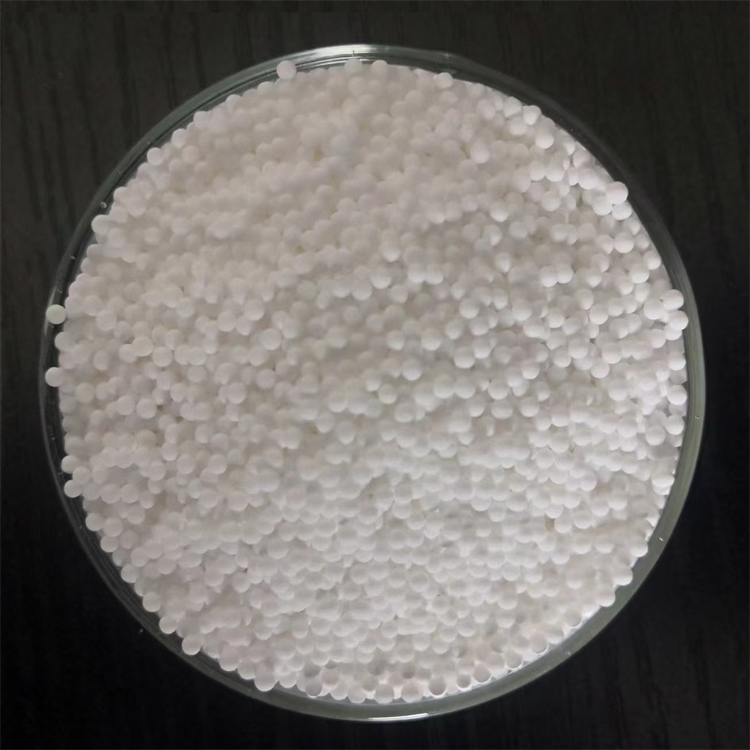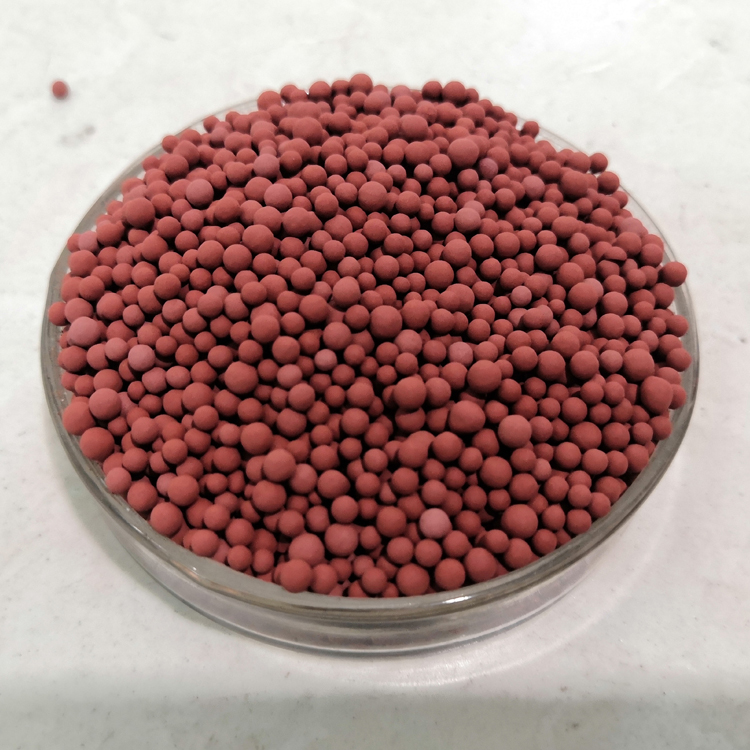








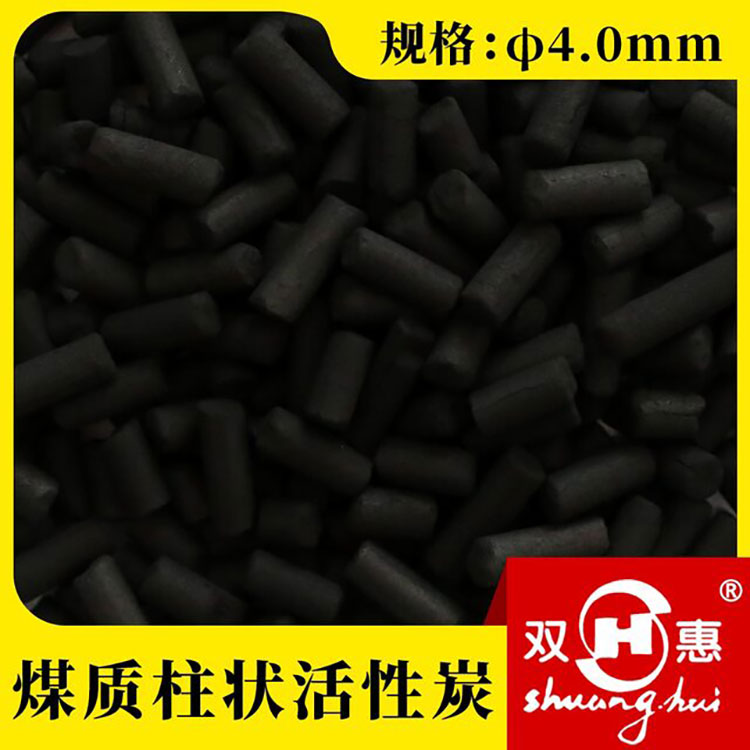
The adsorption capacity of granular activated carbon is related to water temperature and quality. The higher the water temperature, the stronger the adsorption capacity of the activated carbon. If the water temperature exceeds 30°C, the adsorption capacity will meet the requirements and may gradually decrease. When the water is acidic, the adsorption capacity of activated carbon for anionic substances is relatively weak. When the water is alkaline, the adsorption capacity of granular activated carbon for cationic substances is reduced. An unstable pH value of the water will also affect the adsorption capacity of granular activated carbon.
The adsorption capacity of granular activated carbon is proportional to the contact time with water. The longer the contact time, the better the quality of the filtered water. The filtered water should flow out of the filter layer slowly. Before use, new activated carbon should be thoroughly cleaned, otherwise, black water will leak out. Before placing the activated carbon in the filter, add a 2 to 3 cm thick layer of sponge at the bottom and top to prevent large particles (such as algae) from penetrating. After using activated carbon for 2 to 3 months, if the filtration effect decreases, replace the new activated carbon and sponge layer, and do so regularly.
A balanced surface concentration layer forms on the surface of the particles, where organic impurities are then adsorbed into the activated carbon particles. The initial adsorption efficiency is very high. However, over time, the adsorption capacity of the activated carbon decreases to varying degrees, and the adsorption effect also diminishes. If the water in the aquarium is cloudy and the organic content is high, the activated carbon will quickly lose its filtering function. Therefore, it is necessary to clean or replace the activated carbon regularly.
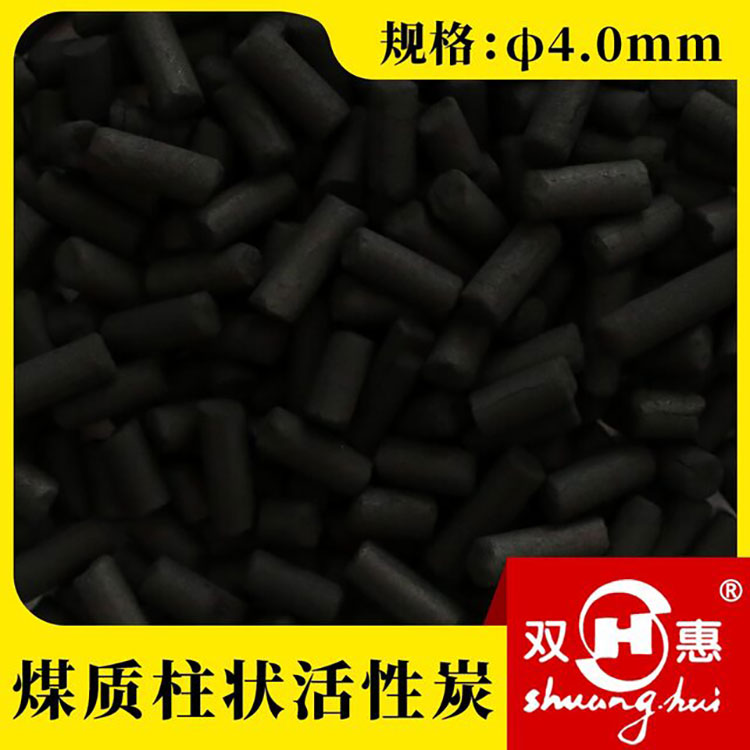
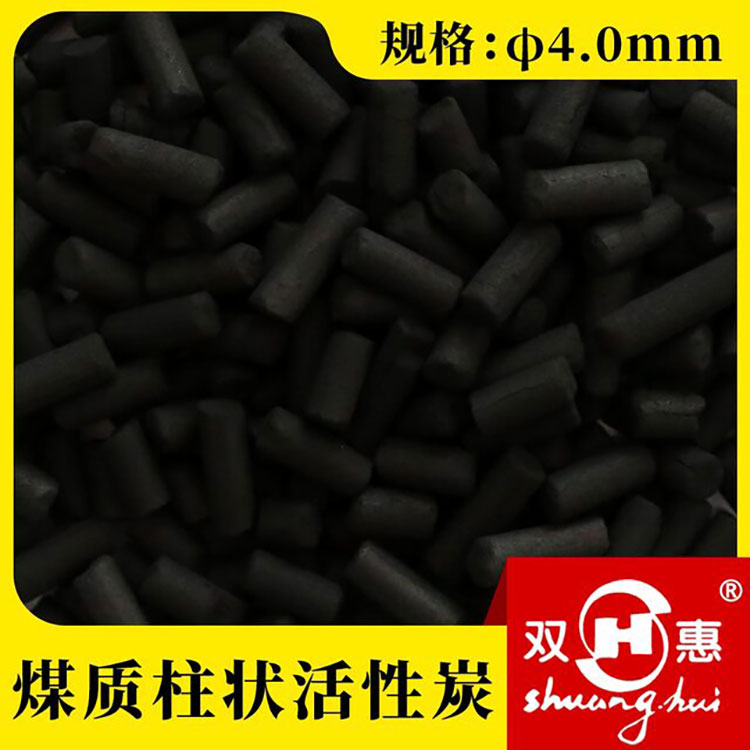
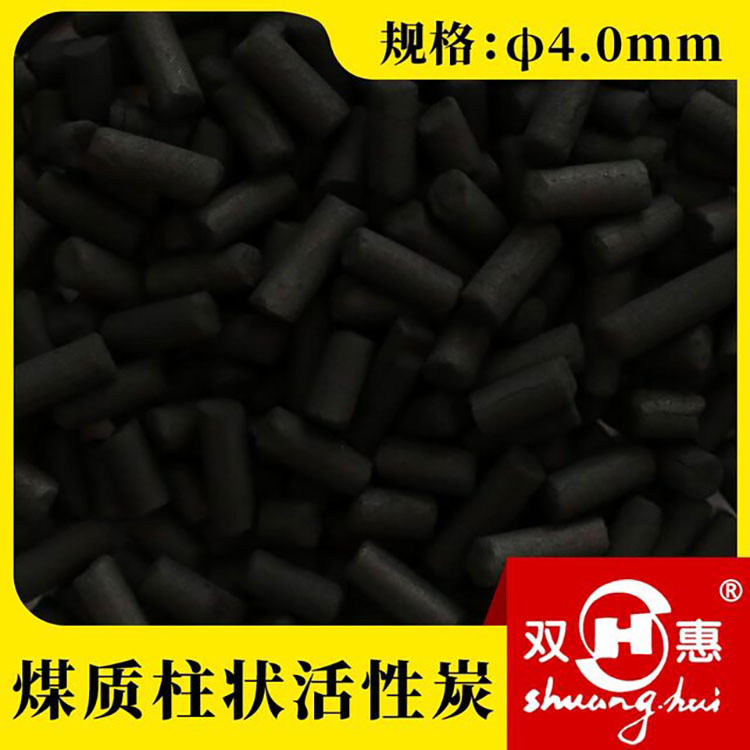
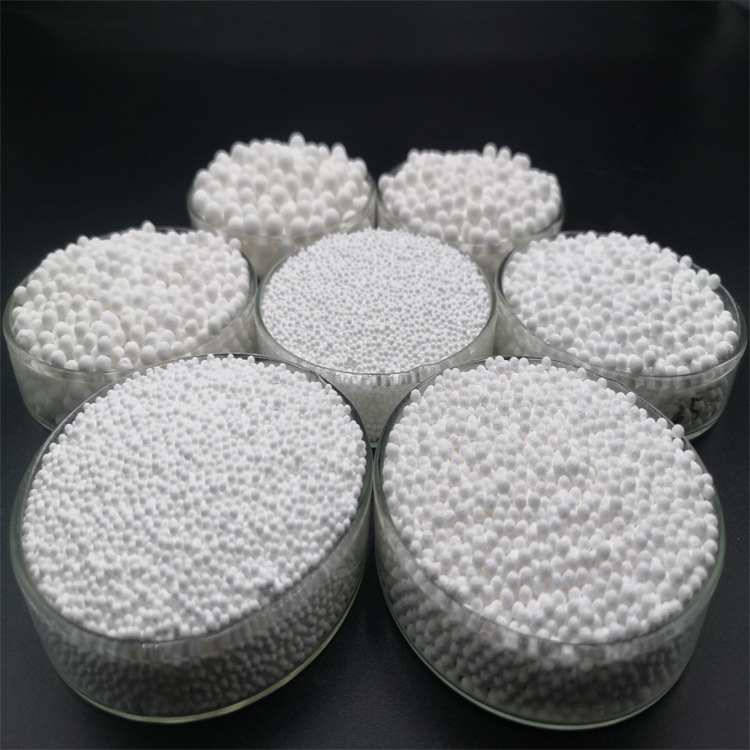
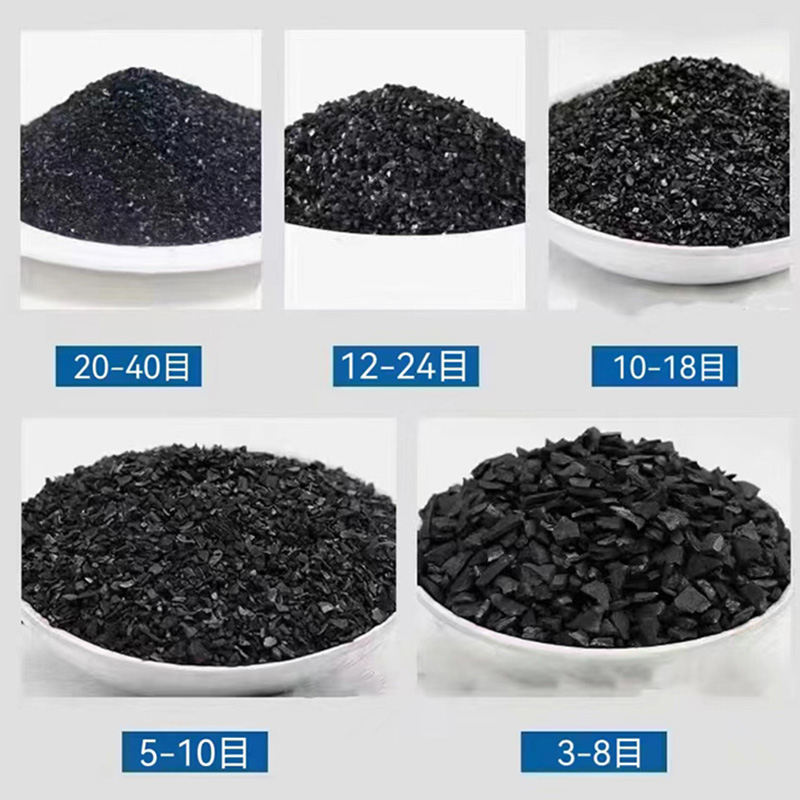
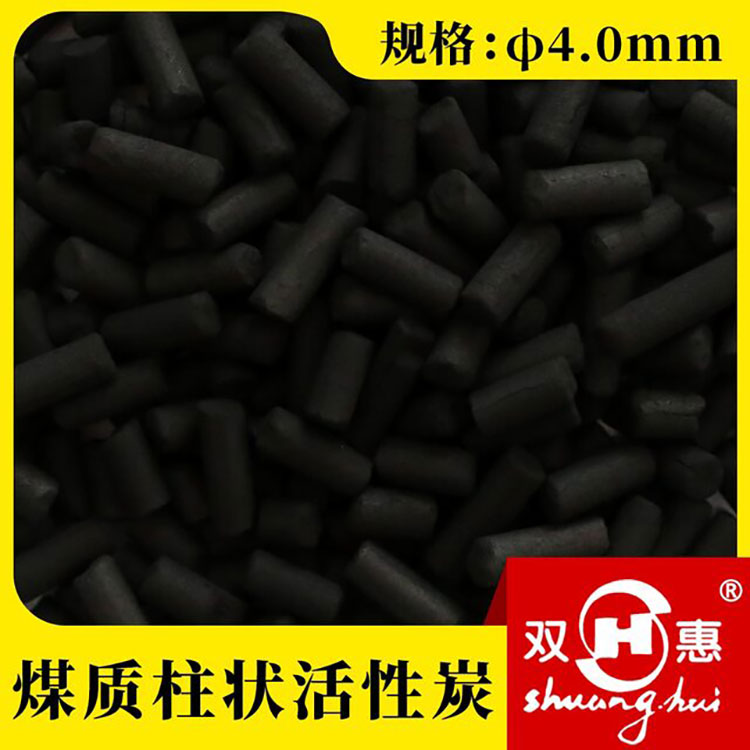
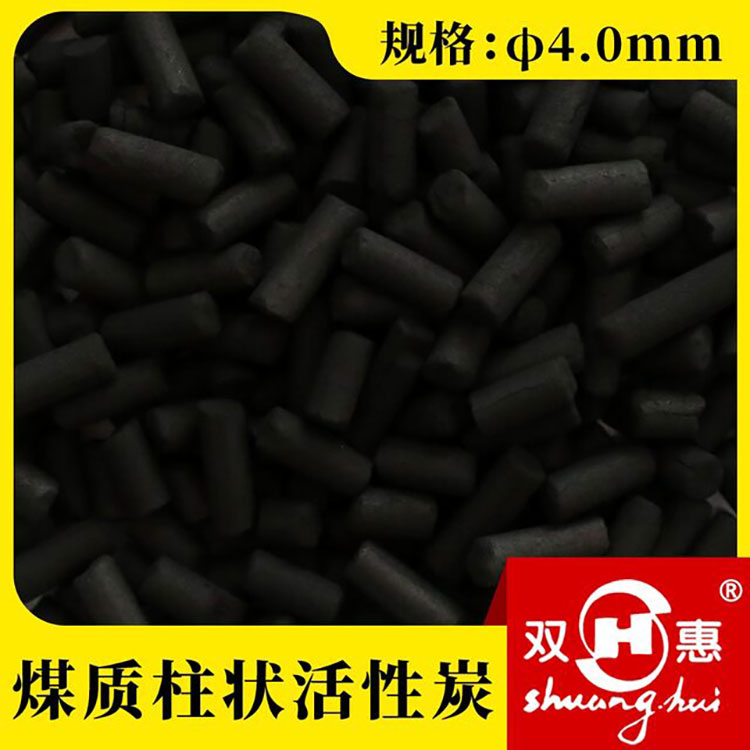
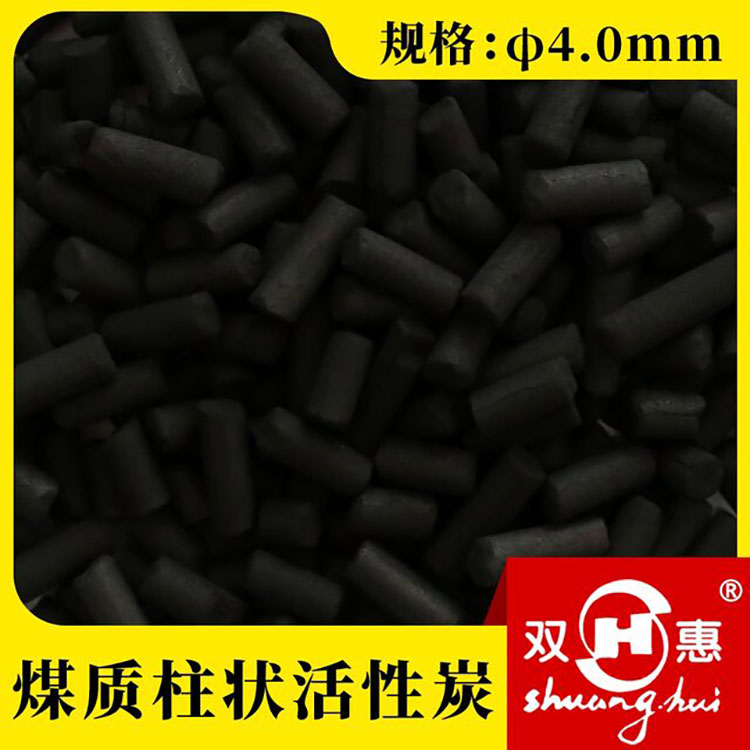
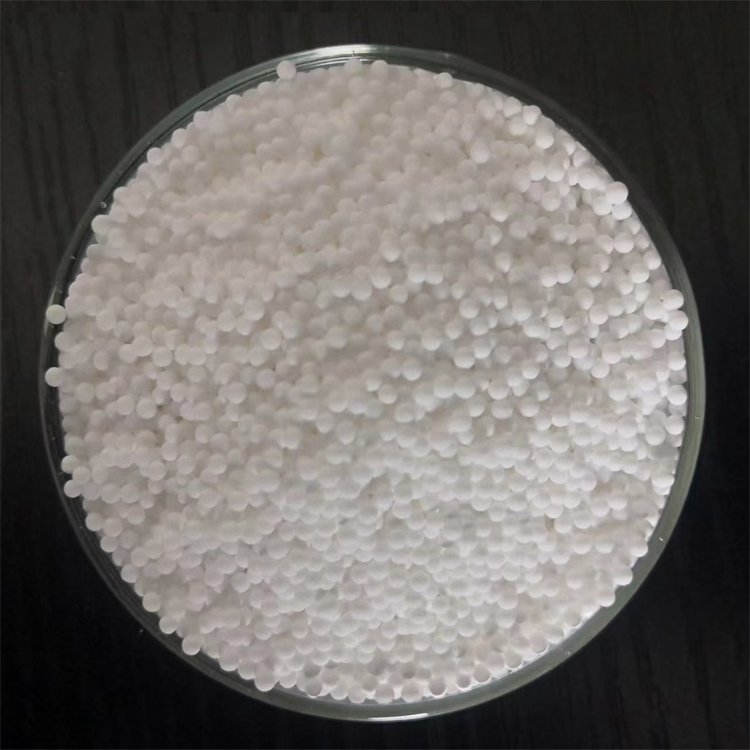
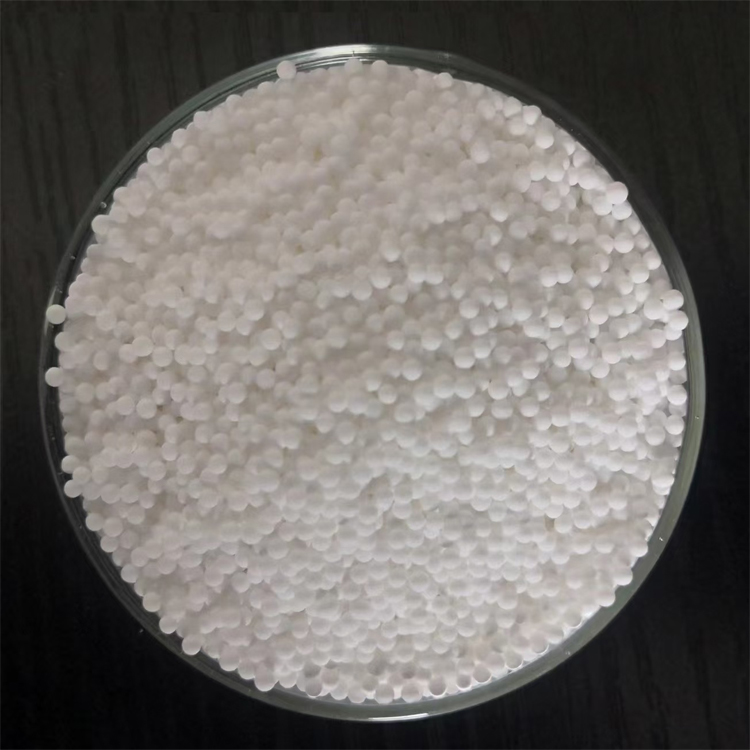
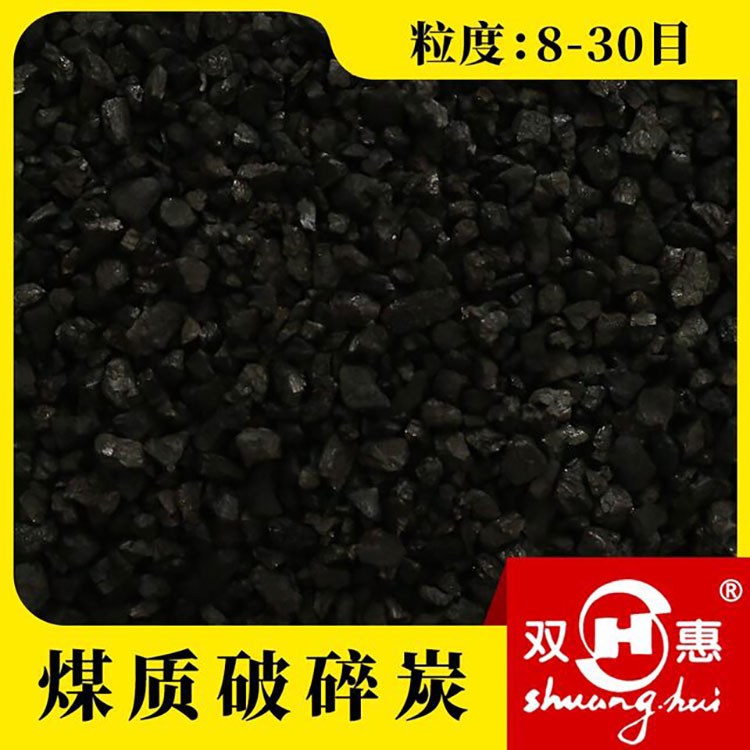
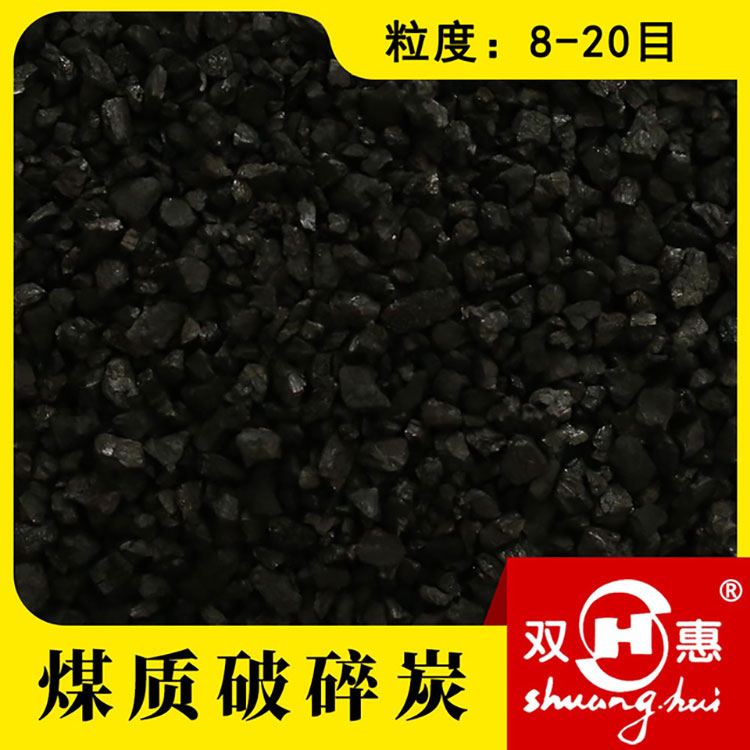
The size of granular activated carbon also affects its adsorption capacity. Generally speaking, the smaller the activated carbon granules, the larger the filtration area. Powdered activated carbon has a large total surface area and offers good adsorption, but it tends to flow into the aquarium with water, making it difficult to control and rarely used. Granular activated carbon is not easily movable due to its particle shape, and impurities like organic matter in the water are not easily blocked by the activated carbon filtration layer. It has strong adsorption capabilities and is easy to carry and replace.