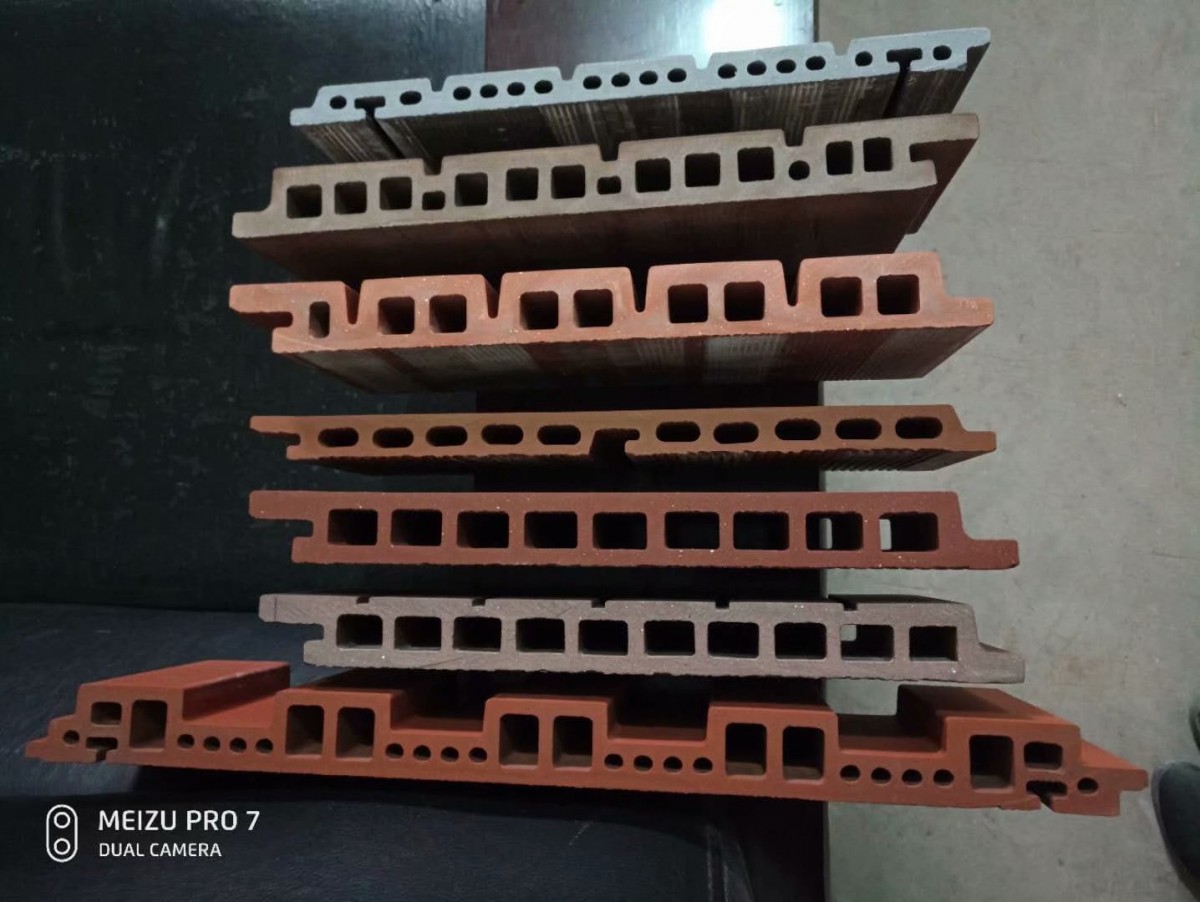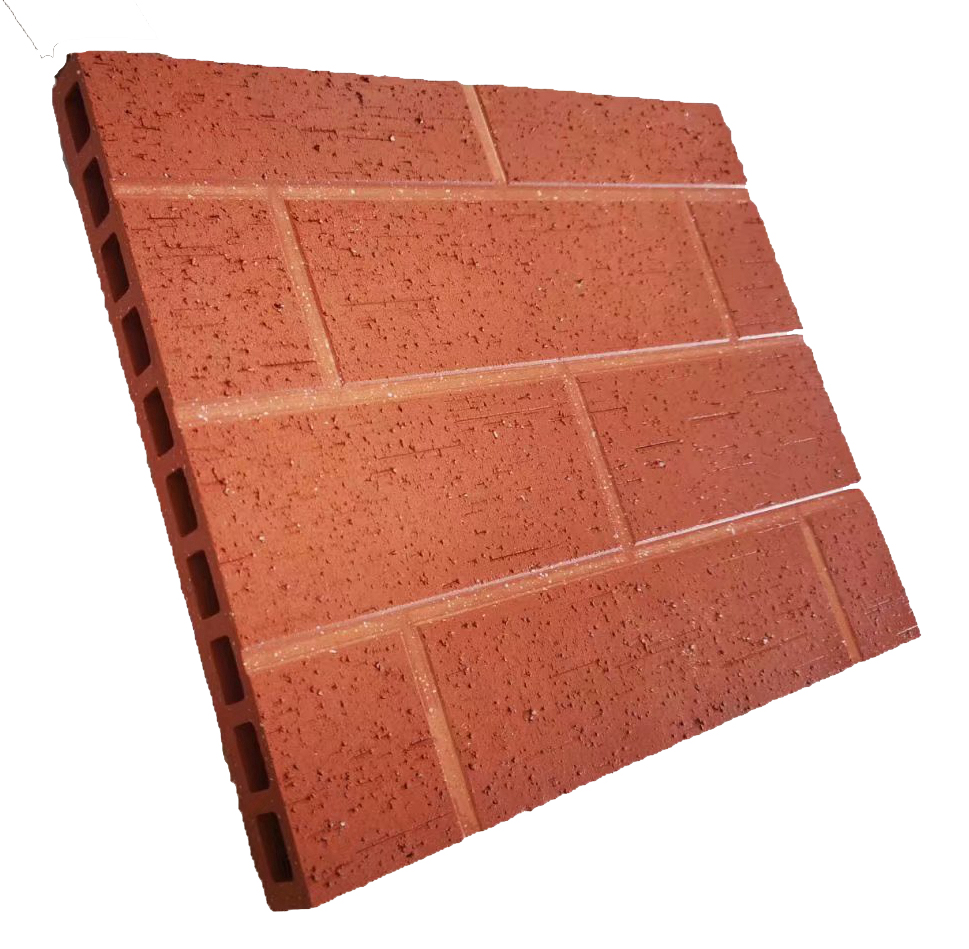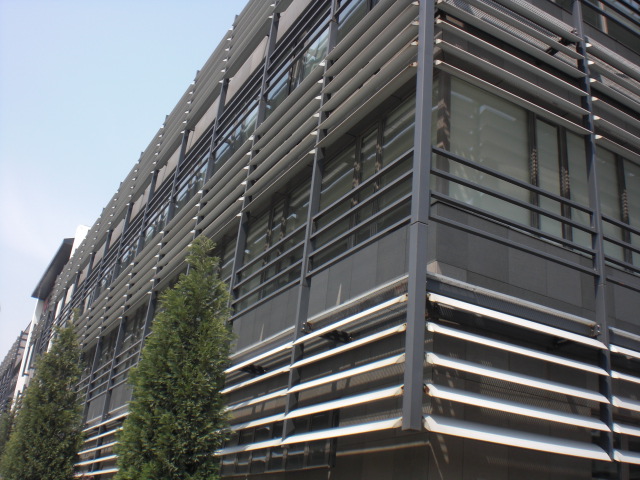









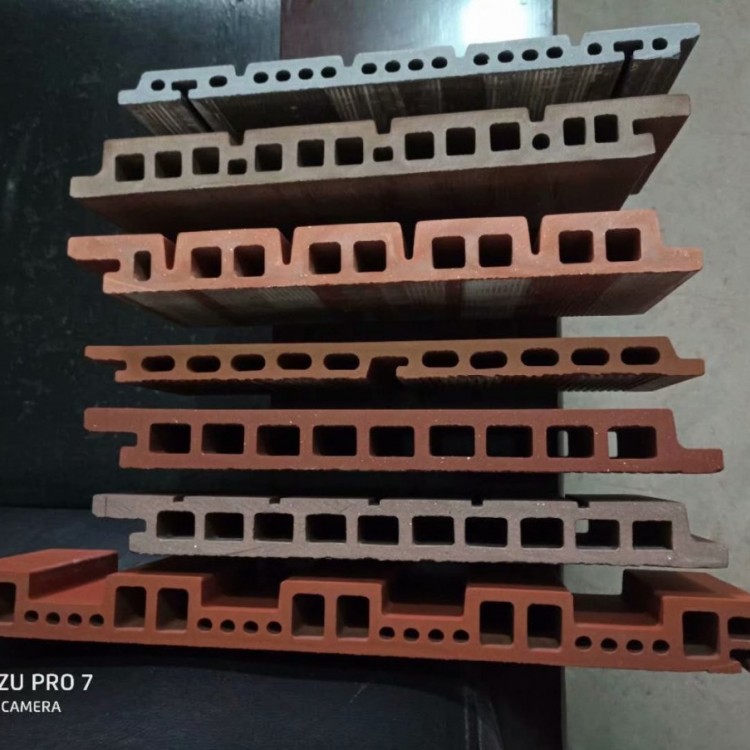
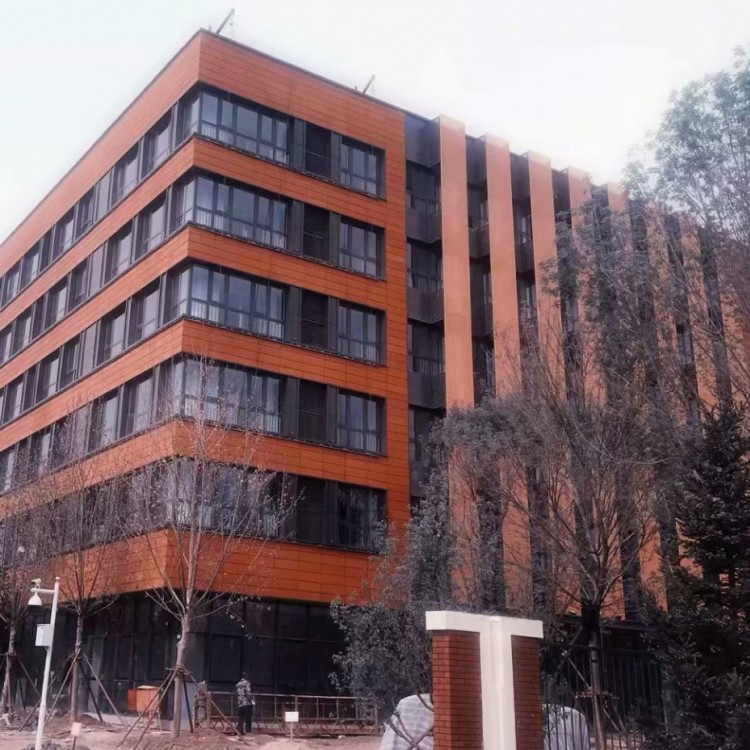
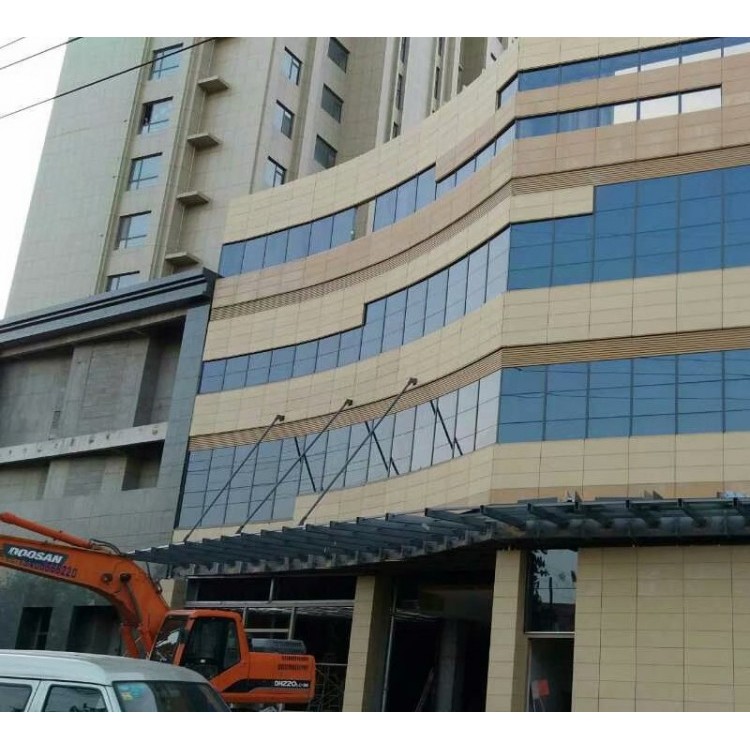
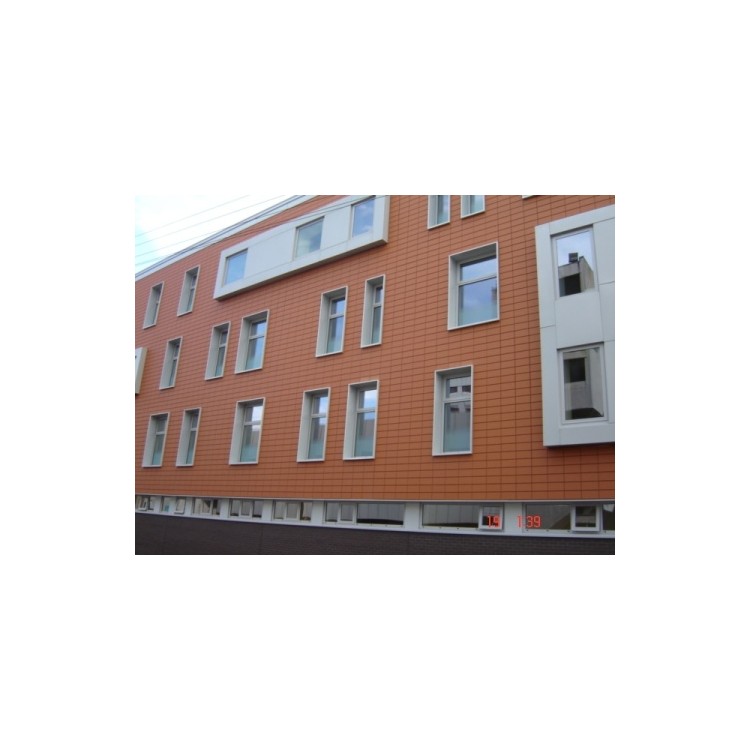
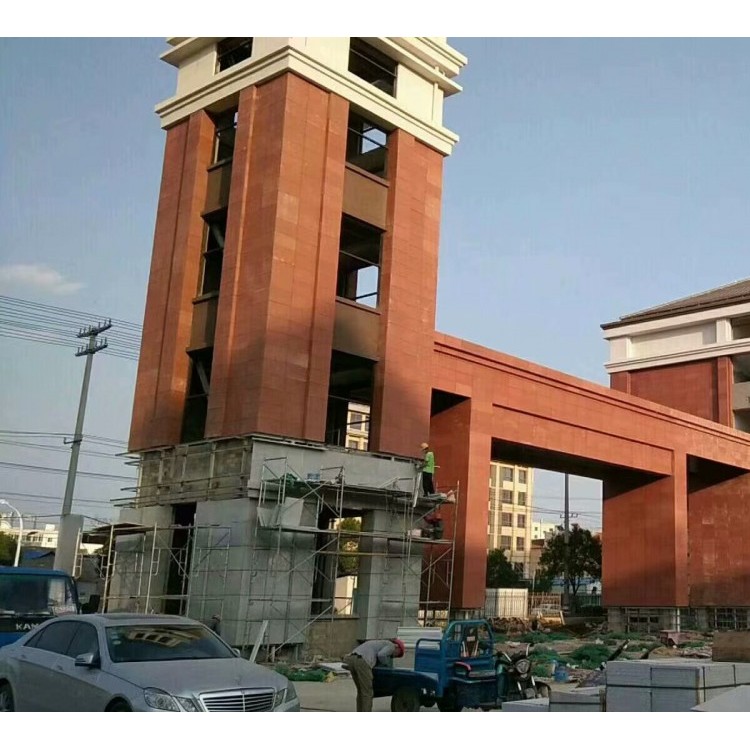
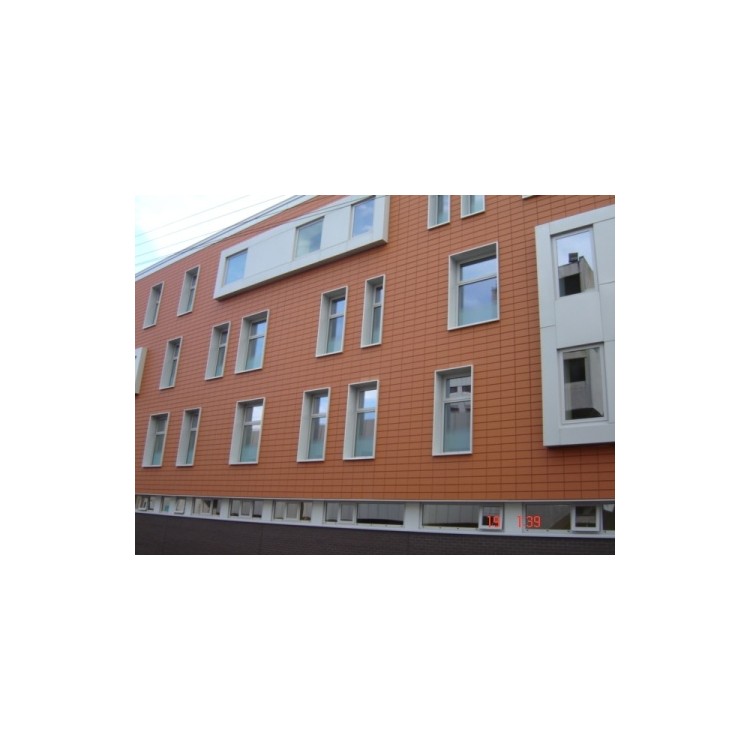
Clay tile manufacturing
Clay tiles are primarily made from natural clay, with the addition of a small amount of quartz, pumice, feldspar, and colorants, etc., after
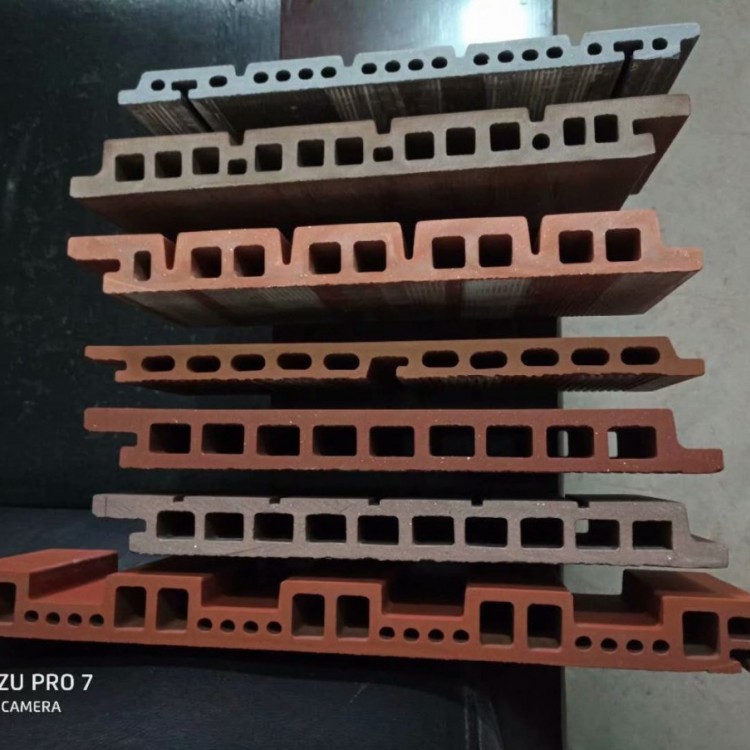
High-pressure extrusion molding, low-temperature drying, and high-temperature firing at 1200°C result in products that are environmentally friendly, radiation-free, with mild coloration, and do not cause light pollution. The ceramic slabs, after firing, may have slight size variations due to thermal expansion and contraction. After high-precision mechanical cutting and quality inspection, they are ready for market supply.


Clay slab raw materials
Clay products primarily use raw materials such as clay and processing additives. Clay is hydrated alumina or magnesium silicate with a porous or lamellar structure, containing chemical components like iron oxide and manganese oxide. When mixed with water, clay becomes plastic, maintains its shape upon drying, and becomes hard and durable upon firing. The main types of clay in our country include kaolin (Al2SiO5(OH)4), illite/mica (KAl3Si3O10(OH)4), and montmorillonite (Al2Si4O10(OH)2). The types and availability depend on geological distribution. Different clays have varying chemical compositions, mineral components, particle sizes, and plasticity, which directly affect the drying and firing conditions. This is why similar products from different manufacturers can have differences. Various reaction additives are needed in the preparation of raw materials, which can be very expensive. However, a small amount (usually 0.5% to 2% of the total) can significantly change the properties of the finished product. For example: salt improves plasticity and drying strength, barium carbonate reduces surface whitening, and manganese dioxide alters color stability, etc. Poor preparation of clay raw materials can directly result in lime spots, rust stains, blooming, weathering, affected surface appearance, expansion and bubbling, internal impurities, cracking and damage during drying and firing, color variations, and production halts, among other issues.