











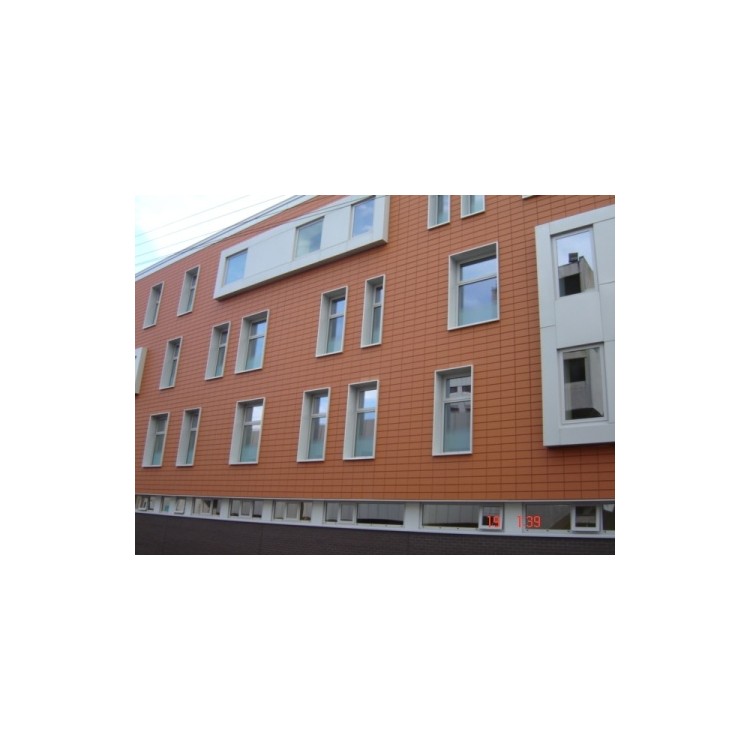
Clay tile manufacturing
Clay tiles are primarily made from natural clay, with the addition of a small amount of quartz, pumice, feldspar, and colorants, etc.
Manufactured through high-pressure extrusion molding, low-temperature drying, and high-temperature firing at 1200°C, these tiles feature green environmental protection, non-radiation, mild coloration, and no contribution to light pollution. Due to thermal expansion and contraction during firing, there may be dimensional variations in the tiles, which are then precision-cut and inspected before being supplied to the market.
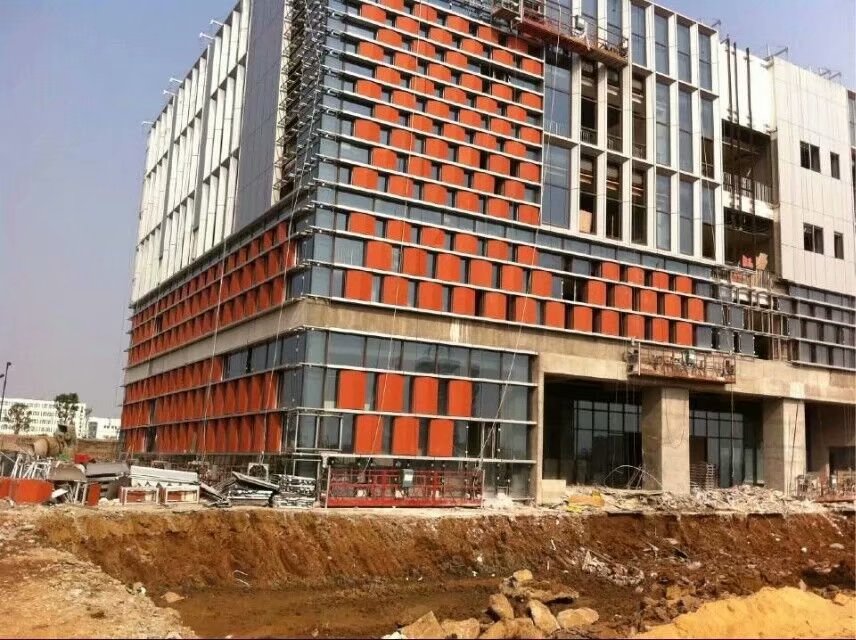
Easy to install
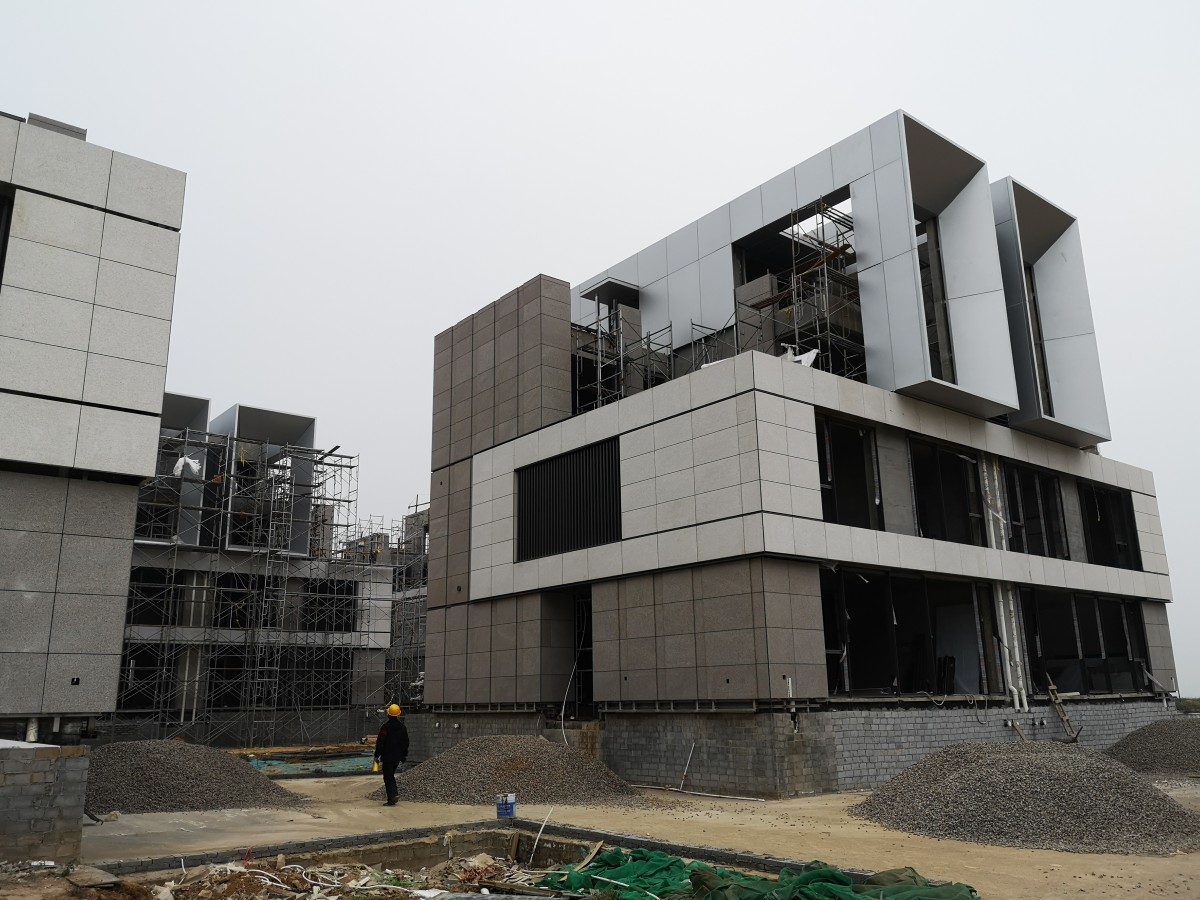
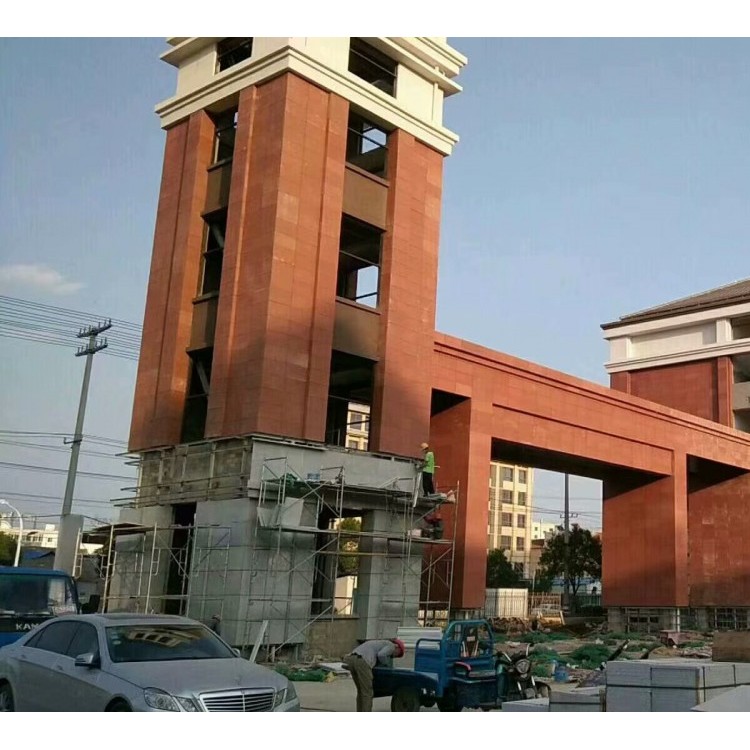
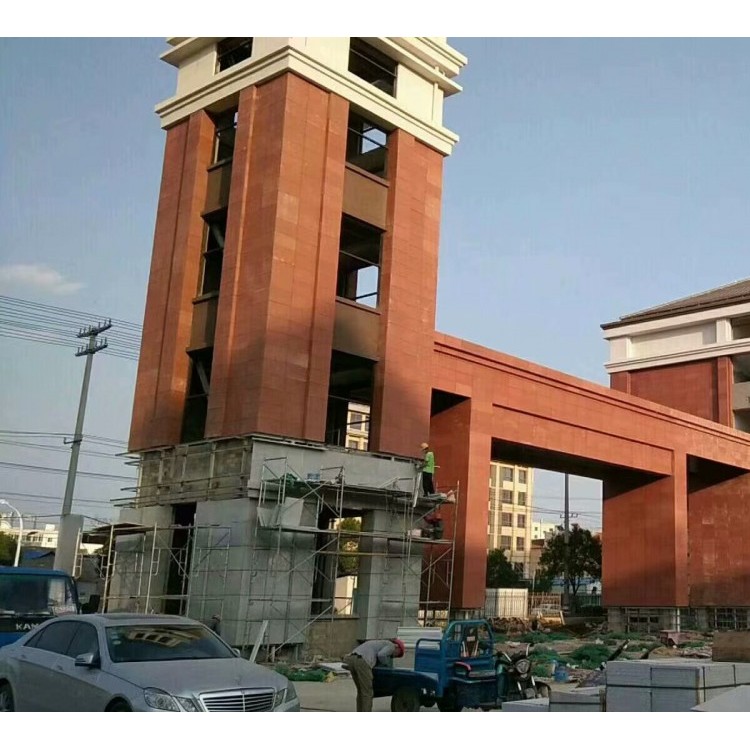
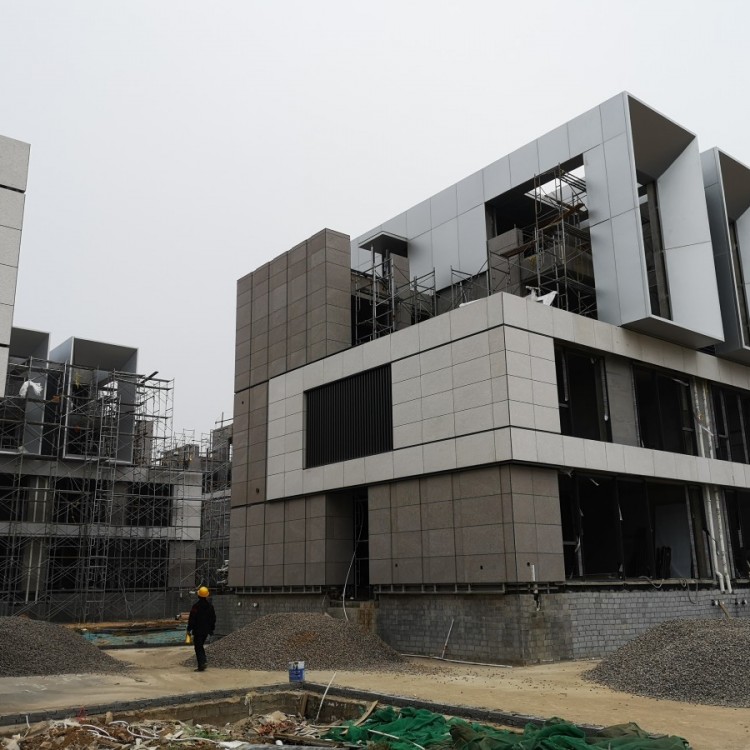
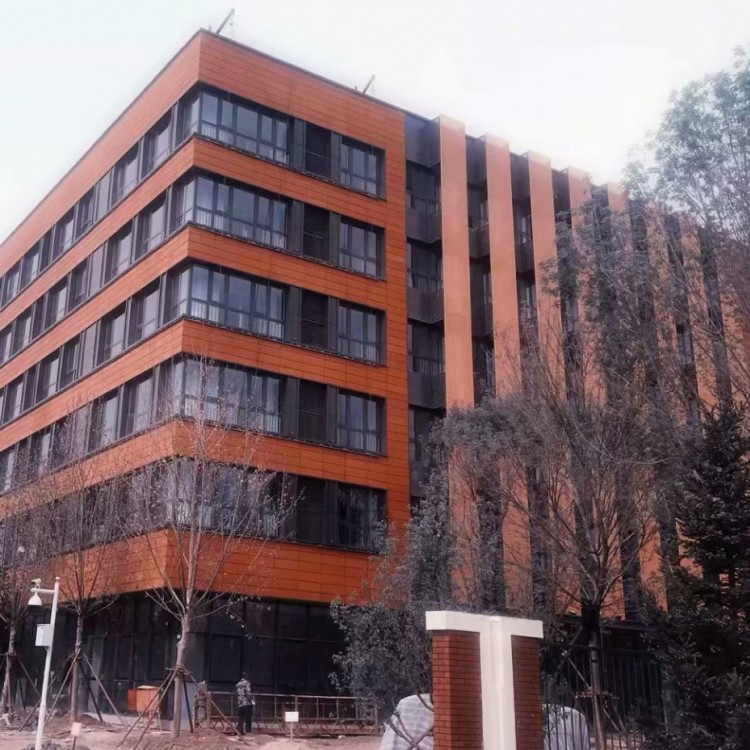
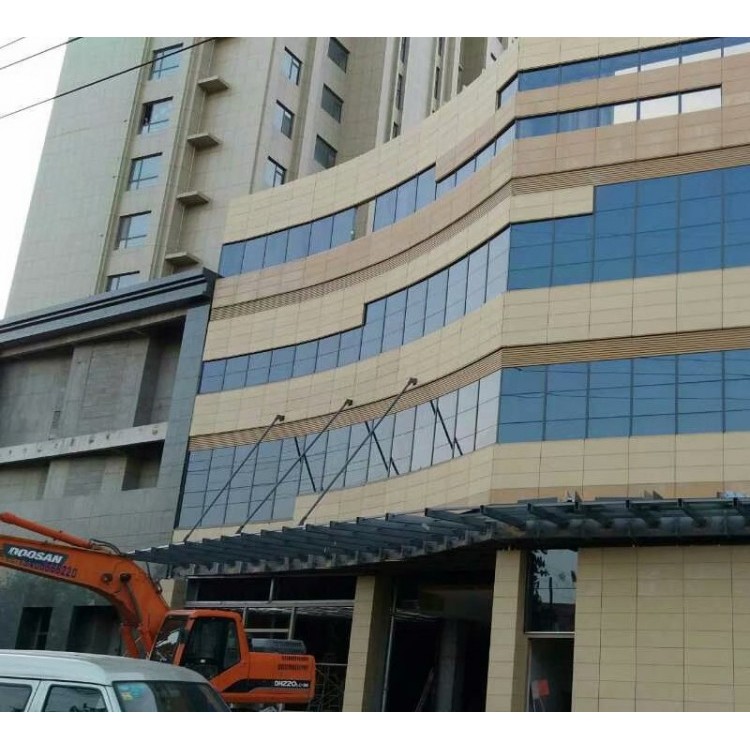
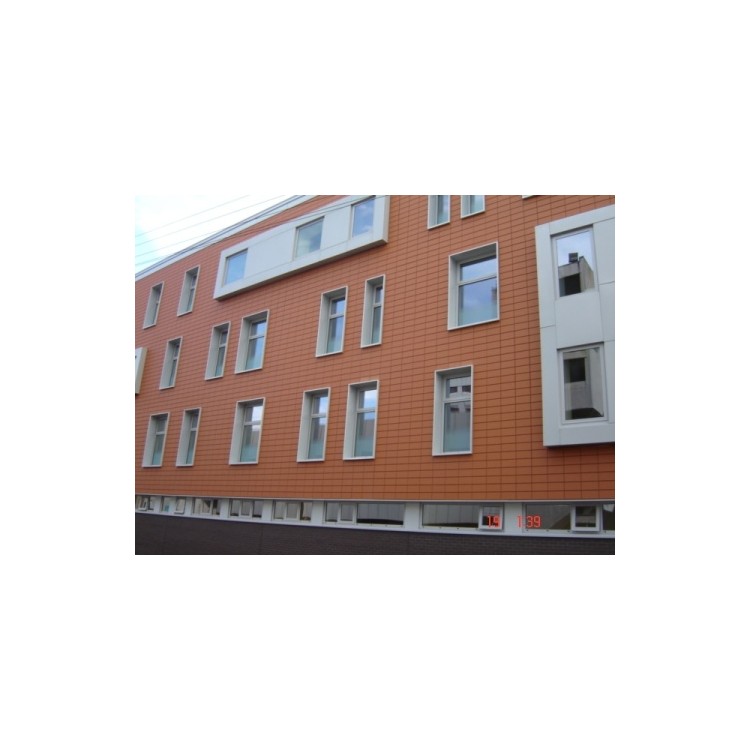
Clayboard facade design features a rational and simple structure, capable of meeting the local design requirements for facade edge and corner finishing. It is easy to install and maintains the facade's continuity, naturalness, and aesthetics, whether on flat surfaces, corners, or other areas.
Low cost of accessories
Due to the lightweight nature of clayboard, the supporting structure for clayboard curtain walls requires a simpler and lighter design than that for stone curtain walls, thereby saving on the cost of curtain wall accessories.
Clay Products Classification
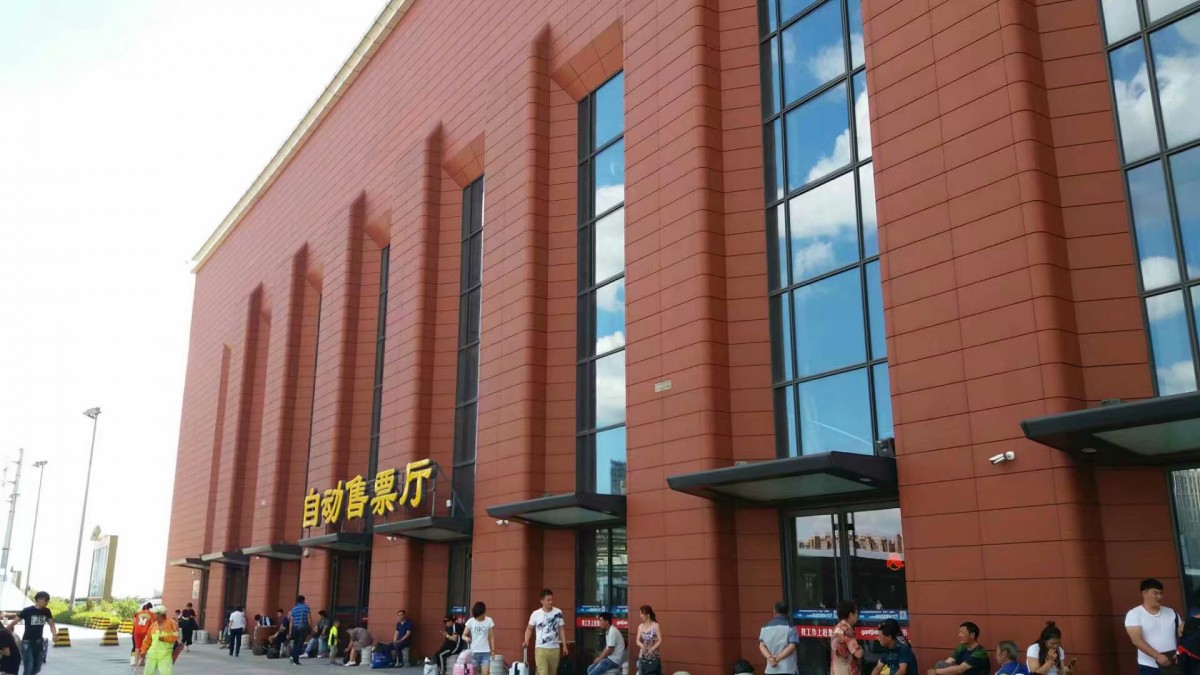
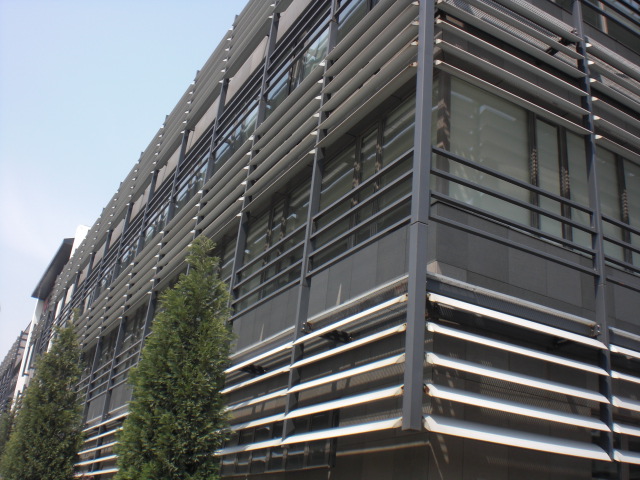
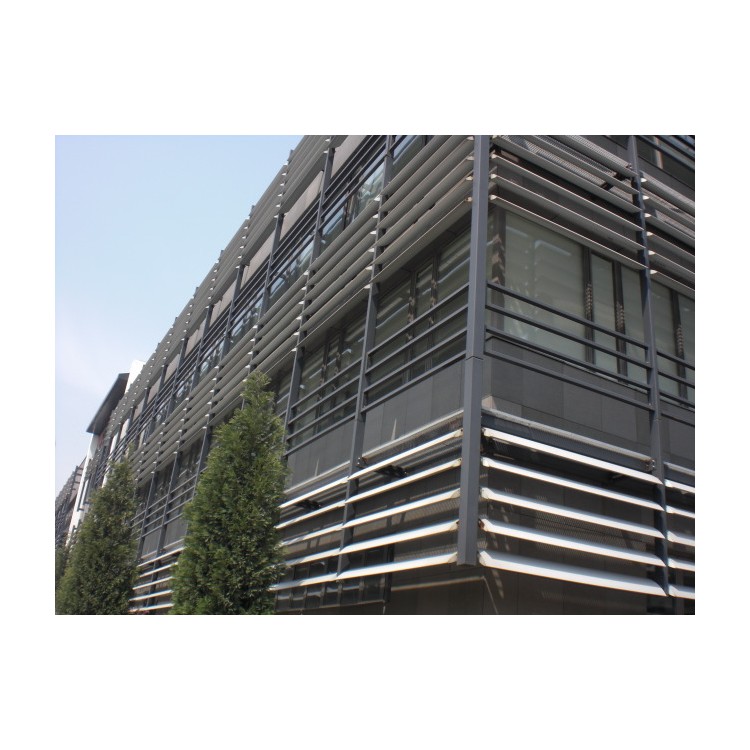
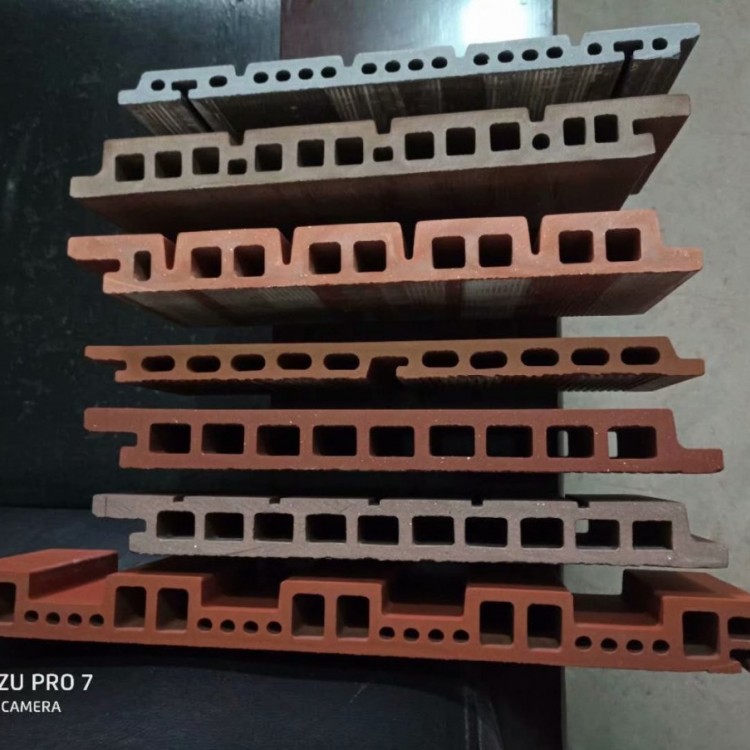
The clay facade products can be categorized structurally into single-layer clay panels, double-layer hollow clay panels, and clay louvers; and by surface finish, they include natural, sandblasted, grooved, printed, wavy, and glazed finishes. The hollow design of the double-layer clay panels not only reduces the weight of the panels but also enhances their breathability, sound insulation, and thermal insulation properties.
Clay tile facade drainage
The principle of isobaric rain screen, water guide panel system, and installation method for sealed vertical joints in ceramic panel curtain walls form a comprehensive drainage system for the facade, effectively preventing the formation of deposits on the surface, thereby maintaining the aesthetic appearance of the facade.