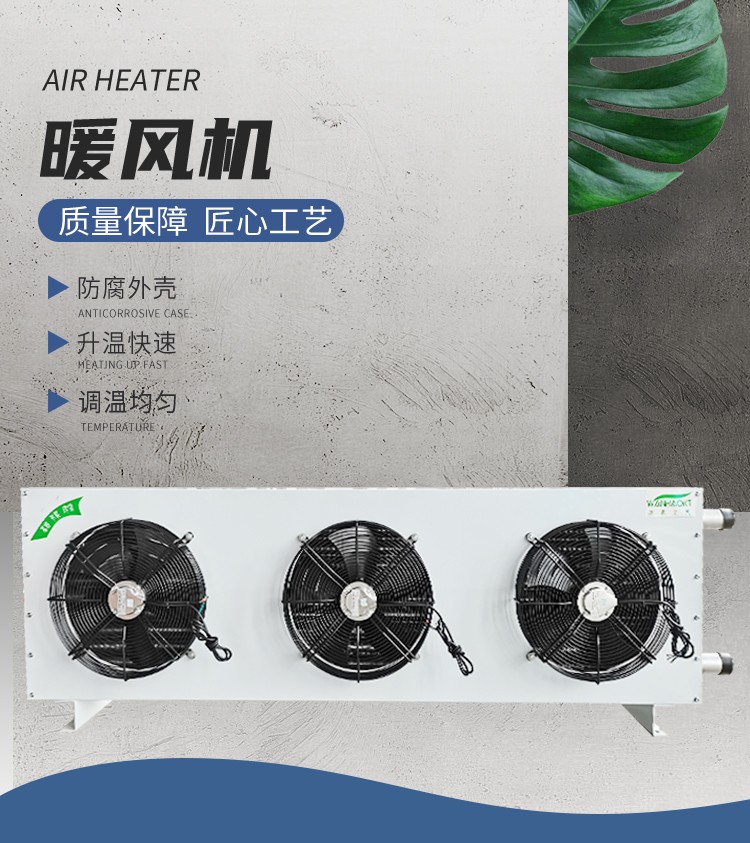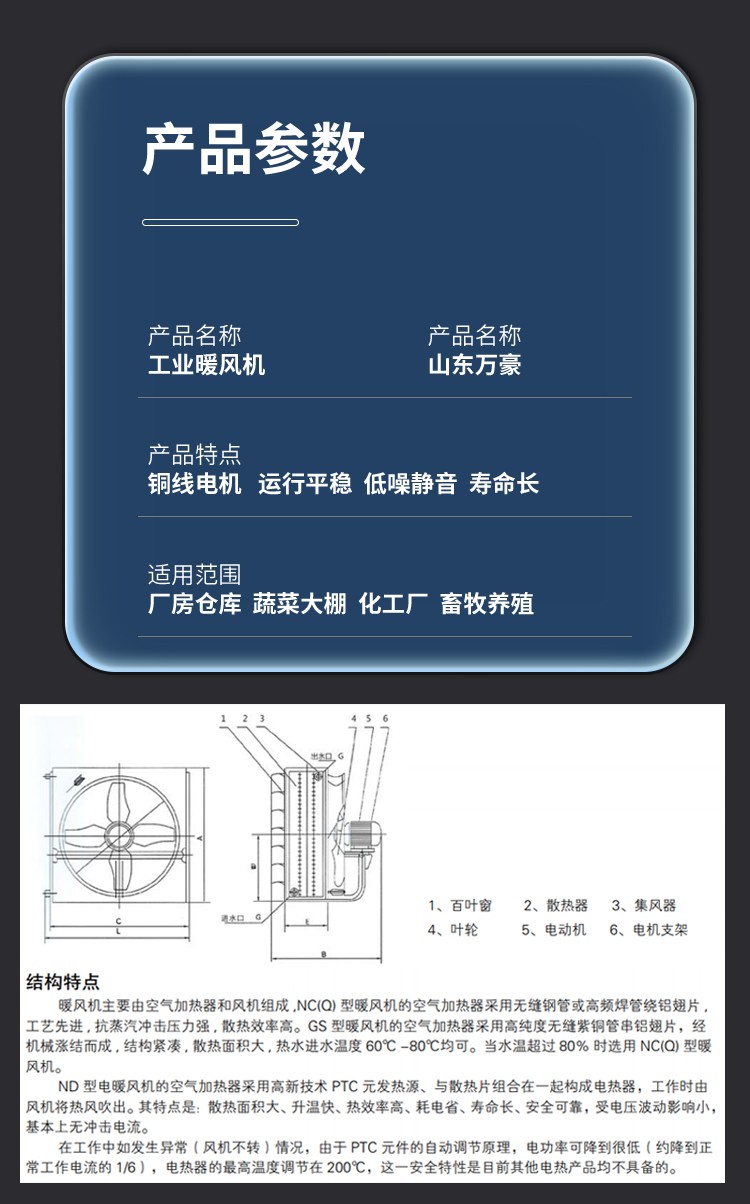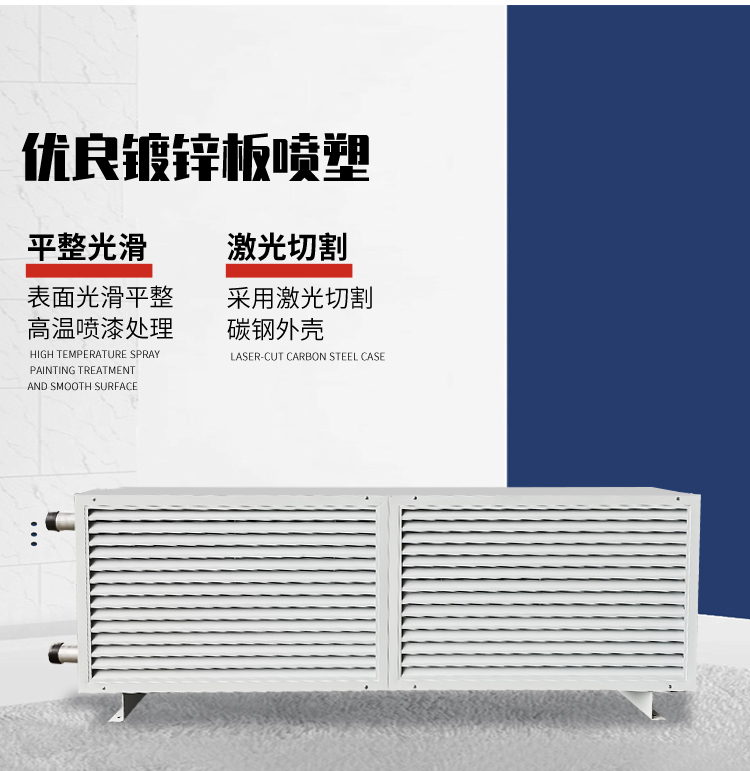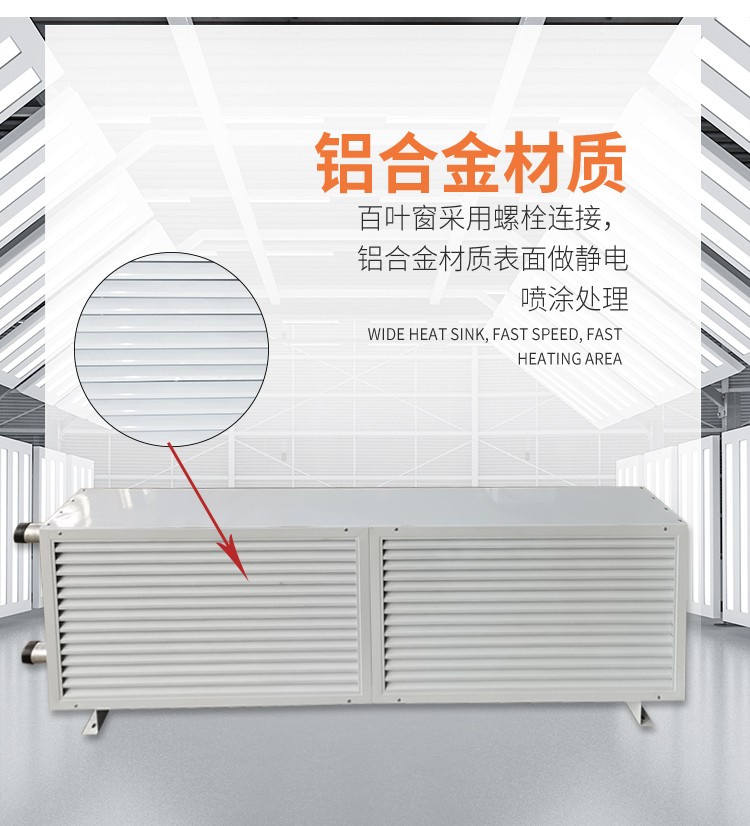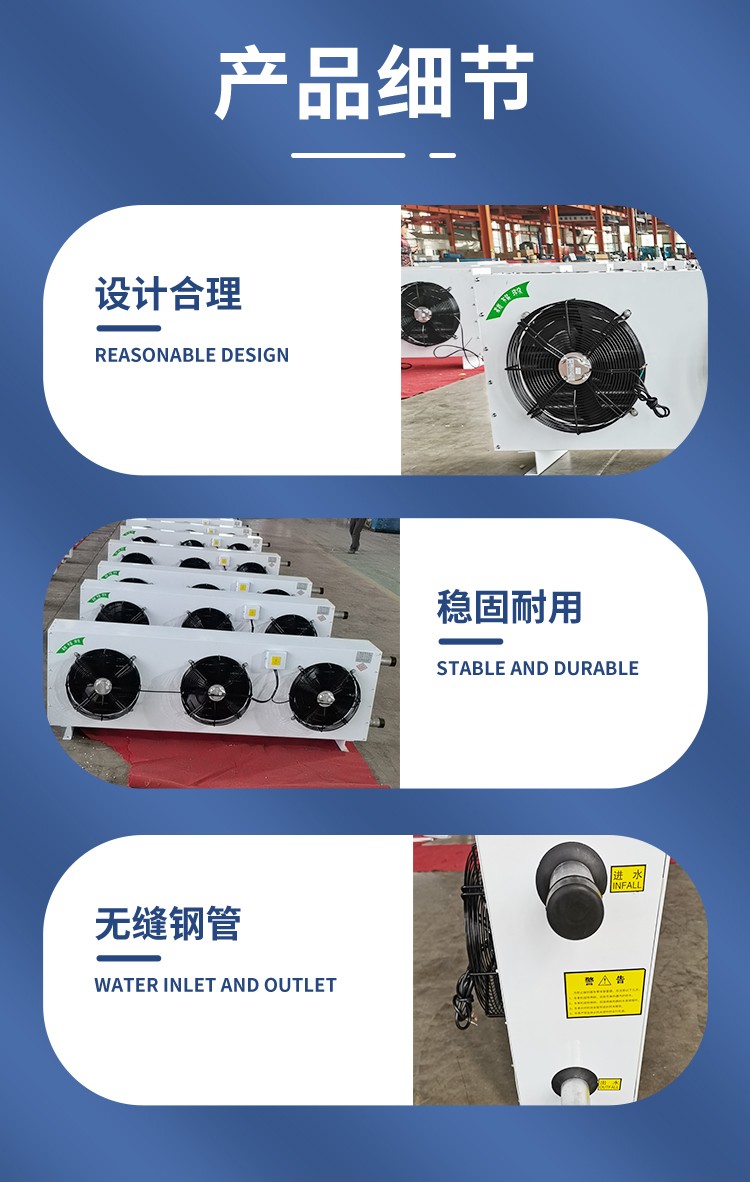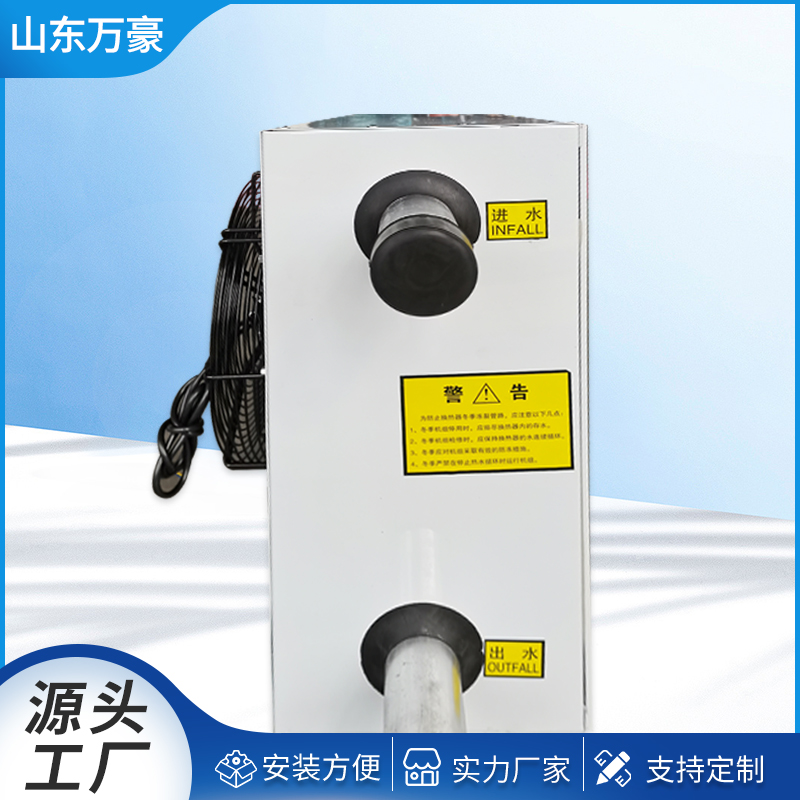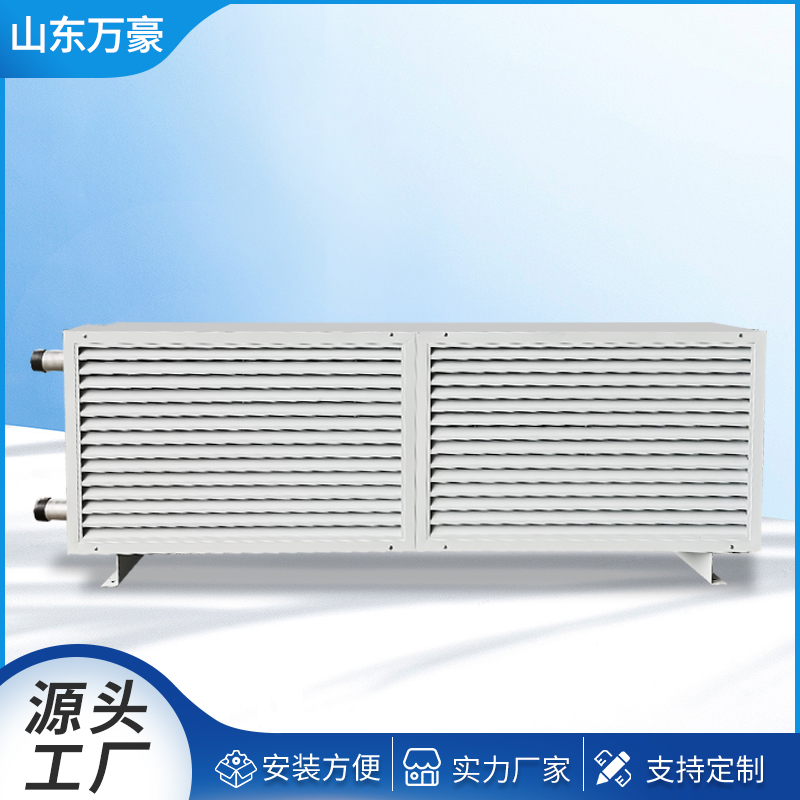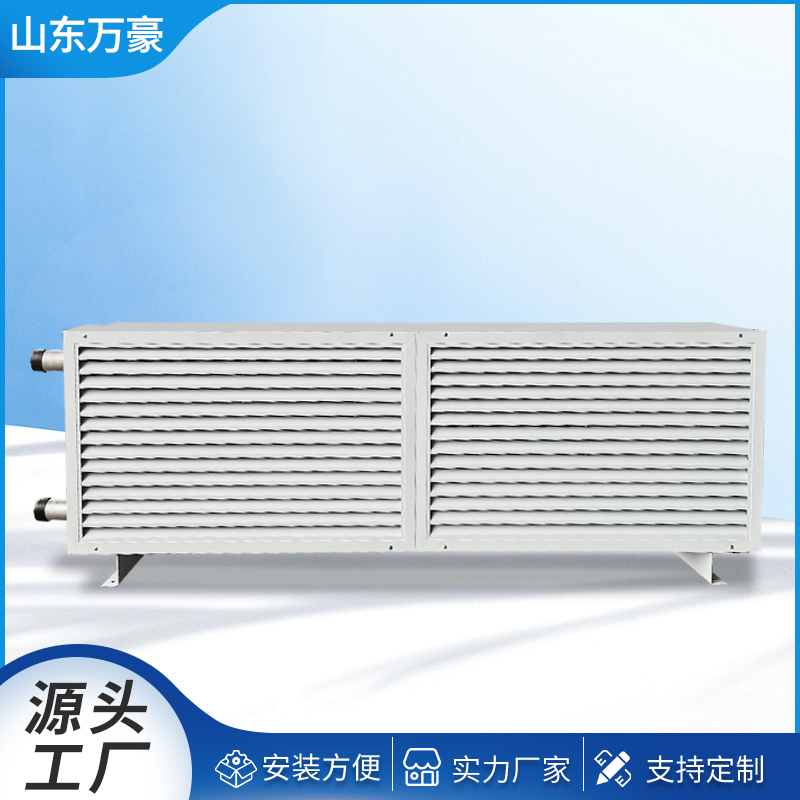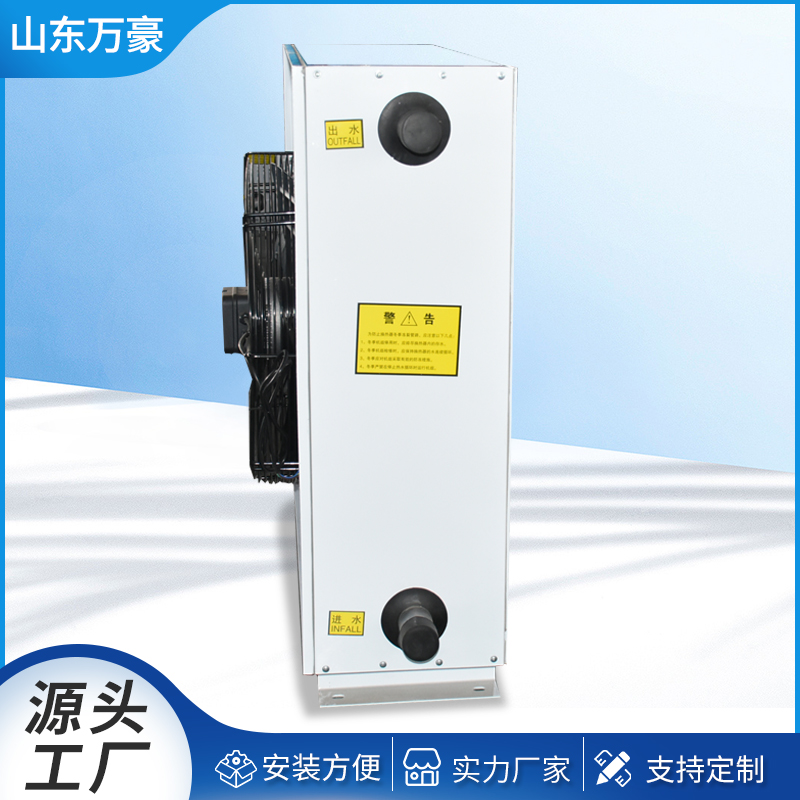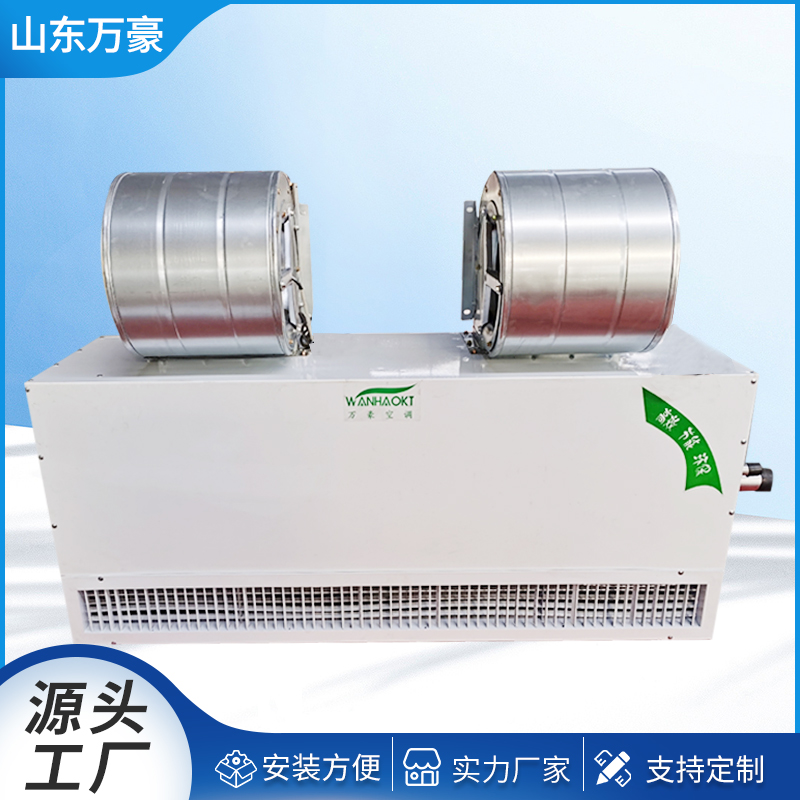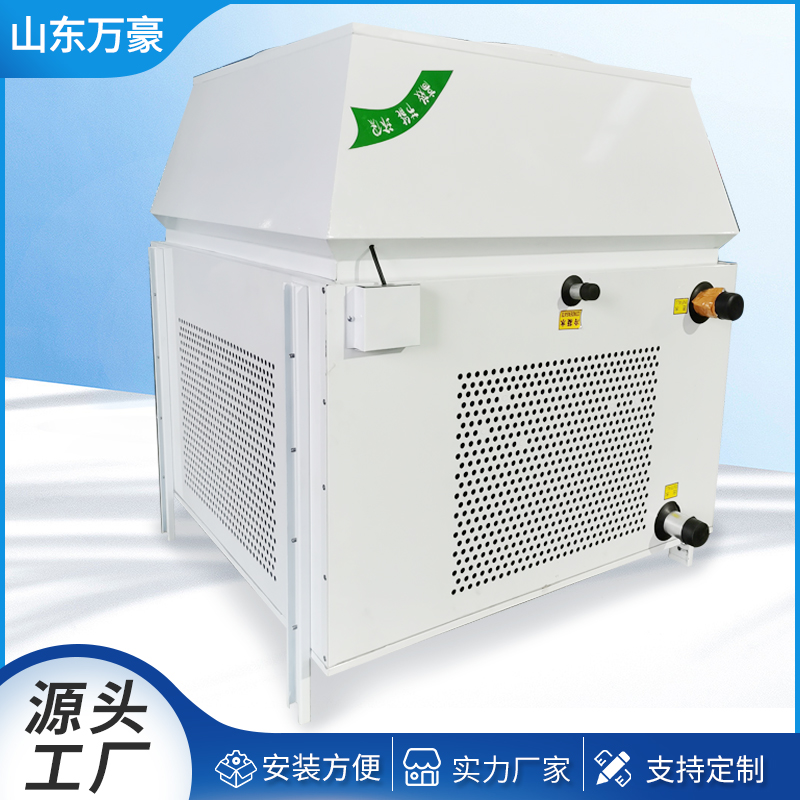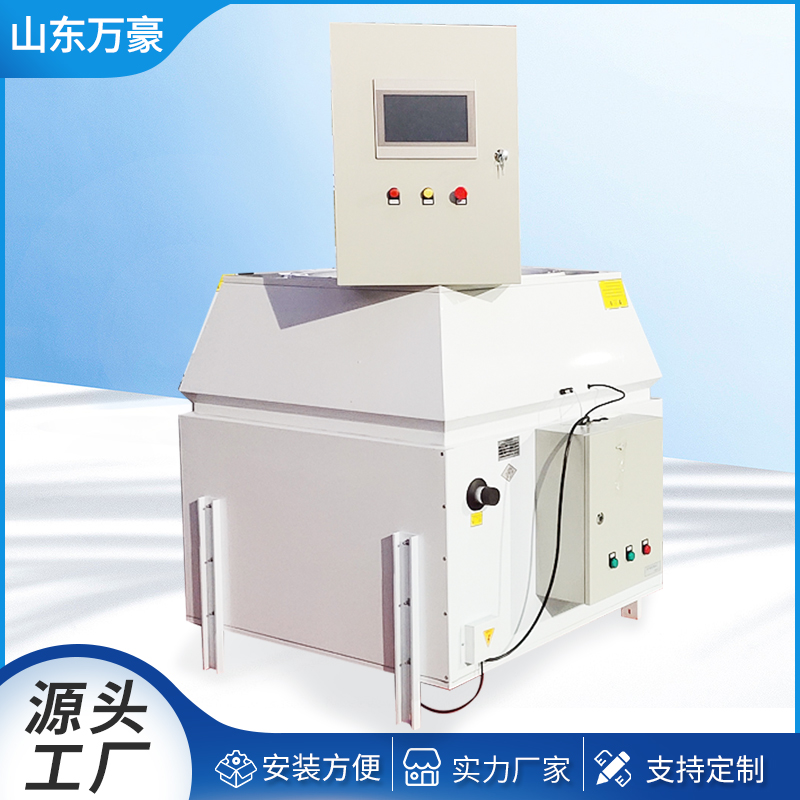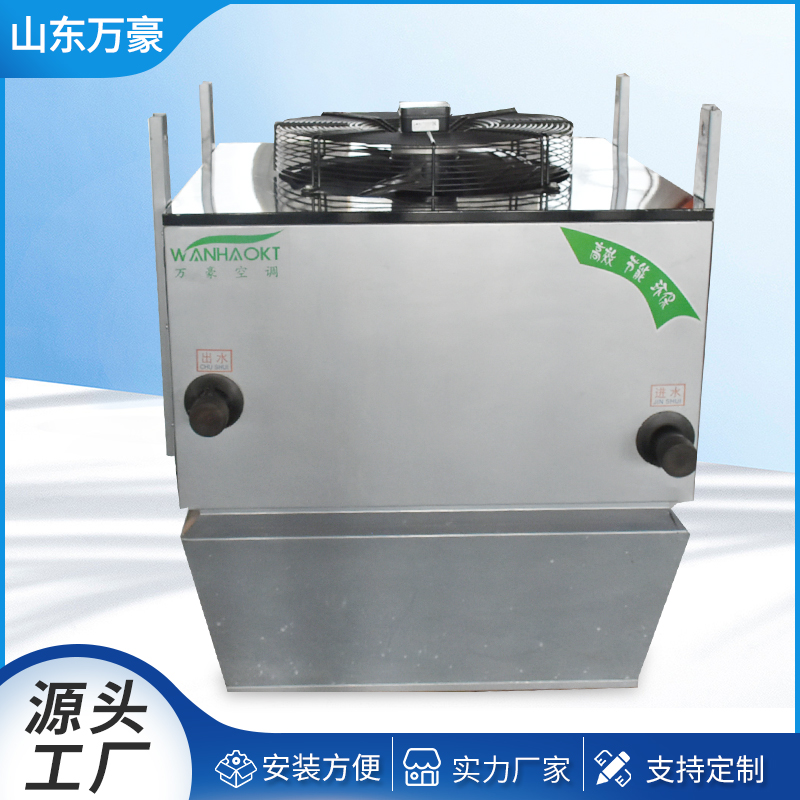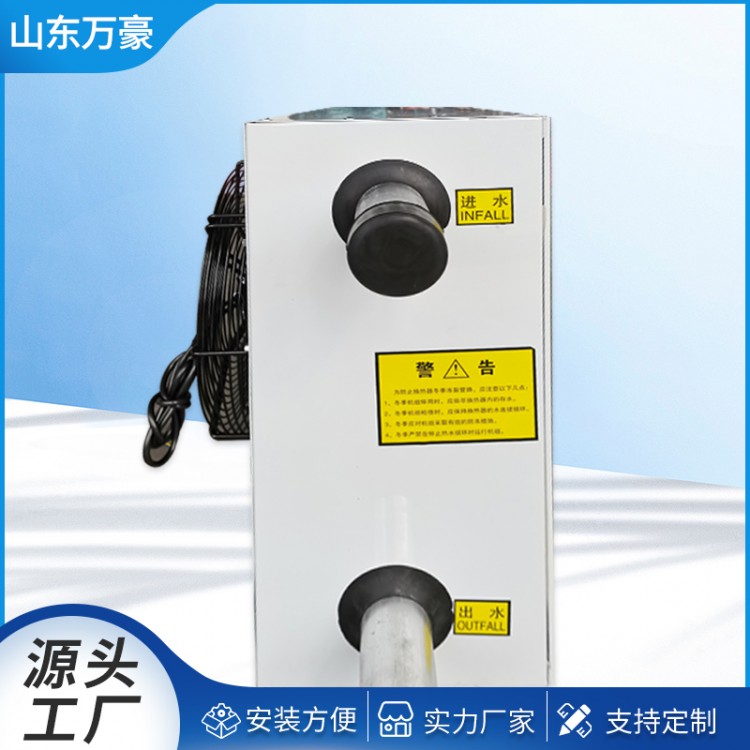

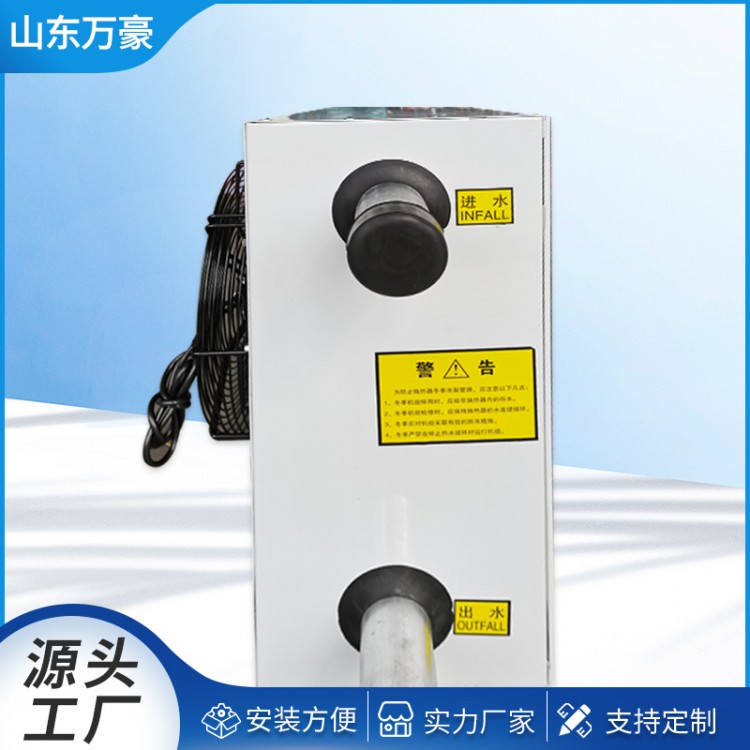
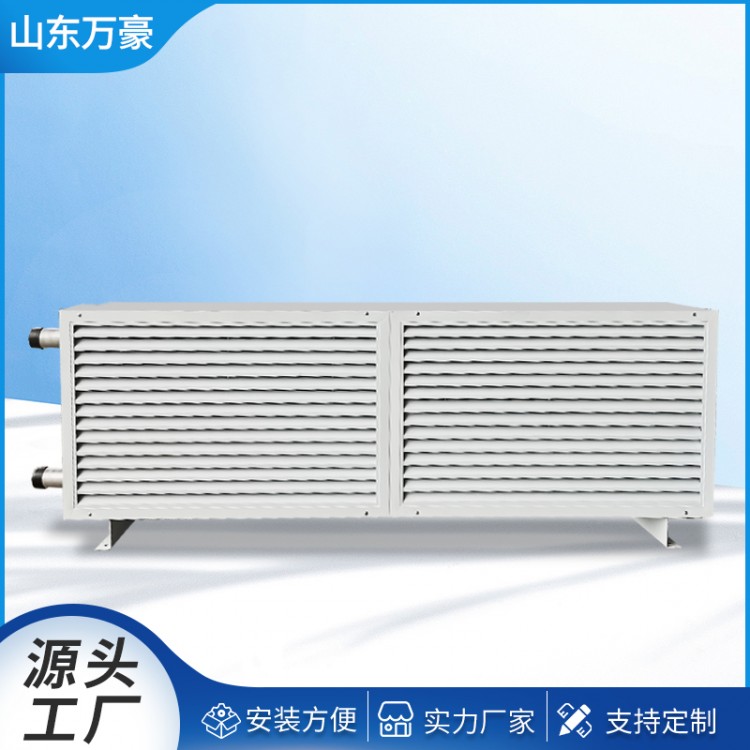


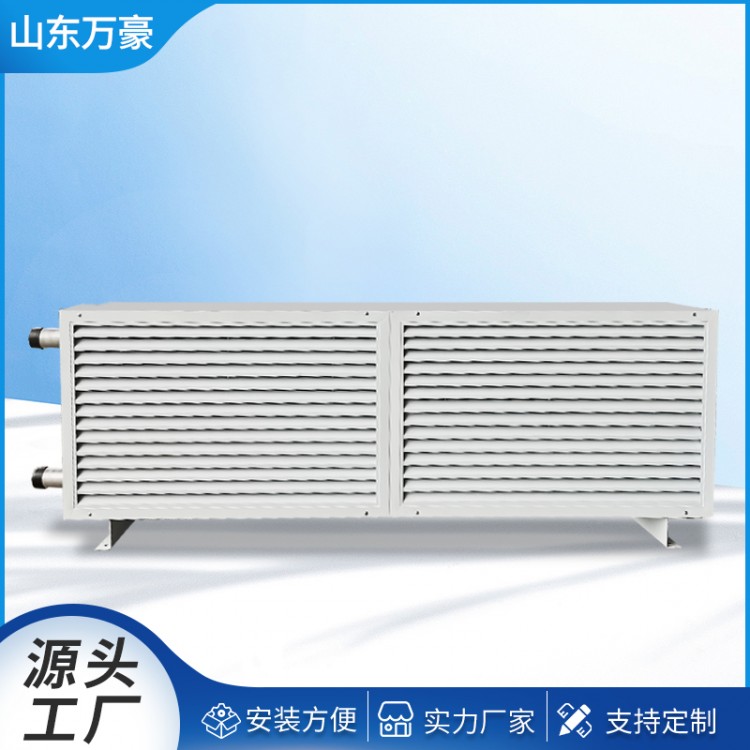





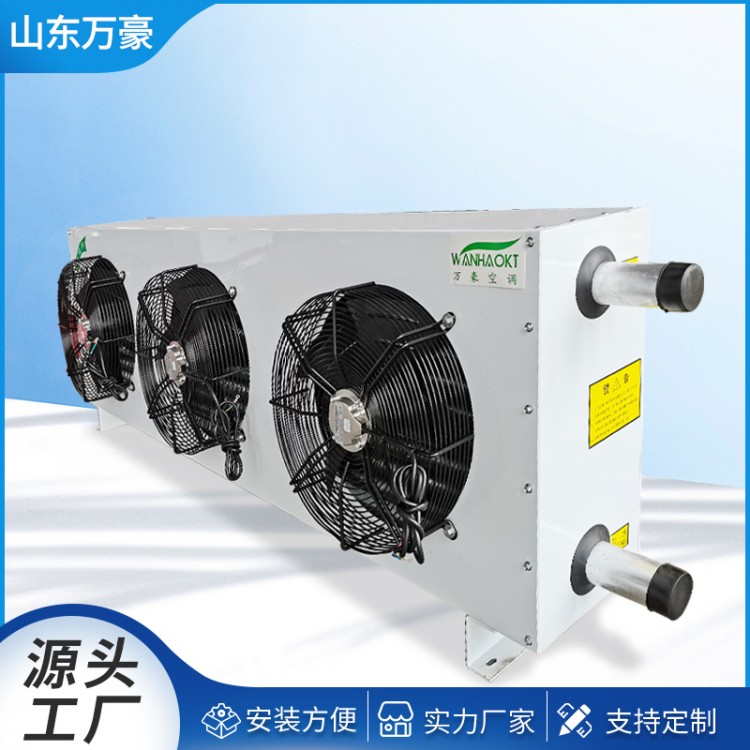
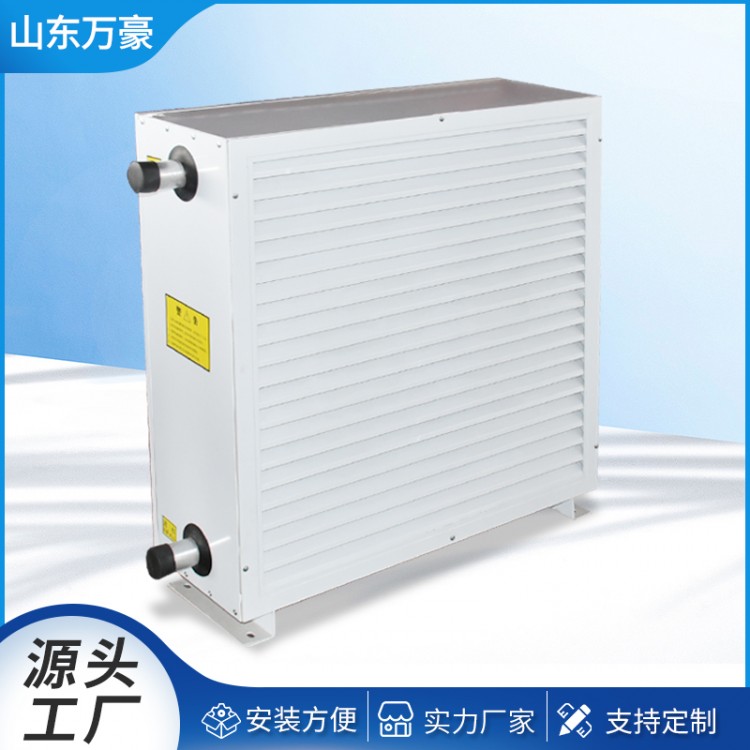
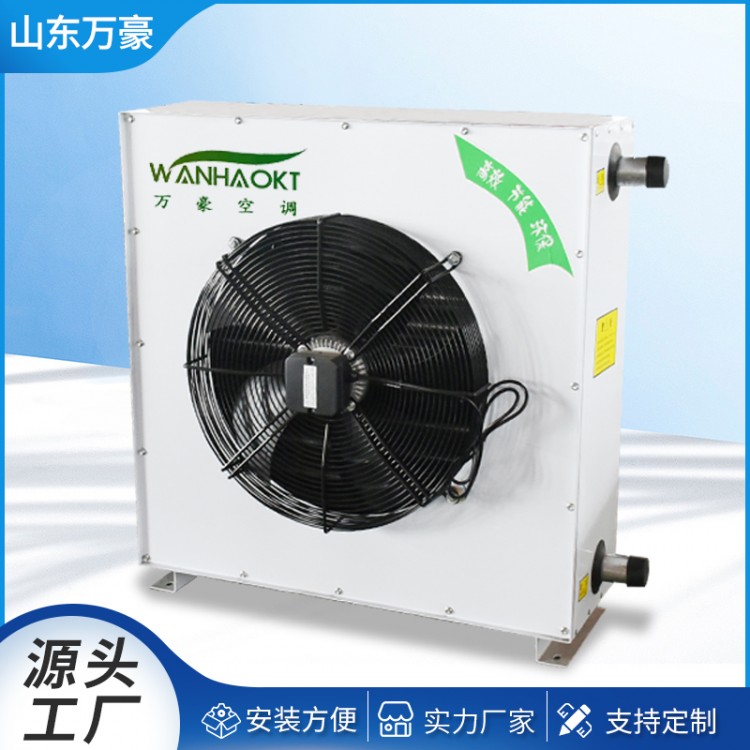
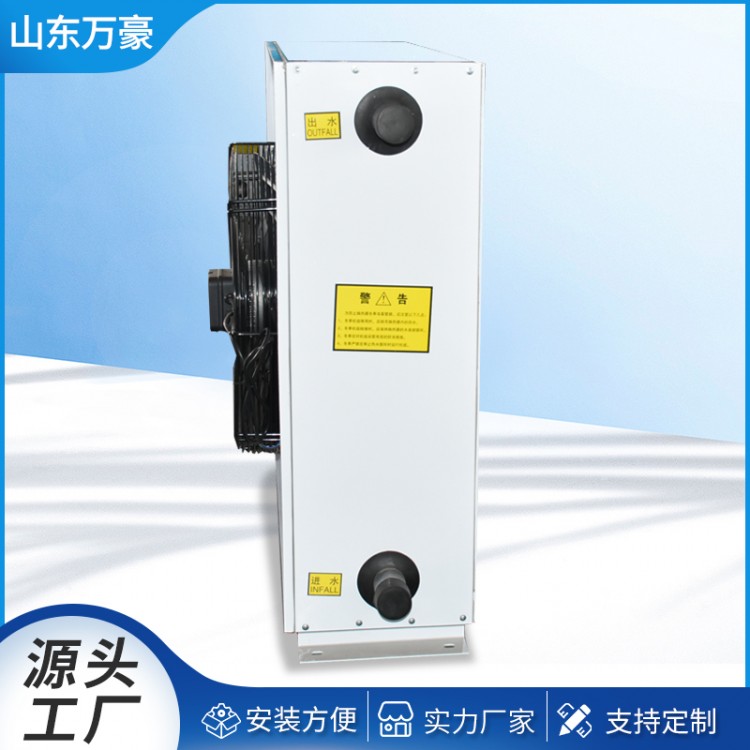
An electric heater fan is a device that emits warm air by consuming electrical power. During operation, low-temperature fluid medium enters its intake through pipes under pressure, flows along specific heat exchange channels inside the electric heating container, and utilizes the path designed based on the principles of fluid thermodynamics to carry away the high-temperature thermal energy produced by the electric heating elements. This raises the temperature of the heated medium, resulting in a high-temperature medium at the output of the electric heater fan that meets the process requirements. The internal control system of the electric heater fan automatically adjusts the output power of the electric heater based on the temperature sensor signal at the outlet to ensure uniform medium temperature at the output; when the heating elements exceed the temperature limit, the independent over-temperature protection device for the heating elements immediately cuts off the heating power supply, preventing overheating of the heating material that can cause coking, deterioration, carbonization, and in severe cases, damage to the heating elements, effectively extending the service life of the electric heater fan.
Application Scope
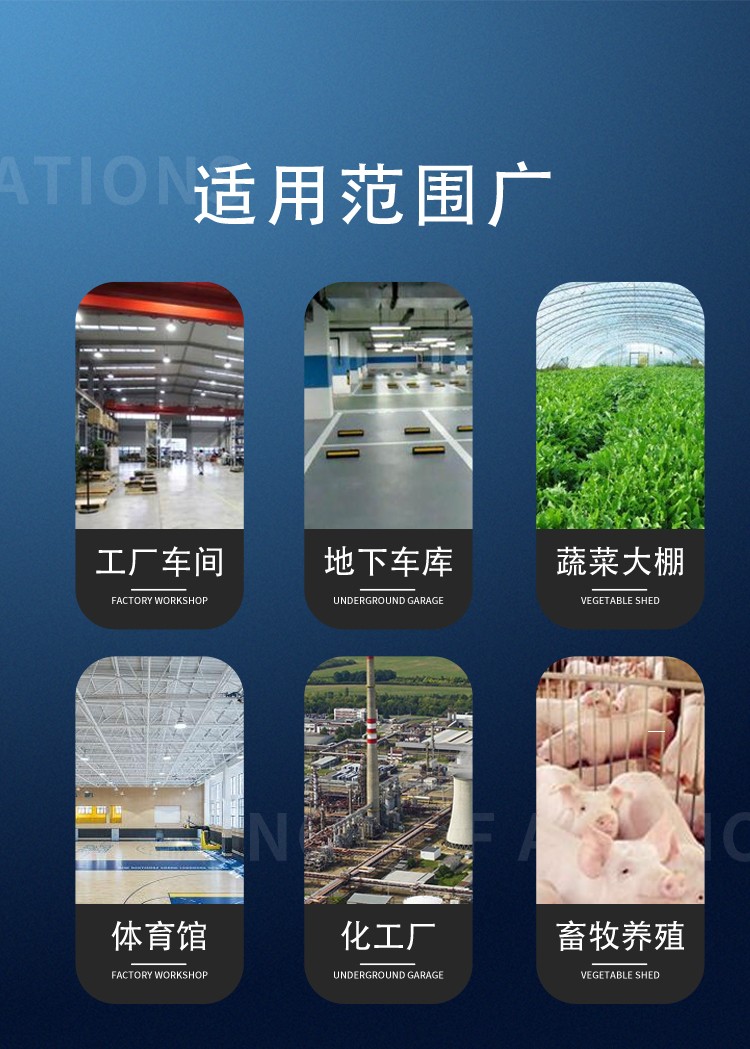
Electric heating fans are primarily used for heating in homes, factories, warehouses, workshops, docks, cruise ships, construction sites, storage logistics, underground garages, and outdoor venues such as performances, exhibitions, or press conferences. They are also suitable for warming houses in farms, bamboo and wood craft factories, leather processing plants, and for raw materials, construction materials, food, repairs, renovations, industrial products, agricultural product drying, and for heating, insulation, and frost prevention. They are ideal for heating and warming large areas and spaces, especially for quick drying applications on the outer surfaces of products like motors, pumps, and plastic parts.