








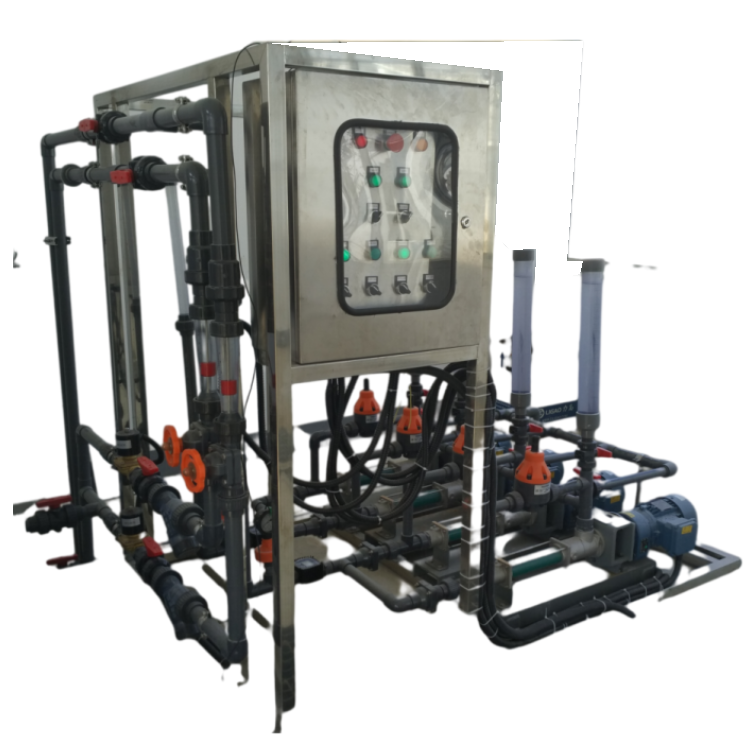
Brief introduction
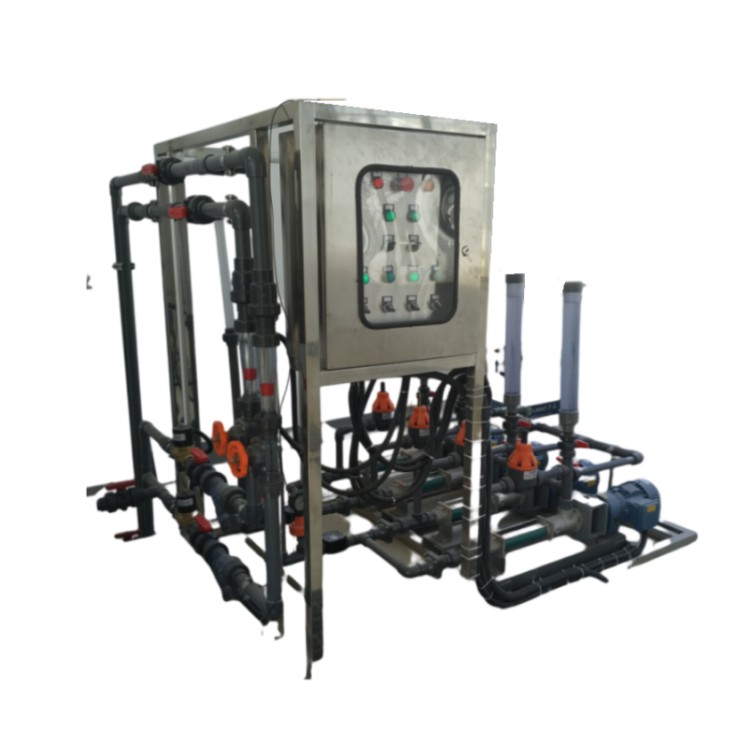
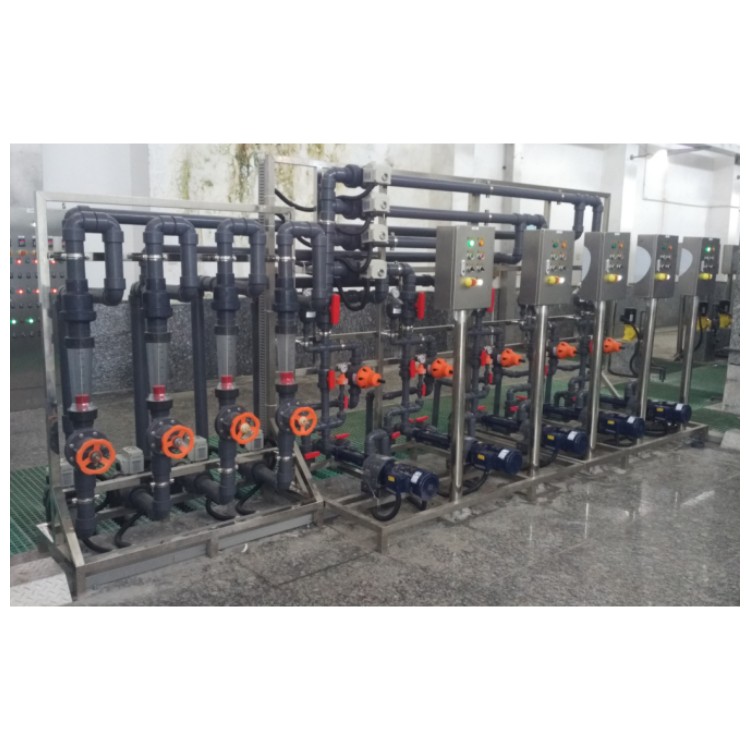
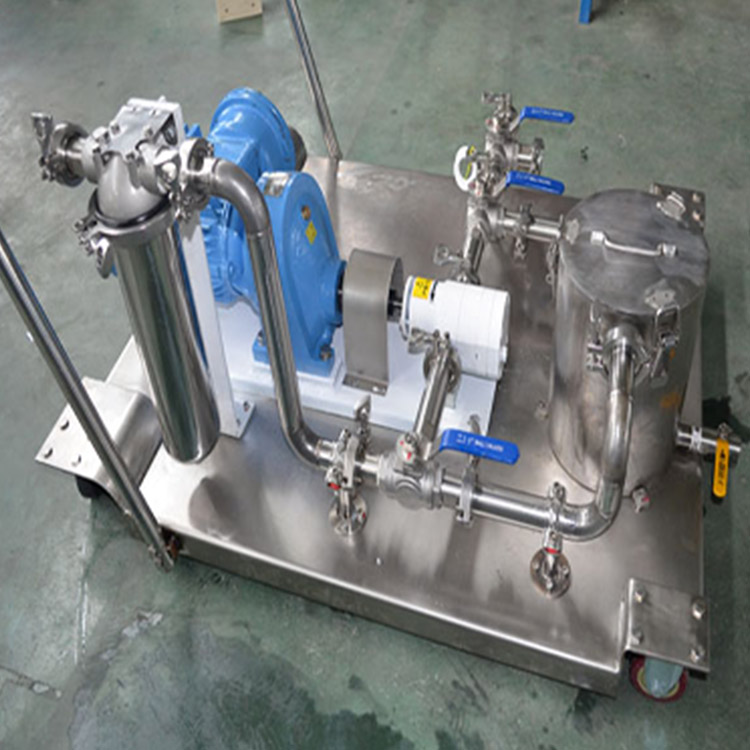
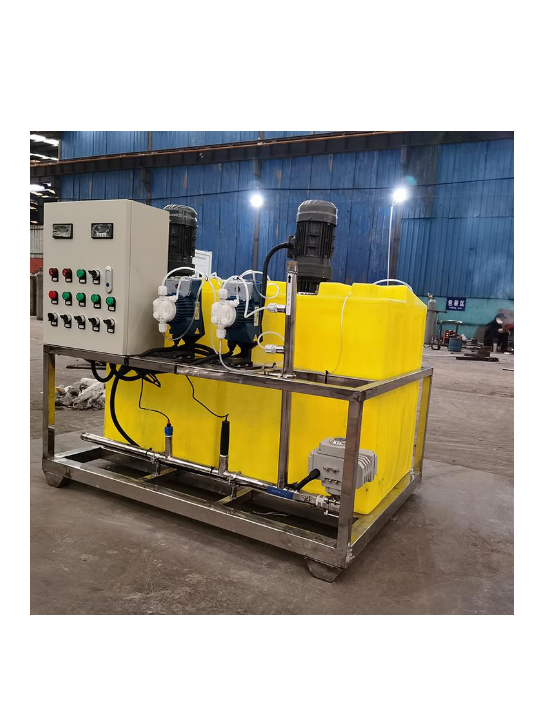
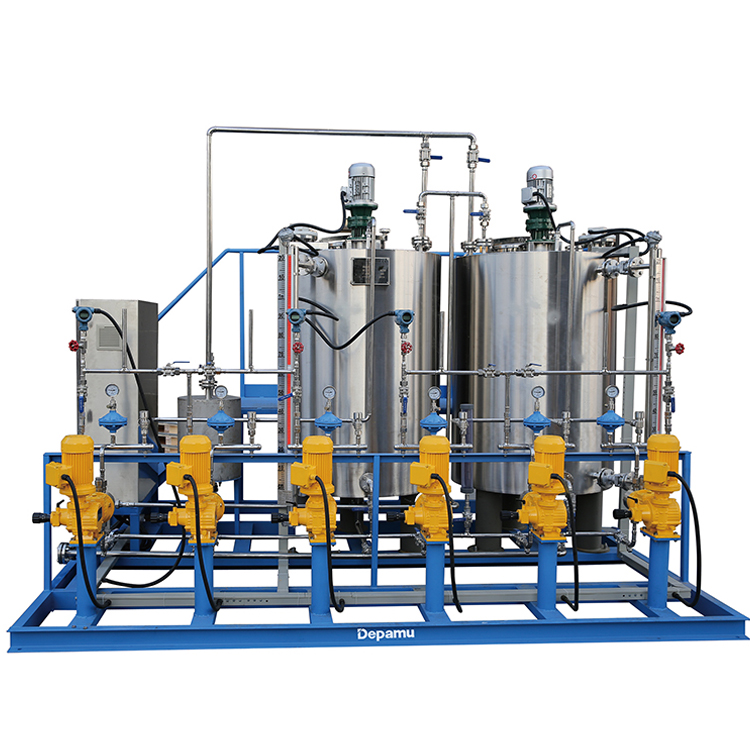
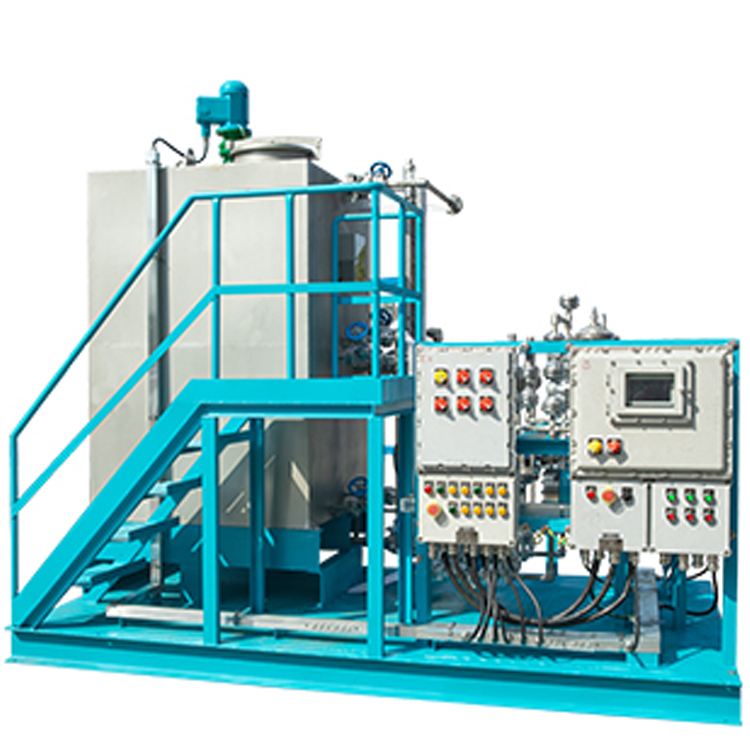
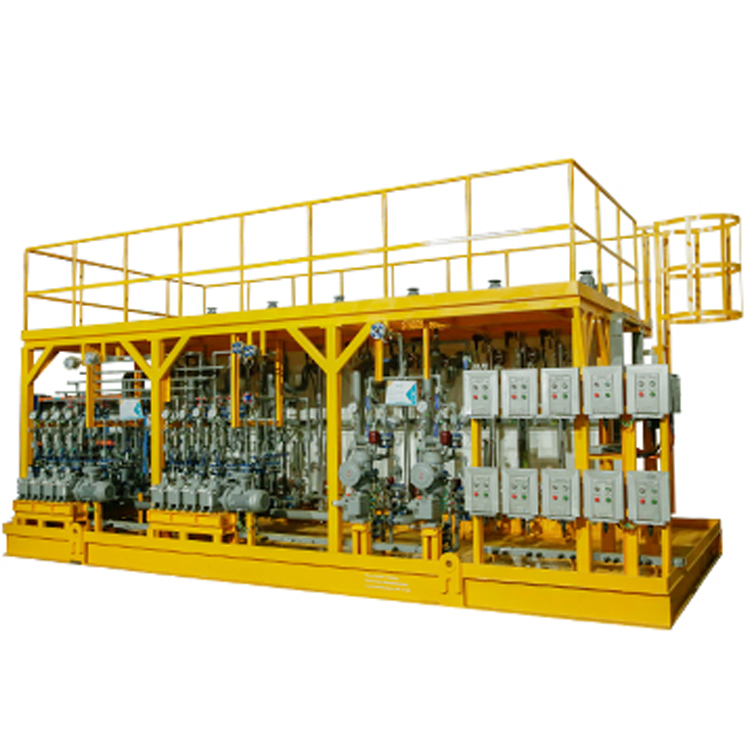
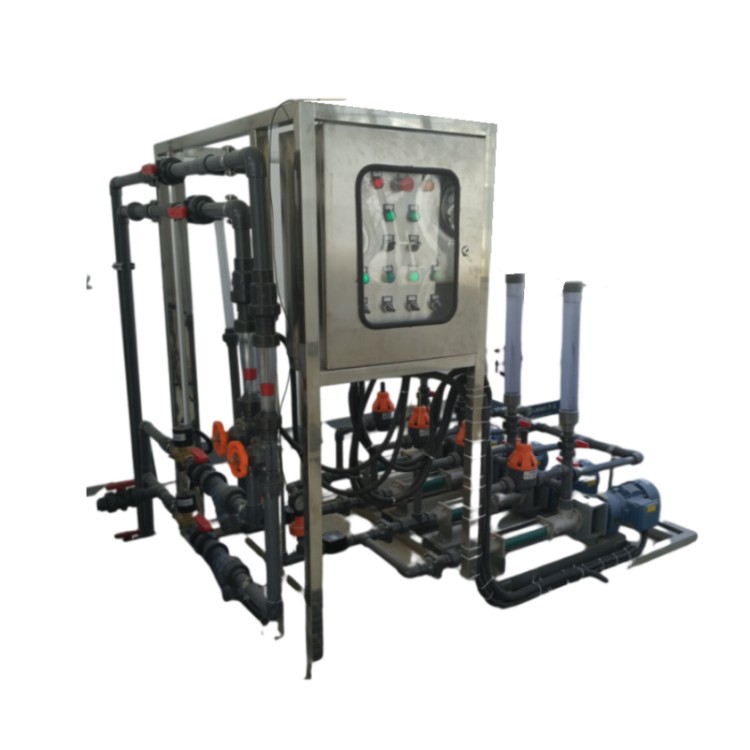
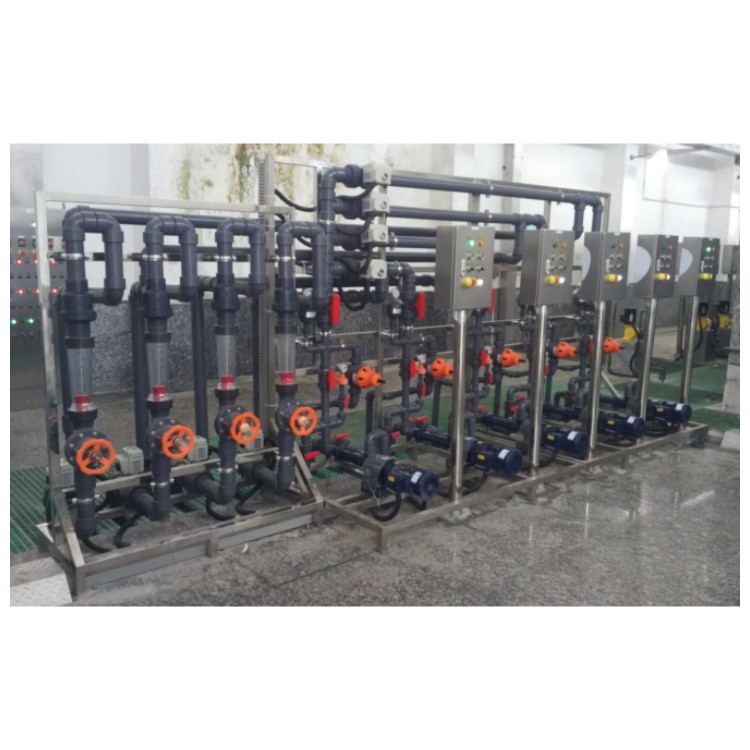
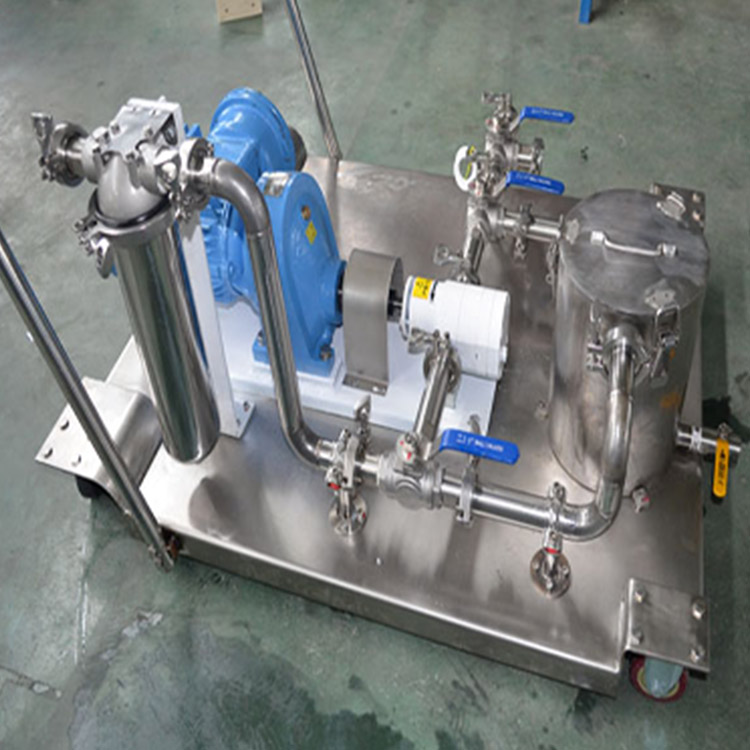
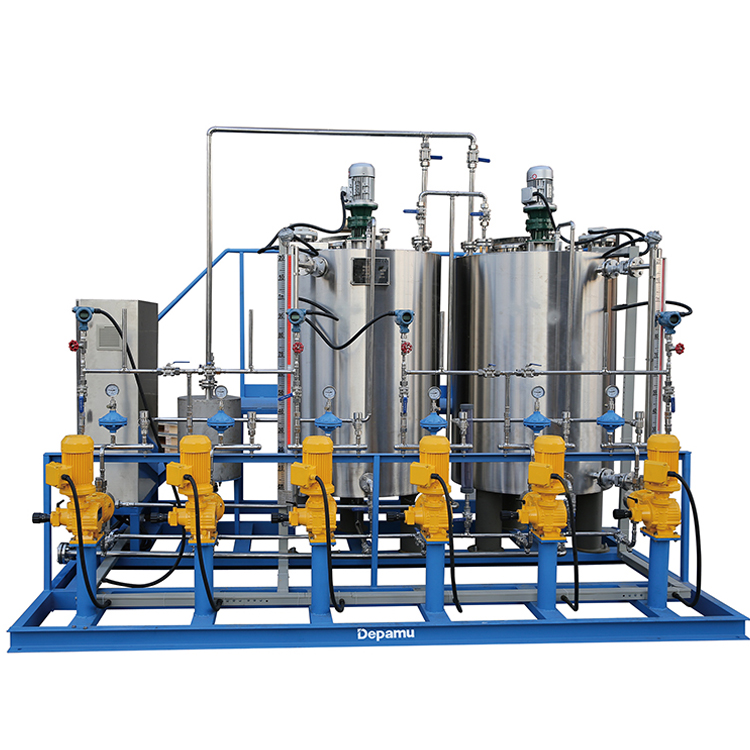
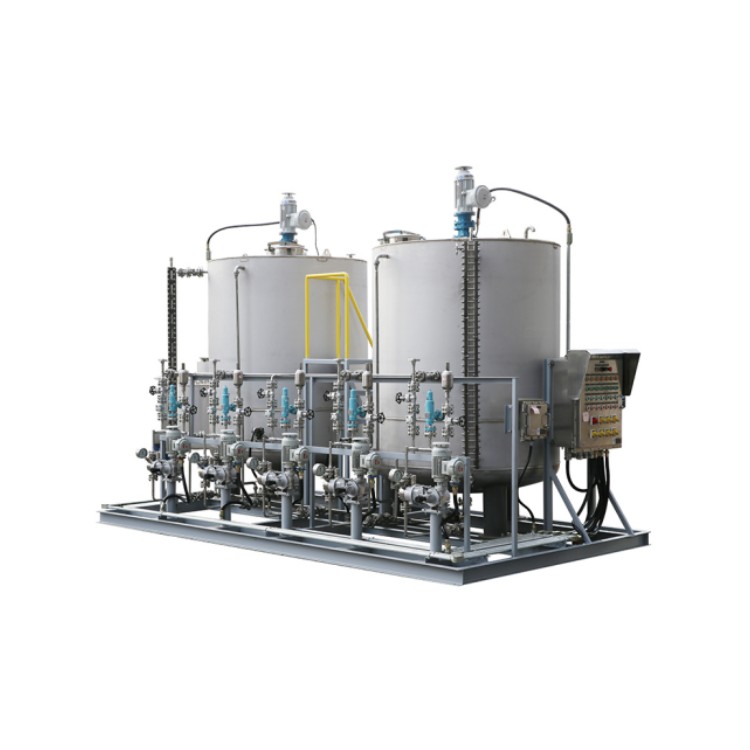
PAM Automatic Dosage System Features: ● Turnkey Automatic Equipment ● Batch Mixing System ● High-Precision Feeding Machine ● Stainless Steel Tank AISI 304 (or AISI 316) ● Vacuum Material Absorption – Dust-Free, Clean Operating Environment ● Various Optional Configurations for Flexible Application ● Fully Dissolves Dry Powder, Saving User Cost on Powder Materials. PAM Automatic Dosage System
PAM Automatic Dosage Device Detailed Introduction
Product Description
Polyacrylamide (PAM) is an organic polymer flocculant. It is water-soluble, hygroscopic, and prone to decomposition at temperatures above 120°C. Its aqueous solution is susceptible to hydrolysis and deterioration upon prolonged storage. Excessive stirring can lead to shear-thinning, affecting the flocculation efficiency. The substance dissolves slowly and should be added gradually to a stirred dissolver to prevent lumps. The concentration of the solution should be less than 0.3% to avoid long-term stagnation in the mixing dead zone and prevent the formation of agglomerated gel. The dissolution rate is less than 2 kg/m³·h; the stirring speed is less than 120 r/min.
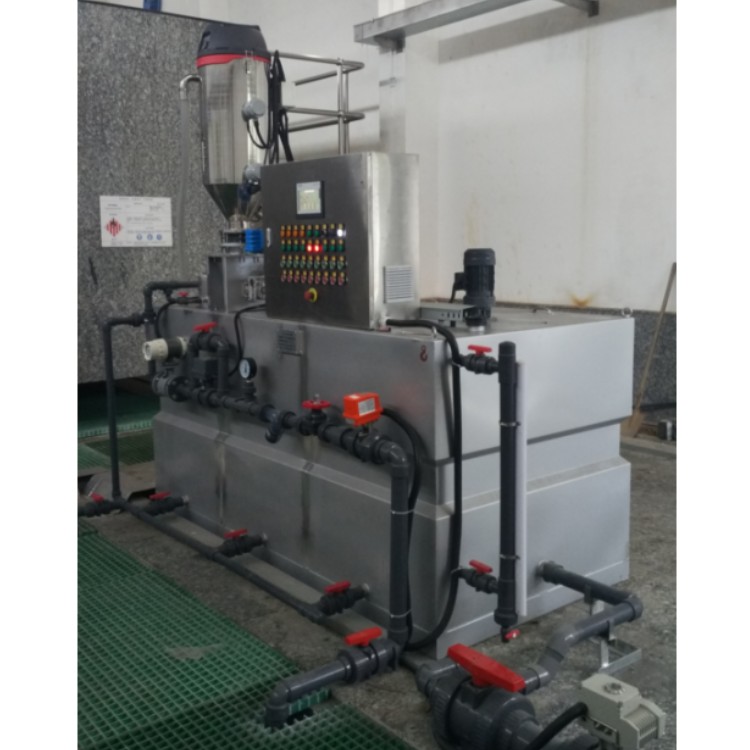
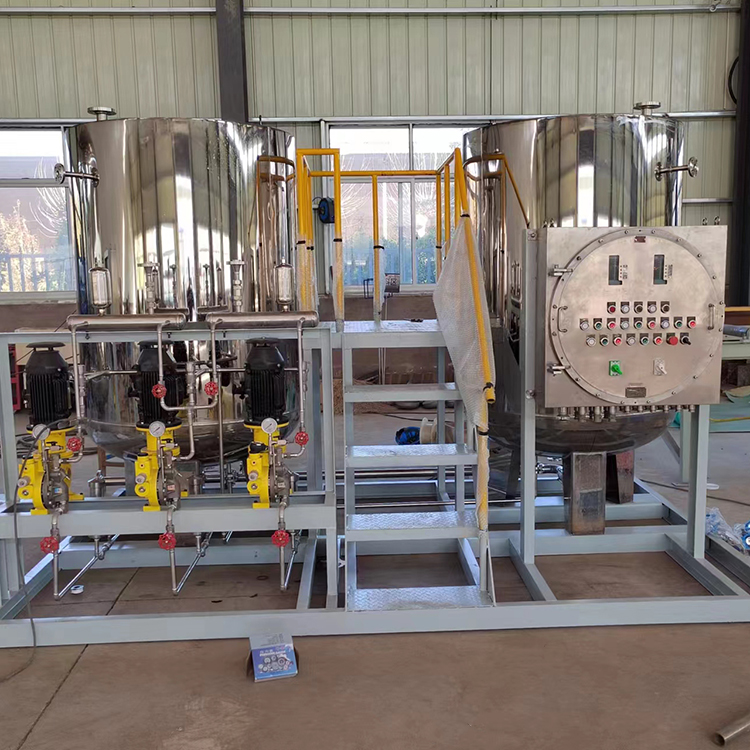
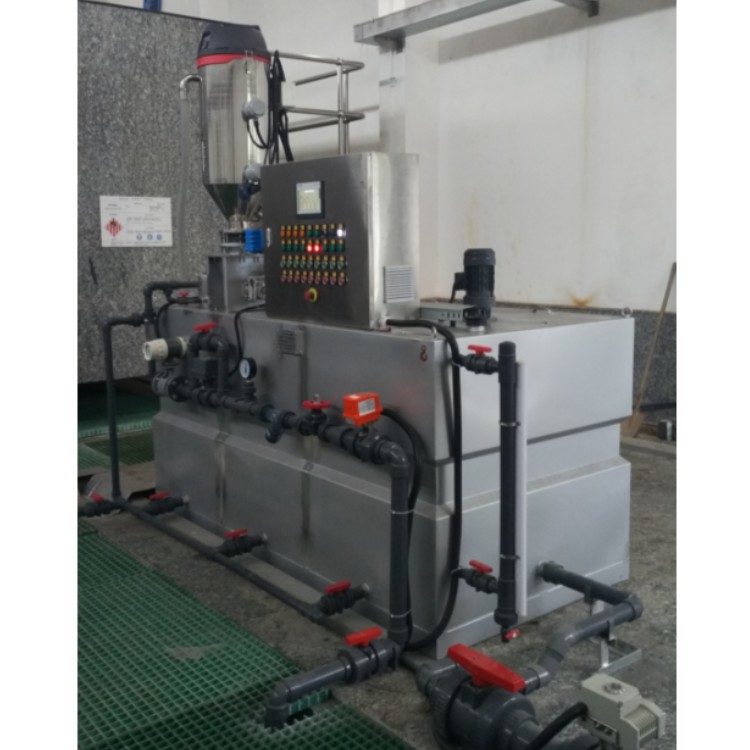
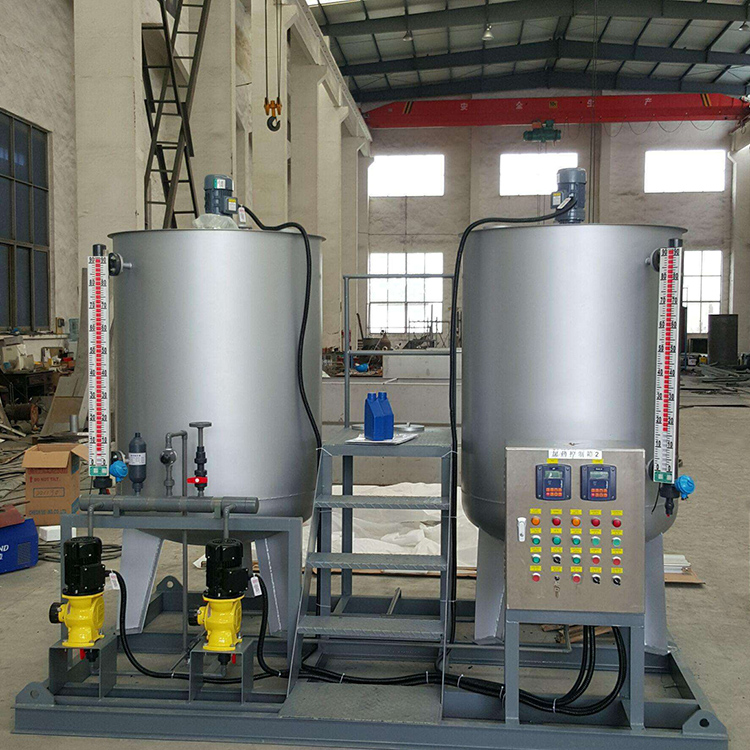
This product features a three-chamber integrated design, including an initial dissolution tank, maturation tank, and storage tank. The powder feeding machine is located above the initial dissolution tank and can be optionally equipped with a vacuum feeding machine. The raw material is conveyed into the initial dissolution tank by a spiral conveyor, utilizing a vortex feeding method to directly enter the bottom of the tank, preventing the powder from floating on the surface and forming "fish eyes." The initial dissolution and maturation processes are sequentially completed, with the finished product flowing into the storage tank via overflow for later use.
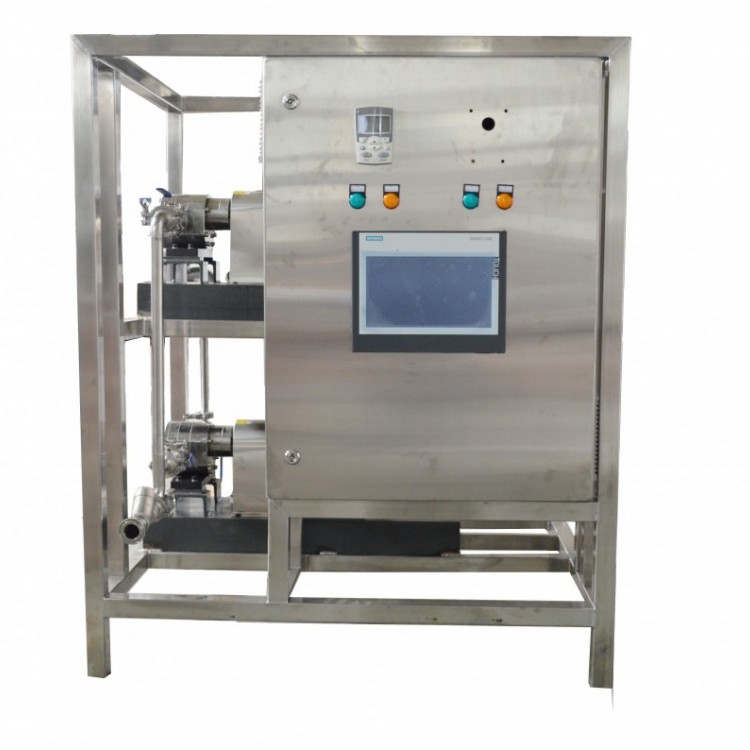
The medication process is controlled by a combination of electric ball valves and level gauges. Specifically, when the storage chamber's liquid level falls below the mid-level setpoint, the system activates the water inlet electric valve and the dry powder dosing machine to start preparing the medication. Conversely, when the level exceeds the high-level setpoint, the water inlet valve and dry powder dosing machine are shut off, halting the medication process. The control cabinet is equipped with a touchscreen and an operation panel, which allows for real-time display of the equipment's operating status and alarm notifications, facilitating operator inspections and troubleshooting. The operation panel features manual/automatic switching functionality and start/stop buttons for the power equipment, catering to emergency equipment needs. The equipment can be configured with communication ports based on actual operating conditions to enable communication with the host computer.
Structural composition
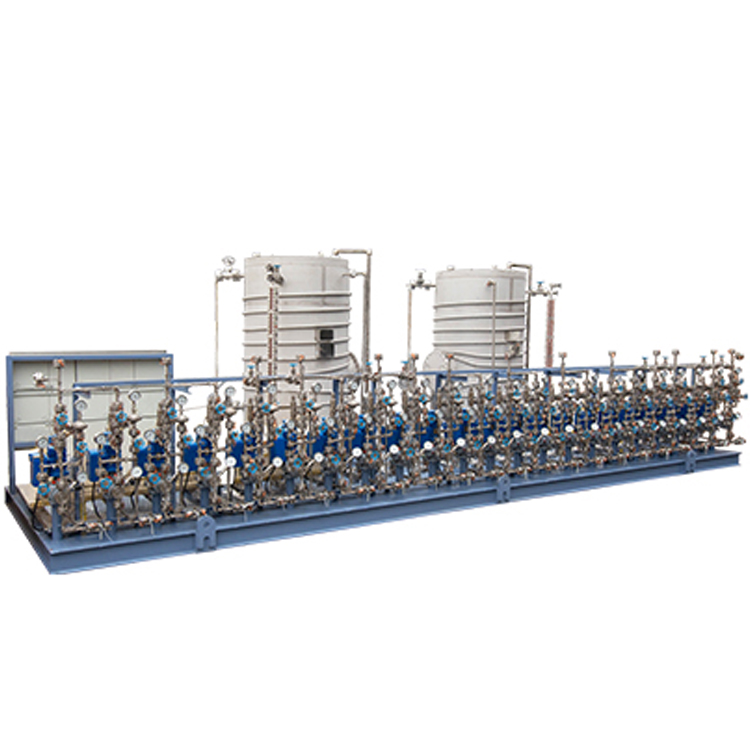
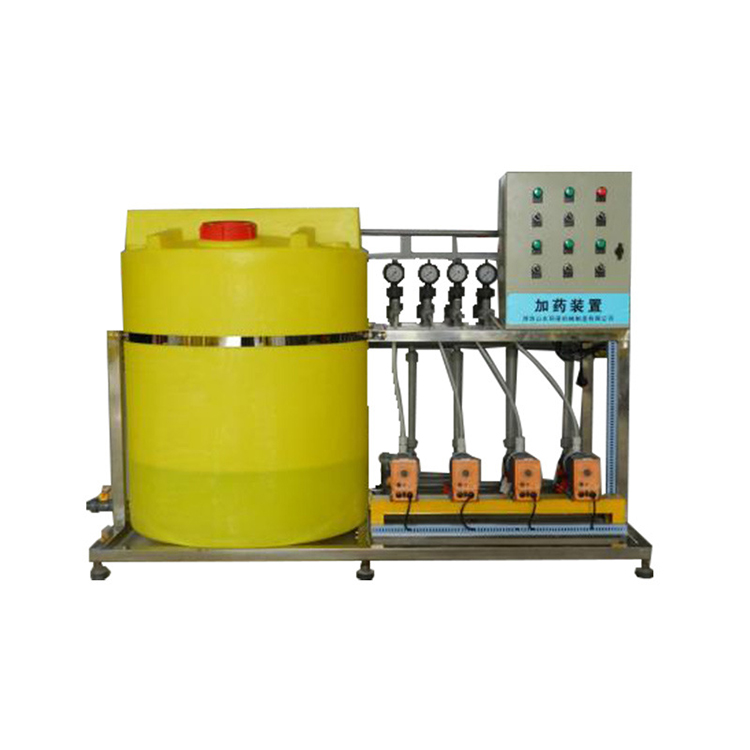
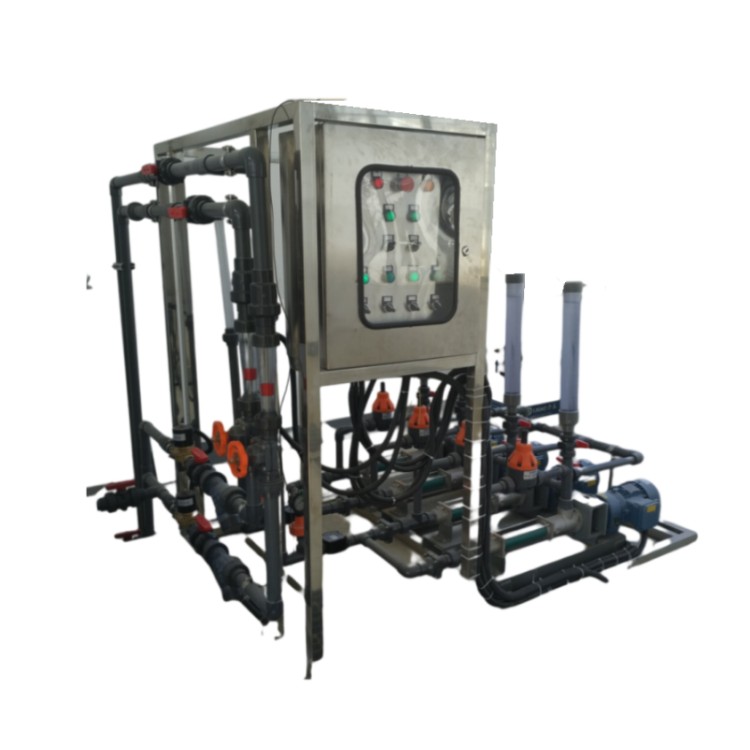
The PAM dosing system consists of five components: the powder conveying system, the incoming water system, the dissolution system, the dosing system, and the automatic control system.
Product Features
1. Utilizing our company's Brick Profit technology, we achieve cost and energy savings. Under the same water quality conditions, we reduce the dosage of chemicals, thereby lowering costs. Compared to similar products, this can save approximately 5% to 15% in chemical consumption.
2. Utilizes a three-chamber overflow integral trough with a unique internal structure design, enhancing fluid turbulence to ensure that the dissolution process does not form whirlpools or scaling phenomena.
3. The tank body is designed with suitable size ratios, featuring chamfered radii at the tank angles to prevent the formation of dead zones during the PAM dissolution process.
4. The three chambers utilize mixers with different speeds, adjusting the mixing method according to the physical changes during the PAM dissolution process. The initial dissolution tank and maturation tank employ double-layer propeller mixing to enhance dissolution speed; the storage tank uses a low-speed, wide-range mixer to prevent the PAM molecular chains from being sheared and diluted.
5. After the powder exits the feeder, it is discharged in a swirling manner directly to the bottom of the initial dissolution tank, preventing the powder from floating on the surface and avoiding the formation of "fish-eye" type lumps, thereby enhancing the dissolution effect.
6. The feeding machine for export is equipped with a drying and moisture-proof device, effectively preventing phenomena such as PAM clumping and agglomeration that are prone to clogging, improving the accuracy of powder measurement, and reducing maintenance costs.
7. Focuses on system design, overcoming the systemic defects inherent in traditional products that are designed around a single device or component.
8. Consistent dosing, wide applicability, simple operation, easy management, and low failure rate.
9. Various configurations are available for selection, offering flexibility in use.
Material Selection
Flow components can be made of 316 stainless steel, 304 stainless steel, PP, etc., according to different corrosion resistance requirements.
Application Scope
This product is widely used in the flocculation and sedimentation fields of municipal water supply, wastewater treatment, papermaking, construction materials, and dyeing industries.