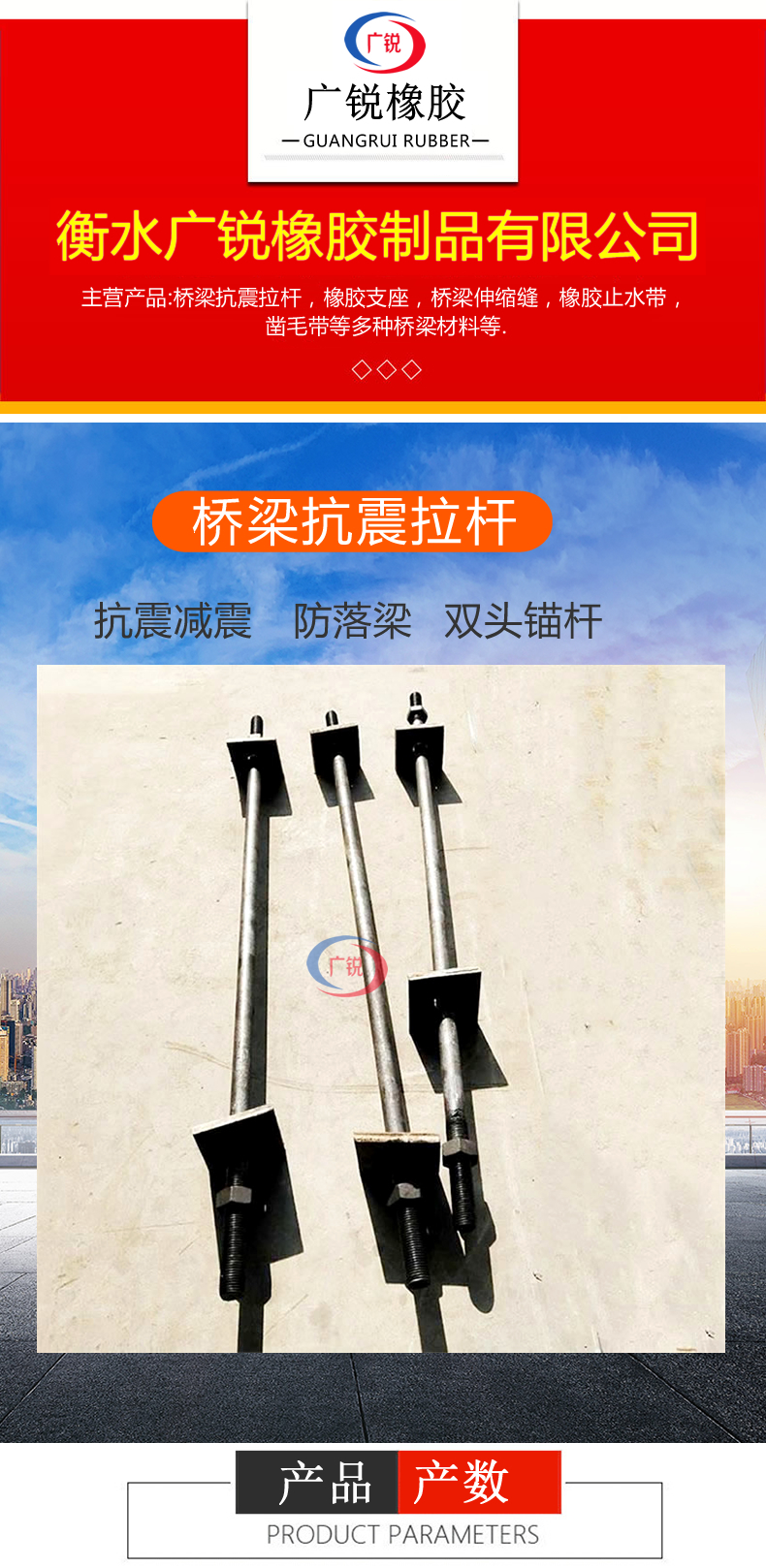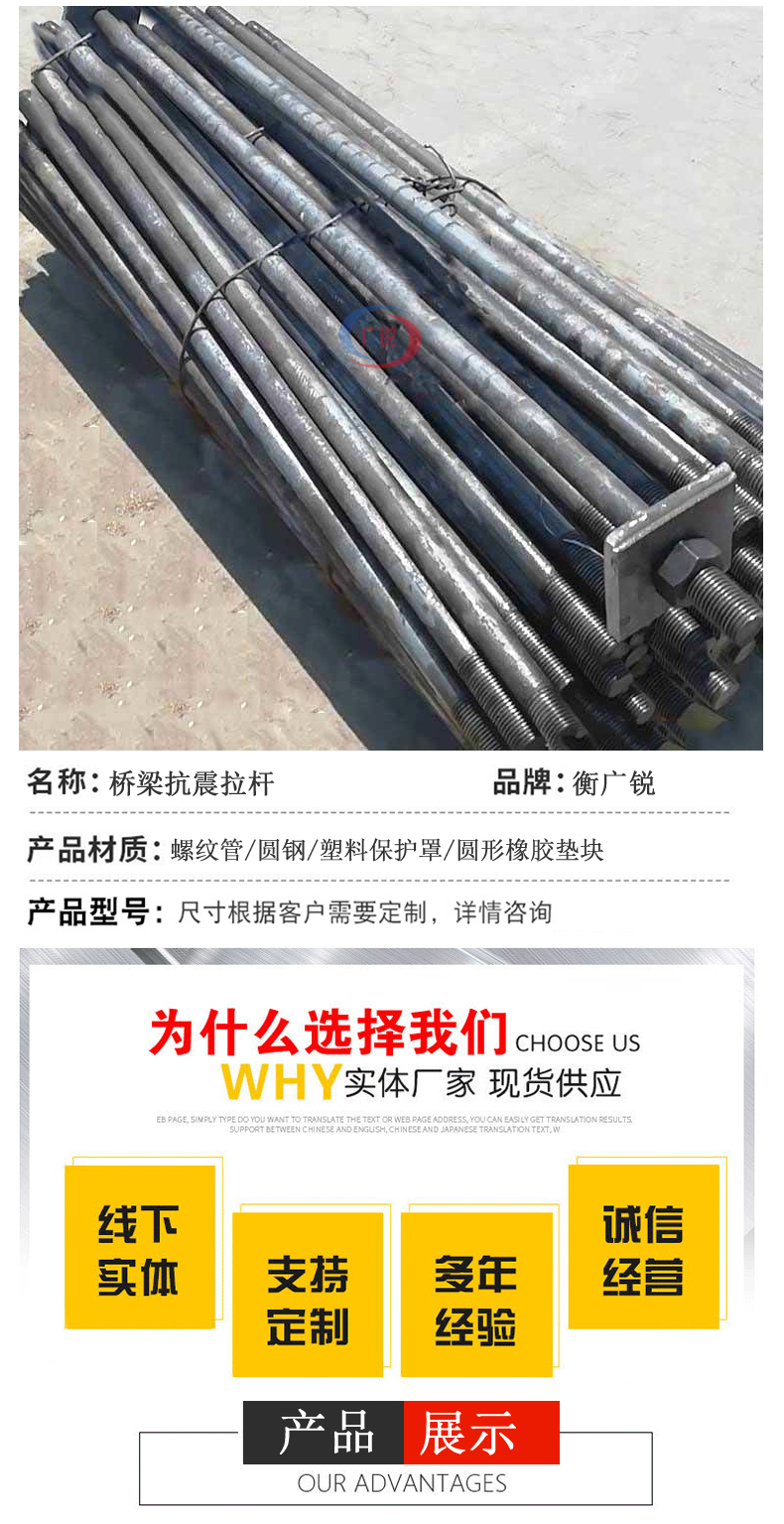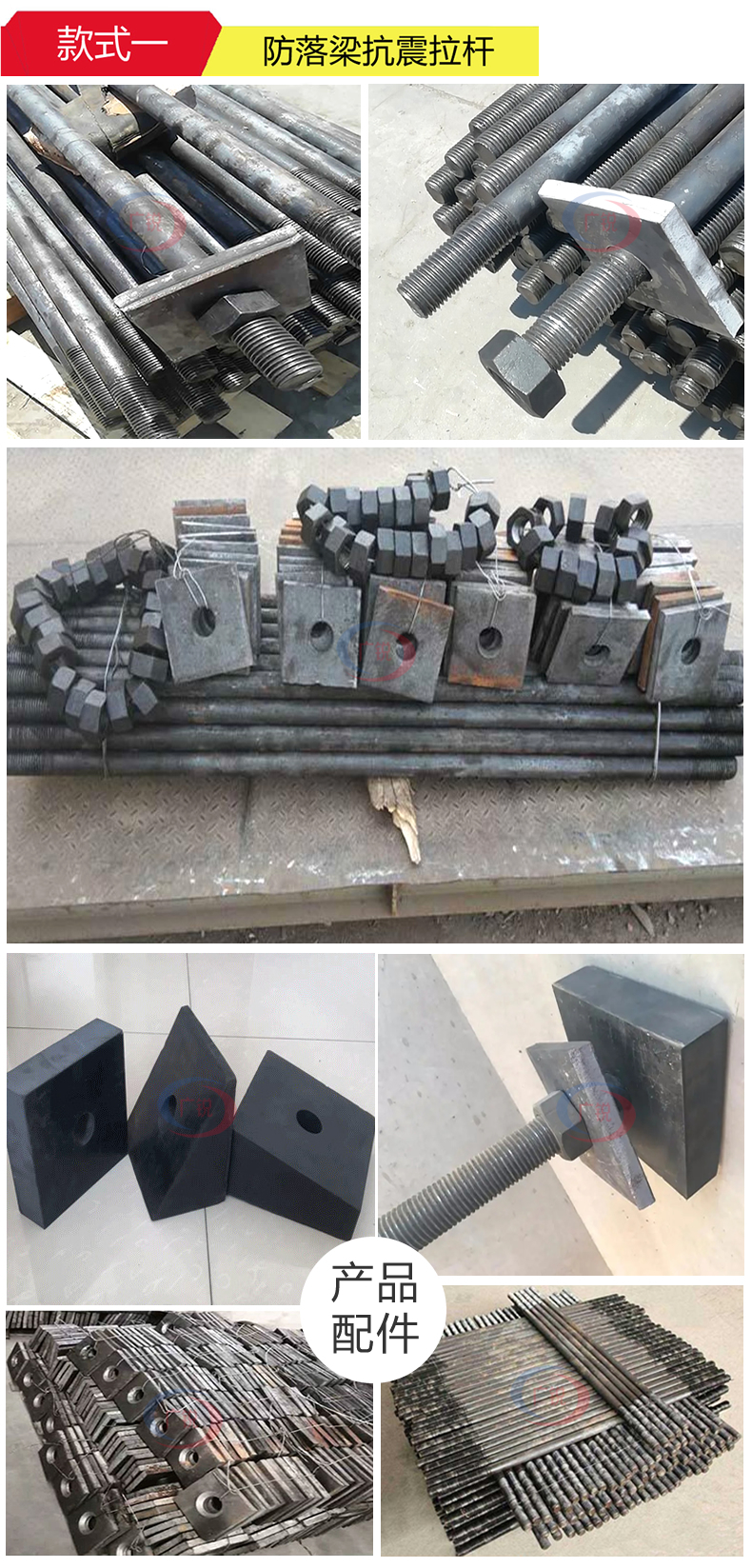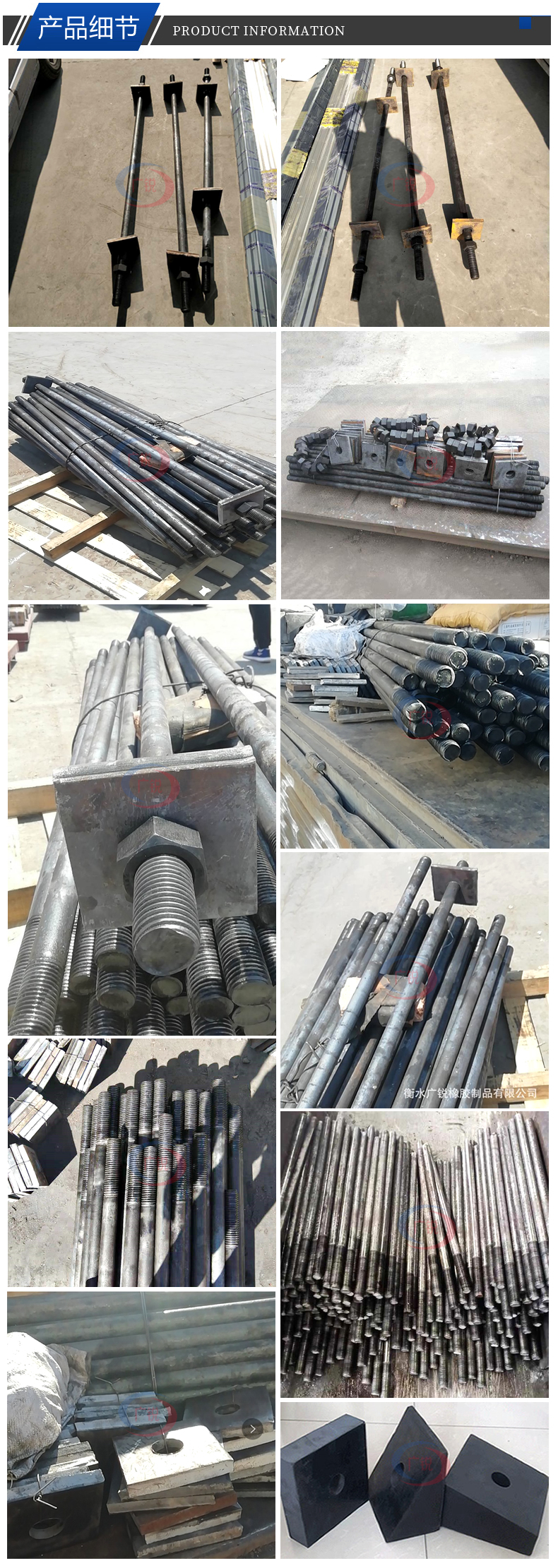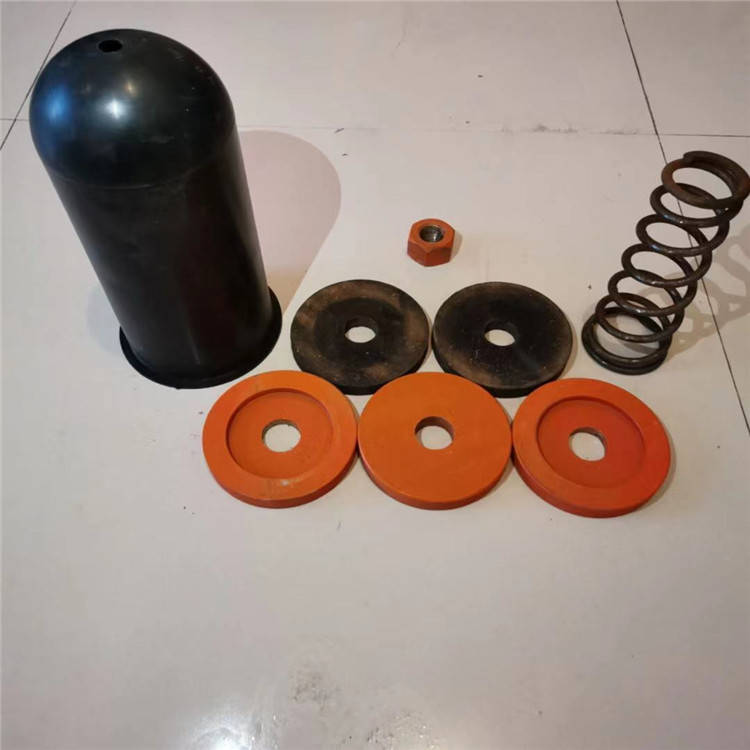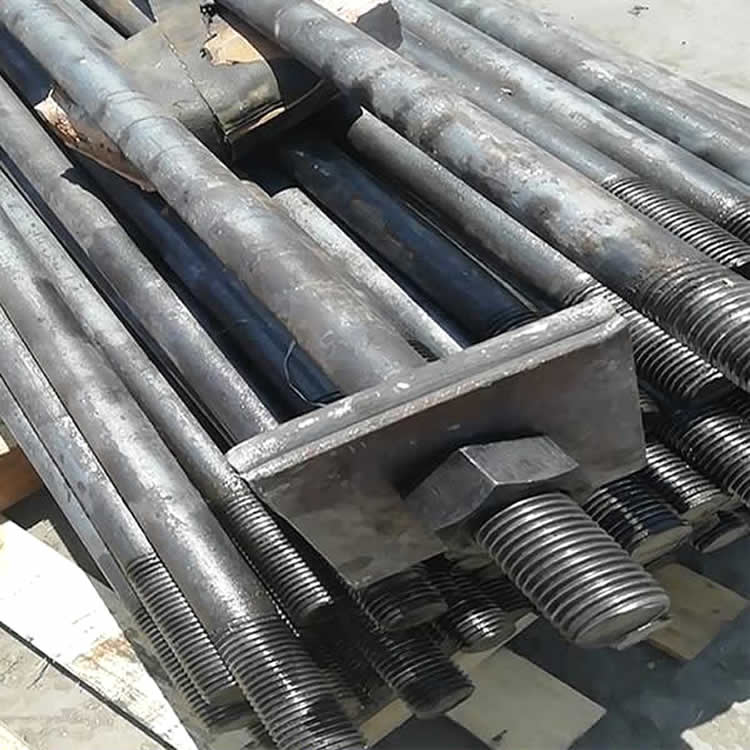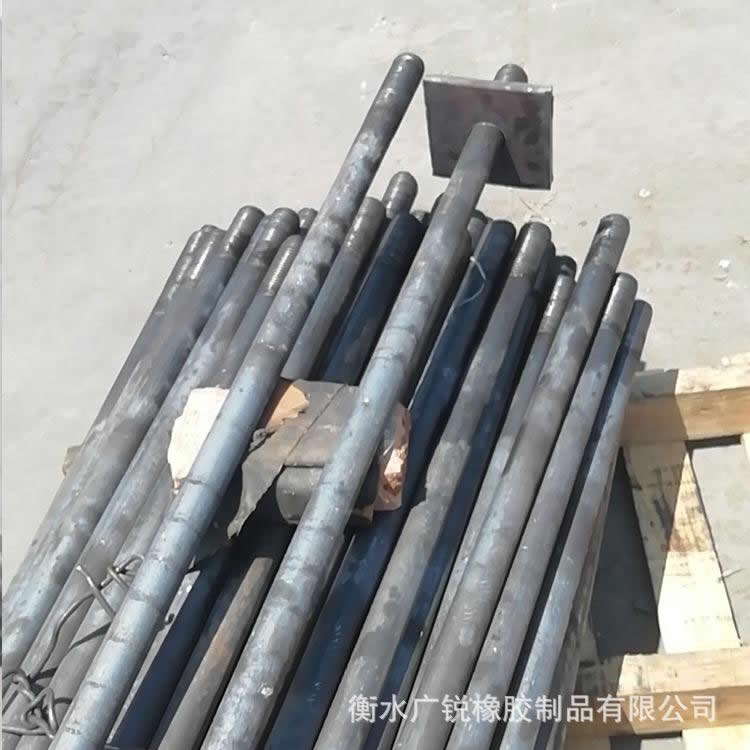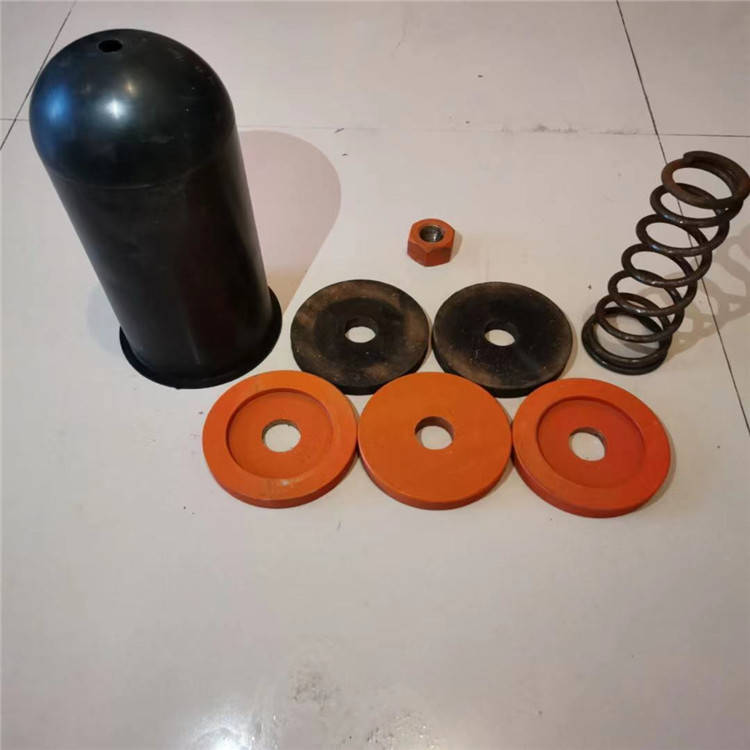

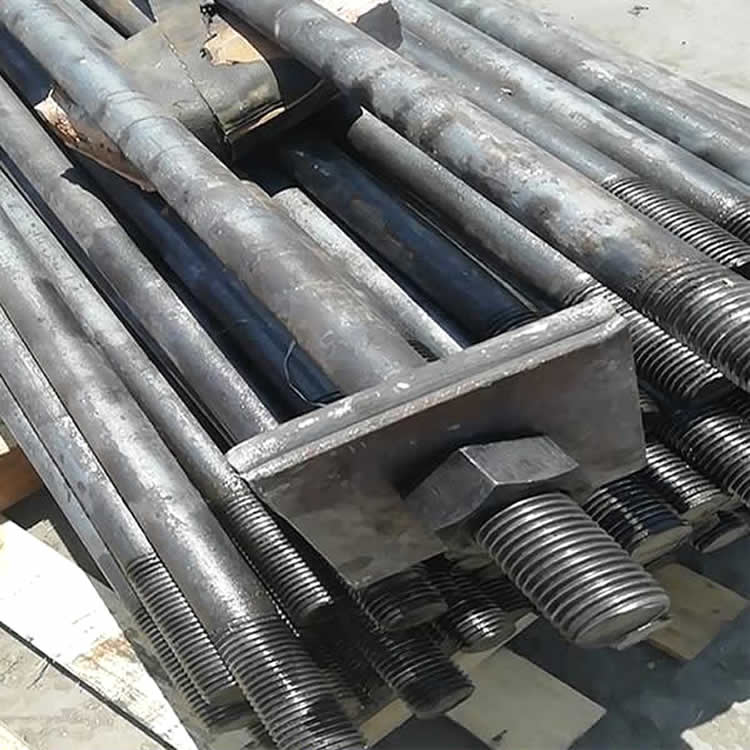
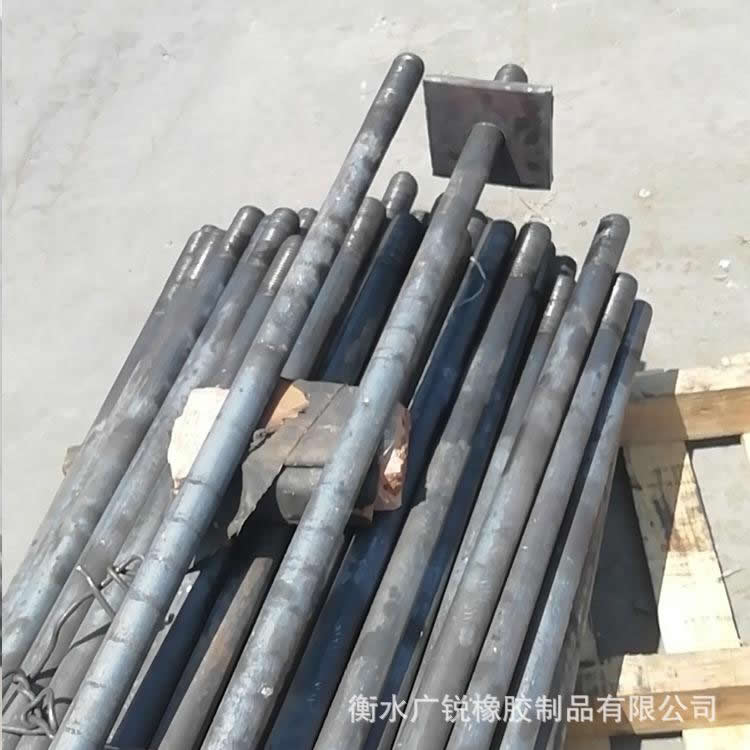











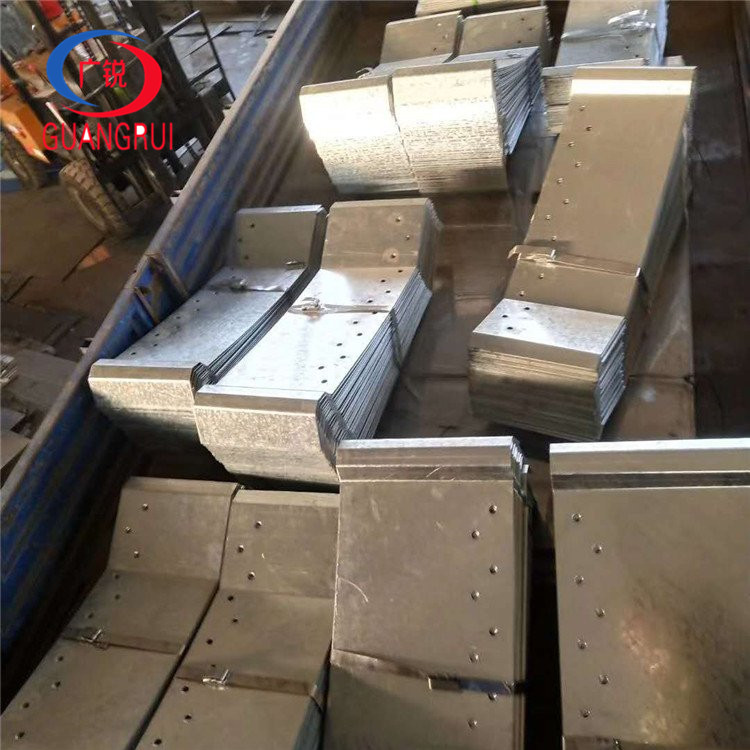
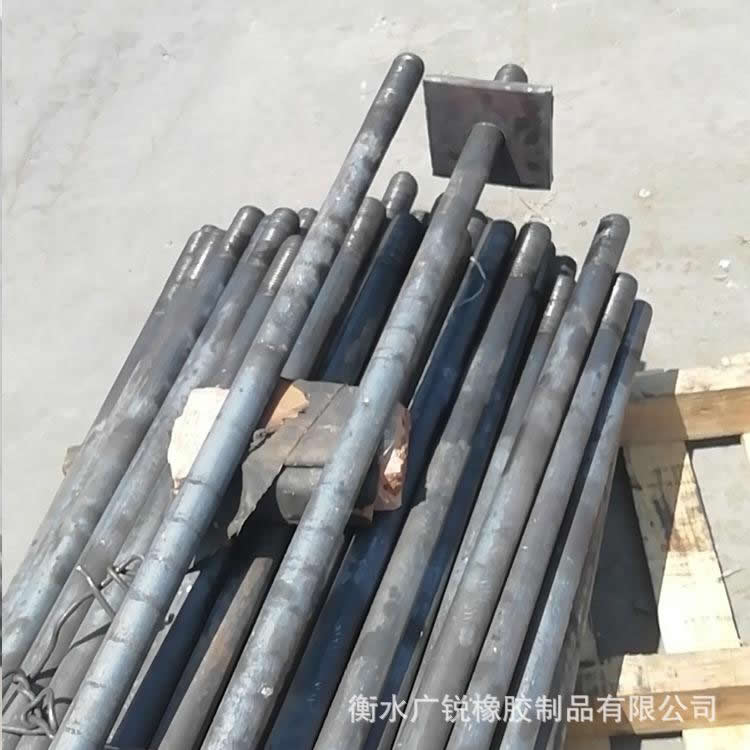
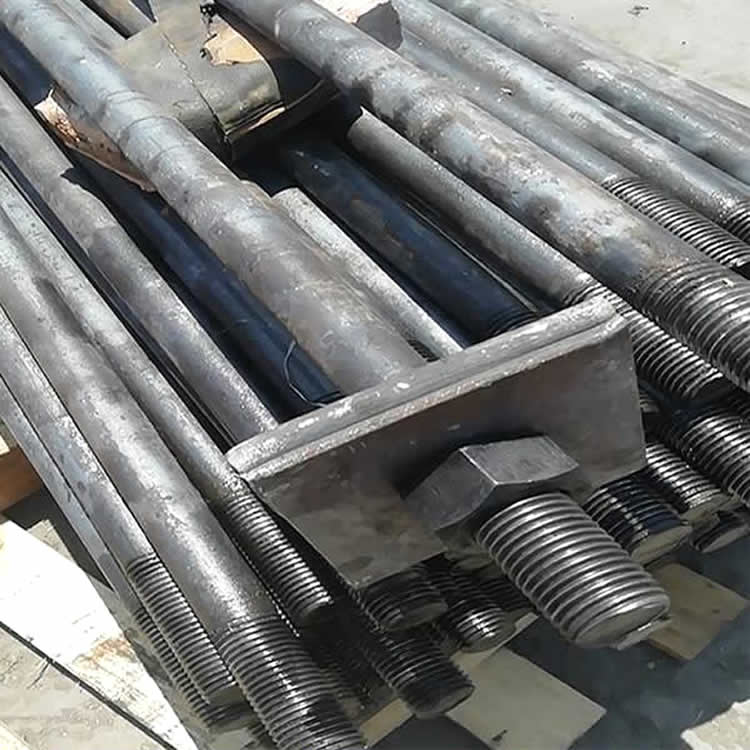
Bridge seismic tension rod, designed with various anti-seismic measures including chain fall prevention, longitudinal tension rod, damper, rubber gasket, seismic stopper, and support bracket.
Bridge Seismic抗震Rod Construction Process
During the construction of seismic tie rod retaining walls, the masonry work and subgrade filling compaction should be carried out simultaneously. When the ground level reaches 50cm above the metal corrugated pipe, first compact the soil, then excavate the trench, lay the pipe, and then backfill. After the corrugated pipe is installed, proceed with the steps of inserting anchor rods, grouting, adding steel washers, tightening nuts, and sealing the anchors in sequence.
Bridge Seismic抗震 Rod Installation Precautions
1. Prior to construction, proper ground drainage should be ensured. The foundation pit should not be excavated in its entirety. Jump excavation and timely segmented masonry construction methods must be employed. Simultaneously, enhanced drainage measures and contingency plans should be implemented, and temporary support during construction should be strengthened as needed.
2. Retaining wall backfill and toe backfill should be filled strictly within the design scope. Backfill materials, such as crushed stone or sand and gravel, should be selected based on the different locations. When there is a significant gap between the wall back and ground level, fill with cobblestone as per the requirements for embankment construction. Toe backfill should use cobblestone or rounded stone, with particle sizes that are not easily washed away by floodwaters.
3. Anchor rod construction for three layers starts from the bottom layer and proceeds sequentially. Installation and grouting of the anchor rods for the next layer must be completed before constructing the embankment and filling for the upper layer. Specifically, the grouting process should be carried out from the edges towards the center to ensure compactness at both ends. By integrating the anchor rods with the retaining wall, the overall stability of the tie-back retaining wall is enhanced.