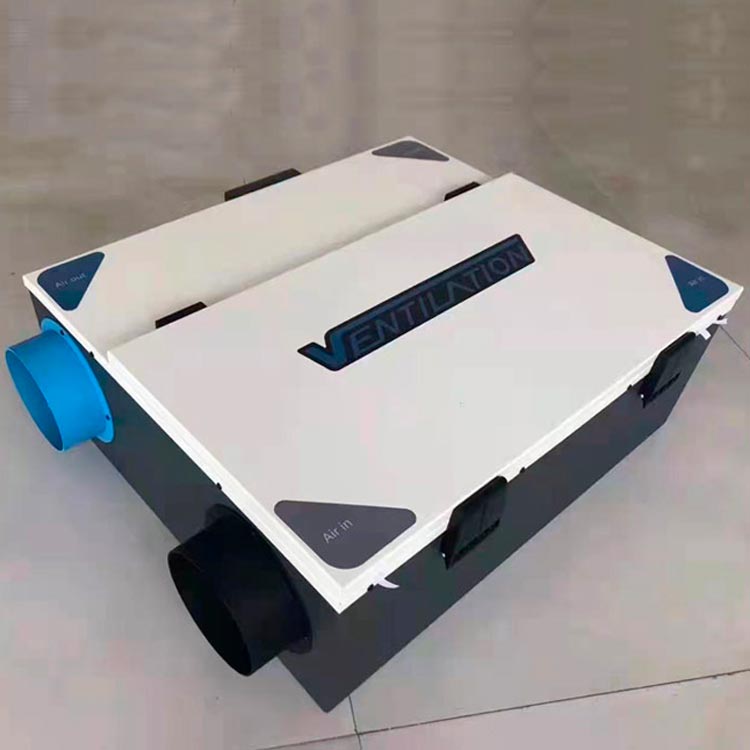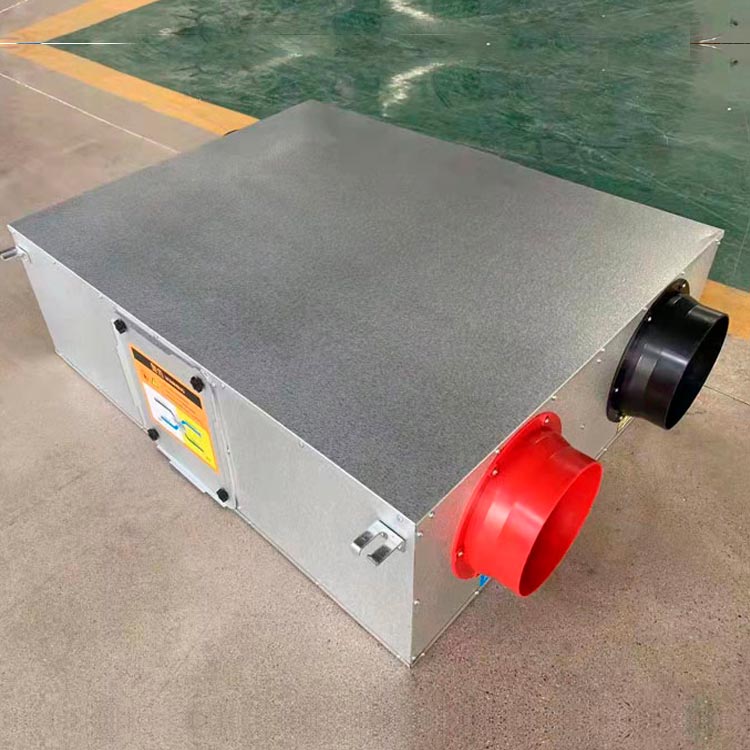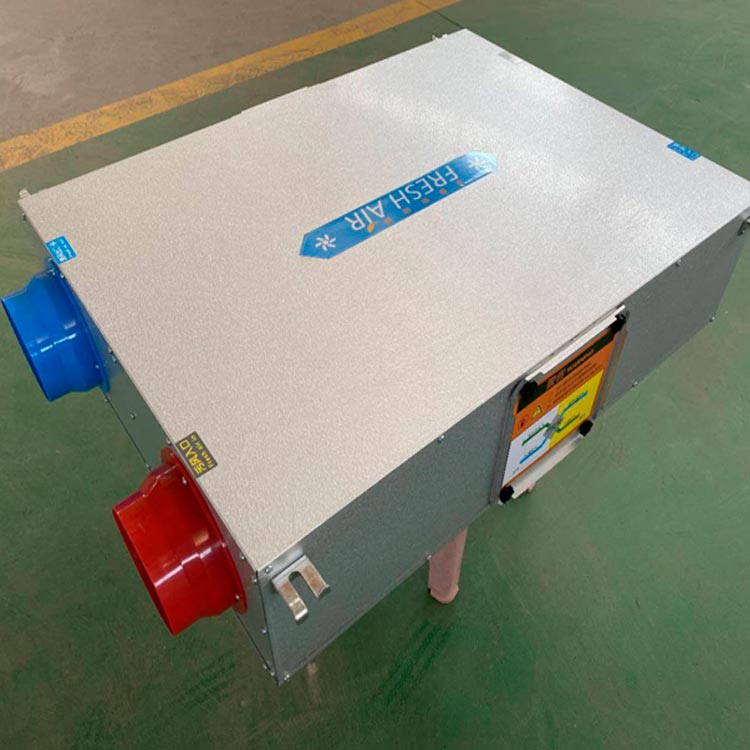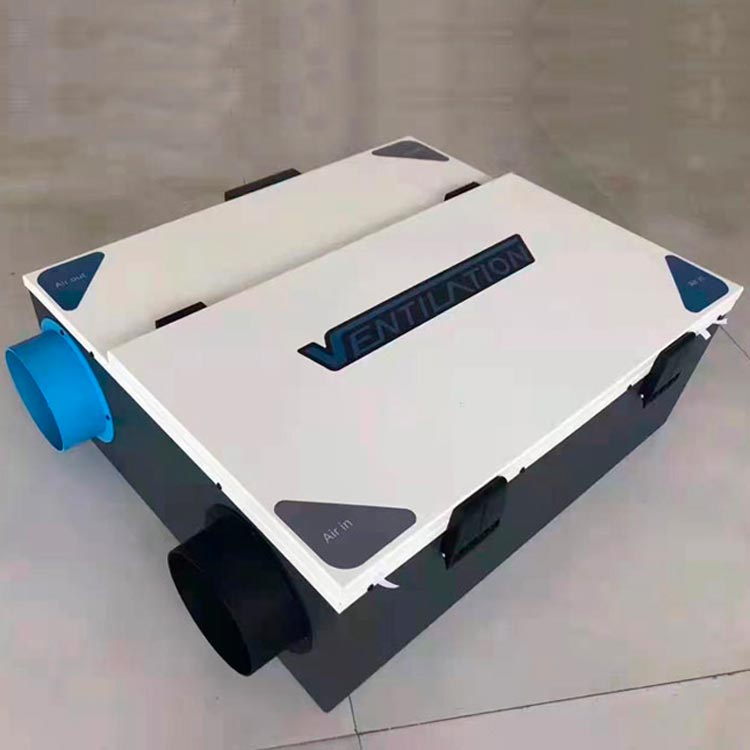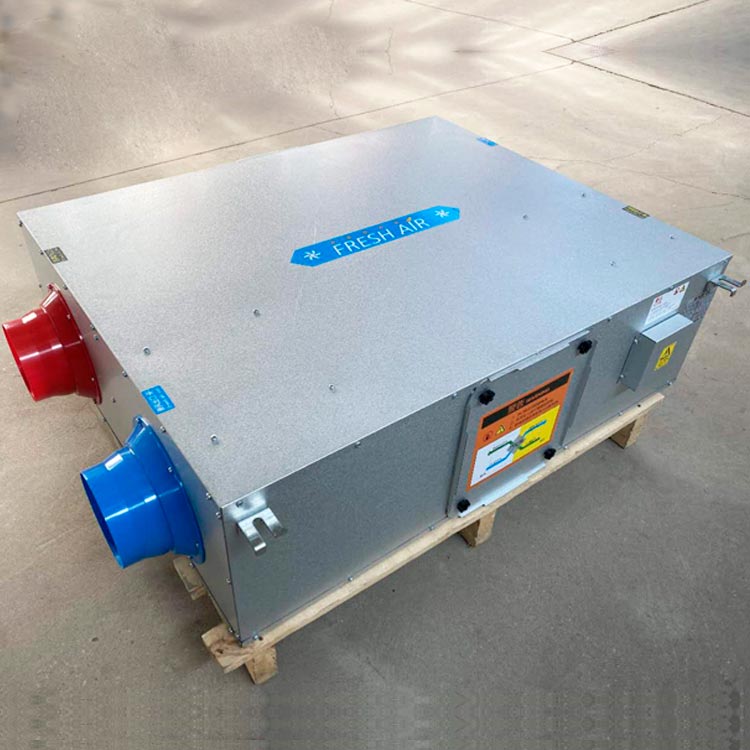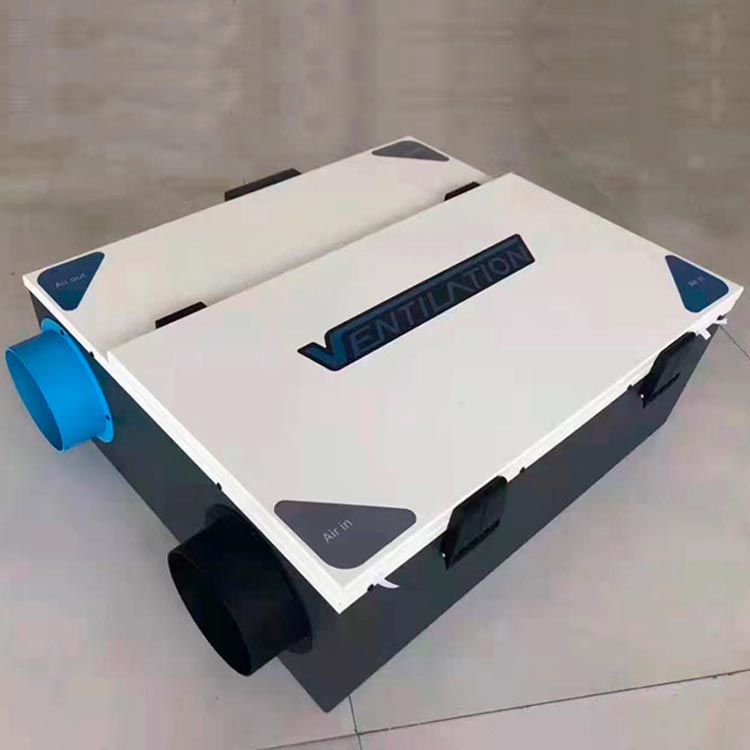











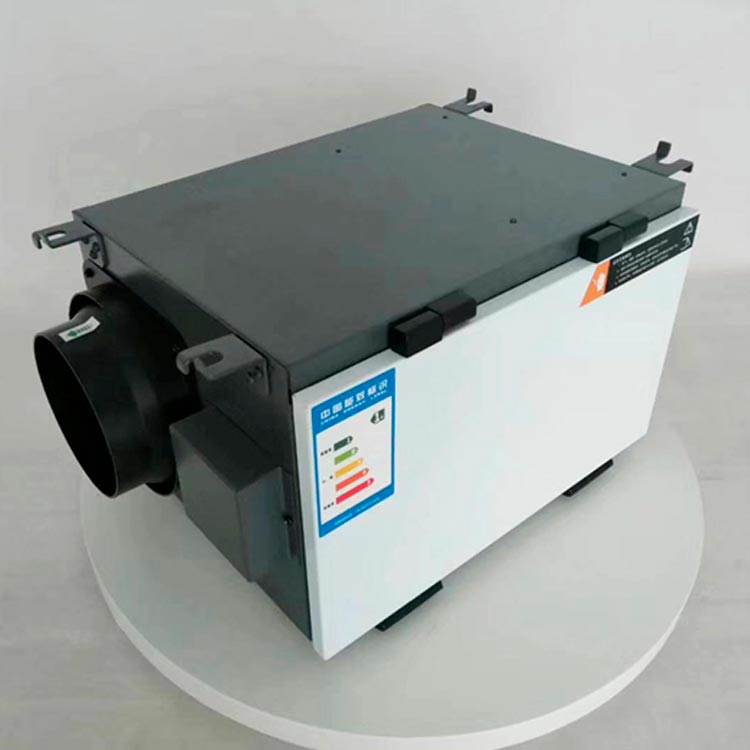
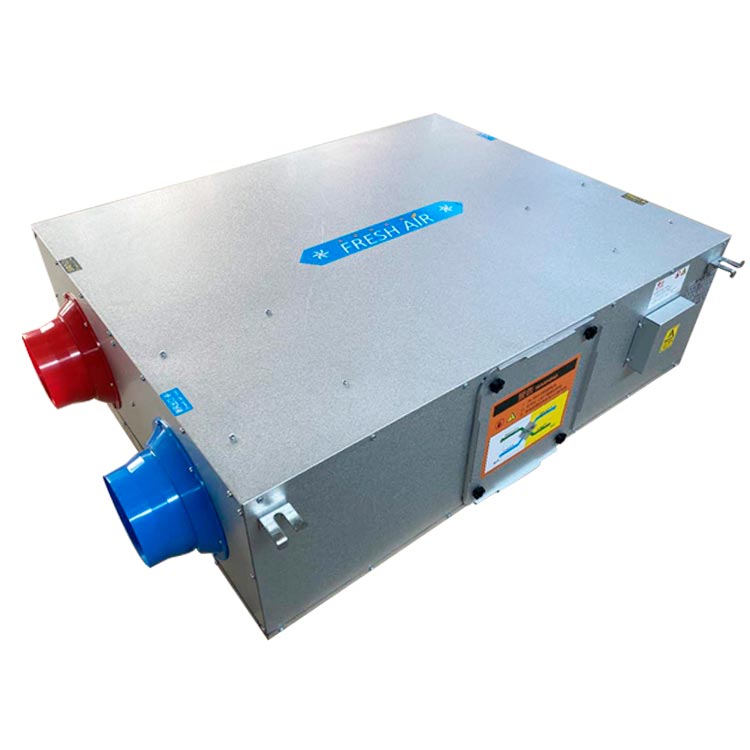
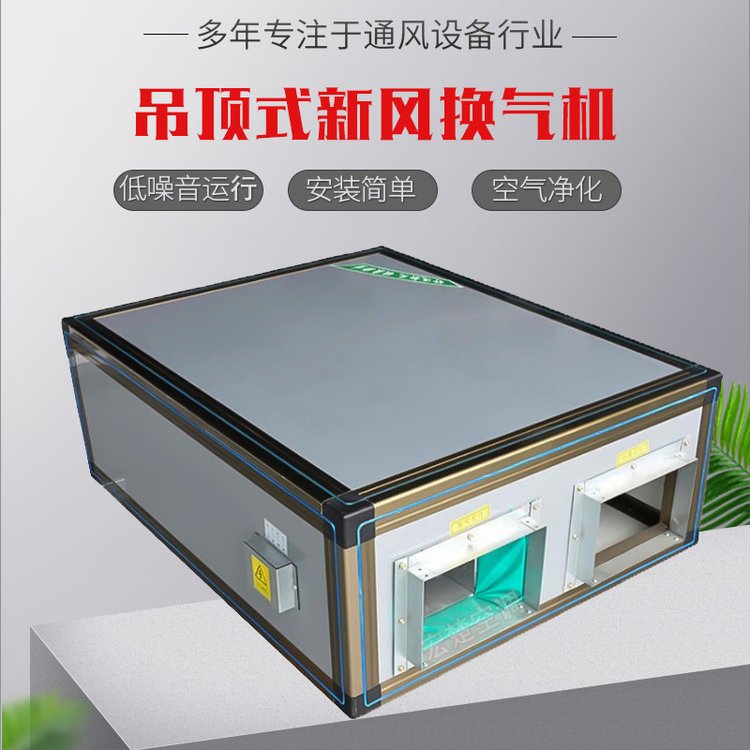
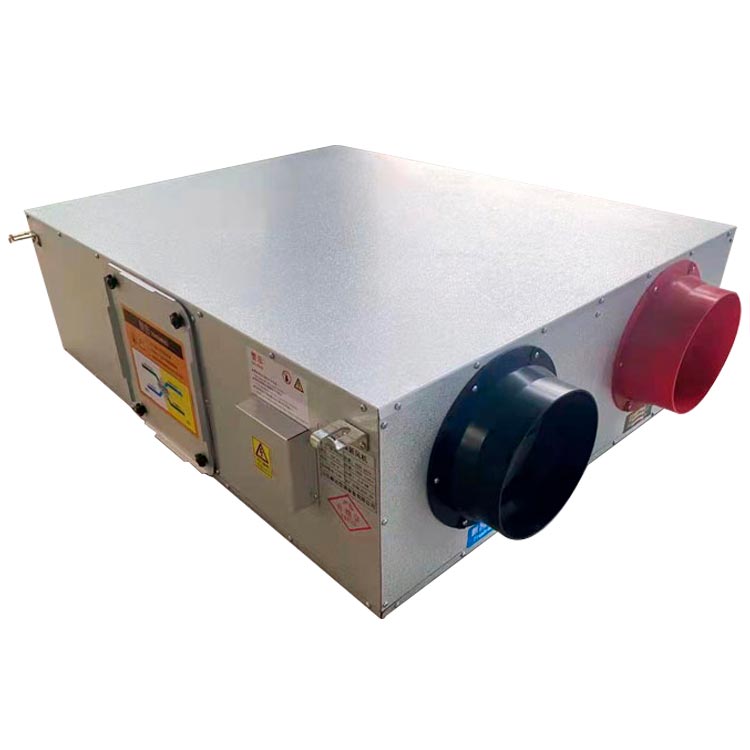
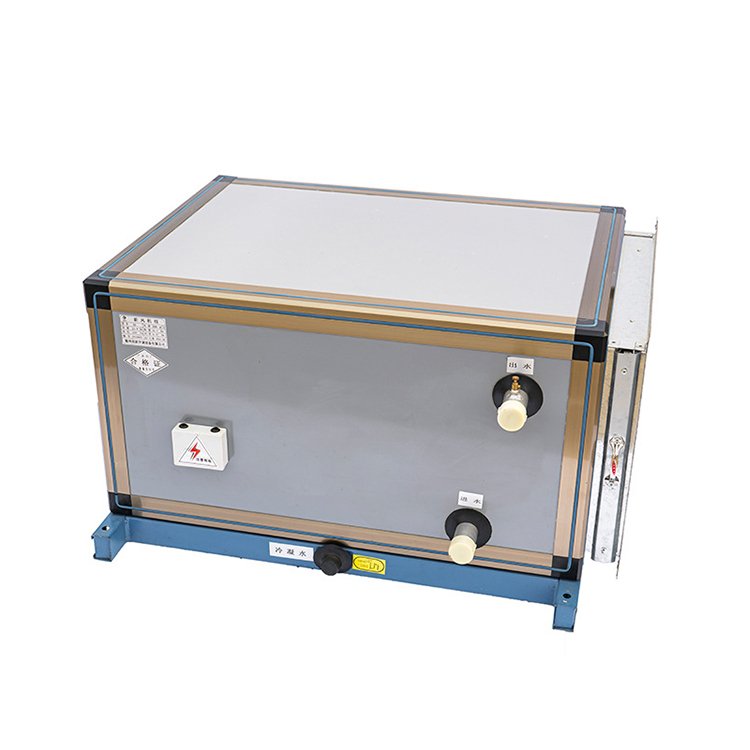
The air-to-air exchanger is designed and developed based on the principle that when air is supplied to one side of an enclosed room and exhaust air is drawn from the other side, a "new air flow field" is formed inside. It relies on mechanical air supply and exhaust to force the formation of a new air flow field within the system.
An air exchange unit is a new type of environmental-friendly electrical appliance that constantly maintains the indoor air clean and fresh. This independent indoor air replacement and purification system can expel polluted indoor air while introducing fresh natural air. The incoming fresh air is first filtered, sterilized, heated, and oxygenated through multiple processes before entering the room.
Features:
Higher heat exchange efficiency: Utilizing the WASSI-III energy recovery module, the overall heat exchange efficiency of the unit is improved by 5% to 10%.
Smaller overall dimensions: Achieves about a 20% reduction in size, saving installation space.
Performance more stable: Maintains stability in heat exchange efficiency and other indicators under long-term continuous operation conditions.
Model: Airflow range from 100m³/h to 100,000m³/h, fully meeting the needs of different users.
Ease of maintenance: Simply clean the filter regularly, and the energy recovery module requires no special attention for cleaning, simplifying the maintenance process.
Selection Requirements:
1. An energy-recovery ventilation unit is a compact air exchange device for rooms. Key control parameters include air flow, static pressure loss, total pressure at outlet, input power, effective air exchange rate, exchange efficiency, and noise.
2. The performance of the air-to-air exchanger should meet the requirements of Table 1, and the nominal air volume of the unit should correspond to a heat exchange efficiency value not less than that specified in Table 2.
Generally, frost may occur on the exhaust side when the fresh air temperature is around -10°C, and an air preheater can be installed before the unit.
4. The selection of the equipment should also meet the requirements of other relevant standards and specifications.