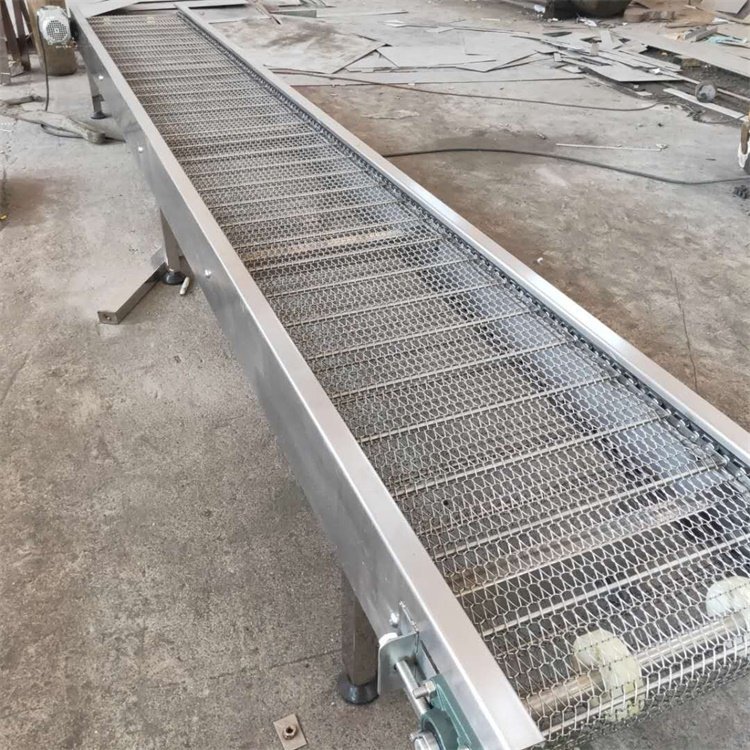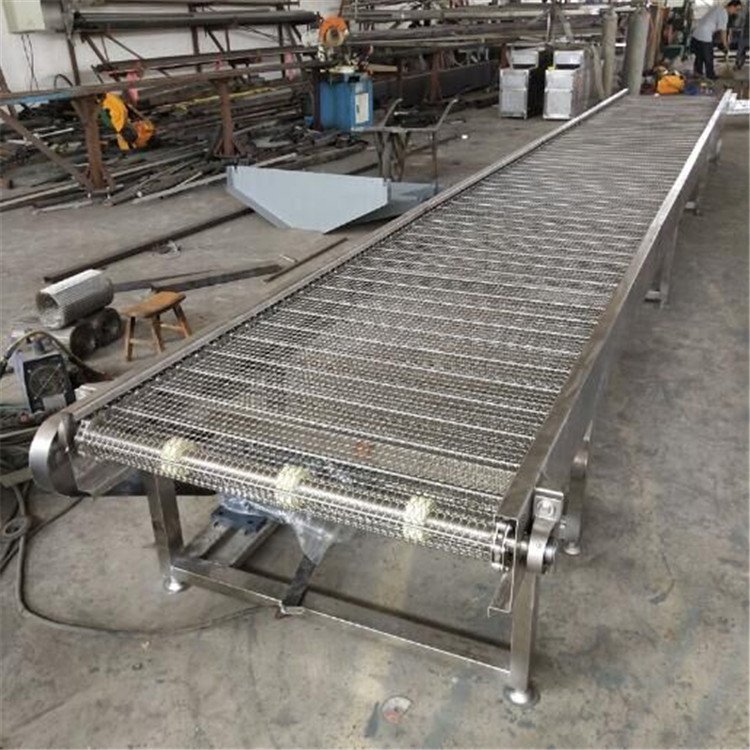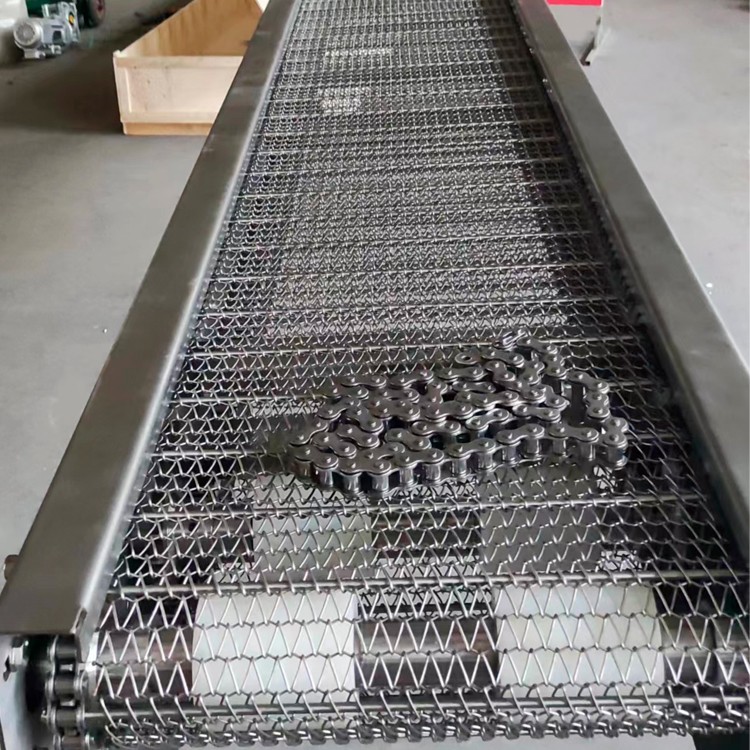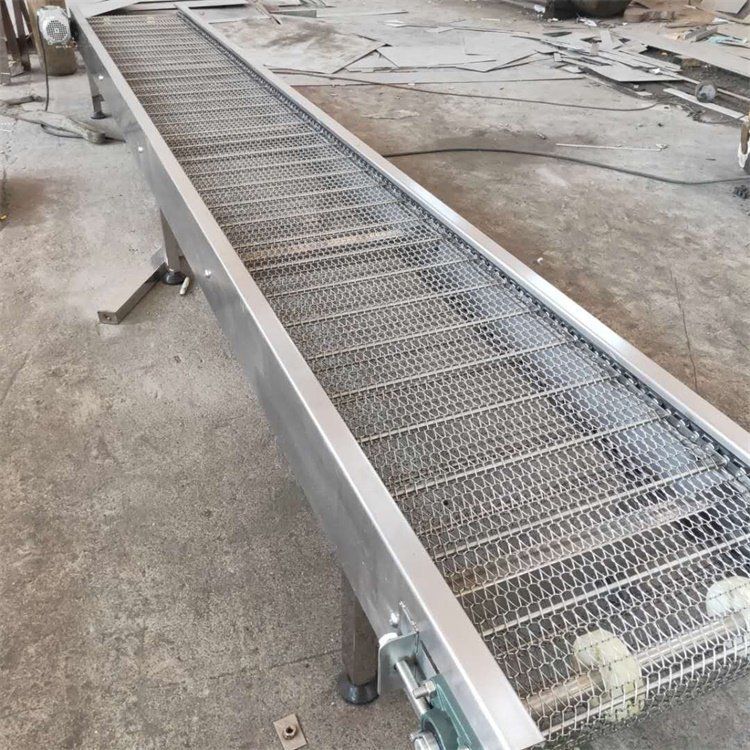

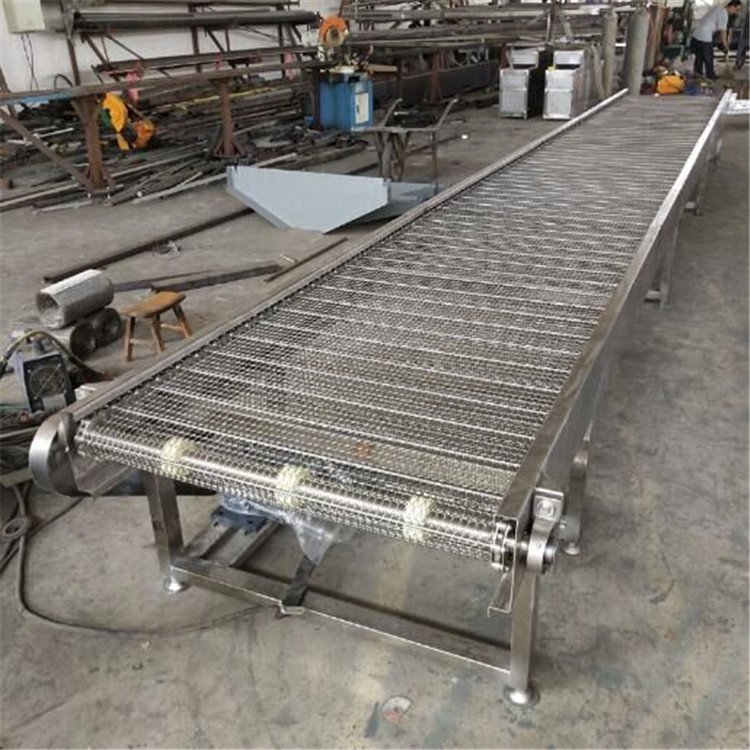
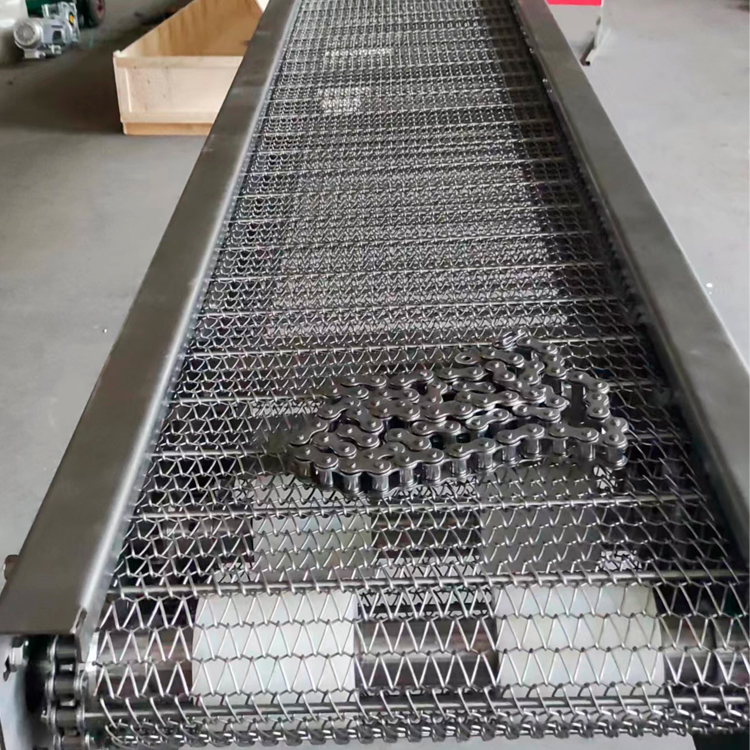


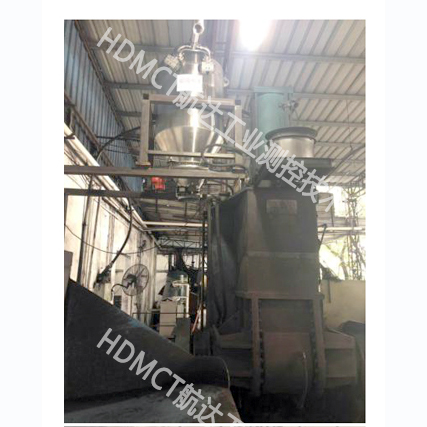
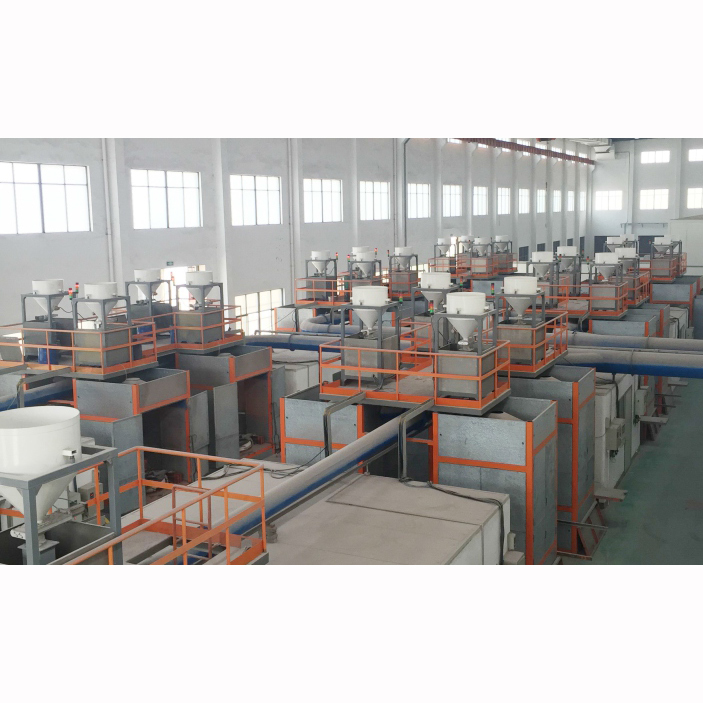
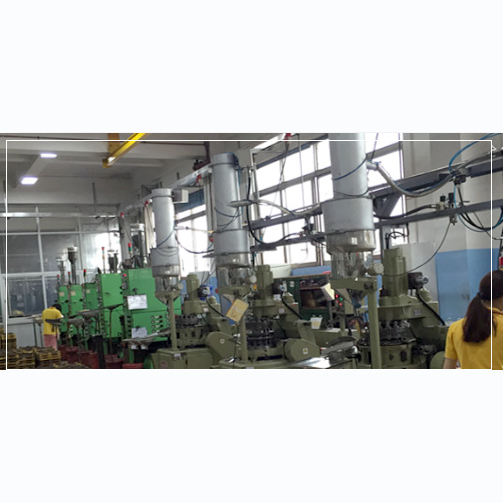





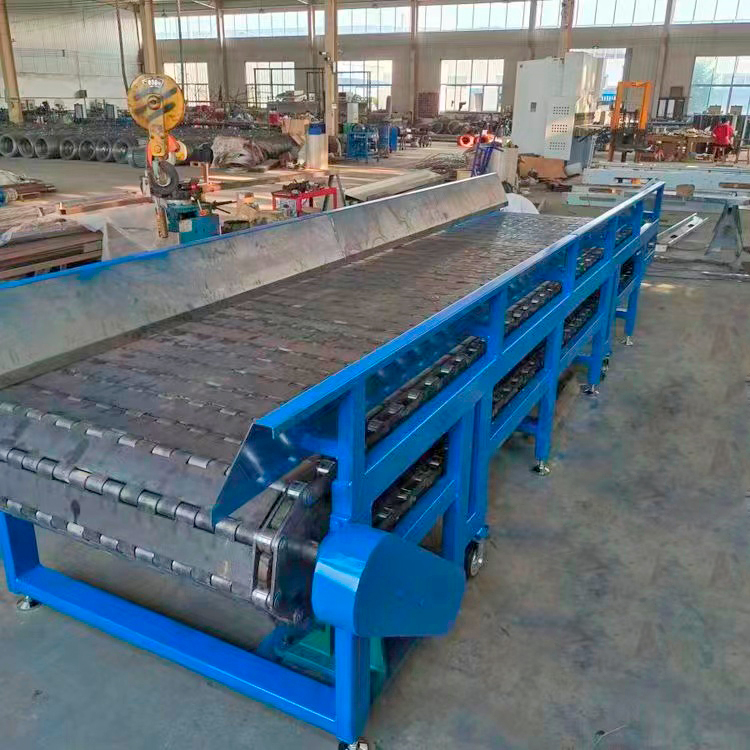
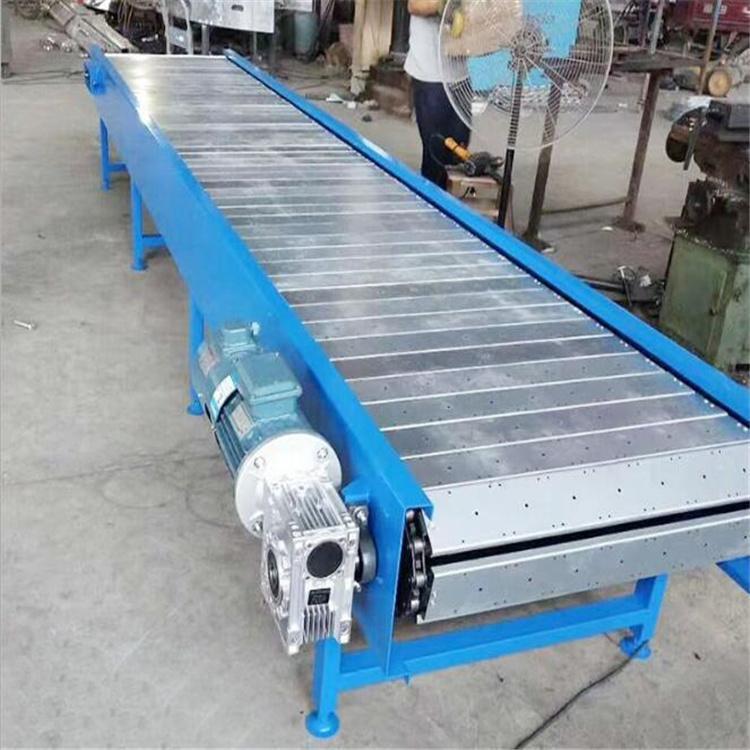
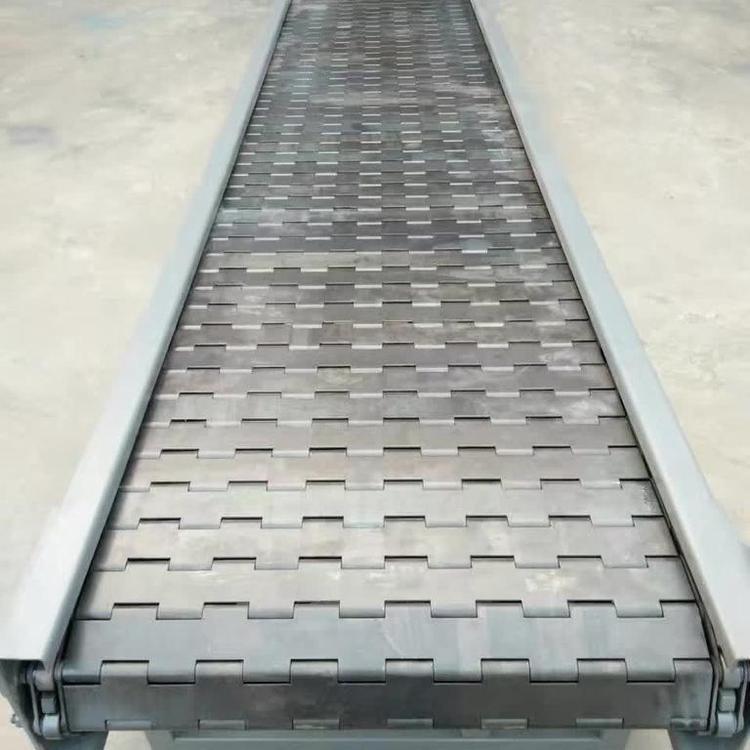
Chain conveyor is a material handling machine that continuously transports materials along a certain route, also known as a continuous conveyor, and can be divided into belt and chain types. The conveyor can perform horizontal, inclined, and vertical conveying, and can also form a spatial conveying route. The conveying route is generally fixed.
Key Features
1. High conveying capacity; conveyors allow for the transportation of large quantities of materials in smaller spaces, with a conveying capacity ranging from 6m³/h to 600m³/h. 2. Low energy consumption; by utilizing the internal frictional force of the materials, it converts pushing into pulling, resulting in a 50% energy saving compared to spiral conveyors.
3. Sealed, a fully-sealed housing ensures dust has no crevices to penetrate, providing reliable operation and performance.
4. Long service life, the conveying chain made from alloy steel processed by advanced heat treatment methods, with a normal lifespan of >5 years, and the rollers on the chain (depending on the material) have a lifespan of ≥2~3 years.
5. Flexible in process layout, capable of elevated, ground-level, or underground pit installation, can be installed horizontally or on slopes (≤15°), also available for both horizontal and slope installation on the same machine, with multi-point material in and out.
6. Low operating costs, energy-saving, durable, minimal maintenance, low expenses (about 1/10 of a screw machine), ensuring the main unit's normal operation to increase output, reduce consumption, and enhance profits.
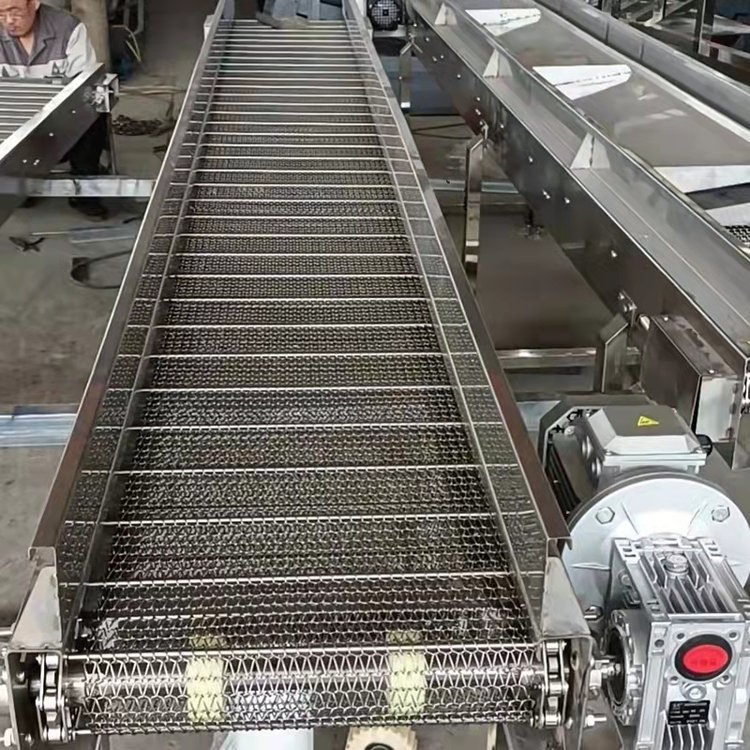
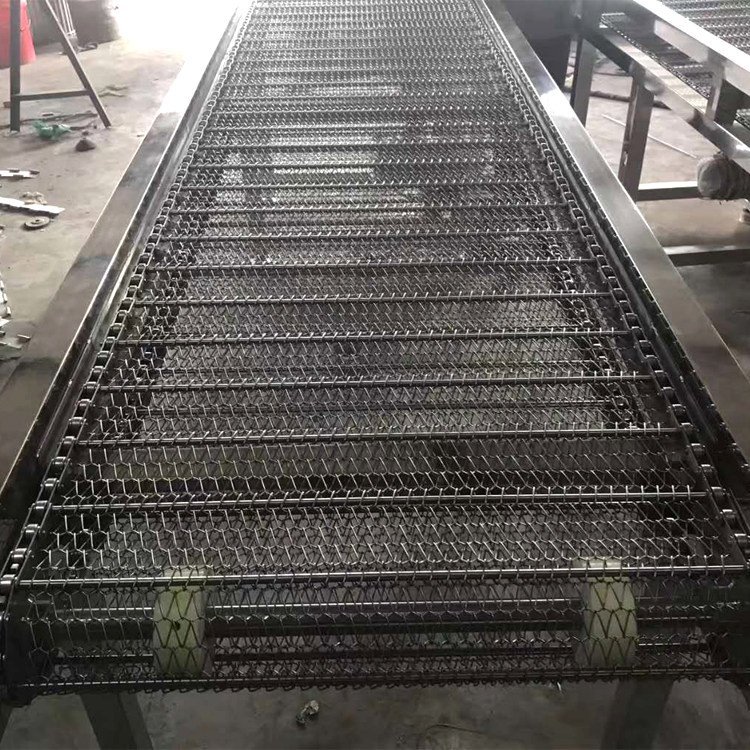
The chain mesh conveyor is a supplement to traditional belt conveyors, overcoming the drawbacks of belt tearing, piercing, and corrosion. It provides customers with a quick and easy-to-maintain conveying solution. Due to the use of modular mesh belts and chain sprocket drive, the conveying mesh is less prone to snake and drift, and the thick belt can withstand cutting and collisions, as well as being oil and water-resistant. This makes maintenance and repair less of a hassle for various industries, especially when replacing the plastic steel mesh conveyor belts, which reduces costs. Different materials of mesh belts can serve various conveying purposes and meet different environmental needs. We modify the plastic material to ensure the conveyor belts can meet conveying requirements from -10°C to 120°C. Available mesh pitches include 12.7, 19.05, 25.4, 27.2, 38.1, and 50.8, with hole rates ranging from 2% to 48%.