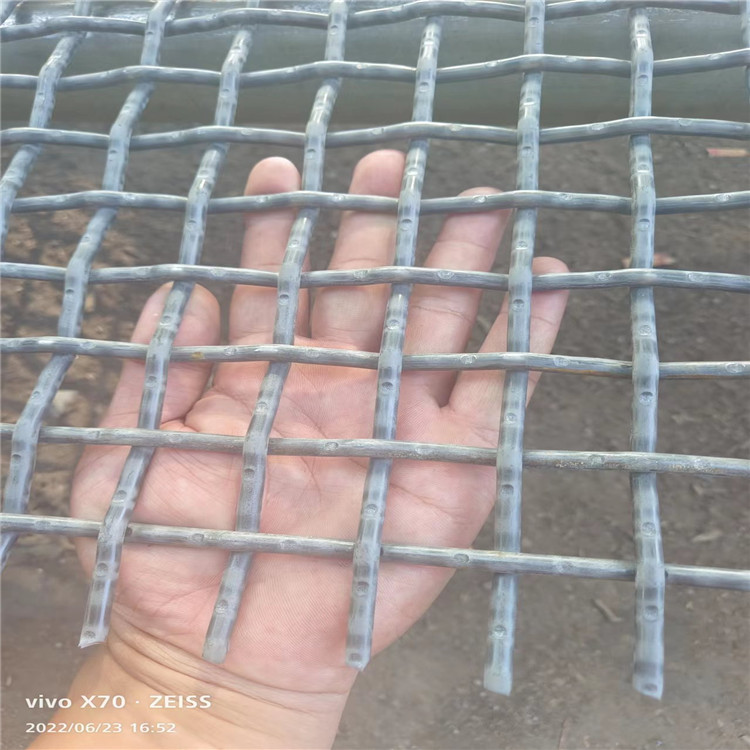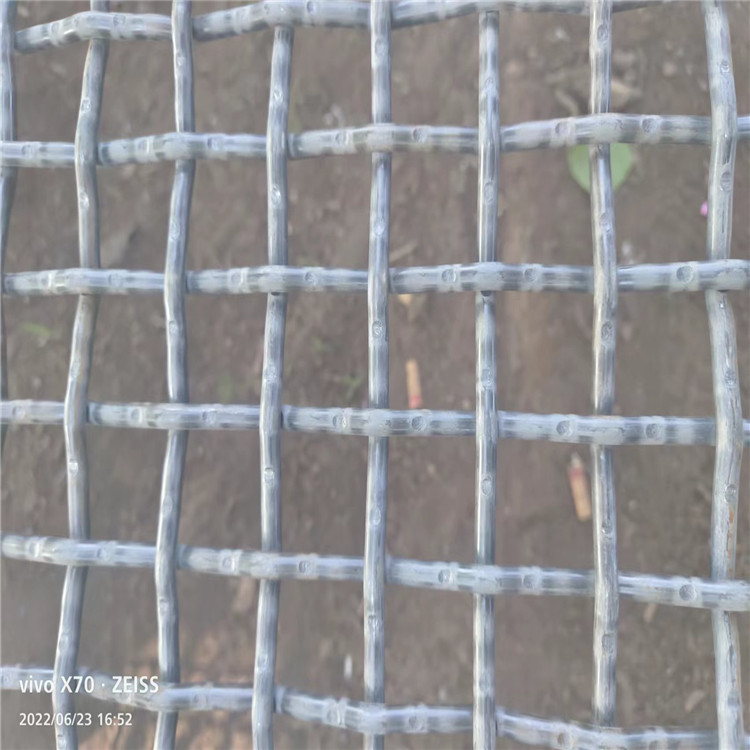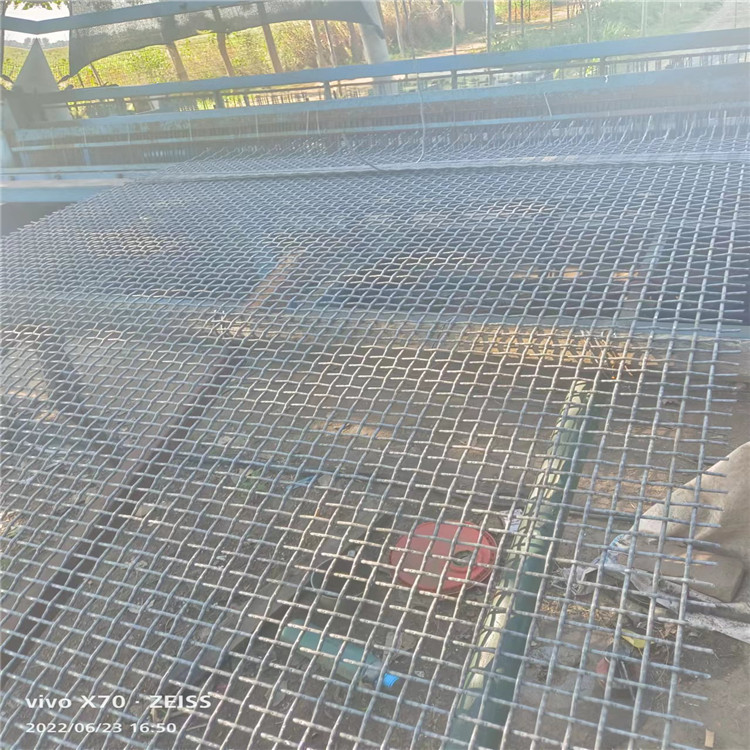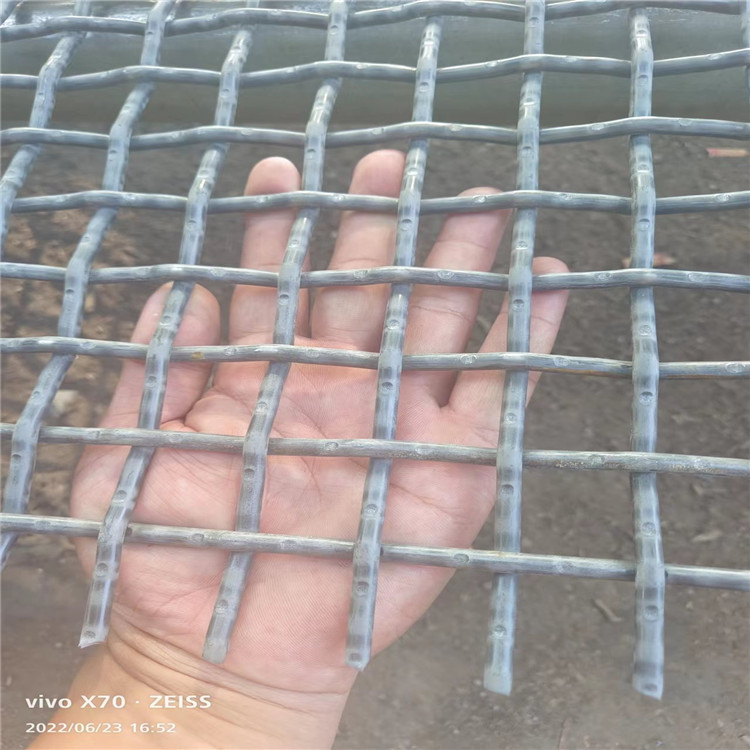

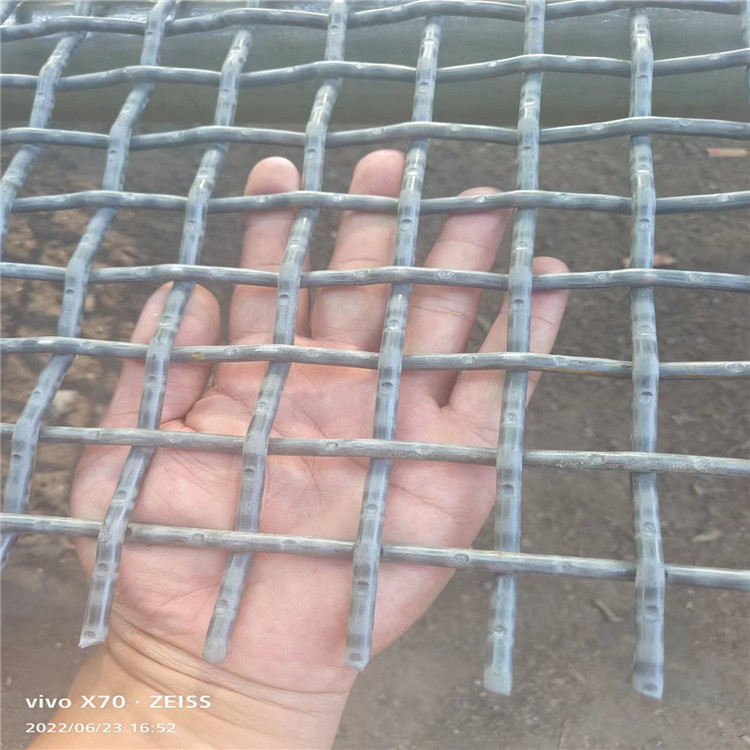

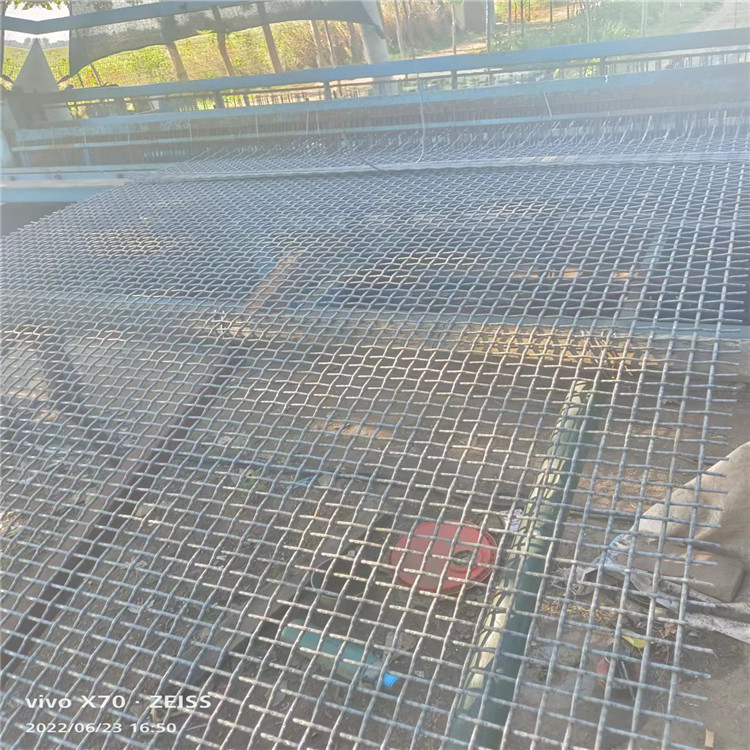









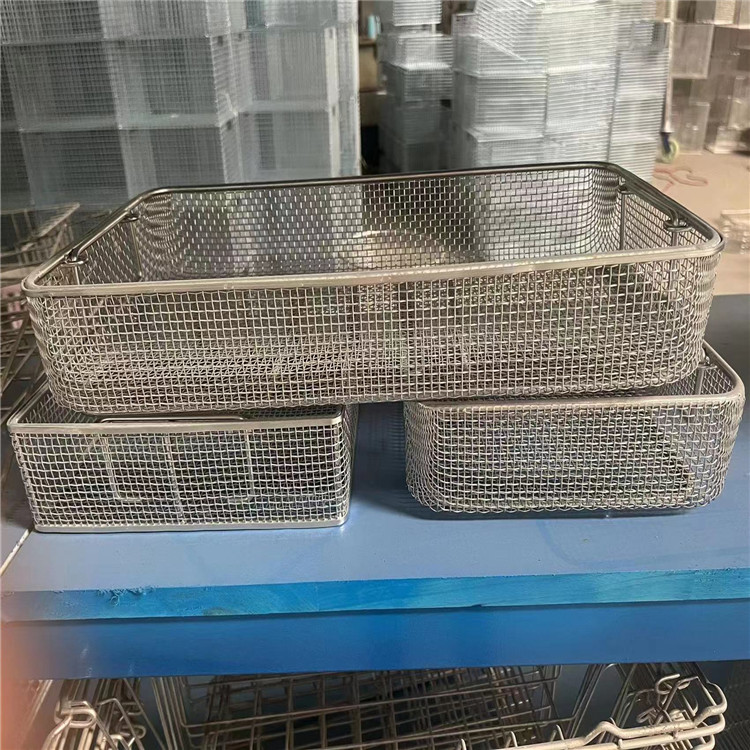

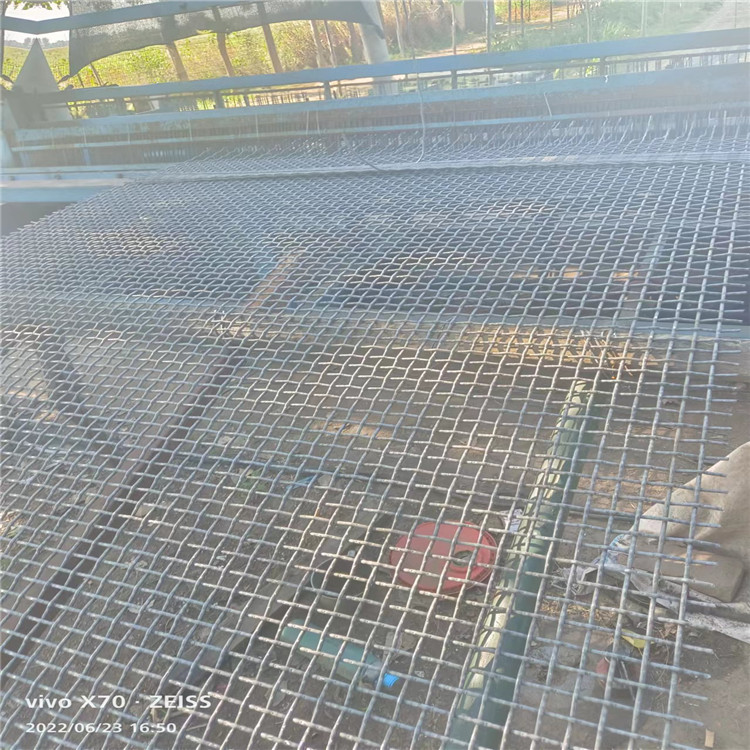
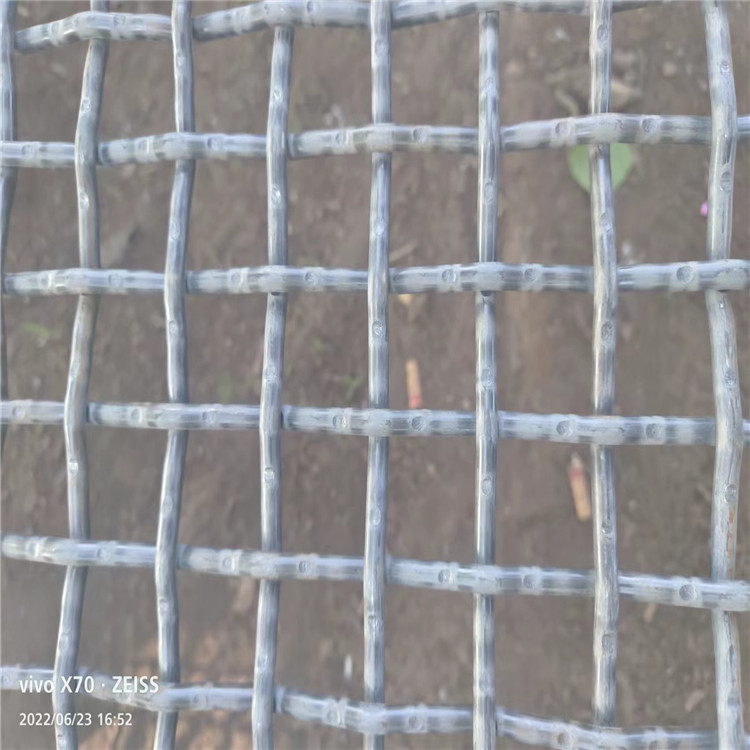
Sieve meshes are different from general mesh products. They have strict series of aperture sizes and are recognized by the industry, institutions, and standards for their ability to grade and screen particle sizes. The term "mesh count" is not used to describe sieve meshes, as it is merely a habit that is hard to change. Unlike general mesh products, sieve meshes are distinguished by their strict aperture sizes, not "mesh count." The sieve size is not isolated; it is composed of a series of aperture sizes, designed for grading and screening purposes.
Mesh screens are woven from metal or fiber wires, with aperture sizes ranging from 0.15 to 1mm. They are capable of removing and recovering various types and sizes of suspended particles, offering advantages such as simplicity and low operating costs. They are generally used in smaller-scale wastewater treatment. There are many types of mesh screens, with the two main types being vibration mesh screens and hydraulic mesh screens.