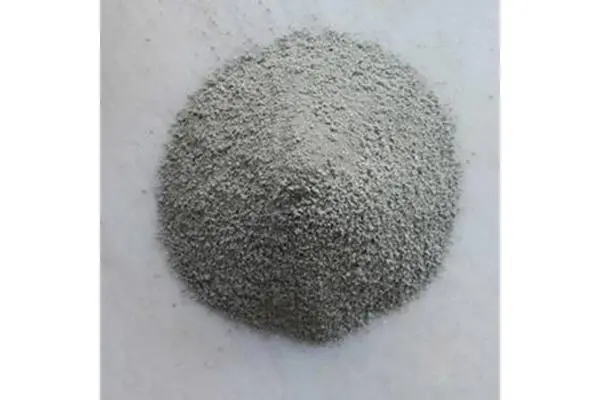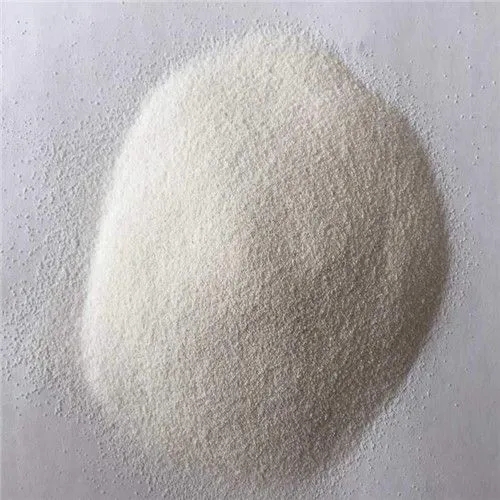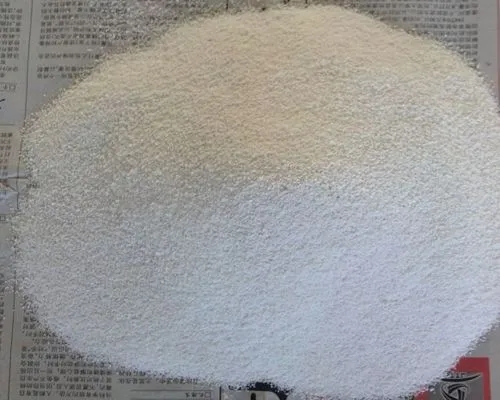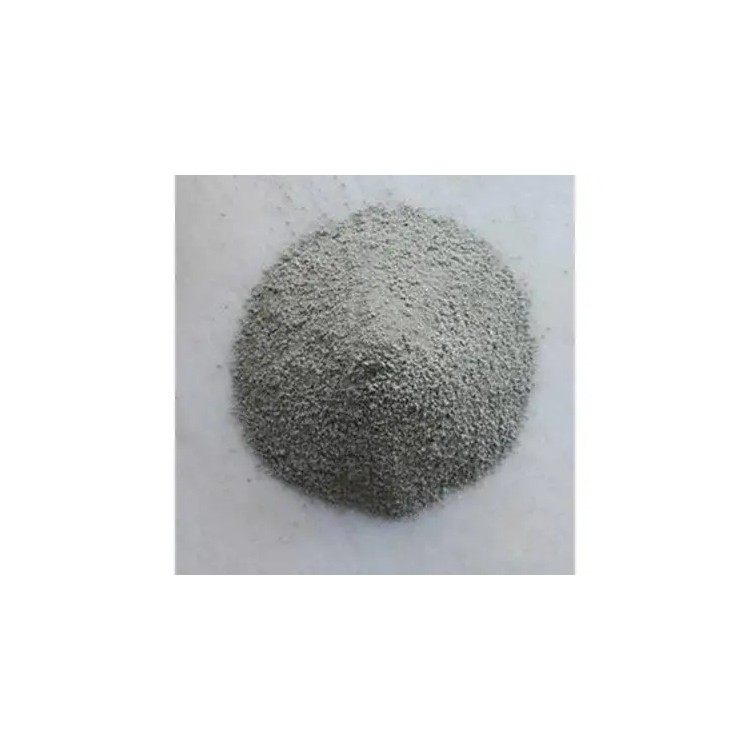

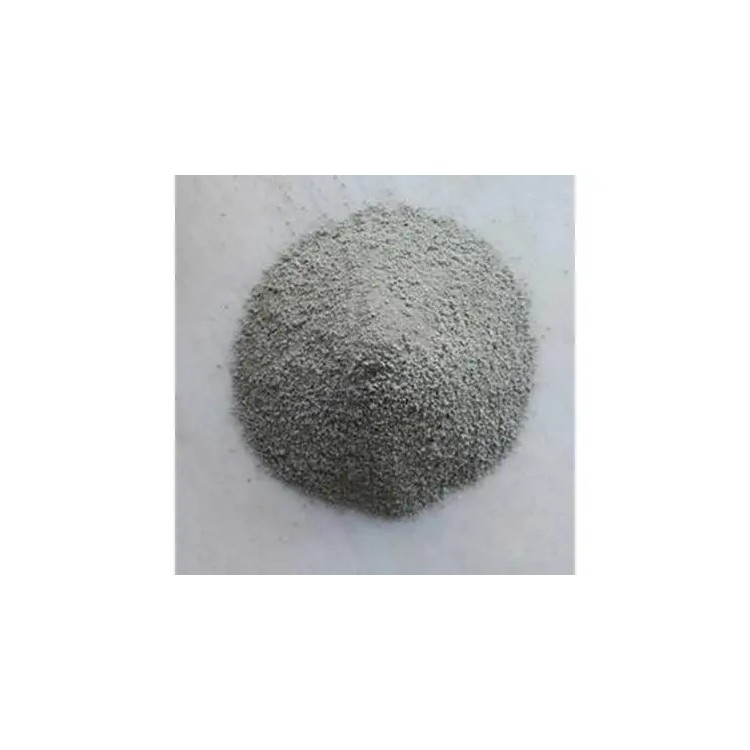
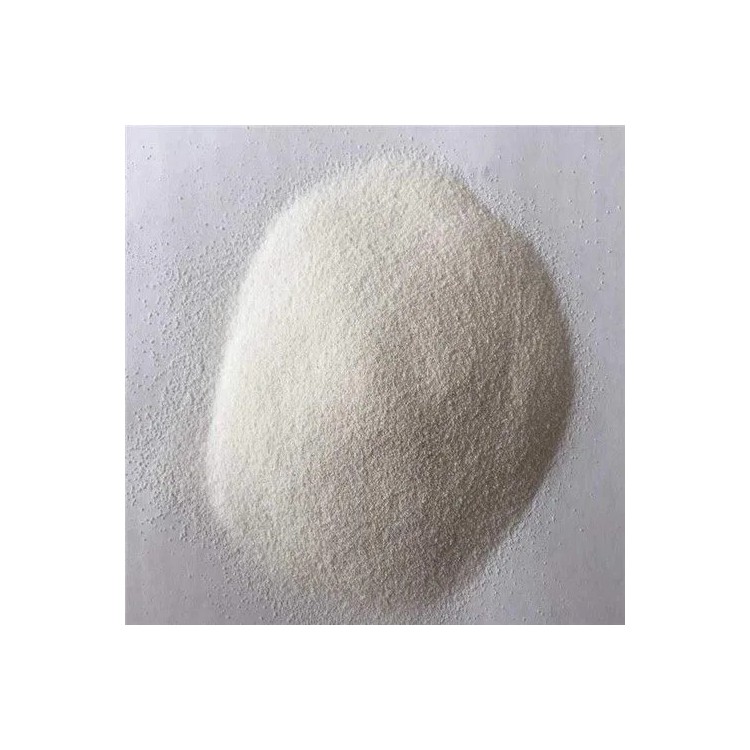
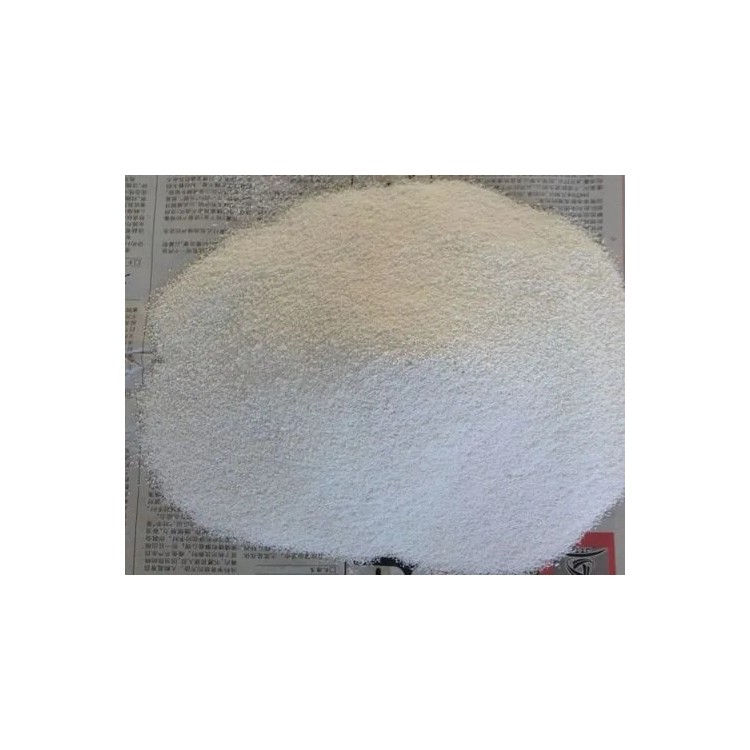









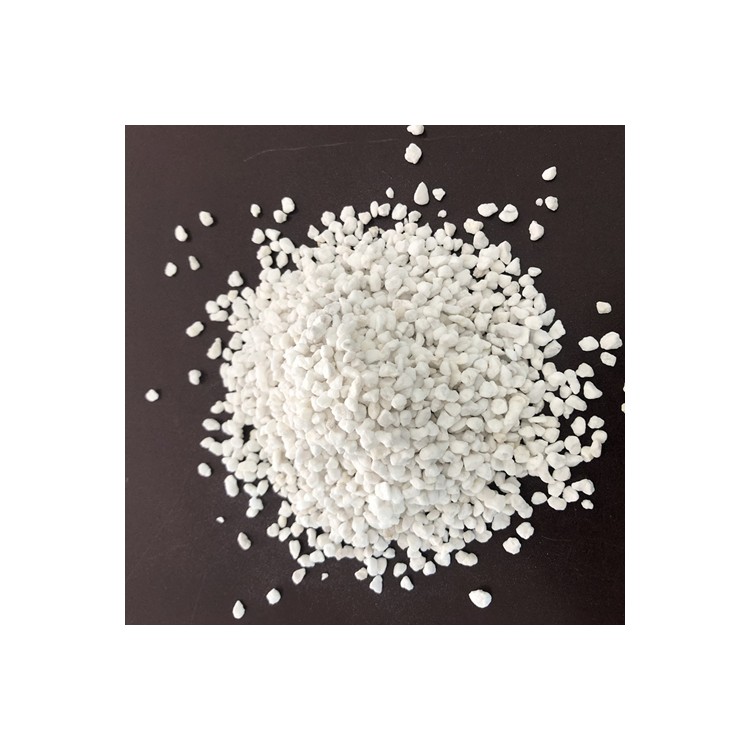
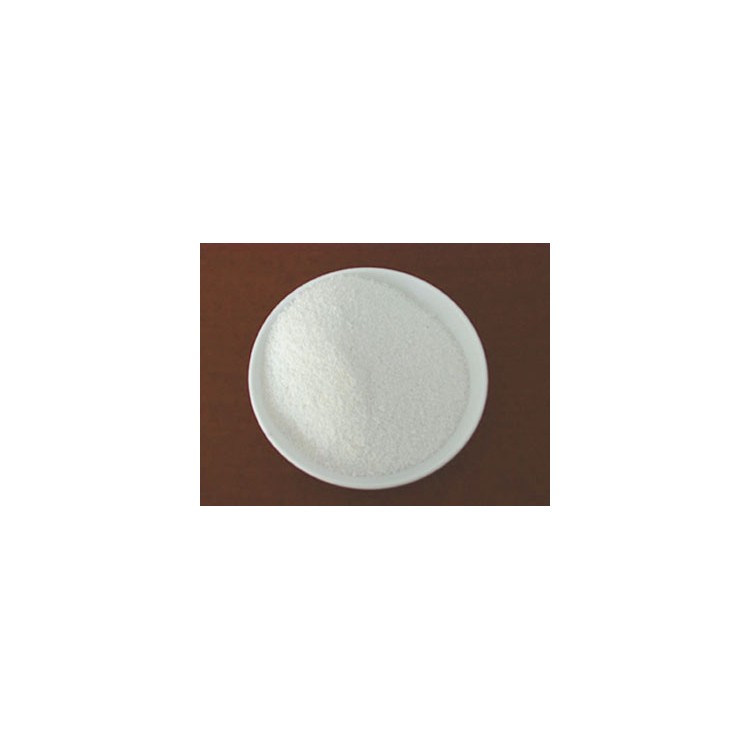
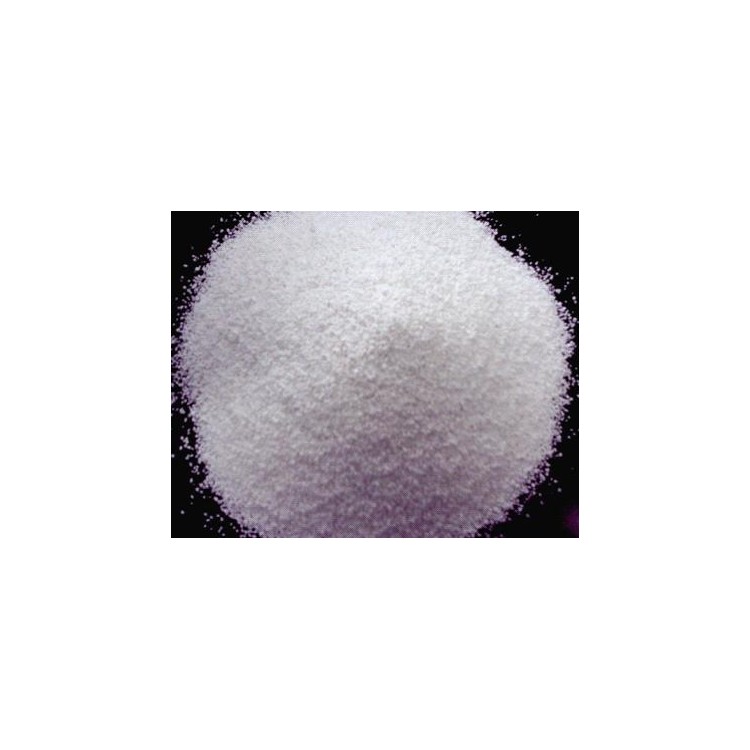
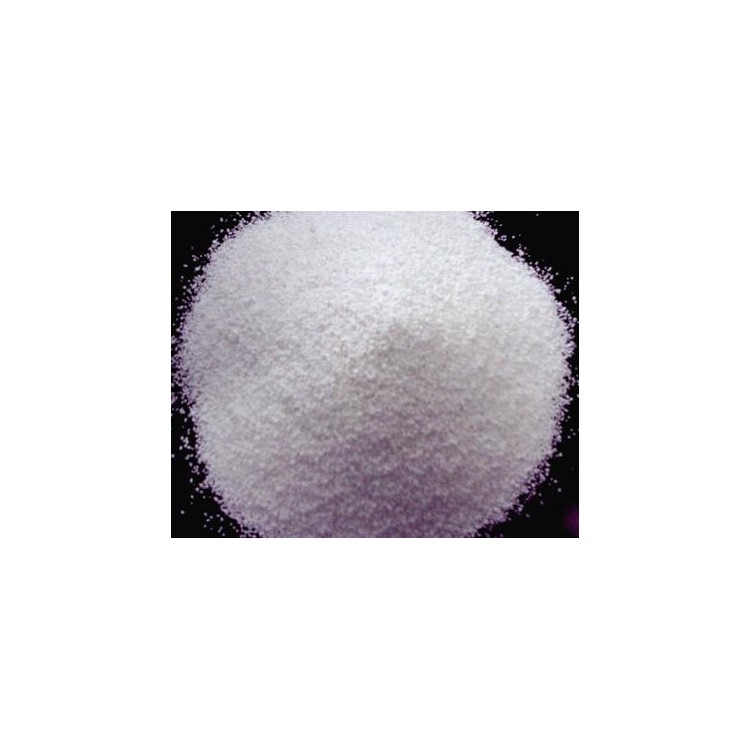

MicrospheresIt is a new type of inorganic lightweight aggregate and insulation material, produced by processing crystalline water-containing acidic volcanic rocks (such as pumice, basalt, and pitchstone, etc.) through processes including crushing, dehydration (crystalline water removal), vapor expansion, and melting vitrification. The particles are irregularly spherical, with a porous cavity structure inside and a sealed, smooth outer surface. It boasts excellent properties such as light weight, insulation, fire resistance, high-temperature resistance, aging resistance, and low water absorption rate, and can be widely used in many fields including construction materials, chemicals, metallurgy, and light industry.

Microspheres can be used as lightweight aggregates in dry-mixed mortars, avoiding the drawbacks of traditional lightweight aggregates and being more suitable for lightweight mortar and plaster materials. The application of microspheres in lightweight mortar and plaster materials demonstrates superior properties. These microspheres have an irregular spherical structure (related to the particle size of mineral sand), with a sealed shell but also a microporous structure. On one hand, the sealed shell prevents water from mixing into the lightweight material. On the other hand, the unique microporous structure allows gases to pass through the material, ensuring the breathability of the mortar and plaster made from this lightweight material while preventing large absorption areas. Another advantage is that air (gas or CO) can easily pass through the aggregate into the mortar and plaster materials, enabling rapid curing and drying of the materials. Additionally, microspheres can be used in lightweight concrete to replace foaming agents and traditional lightweight aggregates, achieving lightness, insulation, and fire resistance in concrete.