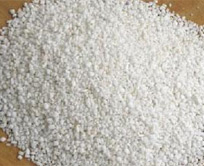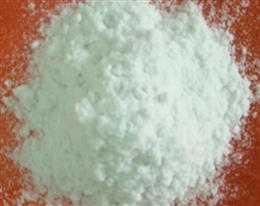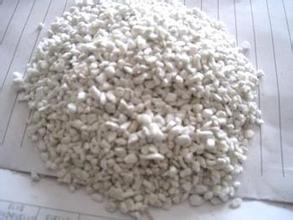


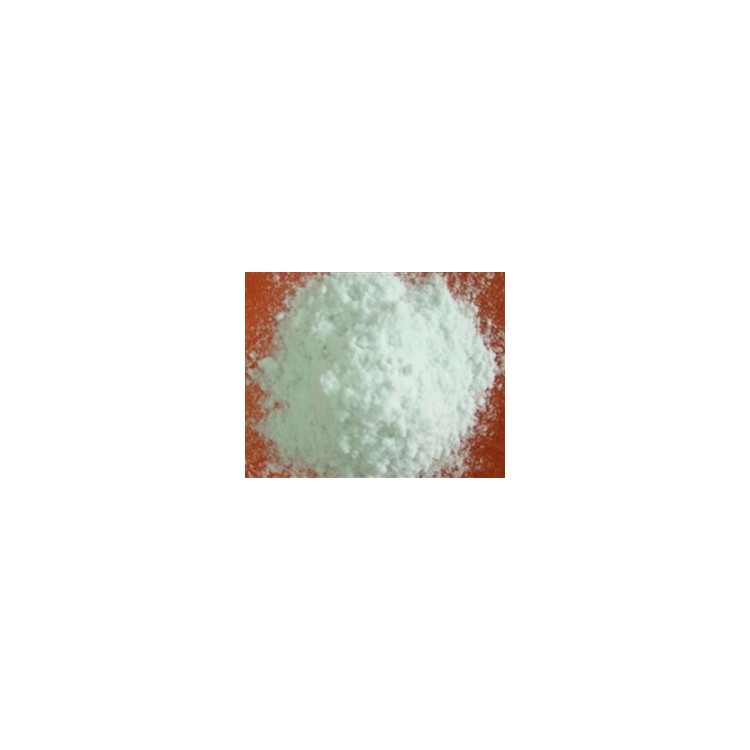











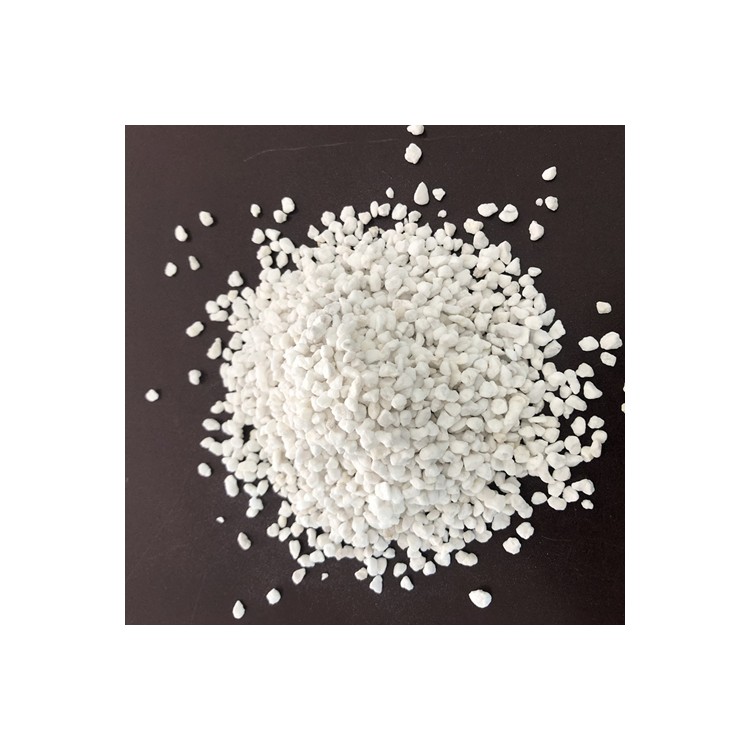
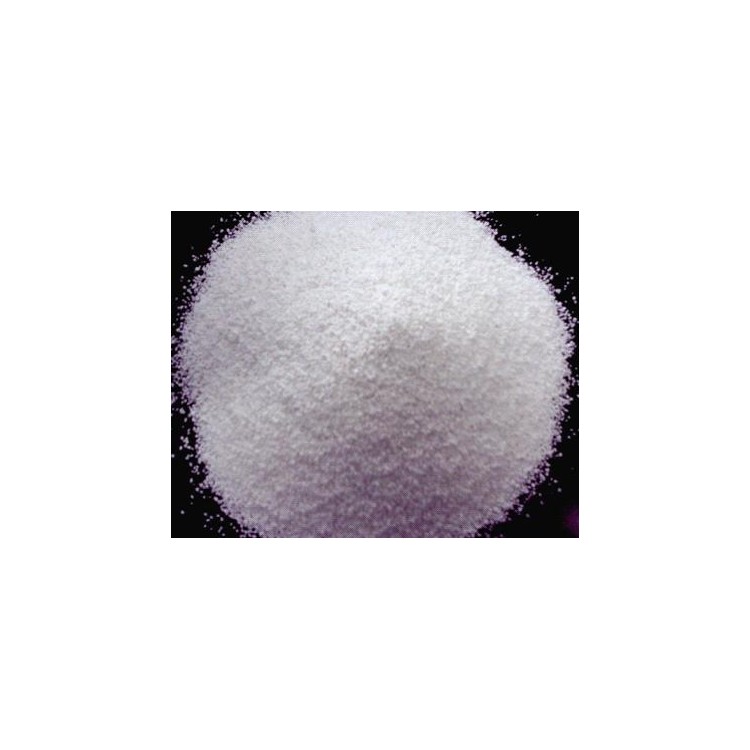
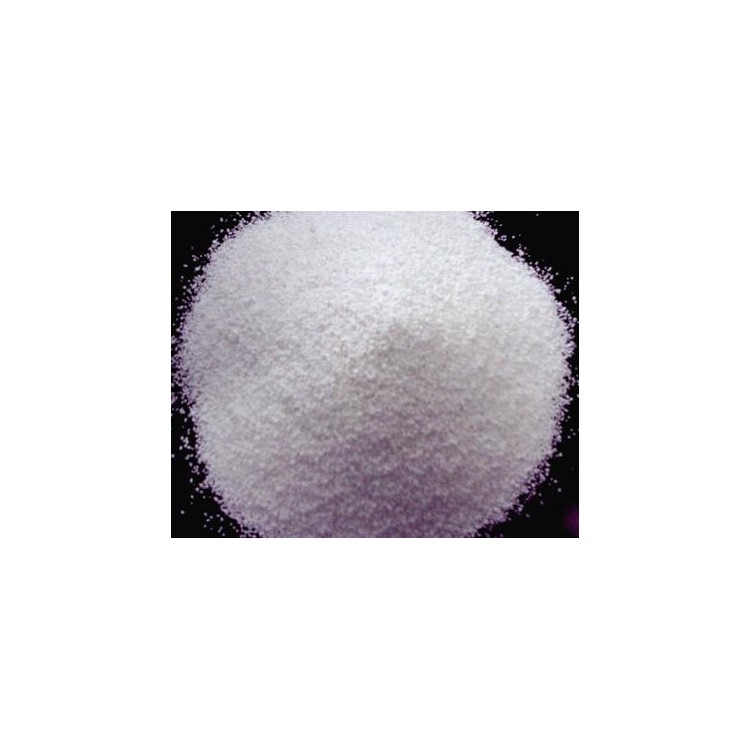
A natural acidic glassy volcanic rock non-metallic mineral, including pumice, scoria, and obsidian, with varying crystalline water contents among the three. Due to its rapid expansion of 4 to 30 times in volume at high temperatures of 1000 to 1300°C, it is collectively known as expanded pumice. Generally, an expansion ratio of more than 7 to 10 times is required (obsidian over 3 times is acceptable), with about 70% silicon dioxide. All are quarried from open pits. No beneficiation is needed; simply crushing and sieving are sufficient.
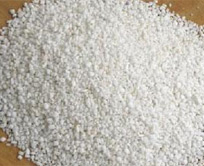
Expanding perlite is a white granular material with a honeycomb-like internal structure, made by preheating perlite ore sand and then subjecting it to an instantaneous high-temperature roasting process. The principle is as follows: the perlite ore is crushed into a certain particle size of ore sand, preheated, and then rapidly heated to above 1000°C. The moisture in the ore sand vaporizes, causing the softened, glassy sand to expand internally, forming a porous structure. This non-metallic mineral product expands 10-30 times in volume. Perlite is divided into three forms based on its expansion process technology and application: open cell, closed cell, and hollow balloon.