








Integrated Air Floatation and Sedimentation Process
Overview
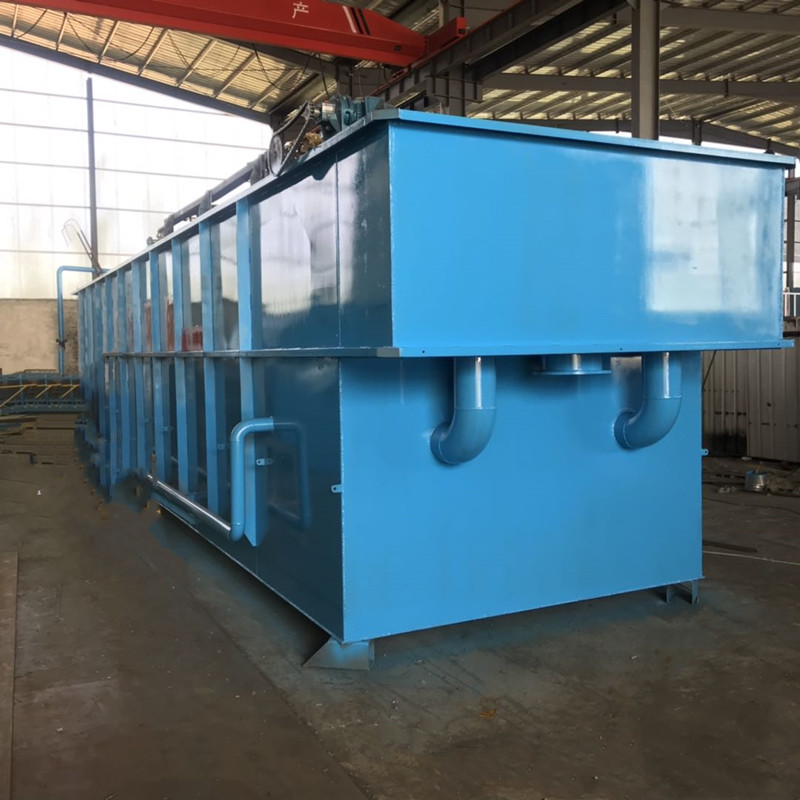
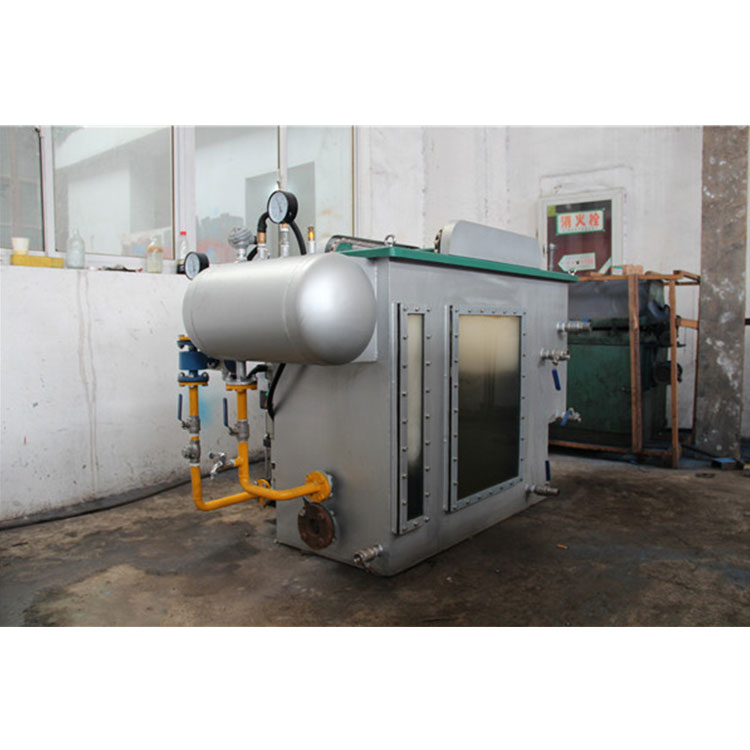
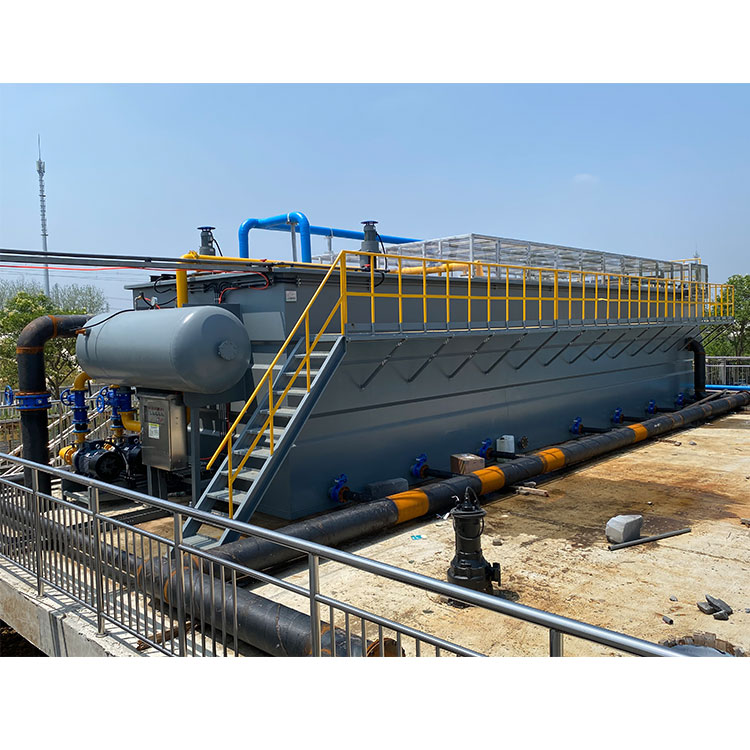
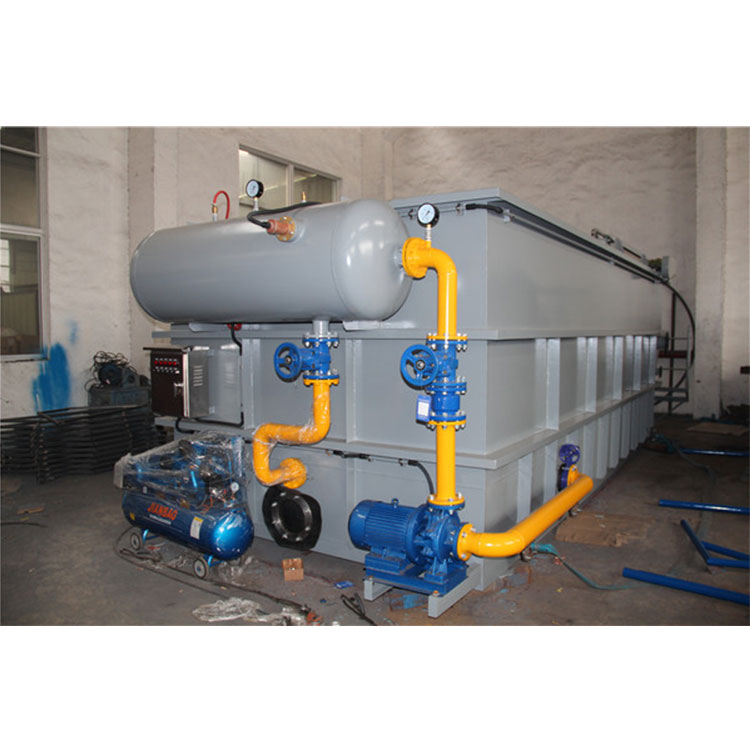
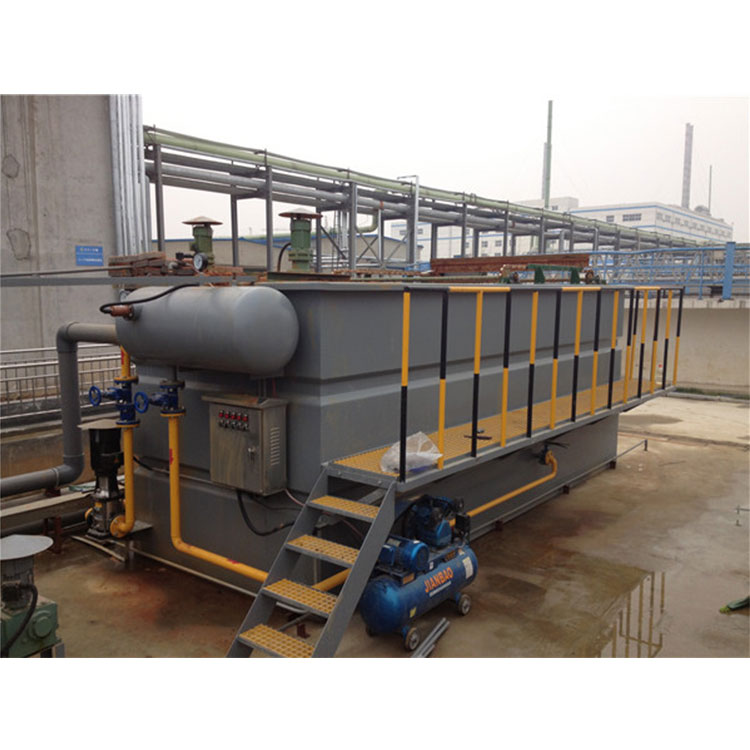
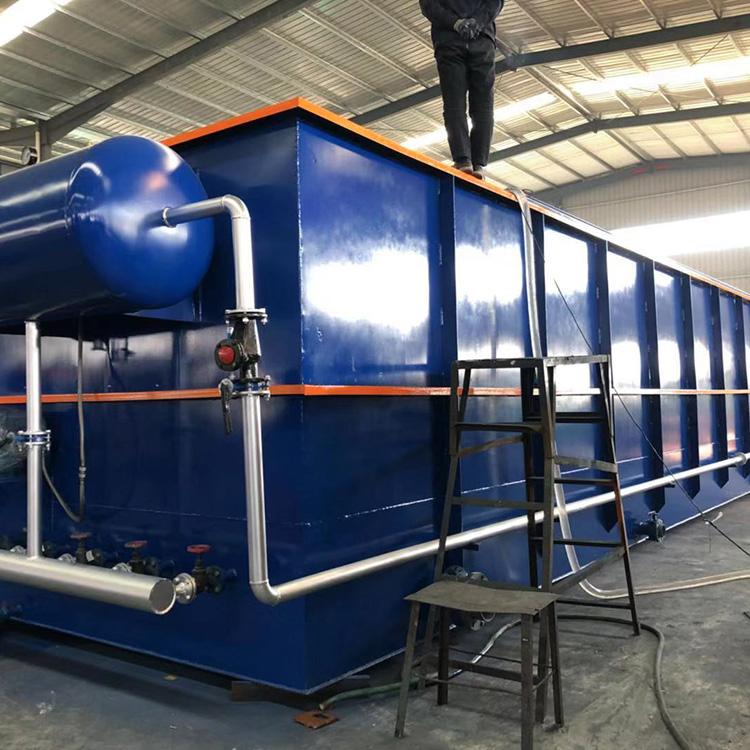
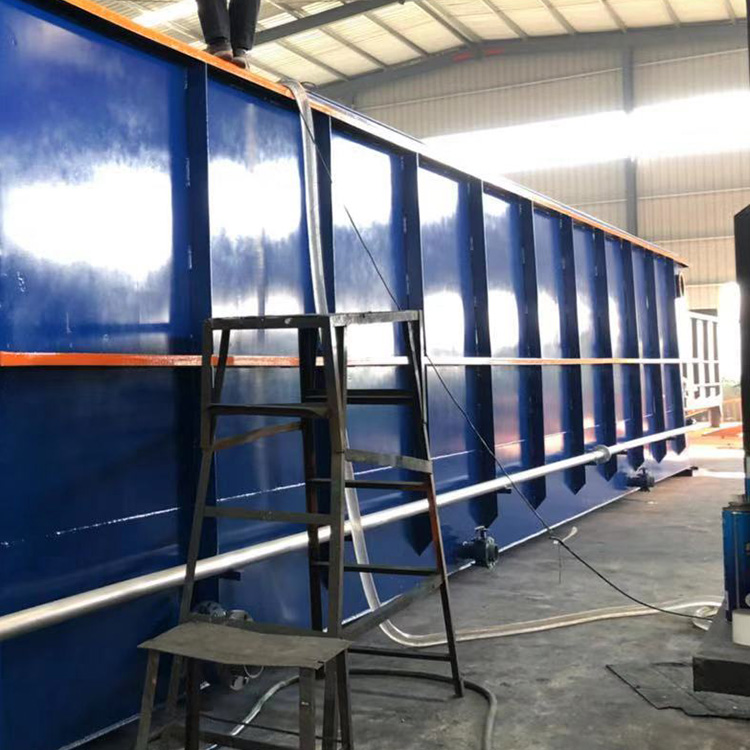
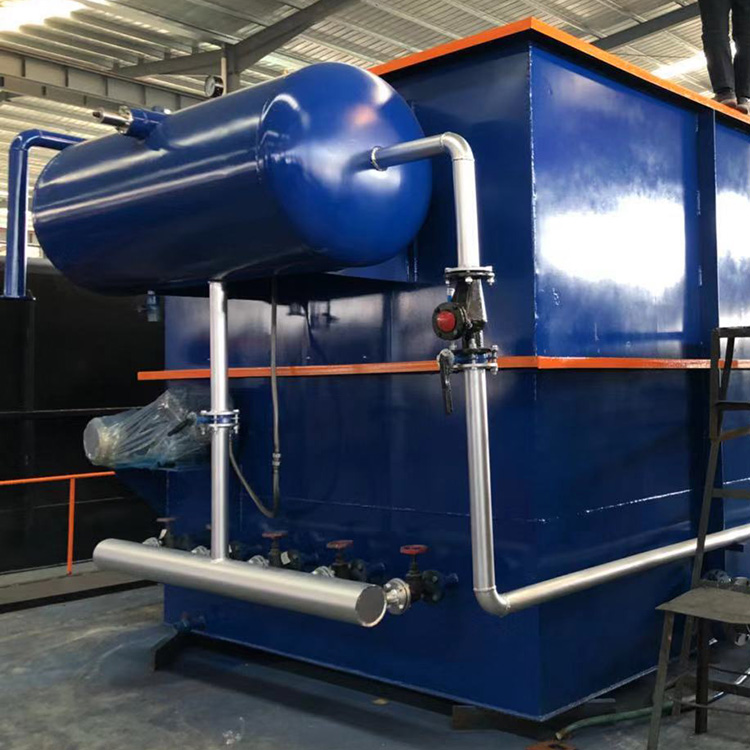
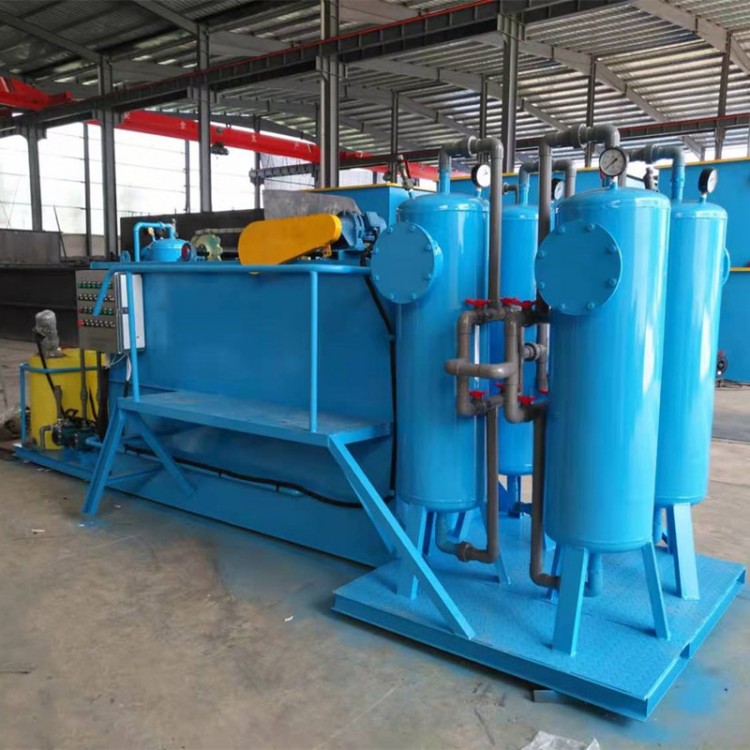
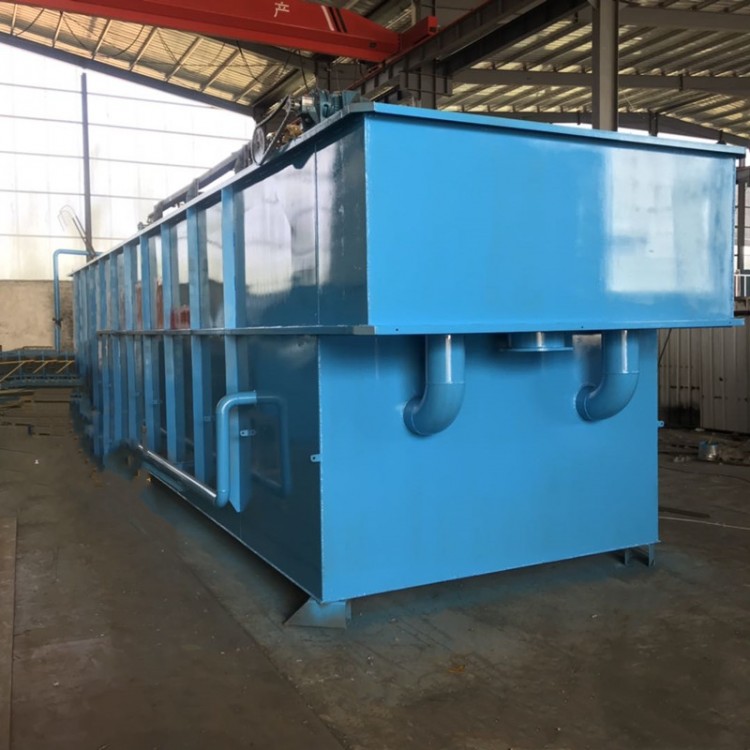
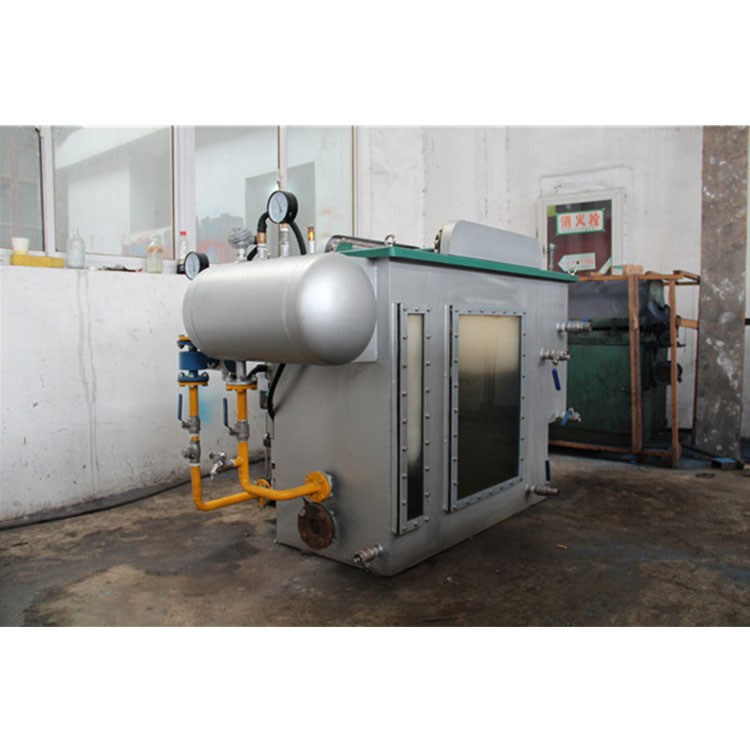
The Air Flotation and Sedimentation Integrated Machine, also known as the Air Flotation Filtration Integrated Machine, is primarily used for treating wastewater after reaction where the絮体specific gravity is close to that of water. It is widely applied in industries such as machinery, chemical, light industry, textile, transportation, and food, particularly suitable for the treatment of oil field drilling wastewater, oil field reinjection water, and oil refinery wastewater.
Working Principle
The flotation sedimentation integrated unit primarily utilizes a physical-chemical method for processing. It is organically designed to integrate traditional mature technologies such as chemical methods, flotation, and filtration adsorption. It boasts simple and rational process design, wide adaptability, compact structure, easy transportation and installation, user-friendly operation, and stable and reliable performance. It demonstrates excellent effectiveness in oil-water separation and the removal of suspended solids, COD, and BOD. Generally, wastewater treated with this unit can meet discharge standards.
Structural Features
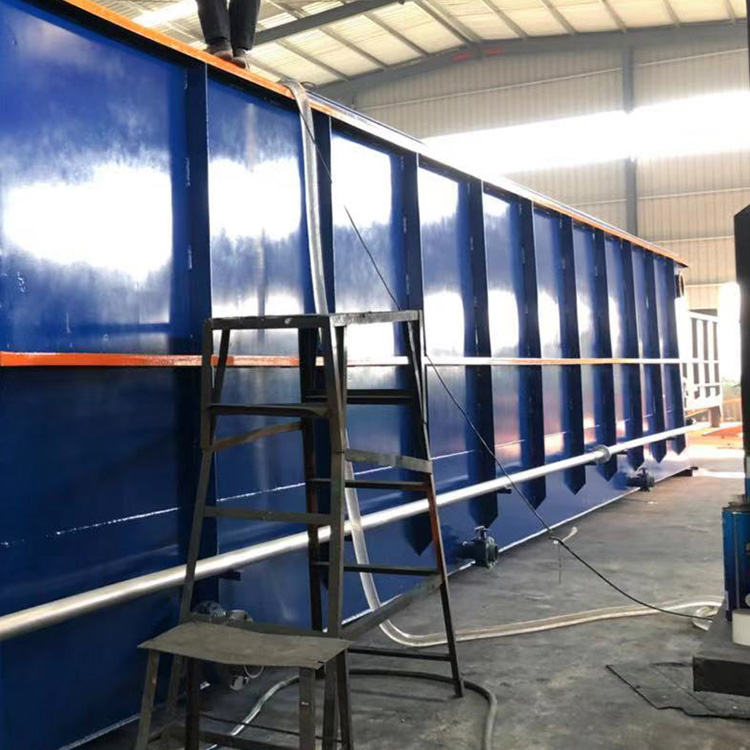
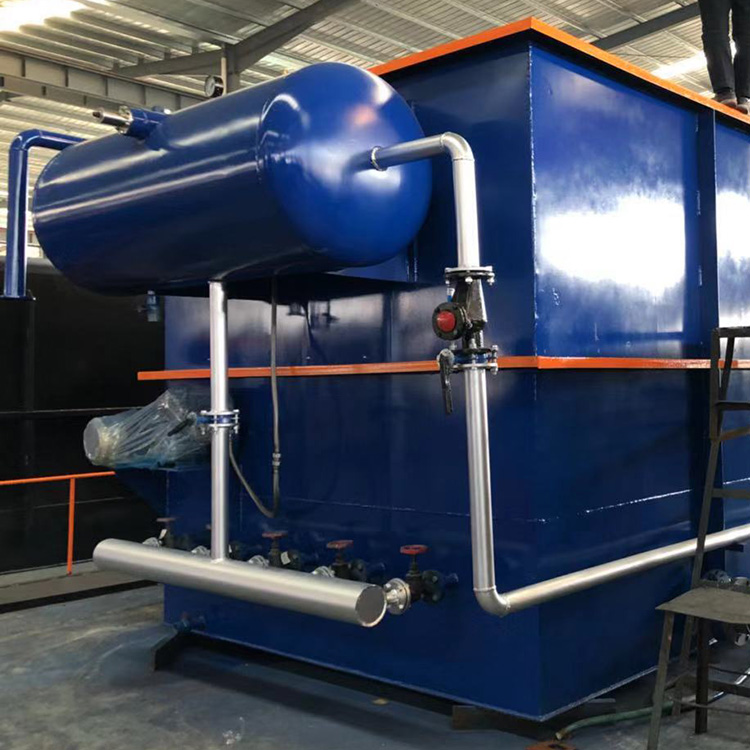
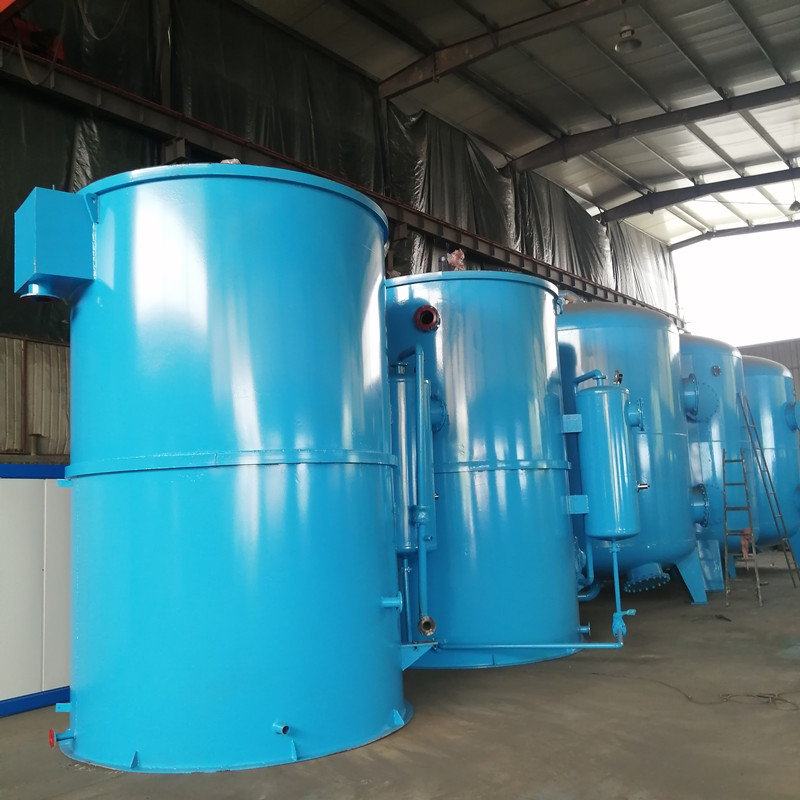
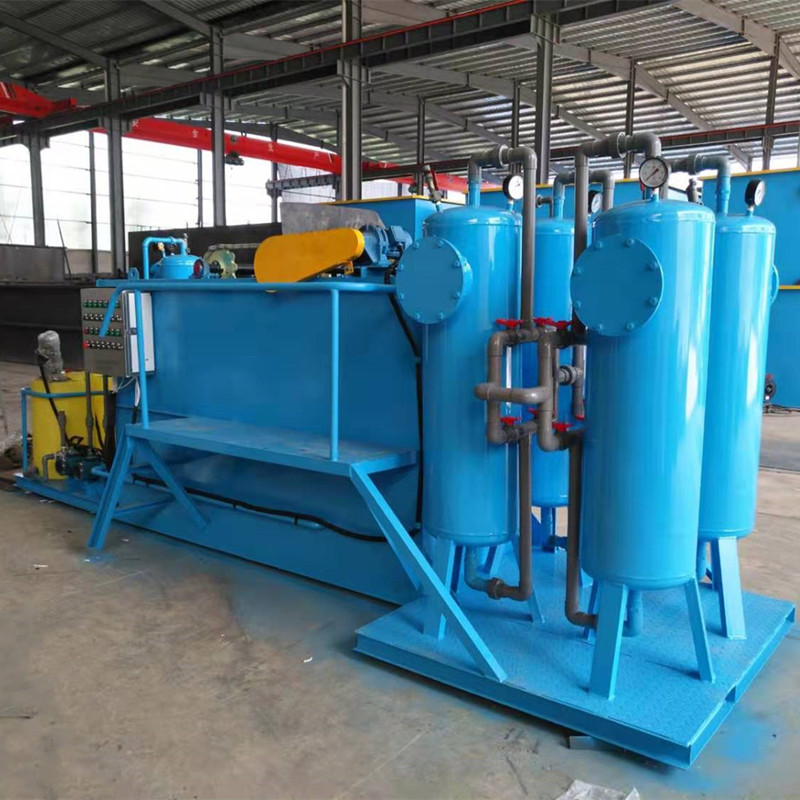
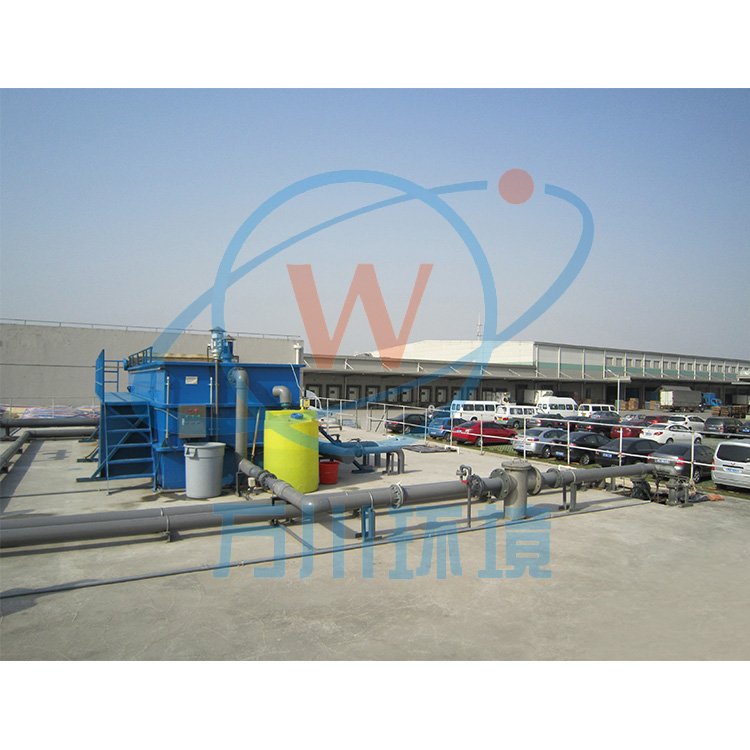
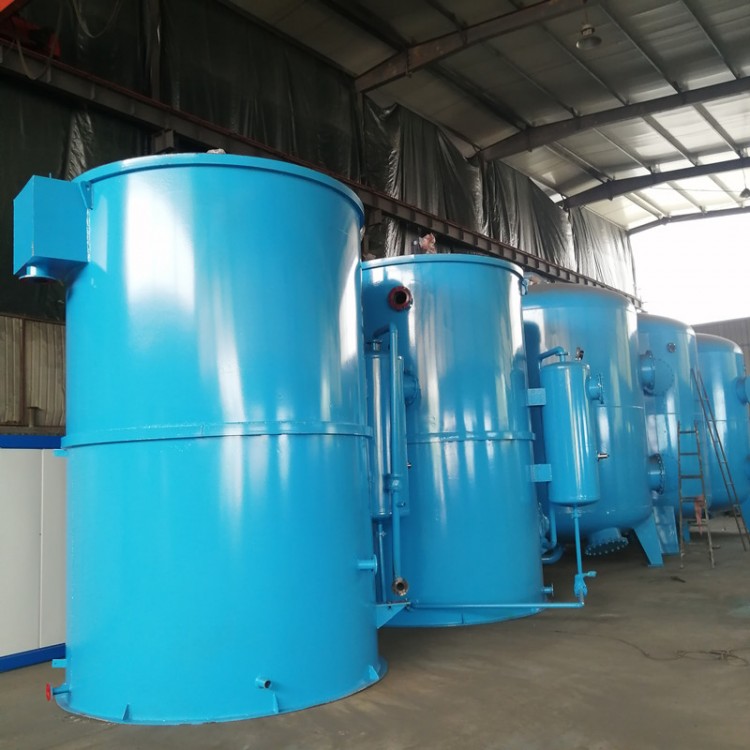
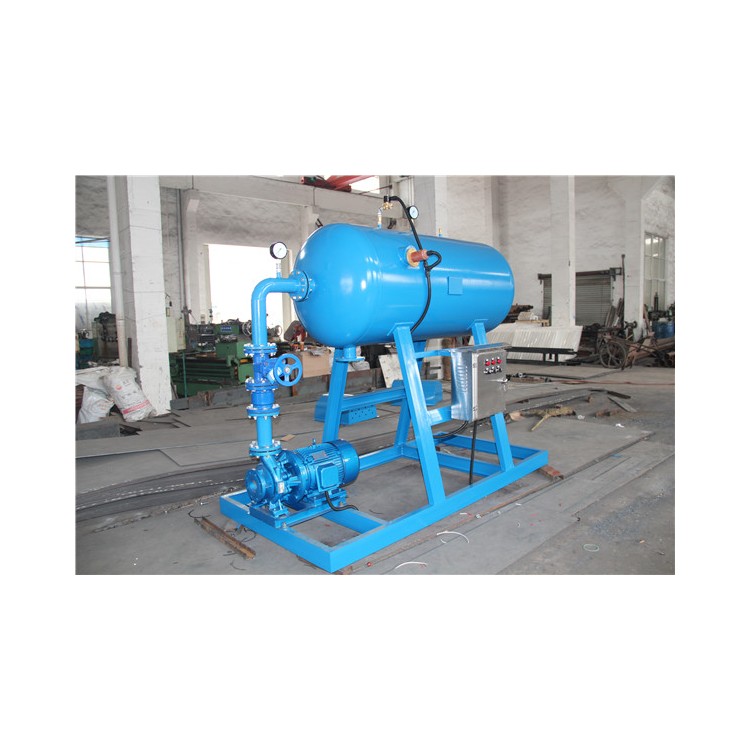
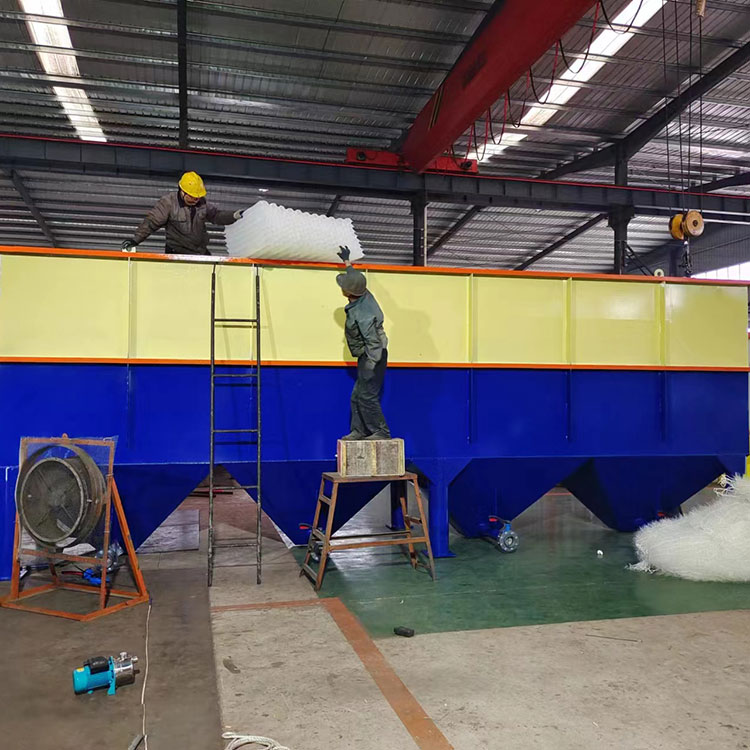
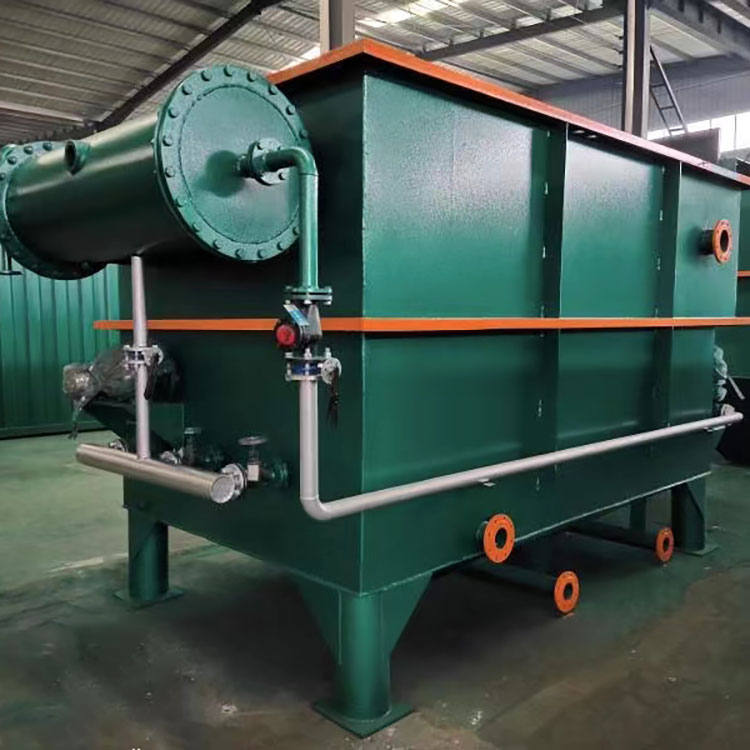
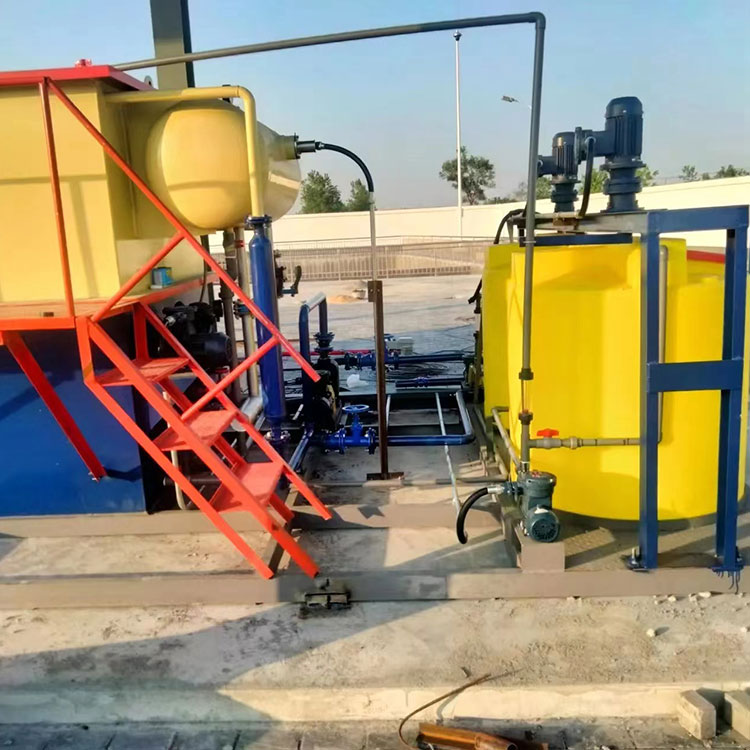
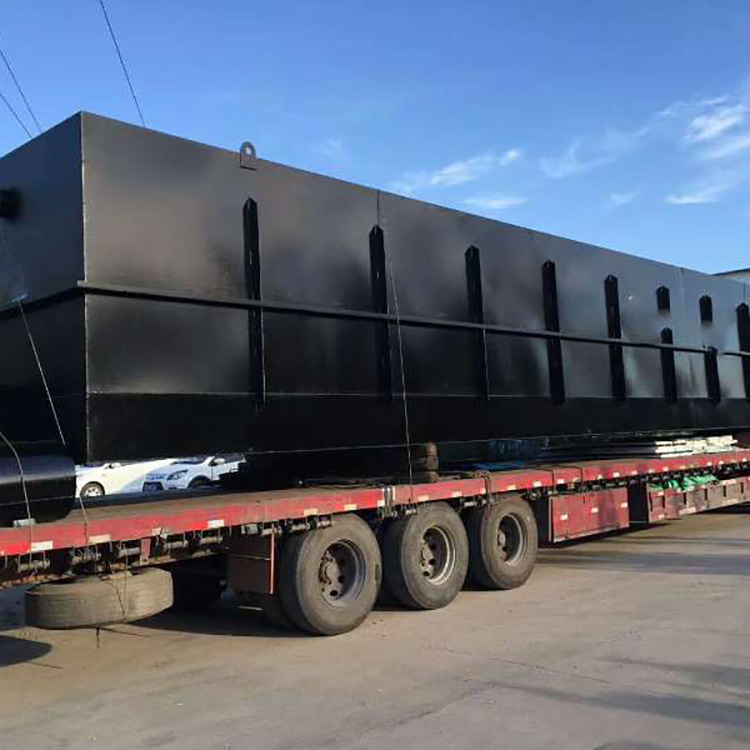
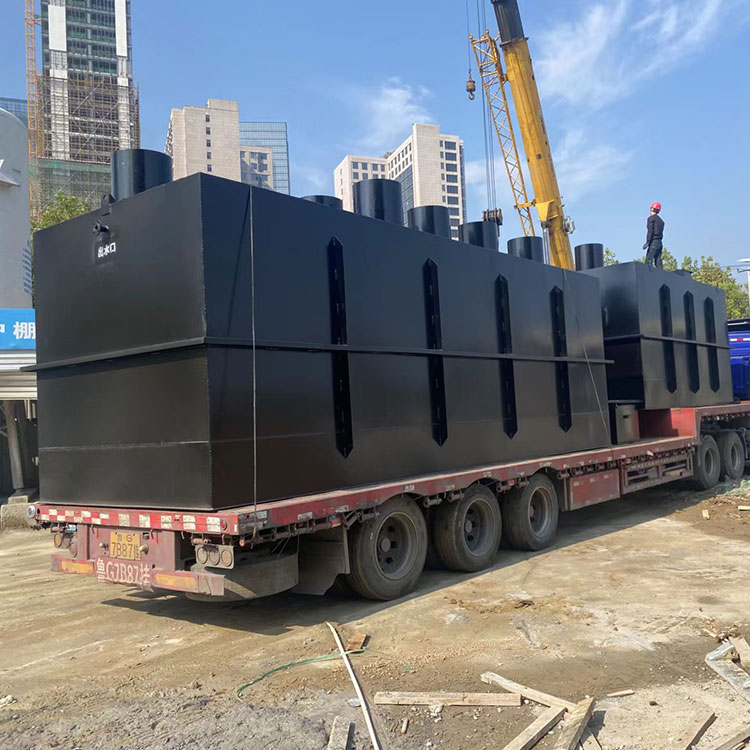
The complete unit of the air flotation sedimentation machine consists of a sewage pump, metering device, dosing tank, reaction tank, flotation tank, flotation system, sand filter, activated carbon adsorption column, and electrical control system. Units below 10t/h are assembled on a single base, while those above 10t/h are disassembled for easy transportation and assembled on-site as a whole. Once the entire unit is adjusted to normal operation, it can generally run automatically with ease of operation.
Working Principle
A) Water Collection and Regulation Pond
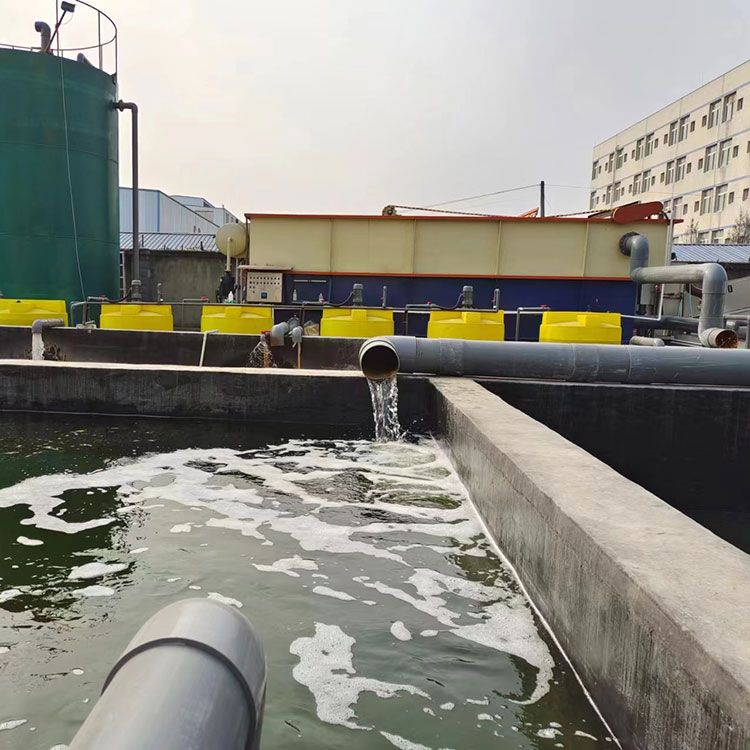
Wastewater from surrounding areas, with multiple peaks daily, experiences fluctuations in water quality and quantity, which is detrimental to the normal operation of the biological treatment system and can even lead to damage. Similarly, for the physical-chemical treatment system, greater fluctuations in water quality and quantity make process parameters difficult to control, resulting in less stable treatment outcomes; conversely, more stable fluctuations. Therefore, the design process takes into account the variability of wastewater quantity and quality to provide buffering capacity for organic load, preventing abrupt changes in the biological treatment system's load, and preventing the entry of high-concentration toxic substances into the biological treatment system.
Anaerobic Reactor Tank
Through anaerobic reactions, organic solids and non-biodegradable organic matter in the wastewater are decomposed into small molecular dissolved organic matter, ensuring that the subsequent regulating pond does not accumulate sludge and effectively preventing clogging and sticking of the submersible pump, significantly extending the service life of the pump, shortening the treatment time, and enhancing the removal efficiency.
C) Anoxia Reaction Pond
Through anoxia reaction, medium molecular organic matter is decomposed into small molecular organic matter, reducing the reaction time in the aerobic pond and accelerating the decomposition process.
D) Biological Contact Oxidation Tank
Wastewater, after hydrolysis pretreatment, is pumped into the contact biochemical pool for aerobic or anaerobic biological degradation. The biochemical pool is designed as a two-stage system. Stage one and two are designed for alternating intermittent aeration, with the use of a Roots blower for intermittent operation, achieving an air-to-water ratio of 15:1.
E) Secondary Sedimentation Tank
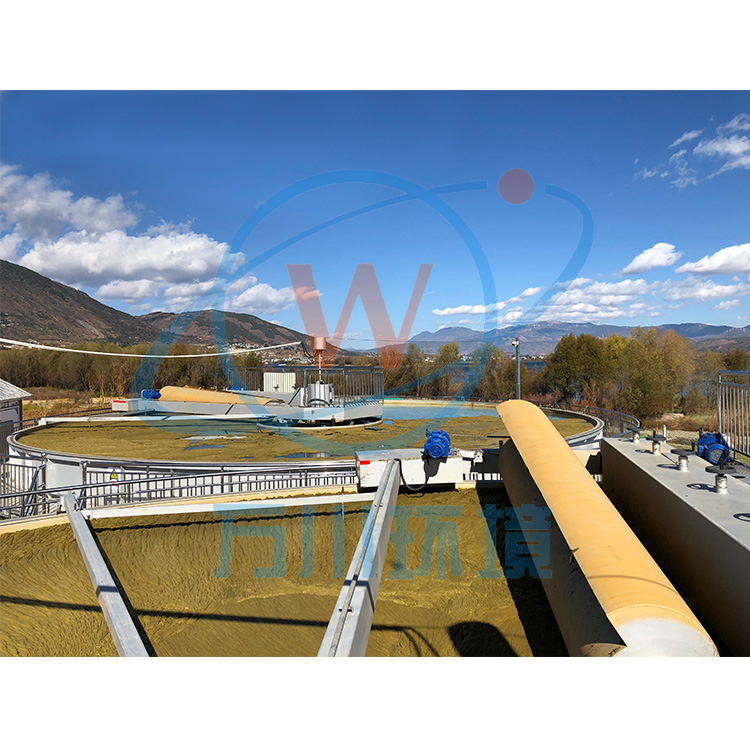
The mud-water separation clarifies the mixed liquid after biological treatment, while also concentrating the sludge in the mixture. The secondary sedimentation tank is the final stage of wastewater biological treatment, playing a decisive role in ensuring the effluent water quality meets the required suspended solids content.
If the secondary sedimentation tank is not set up reasonably, even with good biological treatment, the content of dissolved organic matter in the mixture is already low, the separation effect of sludge and water in the secondary sedimentation tank is still unsatisfactory, and the effluent water quality may still not meet the standard. If the sludge concentration is not effective, the amount of microorganisms returned to the aeration tank cannot be guaranteed, the reduction in the concentration of the aeration mixture will lead to a decrease in the treatment effect of the wastewater, thereby affecting the effluent water quality.