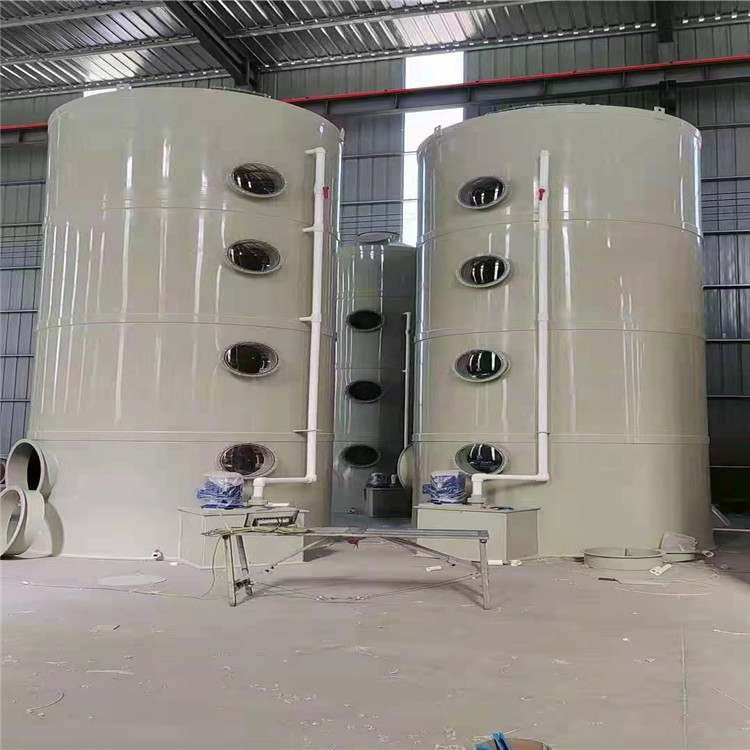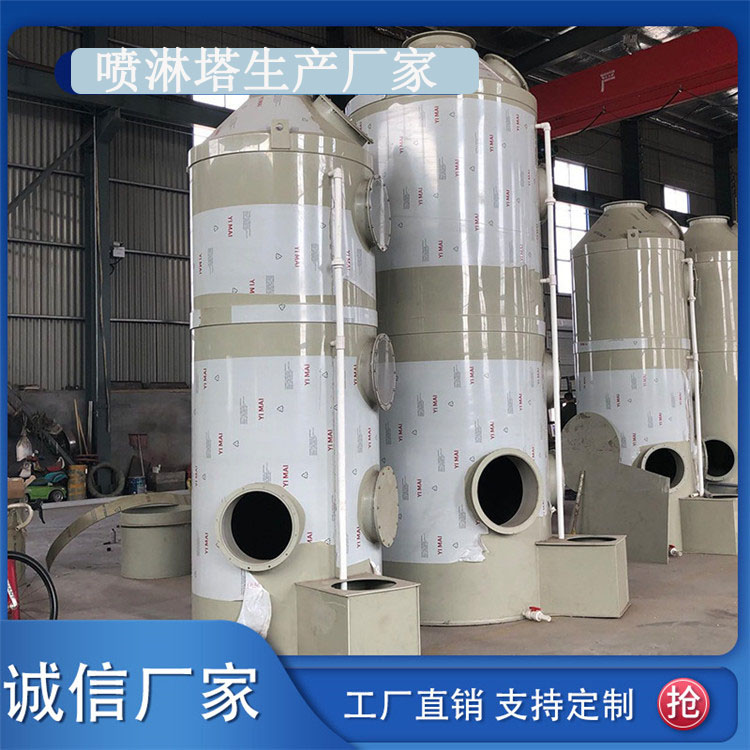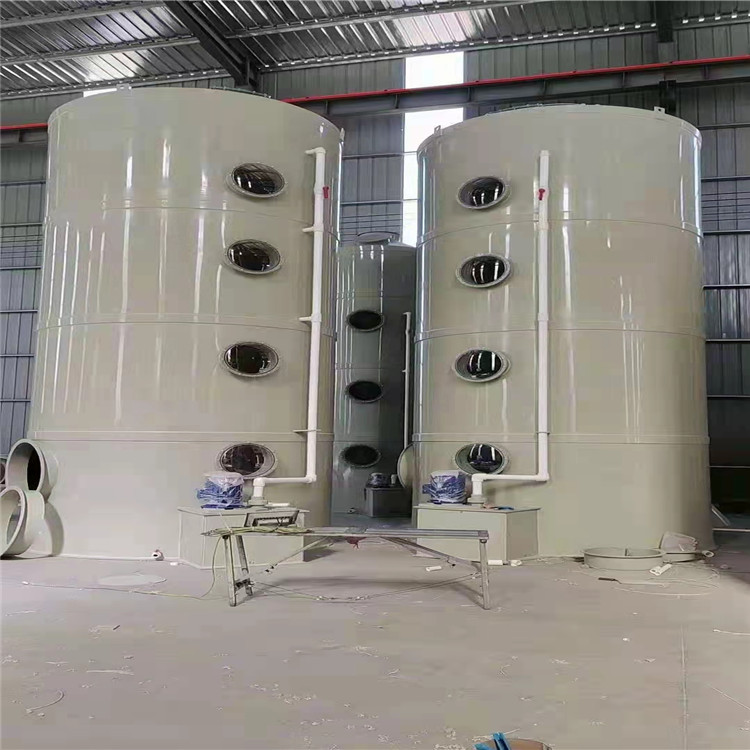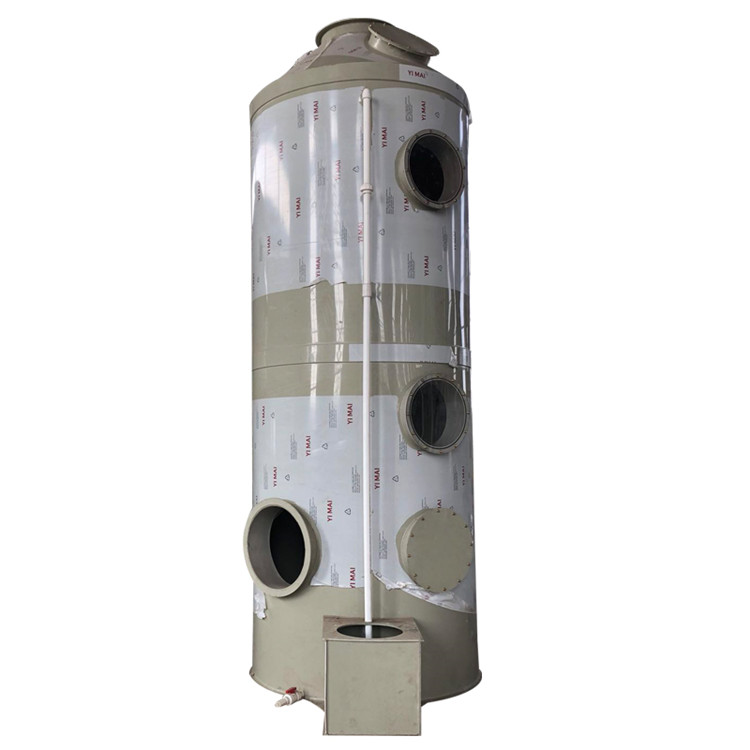

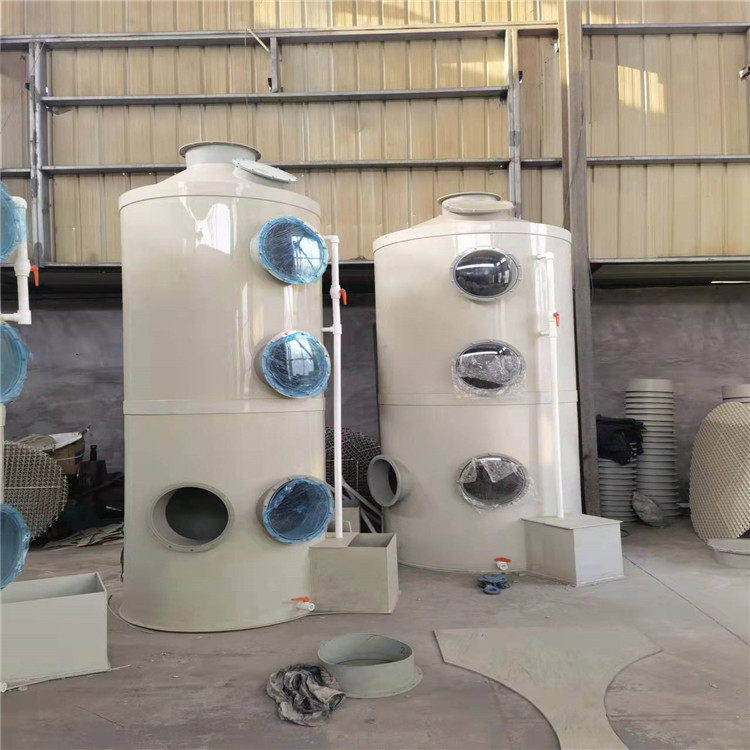











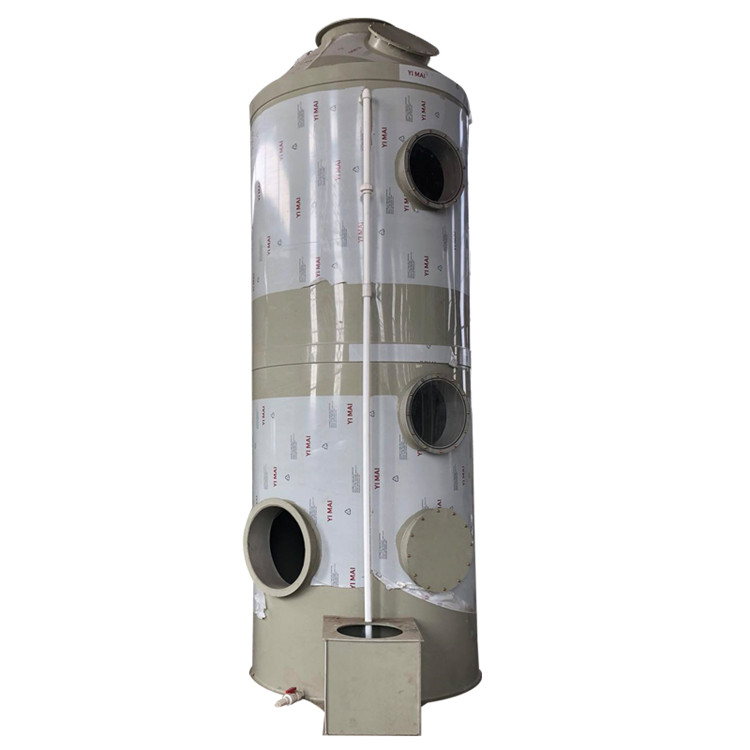

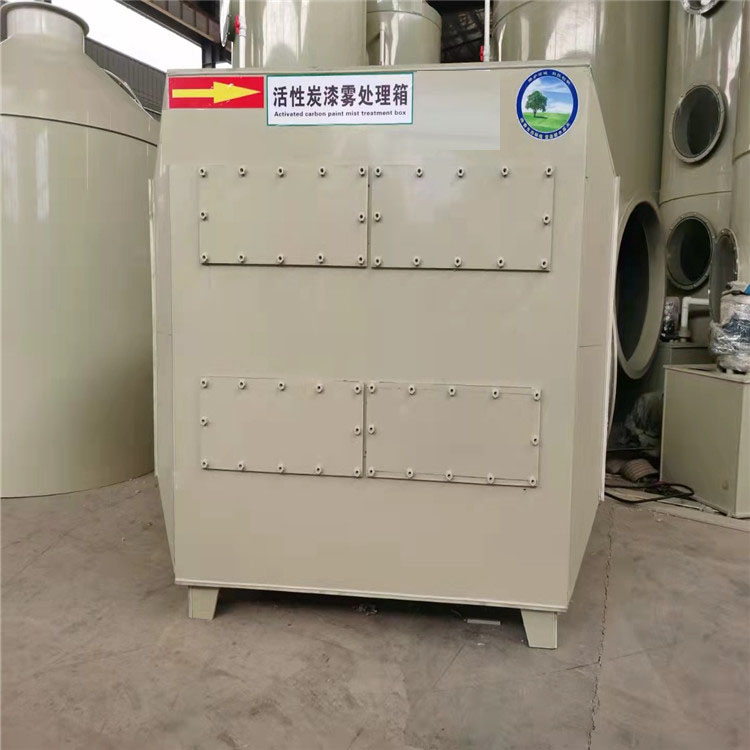
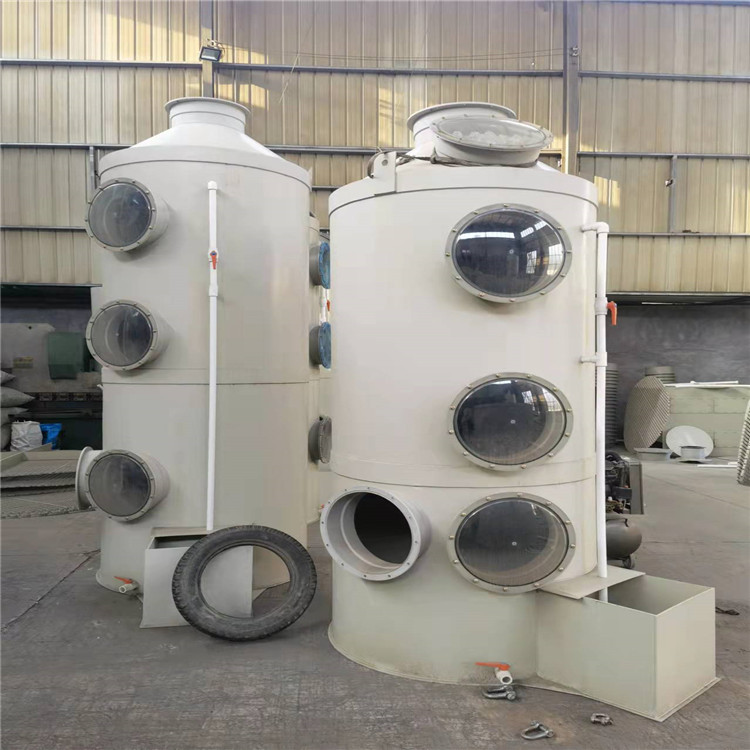
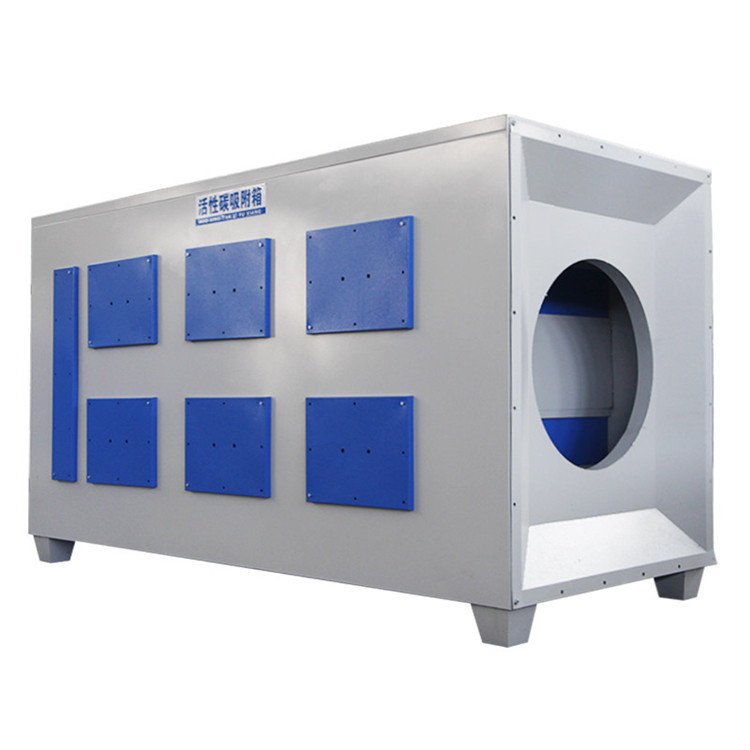
The Adsorption Process: Due to the presence of unbalanced and unsaturated molecular attractions or chemical bond forces on the solid surface, when this surface comes into contact with a gas, it can attract gas molecules, causing them to condense and remain on the solid surface—a phenomenon known as adsorption. By utilizing the adsorption capacity of the solid surface, waste gases come into contact with a porous solid material with a large surface area. The pollutants in the waste gases are adsorbed onto the solid surface, separating them from the gas mixture and achieving purification.
Activated Carbon Introduction: Activated carbon is an amorphous, porous carbon in the form of black powder, granules, or pellets. It primarily consists of carbon, with trace amounts of oxygen, hydrogen, sulfur, nitrogen, and chlorine. It also possesses a fine structure similar to graphite, but with smaller crystal grains and irregular layered堆积. It has a large surface area (500-1000 m²/g). It has adsorption capabilities, where gases, liquids, or colloidal substances are more easily adsorbed. The greater the pressure, the lower the temperature, and the higher the concentration, the more the adsorption. Conversely, reducing pressure and increasing temperature is beneficial for desorption of gases.
Activated carbon is commonly used for the adsorption, separation, and purification of gases, recovery of solvents, decolorization of sugar syrups, oils, and glycerin, as deodorizers for drinking water or refrigerators, filter agents for gas masks, and can also be used as a catalyst or as a sieve for metal salt catalysts. The exhaust gas is powered by a fan and enters the activated carbon adsorption box under positive or negative pressure. Due to the presence of unbalanced and unsaturated molecular attractions or chemical bonds on the solid surface of activated carbon, when this solid surface comes into contact with the gas, it can attract gas molecules, causing them to concentrate and remain on the solid surface. This results in the adsorption of pollutants. After passing through a filter, the exhaust gas enters the activated carbon adsorption tower, where the gas is purified and released into the atmosphere in compliance with high-altitude emission standards.
.jpg)