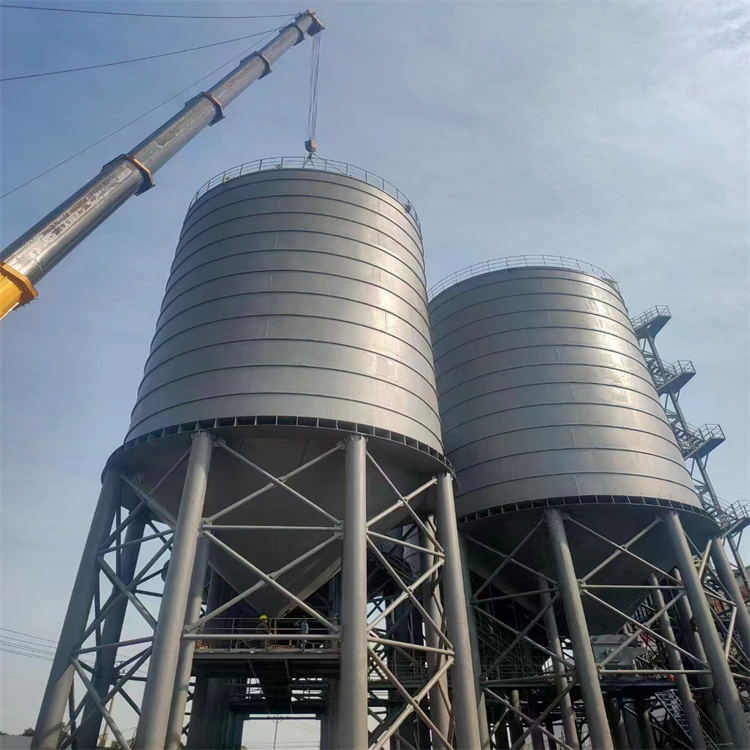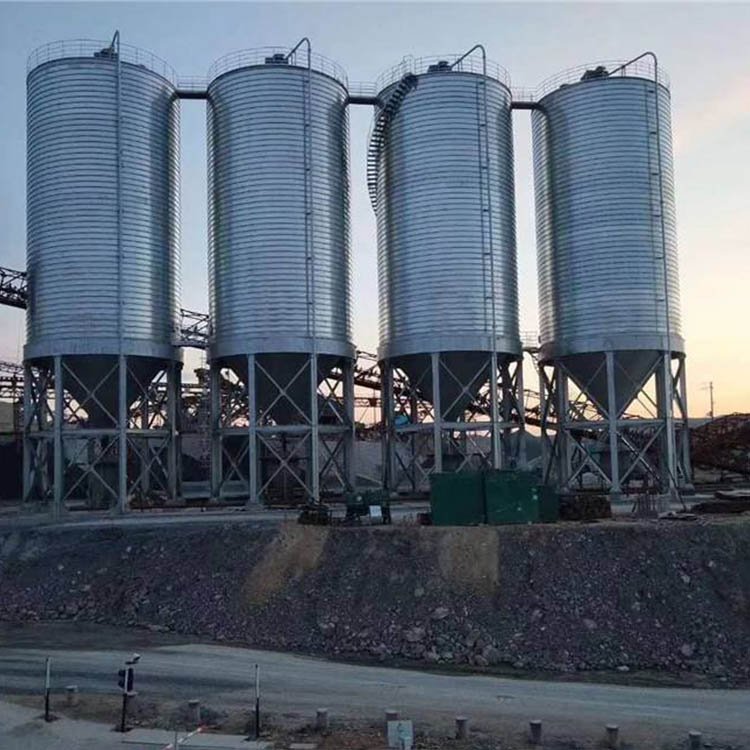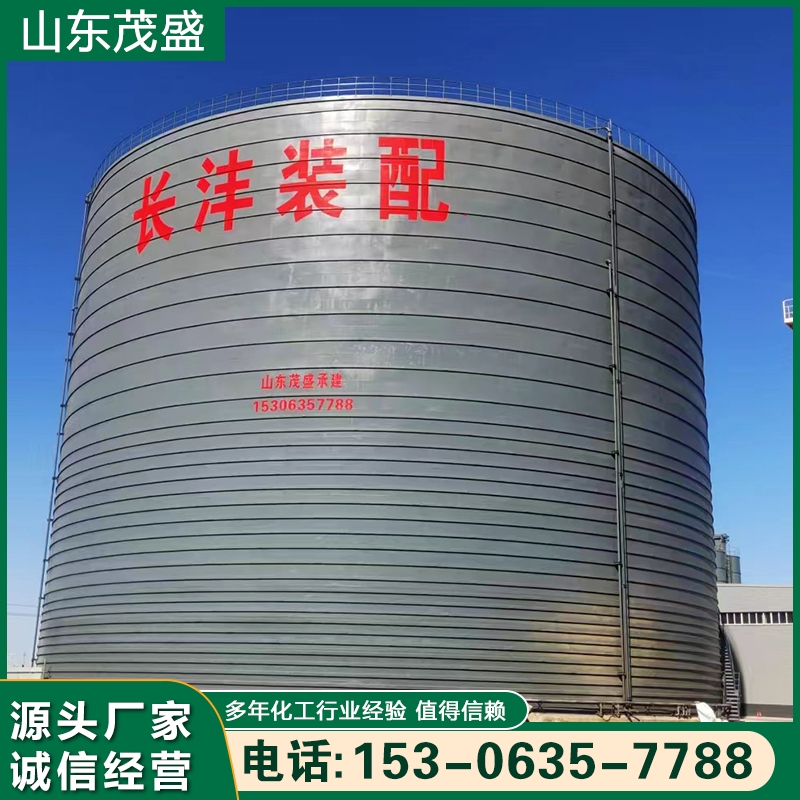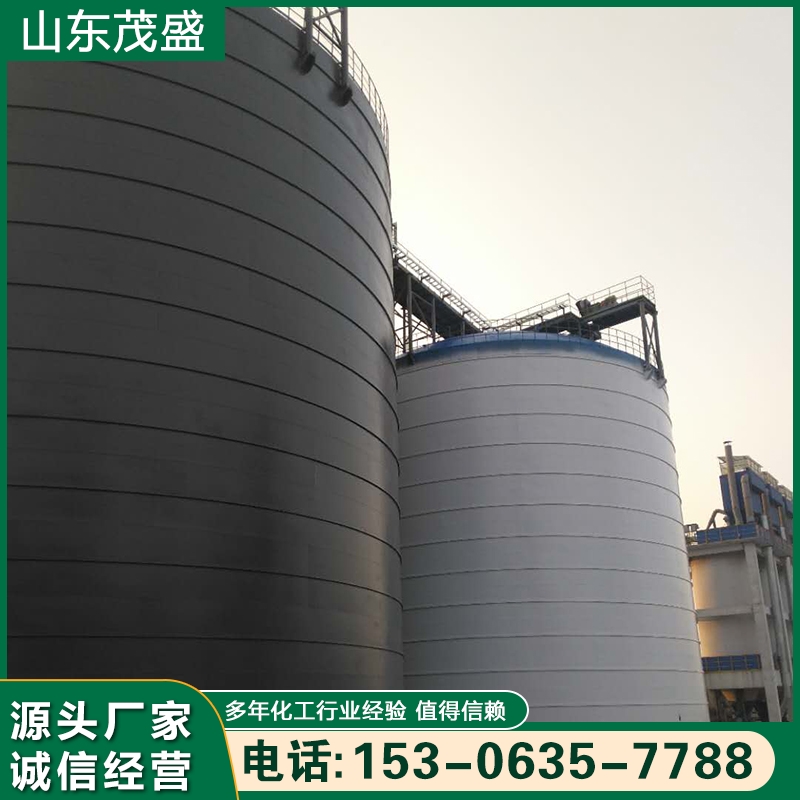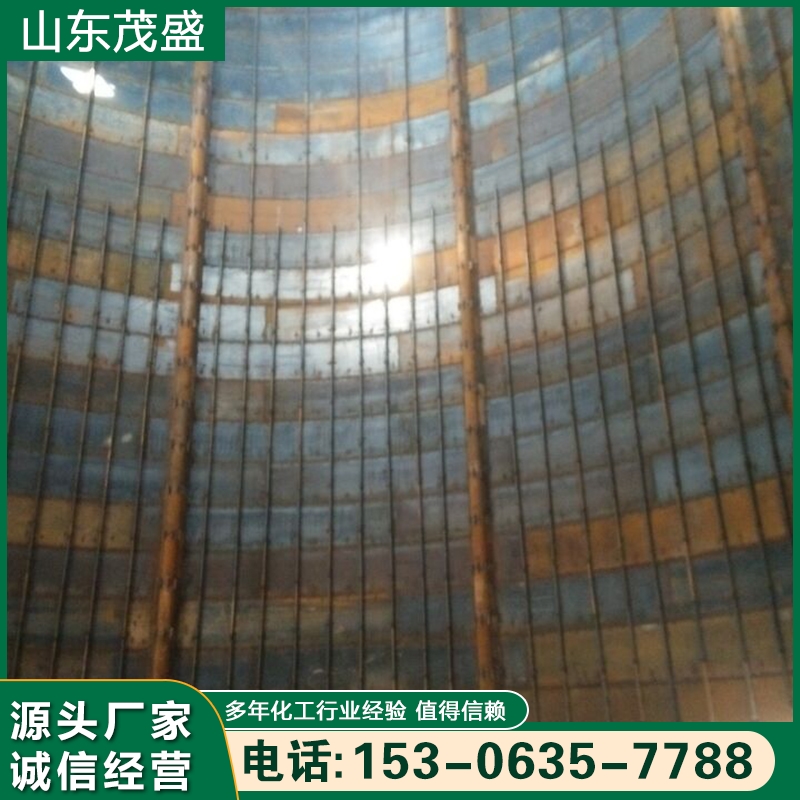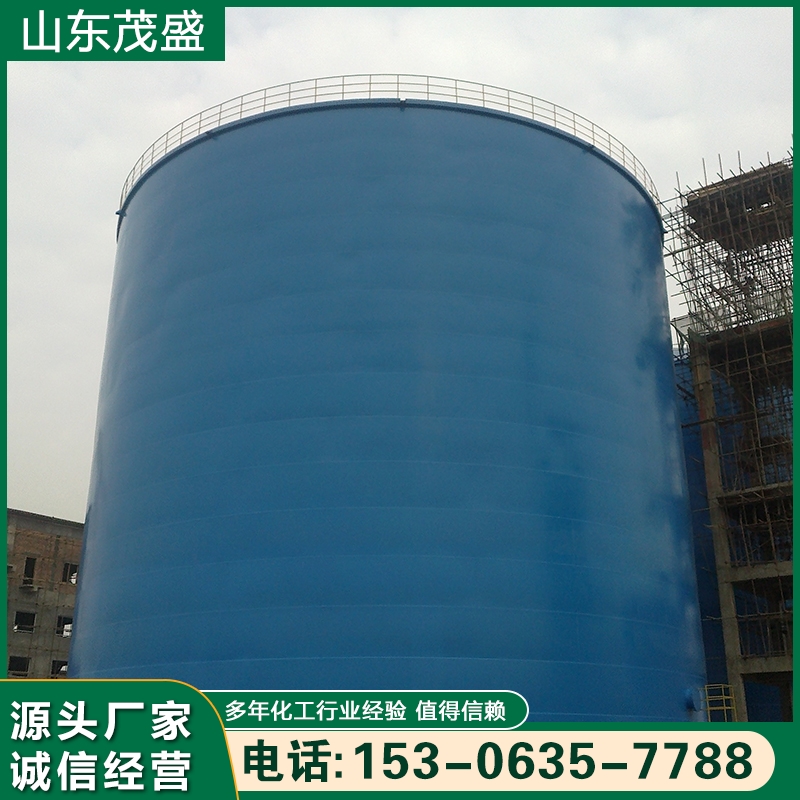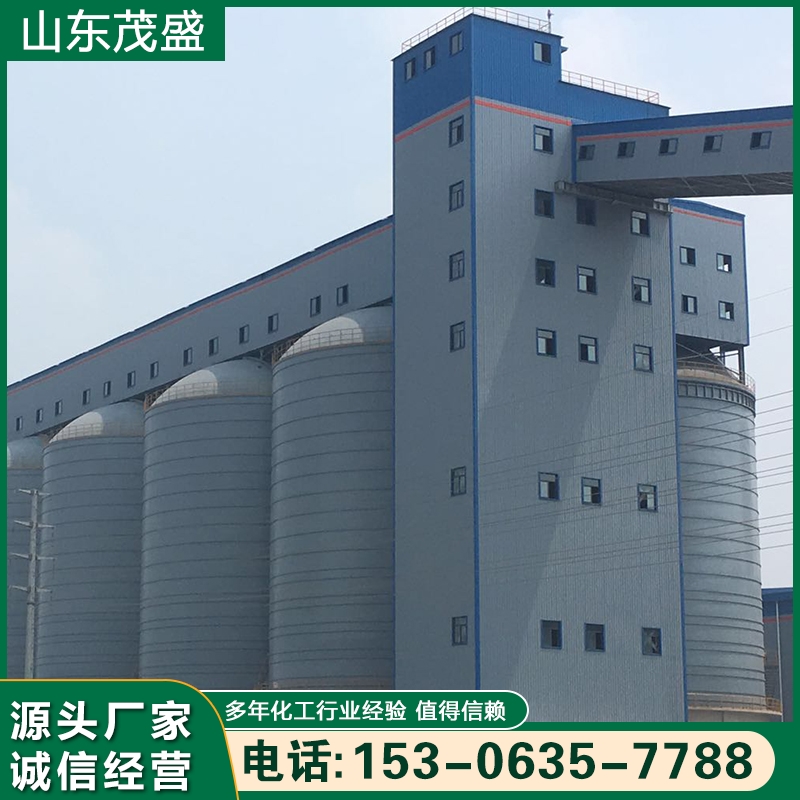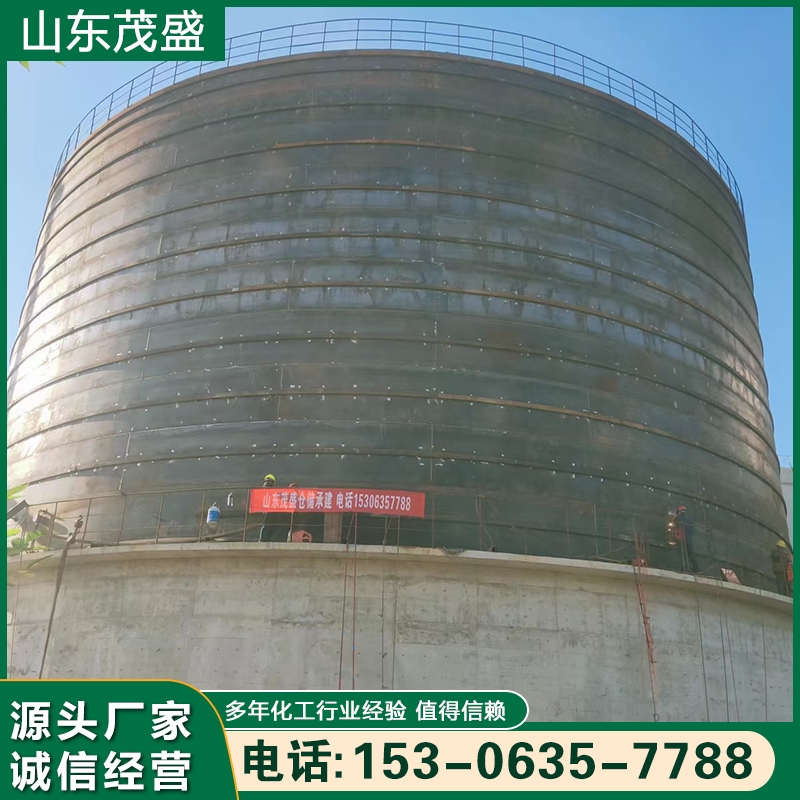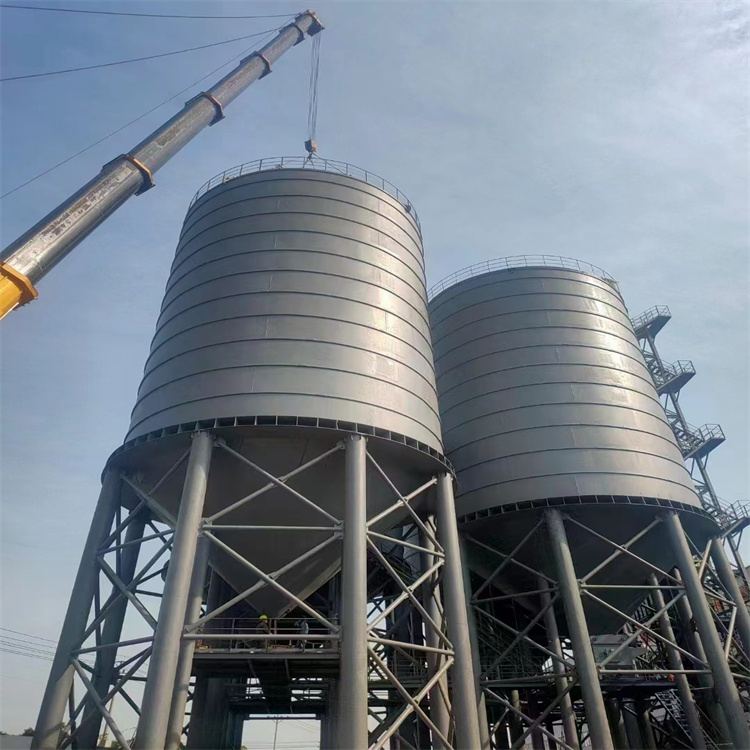
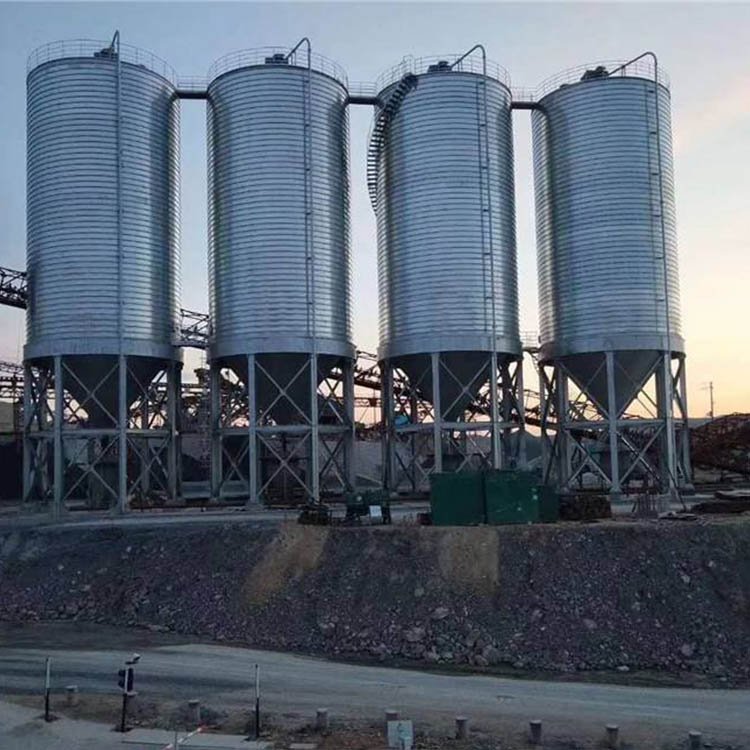








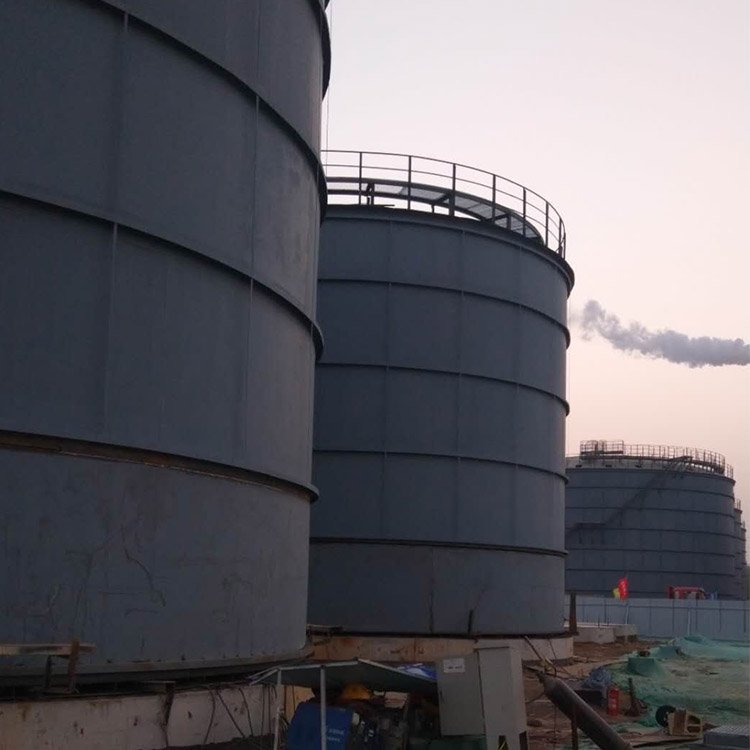
1. Determine the purpose of the steel plate storage; the term "purpose" here refers to whether it is for turnover or storage; the choice of cement plants and power plants varies, and thus the choice of storage capacity differs. Steel plate storage in the north emphasizes storage (excluding ports), while in the south, it emphasizes turnover; storage facilities typically have larger capacities, while turnover facilities have smaller ones. Storage facilities are emptied less frequently each year, perhaps only twice or thrice, whereas turnover facilities may be emptied more often, possibly even once every few days; therefore, determining the purpose is crucial.
2. Calculate the lifecycle cost; some owners opt for solutions with lower initial investments during selection, compounded by the chaotic market of steel plate warehouses and severe price competition, which provides a survival space for some small companies. Different philosophies among practitioners lead to significant price differences. Some practitioners come solely for the project's construction, showing no concern for the project's structural or operational issues, merely catering to the owners' psychology, winning bids at low prices, leading to an irreversible situation; while others consider the owners' perspective, ensuring operational safety while taking into account the total cost over the lifecycle. Naturally, this results in higher costs, which are often not well-accepted.
3. Compete on the same level; by "same level," it refers to competition based on the same design drawings for processes, structures, and electrical systems. Many bidding projects involve companies designing their own plans, resulting in significant differences in processes and structures, and consequently, varying budgets. However, owners typically opt for the lowest bidding price method, with little understanding of the differences and similarities, leading to substantial price disparities. Since 2003, the country has advocated for the use of itemized bill of quantities for pricing, but the steel plate storage industry has yet to implement this. It is suggested that comprehensive competition on the same level is the correct approach.