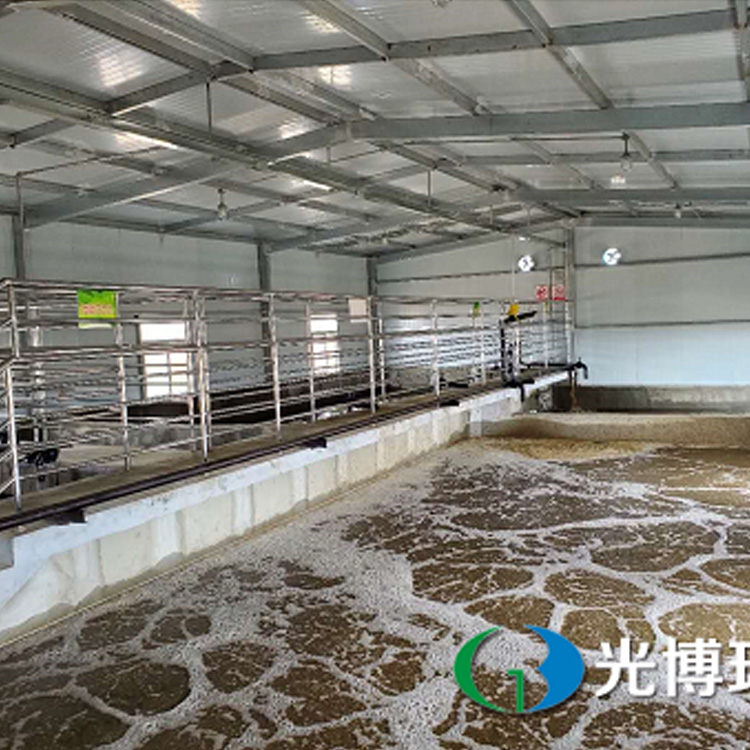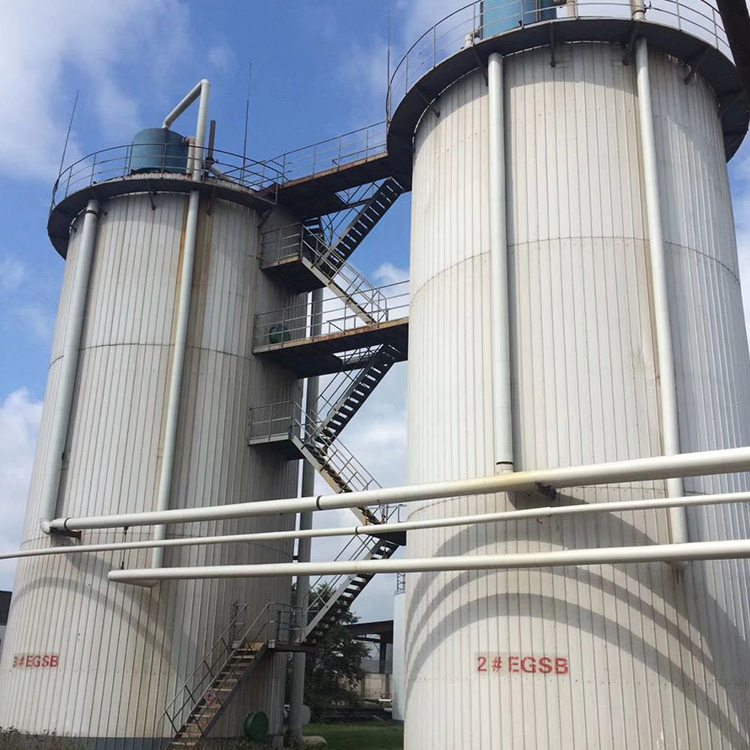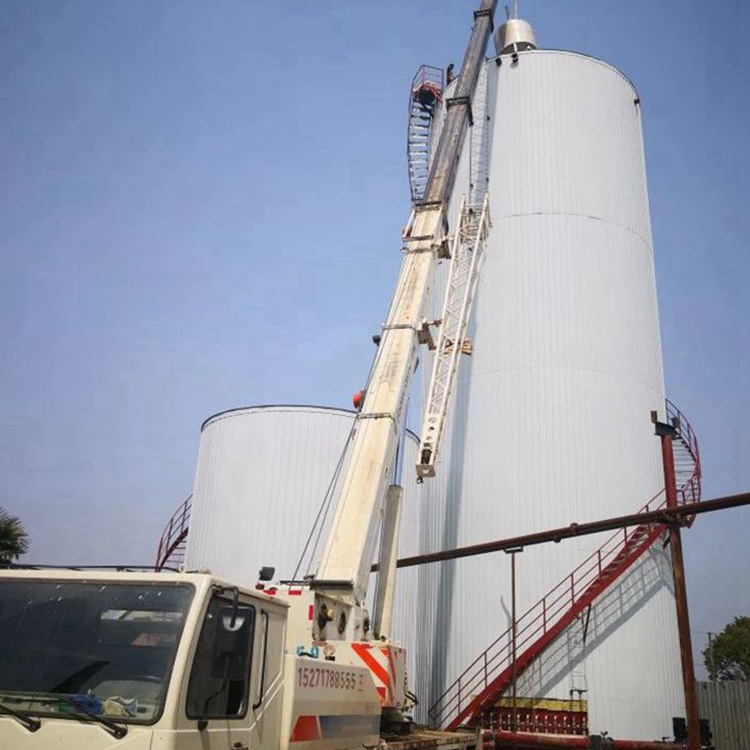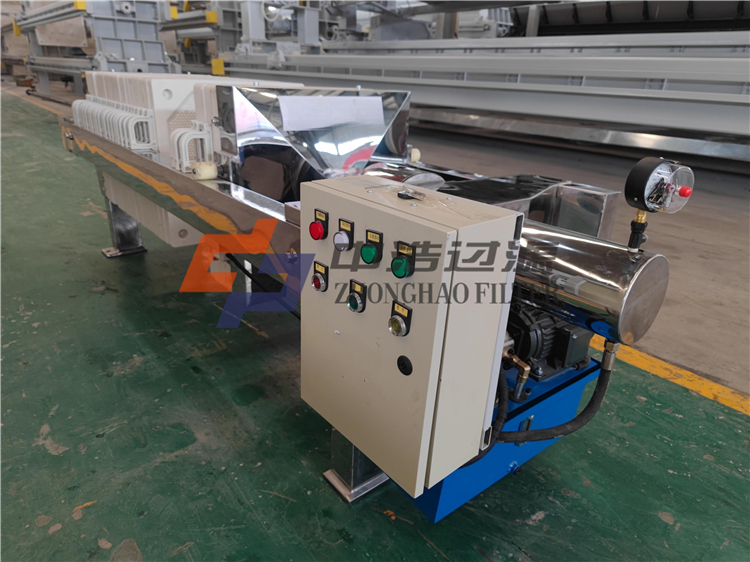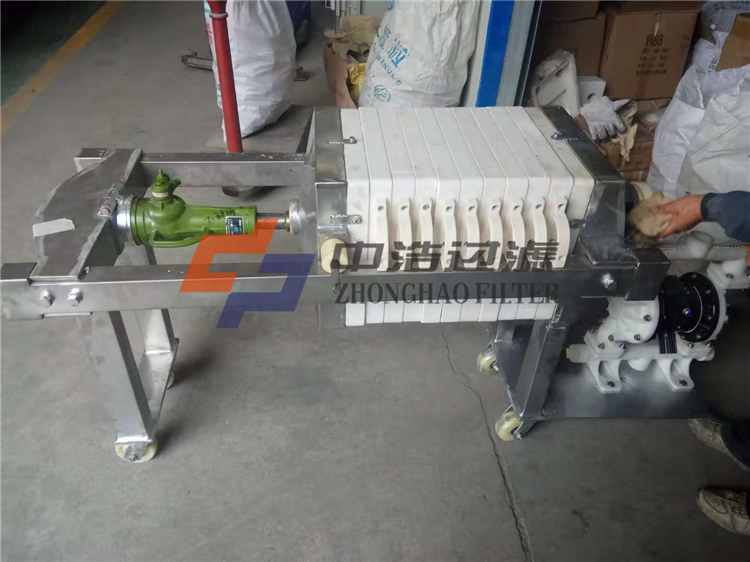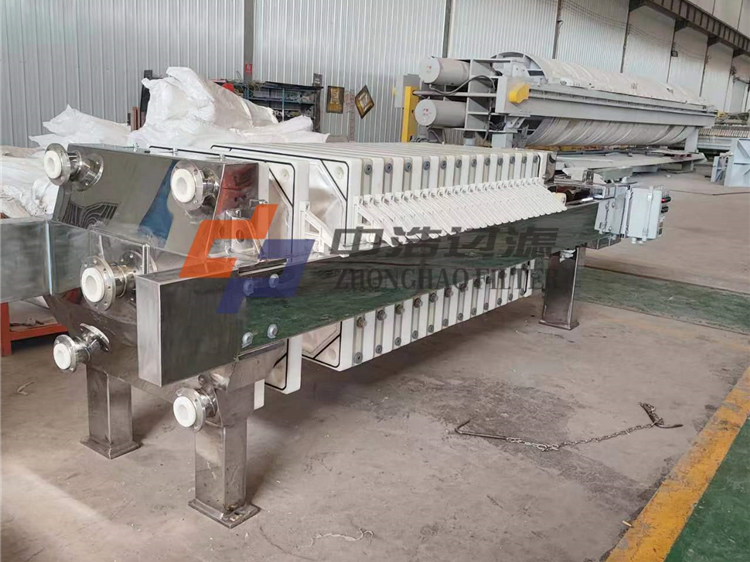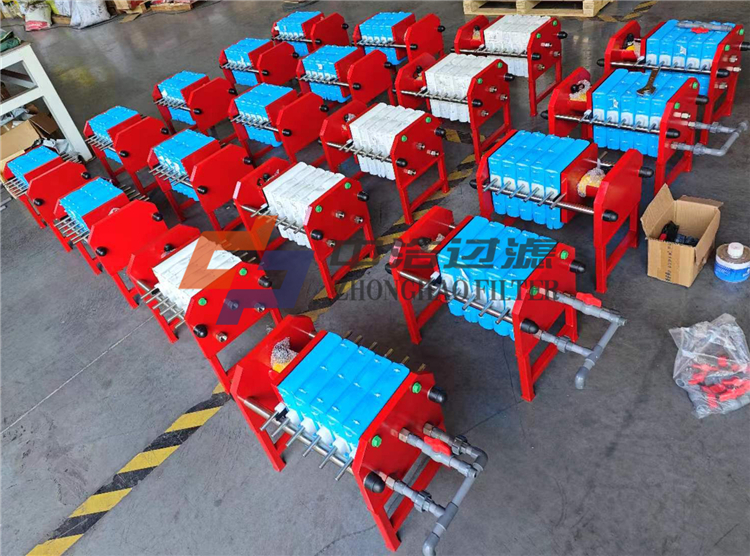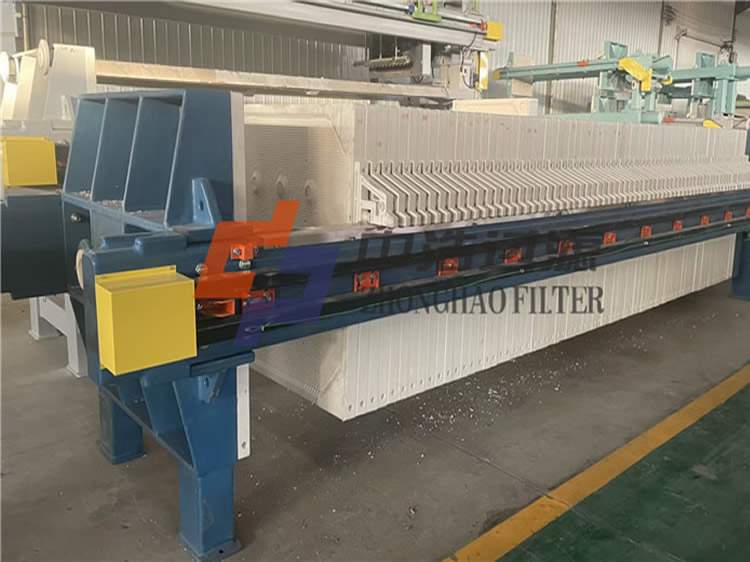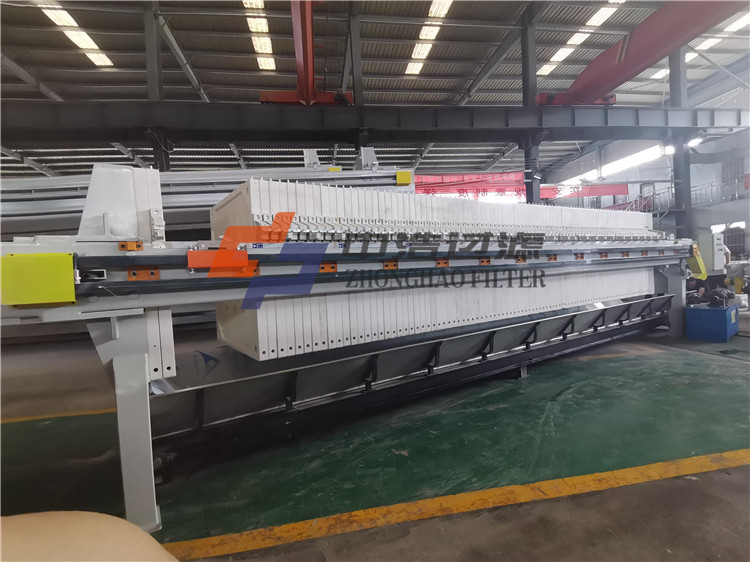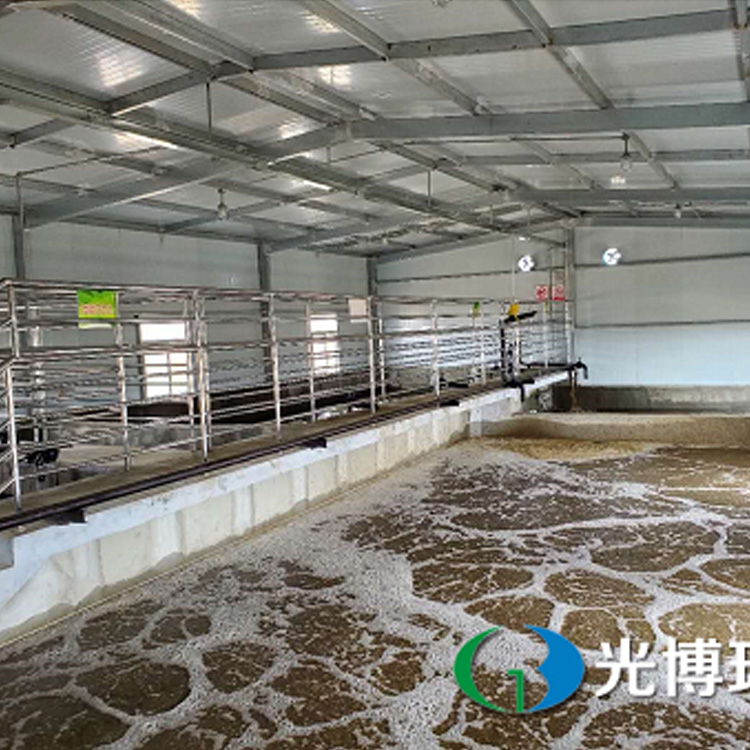
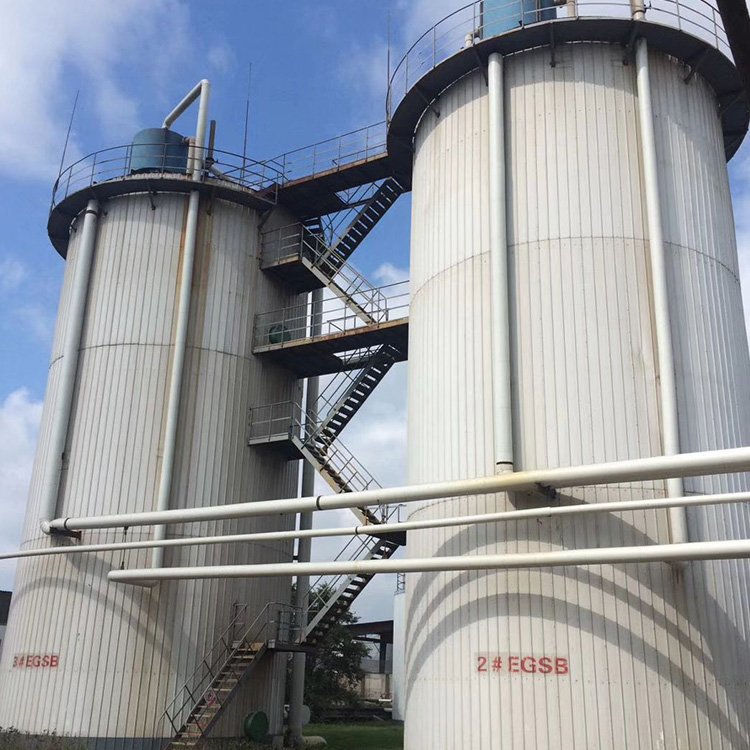


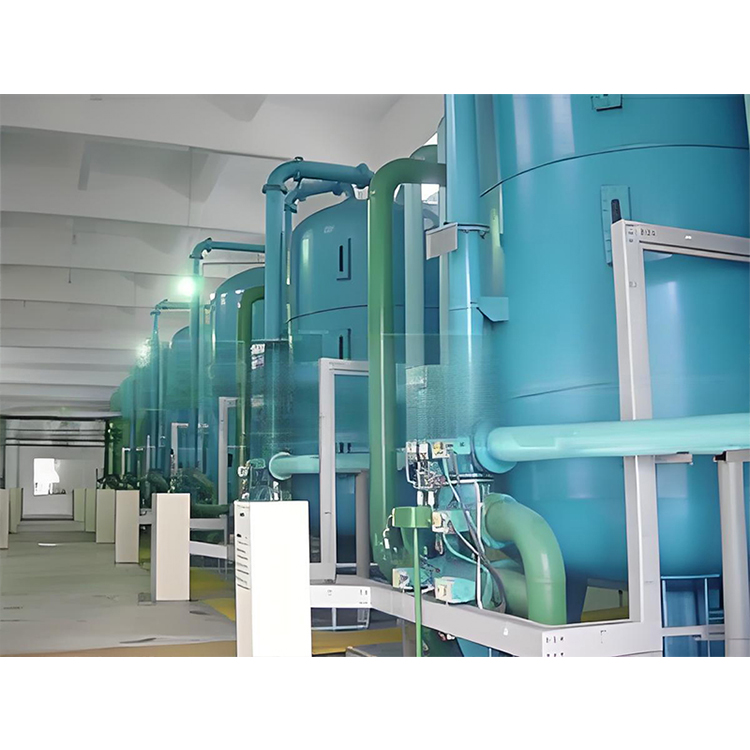
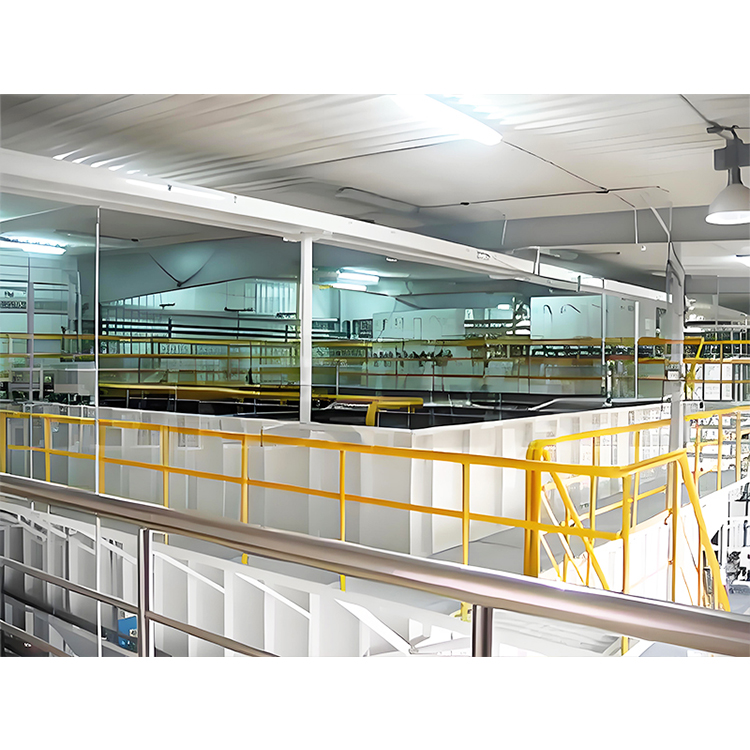
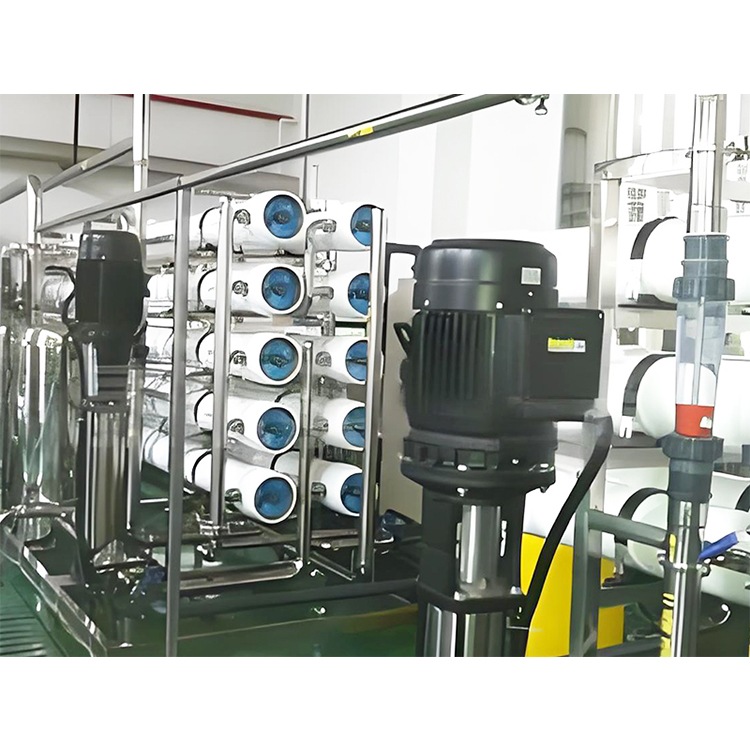
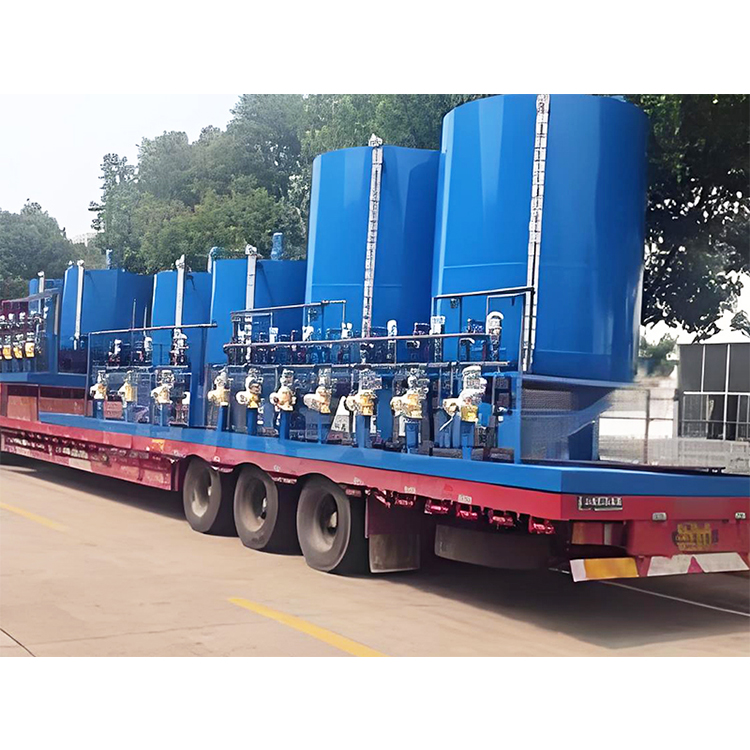
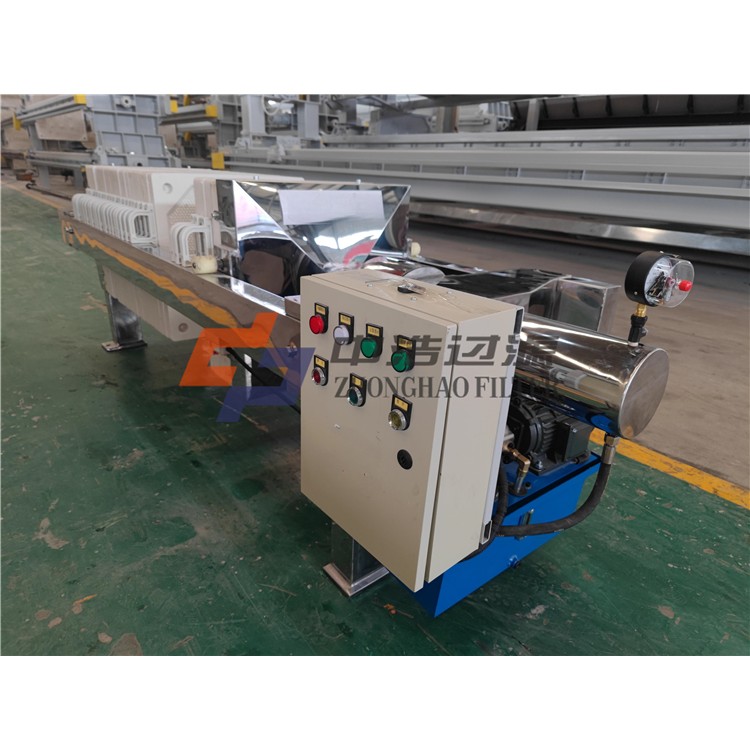





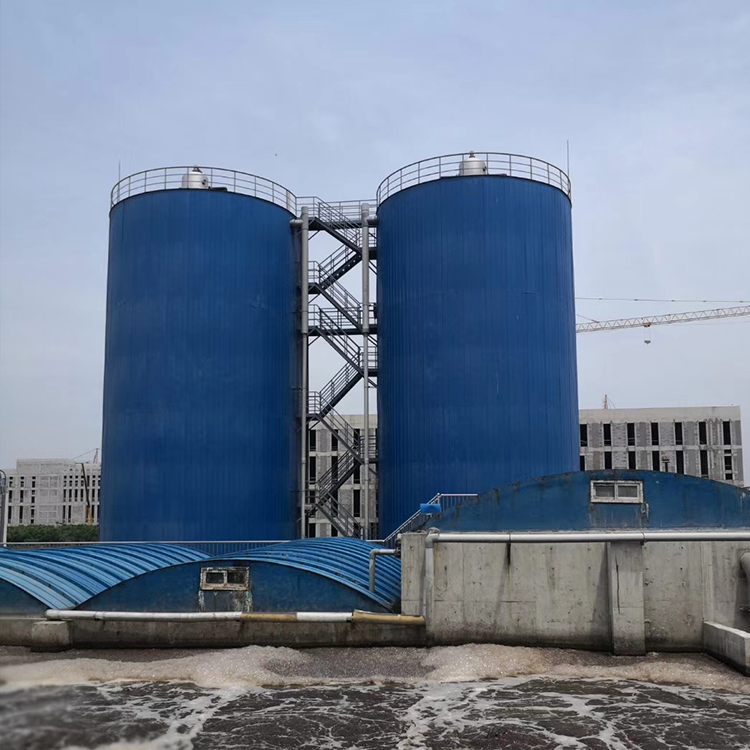
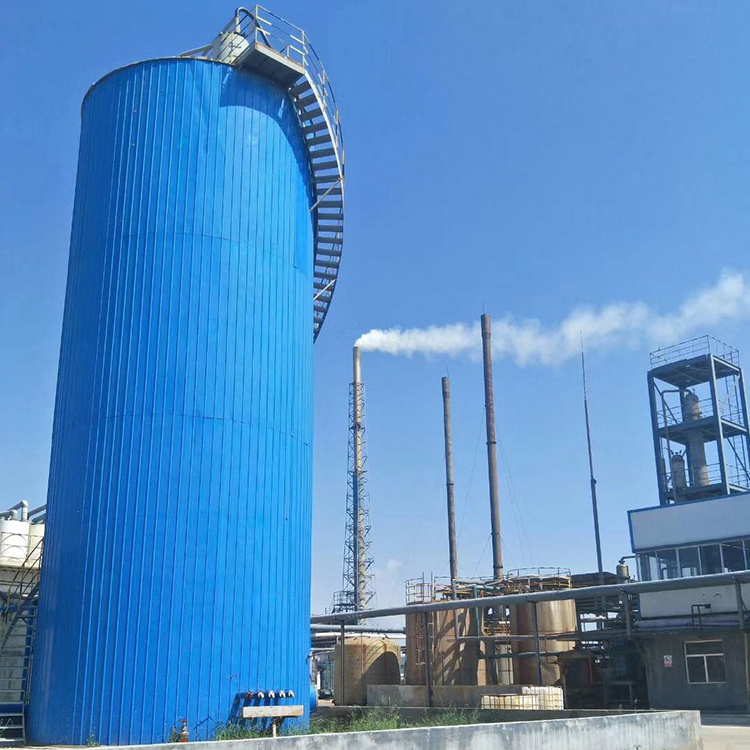
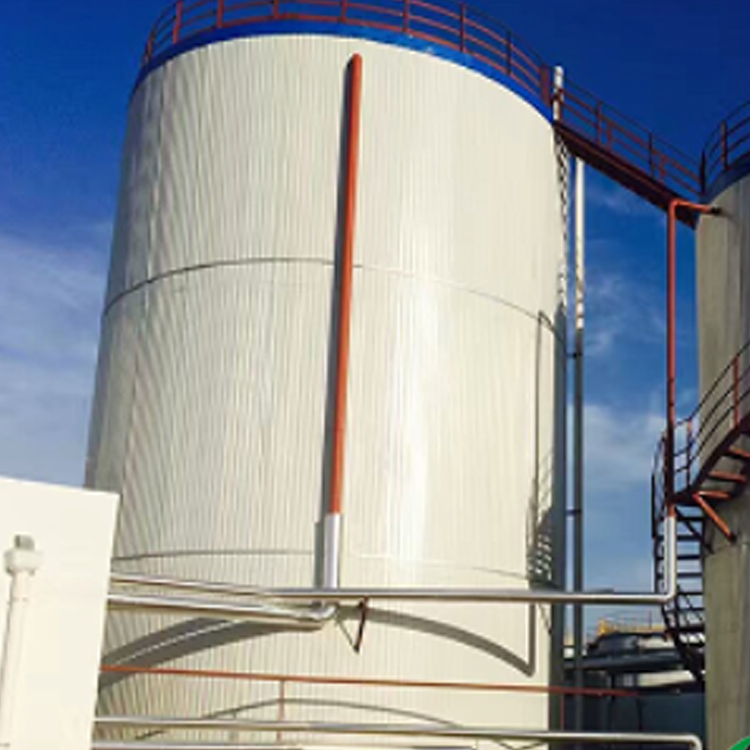
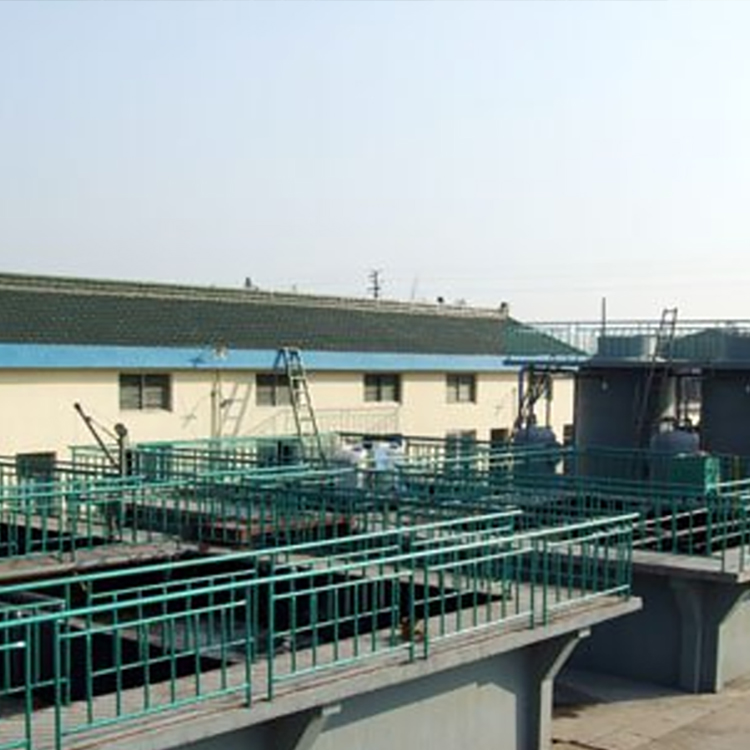
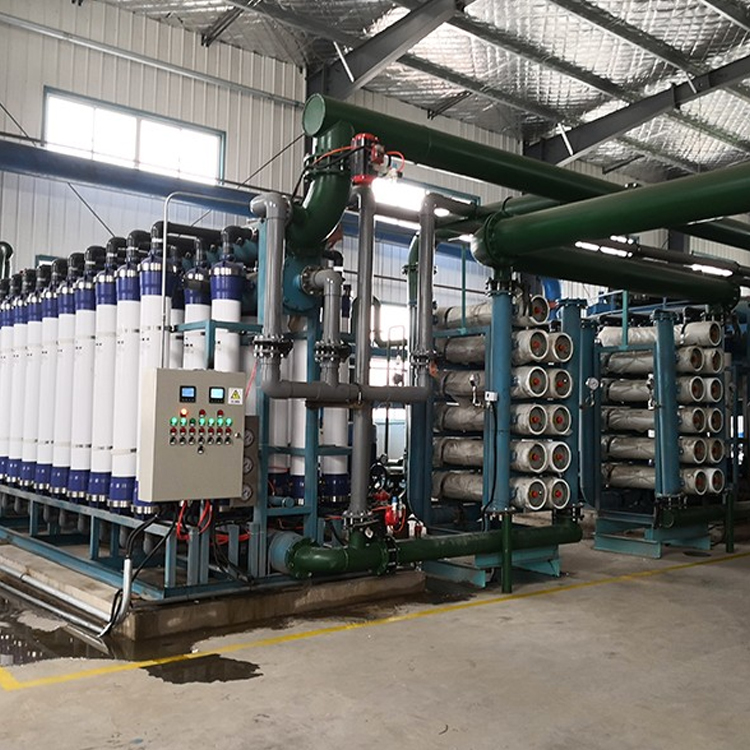
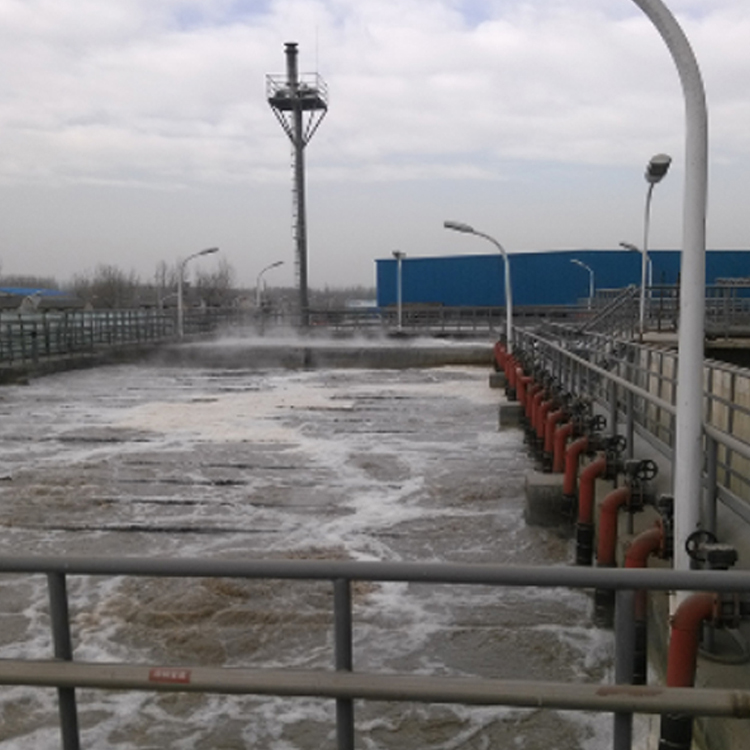
Since 2018, we have reached an agreement with the Yinchuan Animal Husbandry Bureau to construct wastewater treatment stations for 55 of our affiliated farms; primarily for the flushing wastewater from dairy sheds and milking parlors.
1. Obao Dairy - Dairy Cattle Waste Treatment 2. Zhenwang Dairy - Dairy Cattle Waste Treatment 3. Wangyuan Agriculture & Pasture - Dairy Cattle Waste Treatment 4. Dongxiang Dairy - Dairy Cattle Waste Treatment 5. Niu Shunyuan Dairy - Dairy Cattle Waste Treatment 6. Xinqing Farm - Dairy Cattle Waste Treatment
7. Tianlai Ranch - Dairy Cattle Waste Treatment 8. Jiacheng Farming - Dairy Cattle Waste Treatment 9. Qixin Tianmu Farming - Dairy Cattle Waste Treatment 10. Han's Dairy - Dairy Cattle Waste Treatment 11.沃源犇州 - Dairy Cattle Waste Treatment 12. Zenning Farming - Dairy Cattle Waste Treatment 13. Rongyue Farming - Dairy Cattle Waste Treatment
14. Lixiang Ranch - Dairy Cattle Farm Wastewater Treatment 15. Fuyuan Pasture - Dairy Cattle Farm Wastewater Treatment 16. Yuanda Pasture - Dairy Cattle Farm Wastewater Treatment 17. Zerui Pasture - Dairy Cattle Farm Wastewater Treatment 18. XinAo Ranch - Dairy Cattle Farm Wastewater Treatment 19. YunTaiYuan Ranch - Dairy Cattle Farm Wastewater Treatment
20. Dongerle Dairy - Dairy Cattle Waste Water Treatment
1.1.1 Wastewater Sources: Livestock farming wastewater typically consists of urine, flushing water (mainly from pen cleaning, trough cleaning, ground cleaning, and equipment/facility cleaning), and a small amount of wastewater generated during the workers' daily production activities. In these processes, solid substances like cow dung and pig dung are washed into water bodies, leading to elevated concentrations of organic matter and other pollutants in the wastewater.
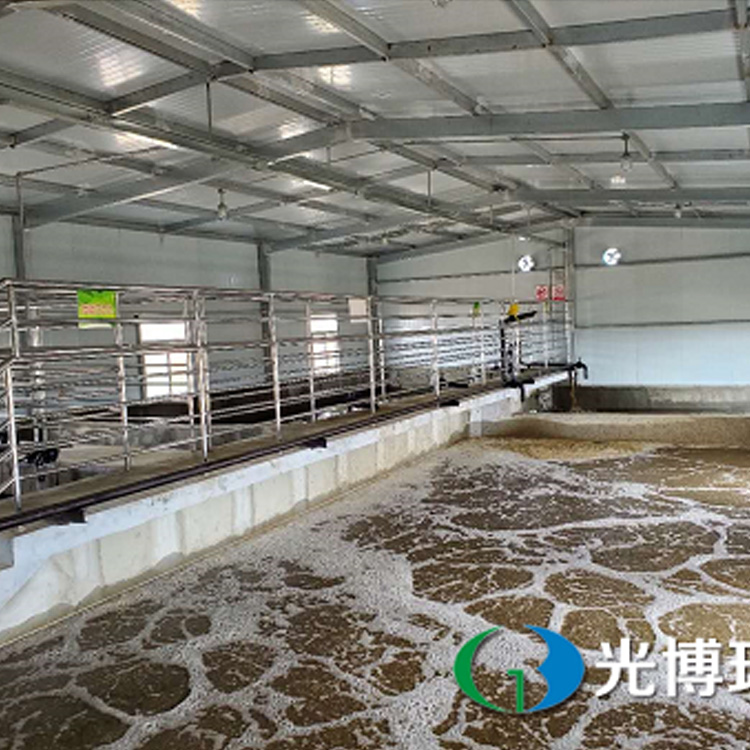
Large and medium-sized hog farming plants mainly have three types of manure cleaning processes: flush manure technology, submerged manure technology (urine submerged manure technology), and dry cleaning manure technology.
1) Flush manure process
The flush manure process was the primary cleaning method adopted in China in the 1980s when importing large-scale cattle and pig farming techniques and management from abroad. The main objective of this process is to promptly and effectively remove manure and urine from the livestock houses, maintain the环境卫生, reduce labor input in manure cleaning, and improve the automation management level of the farm. The flush method involves mixing faeces and urine wastewater into the slurry trench beneath the gap floor, and flushing with water from the spray heads at the end of the trench several times a day. The faeces water then flows into the main faeces channel and into an underground storage pond or is pumped to an above-ground storage pond.
Advantages: The flushing system maintains cleanliness within the pigsty, benefiting the cattle herd and the health of both the pigs and the caretakers. It requires minimal labor intensity and offers high labor efficiency.
Disadvantages: High water consumption and severe waste of hydraulic resources; during the later stage of wastewater treatment, after solid-liquid separation, most soluble organic matter and trace elements remain in the wastewater, resulting in high pollution content and increased treatment difficulty; the separated solid matter has low nutrient content, reducing its fertilizer value. The technology is not complex, and it is not affected by climate change. However, the investment in infrastructure and energy consumption for wastewater treatment is very high.
2) Bubble Sludge Process (Urine Bubble Sludge Process)
The primary purpose of this process is to timely and effectively remove manure and urine from livestock housing, reduce labor input during the cleaning process, minimize water usage for flushing, and enhance the automation management level of the farm. The water-foamed manure cleaning process is an improvement on the water-flushed manure process. The process involves injecting a certain amount of water into the feces drainage channel within the pigsty, where feces, urine, flushing, and feeding management water are all discharged into the feces channel beneath the slatted floor. After a storage period of about 1 to 2 months, once the feces channel is full, the gate at the outlet is opened to drain the feces water. The feces water then flows into the main feces channel and is either stored in an underground feces storage tank or pumped to a ground-level storage tank. Using the water-foamed manure process requires approximately 10 to 15 liters of water per pig per day.
Advantages: Saves water compared to the flush-toilet process.
Disadvantages: Due to the prolonged presence of feces in the pigsty, anaerobic fermentation occurs, producing a large amount of harmful gases such as H2S (hydrogen sulfide) and CH4 (methane). The pollutant concentration in the fecal water mixture is higher, making subsequent treatment more challenging.
3) Dry Manure Separation Technology
The primary goal of this process is to promptly and effectively remove manure and urine from the animal shed, maintain a clean environment, fully utilize the abundant labor resources, reduce water and electricity consumption during the cleaning process, preserve the nutritional content of solid waste, enhance the effectiveness of organic fertilizer, and lower the cost of subsequent urine treatment.
The main method of solid waste management is the immediate separation of feces upon production, where solid waste is collected and removed by mechanical or manual means, while urine and flushing water are drained through the sewers for separate treatment. Solid waste management is divided into manual and mechanical systems. Manual systems require simple tools and vehicles, are power-free, have a low initial investment, and can achieve separation of feces and urine, facilitating subsequent processing. However, the downside is the labor-intensive nature and low productivity. Mechanical systems include shovel and scraper methods, offering advantages like reduced labor intensity, labor savings, and increased efficiency. The drawbacks include a higher initial investment, maintenance costs, and reliability issues with Chinese-made machines, often resulting in high failure rates and difficulties in repair due to the buildup of waste on working parts. Moreover, the noise produced by cleaning machines is不利于 animal growth, and thus, mechanical systems are rarely used in Chinese pig farms. The dry waste management system requires approximately 10 liters of water per pig per day.
Advantages: Collected solid feces have low water content, resulting in minimal nutrient loss, high fertilizer value, and are easy for composting at high temperatures or other treatment methods; consume less water, produce less wastewater, and have low pollutant content in the wastewater, making it easy to purify and treat.
Drawbacks: High labor intensity, low labor productivity, requiring a large amount of labor resources.
The pig farm primarily utilizes the water-soluble manure process.