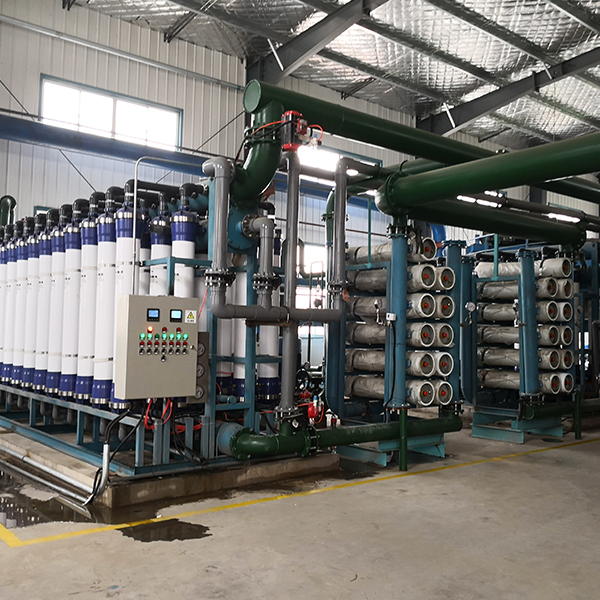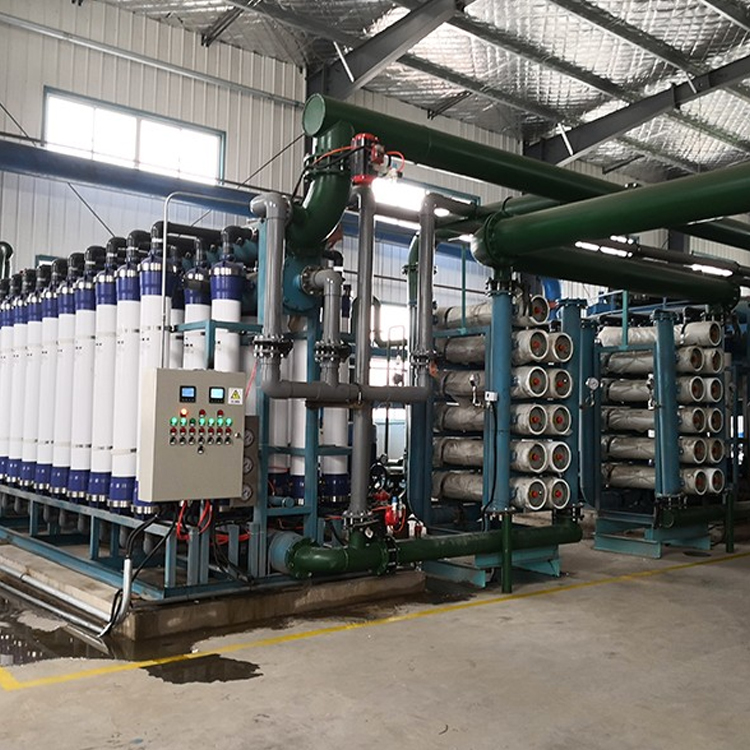

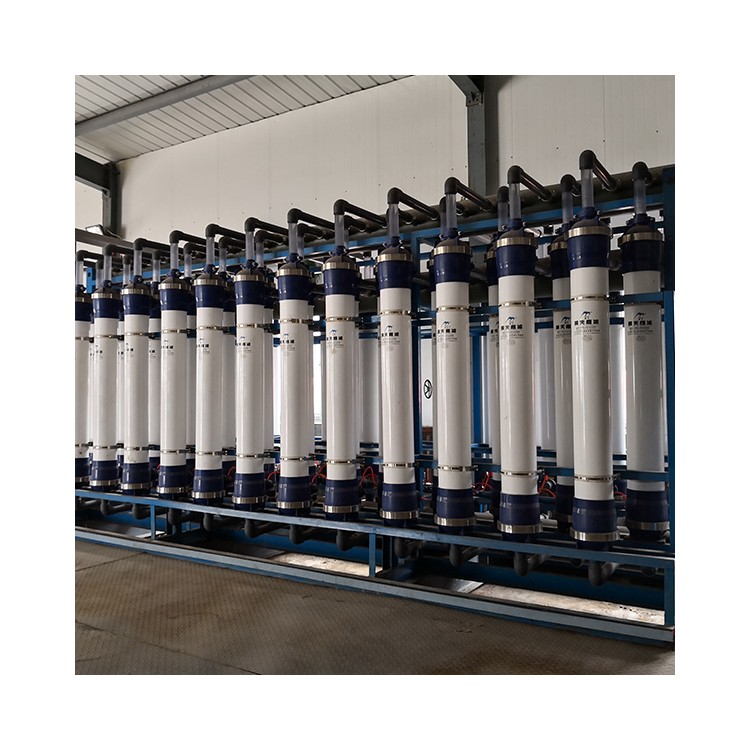


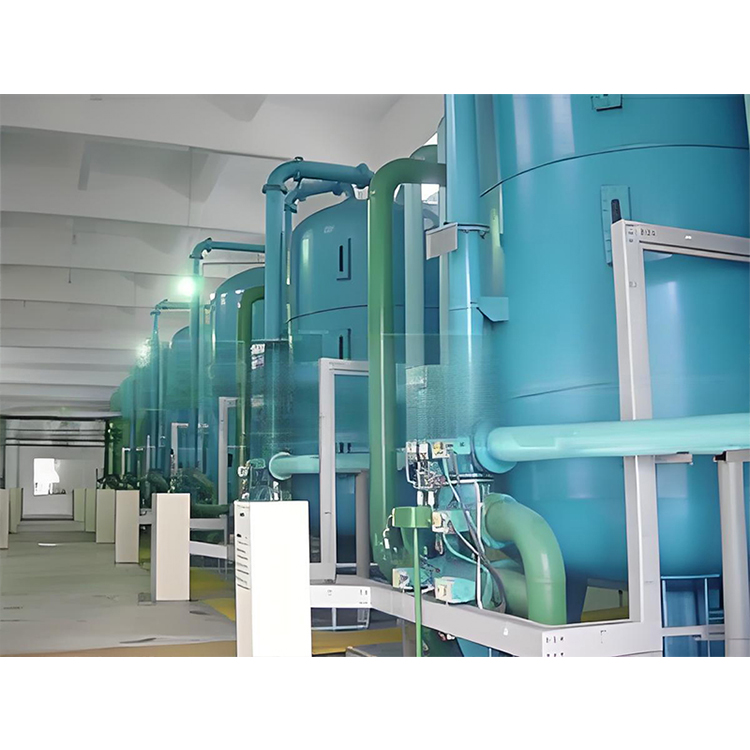
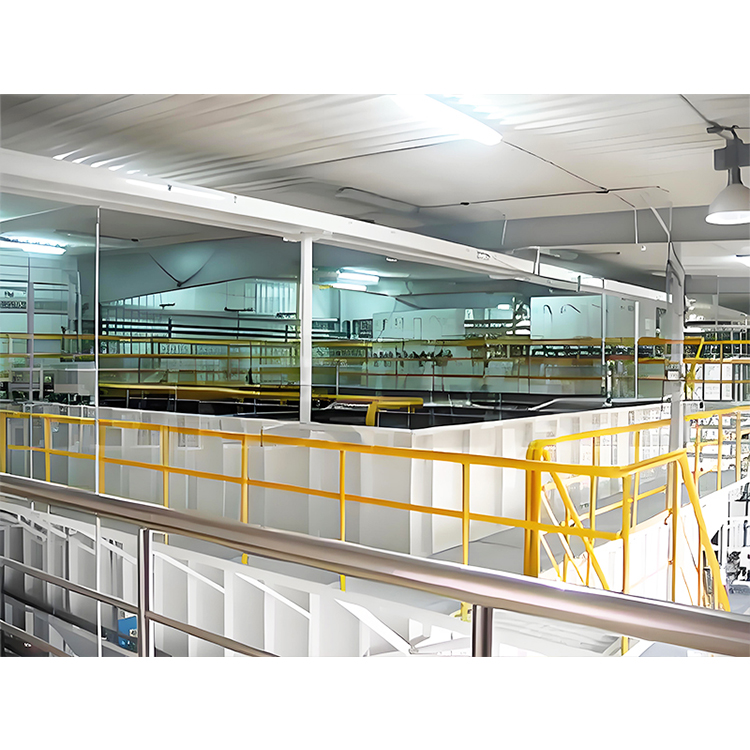
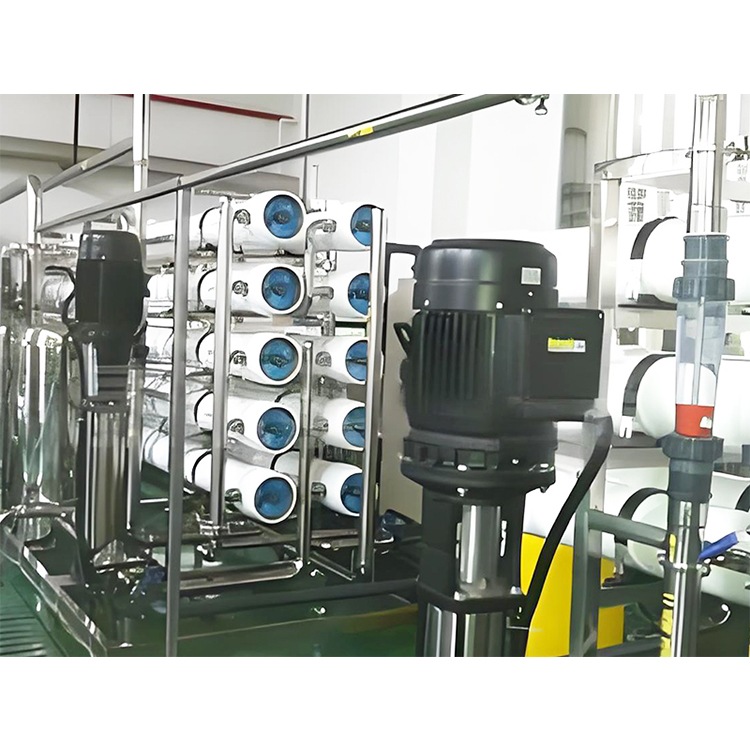
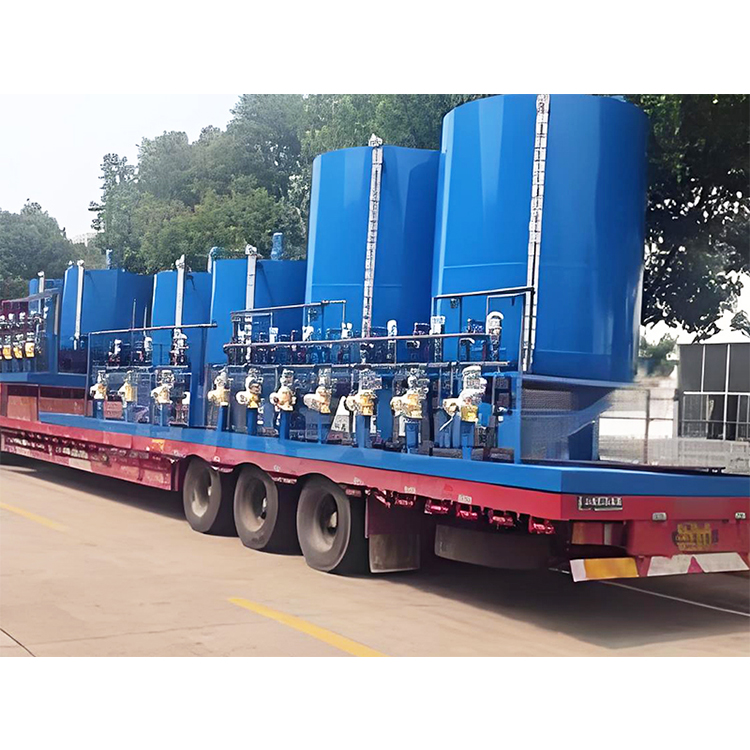
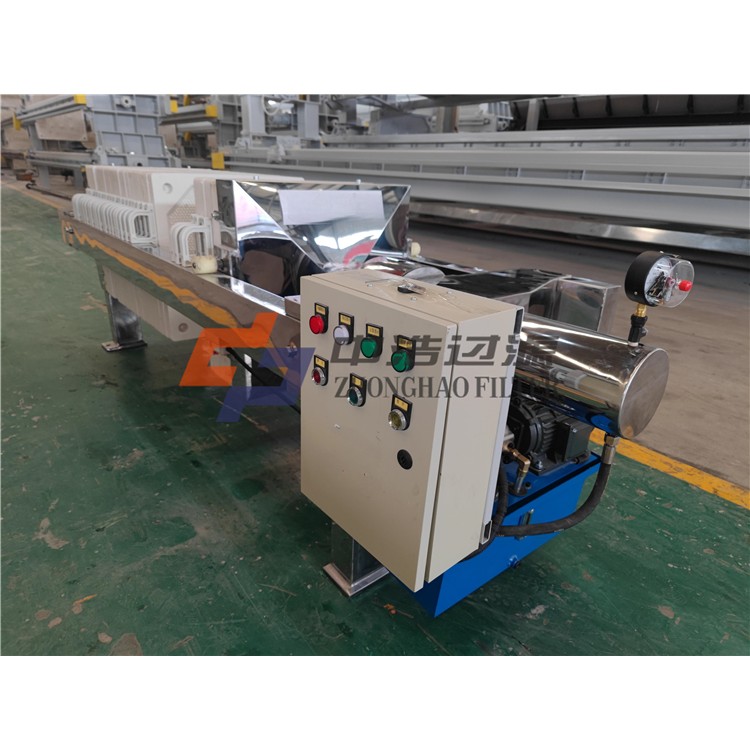





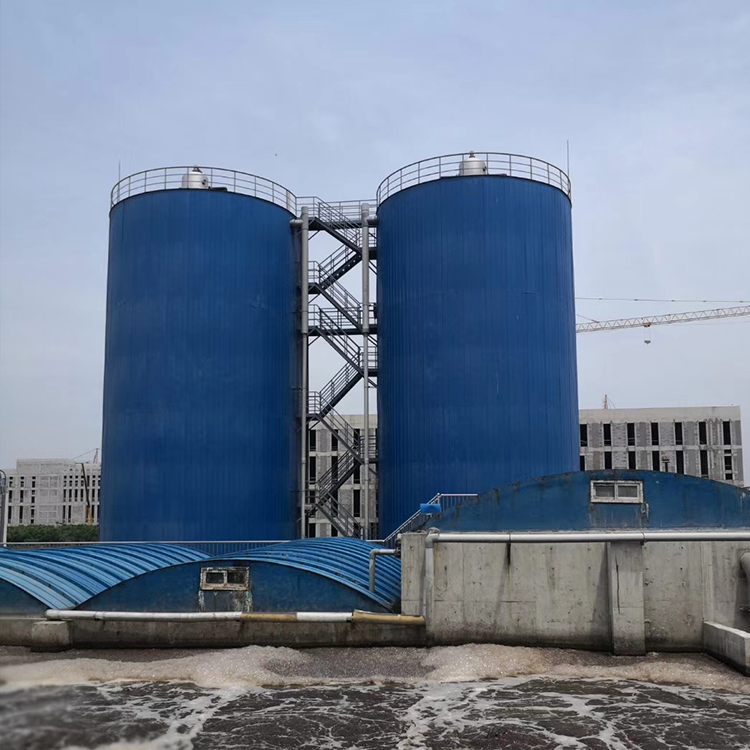
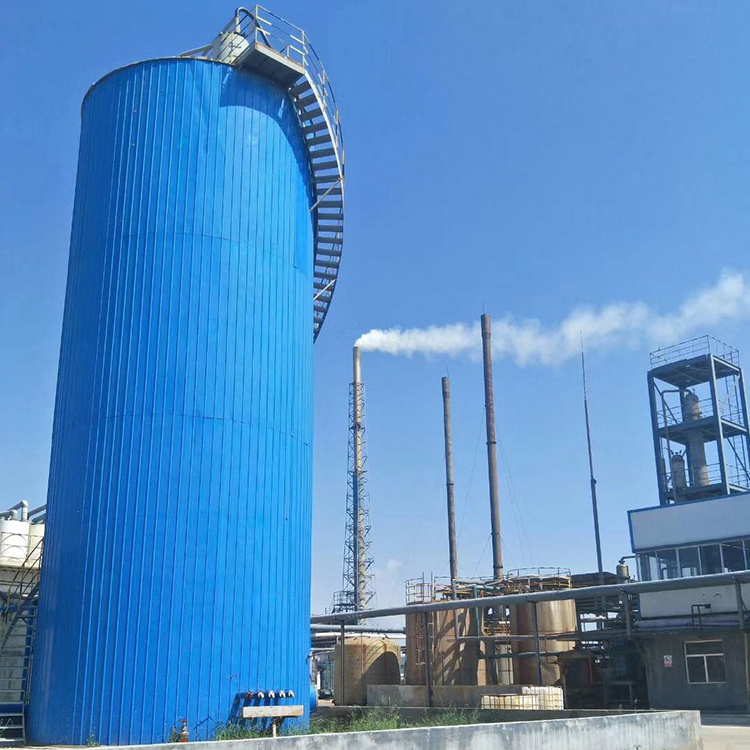
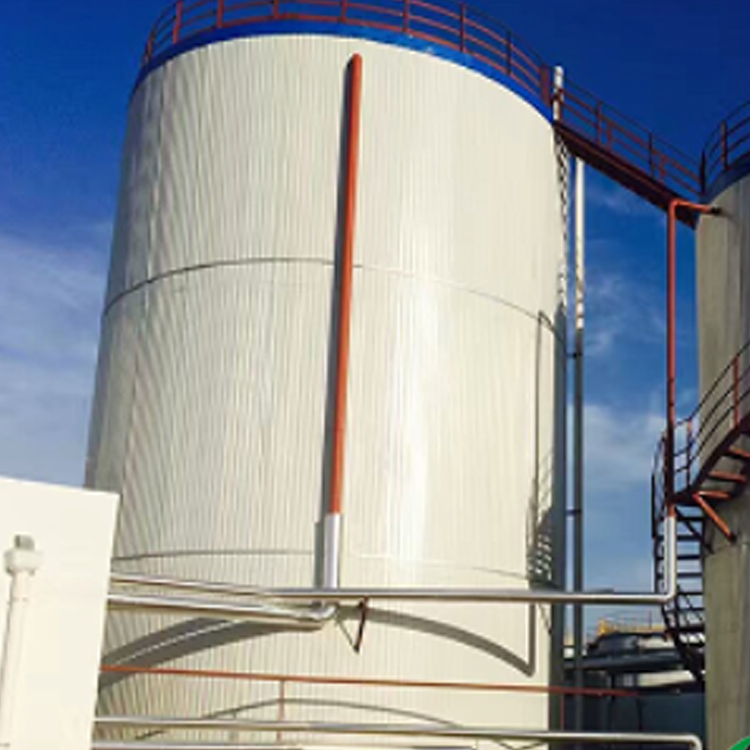
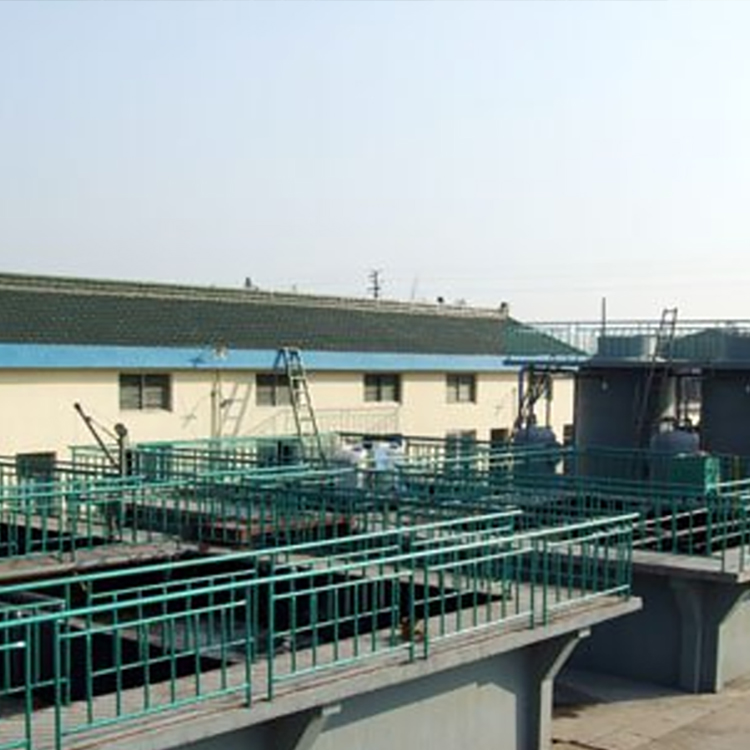
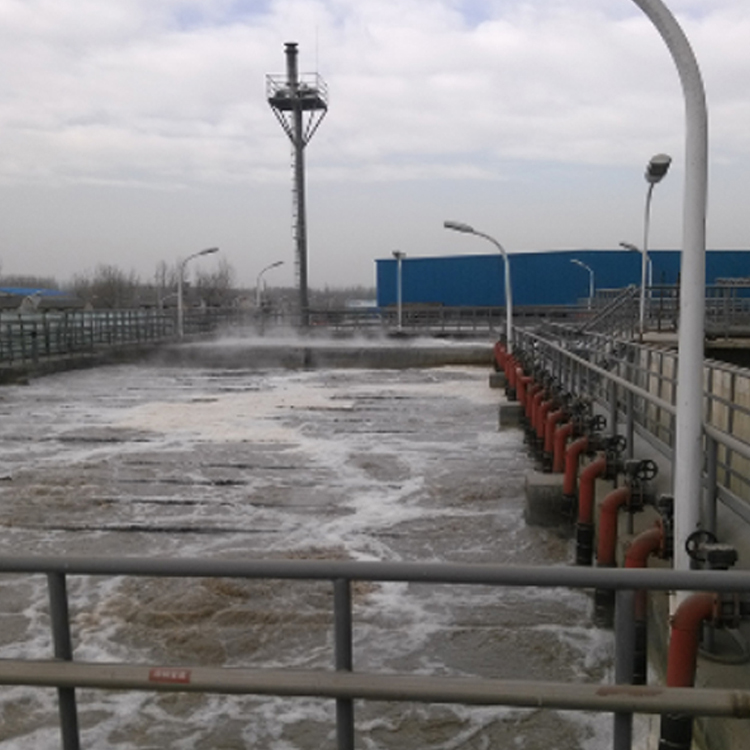
During industrial production, a large amount of wastewater is generated. After being effectively treated, the water quality meets the standards required for production use again and is reused in the production line in a cyclic manner. This process of recycling and reusing wastewater is known as recycled water reuse.
The reuse of reclaimed water projects holds significant promotional value. In recent years, with the rapid economic and industrial development and the continuous expansion of corporate scale, immense pressure has been exerted on water resources and the environment. Taking the Shandong Gaomi Labor Protection Gloves Base as an example, the first-phase reclaimed water project can treat up to 6,500 cubic meters of water per day, with the reclaimed water meeting the standards for washing and processing labor protection gloves. This maximizes water recycling within the industrial park, not only addressing water scarcity and environmental issues but also solving the problem of wastewater discharge.
Jinan Guangbo Environmental Protection Technology Co., Ltd. specializes in the design, construction, installation, and commissioning of wastewater treatment and reclaimed water reuse engineering for industrial enterprises, providing you with reliable wastewater reuse solutions.
Wastewater reuse after treatment is a necessity for many businesses and public institutions, mostly for reuse purposes, which is known as reclaimed water. The primary objectives are: 1) to utilize the water for various applications, thereby conserving water resources; 2) to address the water scarcity issues in many parts of our country. Urban wastewater reuse is quite common, such as for irrigation, washing the ground, lawns, flowers, and vehicles. However, the largest consumption is for industrial circulating cooling water, as seen in cities like Beijing and Shijiazhuang, Hebei, where the application has been effective. This approach not only prevents the waste of water but also alleviates the water scarcity in industrial enterprises, enhancing efficiency and energy savings. Similarly, wastewater reuse is also prevalent in various industrial sectors, such as coking plants reusing treated wastewater for quenching, steel mills continuously recycling treated water, and petrochemical companies recycling treated water back to oil fields, among others. Currently, some cities are considering reusing treated urban wastewater for household toilet use, which is a commendable idea though requiring significant investment. Pilot projects can be initiated in newly built residential areas.