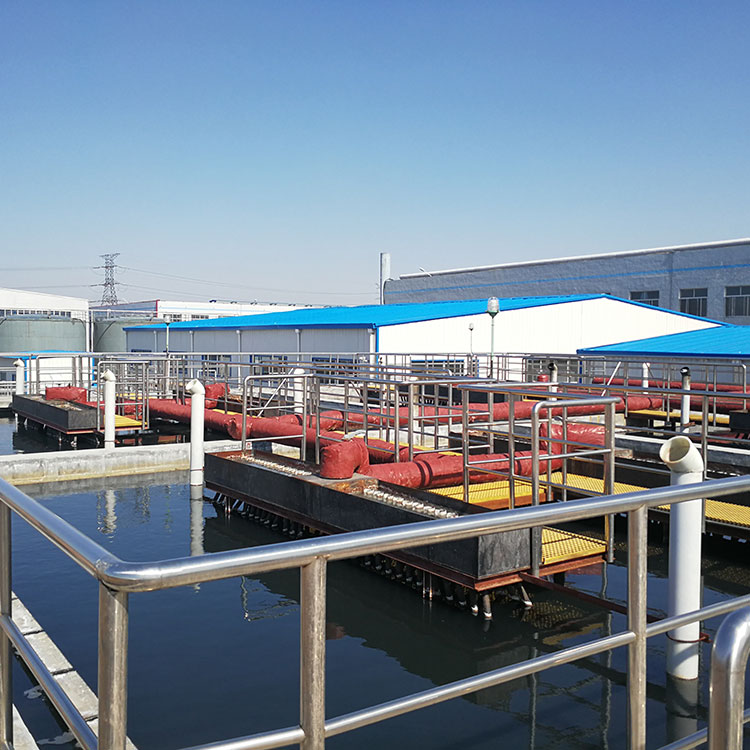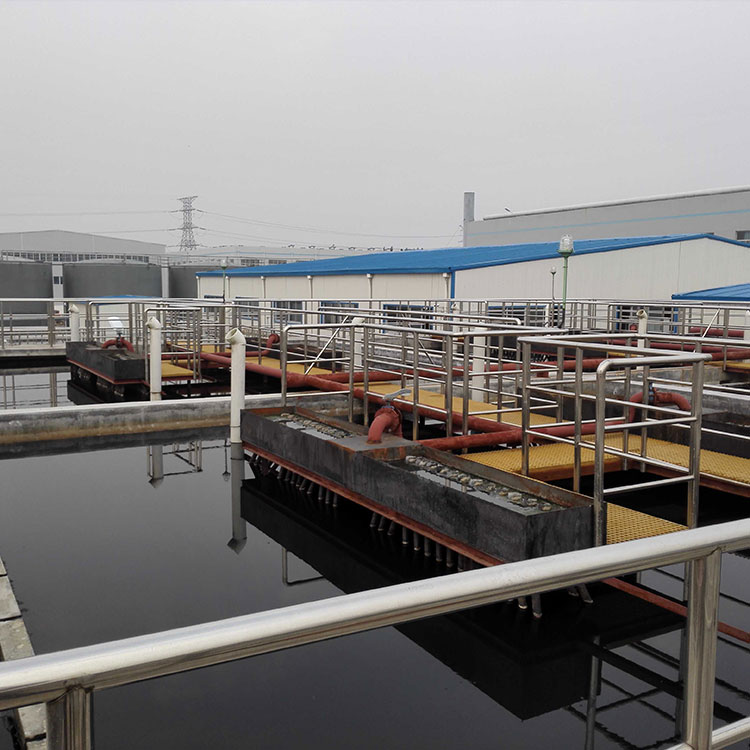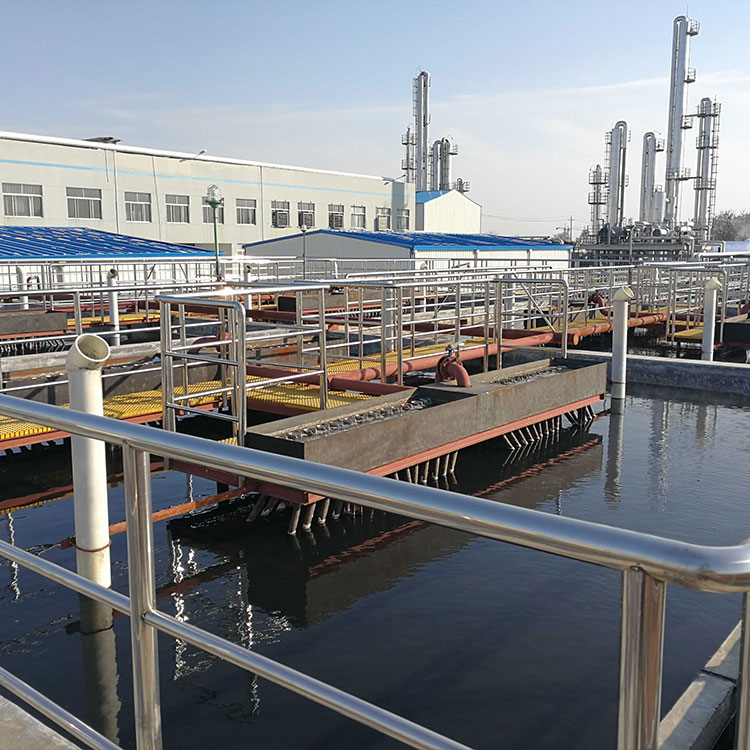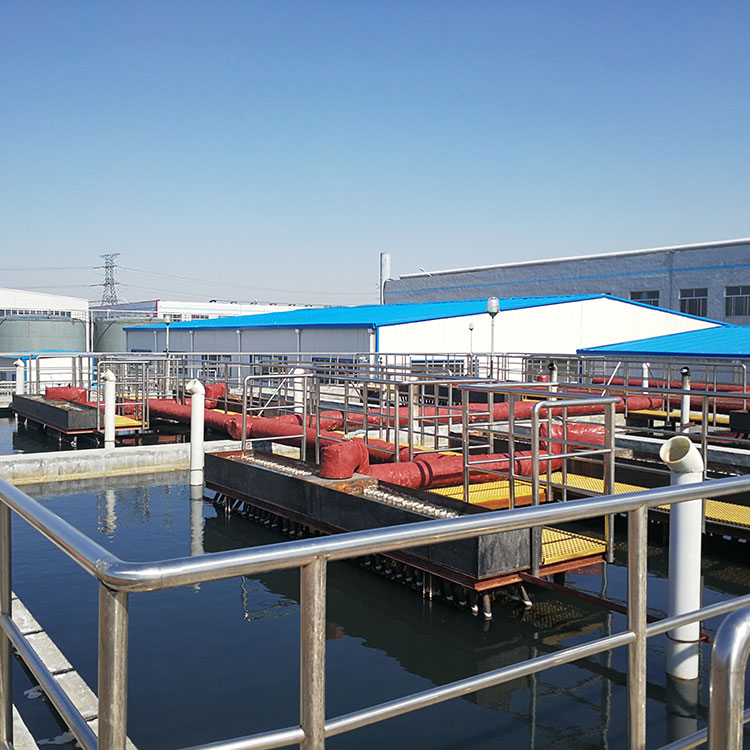
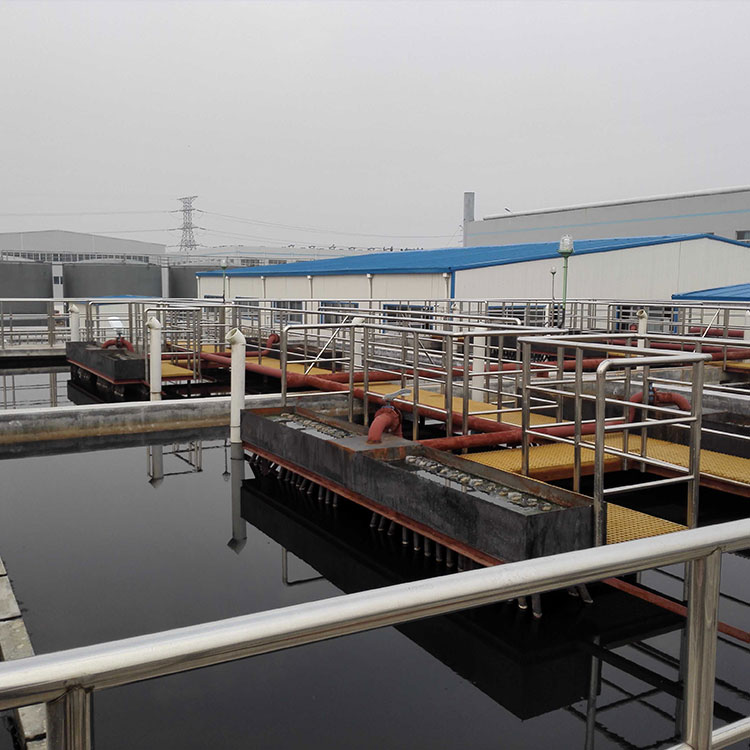


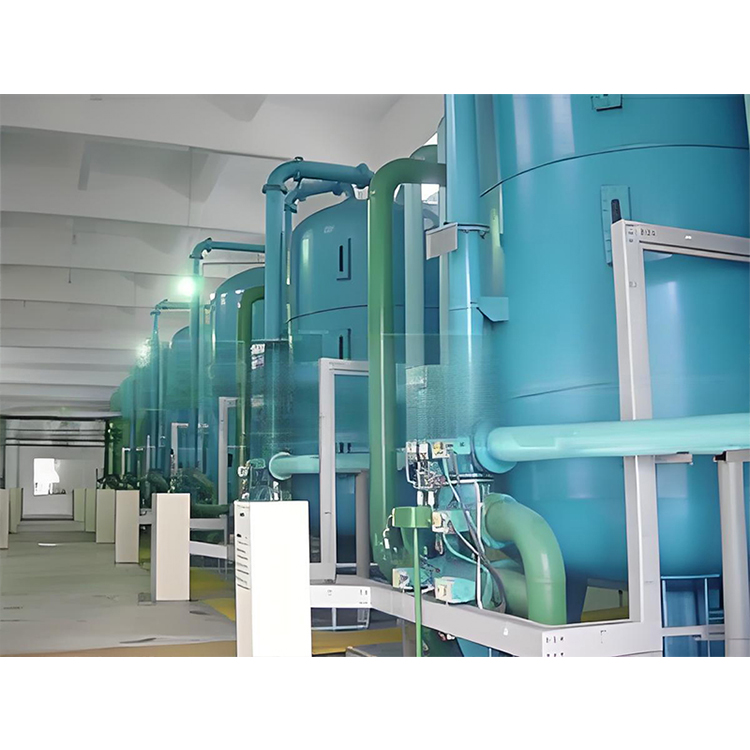
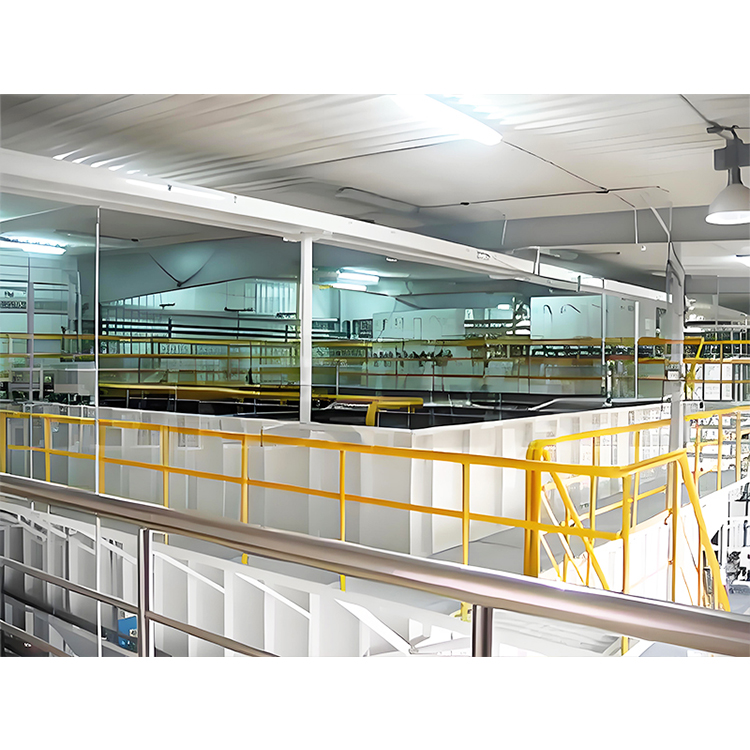
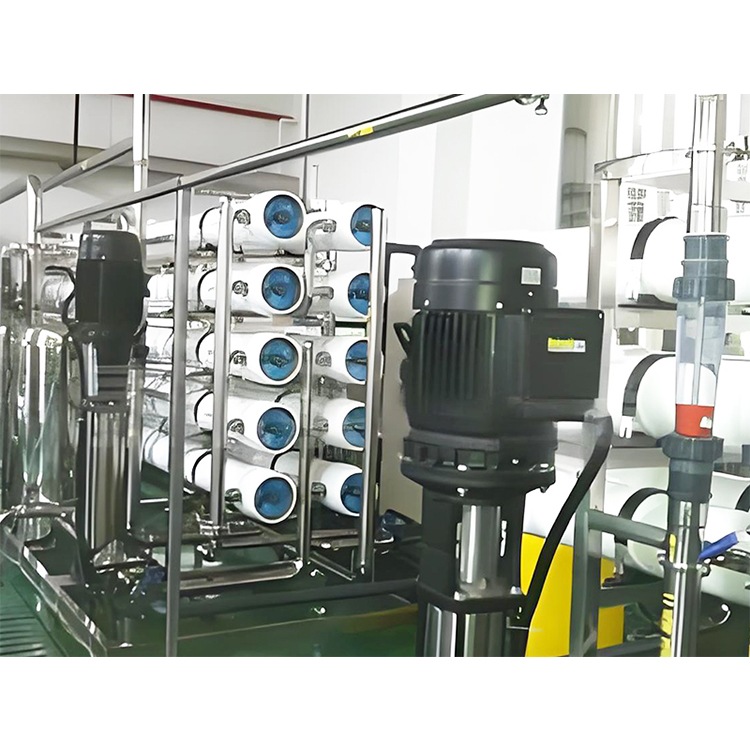
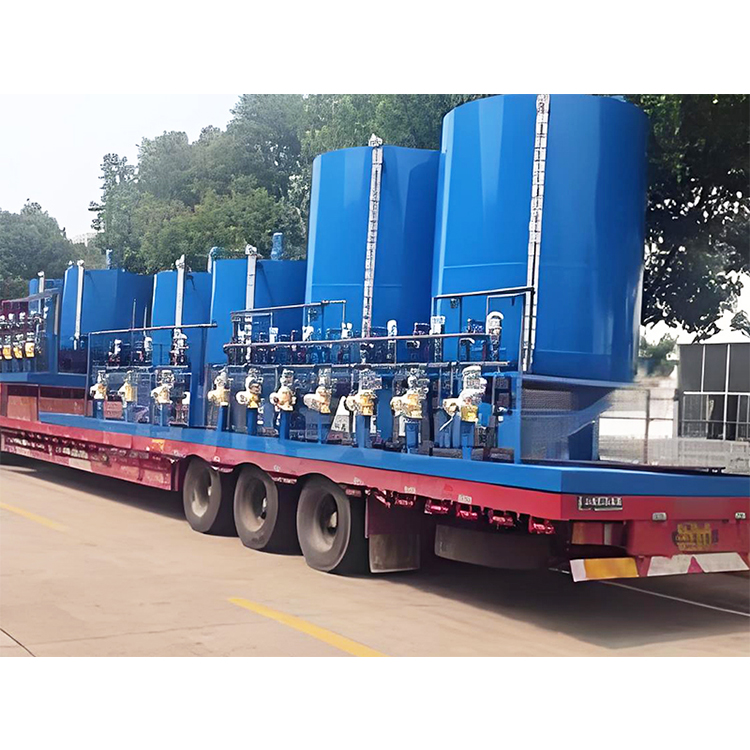





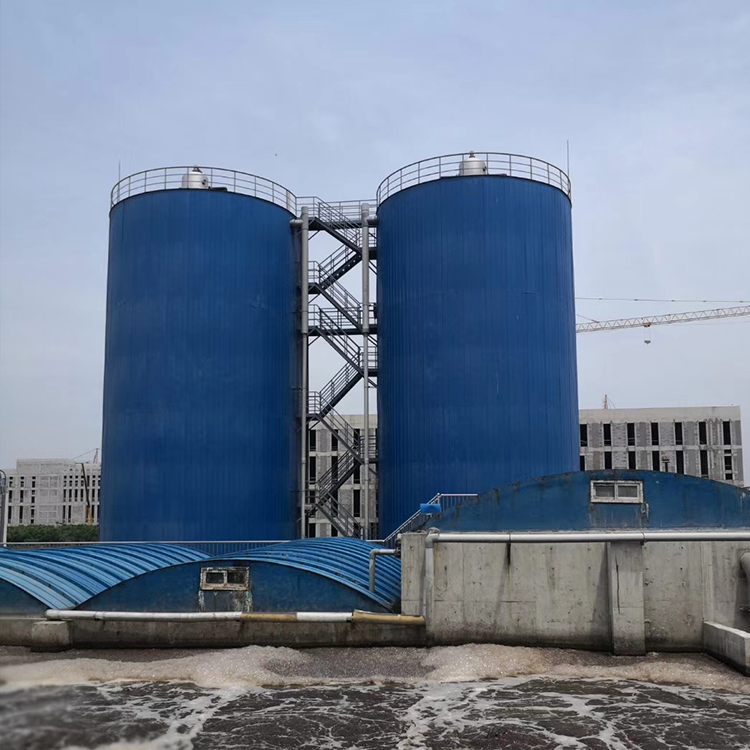
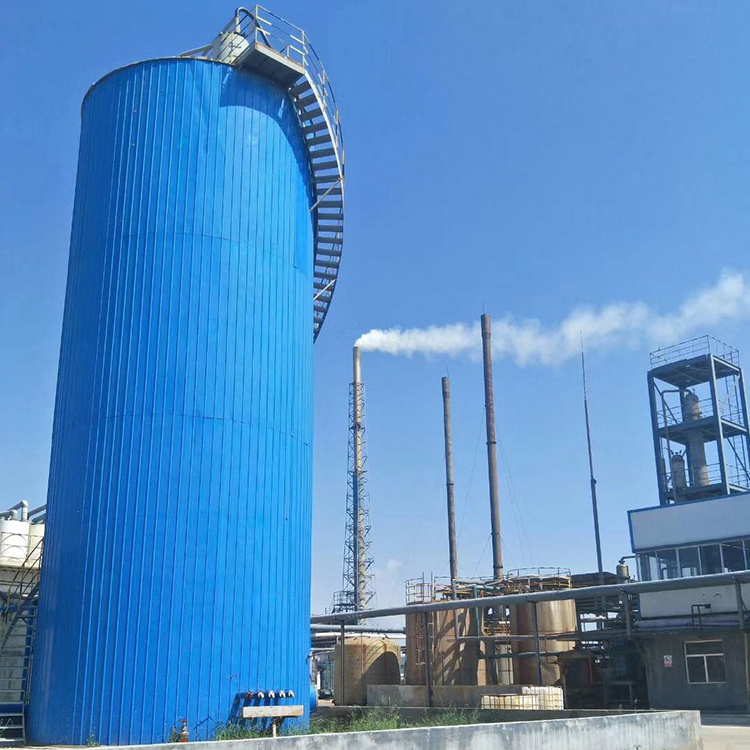
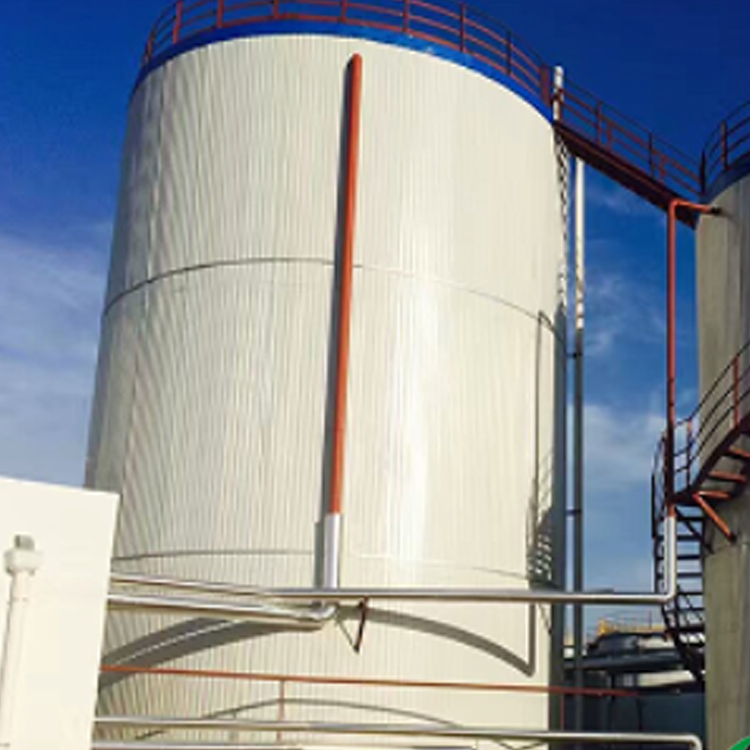
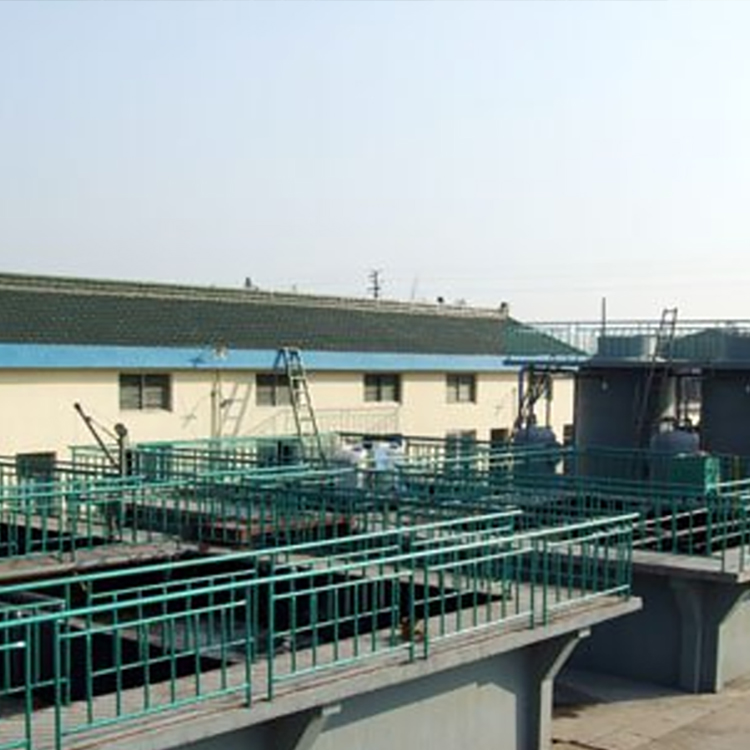
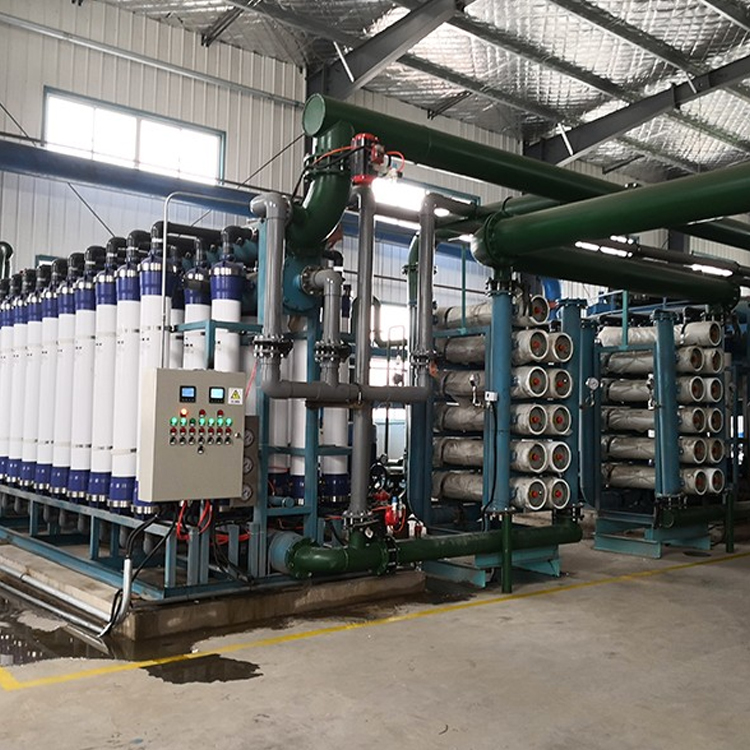
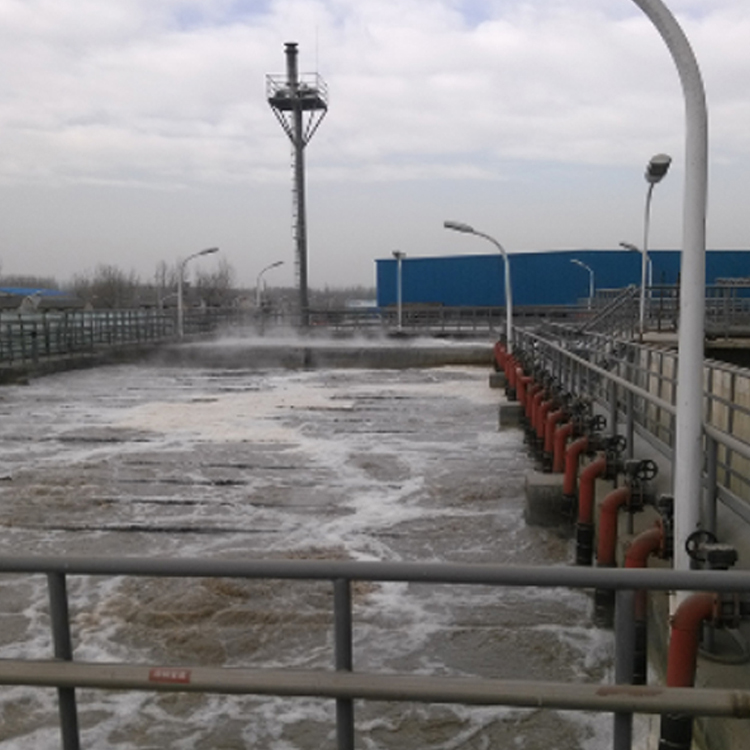
The new UASB reactor is based on engineering practices and incorporates advanced technologies from both domestic and international sources. It revolutionizes and innovates the traditional UASB reactor structure, achieving an internationally advanced level in the treatment of high-concentration organic wastewater. It has been applied in large starch factories, food wastewater treatment, glove production wastewater treatment, refined cotton cellulose wastewater treatment, textile dyeing wastewater treatment, and production of avermectin, vitamins, penicillin, etc. The process design is advanced, with strong wastewater treatment capabilities of the equipment, low energy consumption, and low operating costs, producing high gas yields. Each kilogram of COD can produce 0.58-0.6 cubic meters of gas, significantly exceeding the theoretical value of 0.35. The anaerobic sludge is fully granulated, effectively addressing the challenges of三相 separation, acidification control, and granular sludge production in UASB systems, and holds broad application prospects.
New UASB Anaerobic Reactor, Technical Advantages
High volumetric load: The sludge concentration in the reactor is high, with a large amount of microorganisms and a high organic load of incoming water.
2. The UASB has a high anaerobic sludge concentration, with an average sludge concentration of 20-40 g MLVSS/L.

3. Save on investment and land area.
High impact load resistance
5. Low power consumption; no mixing equipment required. The upward movement of biogas produced during the fermentation process keeps the sludge at the top of the sludge bed in suspension, also providing some degree of agitation to the lower sludge layer.
6. Sludge bed without carrier, saving construction costs and avoiding blockage issues caused by packing material.
7. Good effluent stability
8. Short start-up cycle, high sludge activity in the reactor, fast biological proliferation, providing favorable conditions for quick reactor start-up.
9. Biogas utilization has high value; the purity of the biogas produced by the reactor is high, with 70%-80% CH4, 20%-30% CO2, and 1%-5% of other organic matter, which can be used as fuel.
New UASB Anaerobic Reactor: Current Application and Future Prospects
Novel UASB Anaerobic Reactor
Demonstrated and verified in 46 enterprises across the chemical and light industry sectors, achieving favorable economic, environmental, and social benefits.
The advanced UASB reactor series boasts a range of technical advantages and successful engineering practices, having become a mature and feasible wastewater treatment process for the resourceful utilization of sewage sludge, effectively addressing environmental pollution issues.