









What are the structural classifications of stainless steel tanks?
Horizontal storage tanks are long containers used for storing crude oil, vegetable oils, chemical solvents, water, or other petroleum products. Horizontal storage tanks consist of end caps and horizontal circular or elliptical tank walls, with saddle supports, and are commonly used in production processes or at gas stations. The volume of horizontal storage tanks is generally less than 100 cubic meters, and they are typically circular, elliptical, or have other irregular shapes.
Horizontal storage tanks are long containers used for storing crude oil, vegetable oils, chemical solvents, water, or other petroleum products. They consist of end caps, horizontal circular or elliptical tank walls, and saddle supports, and are commonly used in production stages or gas stations. The volume of horizontal storage tanks is generally less than 100 m3 and usually takes irregular shapes such as circular or elliptical. Horizontal storage tanks come in various types, categorized as:
A semi-submerged horizontal tank refers to a horizontal tank where the buried depth exceeds half the height of the tank, with the oil level in the horizontal tank not exceeding 2 meters above the low standard elevation of the adjacent area.
2. Underground Horizontal Storage Tanks - These are horizontal tanks where the oil level inside is 0.2m below the low benchmark of the adjacent area, with a soil cover thickness of at least 0.5m on the tank top. These tanks have low loss and low fire risk.
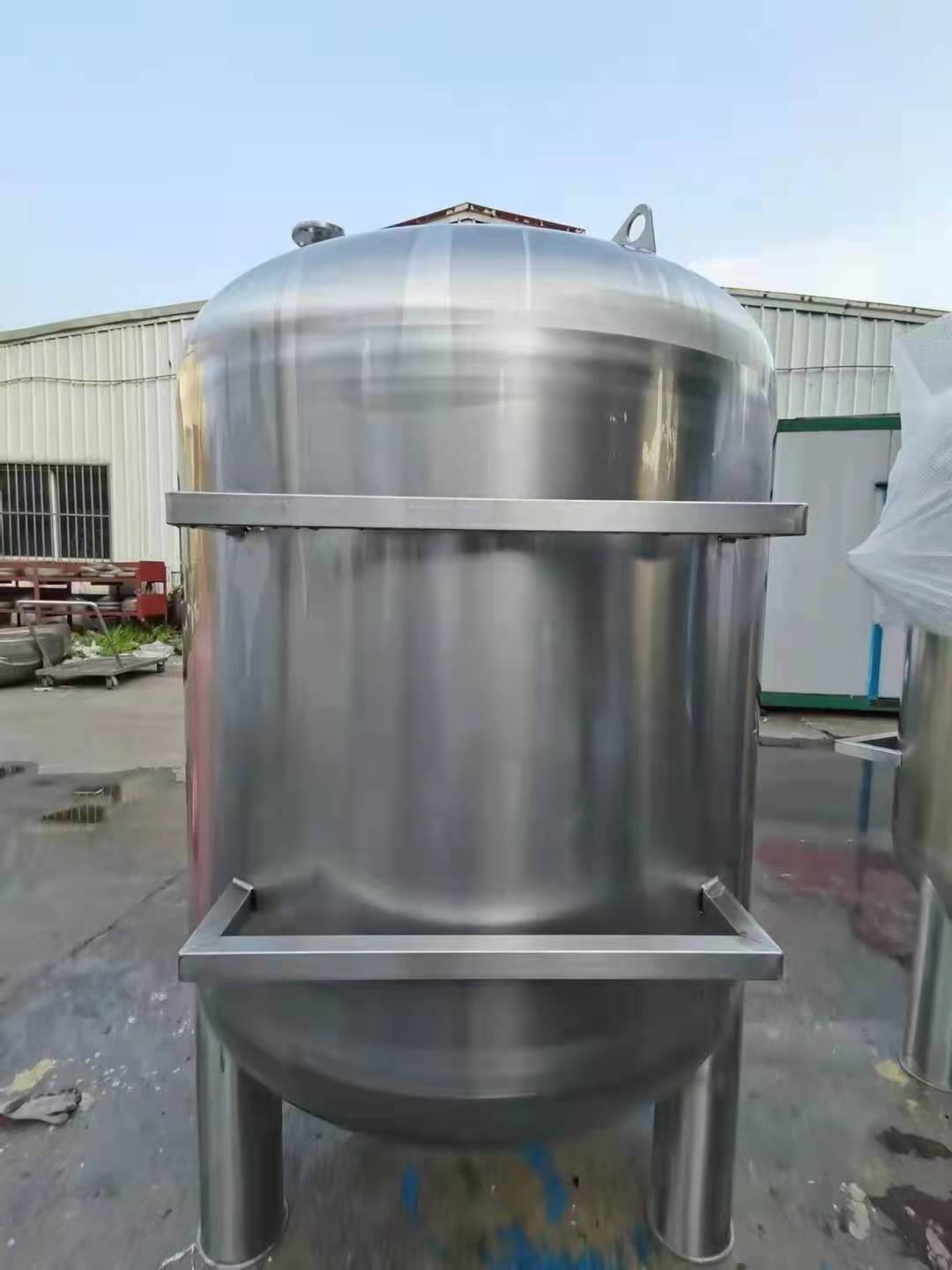
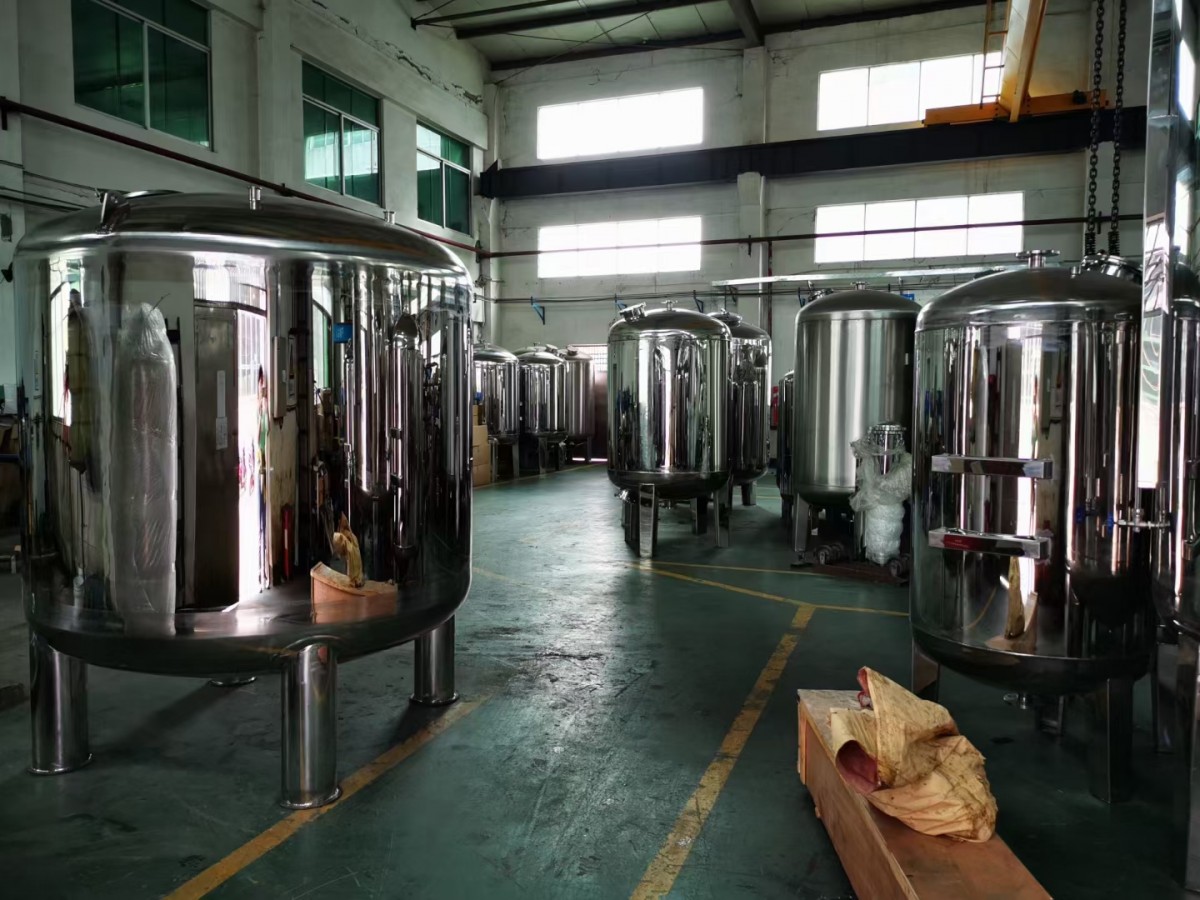
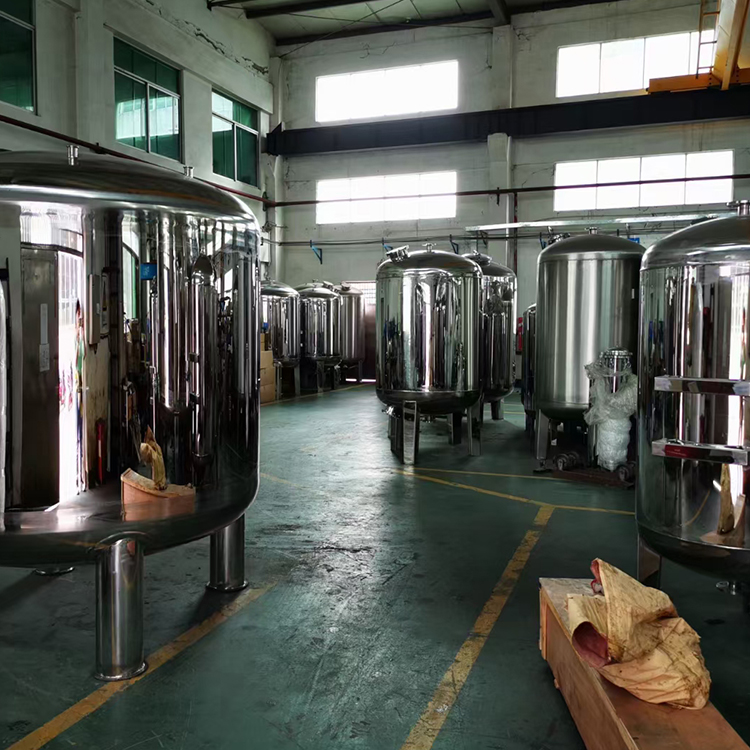
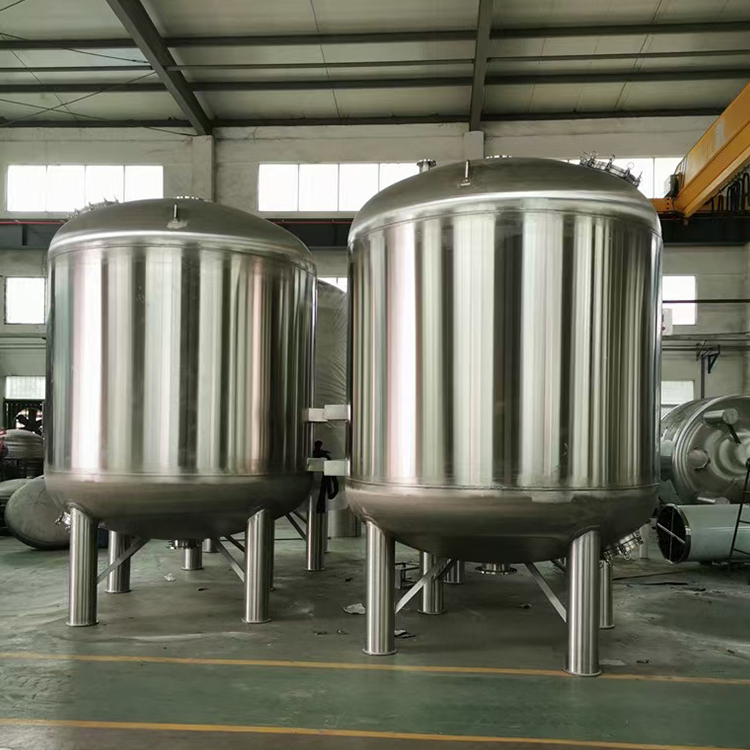
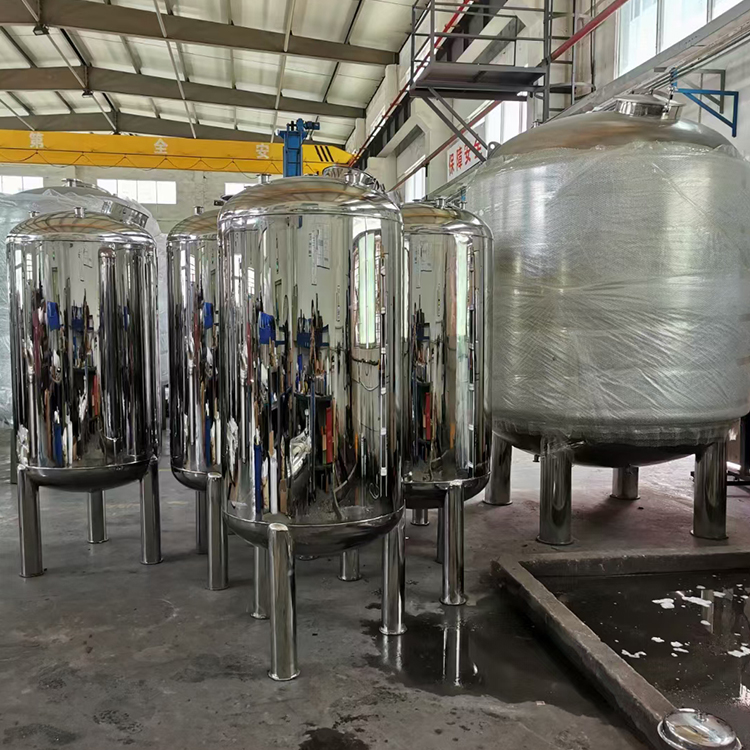
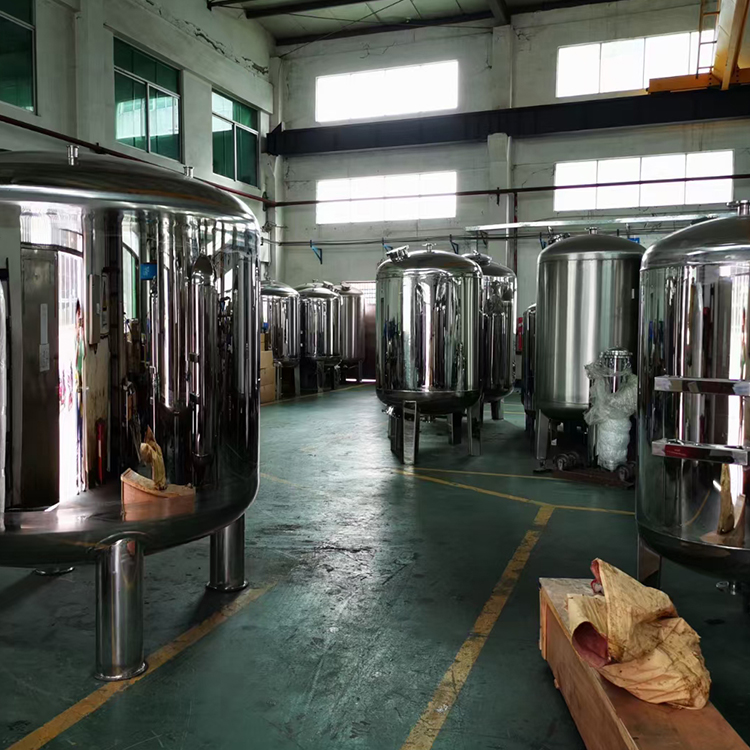
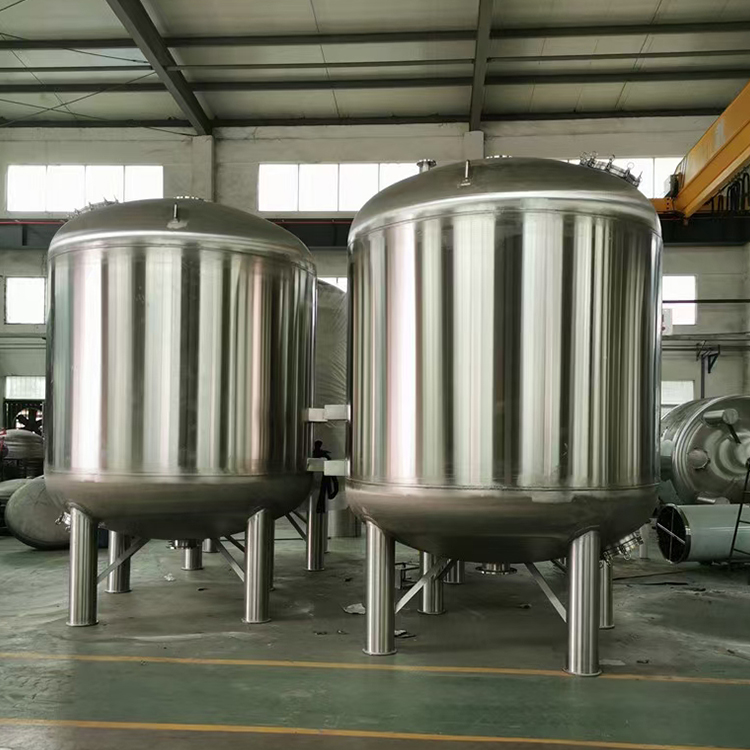
Section 2: Characteristics of Stainless Steel Water Tanks:
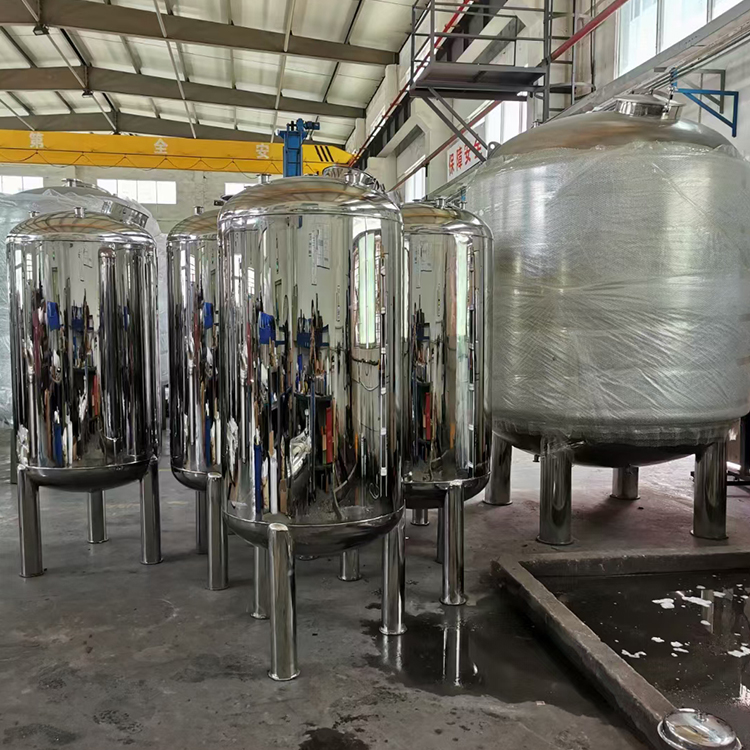
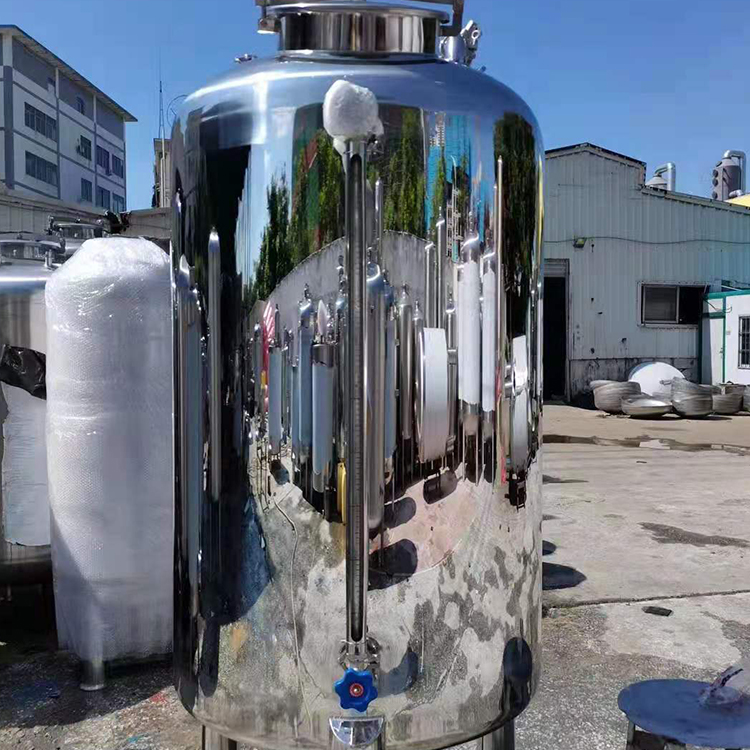
Stainless steel water tanks offer aesthetic appeal, lightweight, low cost, long lifespan, easy installation, and versatile applications.
2. Sanitary and non-toxic, highly corrosion-resistant, fully reflective and heat-absorbing, algae-free inside, ensuring clean water quality at all times.
3. The stainless steel water tank is equipped with air filtration and a checkable cleaning manhole, as well as anti-poisoning locking devices to protect the water source from secondary contamination. It is an international storage and supply equipment of today and is an excellent choice for residential water tanks.
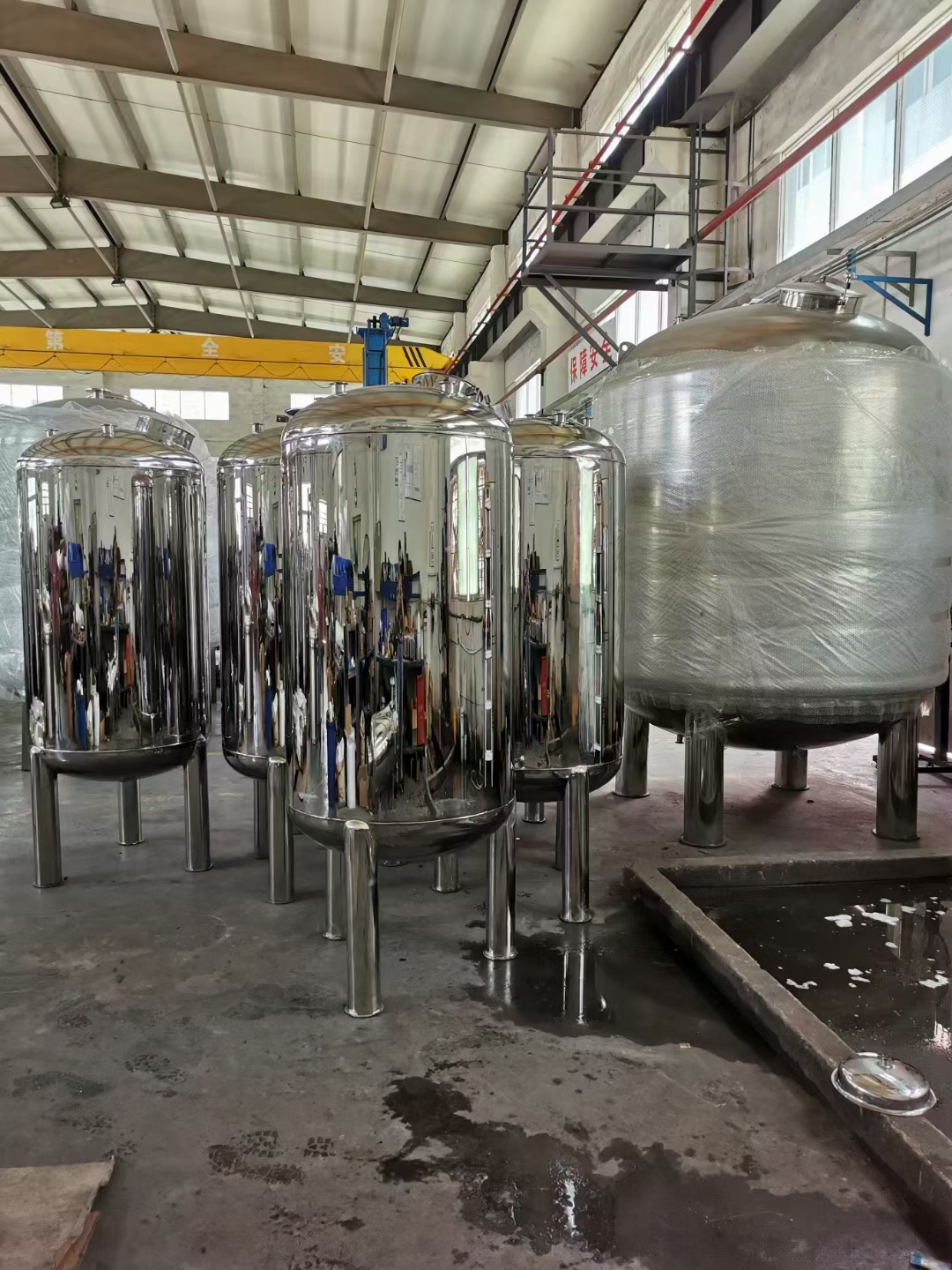
Section 3: What to note when using the stainless steel water tank:
1. The stainless steel tank boasts excellent corrosion resistance, unaffected by external air and residual chlorine in water. Each spherical tank undergoes overpressure testing and inspection before shipment, with a service life of over 20 years under atmospheric pressure. Note: This is under atmospheric pressure!
2. The stainless steel storage tank has excellent sealing performance; the sealing design completely prevents harmful substances and insects from entering the tank, ensuring the water quality remains unpolluted by external factors and does not breed red worms.
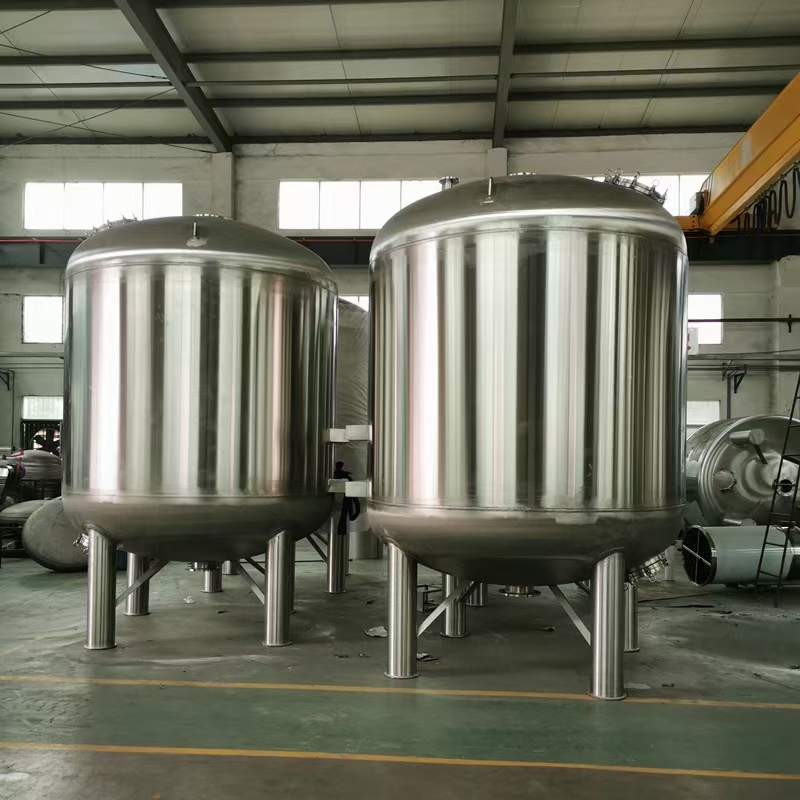
3. During transportation, stainless steel storage tanks should be carefully positioned for hoisting. Hoisting equipment must rely on supports, the tank body, or hooks for support; tabs, pipe openings, or bottom covers, etc., are not allowed to be pulled. When lifting, the equipment must not collide with other objects, and care should be taken during lifting and placement. Upon entering the installation site, the stainless steel tank should be smoothly dragged; rolling or prying, etc., unstable methods should not be used.
4. When storing as backup, pay attention to the stainless steel water tanks. Store indoors if possible, and when outdoors, cover them to protect from sun and rain, and prevent being bumped. Check for any standing water during winter to avoid freezing damage. For stainless steel tanks or reactors equipped with mechanical seals, protect the sealing components and keep them clean.