







Difference Between Variable Frequency Construction Hoists and Non-Variable Frequency Construction Hoists
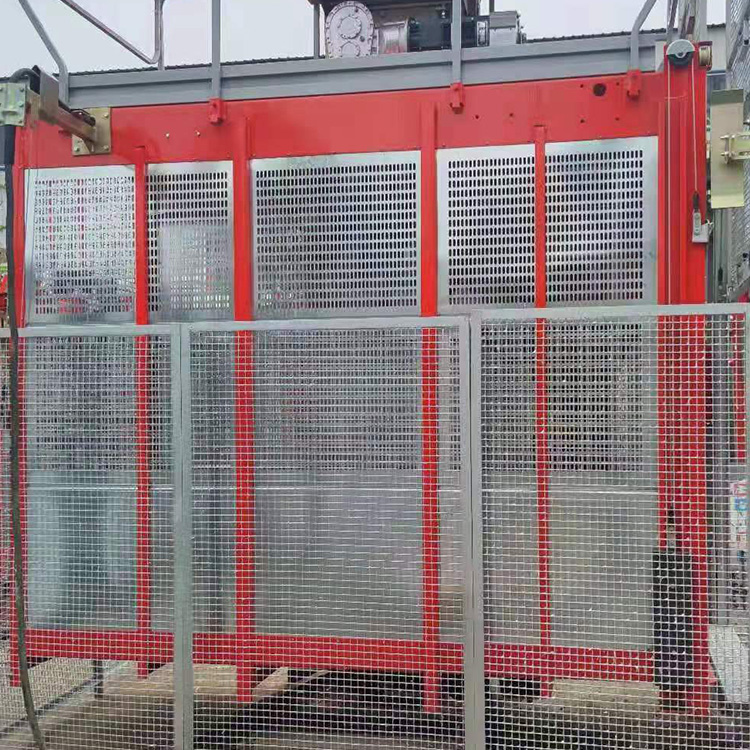
One, General hoists, as vertical transportation equipment for conveying scattered materials and personnel in high-rise buildings, have been widely used on construction sites. Most hoists have a load capacity of 1 to 2 tons. The main characteristics of the main system are as follows:
1. Control System
The control system is a critical component of construction hoists, determining the overall performance quality. The control method of ordinary hoists is typically through contactors, resulting in a single speed, with significant shock during start-up and braking, leading to severe damage to the structure and mechanisms, and increased risk of electrical component failure. The operational speed is generally low, around 34-38m/min, which not only affects construction speed but also hampers the efficiency of construction companies. Simply increasing the speed would lead to excessive acceleration, causing excessive impact on the structure and mechanisms, thereby accelerating the wear on gears, racks, and brake discs, ultimately reducing operational reliability.
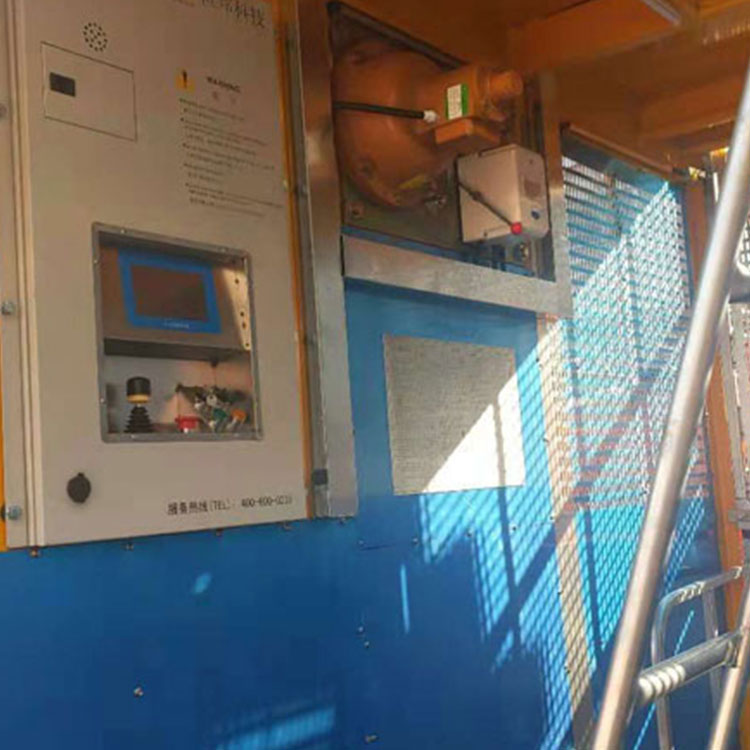
2. Flat System
The ordinary lift reduces speed directly to zero when descending to a level without any creeping process. The lift's leveling is manually controlled by the driver through visual estimation, which is inefficient and often requires several up and down manual operations to accurately stop at a level. This not only reduces efficiency but also increases the fatigue of the dragging and control system, shortening its lifespan. It also prevents the movement of materials inside, wasting time and affecting work efficiency.
3. Start-up and Braking System
The start-up of conventional hoists is typically done through direct start or star-delta reduced voltage start, resulting in significant shock that can cause severe damage to the motor and electrical components. Additionally, materials inside the hoist are prone to falling, especially in construction site hoists where passenger transport is also common, posing significant safety hazards. The braking mechanism of conventional hoists uses a mechanical wedge brake for forced braking. When the hoist suddenly decelerates from high speed to zero, due to inertia, it not only damages the structure and mechanism but also increases the risk of materials inside the hoist falling, creating potential safety issues.