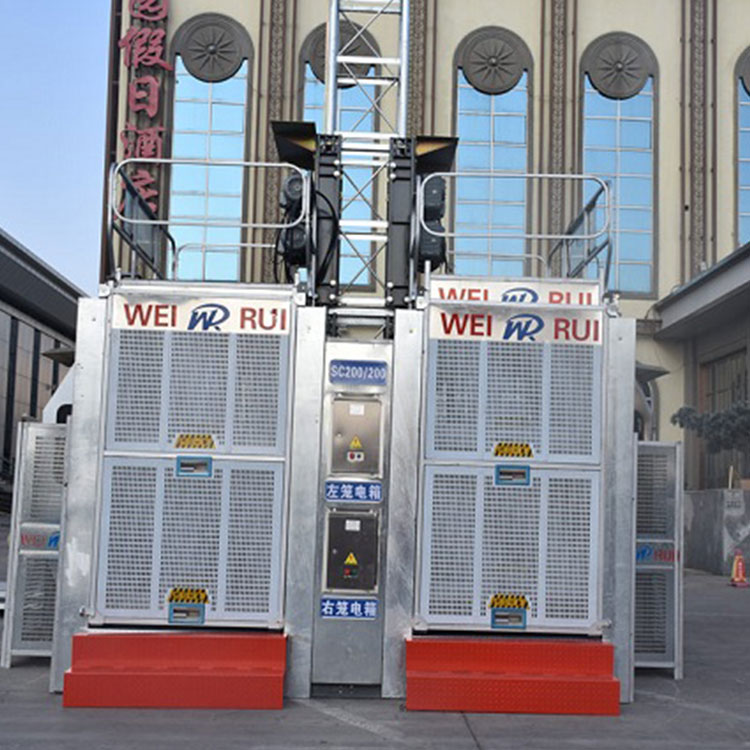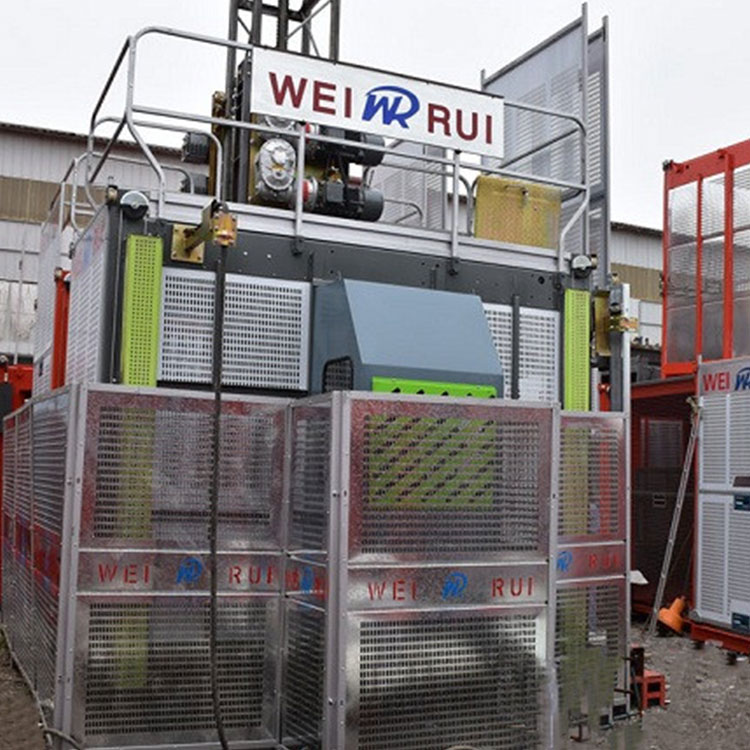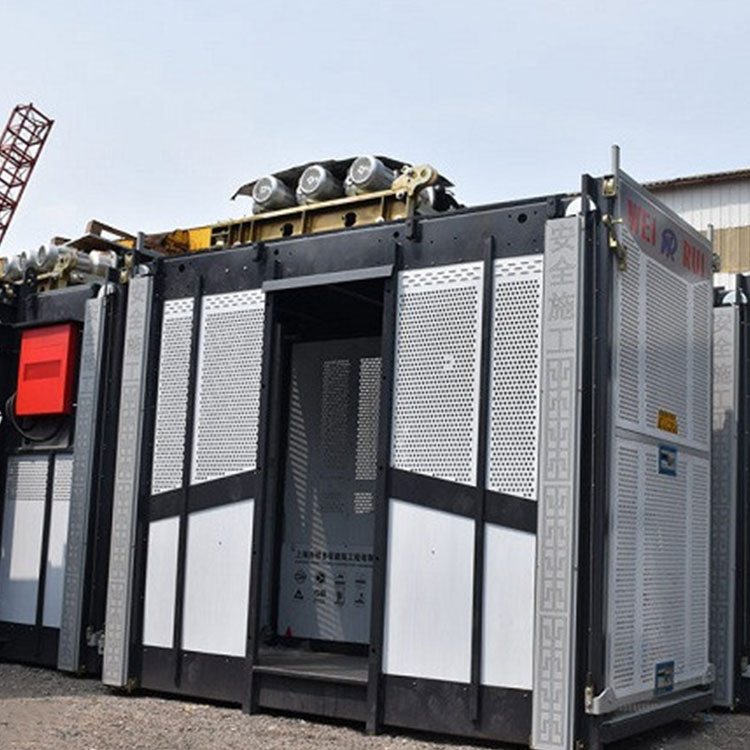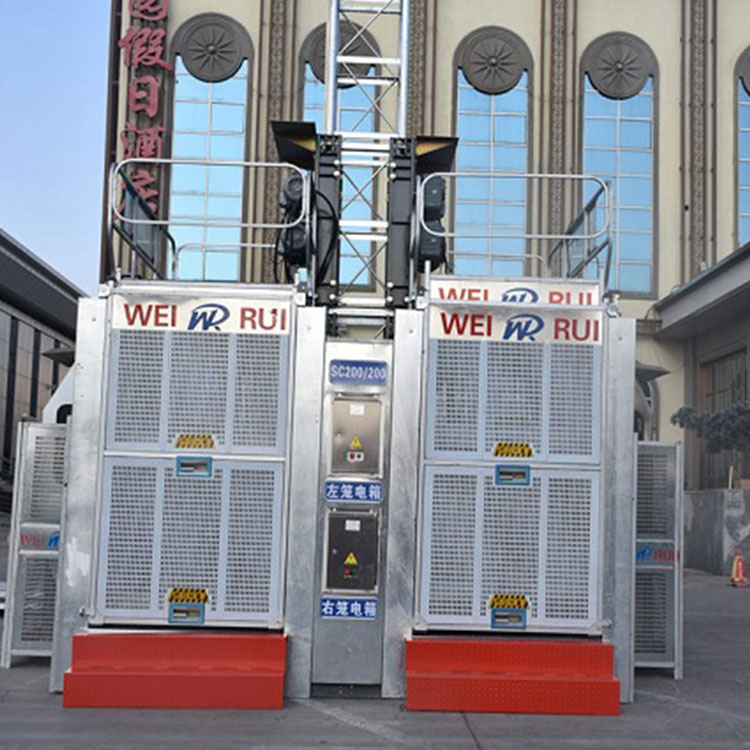

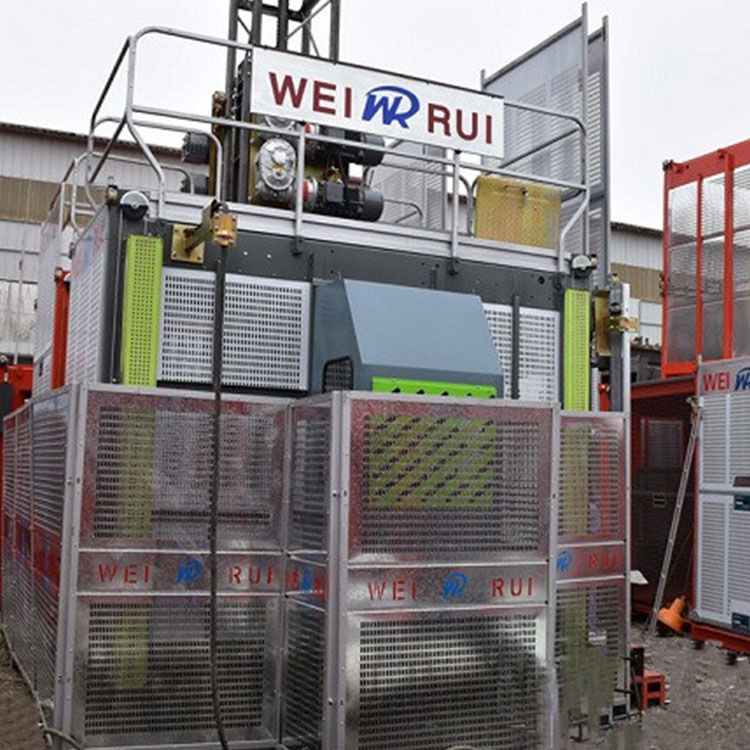
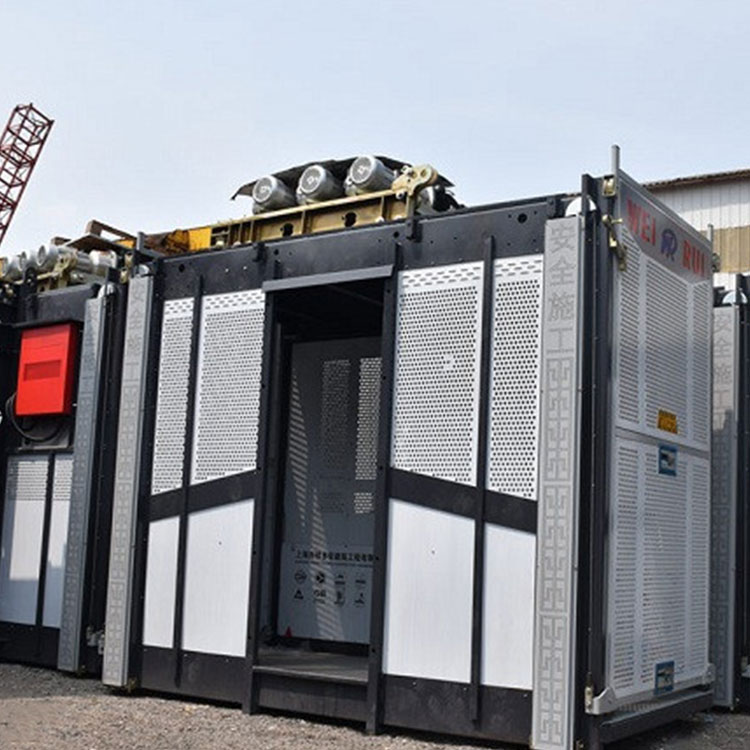







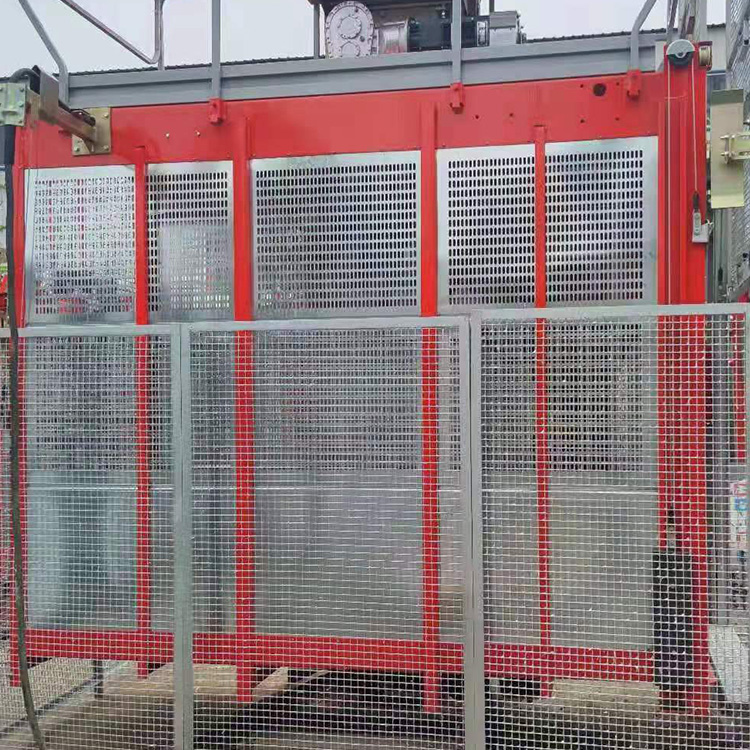
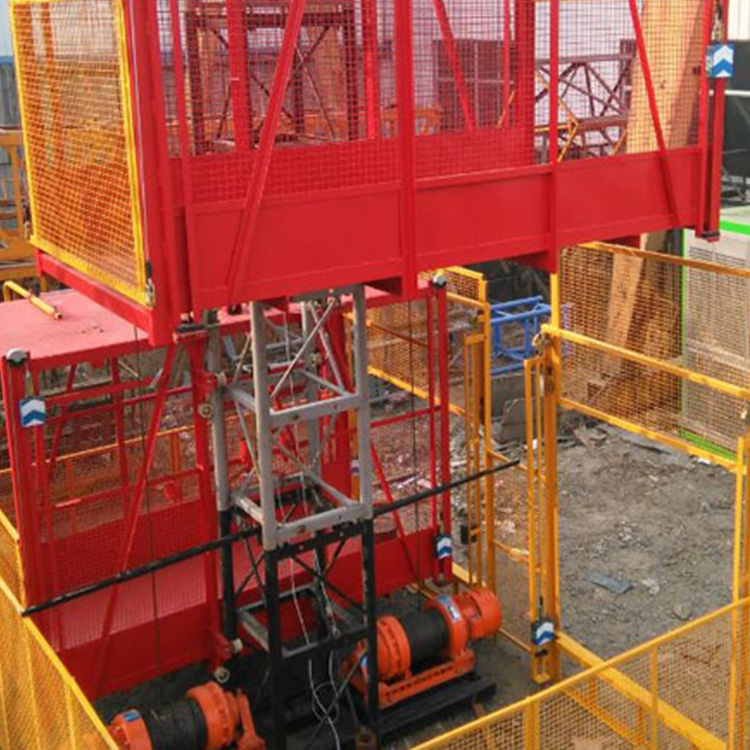
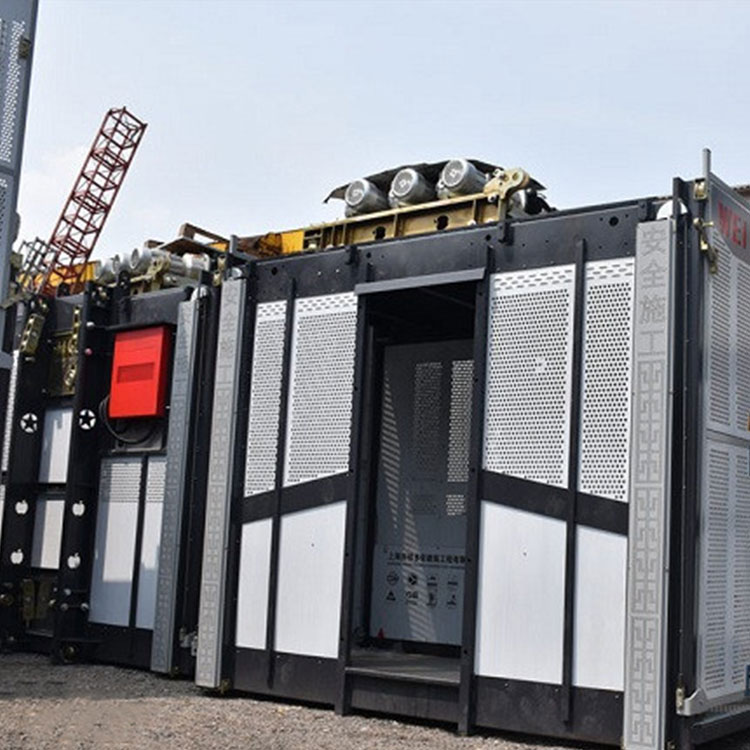
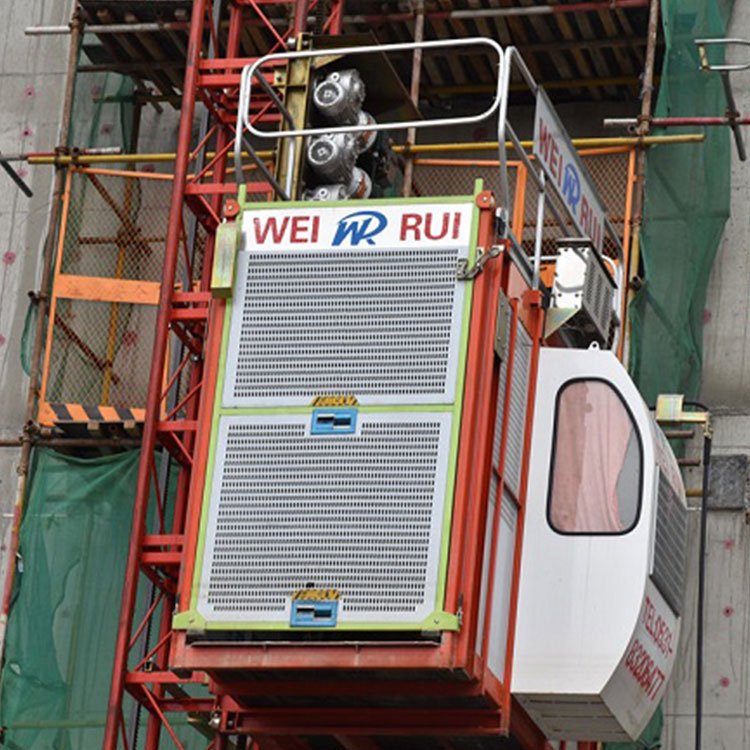
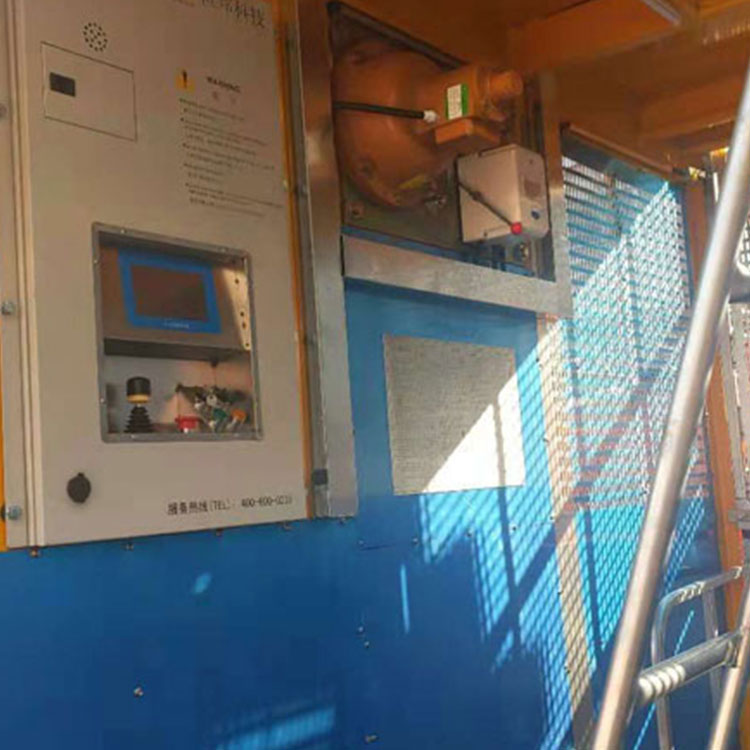
Construction elevators are the main construction equipment responsible for the dual vertical transportation of personnel and materials at construction sites, with extremely high safety performance requirements. They are also among the large-scale construction equipment that significantly impacts construction progress. Due to their use in multi-story buildings with substantial work volume and high number of floors, construction elevators tend to have long operating times and considerable heights, leading to numerous potential safety hazards during use.
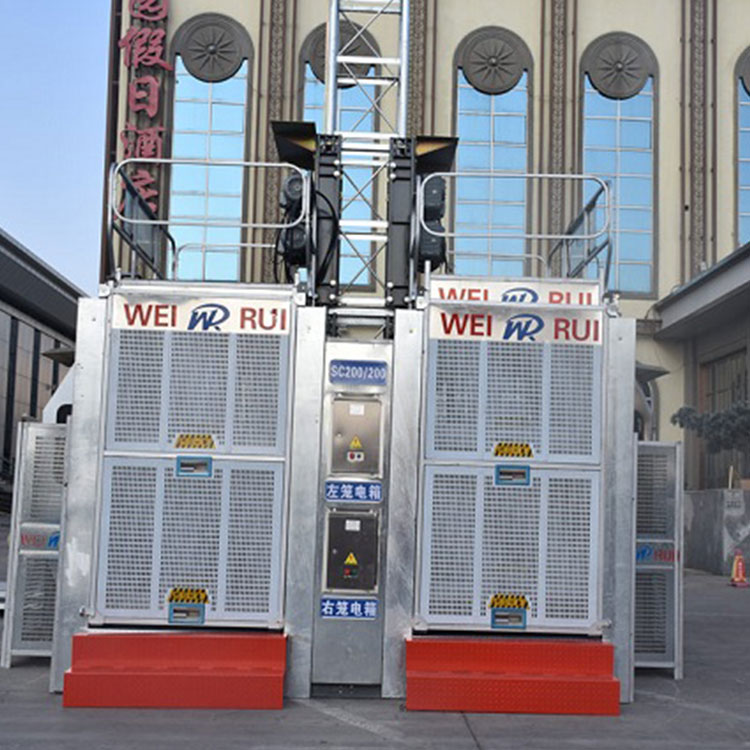
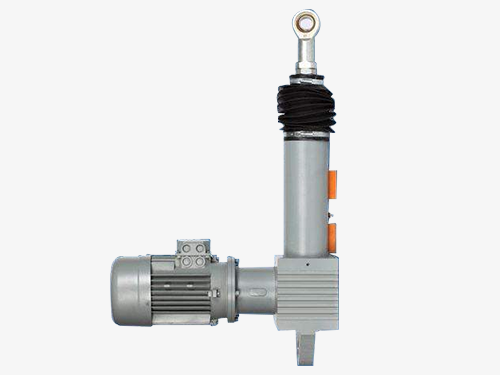
Construction elevators are composed of many components, such as reducers, worm gears and worms, motors, coils, brake assemblies, CIHSS anti-fall devices, driving pinions, roller wheels, back wheels, brake pads, limit switches, overload limit switches, speed governors, standard sections, pulleys, pulley shafts, winch couplings, high-strength bolts, hooks (complete set), connecting sleeves, material hoist wheels, frame accessories, wall mounting accessories, telescopic drums, limit switches, couplings, copper turbines, interlocked platforms, complete reversing reducers and accessories, various operation cabins, bearings, rods, props, wall mounting frames.
With the increasing construction of high-rise and ultra-high-rise buildings, the use of construction elevators for vertical transportation of building materials and personnel is also becoming more frequent. Ensuring the safe and stable operation of construction elevators on-site requires close collaboration among all units, departments, and links, as well as the enhancement of safety awareness among all management and construction personnel, to collectively eliminate potential safety hazards.