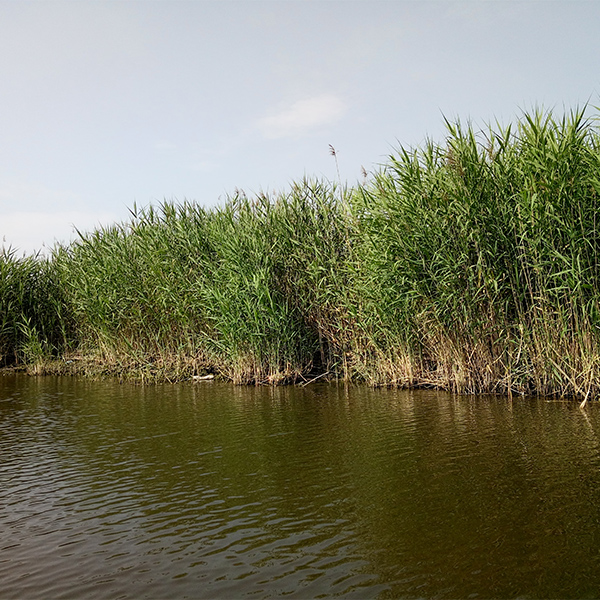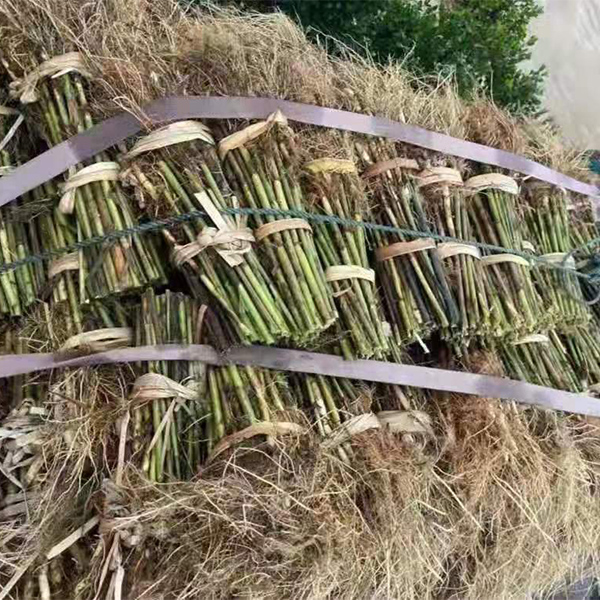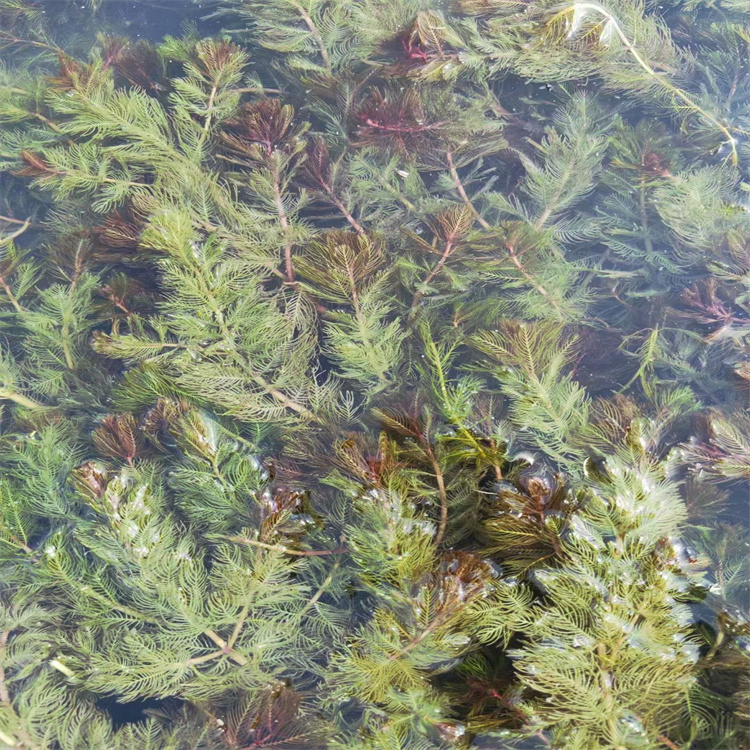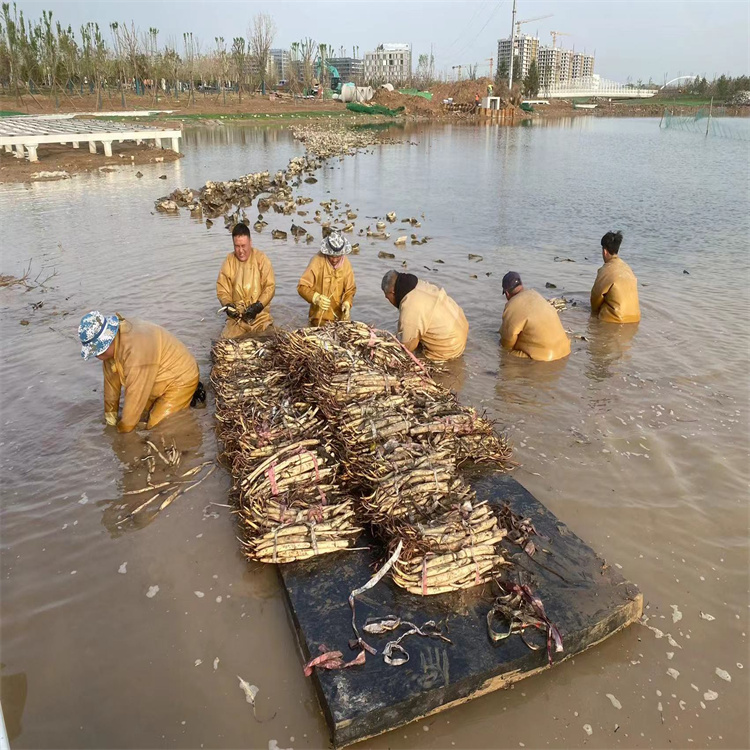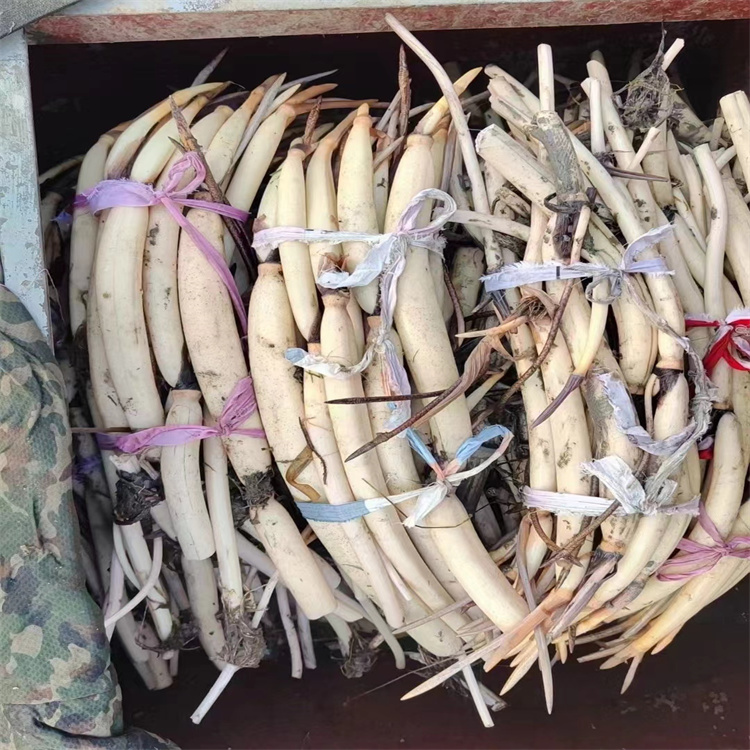

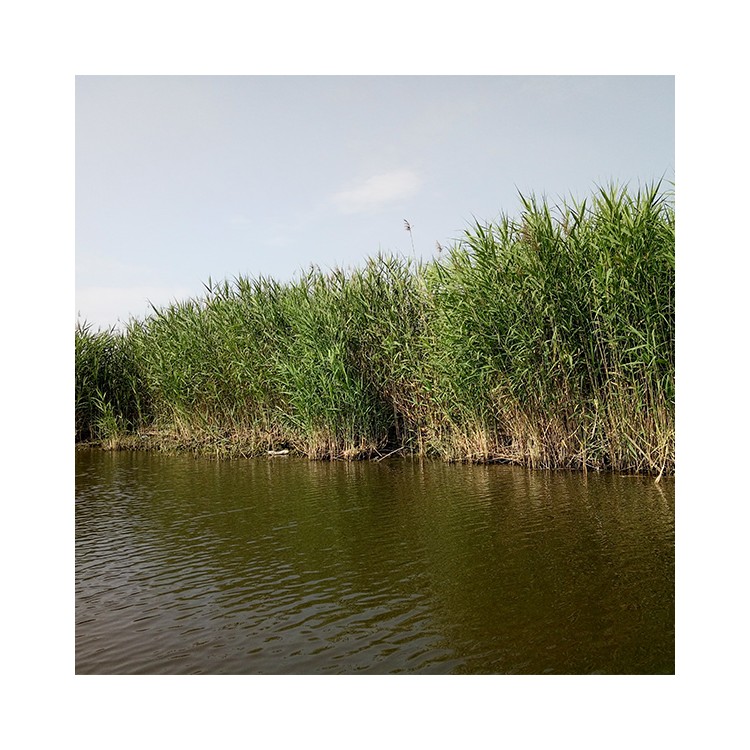

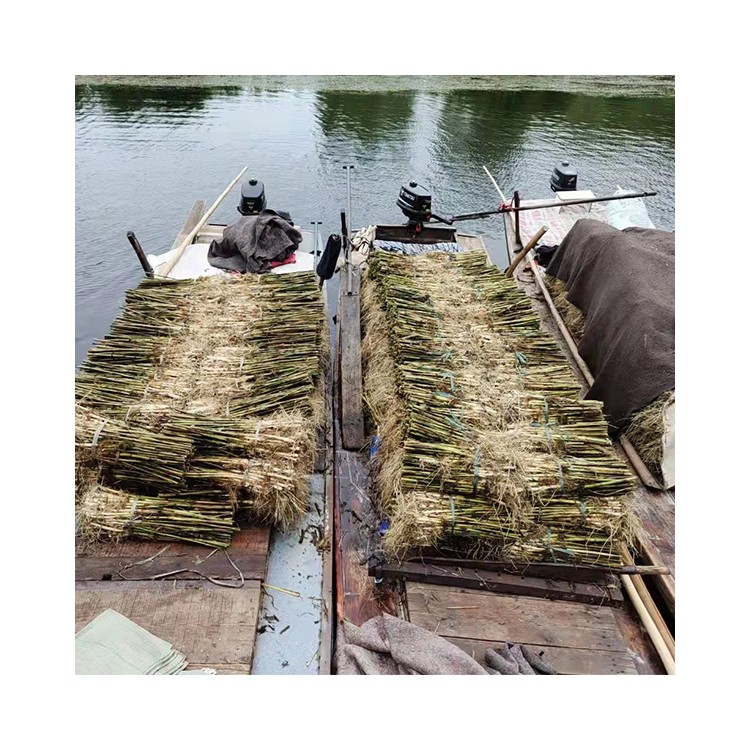
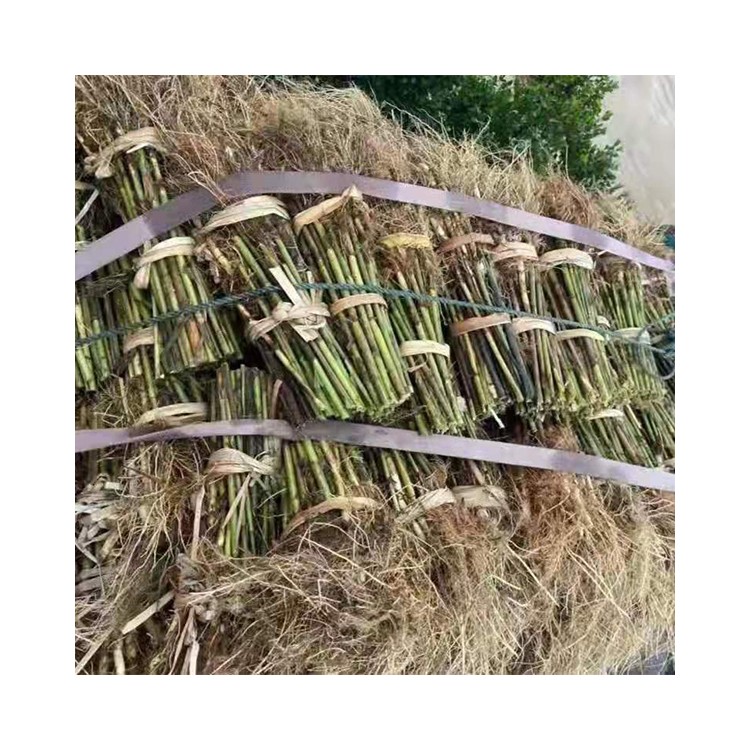










Reed Seedlings: Reed, a tall aquatic or wetland grass, grows along irrigated ditches, river embankments, and swamps worldwide. Its leaves, flowers, stems, roots, and bamboo shoots are all used in medicine. Reed stems and roots can also be used in the paper industry and biopharmaceuticals. Processed reed stems can be turned into craft items. In ancient times, people used reeds to make brooms. Reed is one of the main plants growing in wetland environments, often found in ponds, riverbanks, and shallow water areas, forming reed swamps. Yu Yafei's poem describes it as: "In the shallow, wetland, graceful reeds grow in clusters; Swaying in the wind, they display a multitude of postures; Simple and unadorned, their wild charm is profound." The reed stems are upright, tall, swaying in the breeze, brimming with rustic charm. Due to the aerenchyma present in the leaves, sheaths, stems, rhizomes, and adventitious roots, reeds play a crucial role in purifying wastewater. Reed stems are sturdy with a high fiber content, making them a rare raw material in the paper industry. They grow more commonly near lakes.