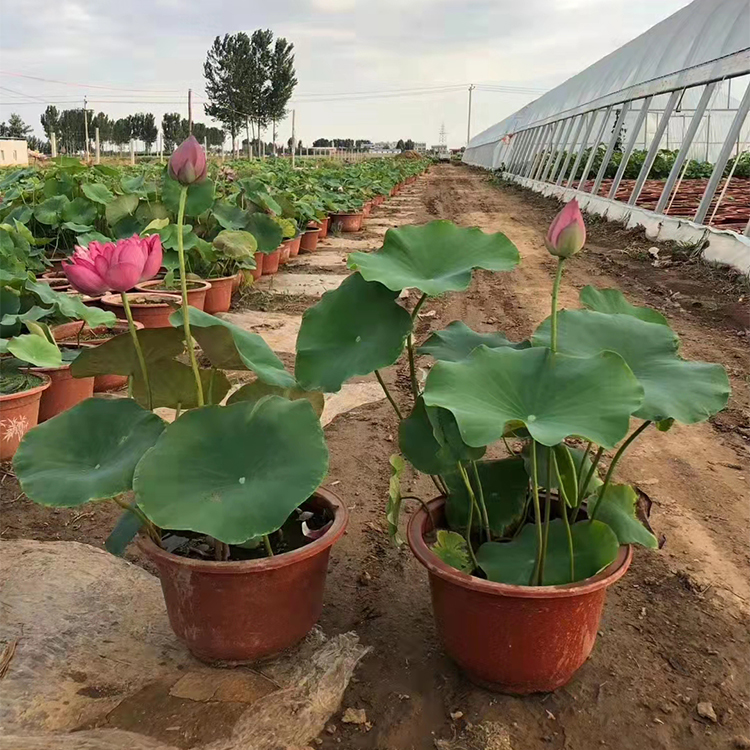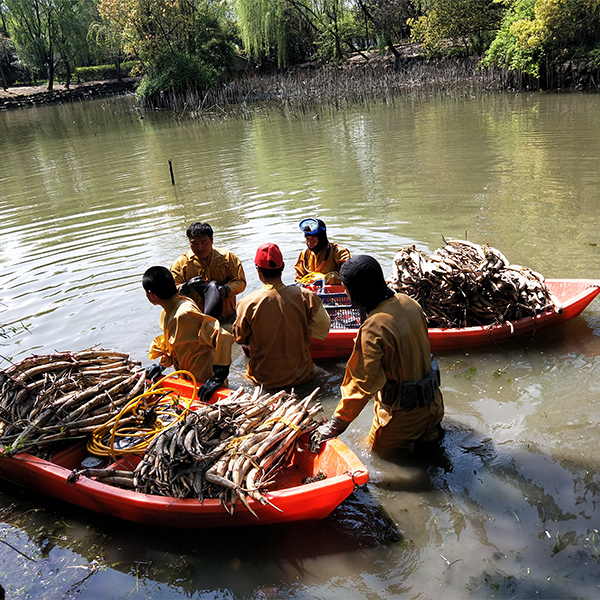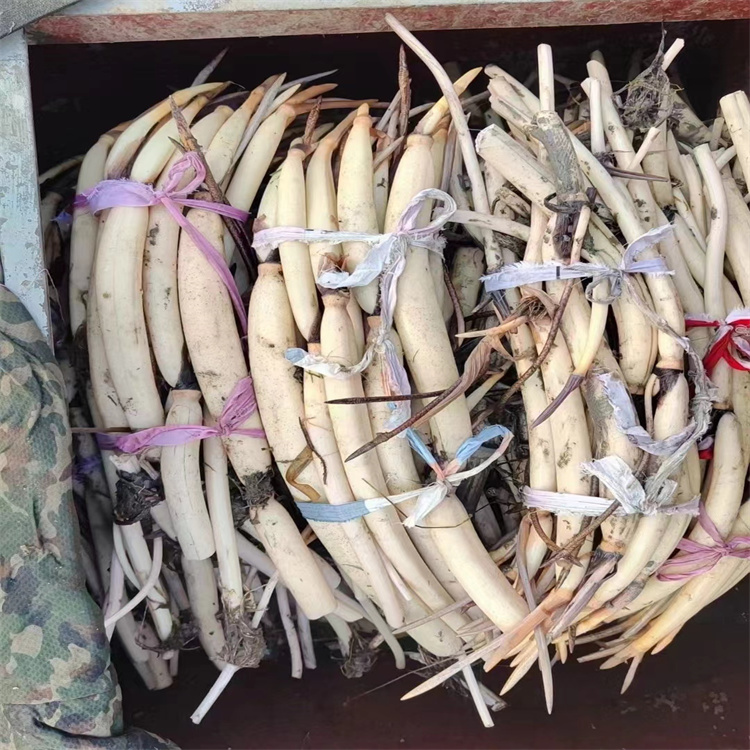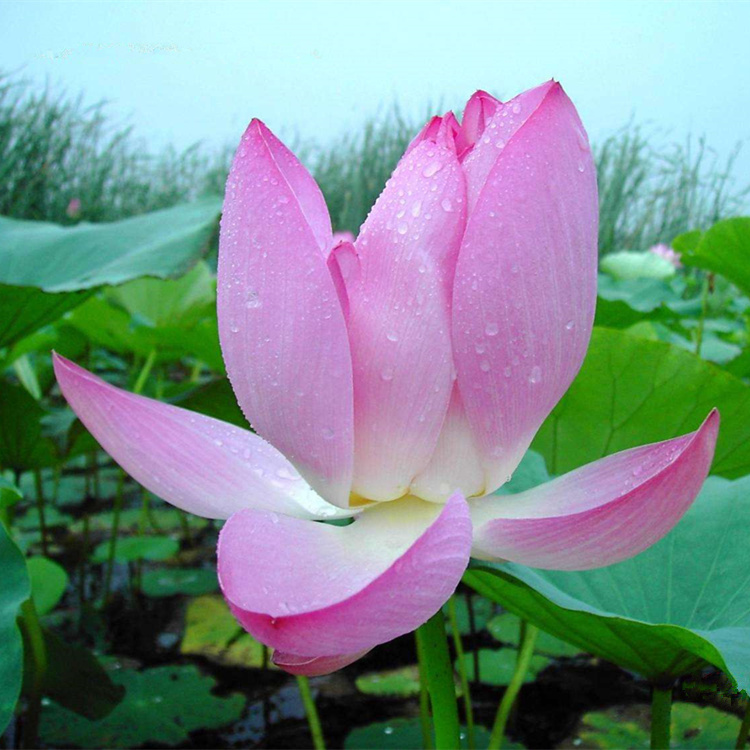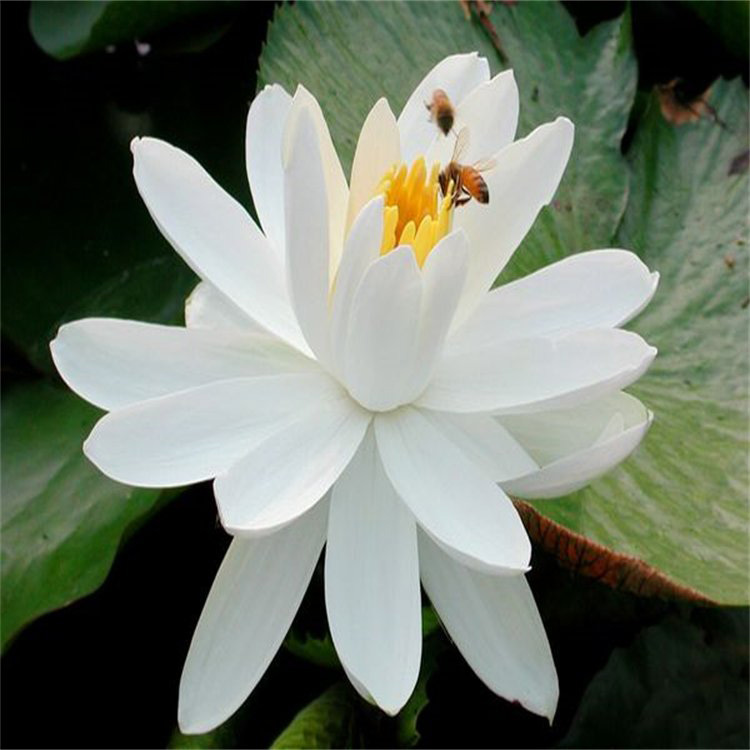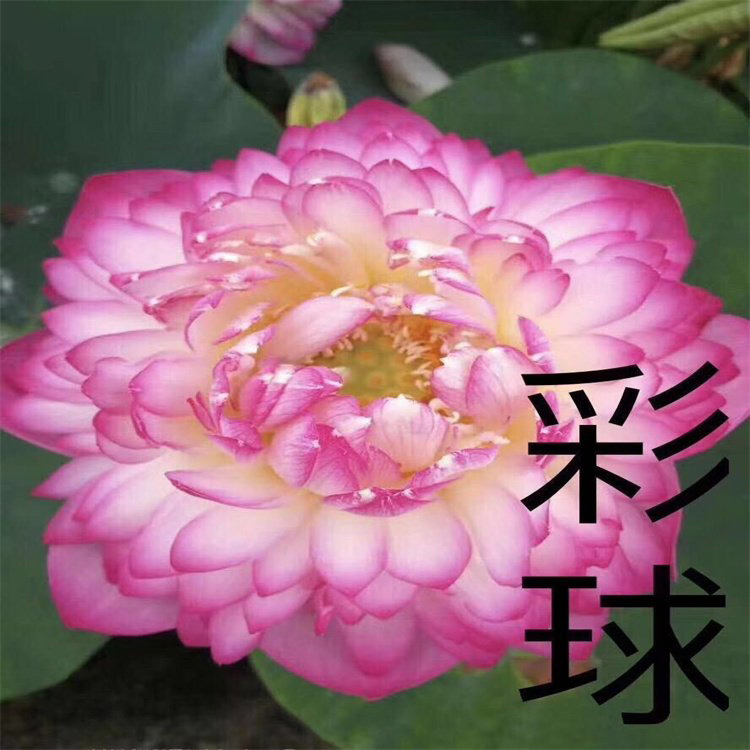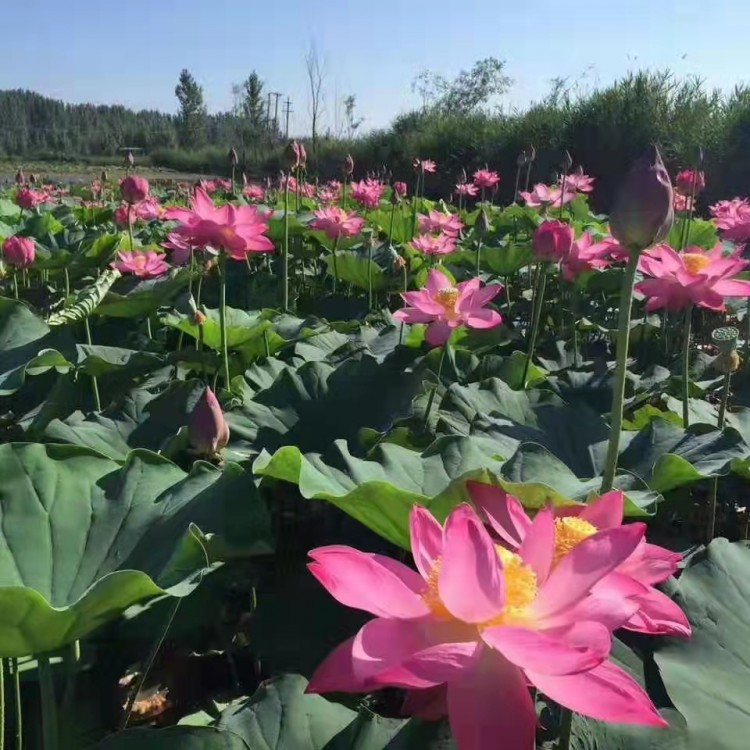


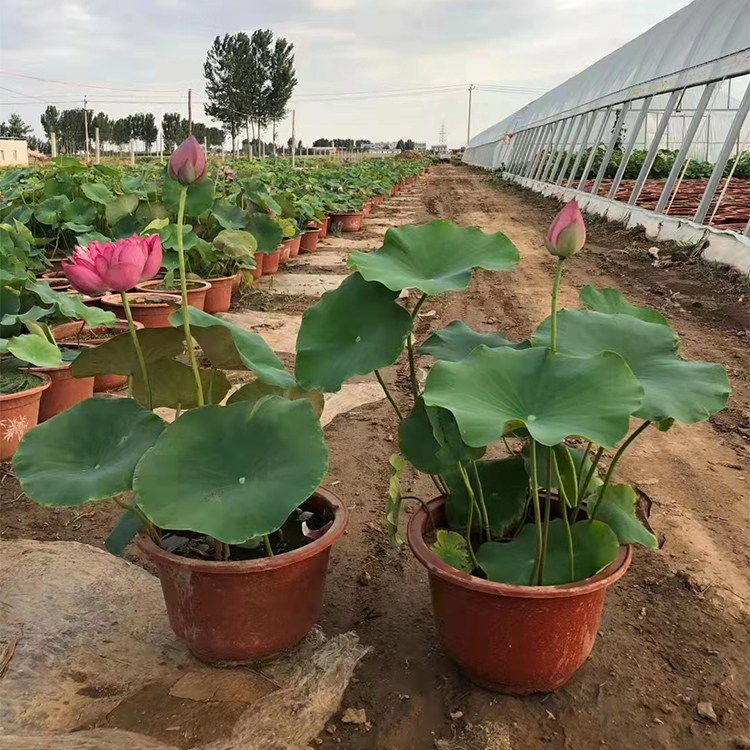




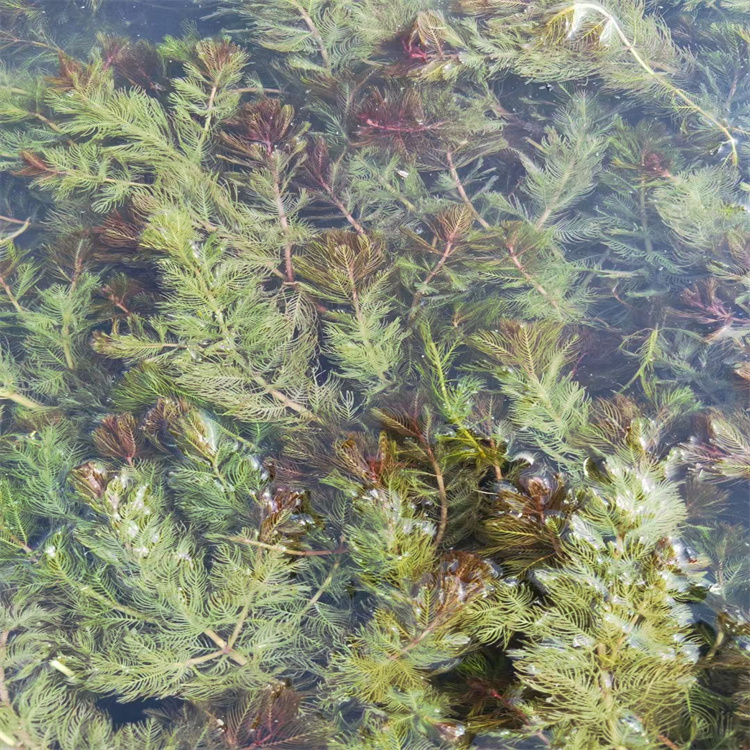


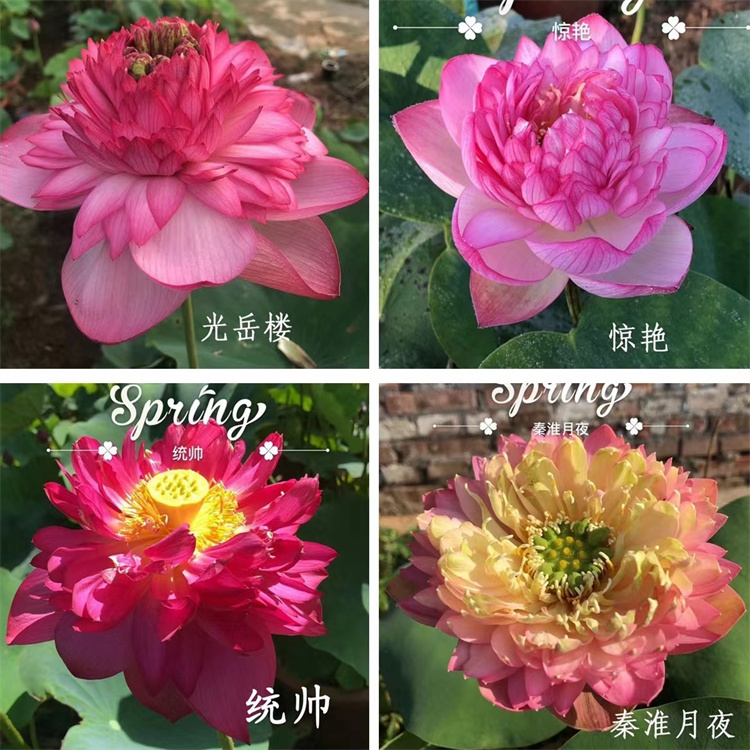
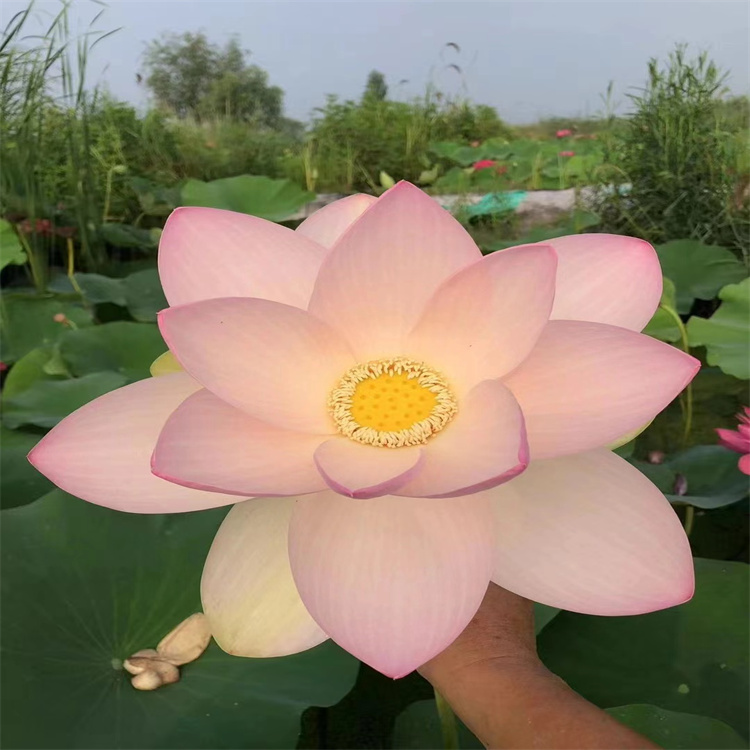





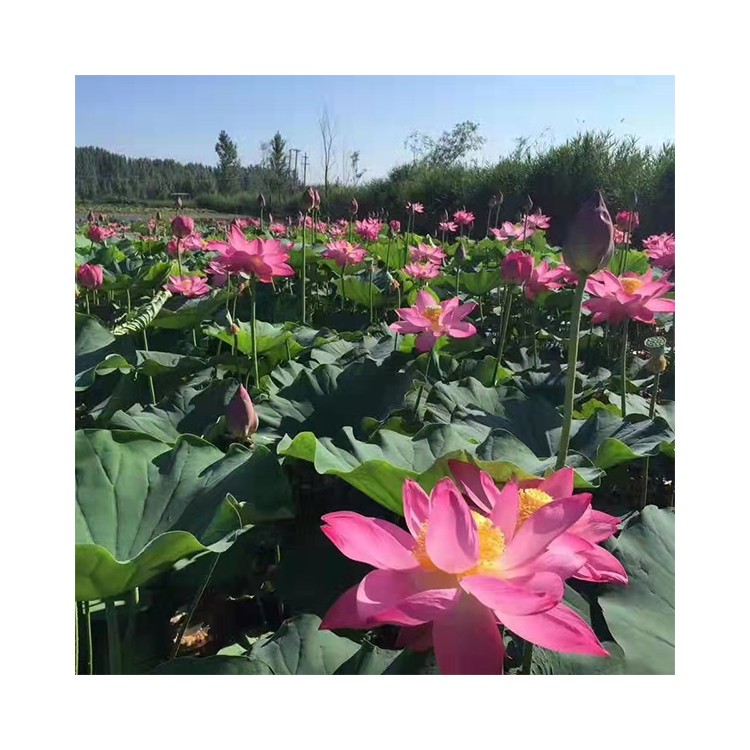
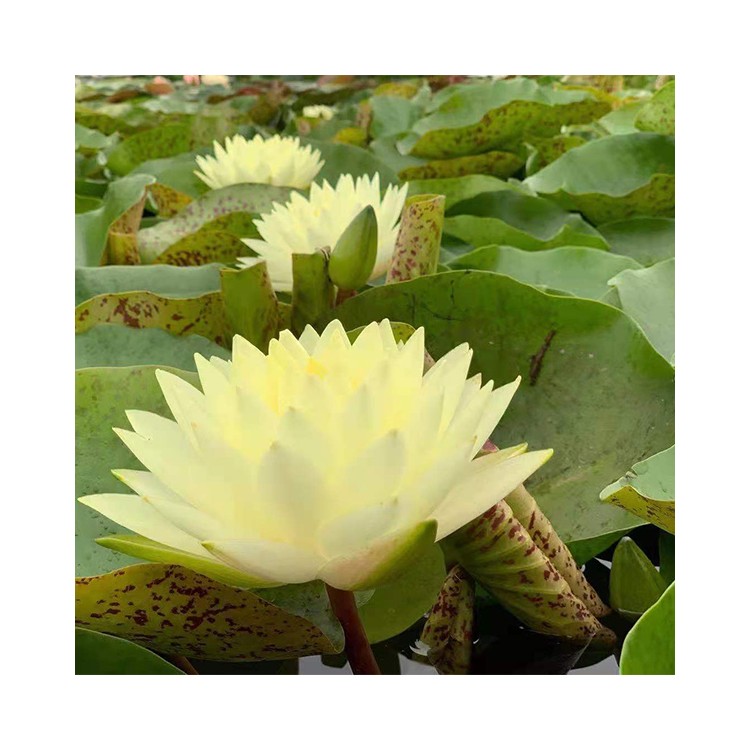


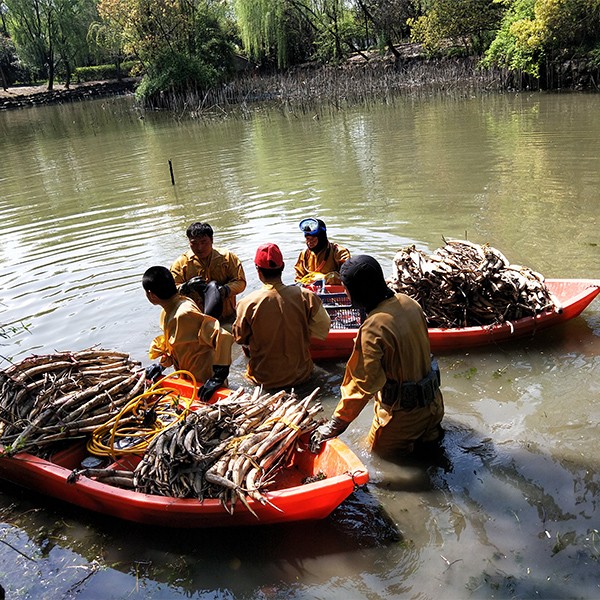
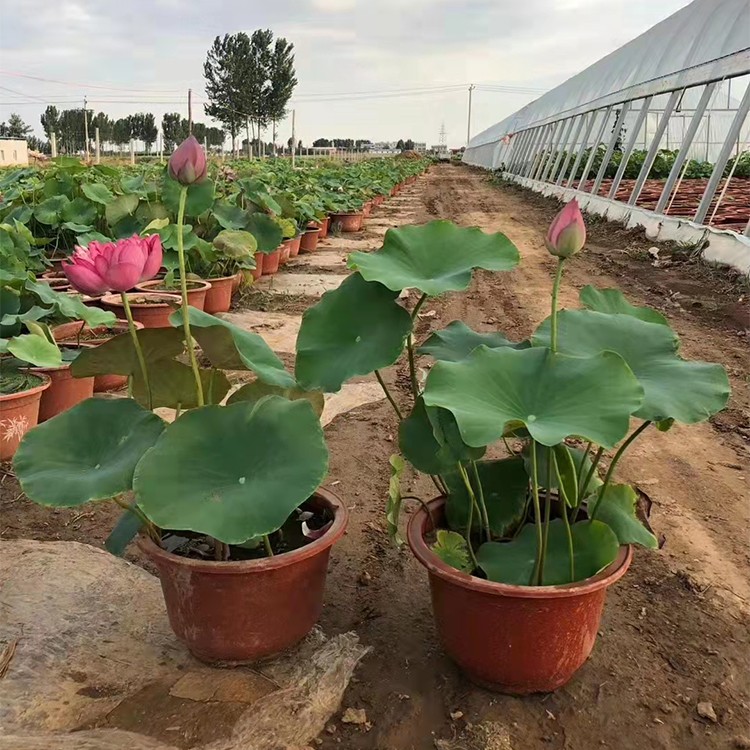

Lotus and Lotus Seedlings: The lotus has formed a gas cavity to adapt to life in water, which can also be seen in the petiole and scape. There are many tiny water-conducting tubes on the stem, with thickened mucilage-like lignocellulose on their walls. These tubes have elasticity, allowing them to break and stretch, forming many white, interconnected lotus threads. Older lotus stems have more threads than younger ones. The top bud of the lotus stem is called "lotus canopy," encased in scales. After germination, it produces a white, tender, long underground stem known as "lotus rhizome." The rhizome is segmented, with adventitious roots around each segment. Leaves and flowers emerge from the segments. The new lotus formed at the tip of the rhizome is called the main lotus, which can have 4-7 segments, each about 10-25 cm in length and 6-12 cm in diameter. Branching off the main lotus are the daughter lotuses; from these, sprout the grandchild lotuses, usually with only one segment. The size, shape, color, ripeness, depth of soil penetration, and quality and flavor of the lotus vary by variety and are influenced by cultivation and conditions.