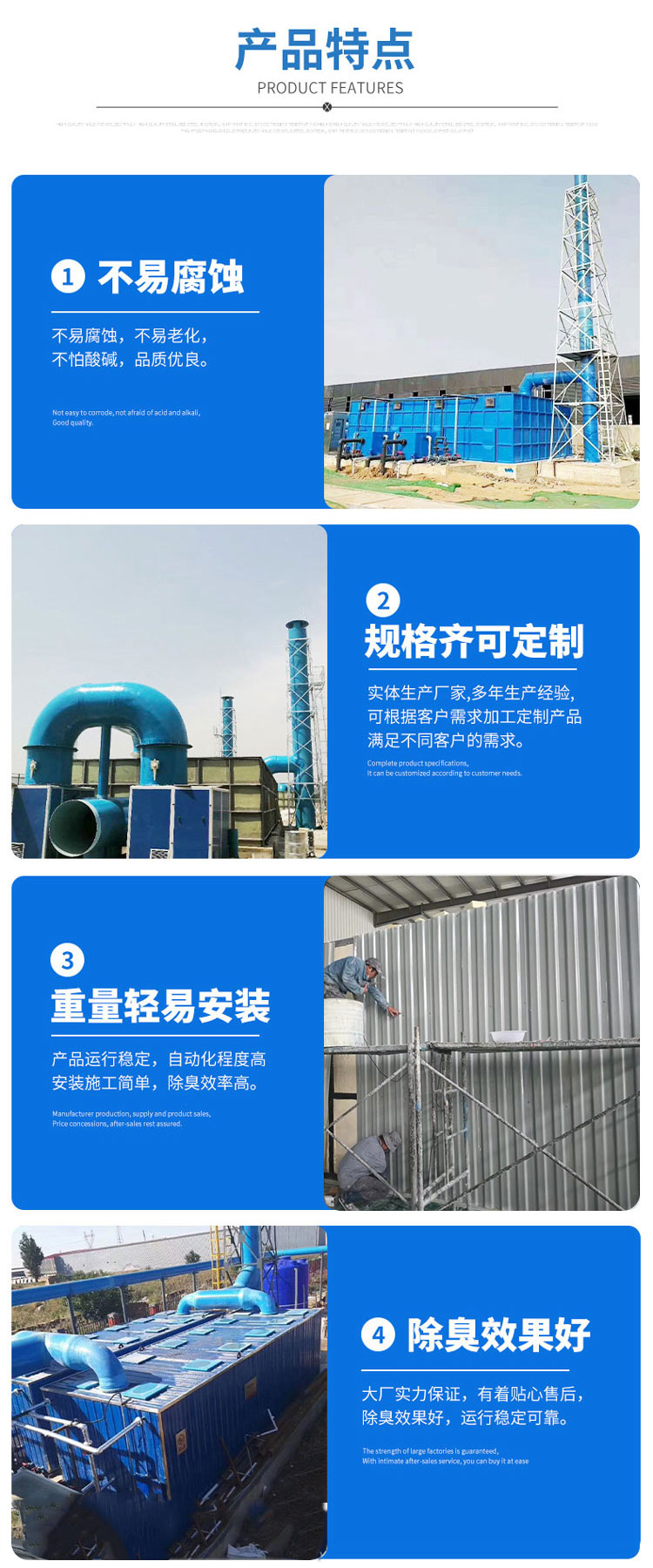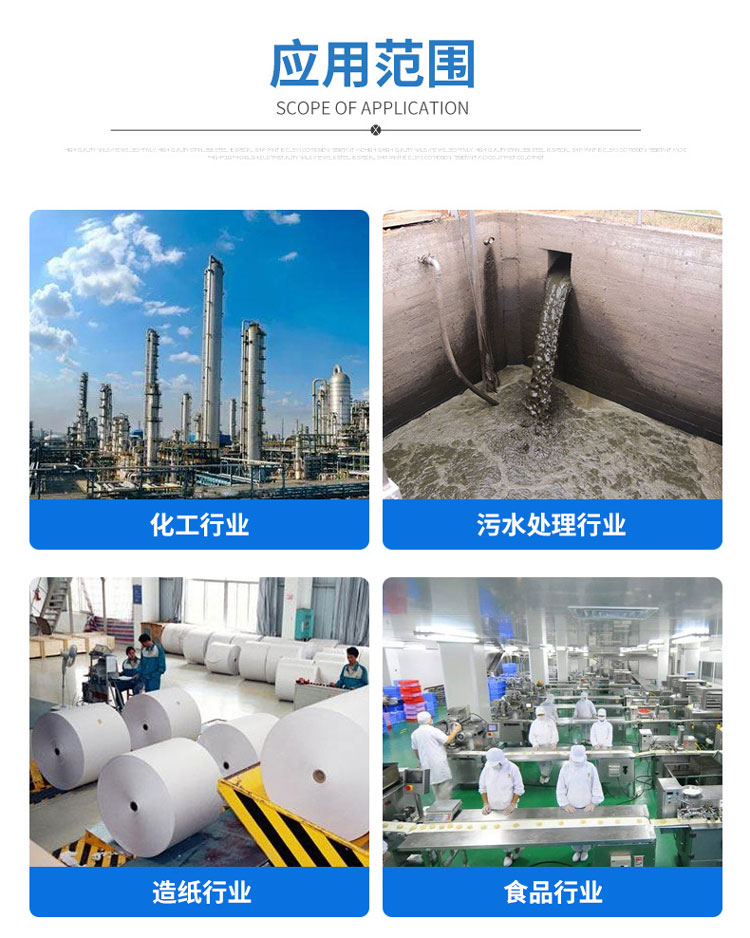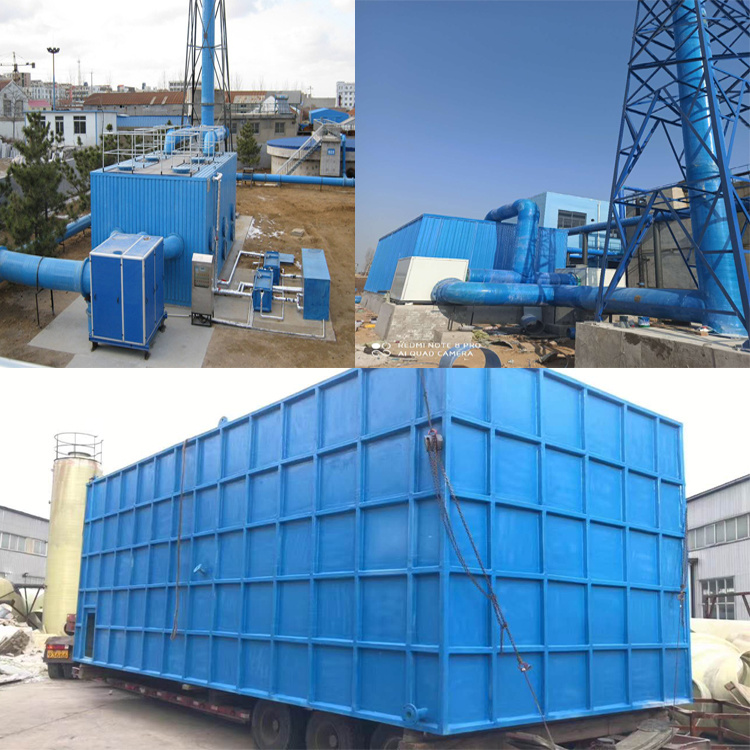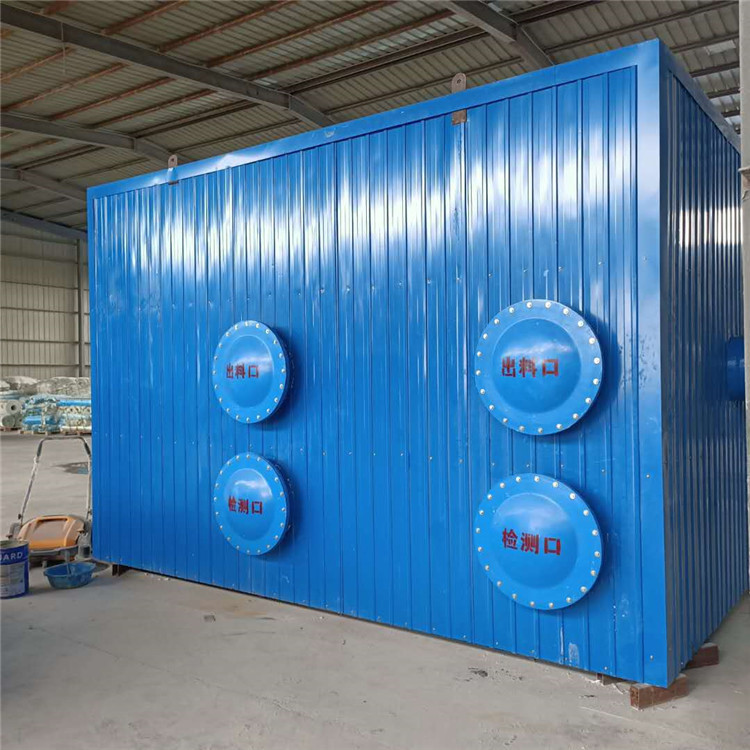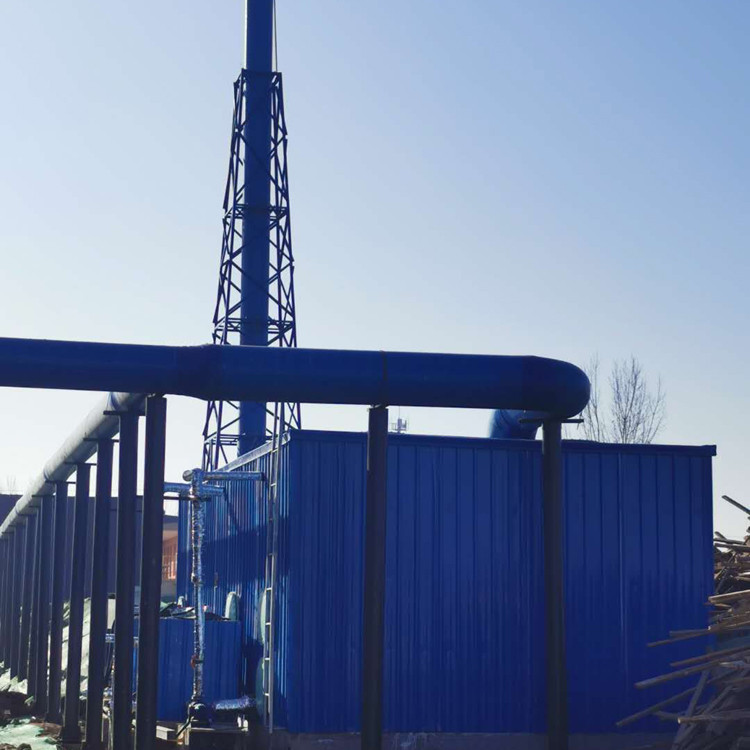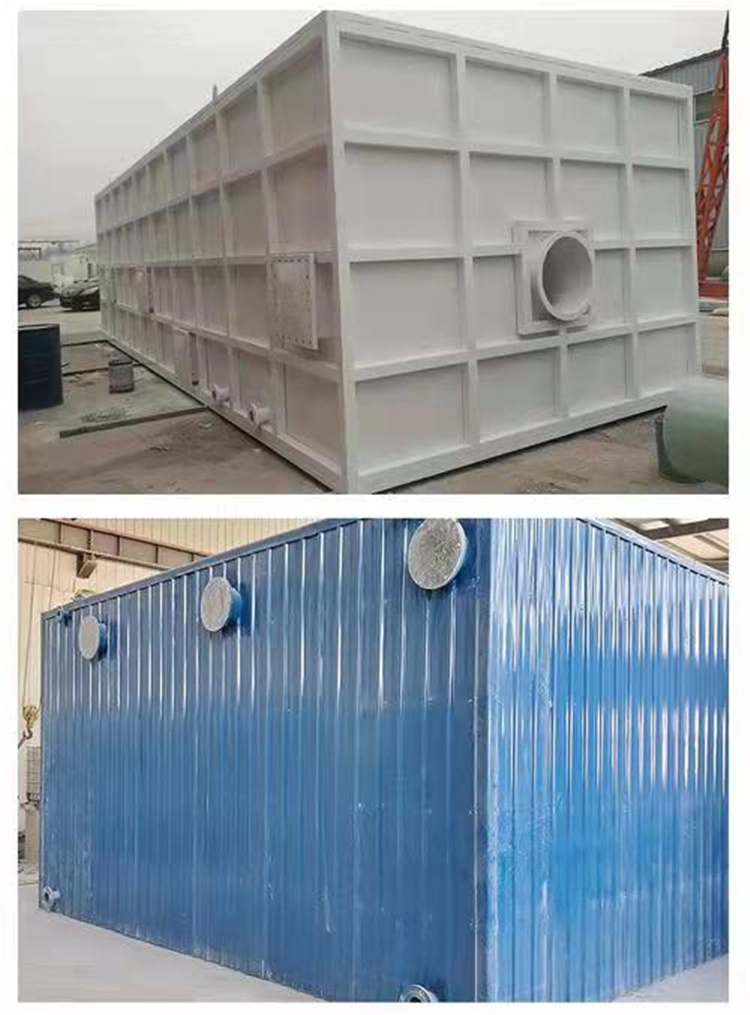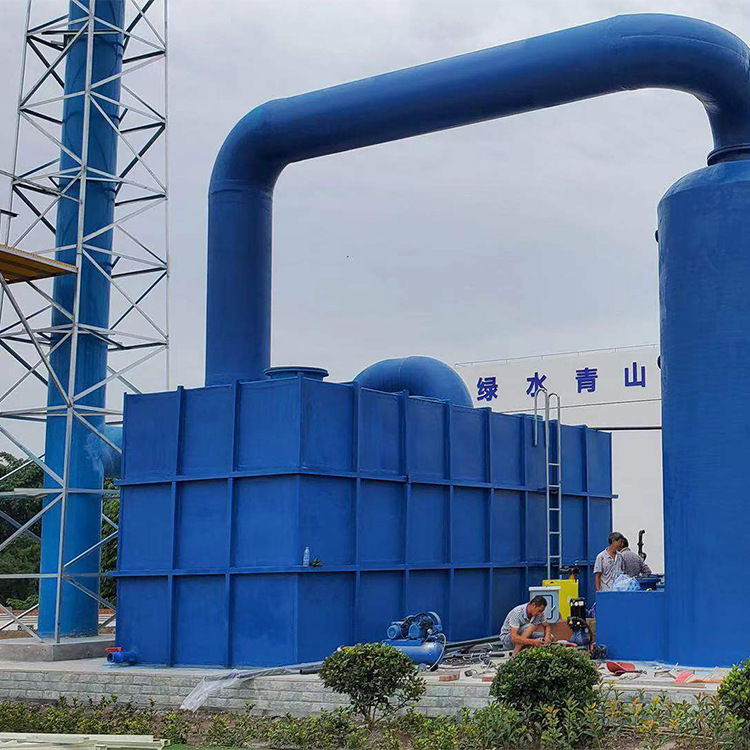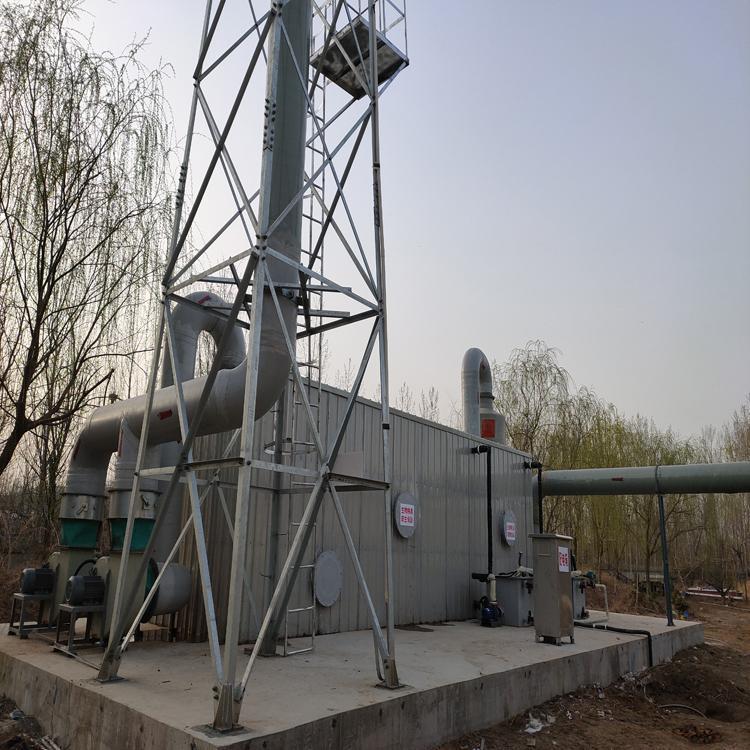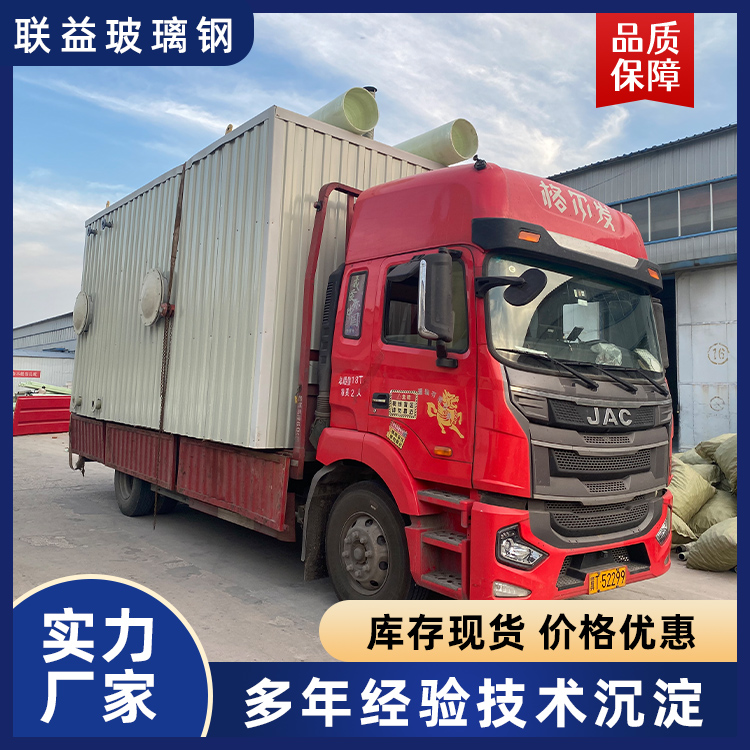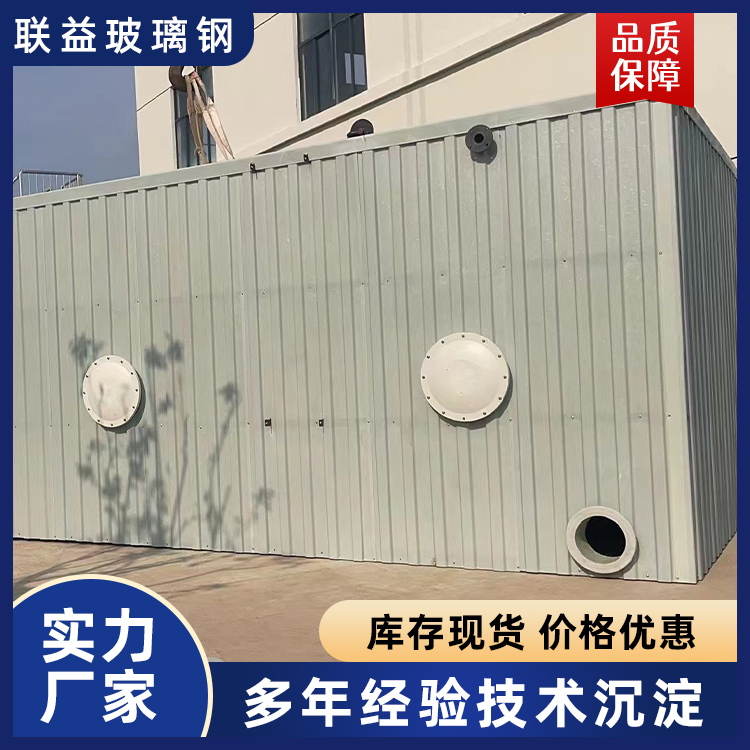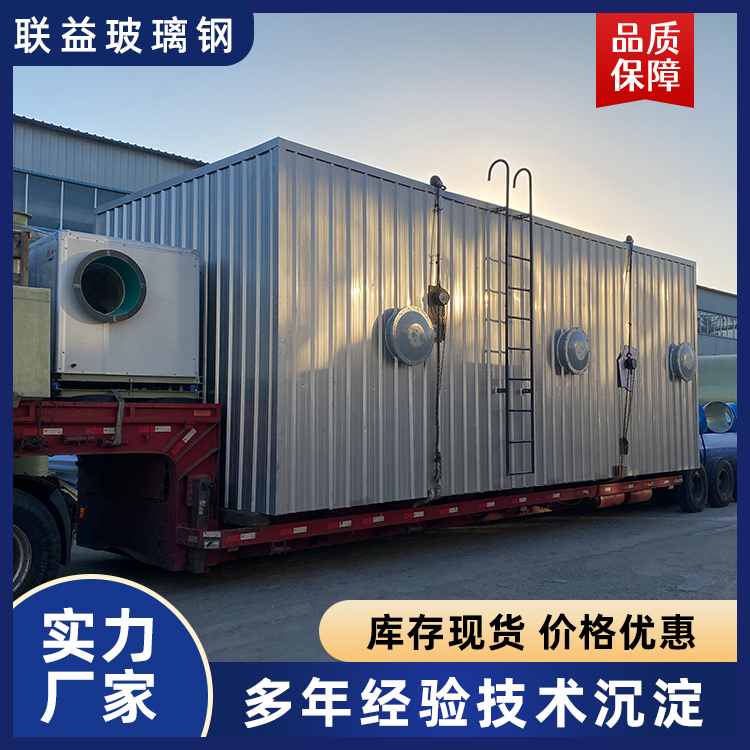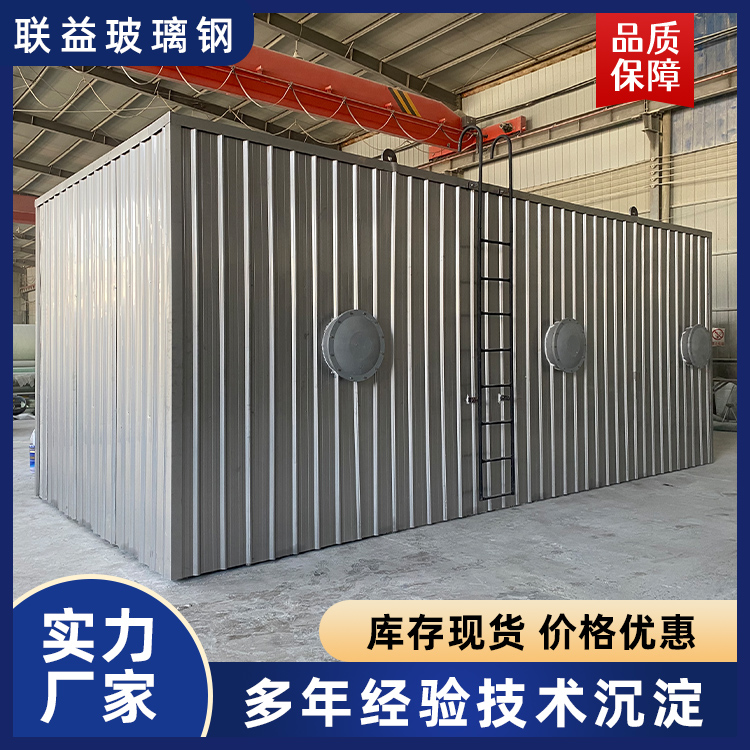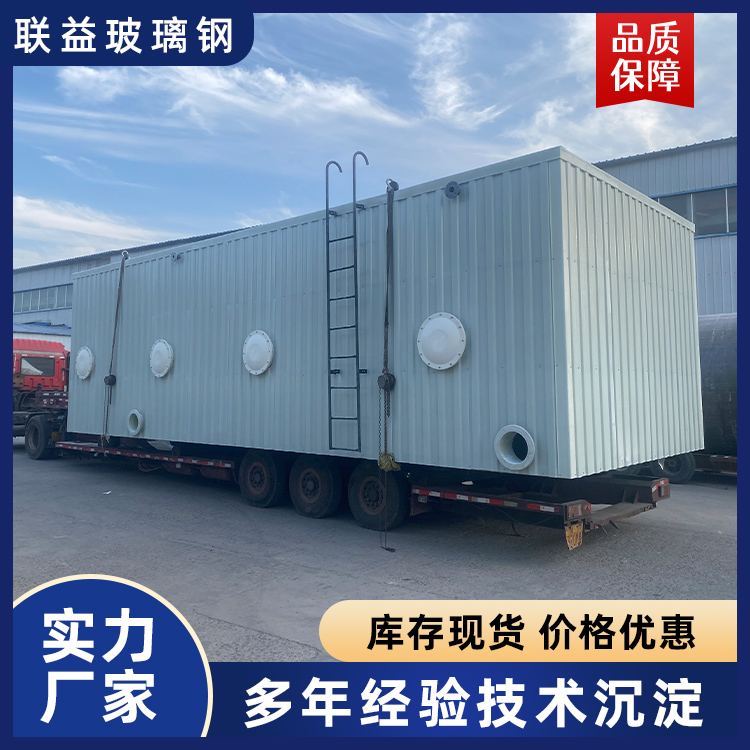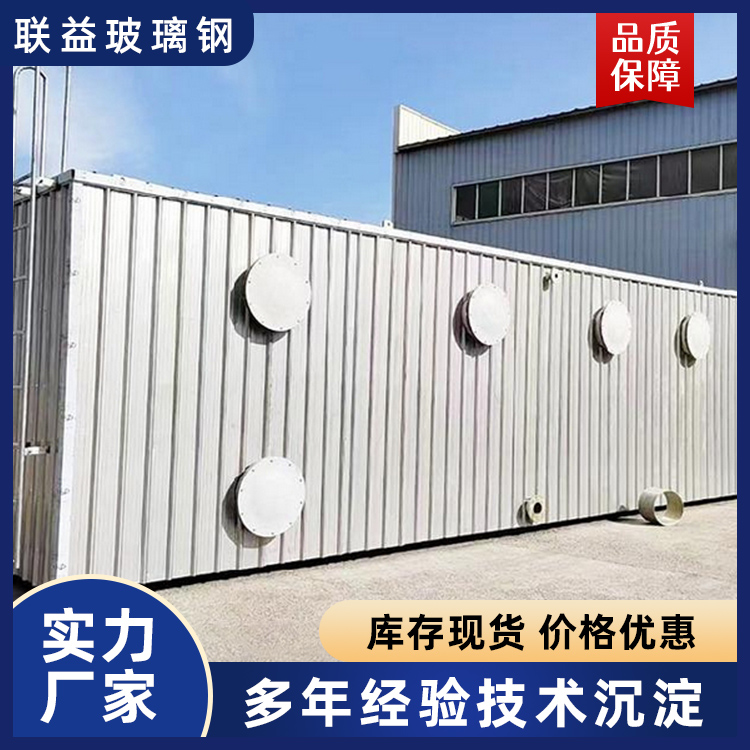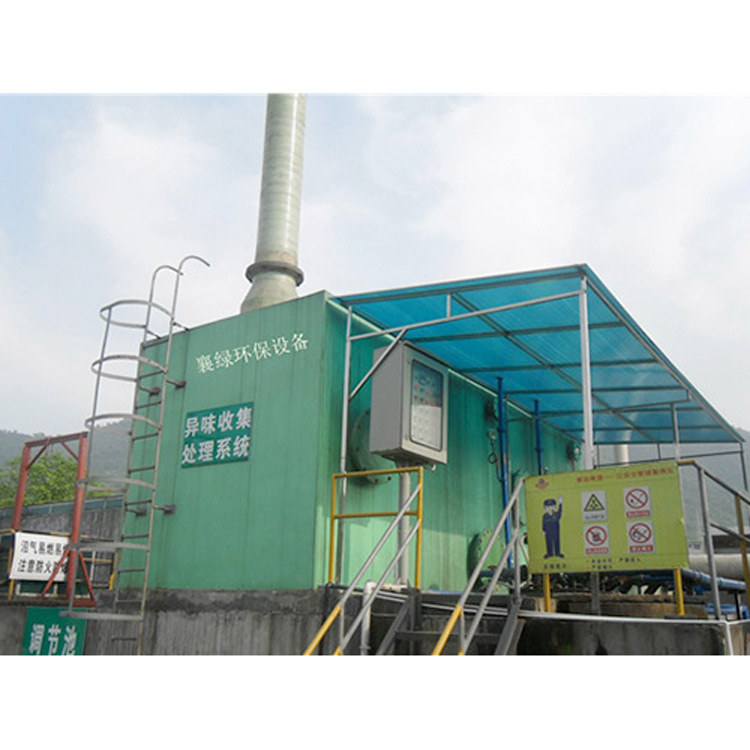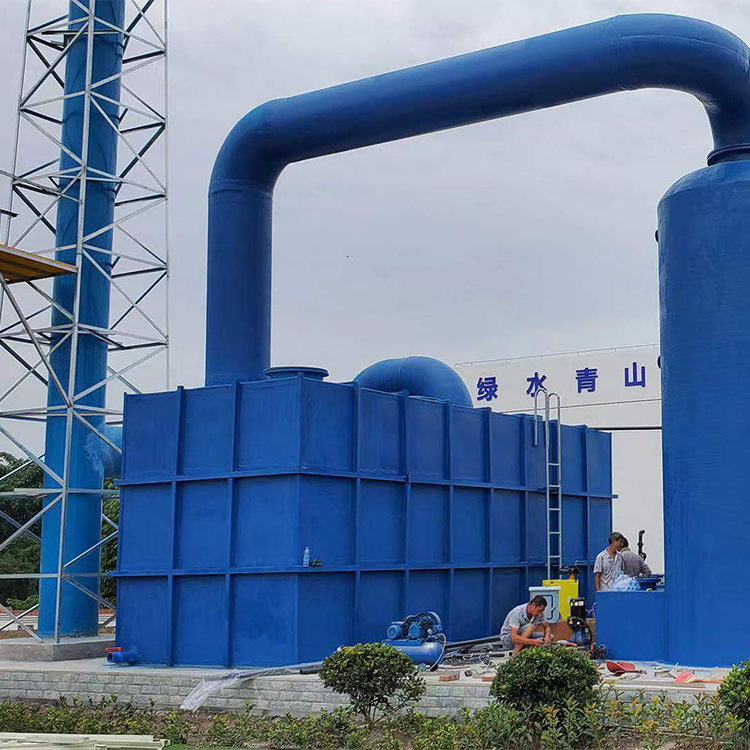


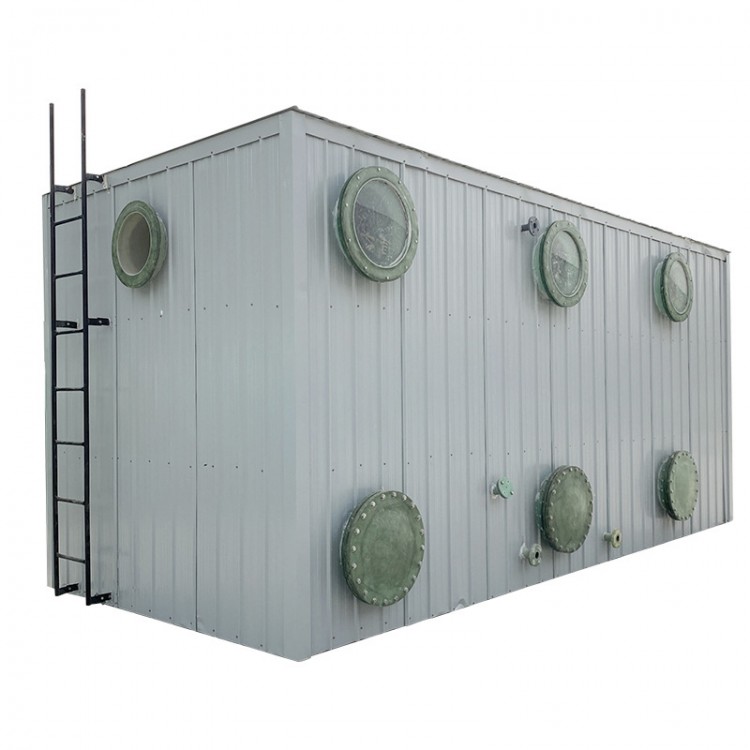
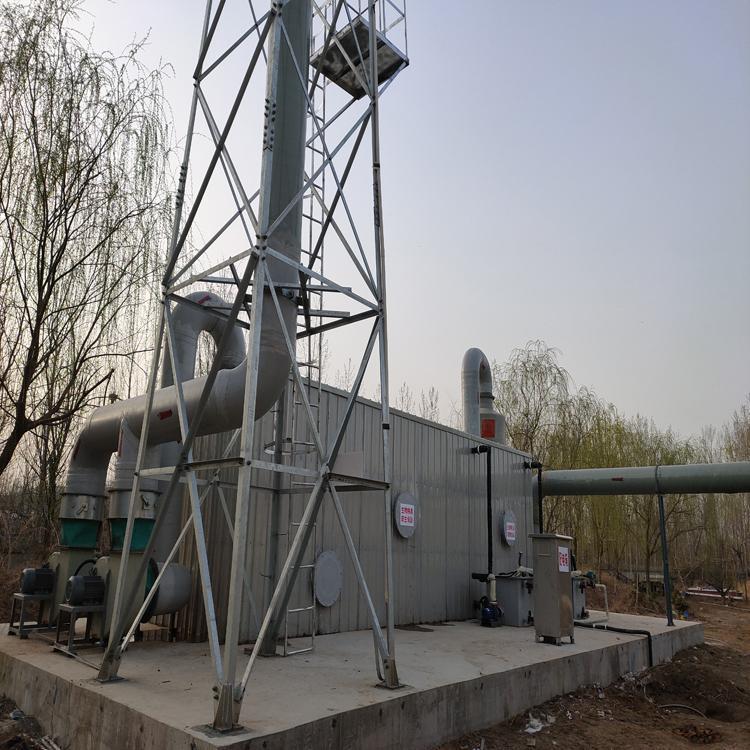


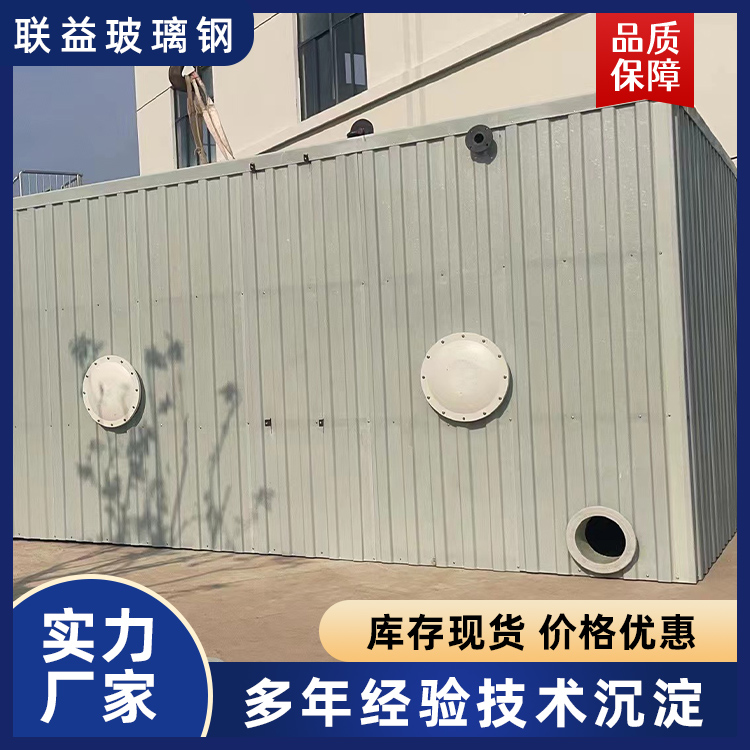
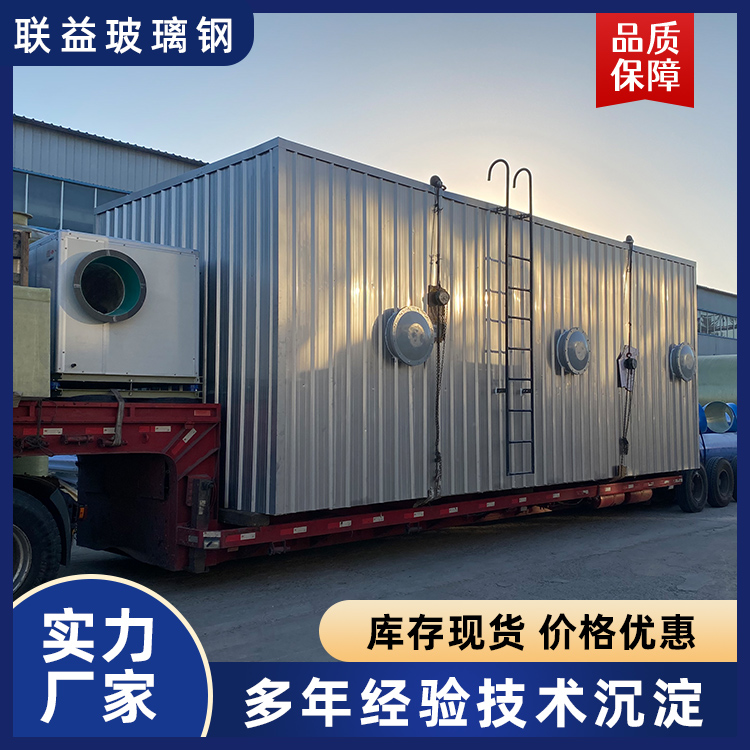

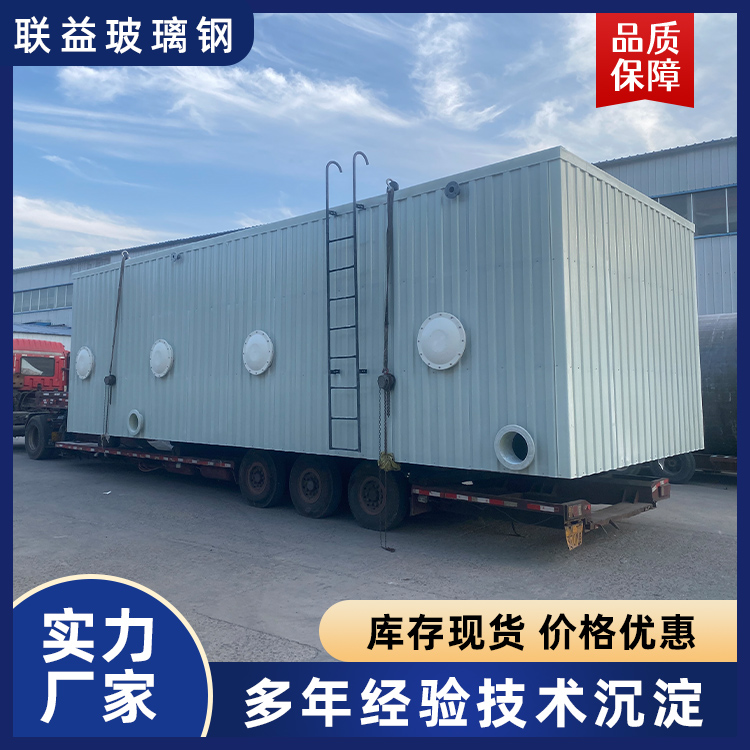






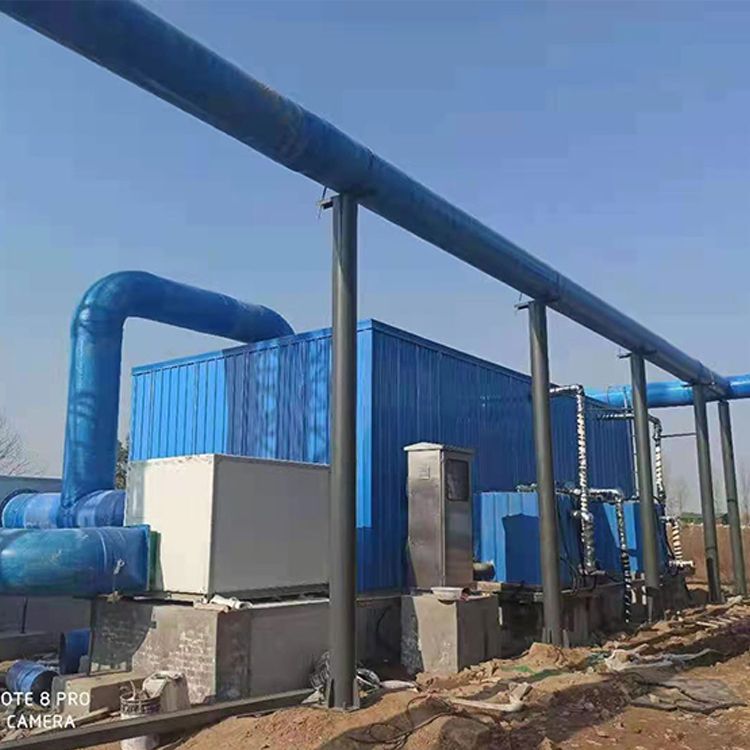

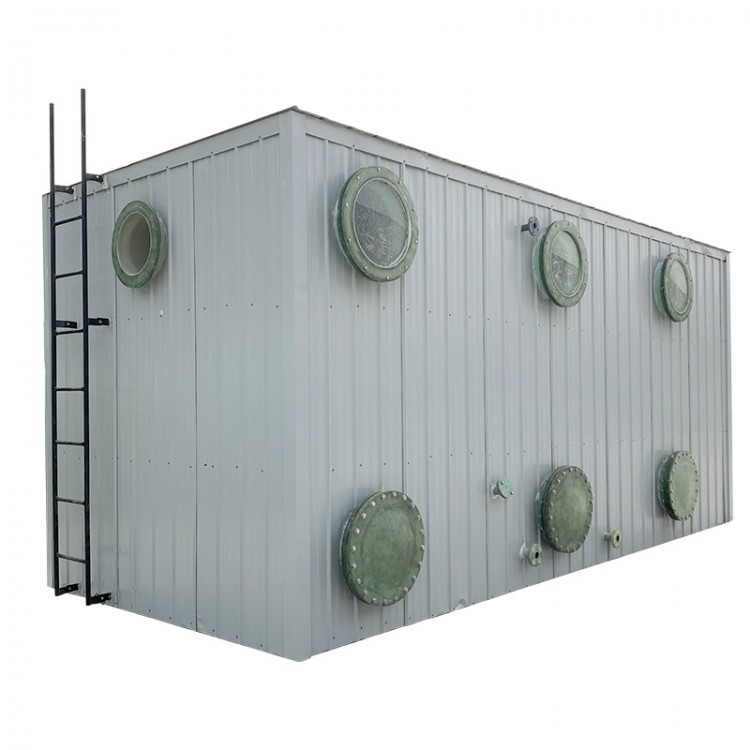

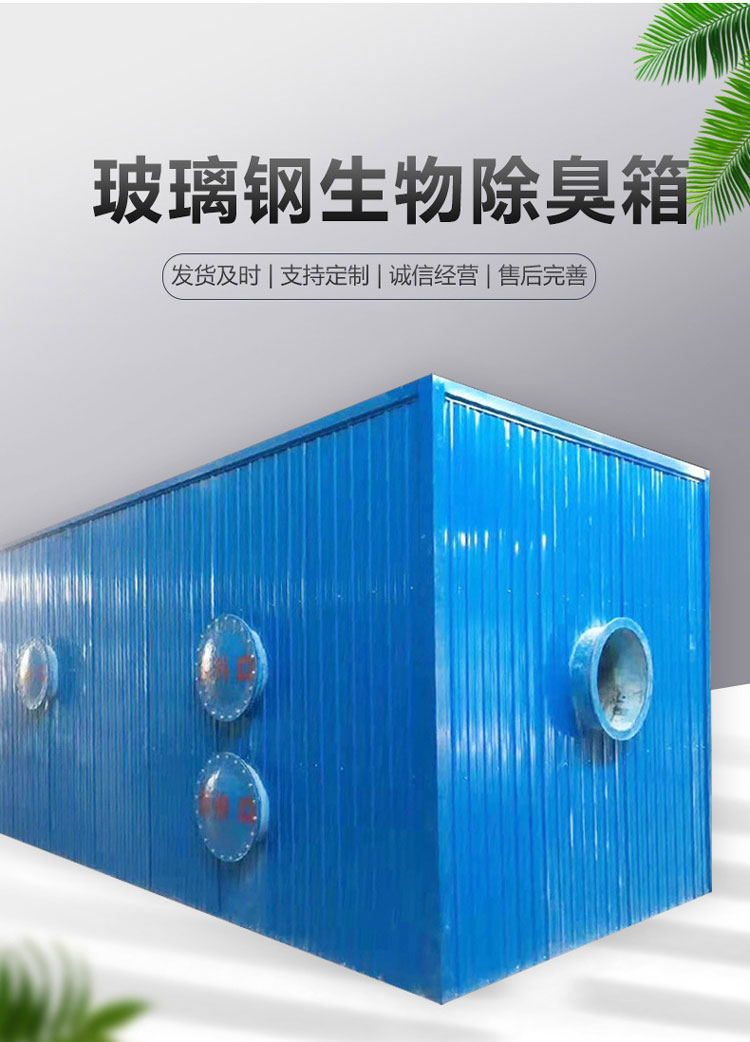

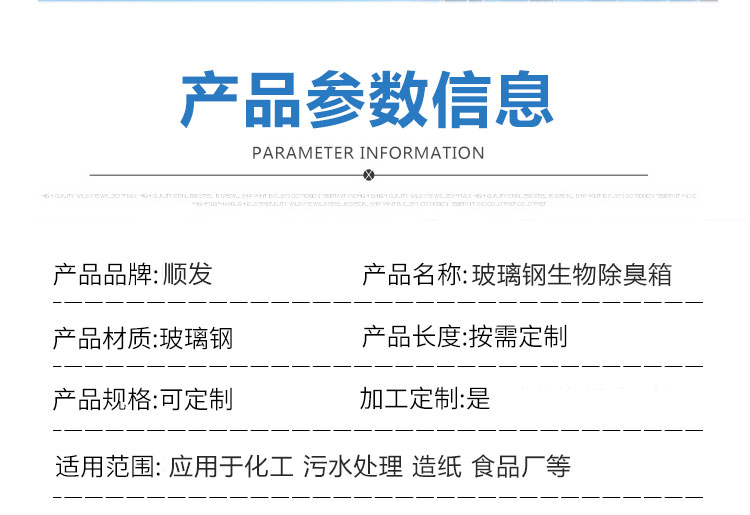
Glass Fiber Reinforced Plastic Bio-Odor Removal Box Technical Features: 1. Pure biomass strain carrier material; 2. Specialized bacteria for adsorption and decomposition of malodorous gases; 3. Microbial treatment method, no secondary pollution; 4. Strongly targeted strain selection, large specific surface area of filler, high total amount of bacteria, large contact area, and excellent adsorption treatment effect; 5. Nutrient solution recirculating spray, good gas-liquid contact; 6. High level of integration and automation, enabling full automatic operation, low pressure drop, small footprint, low transportation costs, and high removal efficiency. The bio-odor removal box utilizes an optimized combination of "washing + biochemical" processes. The core of the bio-odor removal box is the bio-catalytic oxidation bed. The microorganisms in the bio-odor removal box exist in a population form, with multiple microorganisms cohabiting in an environment. Microorganisms have both similar and distinct characteristics, and different pollutants in nature can find microorganisms to degrade them. Therefore, the bio-odor removal box can simultaneously treat and purify multiple types of pollutants in a single unit.
Bio-odor removal boxes utilize bioorganisms that degrade pollutants into carbon dioxide and water, preventing secondary contamination. The bio-degradation process involves: after environmental conditions change, some microorganisms die, while others survive. The surviving microorganisms in the bio-odor removal box can reproduce quickly and become dominant. Therefore, the bio-filtering treatment is capable of handling shock loads. When the pollution concentration increases, the treatment efficiency may decrease temporarily, but it can quickly recover. The bio-box is made of a large surface area of bio-fill material, allowing microorganisms to form a biofilm under suitable conditions on the bio-fill surface. The microorganisms in the biofilm use inorganic and organic substances from the exhaust gas as carbon sources and energy, degrade malodorous substances to maintain their life activities, and break down malodorous substances into odorless substances such as water, carbon dioxide, and minerals, achieving the goal of VOCs purification treatment.