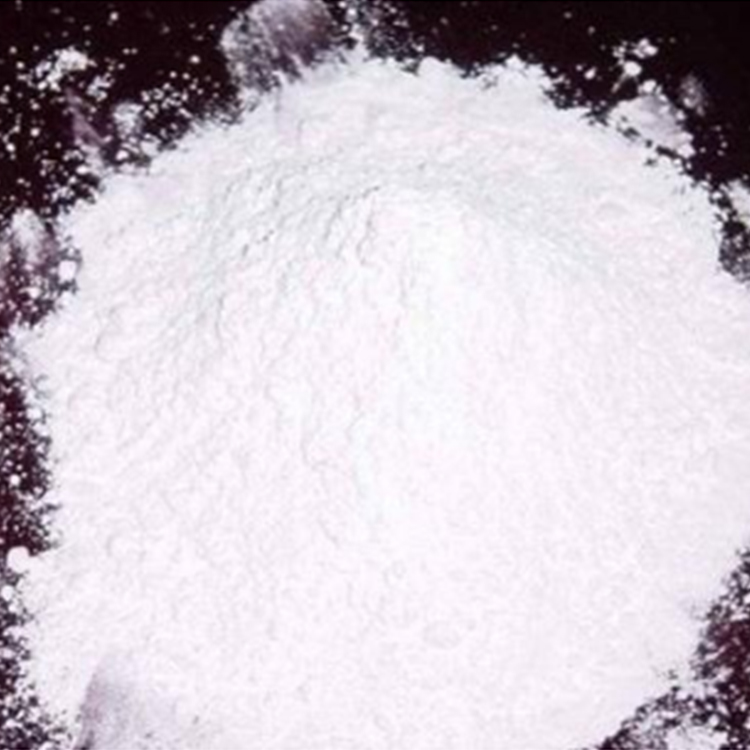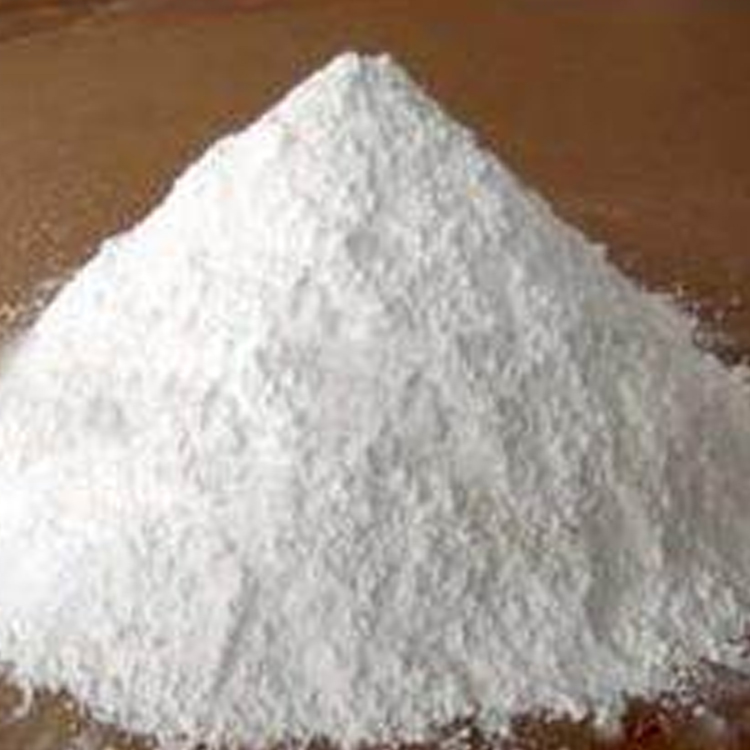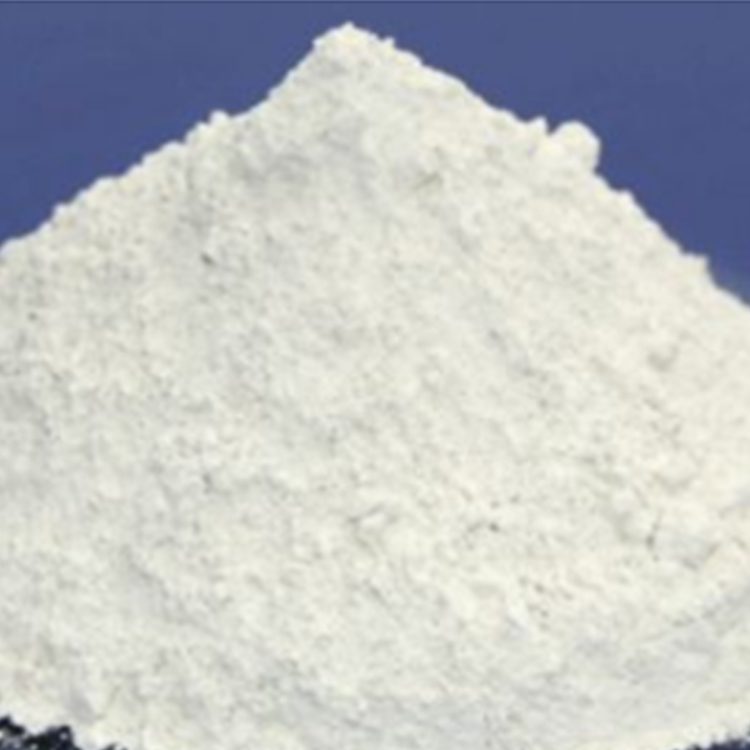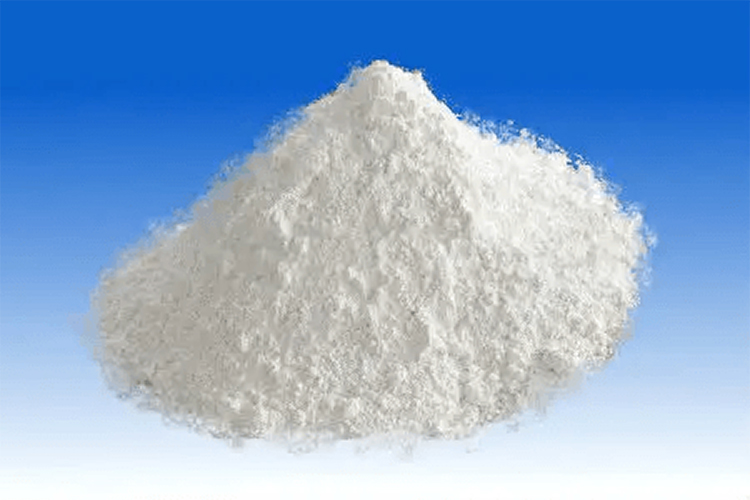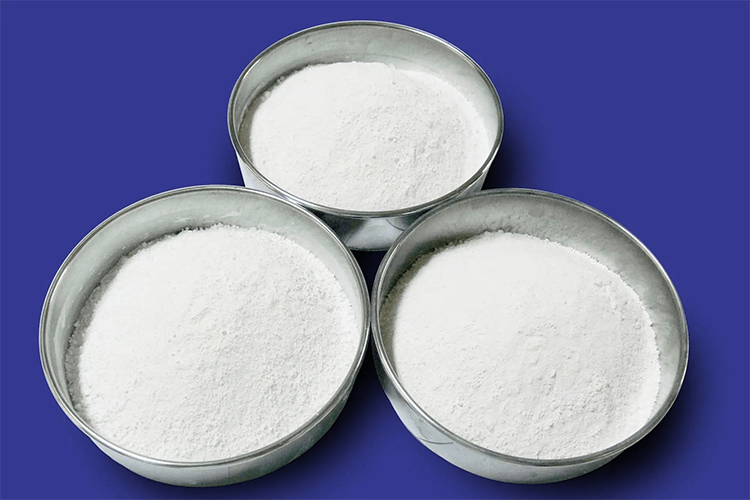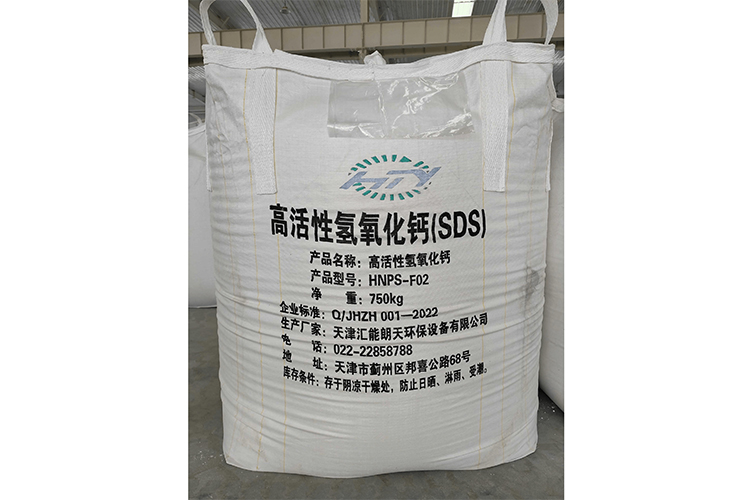

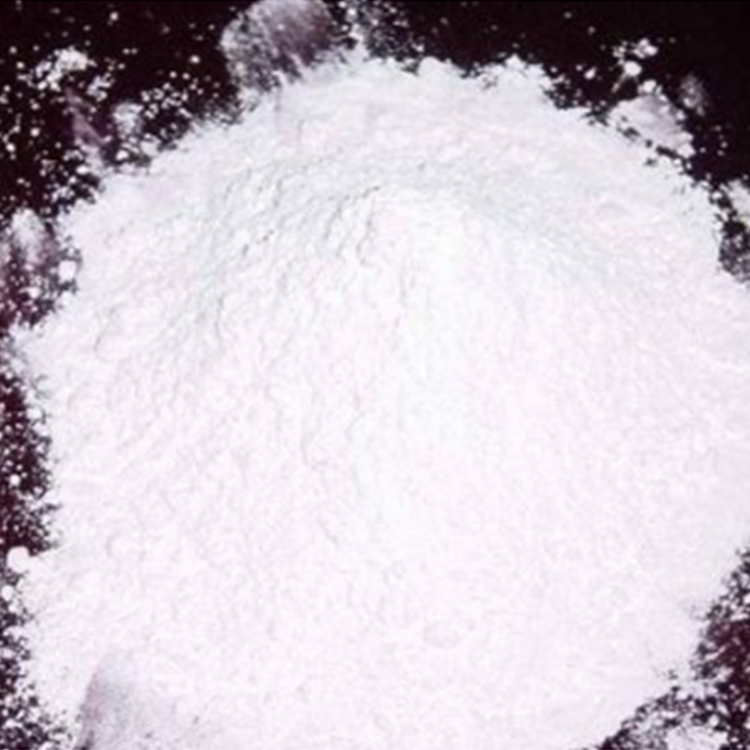

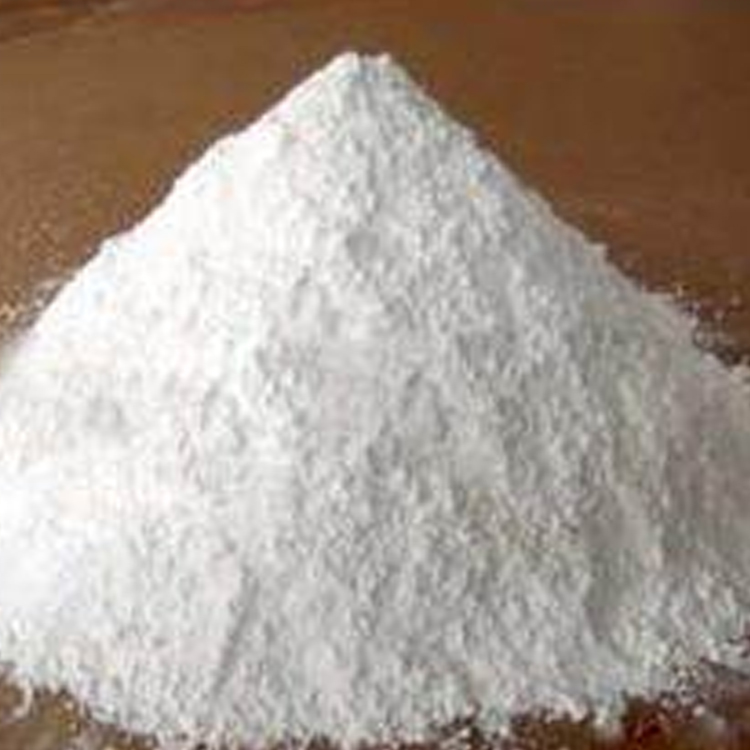
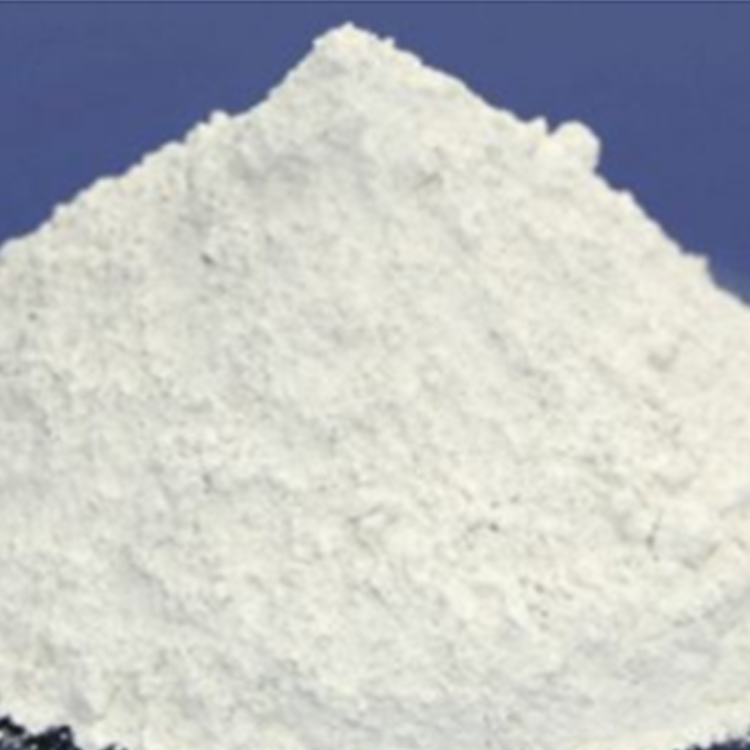







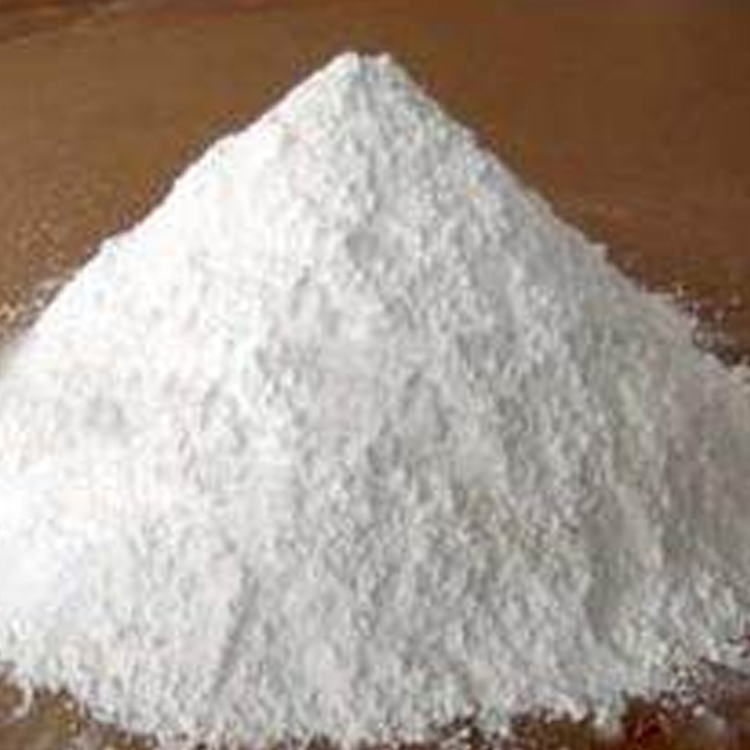
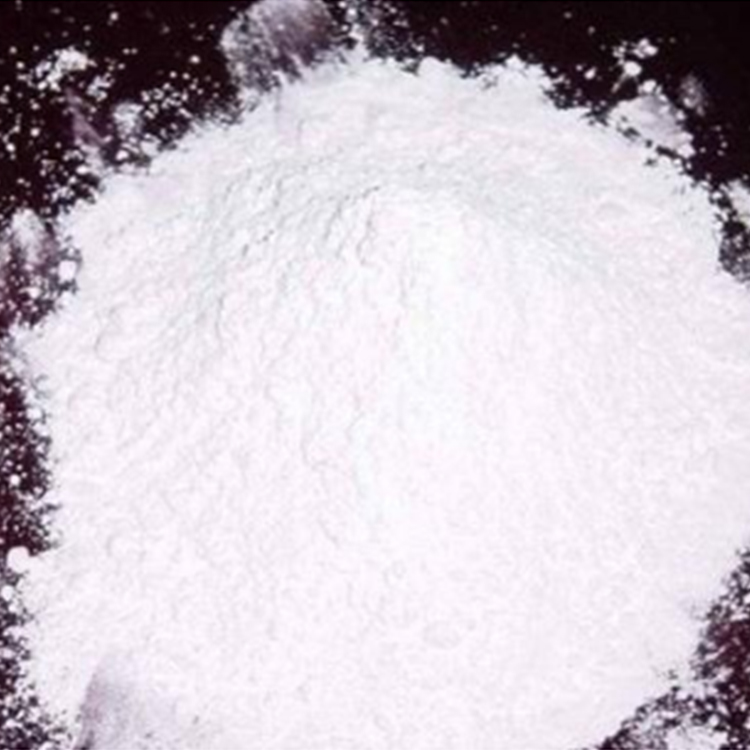
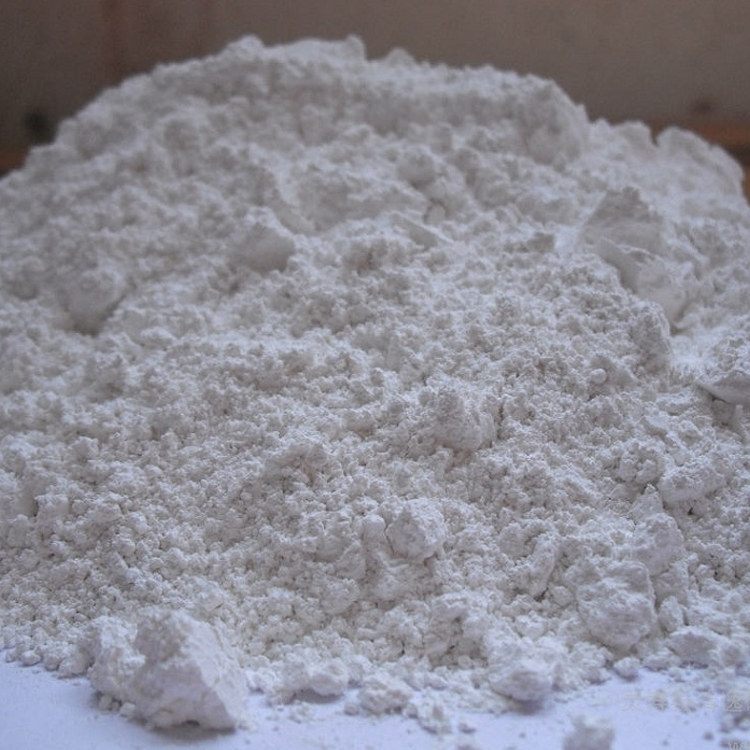
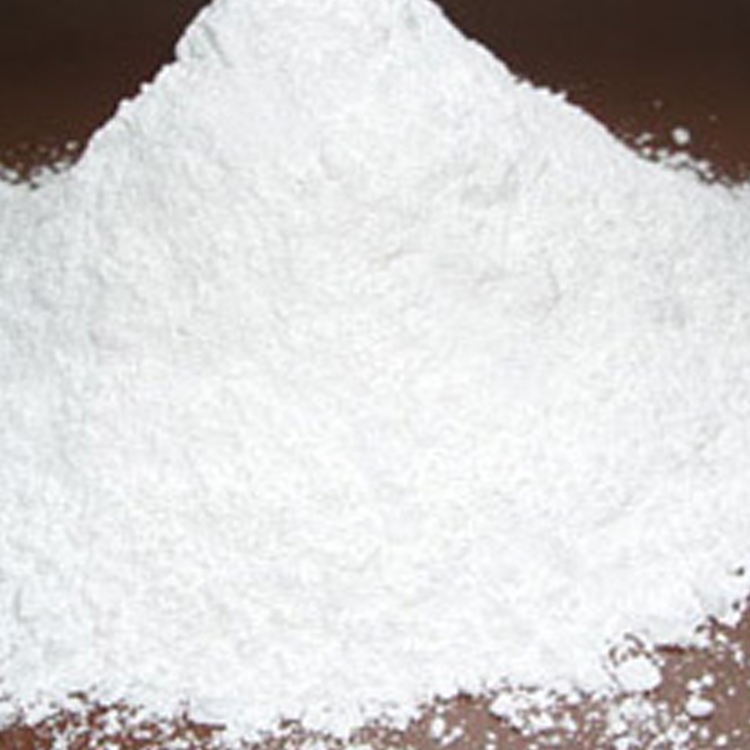
Calcium oxide, also known as quicklime, is an inorganic compound with the chemical formula CaO. It has a physical appearance of a white powder surface, with impurities resulting in a grayish-white color, and can appear pale yellow or gray when containing impurities. It is hygroscopic.
Calcium oxide applications:
1. Suitable as a filler, such as: used as a filler for epoxy adhesives.
2. Used as analytical reagents, absorbent for carbon dioxide during gas analysis, spectrometric reagents, high-purity reagents for epitaxy and diffusion processes in semiconductor production, laboratory drying of ammonia and dehydration of alcohols, etc.
3. Used as raw material, capable of producing calcium carbide, soda ash, bleaching powder, etc., also used in leather production, wastewater purification, calcium hydroxide, and various calcium compounds.
4. Used as building materials, metallurgical flux, cement rapid-setting agent, and flux for phosphorescent powder.
5. Used as decolorizer for vegetable oils, drug carrier, soil conditioner, and calcium fertilizer.
6. Also suitable for refractory materials and desiccants.
7. Offers 1 and 2 types of agricultural machinery adhesives, as well as underwater epoxy adhesive, which also serves as a reactant for pre-reacting with 2402 resin.
8. For acidic wastewater treatment and sludge conditioning.
9. Also serves as a boiler shutdown protector, utilizing the hygroscopic capacity of lime to keep the metal surfaces of the boiler's water and steam system dry, preventing corrosion. Suitable for long-term shutdown protection of low-pressure, medium-pressure, and small-capacity drum boilers.
10. Can react with water to produce calcium hydroxide, reaction equation: CaO + H₂O = Ca(OH)₂, a chemical combination reaction.
Calcium oxide precautions:
1. Long-term exposure of calcium oxide to the air will absorb carbon dioxide and turn into powdery calcium carbonate, thus losing its effect of clearing ponds and disinfecting. Therefore, it's best to purchase and use quicklime immediately, opting for lighter, blocky pieces that are free of impurities. If there's any leftover quicklime after use, seal it in a plastic bag and store it in a sealed container.
2. Calcium oxide should be added to the slurry and sprinkled while hot; avoid pouring the residue into the pond, as it may cause fish to mistake it for food and die. It is also forbidden to throw whole pieces of lime into the pond for water disinfection.
3. Calcium oxide should not be used simultaneously with nitrogenous fertilizers. Lime reacts with water to produce a large amount of OH-, causing the NH₄⁺ + OH⁻ ⇌ NH₃·H₂O equilibrium to shift to the right, leading to high ammonia content in water, which can cause fish ammonia toxicity. Similarly, it is not advisable to add lime to pond water when the ammonia nitrogen content exceeds 1.2 milligrams per liter. Additionally, lime should not be used within a week after applying ammonium nitrogen fertilizers, and mixing them should be avoided at all costs.
4. Calcium oxide should not be mixed with phosphate fertilizers. After applying phosphate fertilizer, inorganic phosphorus mainly exists in the form of HPO₄²⁻ and H₂PO₄⁻ at a pH of 6.5 to 7.5. When mixed with quicklime at a pH above 7.5, a reaction occurs, forming Ca(PO₄)₂, causing the phosphorus to precipitate as calcium salts and be lost. It is generally recommended to wait at least 10 to 15 days after applying quicklime before applying phosphate fertilizer.
5. Calcium oxide should not be mixed with bleaching powder, strong chlorine solution, and other halogen drugs. Since bleaching powder is an acidic medication and calcium oxide is an alkaline one, mixing them would neutralize the acidity and alkalinity, thereby directly reducing the disinfection efficacy.
6. Calcium oxide should not be used simultaneously with dipterex. Because quicklime reacts with water to form calcium hydroxide, and under weak alkaline conditions, dipterex undergoes a chemical reaction to produce diazinon, which increases its toxicity by 10 times and significantly extends its residual period.
7. Not suitable for use with organic chelates. Water-soluble organic chelates form insoluble complexes with calcium ions, reducing the efficacy of the chelate therapy.
8. Cannot be used simultaneously with copper sulfate. An increase in hydroxide ions in the water body will lead to a decrease in copper ions, significantly reducing the effectiveness of copper sulfate. Similarly, quicklime should not be mixed with calcium, magnesium, or heavy metal salts.
Calcium oxide storage and transportation:
1. Shipping Precautions: Ensure the packaging is intact upon departure and loading is secure. During transportation, verify that containers do not leak, collapse, fall, or become damaged. Absolutely forbidden to mix and transport with flammable materials, combustibles, acids, edible chemicals, etc. The transportation vehicle should be equipped with emergency leak response equipment. Avoid shipping during rain.
2. Storage Precautions: Store in a cool, well-ventilated warehouse. The humidity inside the warehouse should not exceed 85%. Packaging must be fully sealed to prevent moisture absorption. Keep away from flammable materials, acids, etc., and avoid mixed storage. The storage area should be equipped with suitable materials to contain any spills.