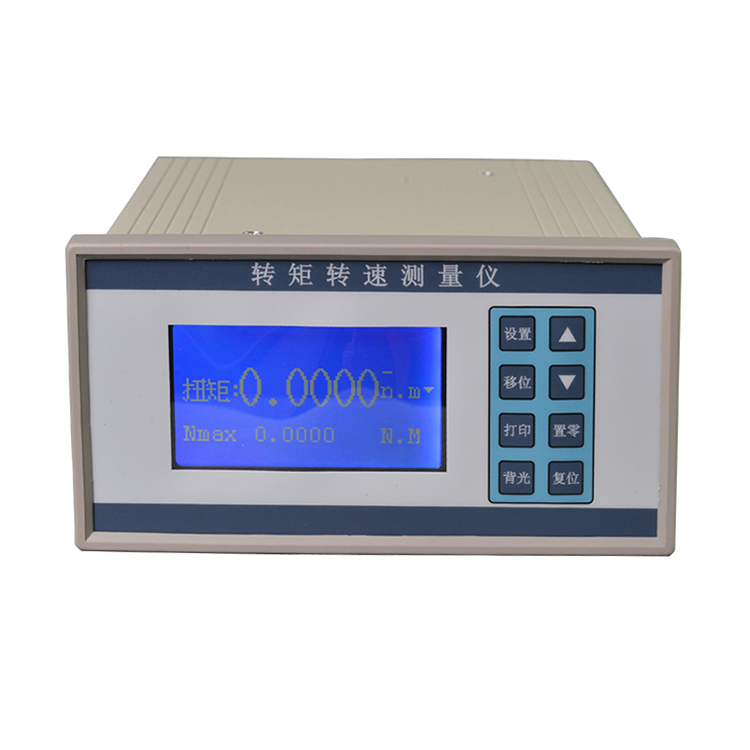


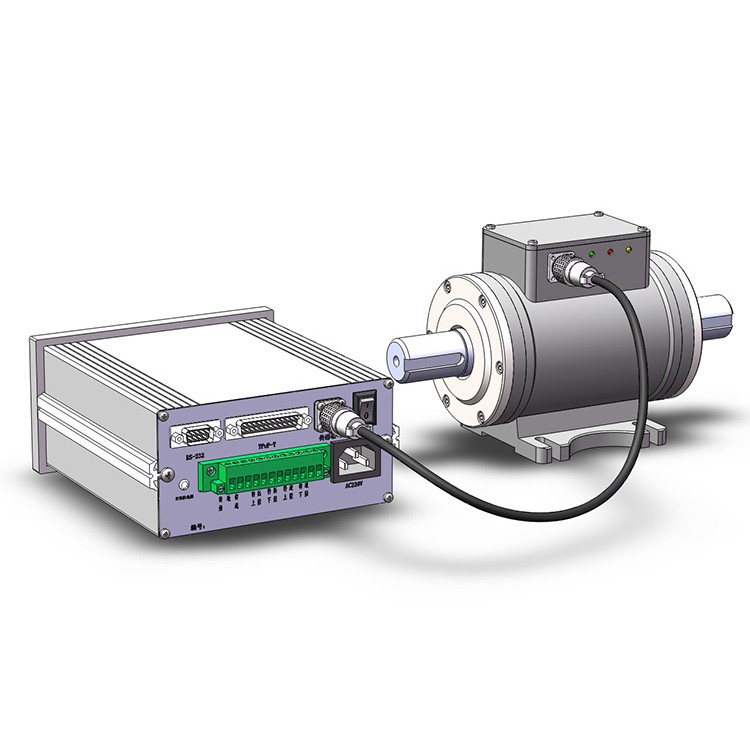
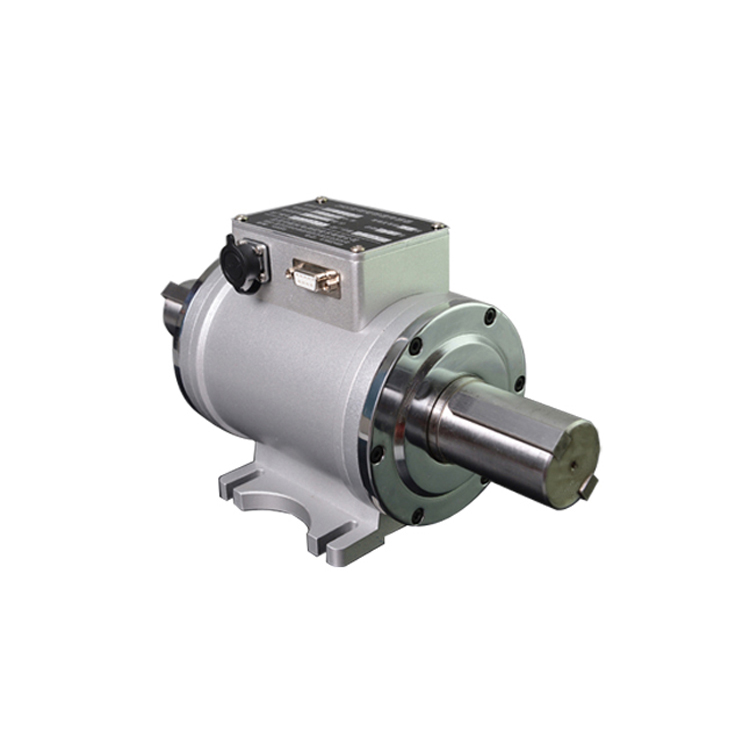








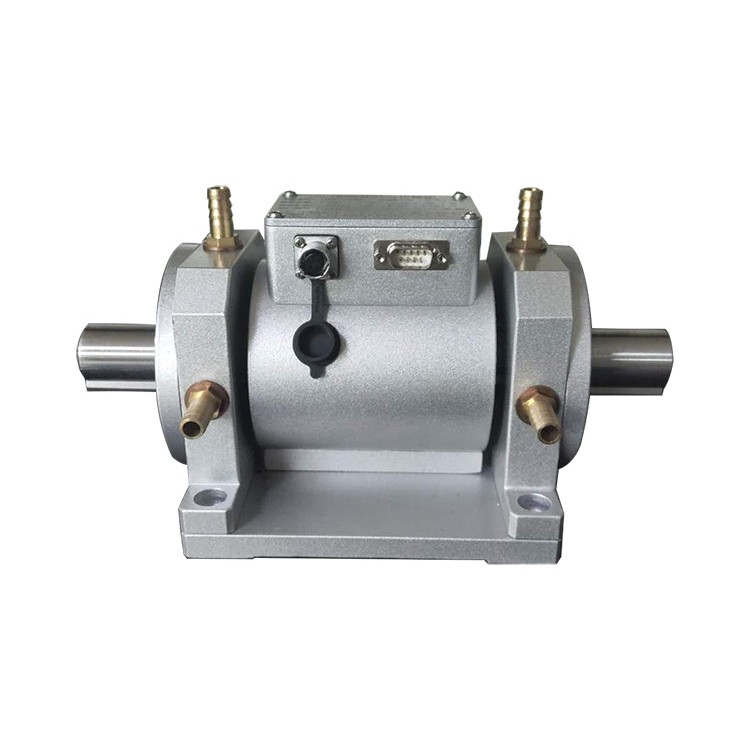
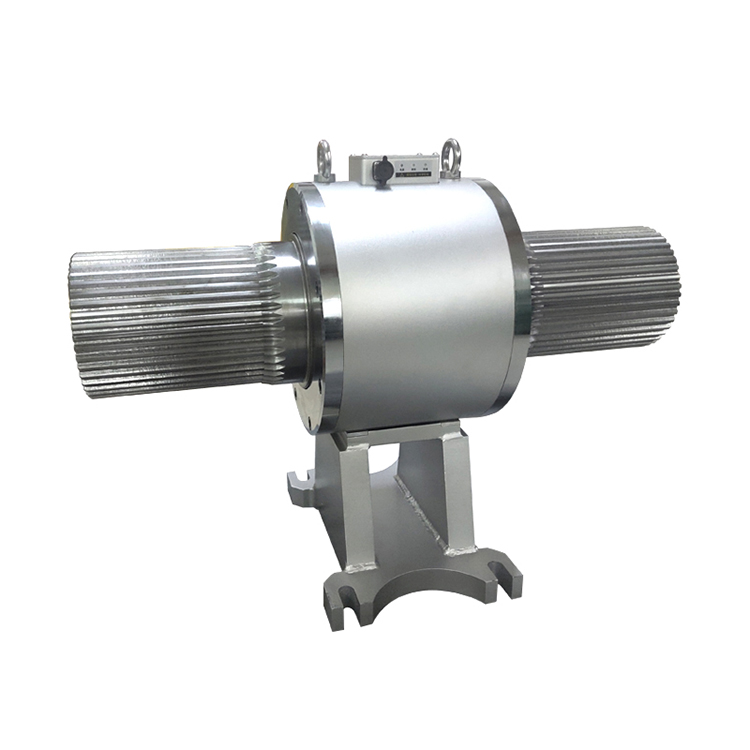
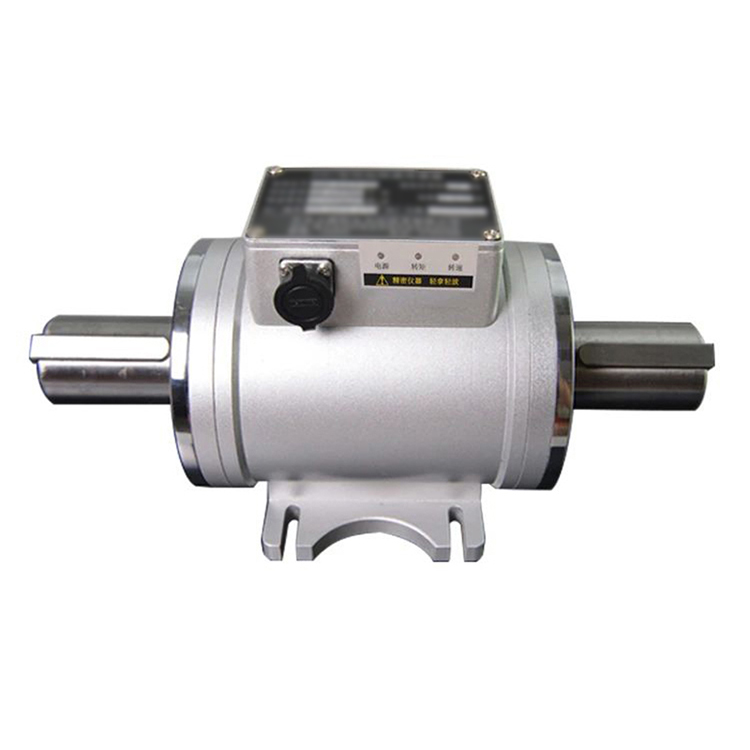
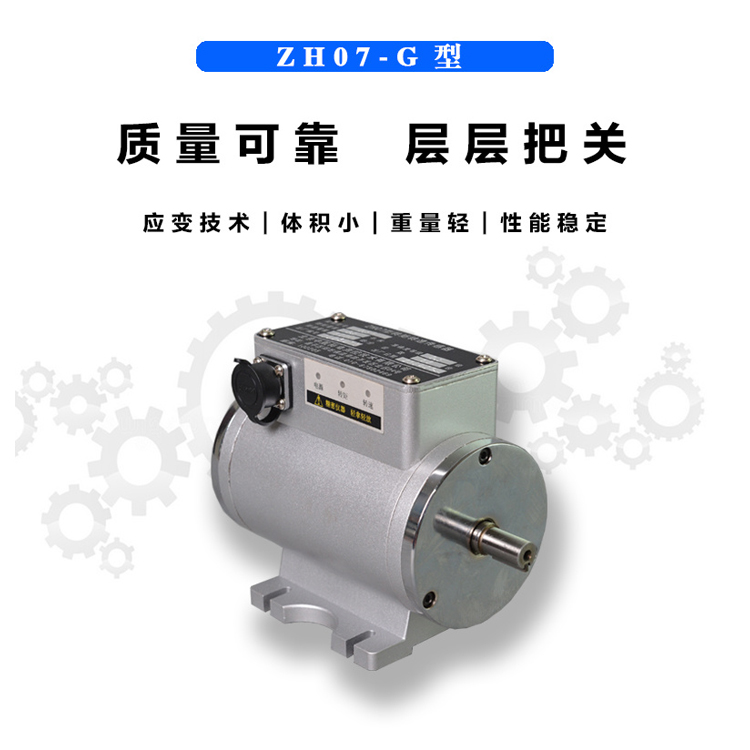
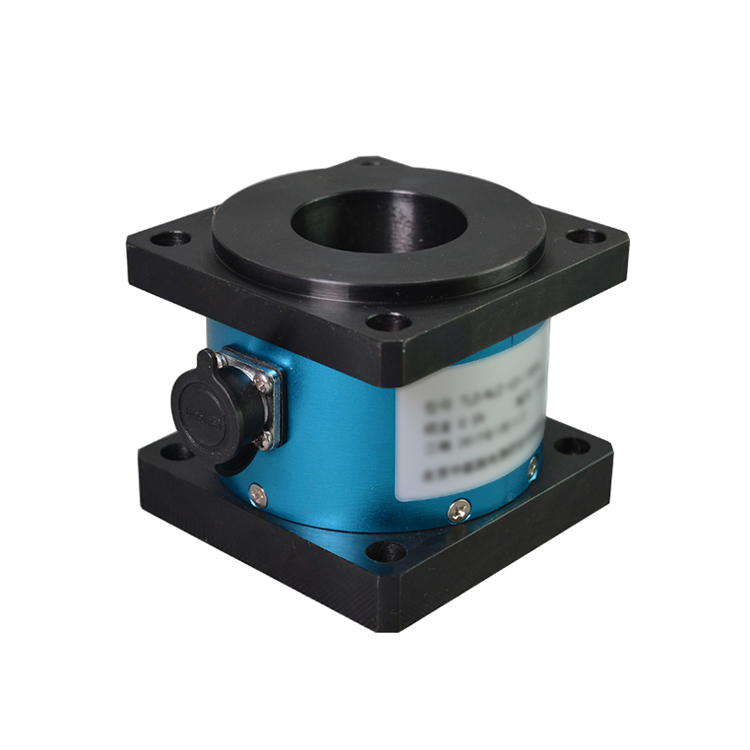
When using the ZH series torque sensors for measurement, it is recommended to choose the matching measuring instruments. This not only allows for direct observation of the measurement results, ensuring data accuracy during the measurement process, but also guarantees the system's measurement precision. They are widely used in the research, design, manufacturing, and maintenance of various power machinery and their transmission systems, such as for detecting load torque and input power in equipment like motors, electric motors, pumps, reducers, winches, drilling machinery, etc. Compatible with standard parallel port printers and equipped with RS232/R485 standard serial interfaces (optional), they can communicate with computers.
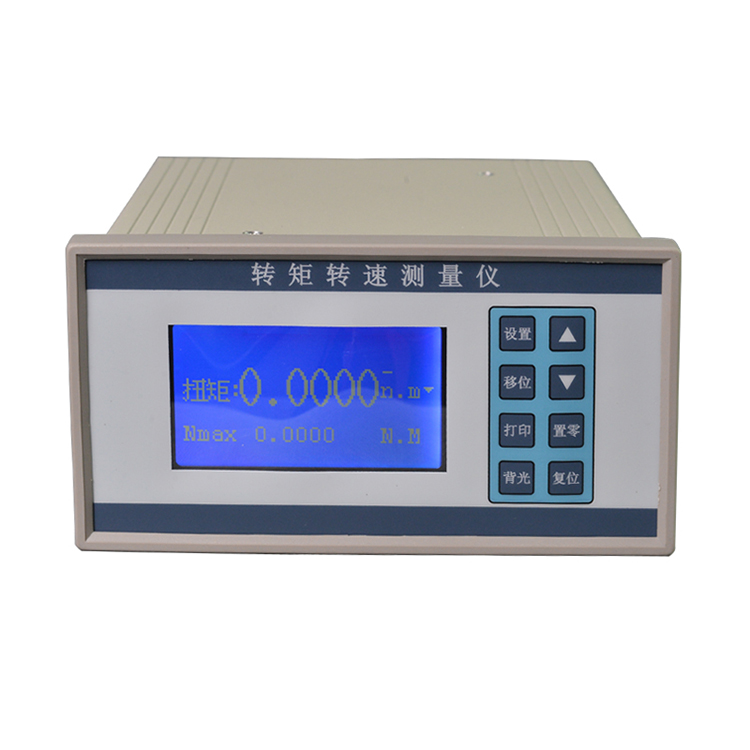
ZHK-D Type Display Instrument Technical Specifications
Supply Voltage: 220AC ±10%
Measurement Accuracy: 0.2 Grade
Relative Humidity: -20~60℃
Relative Humidity: ≤90%RH, non-corrosive gas environment
Measurement Cycle: 20~2000 mS
Power Consumption: ≤13W
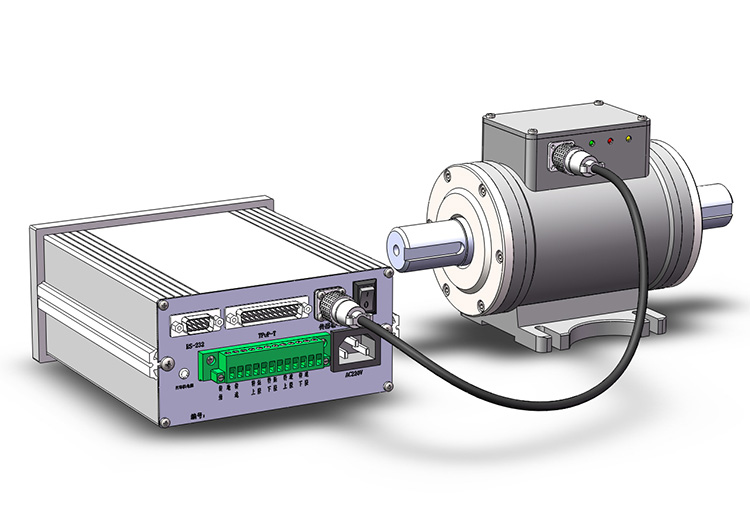
Sensor connection gauge
Sensor Connection Instrument Features
Interval timing measurements, with a measurable cycle of 20-2000mS adjustable, utilizing a timing pulse counting method to synchronously measure the torque and speed values at the current moment.
Display windows separately showing the measured values of torque, speed, and power (axial force), with the option to switch to display the upper limit of torque during the measurement process, and provide positive and negative torque indications.
Function with sensor zero-point calibration.
The instrument offers a user-selectable range setting feature, ensuring compatibility with sensors without the need for special configuration.
Users can set alarm values for torque and speed, the meter features an alarm indicator function, and provides an alarm output signal.
Offer standard RS232/485 interfaces and MODBUS communication protocol.
Power detection and reset function to prevent system crashes caused by power interference and fluctuations.
Saveable settings for various parameters.
Input and output utilize signal isolation technology, offering certain anti-interference capabilities.