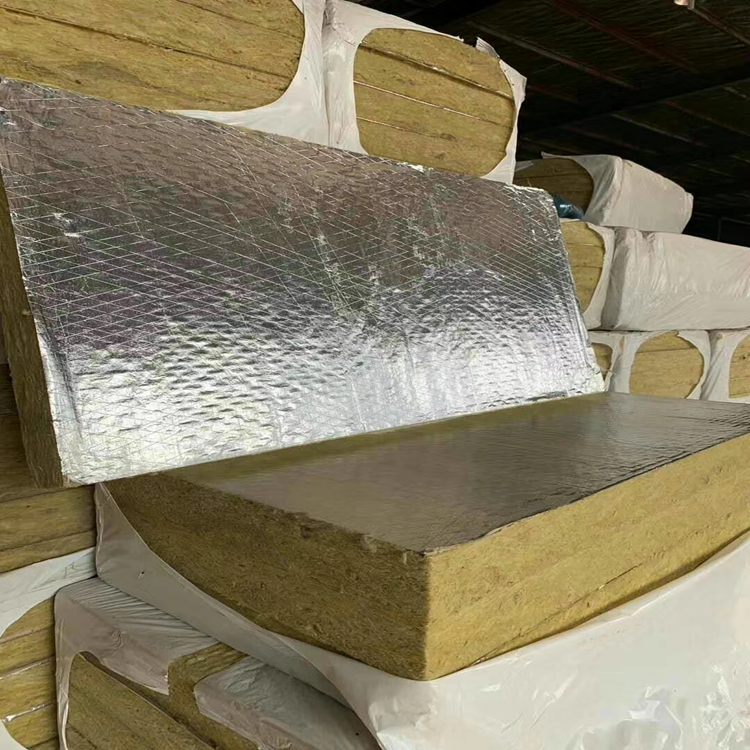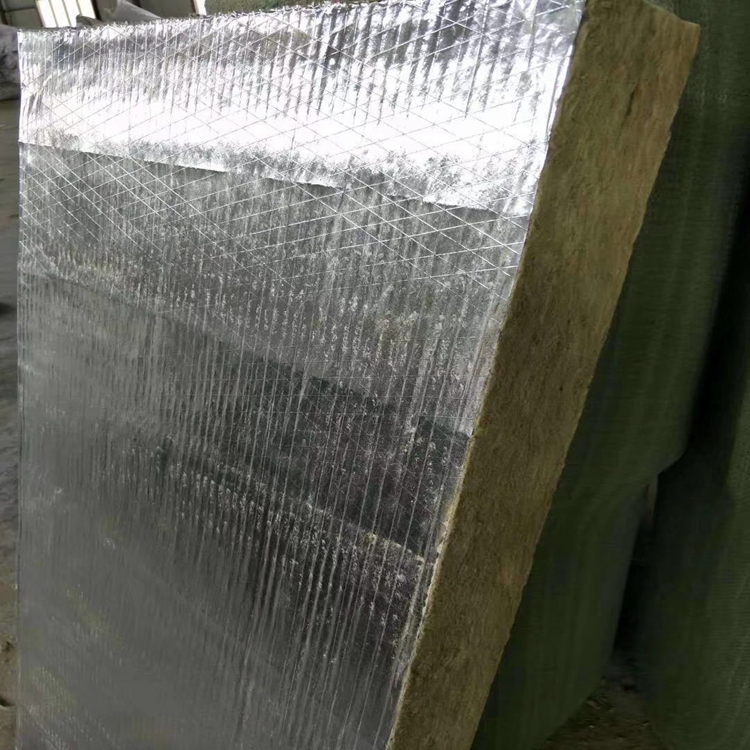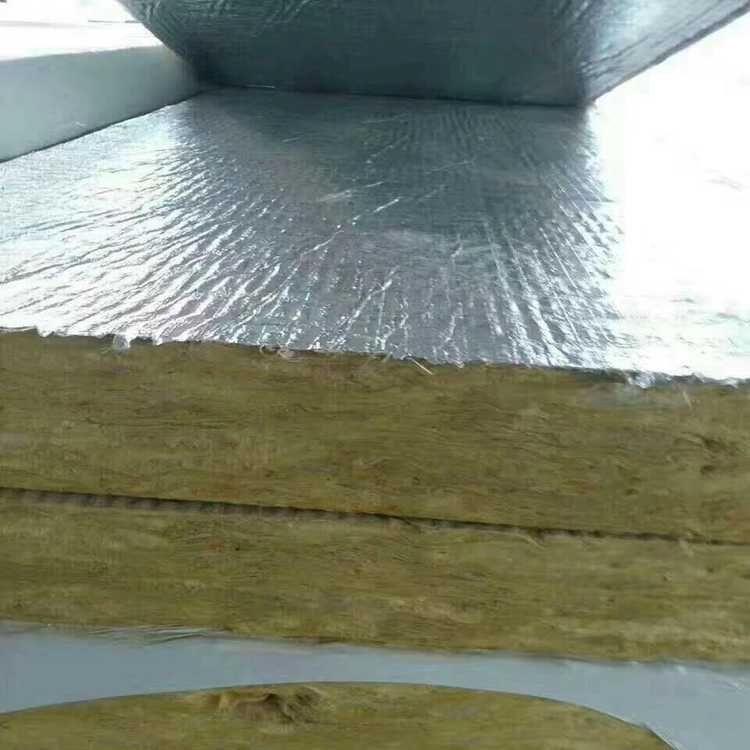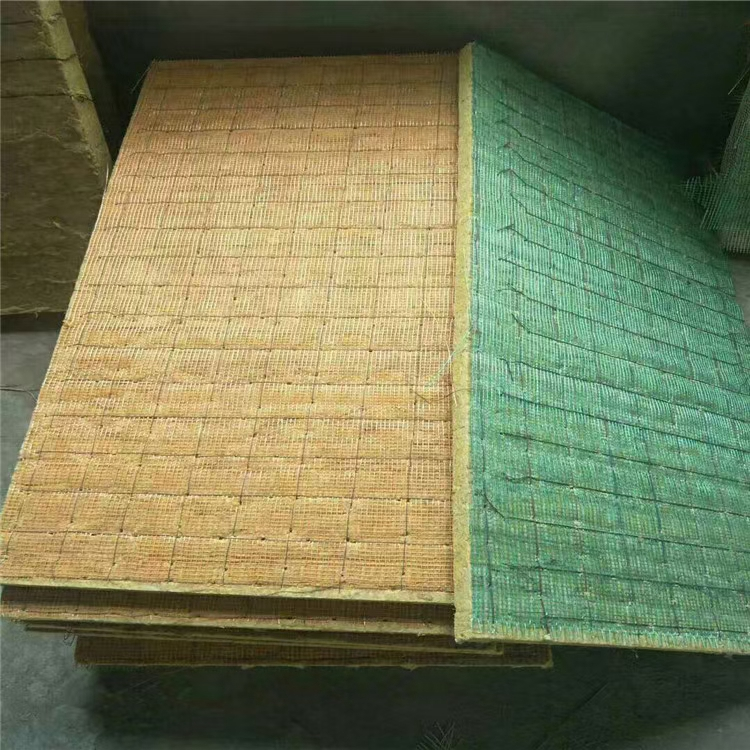
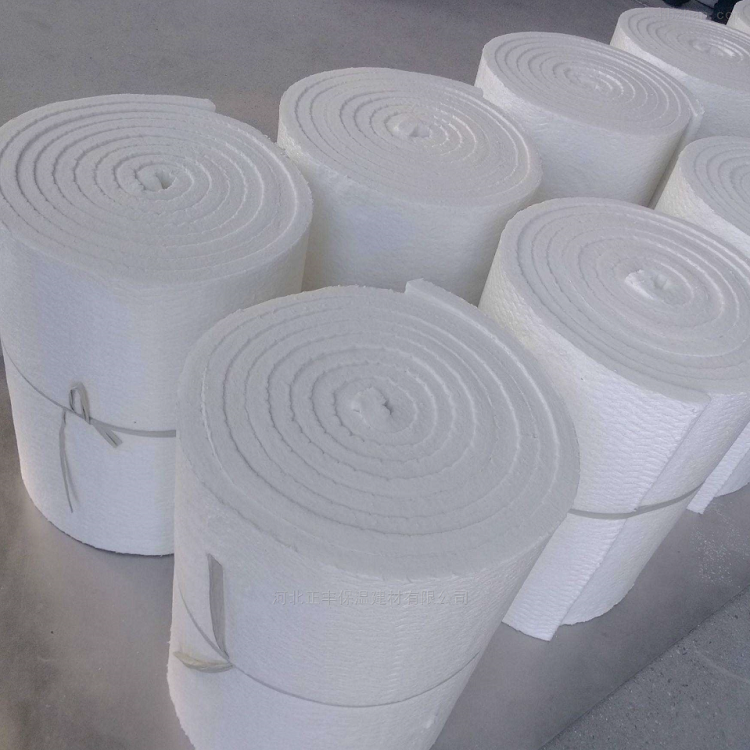
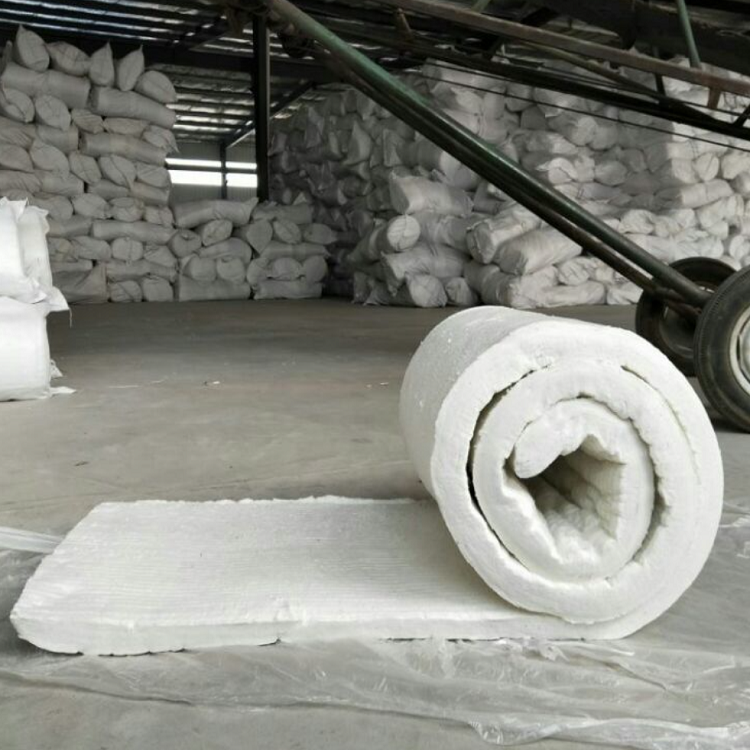
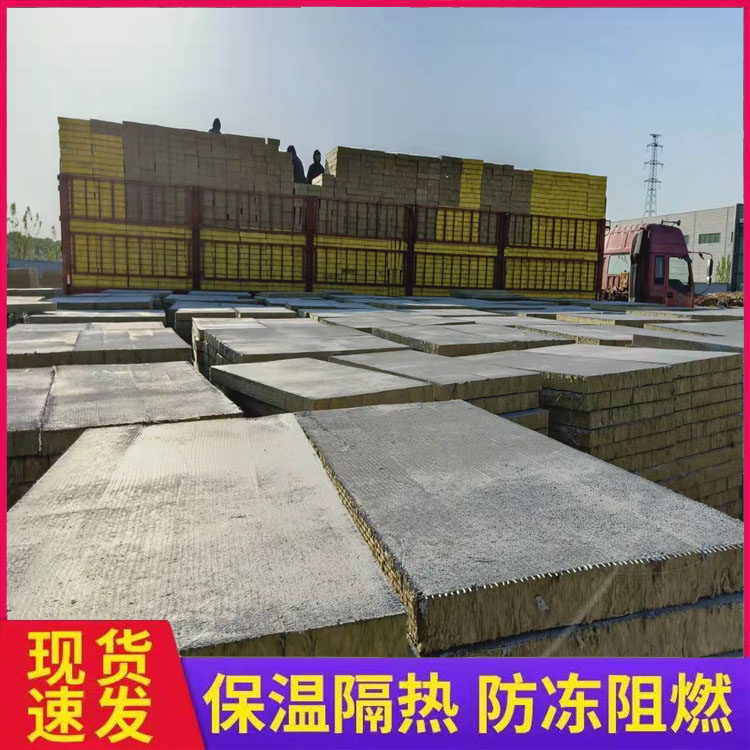
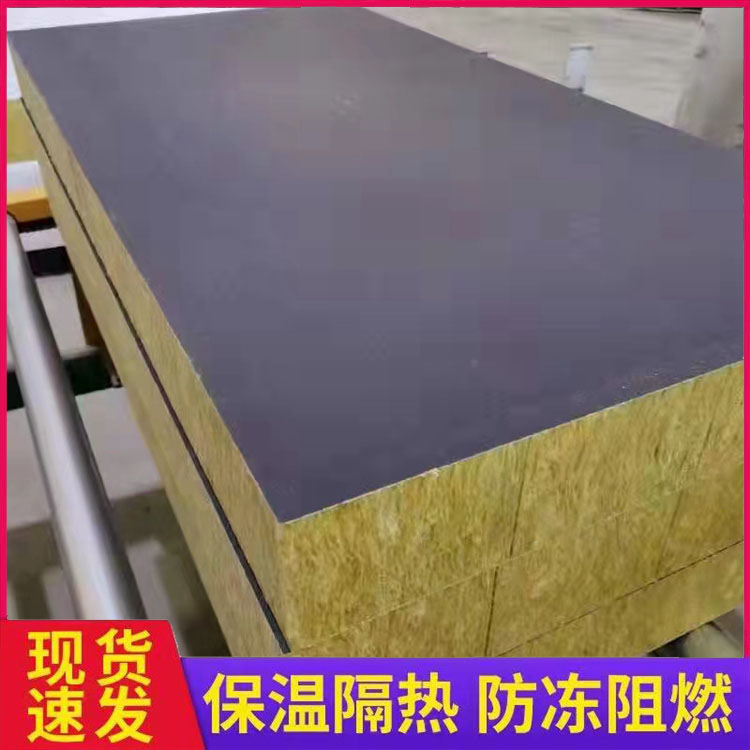
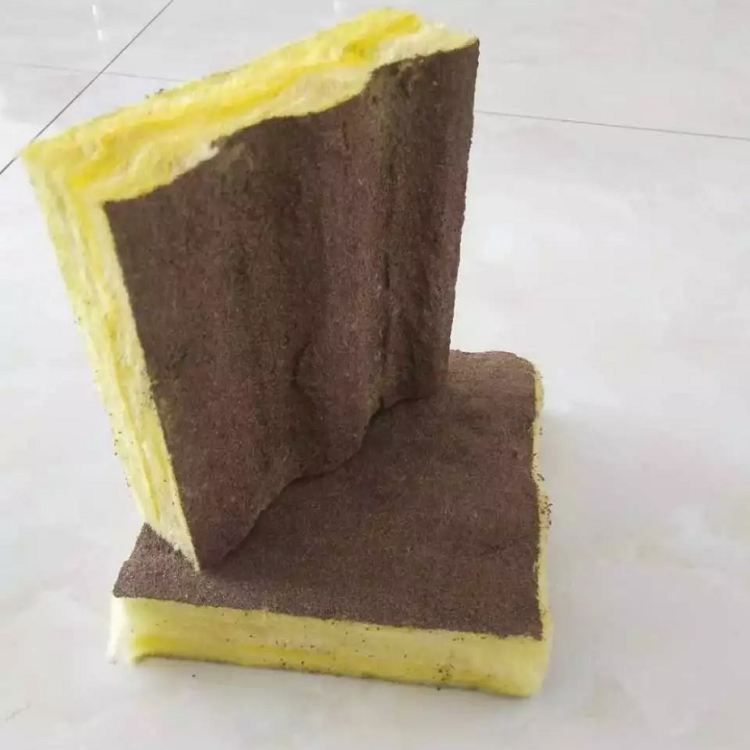
Aluminum foil mineral wool boards are a type of mineral wool board known for their excellent waterproofing properties and insulation capabilities. These boards are made by applying a layer of aluminum foil to the surface of mineral wool. As an industrial manufacturing raw material, aluminum foil is primarily used for packaging protection, household goods, and construction. They are qualitative, ensuring light blockage, non-fallout, lightproof, pollution-free, and affordable. They are supplied for moisture-proofing and decorative purposes for premium cigarettes, candies, and insulation materials. The application of aluminum foil to the mineral wool board significantly enhances its waterproofing performance.
Thermal Conductivity W/(m·K)
0.030-0.044
Waterproof and Insulation: The mineral wool board with added aluminum foil paper enhances waterproof performance. Its insulation property is excellent due to its low thermal conductivity, offering good heat and heat preservation effects. Good thermal insulation is a fundamental characteristic of mineral wool and its products. Under normal temperature conditions (around 25℃), the thermal conductivity of mineral wool is typically between 0.03~0.047 W/(m·K).
Fire Retardant: The surface material and insulation material of the mineral wool board are non-combustible, fully meeting fire safety requirements. The combustion performance depends on the amount of combustible adhesive. Mineral wool itself is an inorganic mineral fiber and is non-combustible.
Durability: Multiple studies and over 40 years of widespread use internationally confirm that color steel plates treated with special coatings have a lifespan of 10-15 years. Afterward, by applying anti-corrosion coatings every 10 years, the service life of the plates can extend to over 35 years.
Aesthetics: Adaptable to match the style of any building, achieving a satisfying result.
Soundproofing Performance: Rock wool and slag wool products offer excellent soundproofing and noise absorption properties. The absorption mechanism is due to the porous structure of these products. When sound waves pass through, friction is generated due to the flow resistance, causing a portion of the sound energy to be absorbed by the fibers, thereby obstructing the transmission of sound waves [1].
Usage
1. Petrochemical Industry - Insulation and thermal preservation for equipment in the oil, power, and chemical sectors, as well as sound absorption and noise reduction.
2. Construction Industry - Insulation, thermal, acoustic, and noise reduction for partition walls, curtain walls, roofs, and protective sheathings.
3. Industrial sectors - Industrial kilns, ovens, large-diameter storage tanks, and ship insulation for fire prevention, etc., can also be decorated with moisture-proof aluminum foil, black (white) glass fiber fabric with steel mesh, and glass fiber felt for moisture-proof facing.