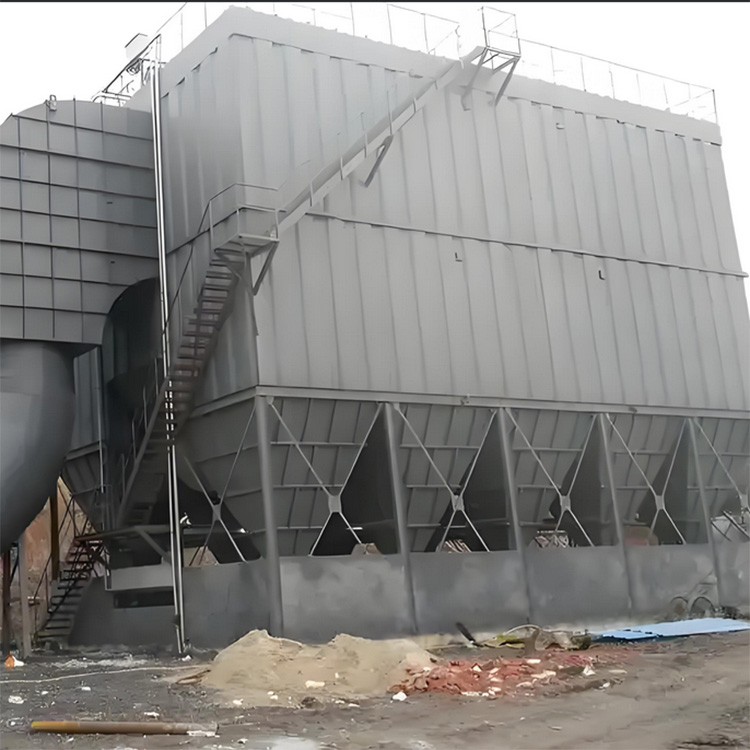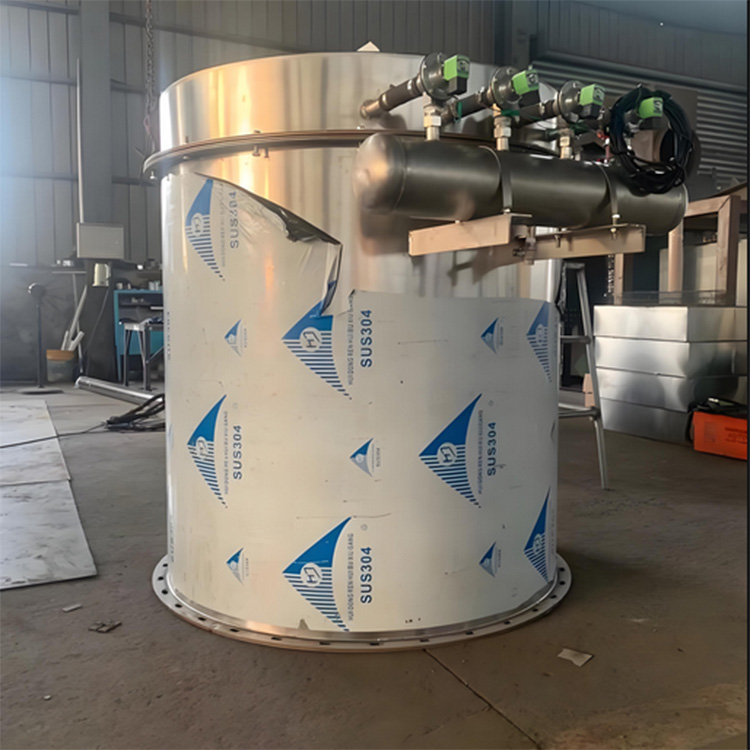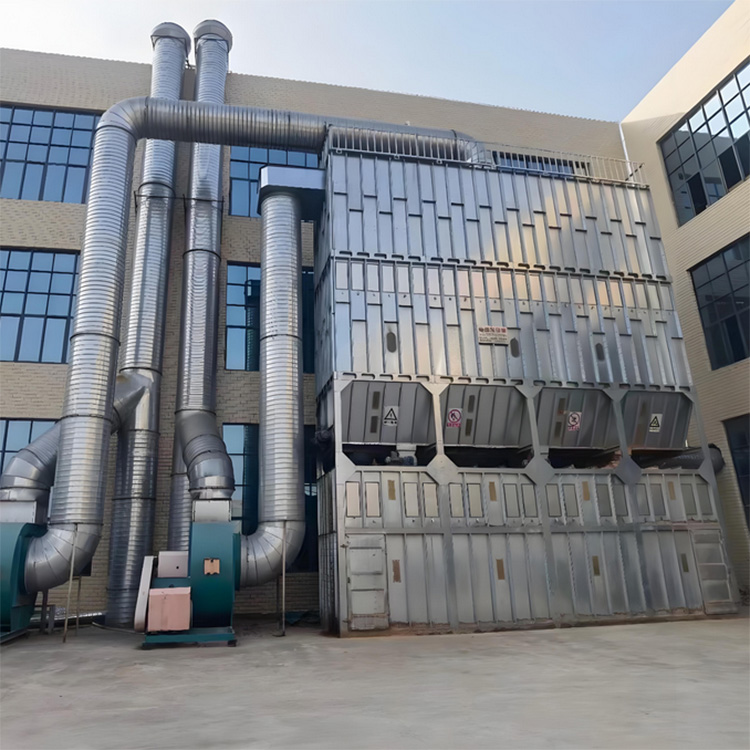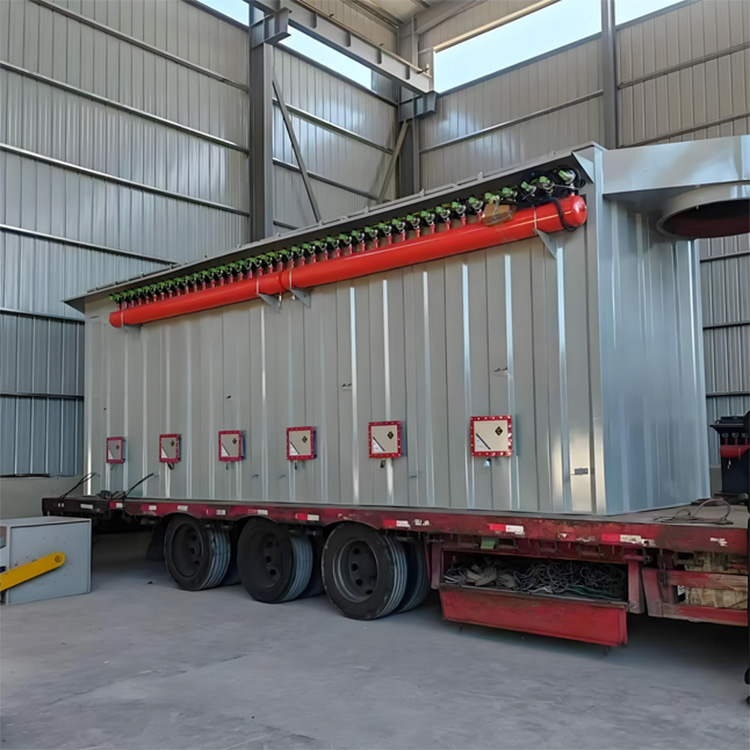








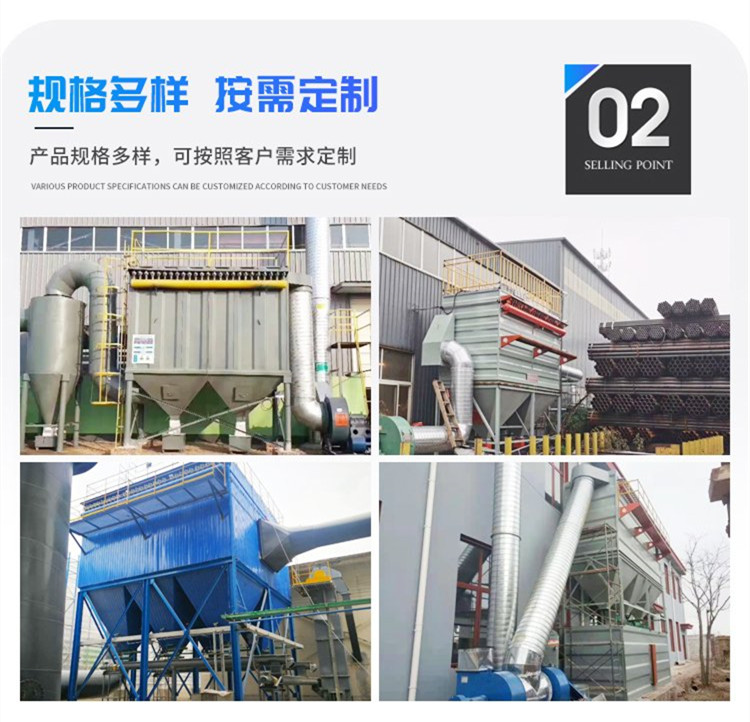
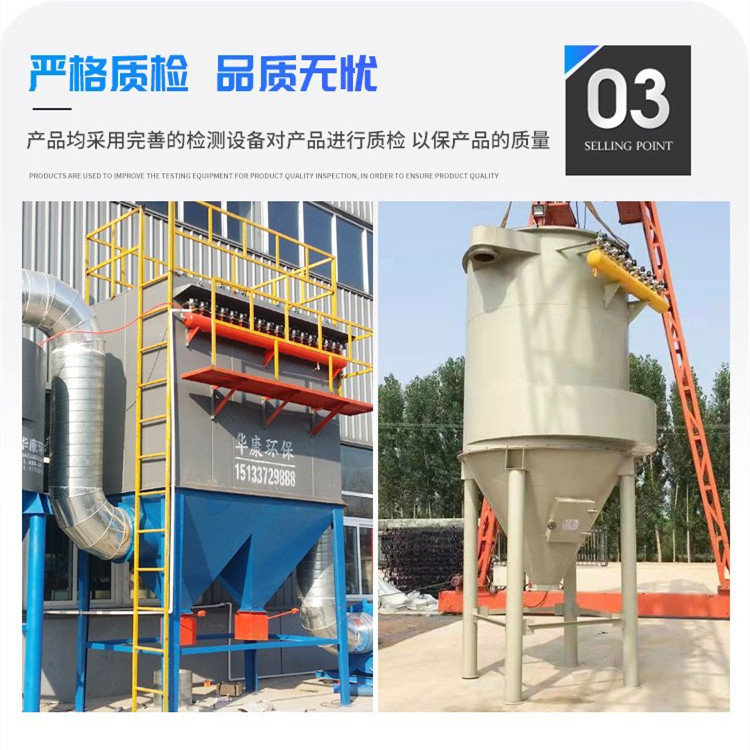
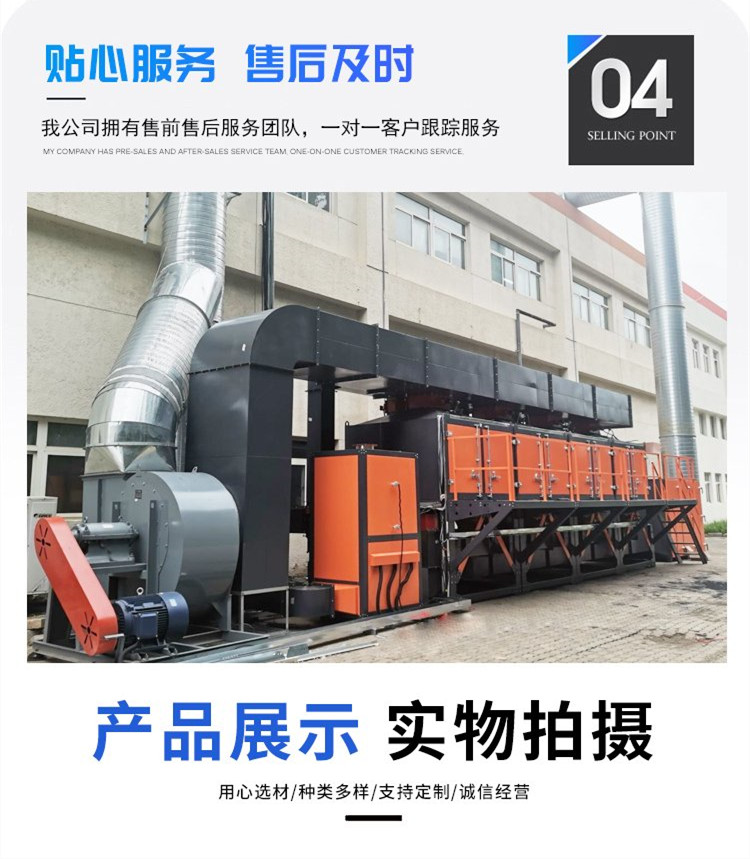
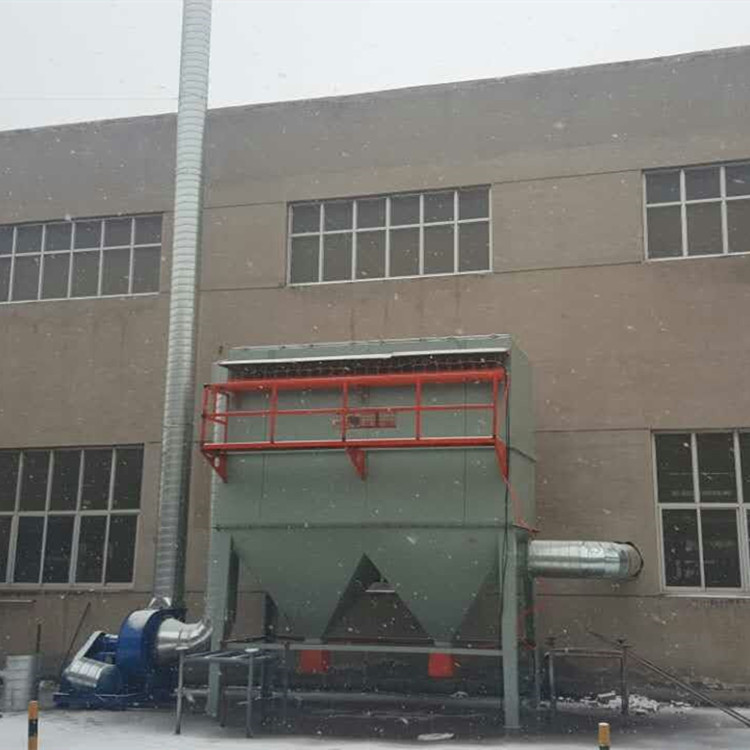
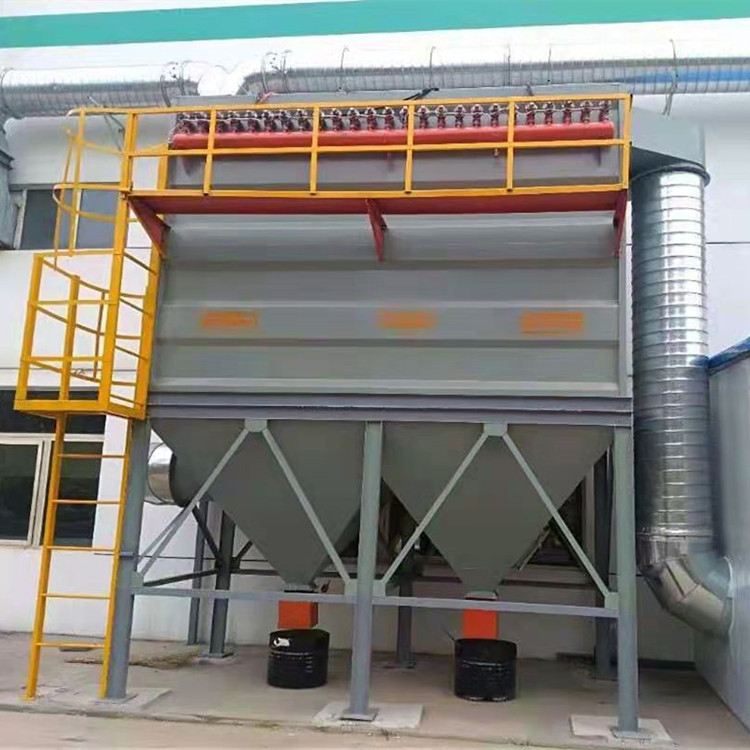
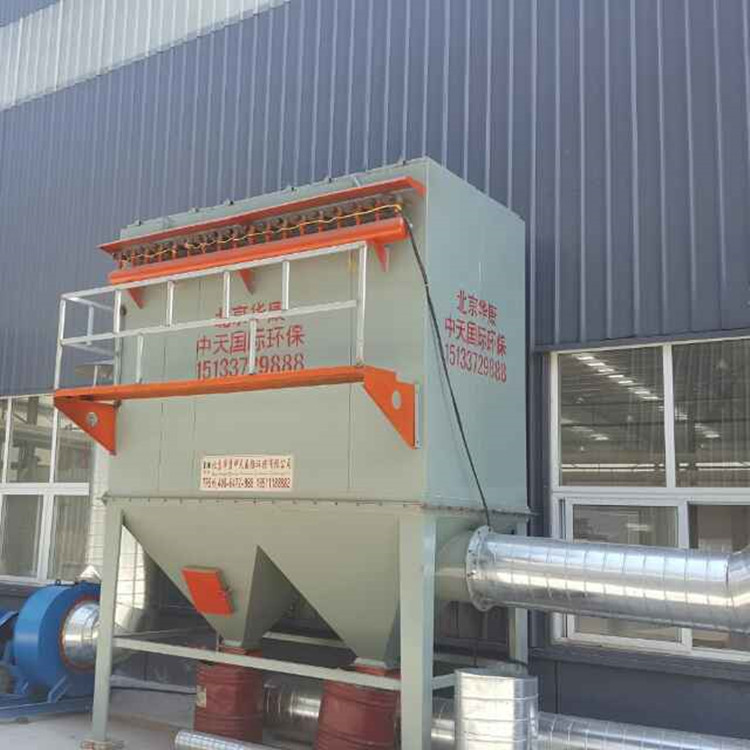
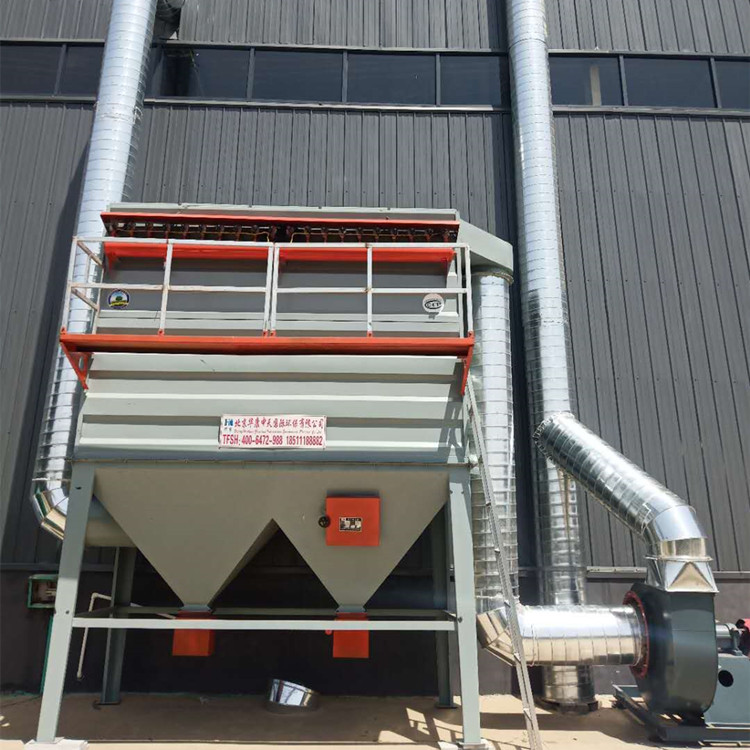
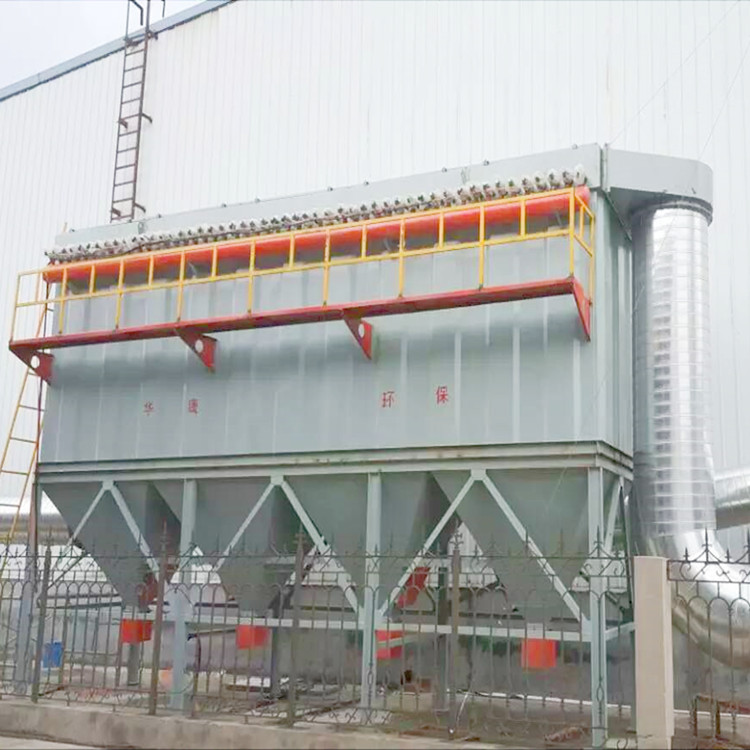
Bag filter is a dry dust filtering device. After using the filter material for a period of time, due to screening, collision, retention, diffusion, static electricity and other effects, a layer of dust accumulates on the surface of the filter bag, which is called the initial layer. During the subsequent movement process, the initial layer becomes the main filtering layer of the filter material. With the help of the initial layer, filter materials with larger mesh holes can also achieve higher filtration efficiency. As dust accumulates on the surface of the filter material, the efficiency and resistance of the dust collector increase accordingly. When the pressure difference between the two sides of the filter material is large, some small dust particles that have already adhered to the filter material will be squeezed out, causing a decrease in the efficiency of the dust collector. In addition, excessive resistance of the dust collector can significantly reduce the airflow of the dust removal system. Therefore, after the resistance of the dust collector reaches the numerical value, it is necessary to clean the dust in a timely manner. When cleaning, the initial layer should not be damaged to avoid a decrease in efficiency.
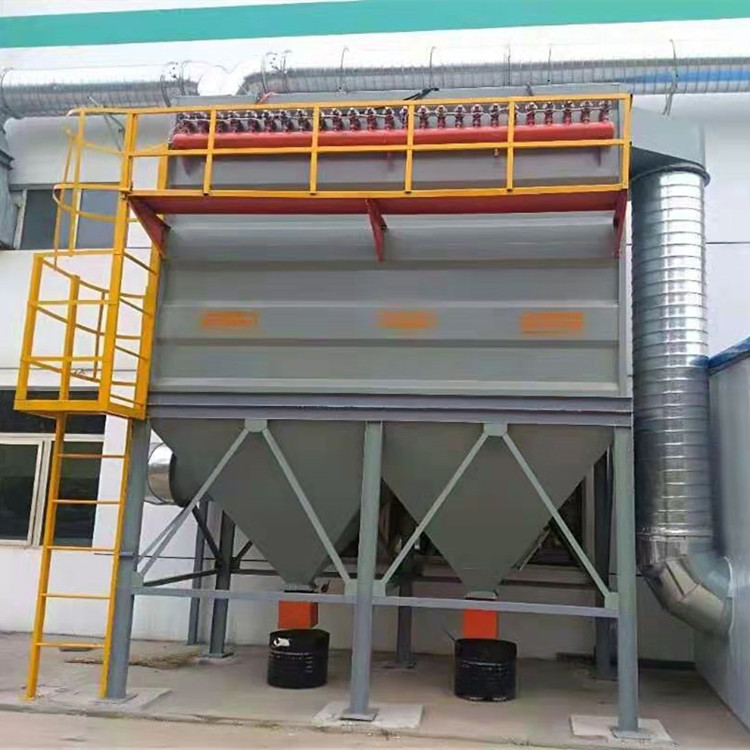
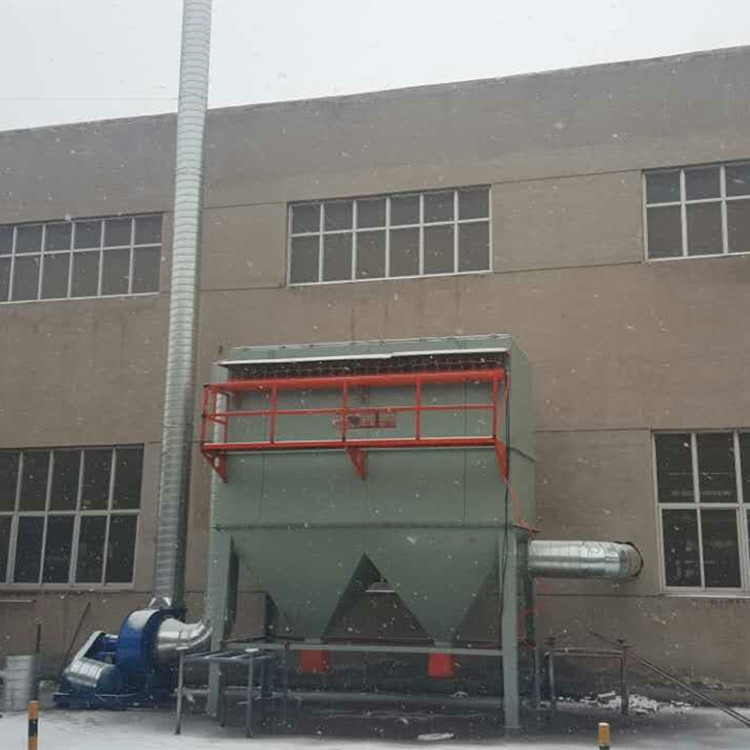
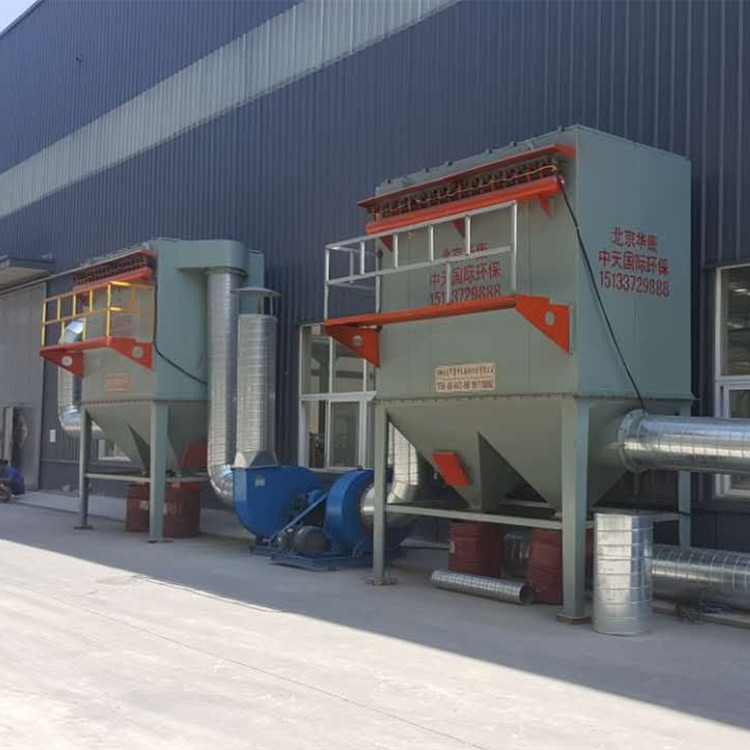
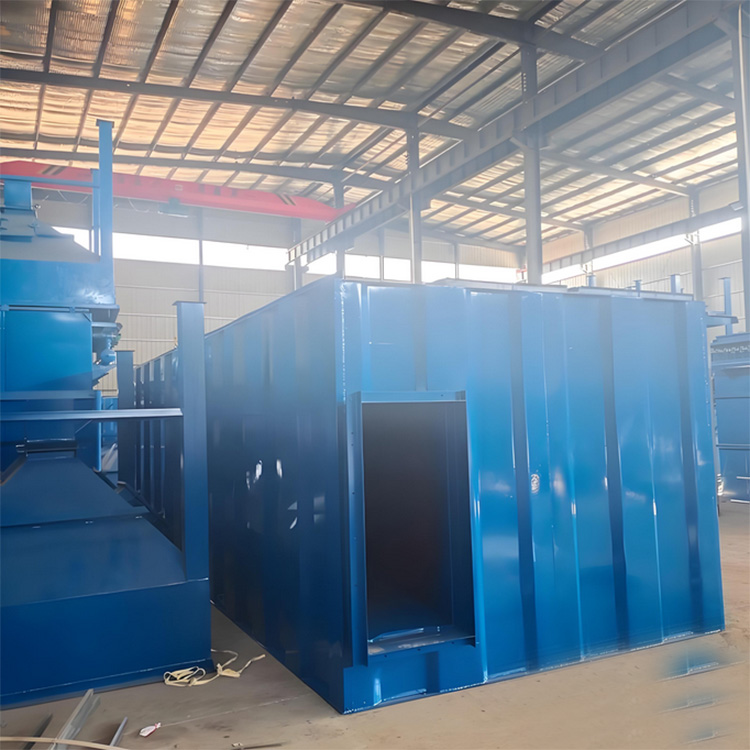
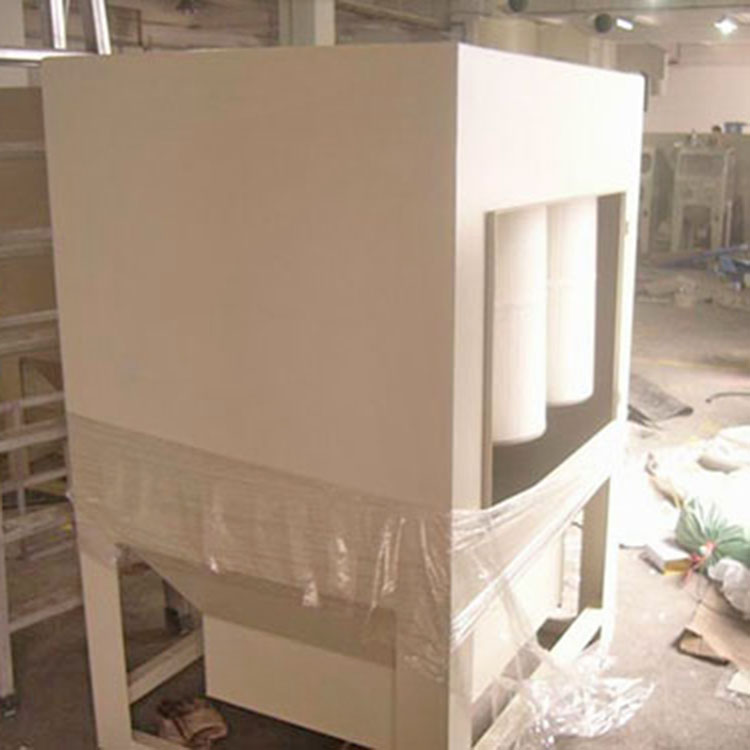
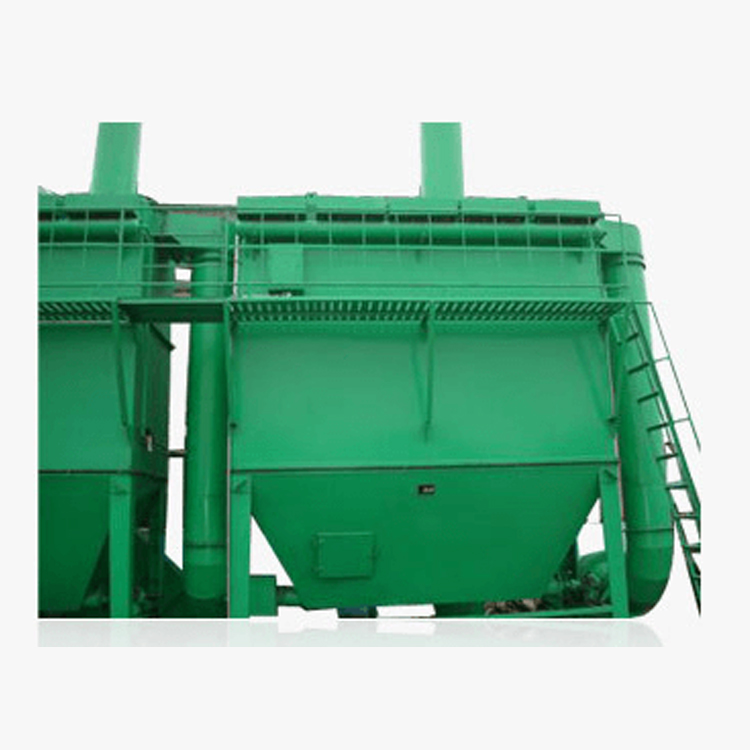
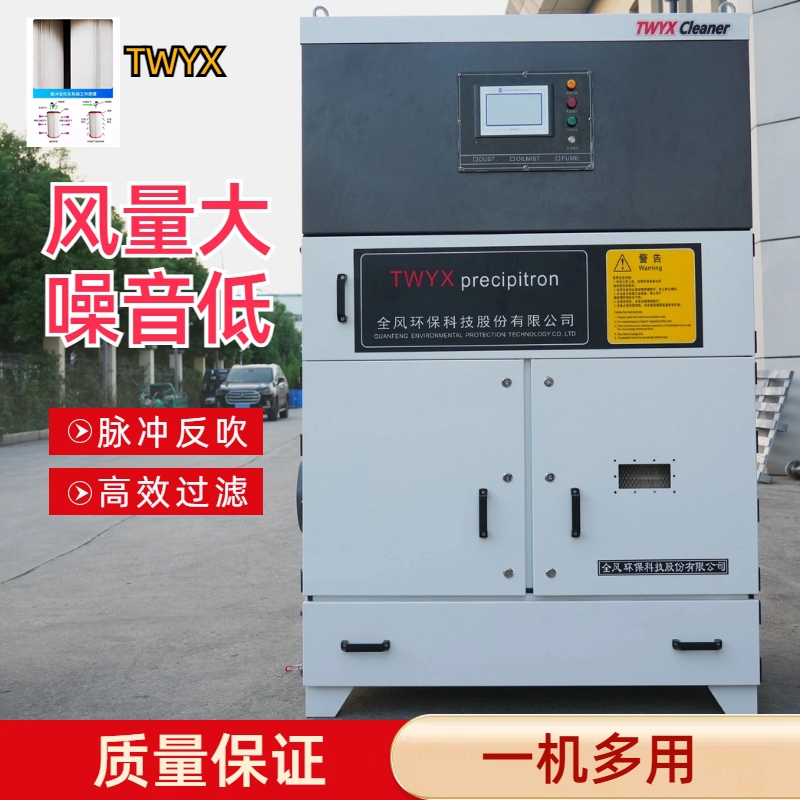
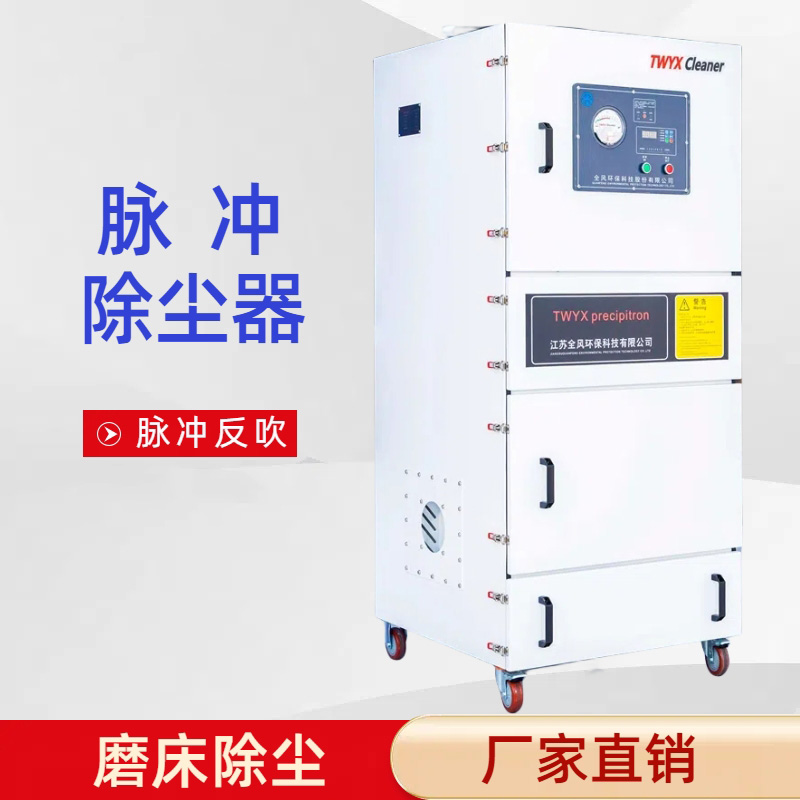
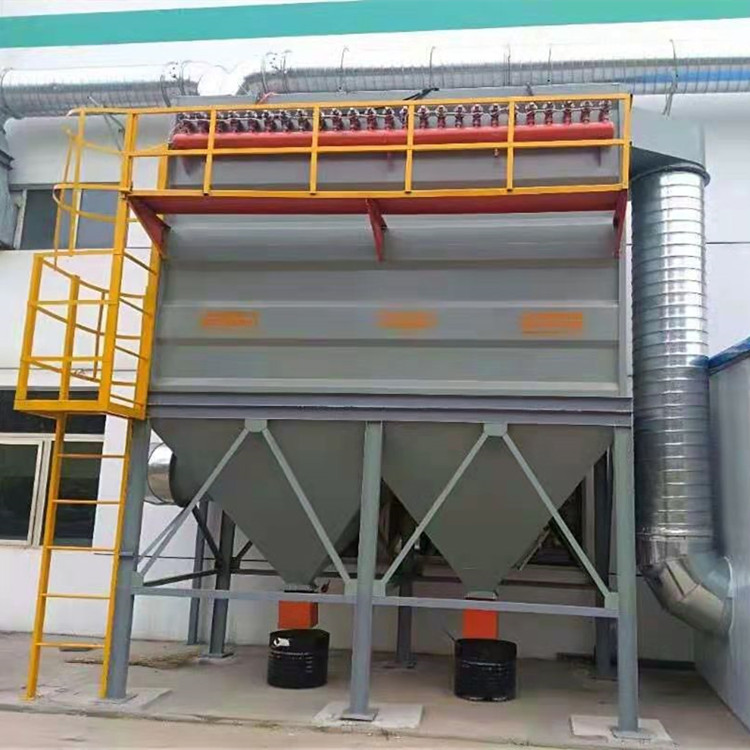
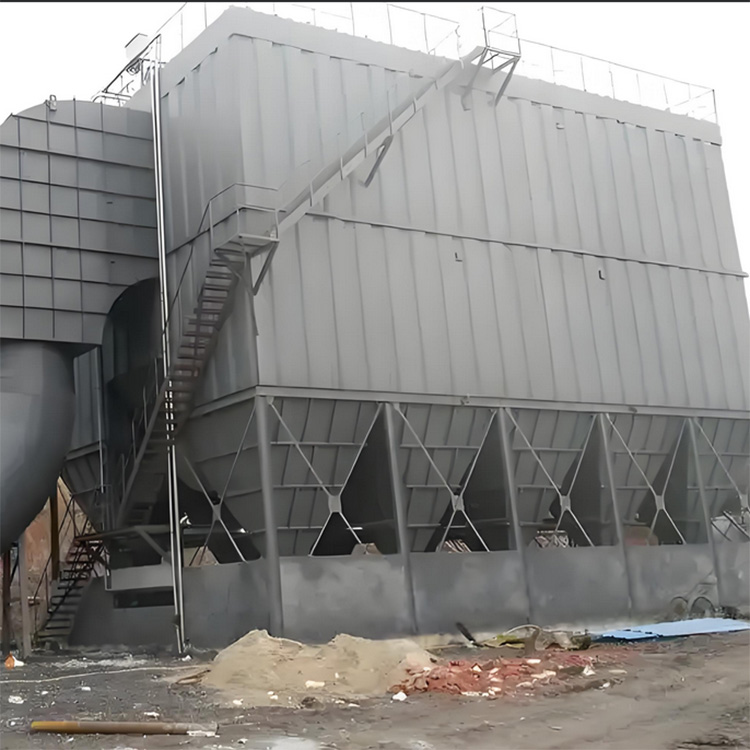
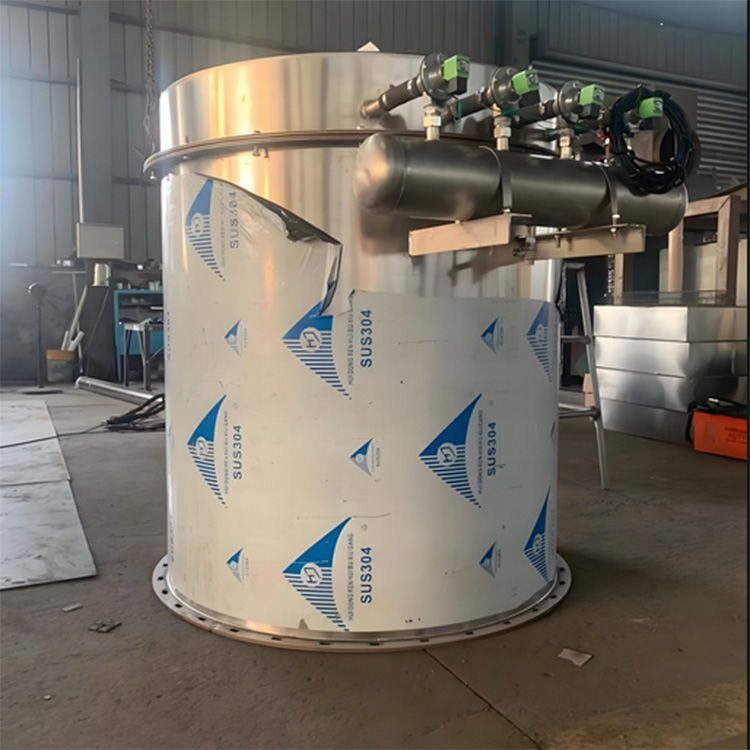
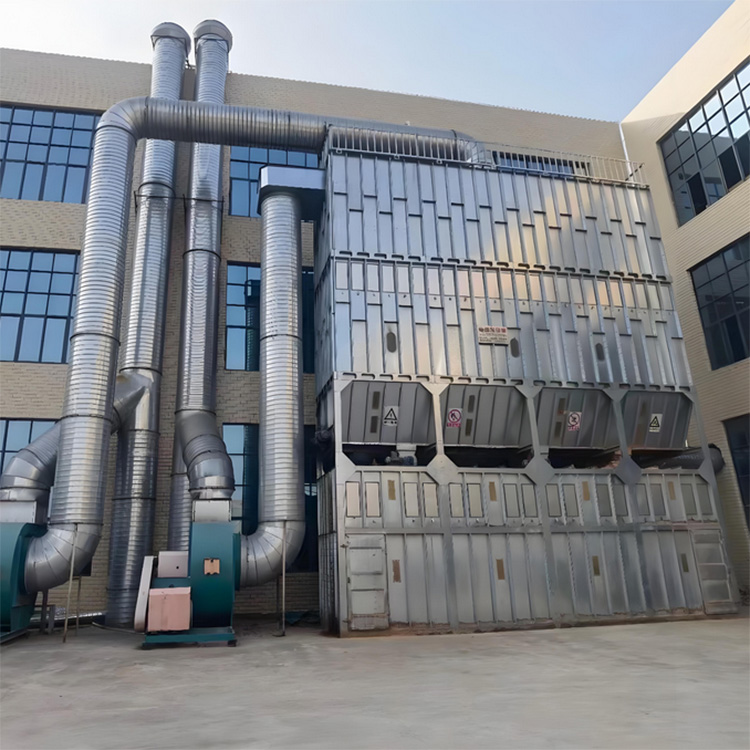
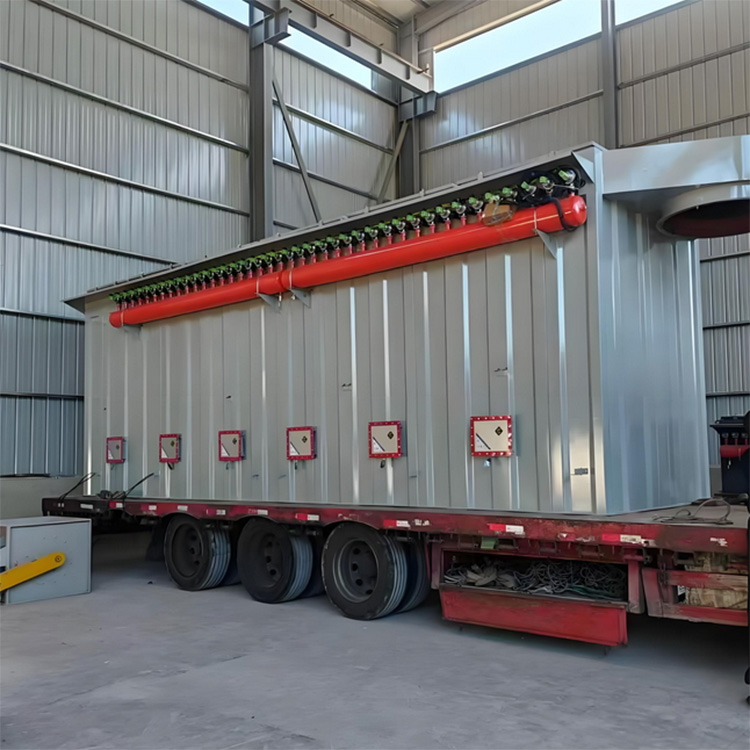
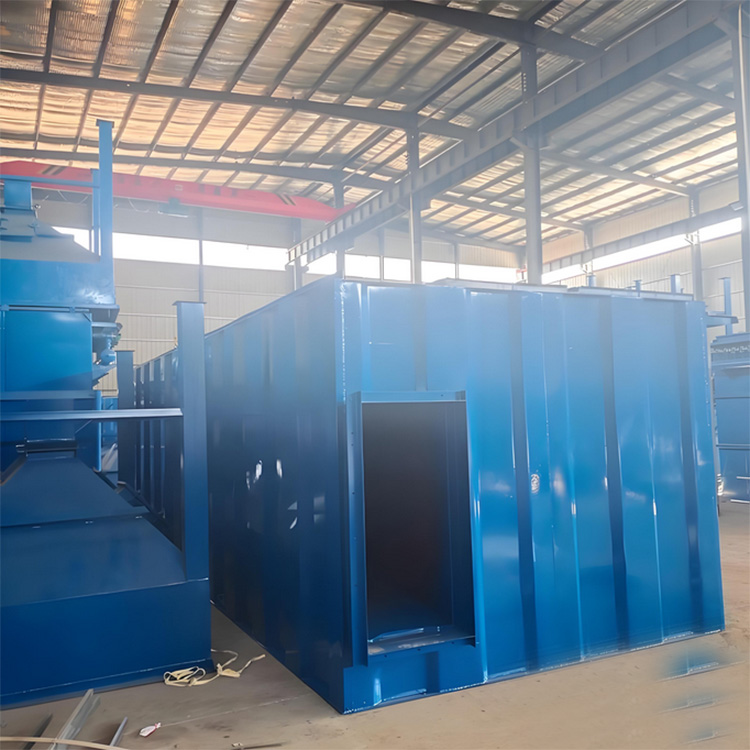
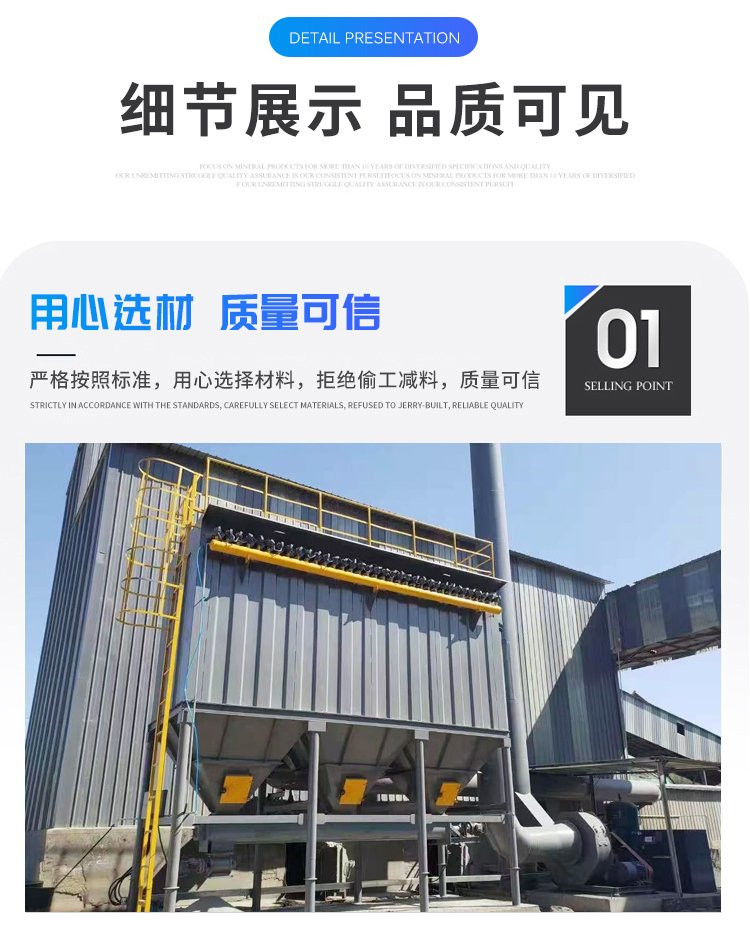
The structure of a bag filter mainly consists of an upper box, a middle box, a lower box (ash hopper), a cleaning system, and an ash discharge mechanism.
Working principle of bag filter
After the dusty gas enters the ash hopper from the air outlet, some of the coarser dust particles and condensed dust clusters fall directly due to inertia, playing a role in pre collecting dust. The airflow entering the ash hopper is redirected upwards and flows into the box. When passing through the filter bag with a metal frame inside, the dust is trapped on the outer surface of the filter bag. The purified gas enters the clean room at the top of the filter bag and is collected and discharged through the air outlet duct.