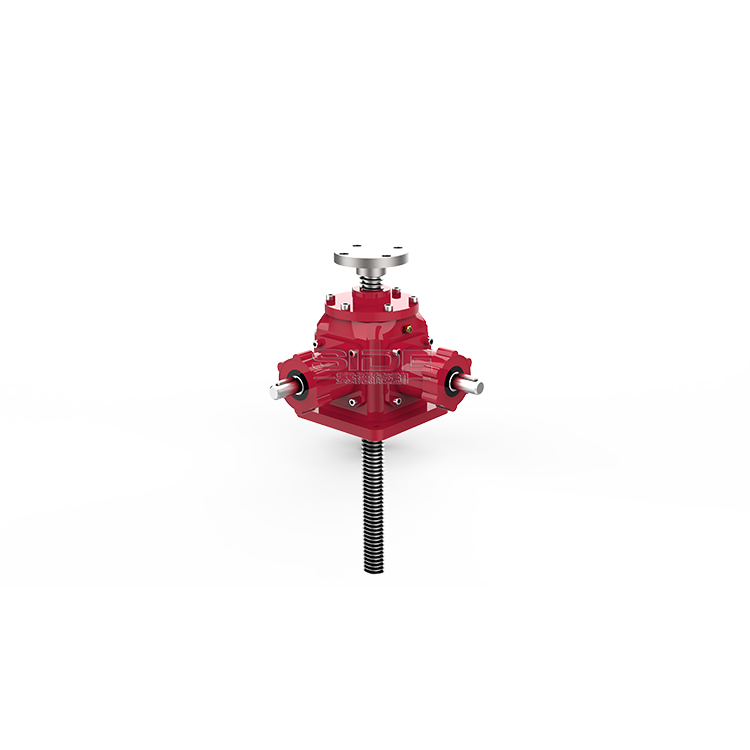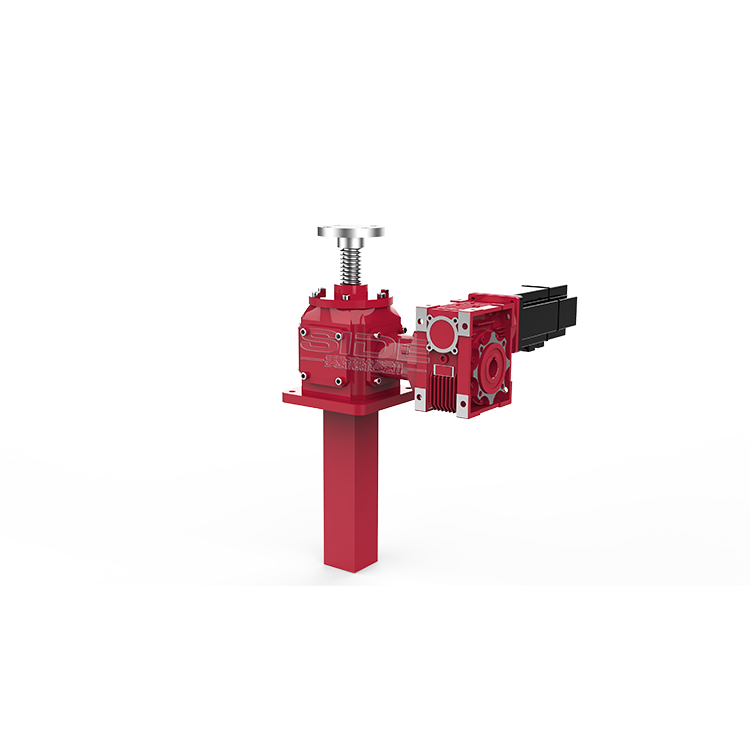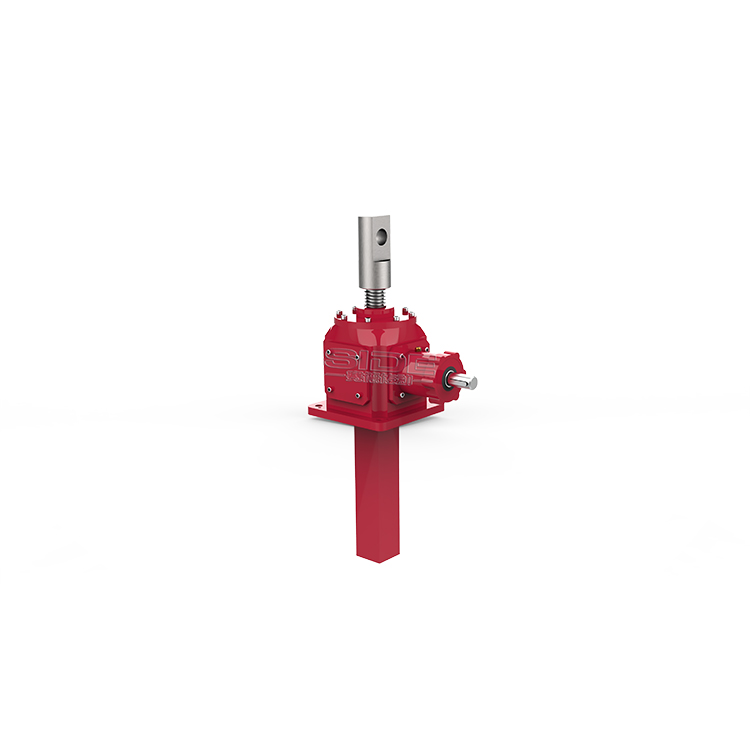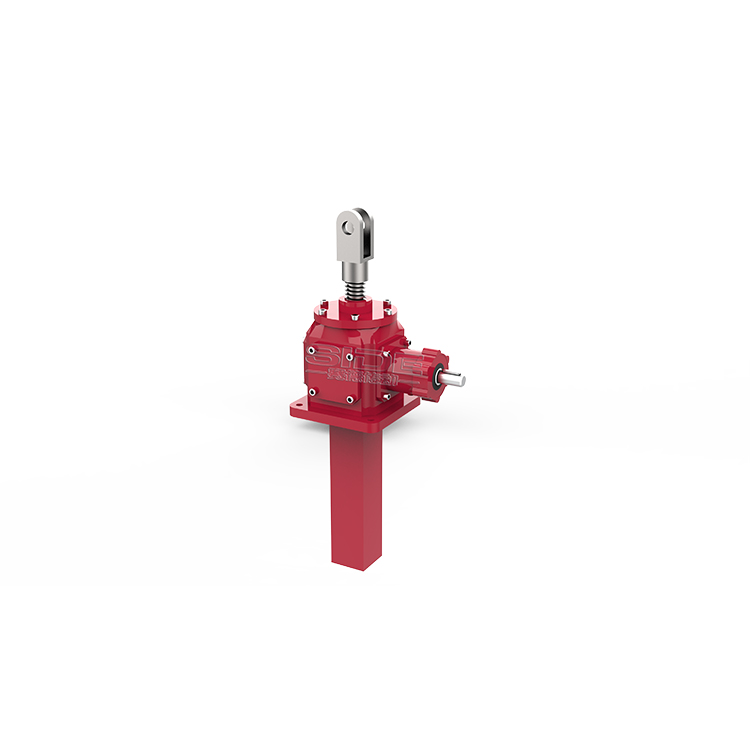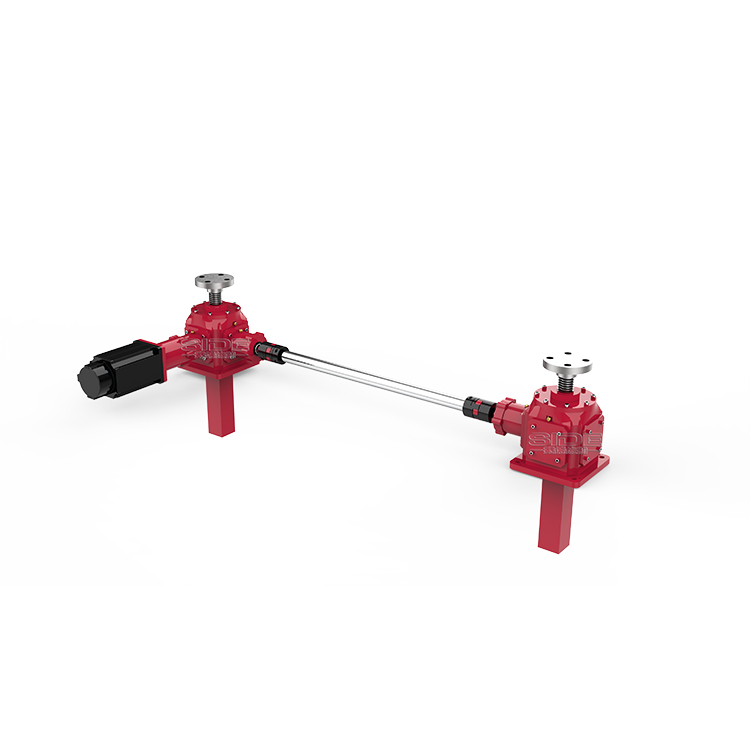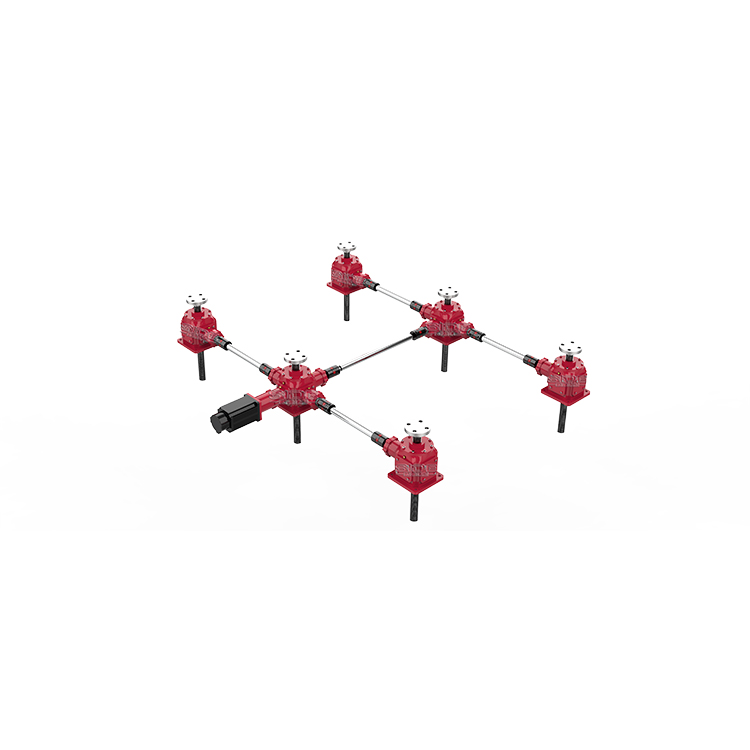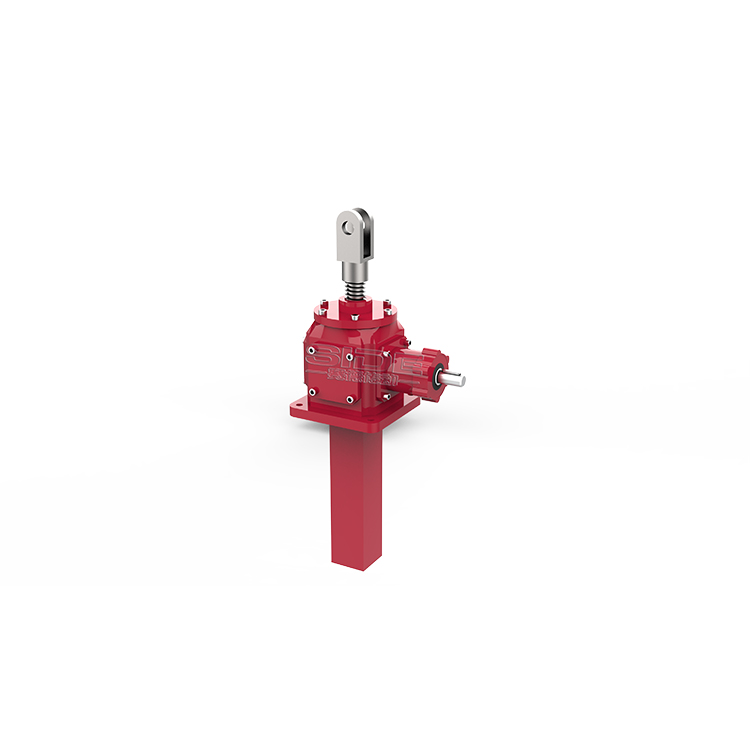

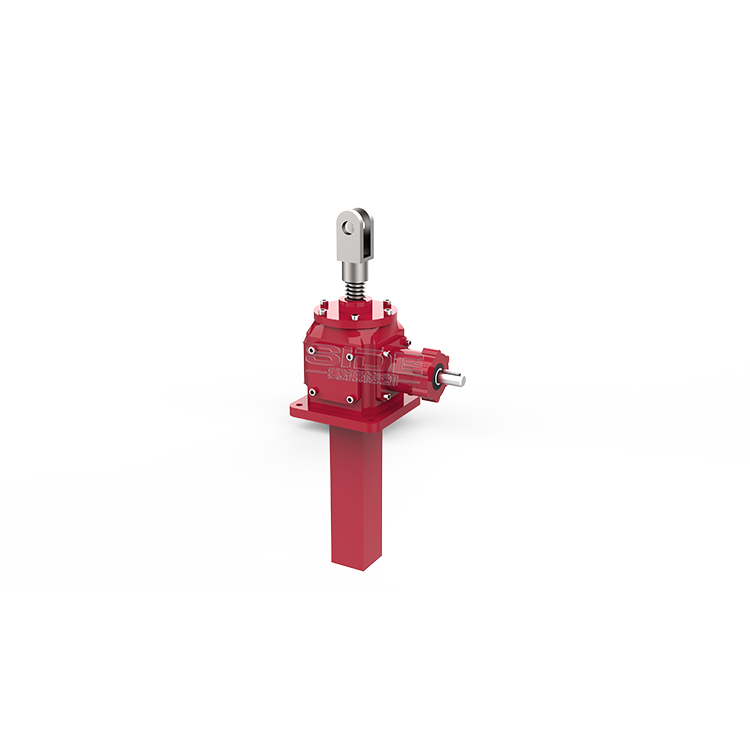








Compared with worm gear screw elevators, SNL screw elevators are mainly characterized by high efficiency, easy adjustment of reduction ratio, convenient installation and use, small size, light weight, wide range of power sources without noise, high reliability, etc This series of products has self-locking function, which can accurately control and adjust the lifting or pushing height according to the program There are various structural forms, and the height can be manufactured according to user requirements
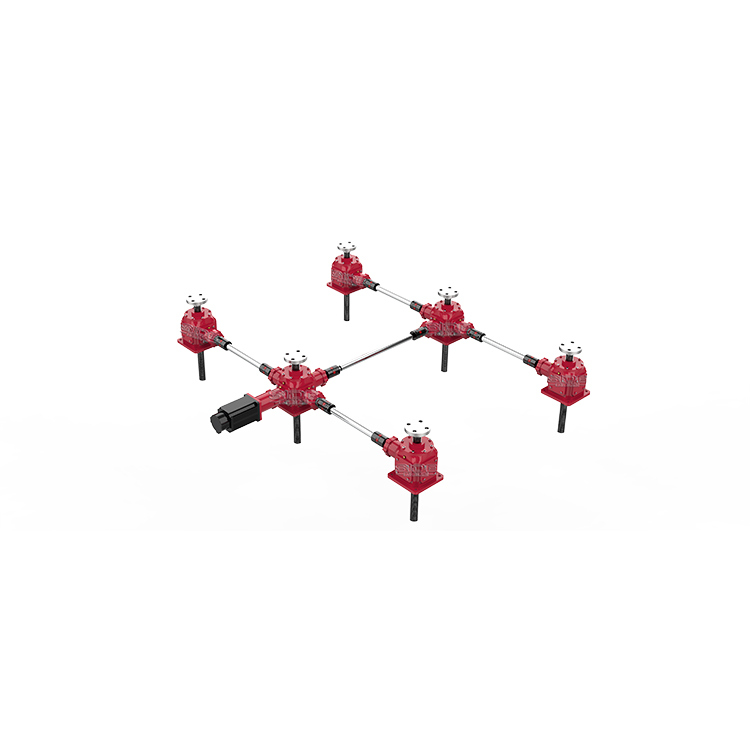
This elevator synchronizes the lifting of the substrate through a turning angle method, and uses four point motion series, six point motion series, and twelve point motion series to reduce the height of the substrate and minimize motion errors. At the same time, the flat lifting can directly and quickly achieve efficiency, save space, improve output, and have higher quality stability
Screw lift, also known as spiral transmission mechanism It is mainly used to transform rotational motion into linear motion or to transform linear motion into rotational motion There are devices that mainly transmit energy, such as screw presses, jacks, etc; There are also feed screws that mainly transmit motion, such as those used in machine tool workbenches; There are also screw transmission mechanisms for adjusting the relative position of parts The screw lift can be divided into sliding friction mechanism and rolling friction mechanism The sliding screw nut mechanism has a simple structure, easy processing, low manufacturing cost, and self-locking function, but it has high friction resistance torque and low transmission efficiency (30% to 40%) Although the ball screw nut mechanism has a complex structure, high manufacturing cost, and cannot self lock, its advantages are small frictional resistance torque, high transmission efficiency (92%~98%), high precision, good system stiffness, reversible motion, and long service life. Therefore, it has been widely used in mechatronics systems The working principle of the screw elevator mechanism is that there are ball bearings between the threaded raceways of the screw and nut. When the screw or nut rotates, the ball bearings roll along the threaded raceways, causing rolling friction between the screw and nut during relative motion. To prevent the ball bearings from rolling out of the raceways, return guide devices 3 are installed at both ends of the nut's spiral groove, which form a loop with the threaded raceways to circulate the ball bearings within the nut raceways There are four basic transmission forms for screw elevators based on the combination of relative motion between the screw and nut (1) The nut is fixed, the screw rotates and moves, and this transmission form eliminates the additional axial displacement that may occur in the screw bearing due to the supporting role of the nut itself. The structure is relatively simple and can achieve high transmission accuracy But its axial dimension should not be too long, otherwise the rigidity will be poor Therefore, it is only suitable for situations with small travel distances (2) The rotation of the screw and the movement of the nut require the rotation of the nut, so a guiding device is needed Its characteristics are compact structure and good rigidity of the screw Suitable for occasions with large work schedules