








Details description
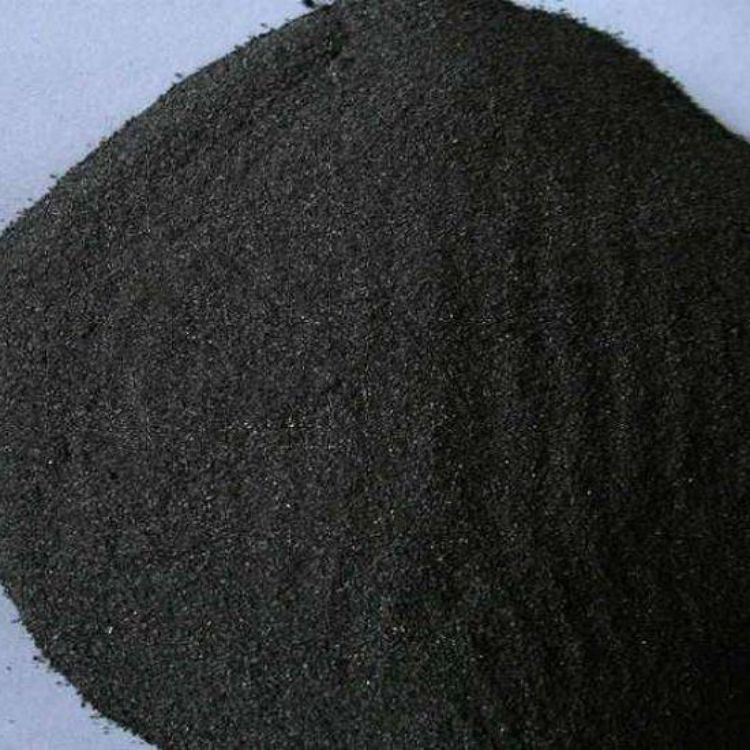
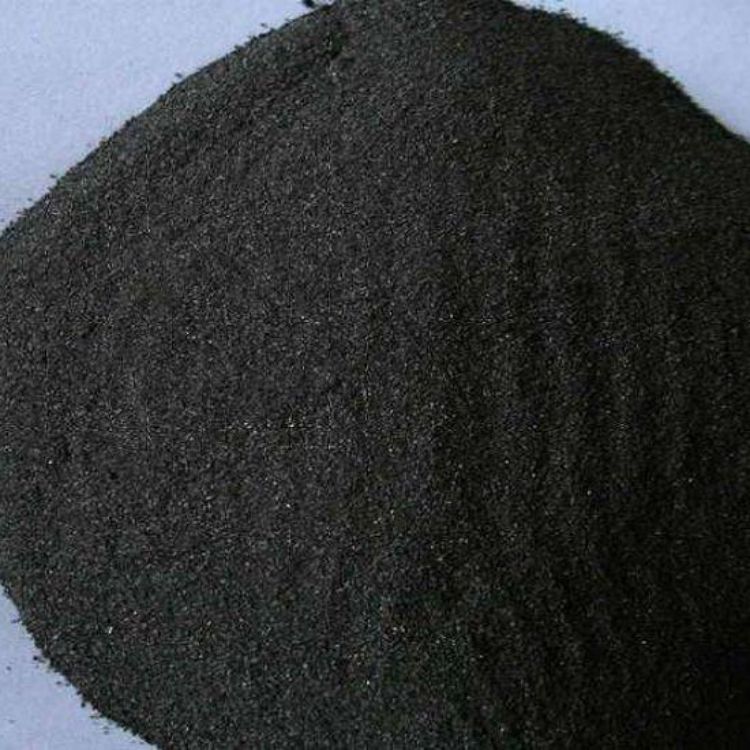
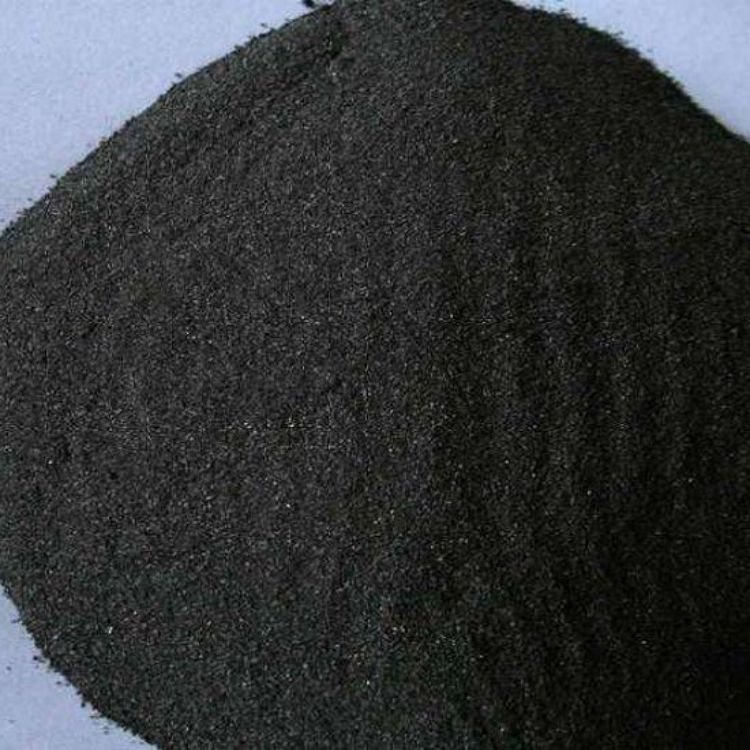
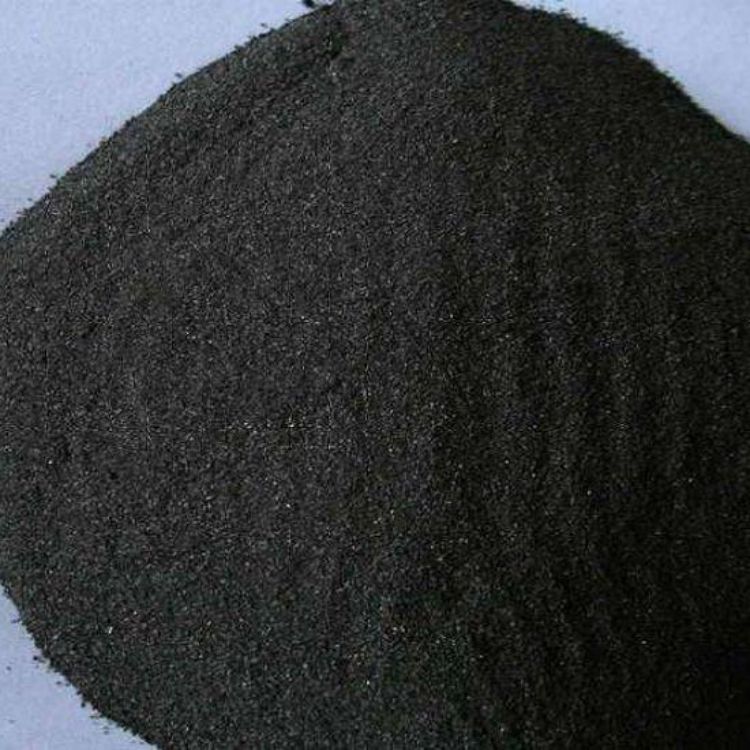
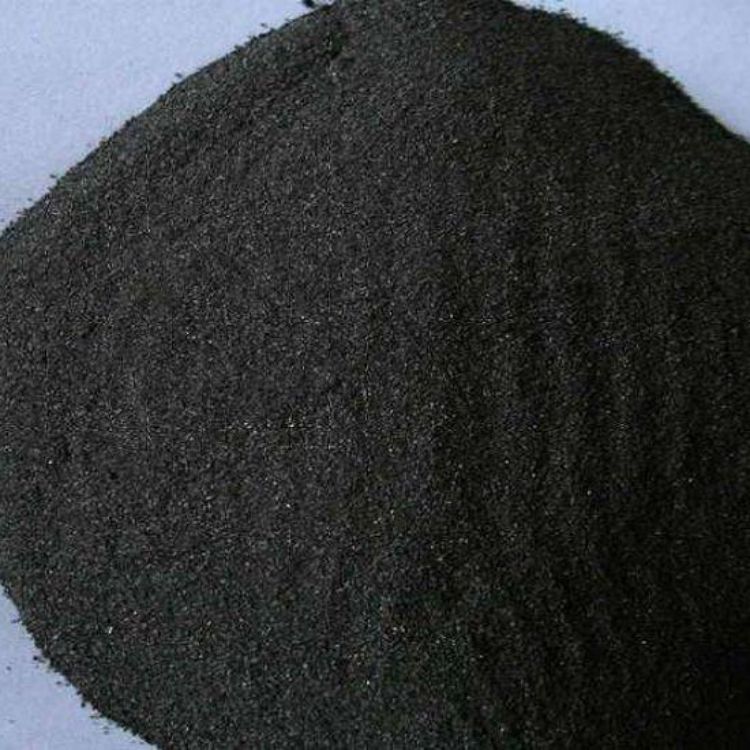
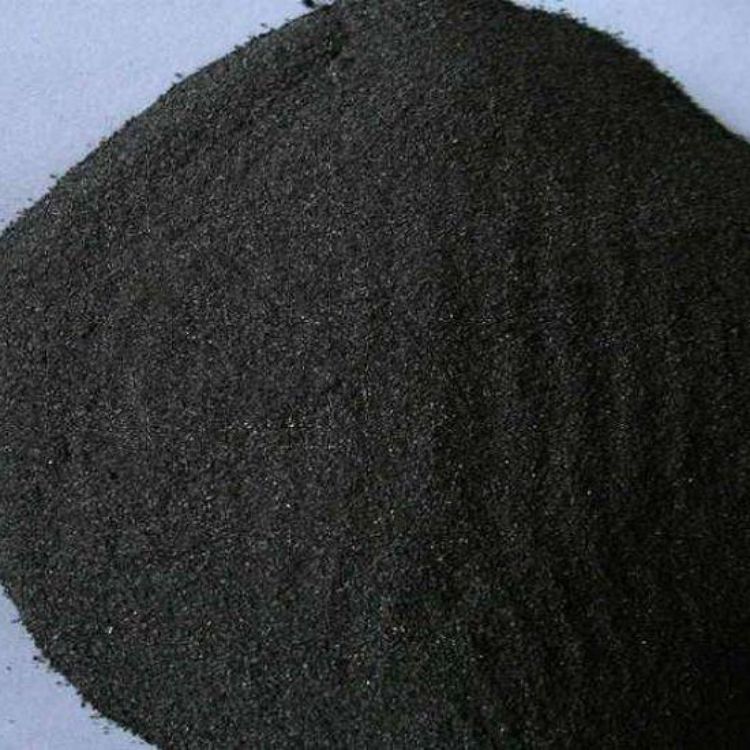
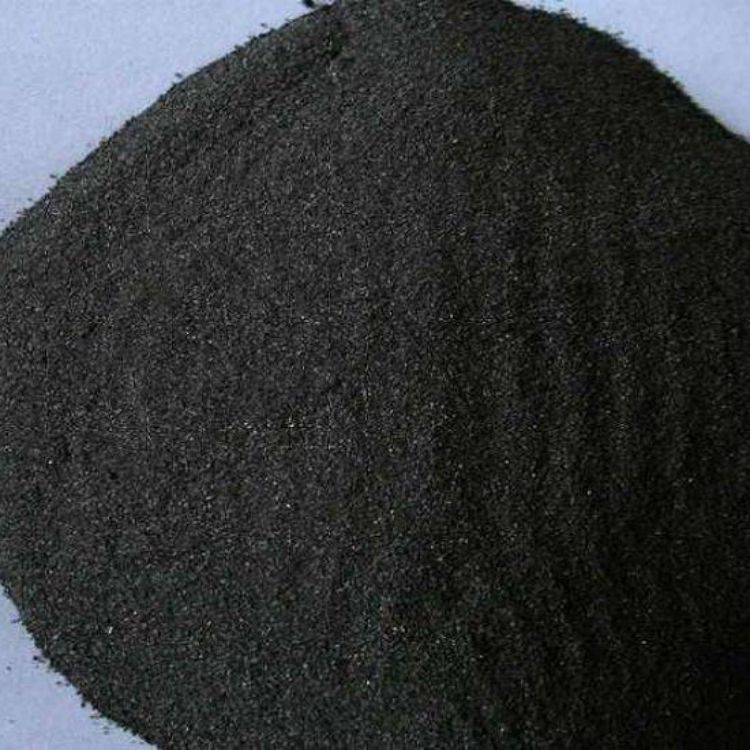
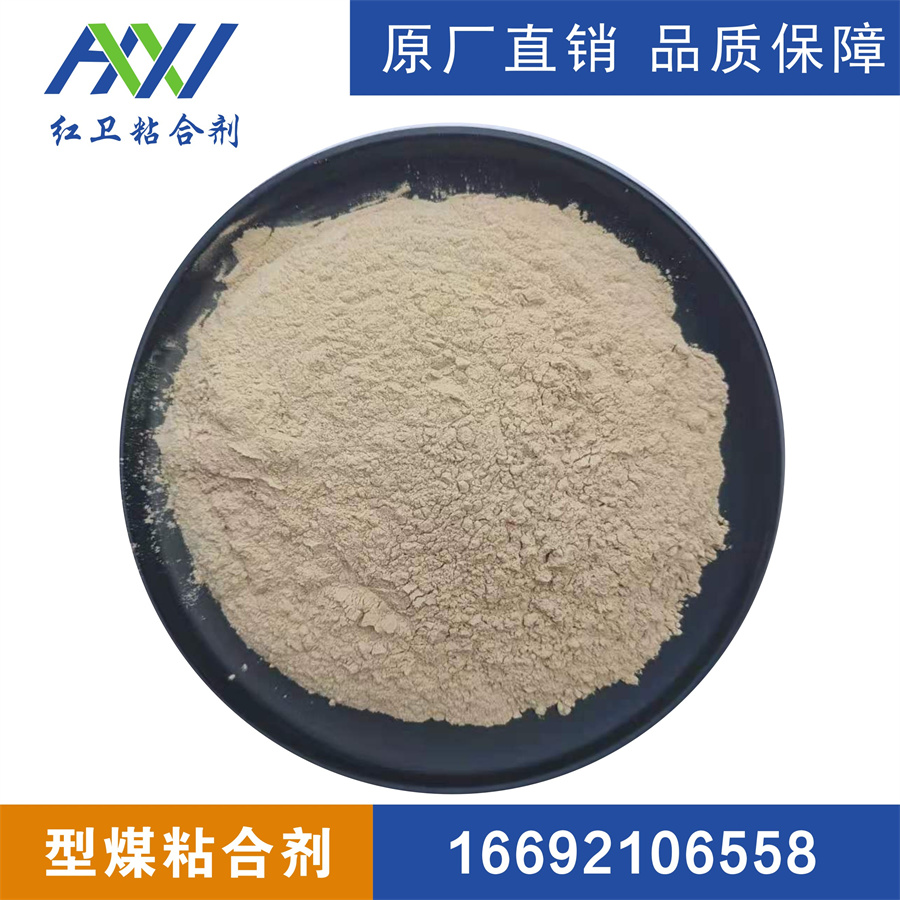
1. Appearance: Grey powder, no lumps, moisture<8.0%, particle size -80 mesh, water solubility>99%
2. Functional acceptance criteria:
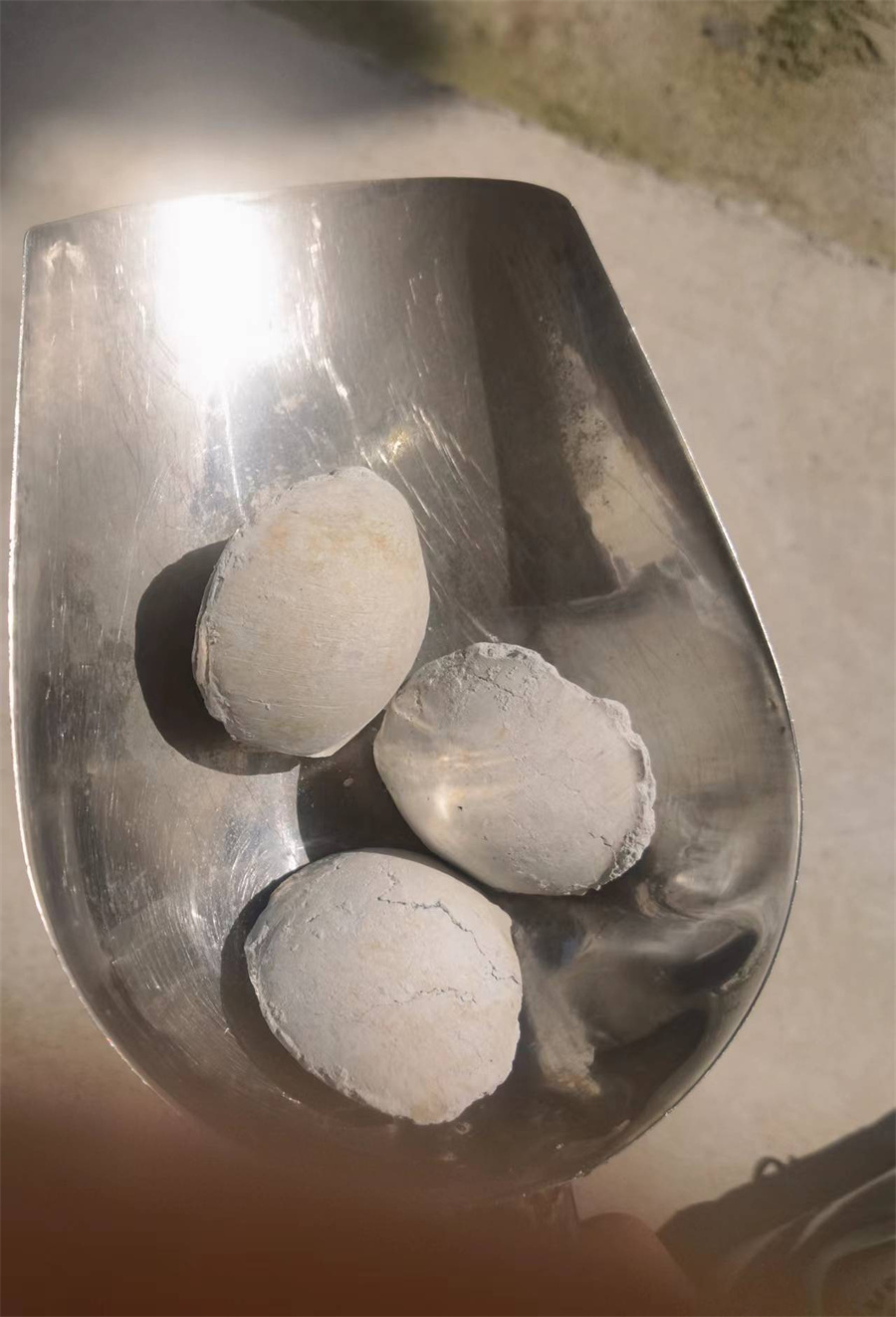
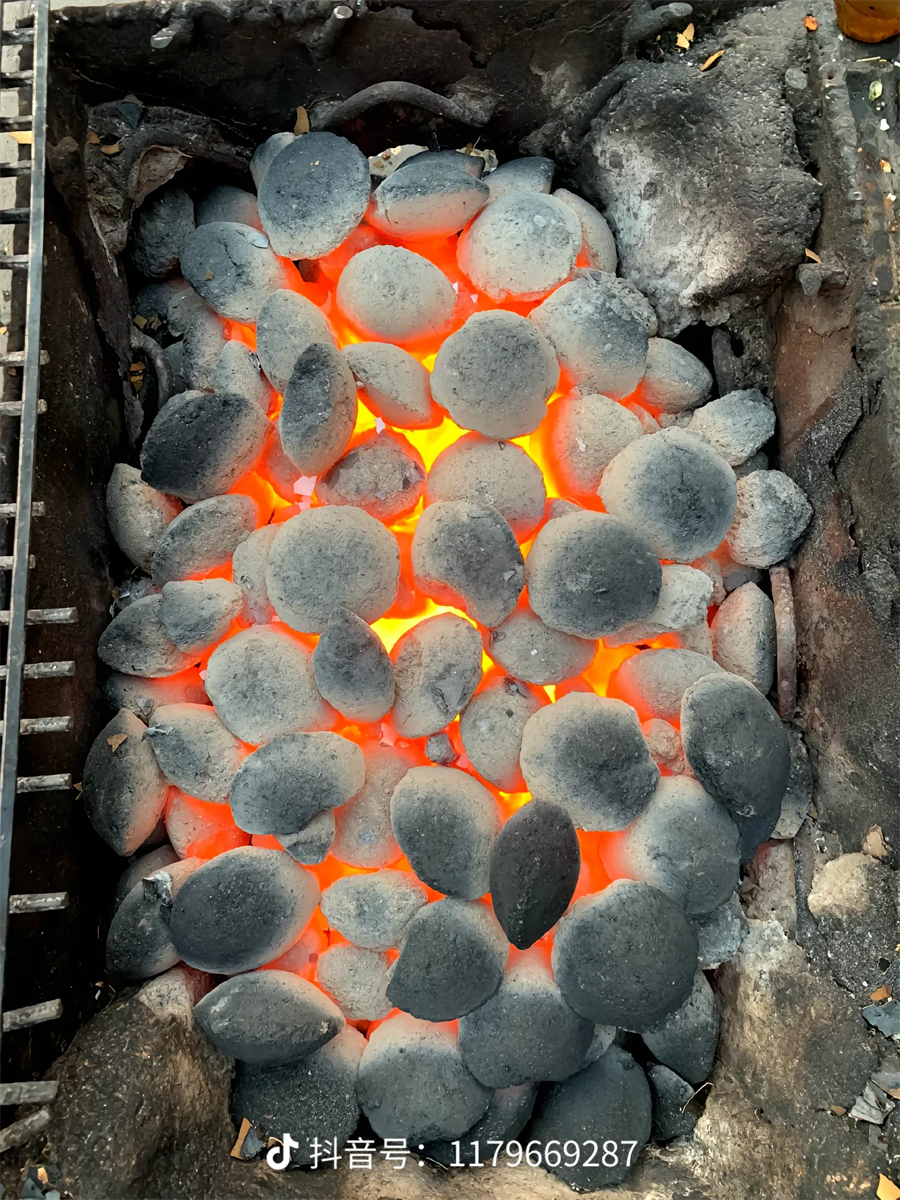
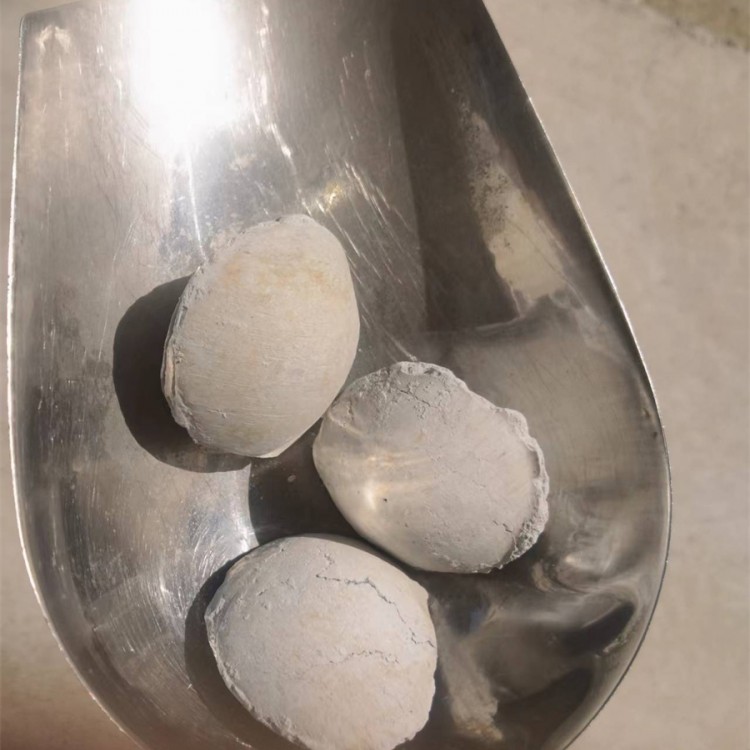
a, Ball formation rate: For high-speed rail materials (TFE>65%), the addition amount is less than 1. 5%, the initial ball forming rate after being pressed by the roller press is greater than 95%
b, Strength: 2 meters will not break when landing.
2、 Characteristics for producing metallurgical mineral powder:
1. Add dry powder to reduce the number of processes.
2. Easy to use: It can be mixed evenly with other powders before adding water and stirring, or dissolved in water to make a gel before adding other powders and stirring;
3. No increase in ash content, no decrease in calorific value, and no flame retardant (with combustion assisting effect); Strong adhesion, good molding effect, uniform and beautiful appearance;
4. Green and environmentally friendly: The main raw material is cotton, and the combustion product is CO2, which does not produce other harmful gases and impurities, does not affect product quality, is safe and harmless to human health, and is environmentally friendly.
5. Disadvantages: The unit price of the adhesive is relatively high, and customers need to calculate the comprehensive usage cost based on their own product value.
3、 Usage: The composite type is a powder material, which belongs to high water absorption and high purity polymers. When used as a binder, it should be dissolved in water to form a colloid before being added to the powder, which can effectively exert a great bonding effect. (Some customers add it directly to other materials in the form of powder before mixing with water).
Specific usage method:
Once added to other materials, add water and stir.
Specific usage method:
1
1. Directly adding dry powder: evenly add the composite binder into the material, with a ratio of 100:1 between the material and the binder. According to the particle size, specific surface area, and amount of adhesive added, there are differences.
2. Wet the material and spray an appropriate amount of water depending on the humidity of the material. Pay attention to controlling humidity.
3. After stirring evenly, you can press the ball.
II
1. Dissolved into glue: Composite adhesives have a certain viscosity when dissolved in water. Improper dissolution methods can cause large clumps, affecting normal use. The correct dissolution method is to dissolve dry powder and water in a ratio of 1:30-50. First, add a certain amount of water to the container and stir quickly with a stirring stick (or mixer). At the same time, slowly and evenly disperse the powder, and be careful not to let it form large clumps. Wait until the water completely infiltrates the powder, and then stir evenly to make a colloid.
2. Mix the prepared colloid and other materials evenly, stir and mix thoroughly to make the material sticky, and then press the ball.
3. When adding colloidal powder, pay attention to controlling the moisture content. If the material is too wet, it can easily cause sticking to the mold and reduce the ball forming rate.