















Maintenance and upkeep of glass curtain walls
Glass maintenance
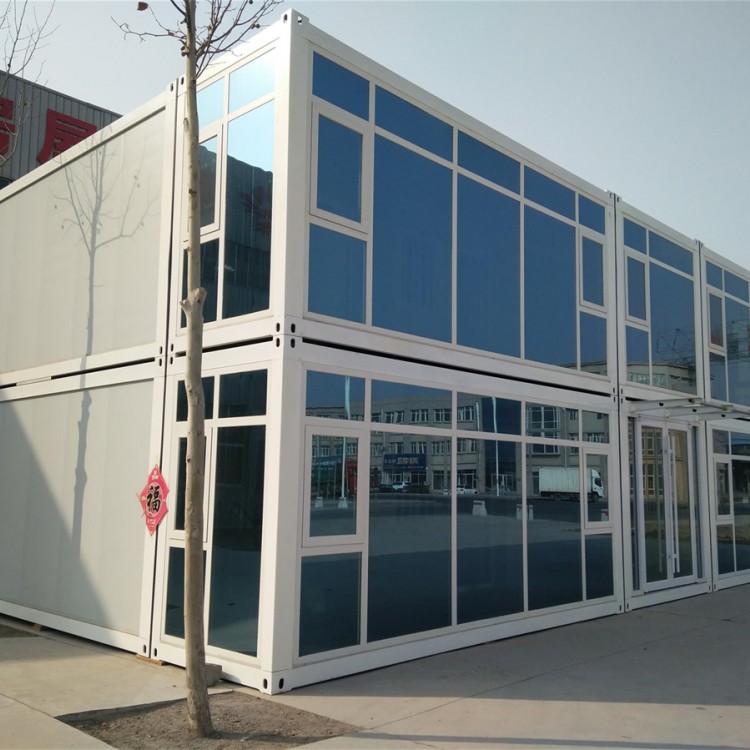
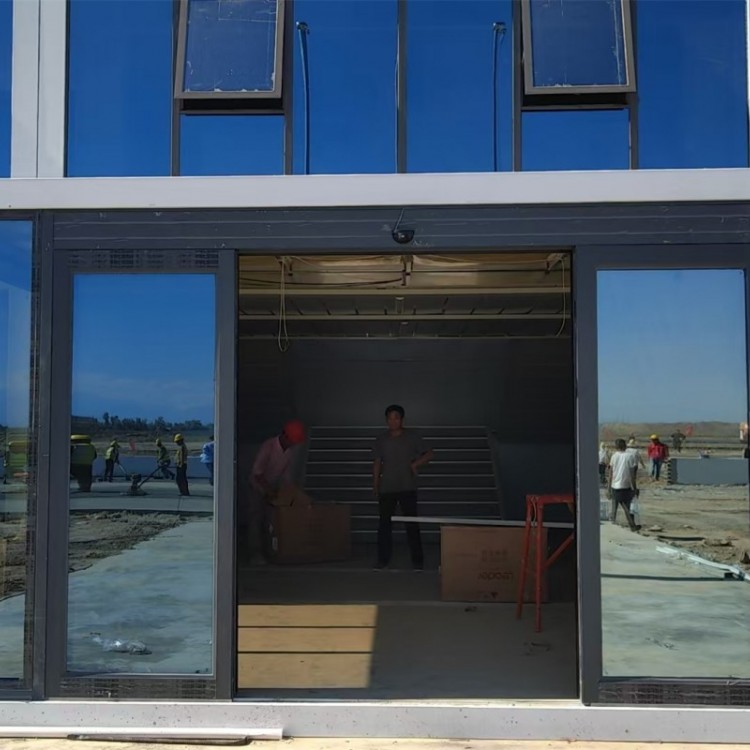
The important component of a curtain wall is glass, which is fragile. Therefore, curtain wall glass is very important in the maintenance and upkeep of glass curtain walls
Air that needs to be widely circulated in the storage area. Especially during high temperatures and cyclic temperature cycles, more attention should be paid. If it is not allowed to store indoors, it should be covered with waterproof oilcloth or plastic to prevent wind, wind, rain, and incoming water. The lid should be opened regularly to confirm whether the moisture has condensed.
Glass must be covered with an opaque protective film and cannot be stored directly under sunlight. Stack various types of glass vertically at an angle of 5-7 degrees and lean against a sturdy straight wall. All upper and lower edges of glass should be covered with felt pads and separated by protective cardboard or other felt. When placing glass flat, cover the surface with oil felt to prevent dust, sand, glass or other pollutants.
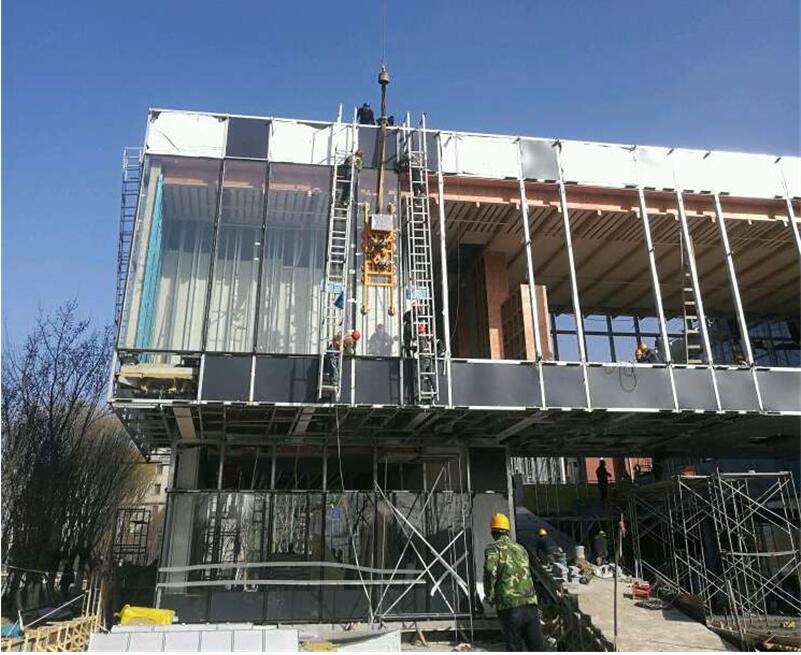
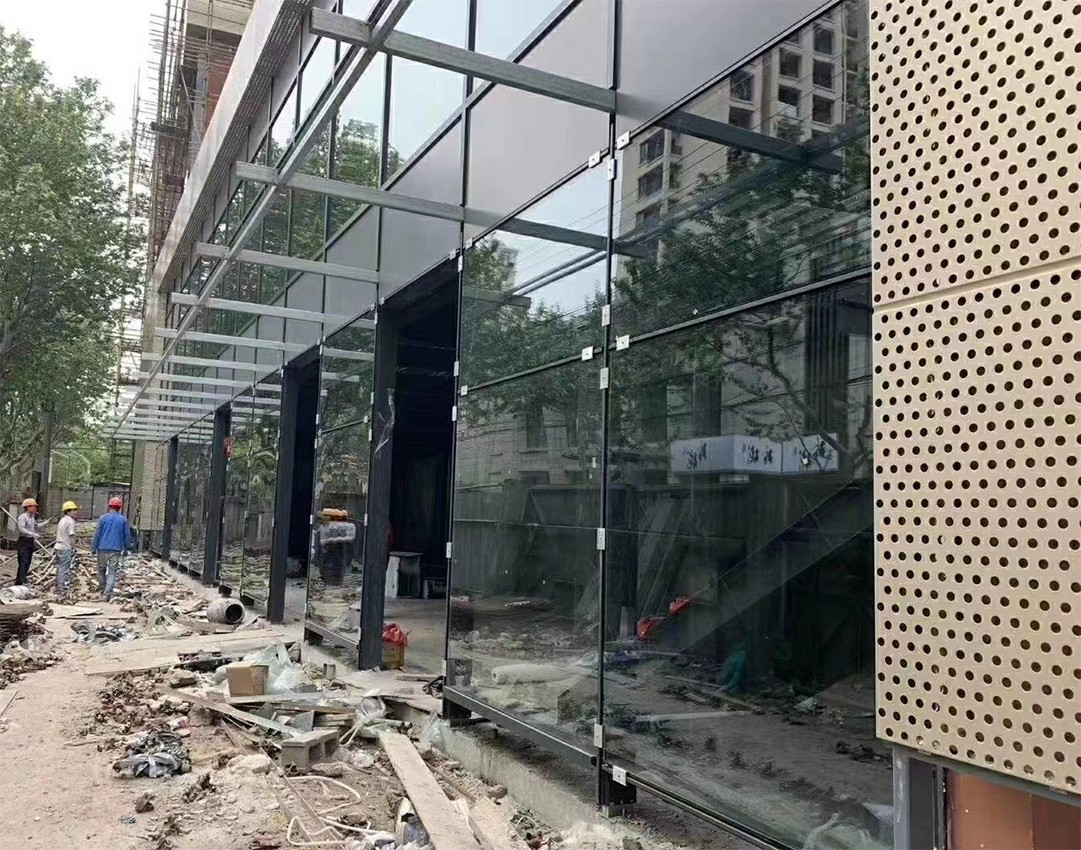
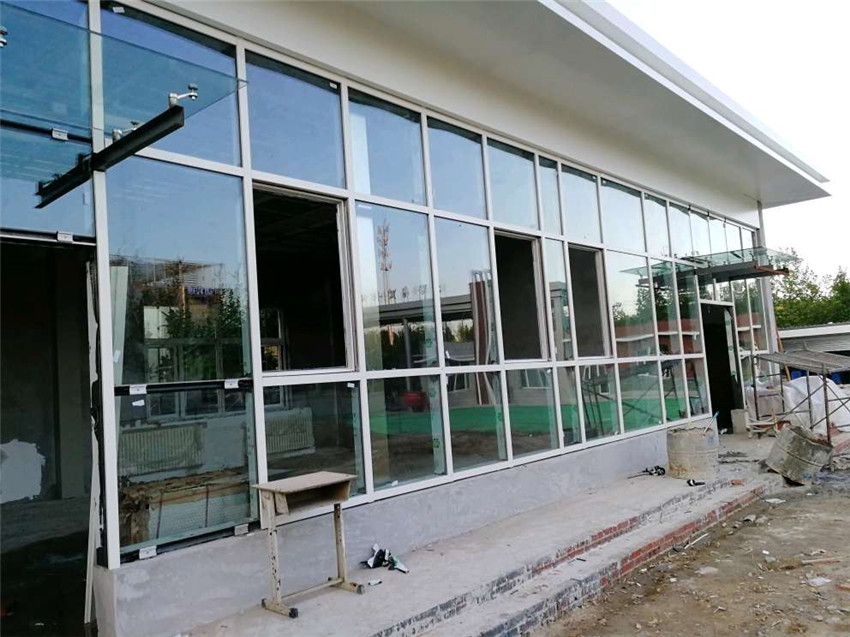
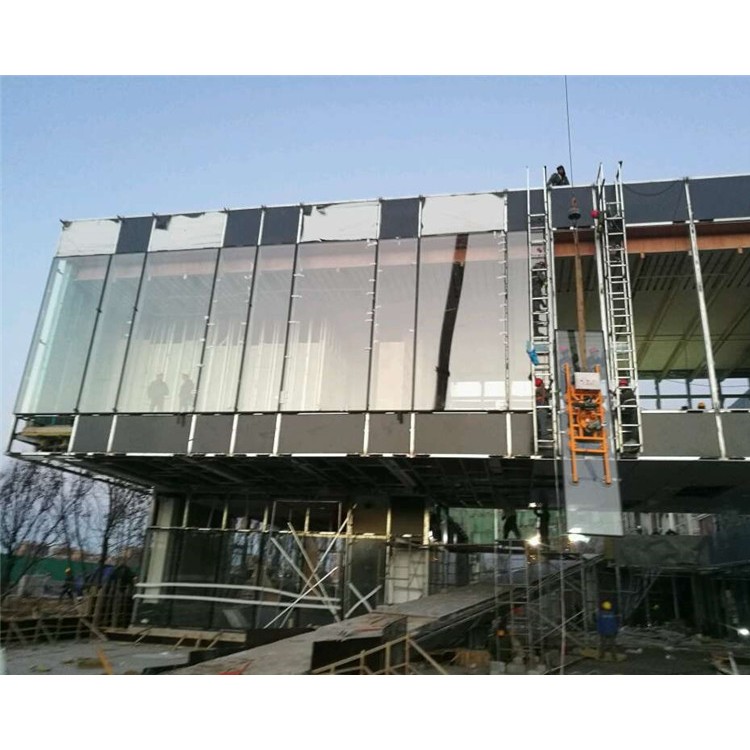
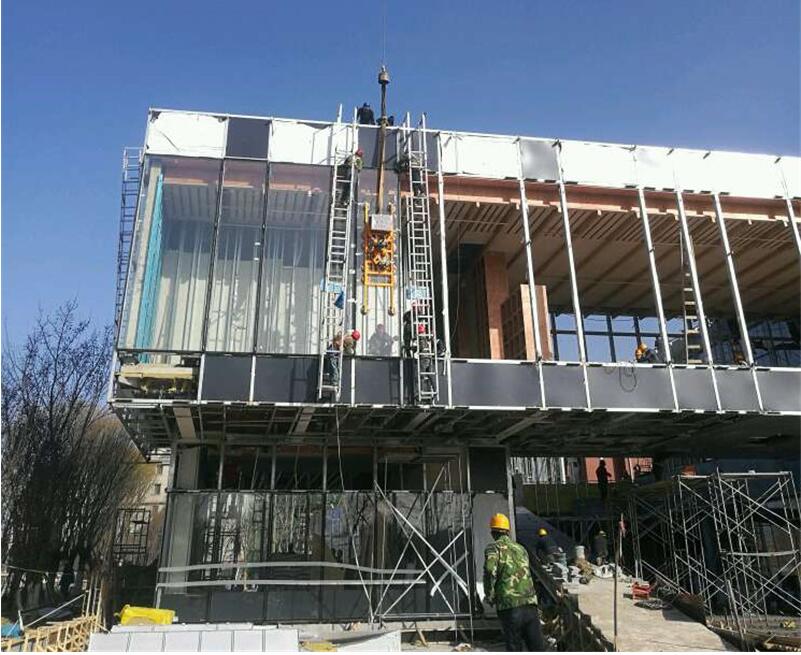
During construction, bright flags, colored ribbons, etc. are usually hung near the glass or in front of the window frame, on the side pillars or windowsills to indicate that this is the space for installing glass. Do not let ropes directly contact the glass, and do not let markings or paint be drawn directly on the surface of the glass. If welding, cutting, spraying, or other building processes that may damage glass are used near the glass, plywood or plastic panels should be used as hard isolation boards to prevent damage to the glass.
Maintenance of glass curtain wall nodes
The glass curtain wall node is the main accessory connecting the curtain wall and the floor slab. In order to prevent corrosion, surface treatment is necessary. Generally, A three steel needs to be galvanized on the surface and coated with anti rust iron red primer after installation. Nodes without bottom sealing can be inspected at any time, corrosion can be locally polished and then painted, and bolts that become loose need to be tightened again. The floor sealing strip can be inspected regularly (once every two years).
regular inspection
(1) During the warranty period, the supplier conducts regular inspections and follow-up visits to promptly eliminate quality risks.
(2) Check the tape and adhesive at any time, and if they are found to be detached or damaged, replace or repair them immediately.
(3) Regularly clean with a window cleaner.
(4) Surface repair: Apply patch paint to partially damaged or scratched areas.
(5) Check
1、 Surface inspection method: Measure the appearance for any damage with the naked eye. The second is the internal inspection method. Check if the glass is damaged. If any damage is found, please replace it immediately. Regularly inspect the joints for corrosion and looseness. Is there any functional impairment in the hardware components. Whether the rubber band has fallen off or cracked, and whether there are defects in the adhesive. Check if the area is damaged. Is the glass condensing. Regular management
(1) Clean with solvent. Use solvents such as xylene, toluene, and inorganic alcohol to remove oil and gloss, then clean and rinse. Be careful not to use too strong solvents to avoid damaging the sealing agent that fixes the glass.
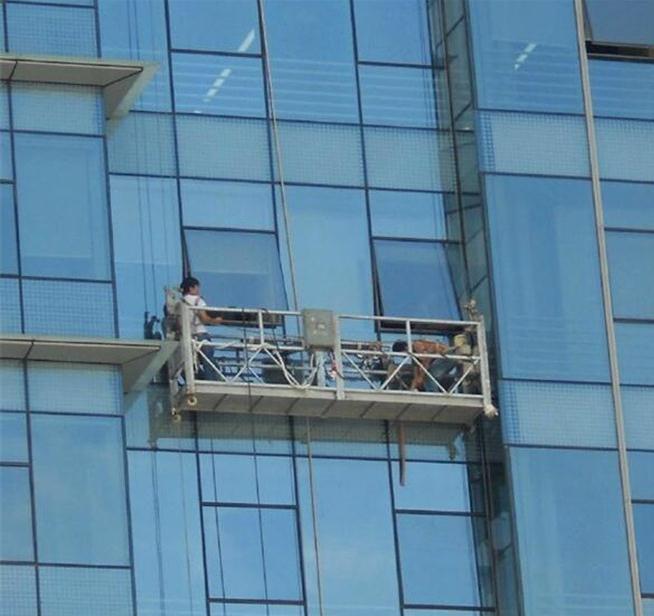
(2) Normal cleaning and leaching. Regularly clean, rinse, and wipe the glass. Especially during construction, soft and clean dust-free fabrics, neutral soap, paint agents, and slightly acidic cleaning solvents should be used. Immediately rinse with clean water after washing, and wipe the remaining water with a clean rubber broom. Oil stains, dirt, dust, slag, residue on sealants, scratches, and any surface abrasions on coated glass are more noticeable than ordinary glass, so we need to be extra careful when managing and cleaning coated glass. Therefore, coated glass may require frequent cleaning throughout the entire construction period, so partitions should always be used between coated glass panels.
(3) Surface damage. Due to concrete pollution, alkali or bromine substances released from concrete or building bricks during storms may contaminate or corrode glass. The concrete structure in front of window arches should be designed to prevent water droplets from falling into the glass. When making precast slabs and other concrete wall materials, they should be fully mixed to produce uniform hydrates and fully solidified. The surface treatment of concrete (acidification spray, quarry, grouting, waterproof materials, etc.) should be completed before the installation of glass
Thank you for patiently reading. If you want more knowledge about glass curtain wall maintenance, please feel free to contact us!