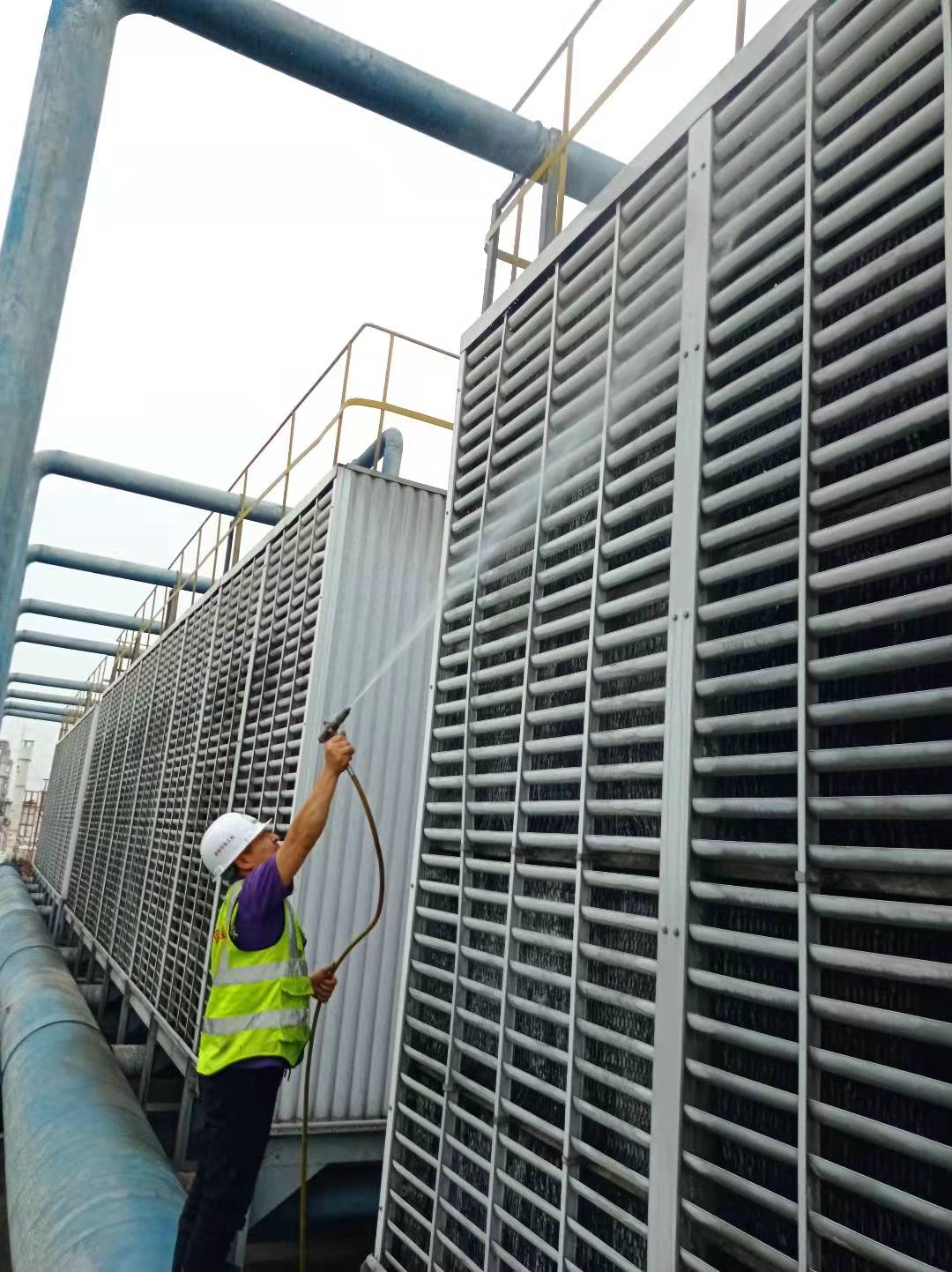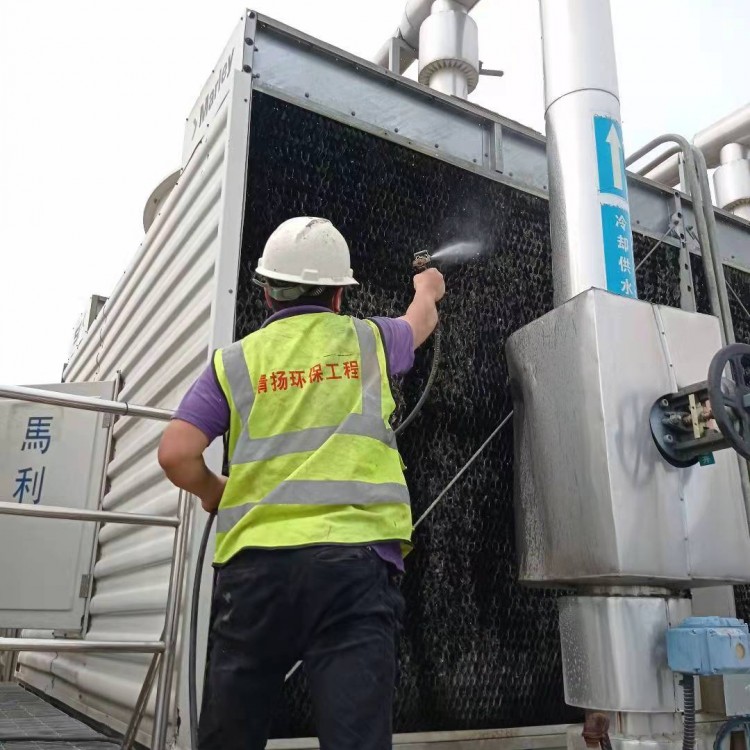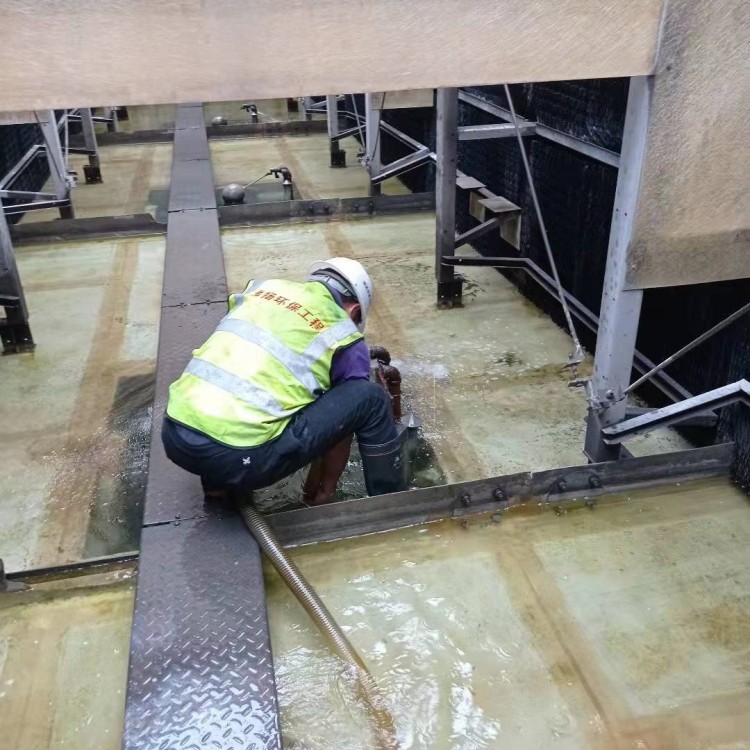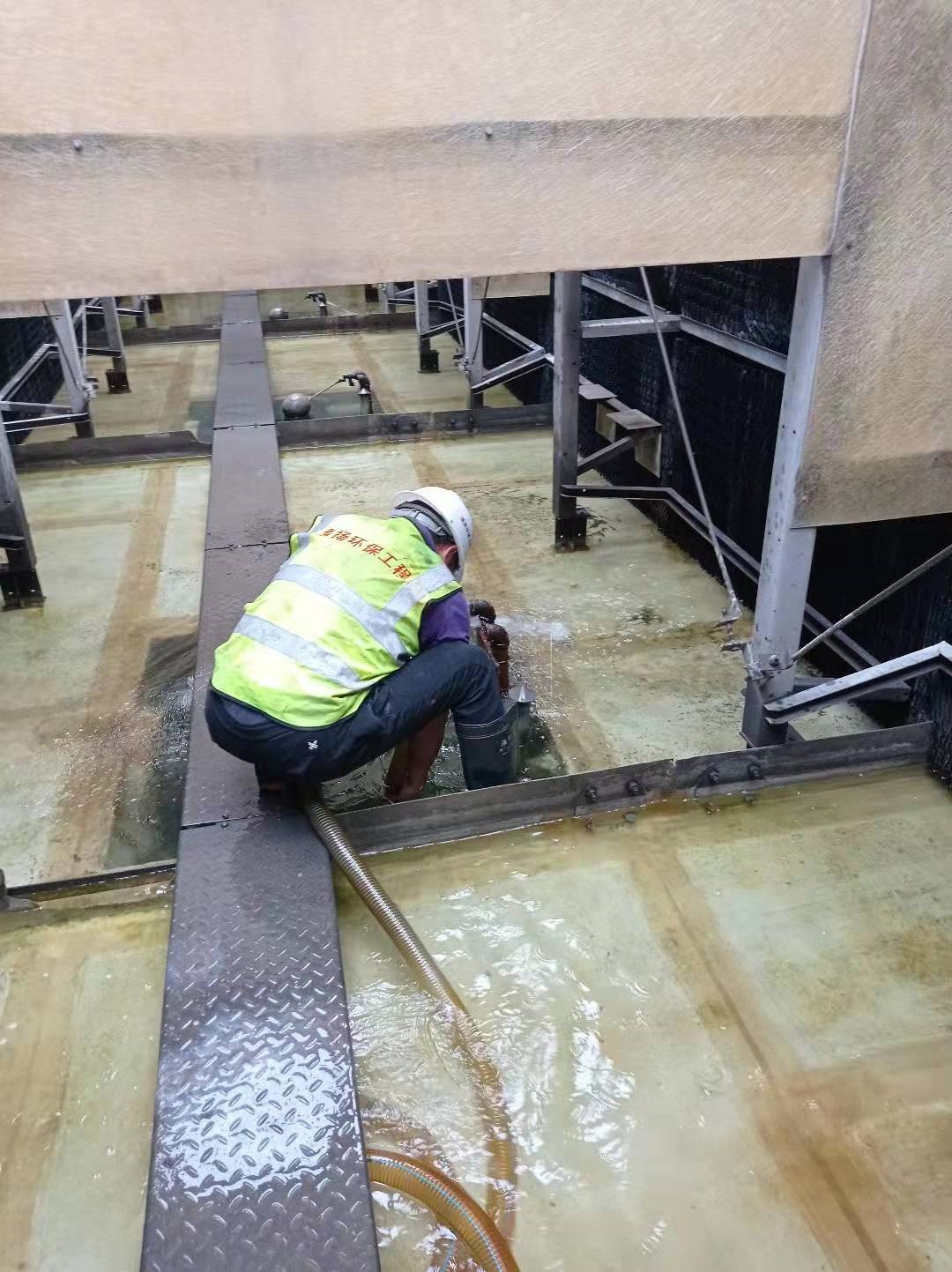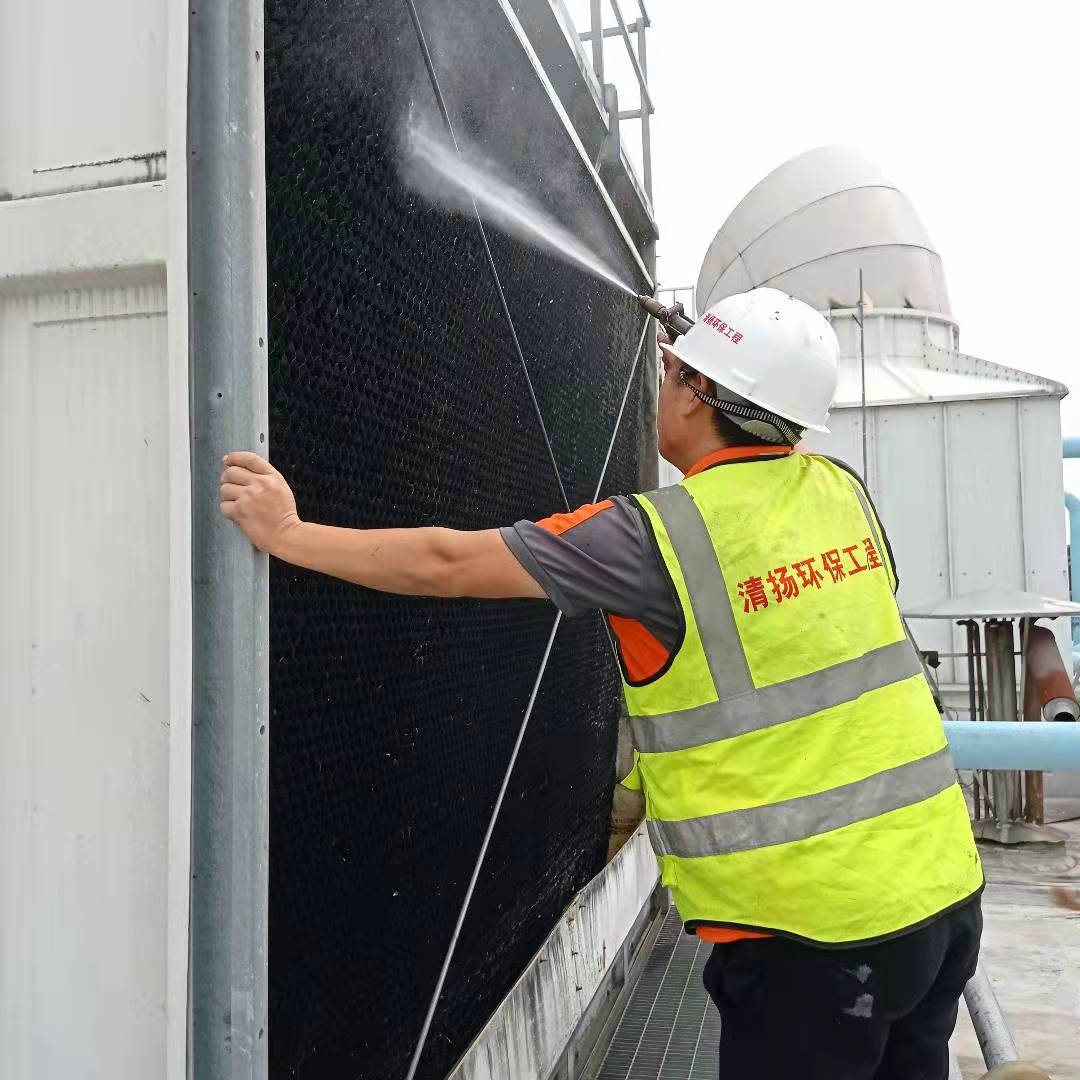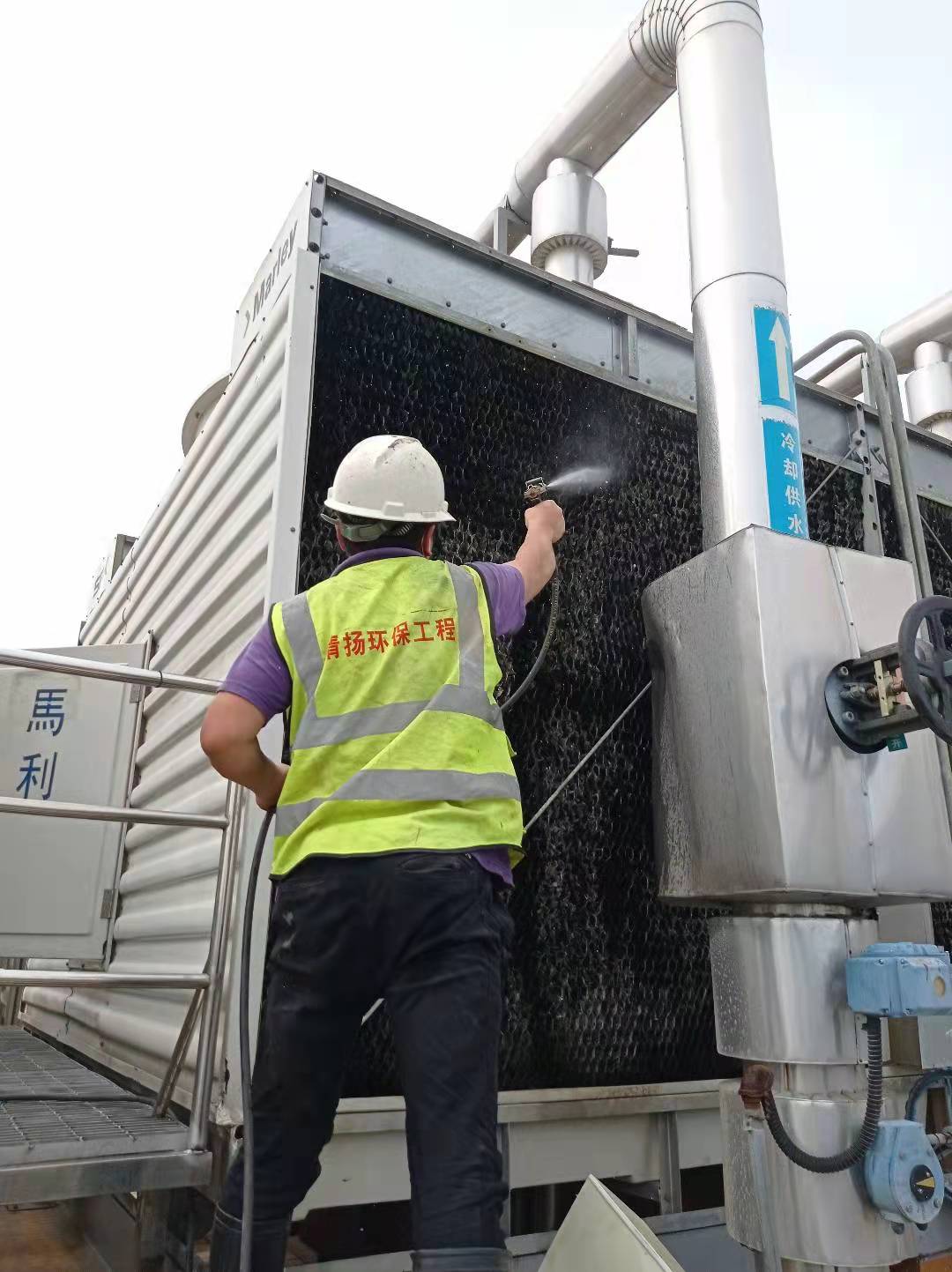








Maintenance and upkeep of central air conditioning equipment and systems
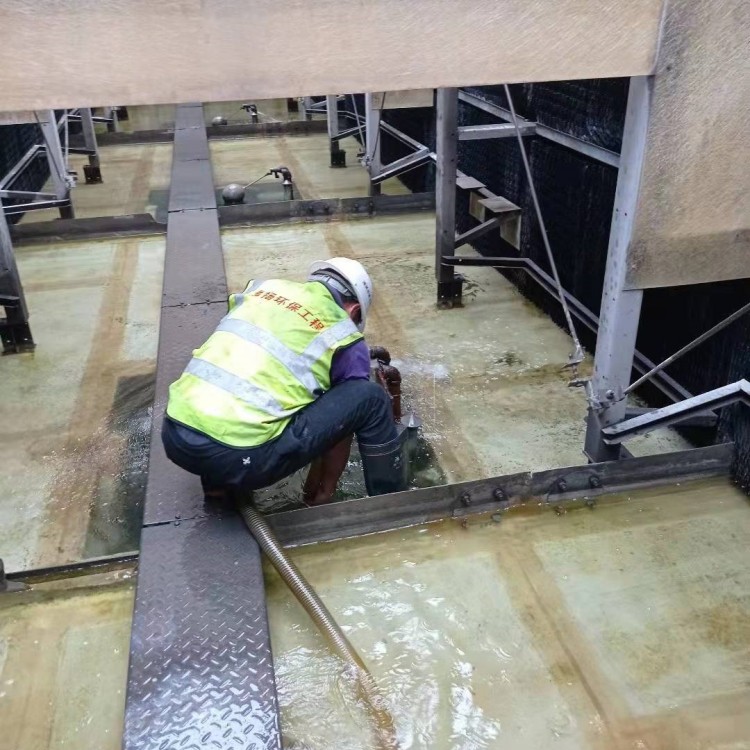
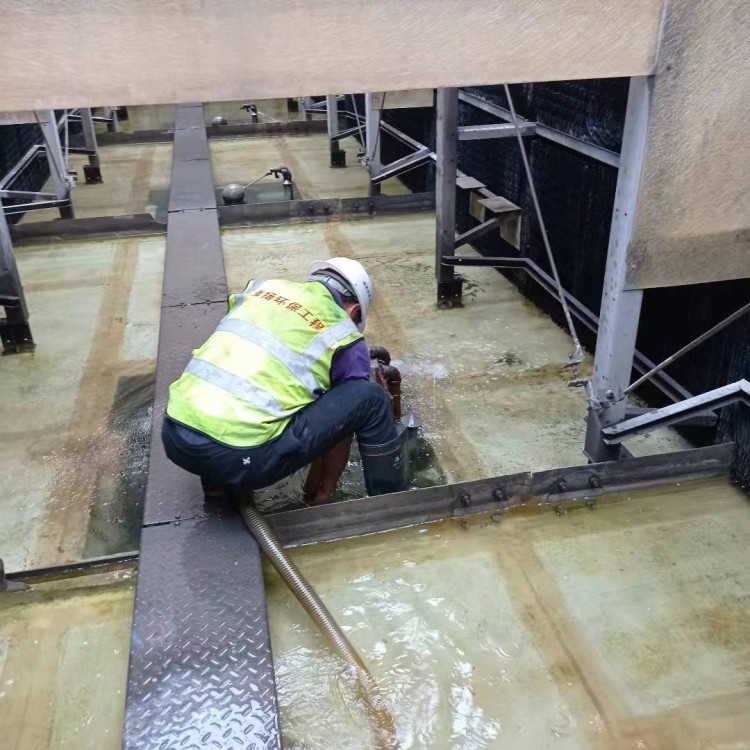
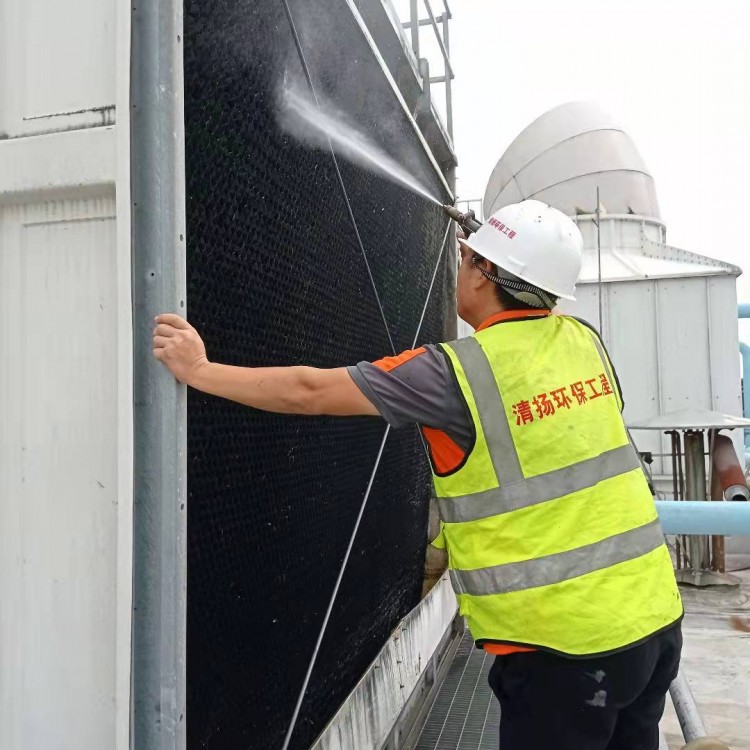
1) Due to the upward opening system, the cooling water system is in full contact with the air through the cooling tower. While being cooled, a large amount of dust and other impurities in the air are also introduced into the water system, depositing in the cooling tower, air conditioning unit, and pipeline to form sludge, reducing the circulating water volume and affecting heat exchange.
2) After the system is put into use, impurities such as welding slag, iron filings, soil, oil stains, etc. that remain in the system due to installation will also accumulate in the system; Hard substances such as welding slag and iron filings will adhere to the surface of heat exchange equipment, affecting heat transfer.
3) Cooling water, due to its contact with air, can breed microorganisms such as algae and bacteria in cooling towers and pipelines. After death, their bodies and debris such as sludge and oil stains adhere to equipment and pipelines, affecting the circulation of water and heat transfer. At the same time, the production of microorganisms and sedimentation promotes the formation of concentration corrosion batteries and the production of corrosion under scale, thereby accelerating the corrosion rate of metals. The above phenomenon can also occur in the chilled water system due to the frequent use of tap water to replenish water through the water tank.
4) The cooling water system has a high water temperature and uses tap water. Its Ca2+and Me2+ions form carbonate scale when heated, which adheres to thermal equipment and pipelines. Due to the thermal conductivity of scale being 0.464~0.697W/M.K, the thermal conductivity of carbon steel is 46.4~52.2W/M.K, which is only 1% of that of carbon steel, the heat transfer efficiency of heat exchange equipment is reduced, resulting in increased operating costs.
The above phenomena may reduce the effectiveness of air conditioning, cause frequent alarms, and increase electricity bills if they are mild; Severe cases can cause blockages in pipelines and heat exchange equipment, corrosion and perforation of equipment components, resulting in damage to unit components, shortening equipment life, and causing losses to users. Therefore, regular water quality testing and chemical cleaning maintenance are necessary.