
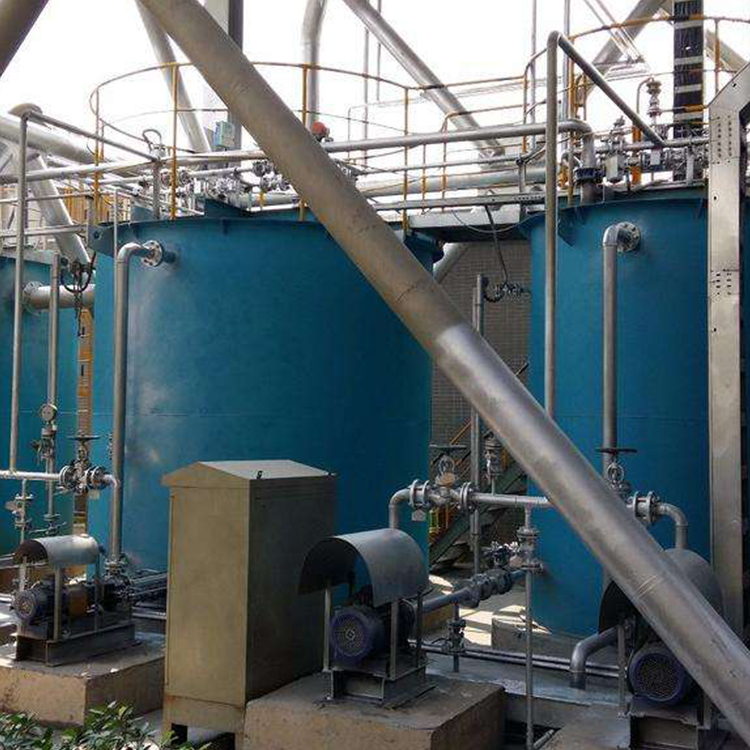
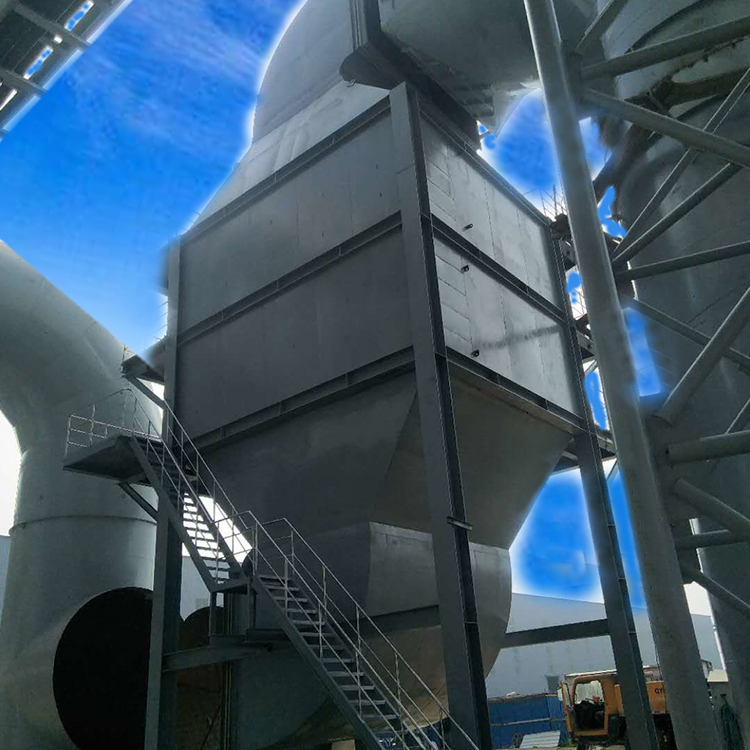


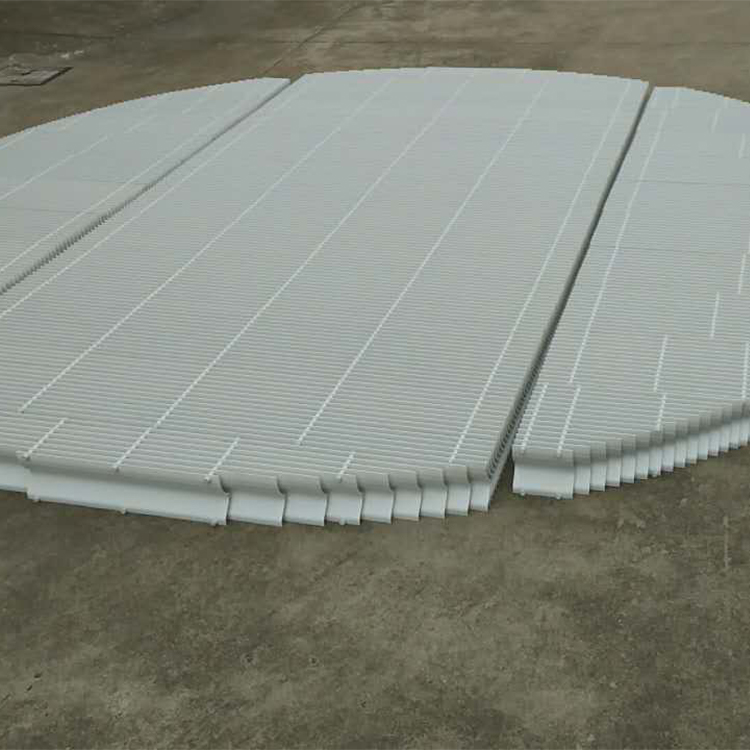
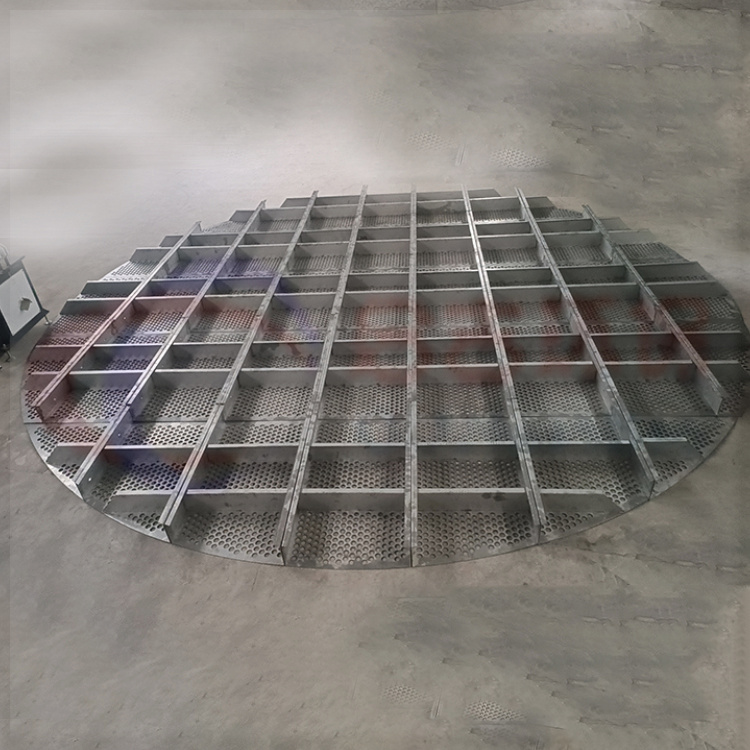







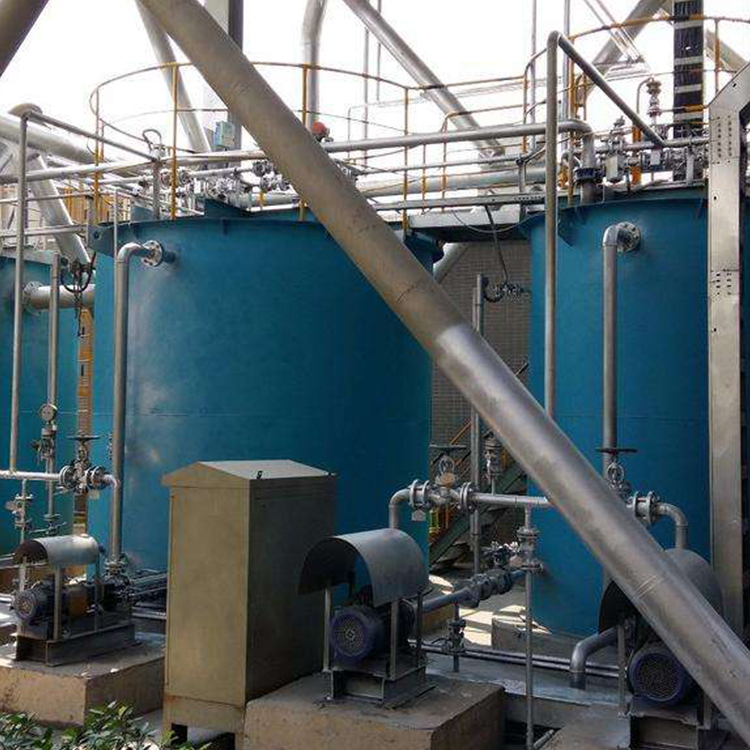

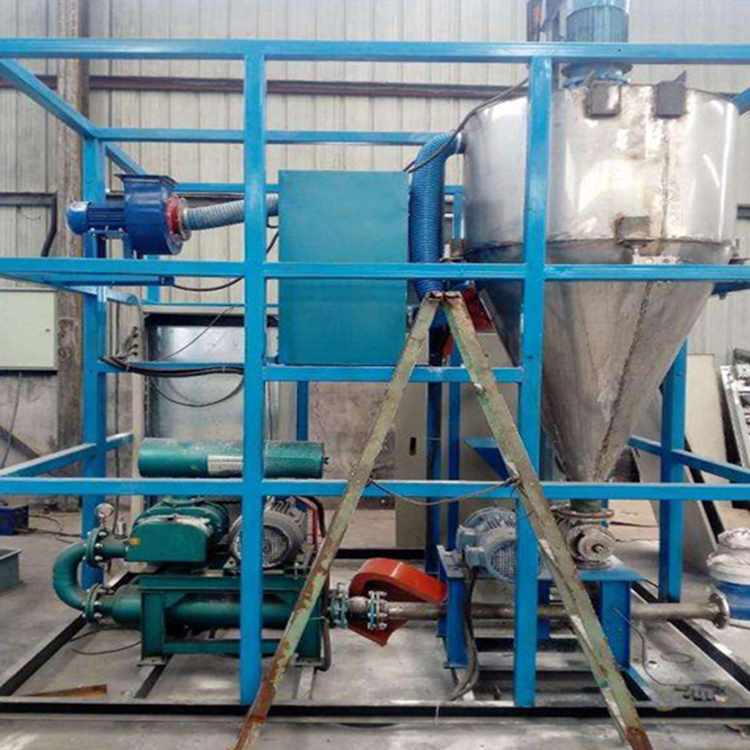

The technical principle of SCR denitrification equipment is to select ammonia as the denitrification agent and spray it into the flue gas denitrification device. Under the action of the catalyst, NOx in the flue gas is decomposed into N2 and H2O. The reaction equation formula is as follows: catalyst 4NO+4NH3+O2 → 4N2+6H2O catalyst NO+NO2+2NH3 → 2N2+3H2O. Generally, by using an appropriate catalyst, the above reaction can be effectively carried out in the temperature range of 200 ℃ to 450 ℃. In the case of NH3/NO=1, the denitrification efficiency can reach 80-90%. The concentration of NOx in flue gas is usually low, but the volume of flue gas is relatively large, so the catalyst used in SCR denitrification devices has good performance. Therefore, the catalyst used under these conditions needs to meet the requirements for reliable operation of coal-fired boilers.
The SNCR denitrification equipment technology involves injecting reducing agents such as NH3 and urea into the boiler furnace for selective reaction with NOx, without the need for catalysts. Therefore, reducing agents must be added in the high-temperature zone. The reducing agent is sprayed into the furnace temperature range of 850-1100 ℃, rapidly thermally decomposing into NH3, which reacts with NOx in the flue gas to generate N2 and water. In the range of 850-1100 ℃, the main reaction of NH3 or urea reducing NOx is: NH3 as reducing agent 4 NH3+4NO+O2 → 4N2+6H2O, urea as reducing agent NO+CO (NH2) 2+1/2O2 → 2N2+CO2+H2O. This technology uses the furnace as the reactor. The denitrification efficiency of SNCR flue gas denitrification technology is generally 30% to 80%, which is greatly affected by the size of the boiler structure. The current trend in using SNCR technology is to replace ammonia with urea as a reducing agent.