Programmable Exchange Switches, Multimedia Dispatching Un...

I. Overview of the Current Situation:
With the implementation of national wind power industry policies and the advancement of wind power technology, China's installed wind power capacity has gradually taken shape.As the development of wind power deepens, remote mountainous areas, high-altitude regions, and offshore wind power are becoming the main directions of China's wind power development. Wind farms are generally scattered across areas rich in wind resources, such as mountains, deserts, plains, and seas, where transportation is difficult, the terrain is complex, and the locations are remote. Land-based wind farms typically stretch for dozens to hundreds of kilometers, while offshore wind farms often cover hundreds of square kilometers. The distance between points can be quite far, reaching several to even dozens of kilometers. Additionally, the on-site environment may feature extreme temperatures, humidity, acidity, alkalinity, corrosion, high dust levels, and strong electromagnetic interference.

Operators in these regions lack sufficient network signal coverage, resulting in difficulty for on-site personnel to communicate effectively with the wind farm monitoring center staff.
Furthermore, the wind tower is a pure metal cylindrical structure with a smooth inner wall. The internal radio signals experience strong reflections, causing significant interference to the wireless transmission of mobile phones and walkie-talkies. As a result, during on-site inspections, operation and maintenance personnel are unable to establish good communication with the wind farm monitoring center, and the monitoring center is also unable to promptly and effectively issue instructions and manage the personnel on-site.
Section II: Requirements for Wind Power Dispatching Communication System
Transmission Distance Requirement
Satisfy the maritime/Vast communication transmission distances in onshore wind farms.
2. Adaptable to harsh environments
Adapt to harsh EMC/EMI environments.
② Features protection capabilities against dust, dirt, humidity, acidic and alkaline fumes, mist, and vibration environments.
③ AvailableLow or high temperaturesThe company is operating normally.
3. Comply with reliable redundancy requirements
In emergency situations, the system and lines must have redundancy capabilities to restore operations within a short timeframe.
4. Multi-network convergence support
Due to the installation of wind turbines in remote locations, the dispatching system needs to support various possible networks that could be connected (power-specific networks,).Our communication lines are secured through IP networks, 4G/5G networks, and satellite communications.
5. Easy to expand, cutting-edge technology
With the increase in the number of wind turbines, a highly convenient expansion system is required, with technology that can meet future needs.5-10 years of communication needs.
Shuneng Technology's Wind Power Integrated Communication and Scheduling System:
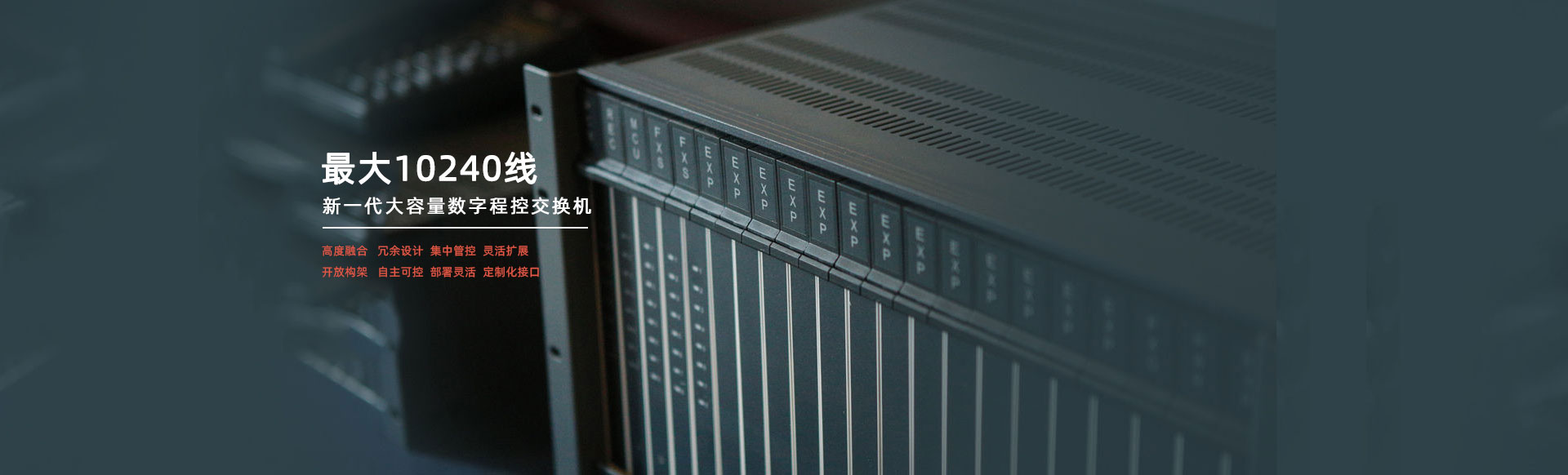
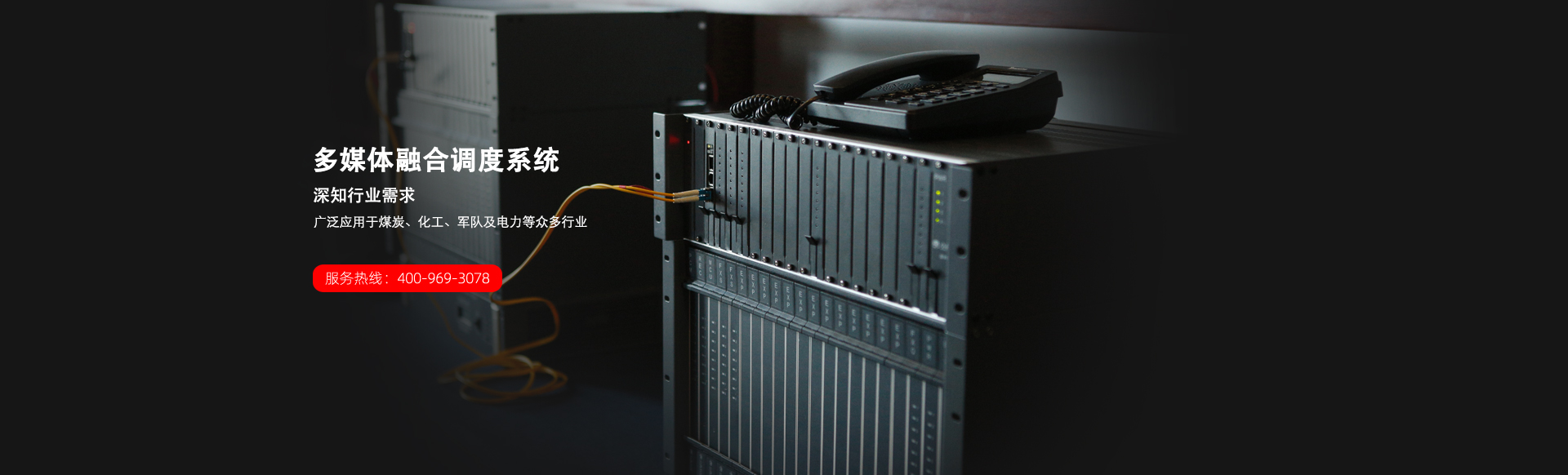
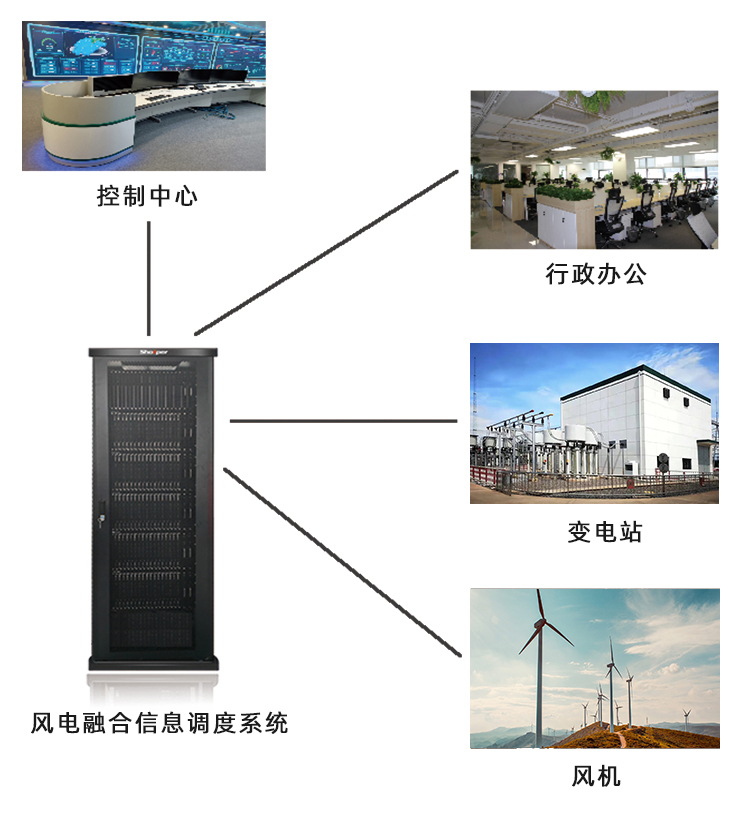
The Xiaobeng Technology Wind Power Integrated Scheduling Communication System is a highly integrated fusion scheduling management system. It can not only exist independently as a phone system but also be used as a central control center management platform (supporting video surveillance, voice, broadcast systems, radio stations, emergency alarm systems, etc.).GIS and other multi-system integration have been widely applied in numerous wind power companies at home and abroad over the past decade, gaining unanimous recognition.
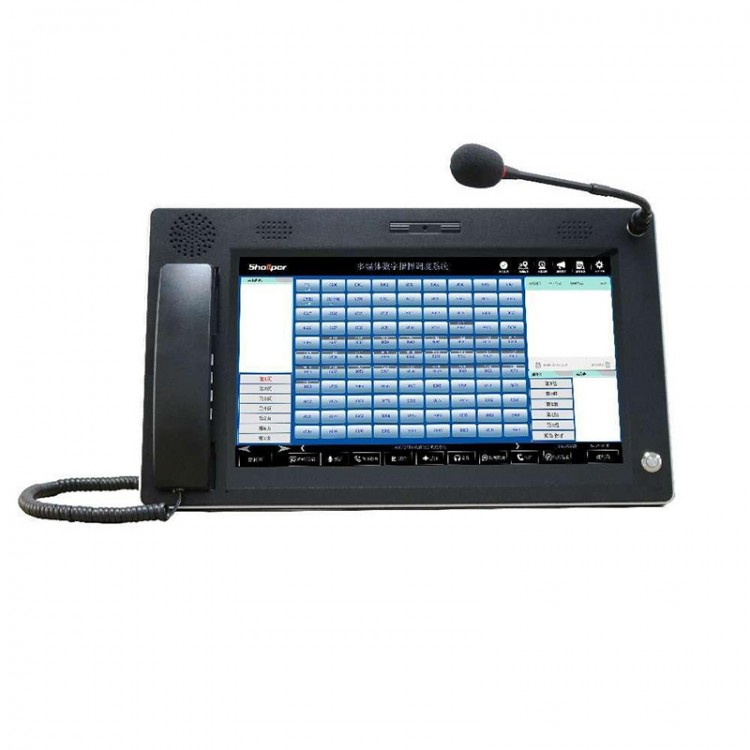
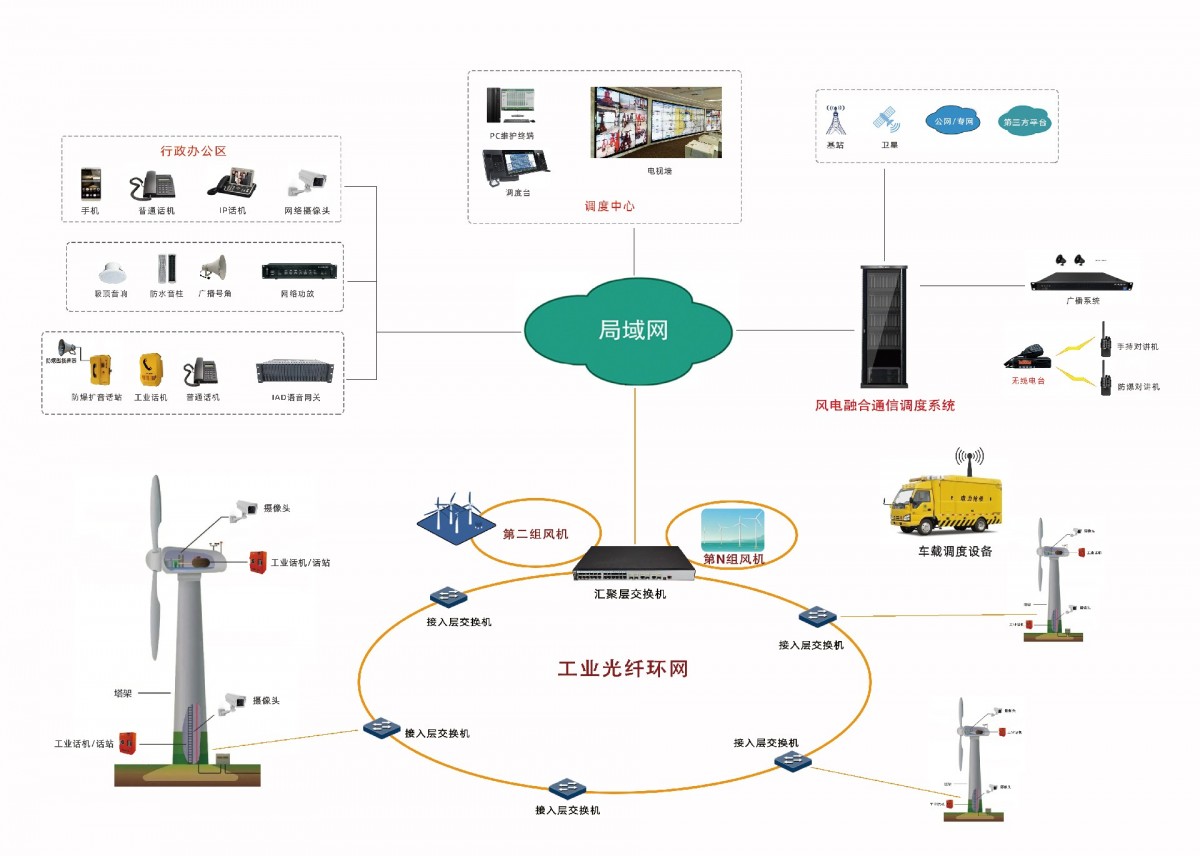
The system consists of a scheduling host and console deployed at the control center, as well as industrial telephones installed within wind turbines and administrative office areas across various locations.The system consists of intercom stations, explosion-proof intercoms, IP phones, walkie-talkie terminals, cameras, public address systems, and intercom systems, etc. All devices and terminals can be deployed over IP networks, and in emergencies, dispatchers and dispatch consoles can be rapidly deployed on the network, including on power rescue command vehicles, ensuring that scheduling and control can be conducted wherever there is network access.
System Application Topology Diagram
3.1 Feature Advantages:
3.1.1 One-Click Alarm Assistance:
Staff inside the wind turbine pressed the emergency call button on the industrial intercom terminal, which immediately connected to the control center. The dispatch console automatically displayed the area map, quickly locating the incident site, and simultaneously activated the camera bound to the intercom terminal.PromptlyResponding to on-site calls promptly can significantly reduce the time spent on abnormal handling and enhance work efficiency.
3.1.2 Alignment of Operations and Tuning
The integrated scheduling system is suitable for administrative office use and can also be used for dispatching and command via the dispatch console. It effectively integrates the corporate information platform, enabling collaborative command and scheduling over a wider range, including production scheduling and emergency dispatch during unforeseen events.
3.1.3 Broadcast Feature:
The control center can implement one-button broadcasting, whole-area broadcasting, zonal broadcasting, scheduled broadcasting, fire broadcasting, and emergency broadcasting, etc., for the on-site fans through the dispatch console. The broadcasting methods include voice files, etc.TTS text-to-speech broadcasting, intercom announcements, and external audio source broadcasting.
3.1.4 Multiple Scheduling Modes:
The dispatching system supports unified, hierarchical, and emergency dispatching; it can be divided into multiple hierarchical dispatching systems based on the situation. Each command center can set different dispatching levels and permissions independently. Different hierarchical dispatching systems can connect to multiple dispatching desks, with each system capable of operating independently while also being intercommunicative.
3.1.5 Video Surveillance Integration:
Please provide the Chinese content to be translated.The IP camera is paired with the nearby intercom terminal or extension terminal.
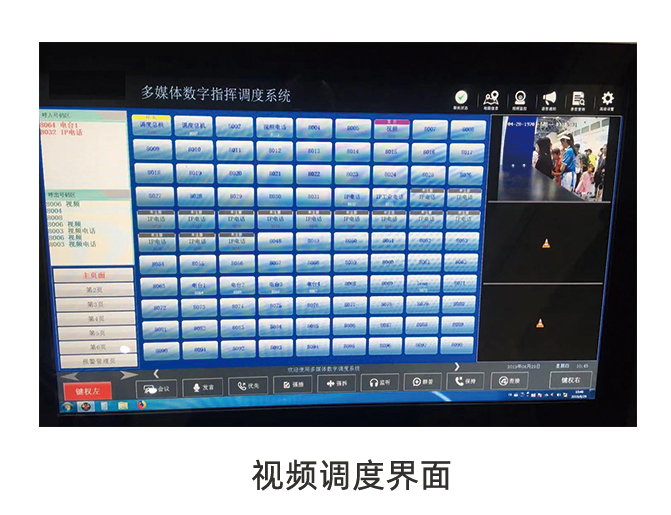
When dispatchers click to call the terminal on the dispatch console, the live feed of the terminal's bound camera is immediately displayed in the monitoring area of the console, facilitating dispatchers with a more direct understanding of the situation.
When staff members use the terminal inside the fan to call the dispatch center, the dispatch console will also automatically display the real-time video feed of the camera bound to that terminal.
When dispatchers encounter special situations, they can simply click the corresponding broadcast button to directly announce a message to that location.
3.1.6 Call Blocking:
When multiple communication terminals within wind turbines initiate calls to the control center simultaneously, the system automatically queues them and displays the names and numbers of the queued extensions on the dispatching console. Queue calls are handled on a first-come, first-served basis, and dispatchers can also choose to answer any call from the queue at their discretion.
3.1.7 Alarm联动
Voice alarm prompts can be recorded into the dispatching system (supports integration with fire alarm systems), which will play the corresponding alarm prompts when triggered by specific conditions.
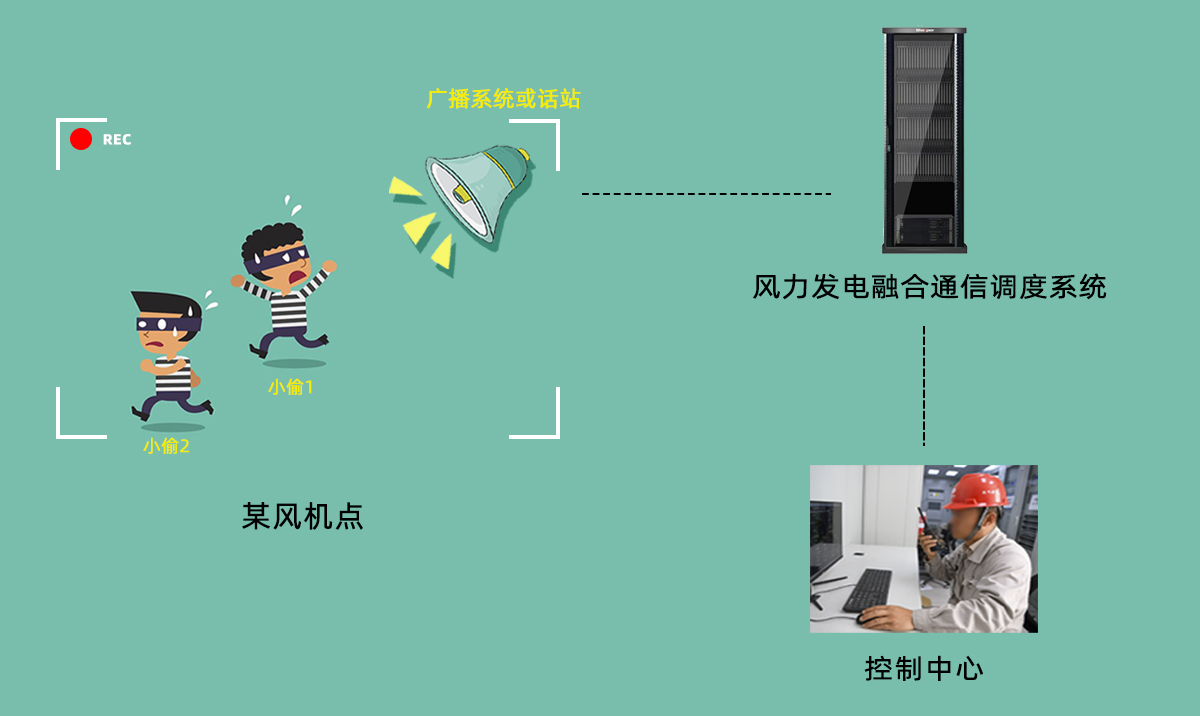
If integrated with front-end collection sensors, the command center can immediately receive alarm signals and transmit the information to the visual dispatch console or large screen upon a fire event or unauthorized opening of a fan door. Dispatchers can then view real-time surveillance footage of the area through the dispatch console and take further actions. Alternatively, the system can initiate calls to all intercom and broadcast terminals in the area, automatically playing corresponding alarm tones or warnings as per pre-set plans.
3.1.8 Cluster Intercom:
lSupports mixed push-to-talk networking with wired and wireless options.
lMultiple terminals, including landlines and mobile phones, can communicate with two-way radios.
lThe system supports walkie-talkie call broadcasting and triggers pre-set broadcast audio.
lSupports dial-up interconnectivity; one-touch call intercom.
lWe support various models and standards of two-way radio base stations and hand-held radios.
3.1.9 Contingency Scheduling
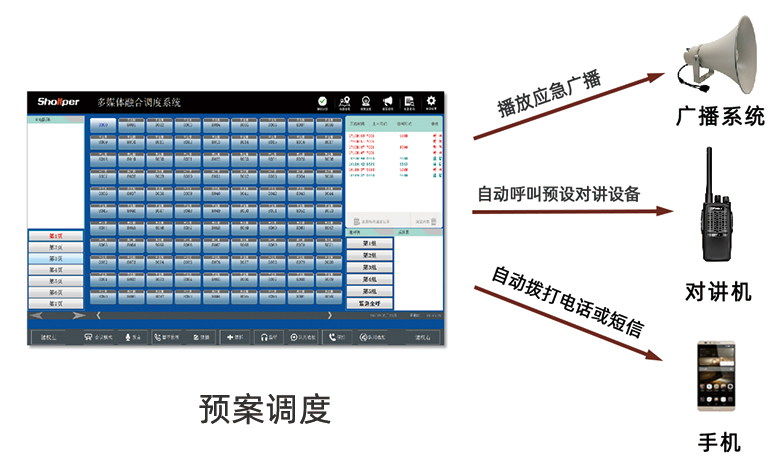
In the event of an emergency (such as a fire, equipment failure, theft, etc.) within the wind turbine or other areas of the system that triggers predefined conditions, the system can automatically activate emergency response plans, including automatically playing announcements, calling phones, sending text messages to relevant personnel and supervisors, etc.
3.1.10 Voice Scheduling:
Dispatchers can initiate individual, group, and mass calls to all members within the system, and also possess advanced dispatching capabilities such as force insertion, force disconnect, call pickup, monitoring, mute, transfer, and hotlines, ensuring swift dissemination of instructions to the grassroots level.
3.1.11 GIS Geographic Information
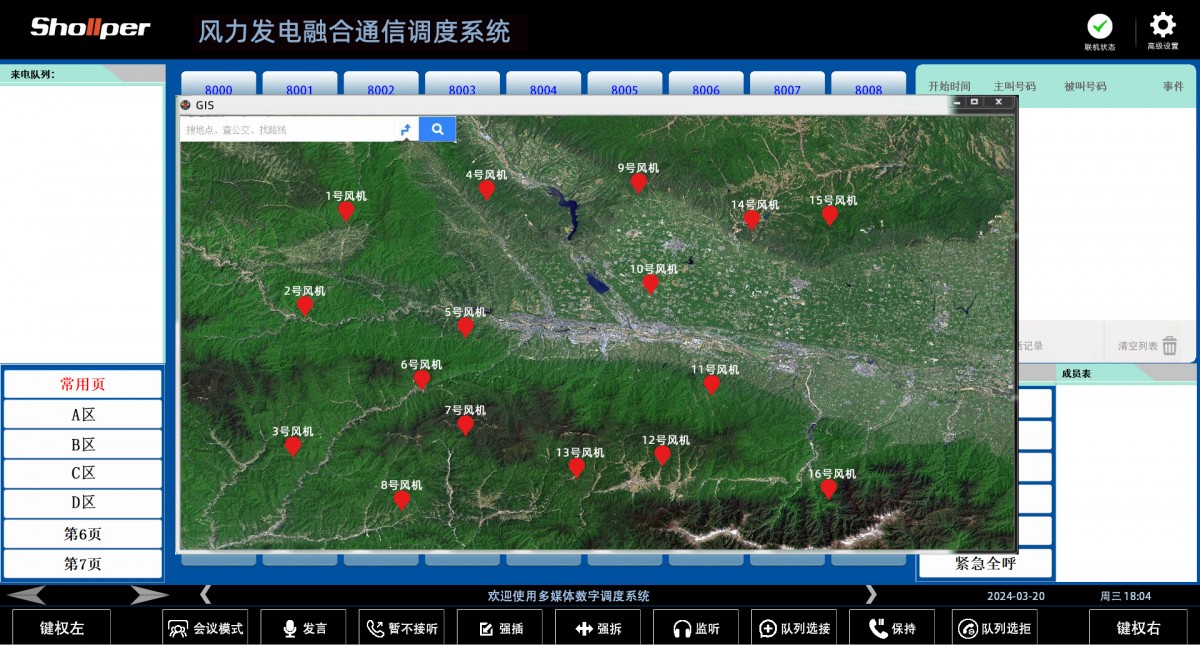
When wind turbine phones or intercom terminals call the dispatch center, in addition to the ringtone, the dispatch console can also directly display the caller's number, name, and location, or through the dispatch machine on the console.One-click calling to the desired wind turbine point on the GIS map.
3.1.12 Mobile Emergency Dispatch Platform:
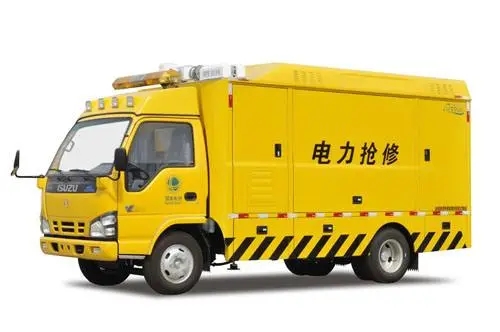
Dispatching hosts and terminals are supported for deployment on power rescue command vehicles, enabling access to the integrated communication dispatch system with just a network connection, effectively enhancing the efficiency of power department rescue operations.
3.1.13 Support for one-to-one call, group call, and conference call
The All-Hail feature enables all terminals within the system to ring or announce simultaneously, including broadcast terminals. In the event of an emergency, it can...PromptlyAll hands on deck. Dispatchers' group and party calls are unrestricted by the current organizational structure, allowing personnel from different positions to be grouped together for communication.
3.1.14 Teleconference:
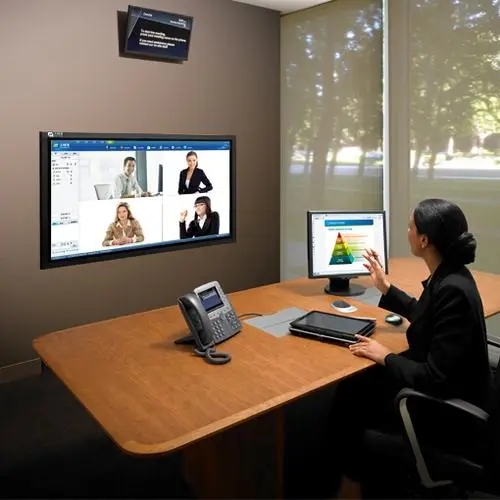
lSupport internal or external linesAll types of terminals, including IP phones, landline phones, industrial phones, explosion-proof phones, walkie-talkies, and mobile phones, are simultaneously connected for a conference.
lSupports various meeting initiation methods, including ad-hoc calls and fixed group sessions.
lConference members reached128 participants, with over 64 full-duplex speaking parties.
lThe dispatch console now supports one-click meetings.
3.1.15 Support for communication line redundancy:
In the event of a disruption in traditional communication links, where external calls cannot be made through the original network, an alternative can be utilized.We utilize 4G/5G networks, satellite communication networks, or similar for external communication.
3.1.16 Multi-Web Integration:
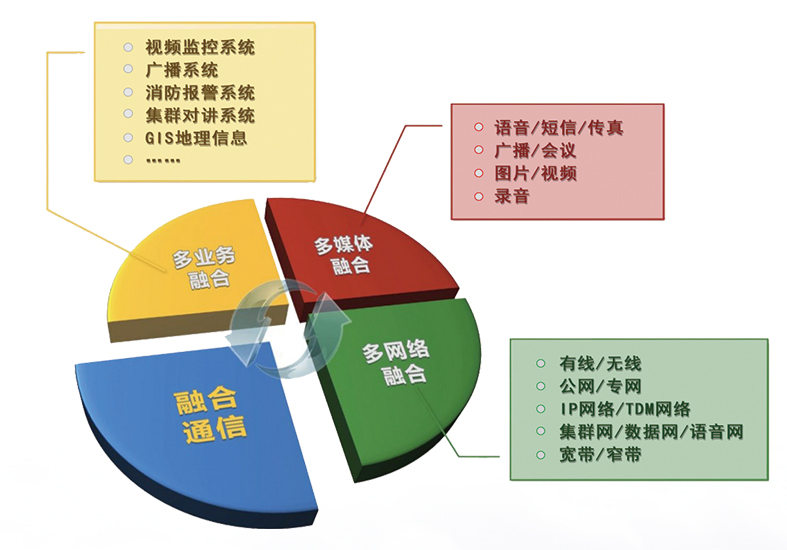
Seamless Integration of Multiple Communication NetworksOur company integrates a range of communication technologies (including IP, PSTN, GSM, CDMA, WiFi, WiMAX, satellite communication, analog and digital trunking), achieving a fusion of wired, wireless, fixed-line, and mobile networks.
3.1.17 Dispatch Console Access: Unlimited Number of Seats
The system allows for an unlimited number of dispatch consoles to log in simultaneously. Outside the dispatch center, multiple dispatch consoles of different levels can be deployed for collaborative work. In the event of a dispatch communication interruption, they can be quickly deployed in other networked locations to restore command and dispatch operations.
3.1.18 Monitoring and Real-Time Surveillance:
The Dispatch Center can monitor and control any wind turbine intercom terminals or extension terminals in real-time through a visual dispatch console, supervise the on-site conditions of various wind turbine points, and if any malicious destruction is detected, can actively initiate a broadcast announcement through the dispatch system.Deter lawbreakers.
3.1.19 Redundant Backup:
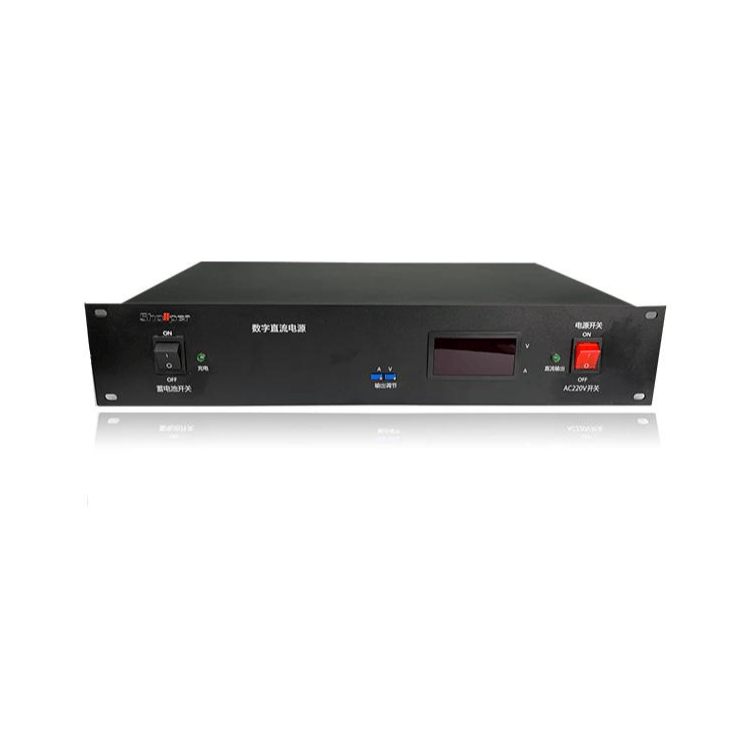
Main system componentsThe MCU main control board, the primary power box, the secondary power board, and the recording board all support redundant hot backup.
3.1.20 Dispatch Console Diversity:
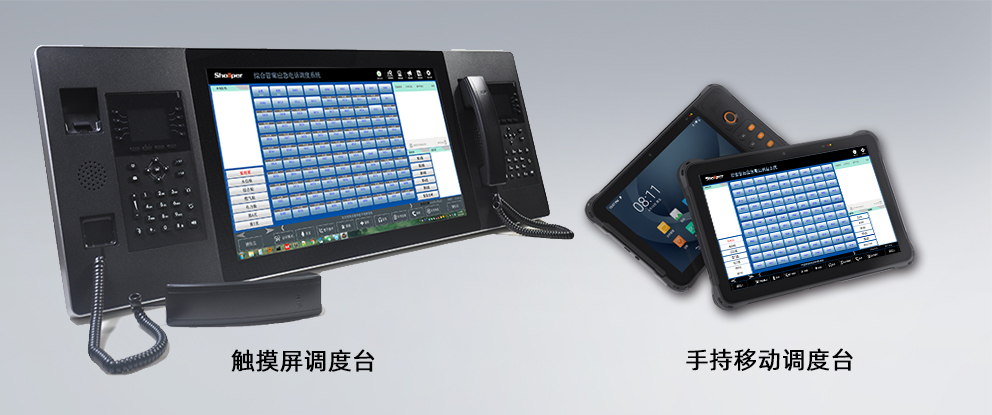
To cater to the diverse needs of our users, we have based onOur dispatch consoles, including desktop, touchscreen, and handheld mobile versions, cater to users' dispatching needs across various network environments, such as wired and wireless.
3.1.21 Terminal Inspection Feature:
When a terminal in a fan's intercom system goes offline due to a line fault or phone issue, the system automatically detects the problem and sends the terminal offline information to the dispatching console for the dispatcher to proceed with further handling.
3.1.22 Telecommunications-grade Voice Quality
System SupportG.723, G.711, G.729 and other voice codecs, combined with unique echo cancellation technology, deliver high-definition sound quality. Industrial and explosion-proof telephones and other terminals boast strong noise resistance capabilities.
3.1.23 Call Recording:
The system records all calls within the system, including风机点呼叫 conversations, using a recording board. Recordings are searchable and replayable, eliminating the need for an additional recording system. The standard configuration includes a recording duration of30,000 hours of operation, with redundant hot backup for the recording board card.
3.1.24 Diversified Terminal Integration:
Dispatch Console, SimulationMagnet Telephone, WIFI Phone, IP/Simulated Camera, Microphone, Headset, Simulated/Network Amplifier, Network Speaker Column, Speaker, Industrial Phone, Explosion-proof Phone, Walkie-Talkie, SOS Alarm, Access Control, etc.
3.1.25 Entire System with Self-owned Brand
Xiaobeng Technology offers a comprehensive system solution, including multimedia dispatching consoles, touch screen dispatching desks, and terminal equipment within the system.The IAD VoIP Gateway, Industrial Telephones, Explosion-proof Telephones, IP Phones, Network Amplifiers, and Broadcast Systems are all independently researched and manufactured by SmallBull Technology. They have been widely used for over a decade and offer improved compatibility.
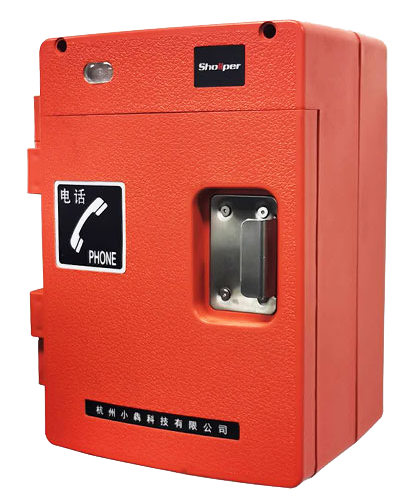
3.1.26 Companion Industrial Telephones/Telestations:
lHigh-strength shellABS engineering plastics, featuring a sealed structural design, offer dust, water, and corrosion resistance, with a protection rating of IP66, suitable for various harsh environments.
lUtilizing advanced anti-noise technology, it boasts strong anti-noise capabilities.
lEquipped with automatic picking and hanging machine control functions.
lThe alert signal employs both audio and visual modes for notification.
lNight-light indicator on the number plate.
3.1.27 Streamlined Management:
AdoptedThe B/S architecture technology allows configuration, debugging, and management control of terminals directly through a web browser.
3.1.28 Support for Development:
Offering secondary development interfaces for integration with power business systems, environmental monitoring systems, and more, enabling multi-business collaboration and unified scheduling.
3.1.29 Protecting Investments:
The solution seamlessly integrates the existing voice network, walkie-talkie systems, and broadcasting systems of the power department, safeguarding the original investments of corporate users.
3.2 Unique Features:
Unique Function of IPO Relay Board: In addition to IP relay function, it also supports IP phone registration. Multiple specifications available: supports 128 concurrent connections and 768 user registrations.
Audio board supports redundant hot backupNo additional recording server required.
Higher integration, a wider variety of card types, and all modules support hot swapping.
Relay Board:FXO Ringing Cards, IPO Ringing Cards, PCM Digital Ringing Cards, E/M Ringing Cards, Carrier Ringing Cards, and Magnet Ringing Cards.
User Board:FXS Simulation User Board, IPS User Board, LFXS Long Distance User Board, QFXS All Call User Board, AFXS Long Distance All Call User Board.
Special Function Board:REC Recording Board, HF Cluster Gateway Board, AUD Audio Interface Board, DMB Broadcasting System Board, ALM Dry Contact Alarm Board, RLD Integrated联动 System Board.
FourSystem Advantages:
4.1 Offer Comprehensive Scheduling Solutions
The solution integrates various platforms, including voice, video, data, and image services. A comprehensive multimedia dispatching system is employed to centrally command and dispatch across different service terminals, effectively addressing the common issues of high investment, inconvenience in operation, and communication bottlenecks caused by the independent deployment and scheduling of various business platforms within the user's organization.
4.2 Multi-terminal integration access within the system
This solution supports the integration of various business terminals, enabling unified management and scheduling by the multimedia dispatching platform.
lAnalog Phone Integration: Analog telephones are integrated into the system via the analog user module.
lSIP Phone Integration: SIP phones are integrated into the system through the IP user module.
lWIFI phone integration: WIFI phones and WIFI phones are integrated into the system through the IP user module via WLAN.
lIP Cameras: IP cameras can be directly integrated into the system through the dispatch console.
lNetwork Amplifiers and Speakers Integrated: Network amplifiers and speakers are integrated into the system through the broadcasting system module.
4.3 Multi-network Integration within the System
This solution supports the integration and access of multiple information systems, all of which can be scheduled by the multimedia dispatching platform.
For instance:
1) Video surveillance system; 2) Access control system; 3) Public address system; 4) GIS information system; 5) Public network mobile system; 6) Public network landline system.
Due to the technical limitations of each communication system, they operate independently and cannot interconnect. This solution enables seamless interconnection between various communication systems, such as one-touch conference calls, one-touch broadcasts, one-touch audio-video联动 scheduling, public meeting rooms, and remote broadcast releases, among other networking functionalities, significantly enhancing communication efficiency.
4.4 Flexible Network Deployment Model
This solution can be based on a dedicated network,Deployed over IP networks, as well as 4G/5G/Wi-Fi wireless networks. All devices on the core platform of the system can be deployed in areas covered by IP and wireless networks, allowing for the selection of an appropriate networking mode based on the actual project requirements of the user.
From a system management perspective, networking can be configured using various modes such as centralized deployment and distributed deployment; from a basic network standpoint, options include those based on...IP network deployment and relay-based deployments; various networking modes are available from a reliability standpoint, such as core platform backup, basic network backup, relay backup, and terminal backup.
Compared to traditional scheduling networks and video networks, this solution's flexible network deployment model can effectively address challenges such as a single user internal network topology, inconvenience in post-deployment expansion, and poor backup capabilities.
4.5 Unified Local/Remote Management
All communication devices in this plan support both local and remote maintenance modes. Maintenance personnel can remotely log into the backend of each device to perform system monitoring, configuration, modifications, and other operations, facilitating centralized maintenance and management of the entire system. Compared to conventional dispatching systems and independent video systems, which can only be managed locally or independently, this plan can achieve centralized management through...IP networks provide unified local or remote management for all voice and video devices.
4.6 Customized development interfaces and flexible business expansion
This system offers an open...SDK is designed for integration with various third-party business system platforms, such as the superior 110 dispatch and alert system. It allows for partial interoperation with this dispatching system through third-party systems and can also transfer certain business interoperations from third-party systems to be processed within this dispatching system. The system also offers secondary development interfaces, facilitating future development of new business functionalities based on user needs and integration with other business platforms.


b2b.china9.net © Zhongshang 114 Hebei Network Technology Co., Ltd.Address: Room 6009, Oriental New World Center, No.118 East Zhongshan Road, Qiaoxi District, Shijiazhuang City, Hebei ProvincePlatform Service Hotline: 4006299930