
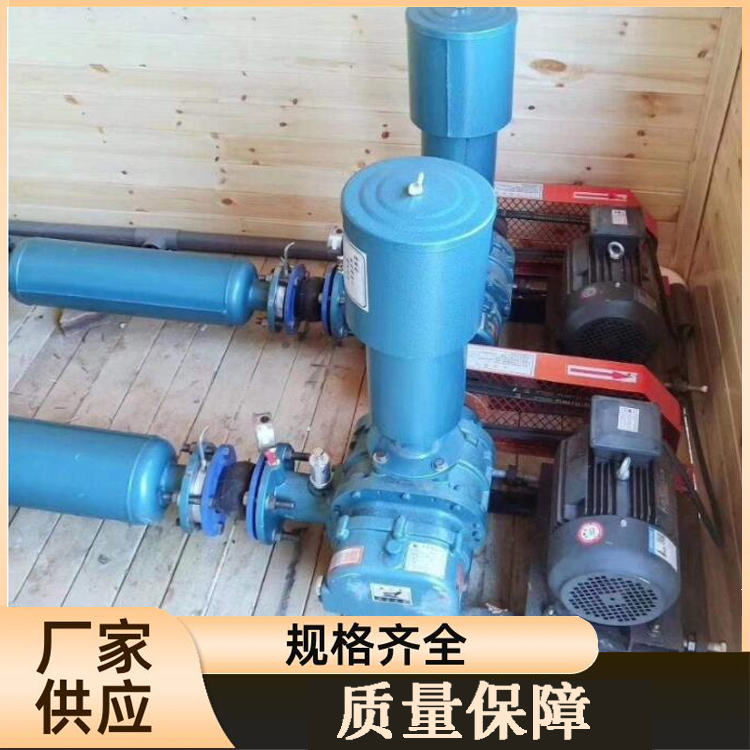
 ZSR-40 Roots Blower
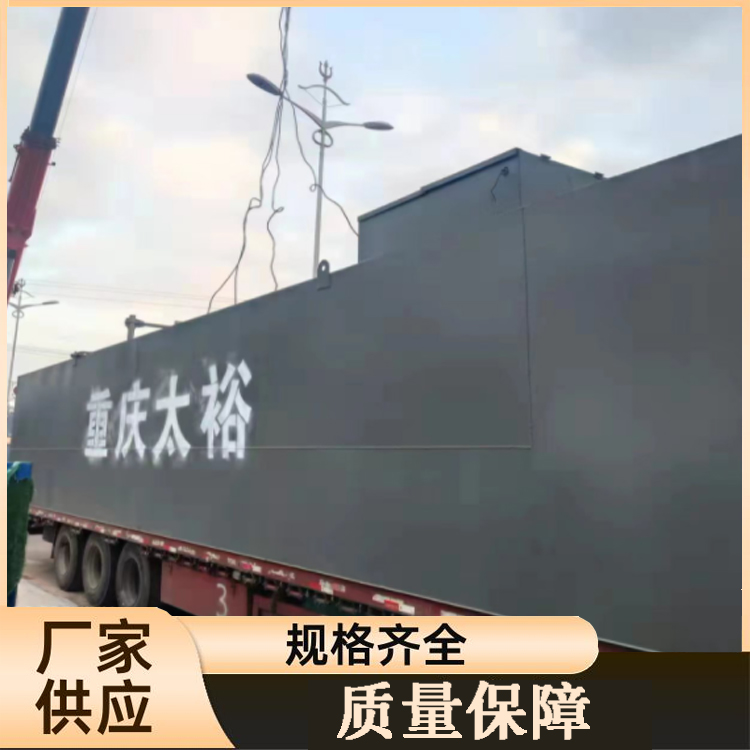
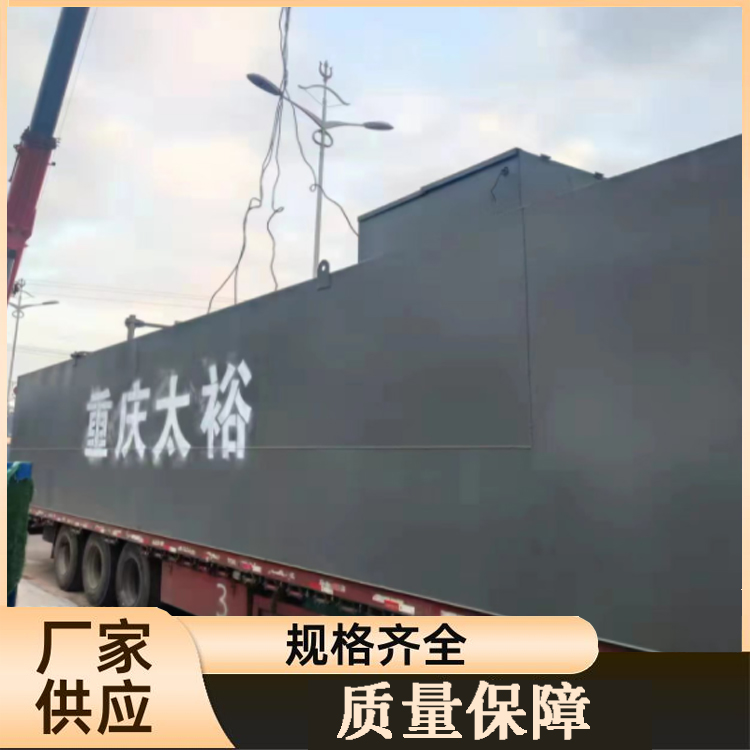
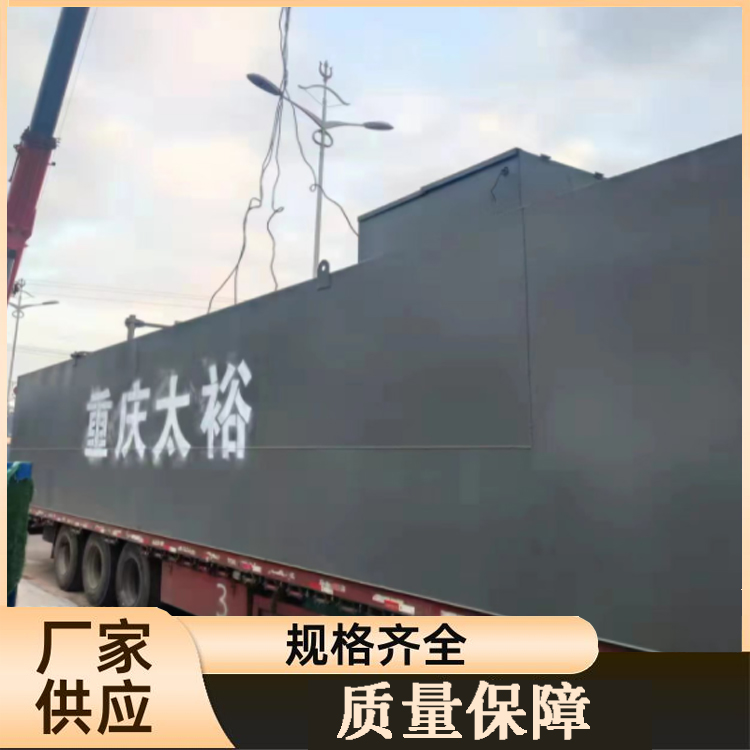
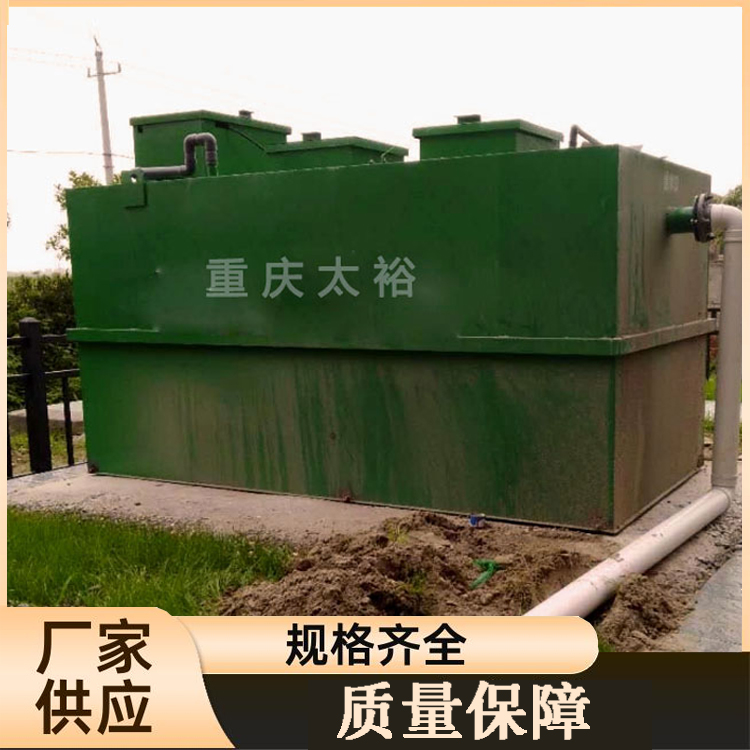 200-ton integrated wastewater treatment plant
 Used Sand Washing Belt Filter Press for Sale
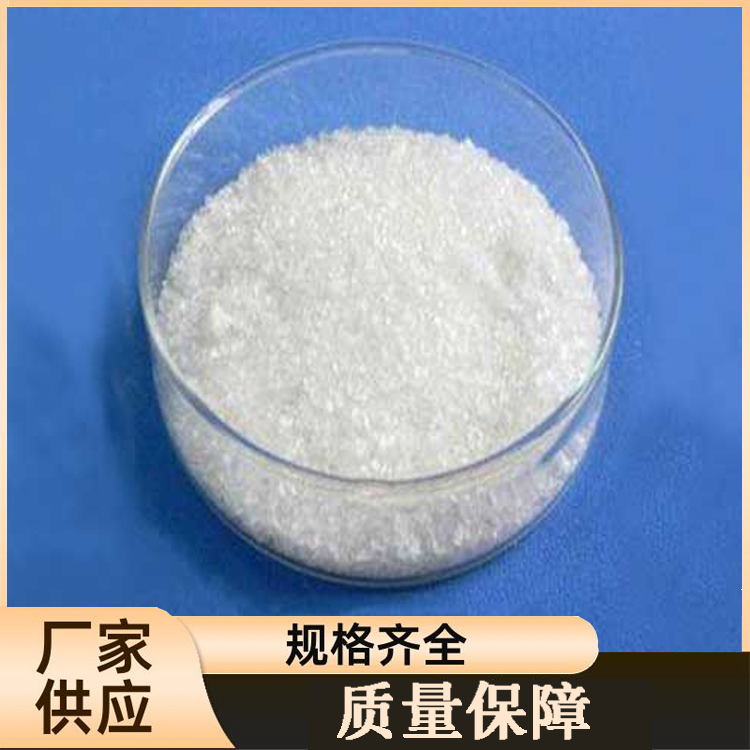 Sodium acetate from Sanshui
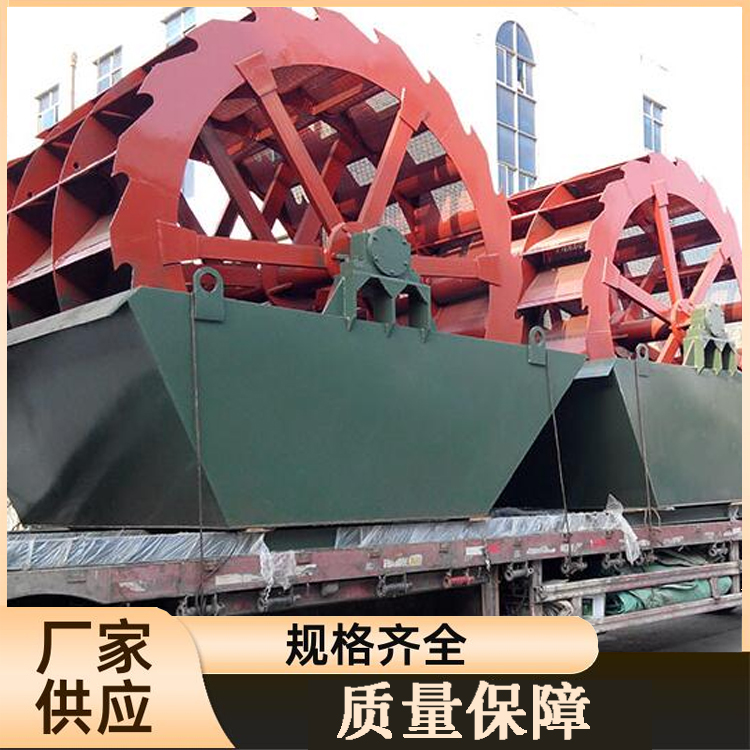 Wheel Wash Sand Separator
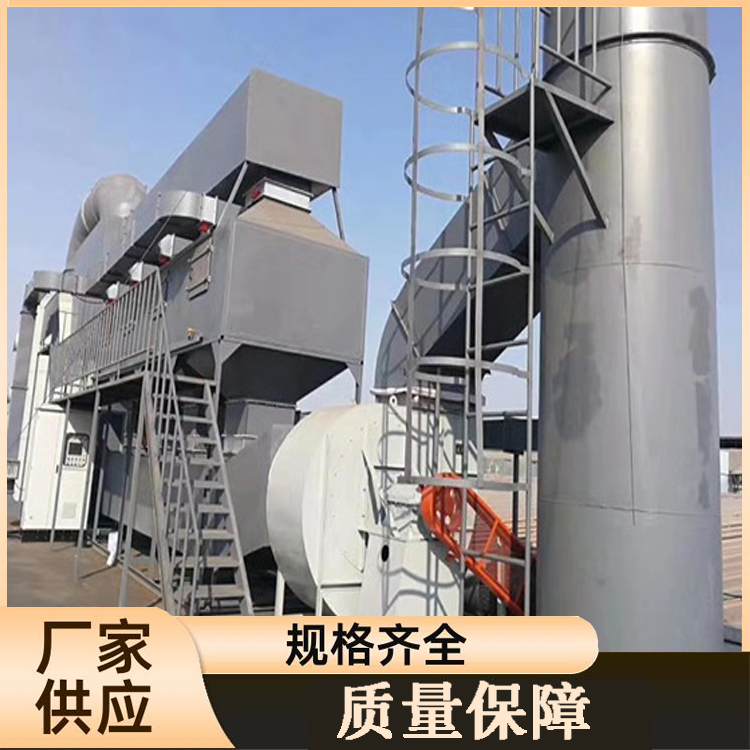 Catalytic Combustion Emission Treatment
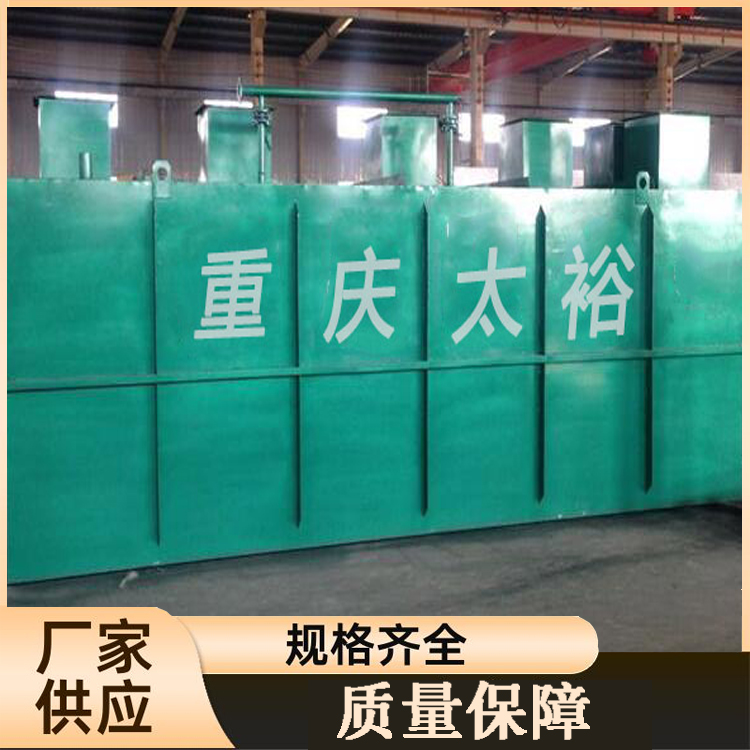 Electronic factory wastewater treatment equipment
Product Details

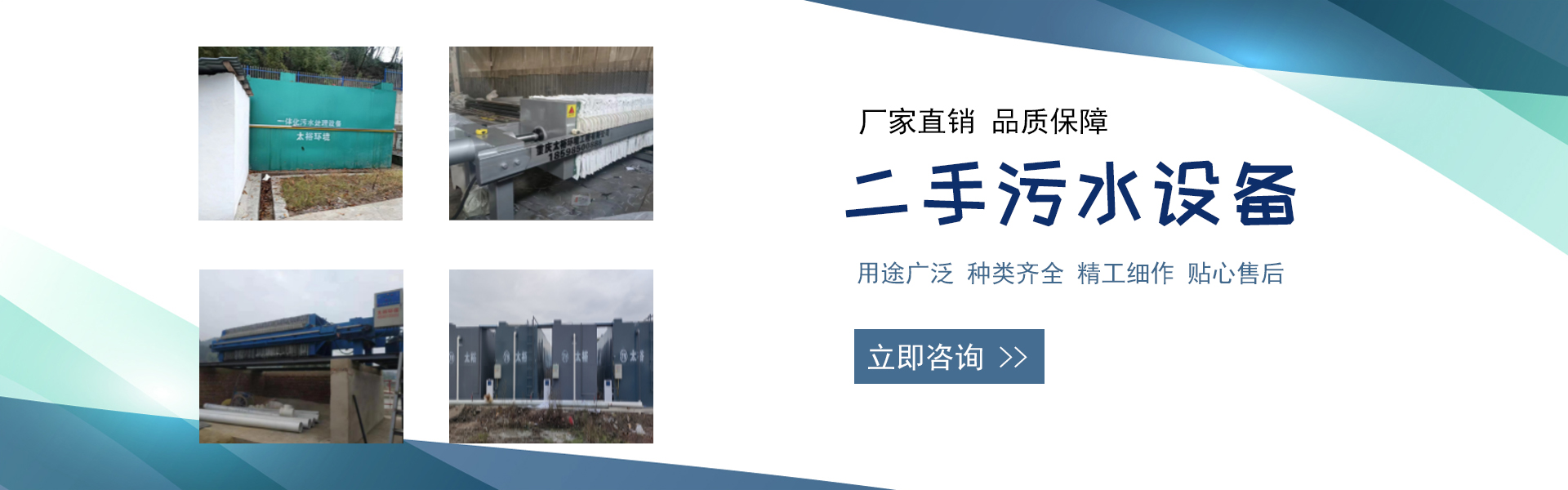
Wastewater Treatment Equipment Rental
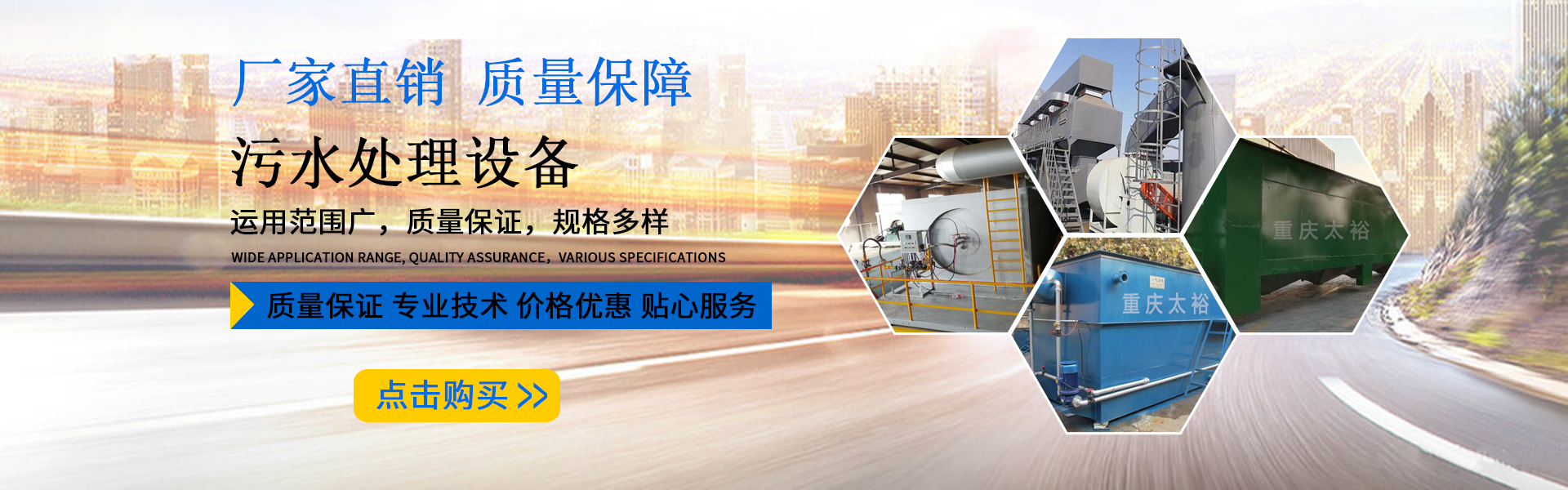
产品Price Negotiable
最小起订Quantity:1 Tai 供货总Quantity: 1000 Tai


Noise |
|
Application Scope |
Residential Factory Wastewater Treatment |
Operation level |
Fully Automatic |
Custom Processing |
Certainly |
Product Features |
Smart integration |
Available for sale locations |
National |
The range of integrated wastewater treatment equipment is particularly wide, capable of handling both domestic and industrial wastewater effectively. The quality of the treated effluent is greatly influenced by the dosage of the equipment's additives. What exactly does this entail? Let's take a detailed look with the editor below: What reagents are added in the wastewater integrated addition of reagents? 1. Different water qualities require varying dosages. Dosage amounts of various concentrations should be determined through small-scale tests based on the composition and the concentration of incoming water. Generally, the amount of acidic and alkaline solutions should ensure the pH of the water is between 6 to 9; the stabilizer dosage is approximately 5 to 15% of the treatment volume; the flocculant dosage is about 0.5 to 1% of the treatment capacity; the oxidant dosage is approximately 0.5 to 2% of the treatment capacity. The dosage of the rapid settlement agent is approximately 1~2% of the treated volume. Of course, these data are for reference only. 2. Various treating agents are conveyed by fluoroplastic pumps, with their dosages measured by their own glass rotameters and controlled by inlet and outlet valves. 3. In the image, you can see the storage locations of various water treatment reagents, the positions of the conveying pumps, and the feeding locations, making it convenient for users to utilize. The equipment drawings are not just a diagram; they show the location of the lifting and metering pumps installed inside the pump house. Strengthening management and reducing the supervision of polluting enterprises is also a crucial factor in pollution prevention and control. Equipment operation, malfunction, and leakage; production accidents caused by non-compliance with operational procedures or product scrapping. Producing a large volume of high-concentration wastewater; using excessive water to rinse equipment and floors increases the wastewater volume; if cooling water and production wastewater are not separated, it will enhance both the volume of wastewater and the difficulty of wastewater treatment.

Phone Consultation