
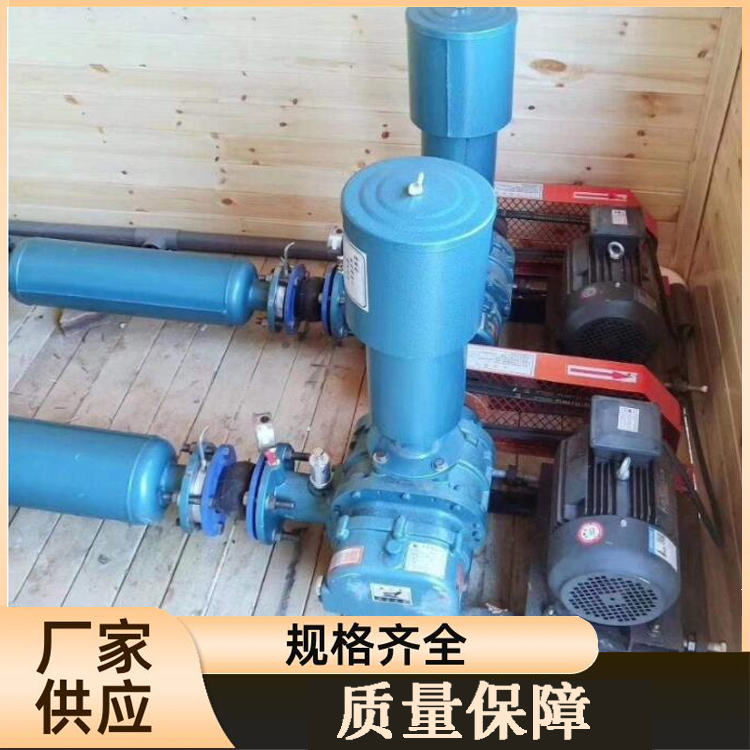
 ZSR-40 Roots Blower
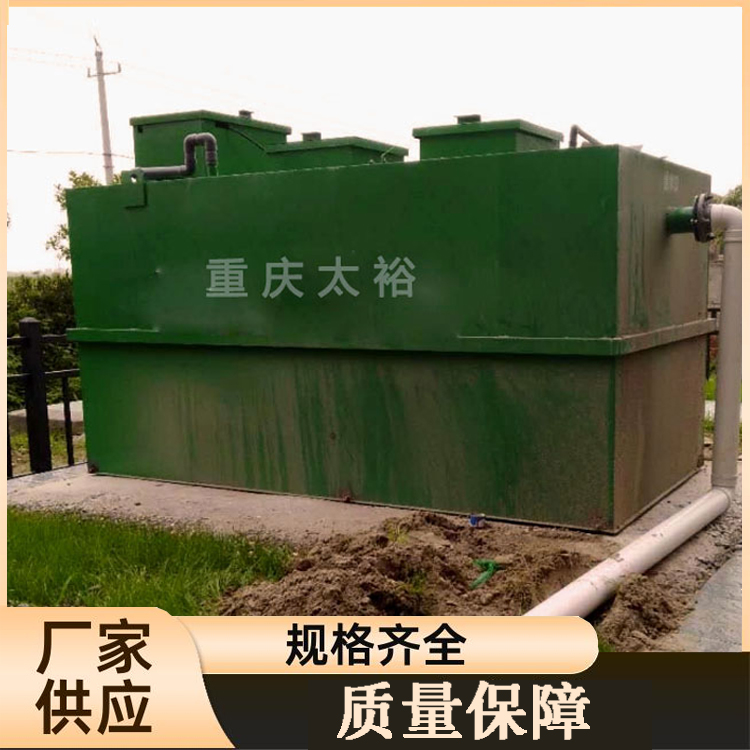 200-ton integrated wastewater treatment plant
 Used Sand Washing Belt Filter Press for Sale
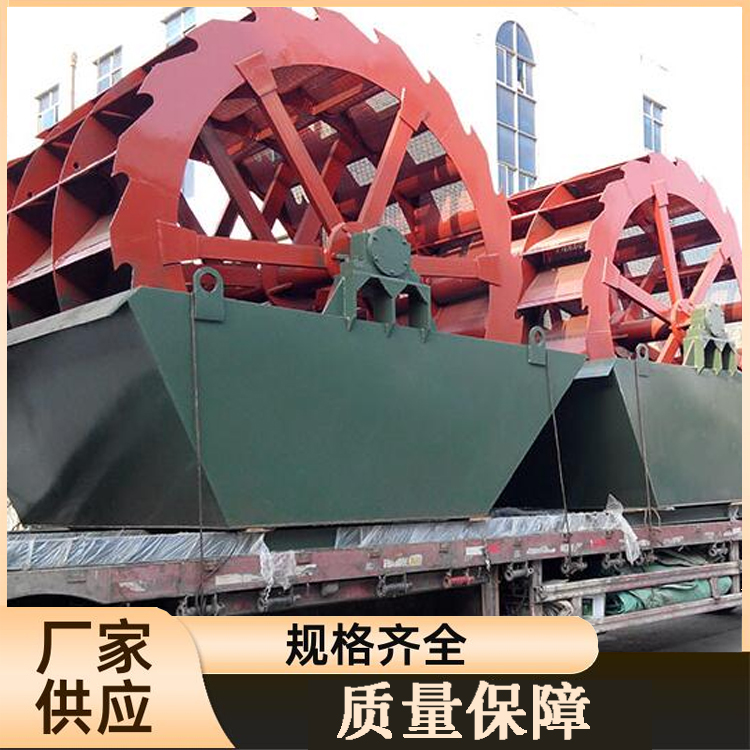 Wheel Wash Sand Separator
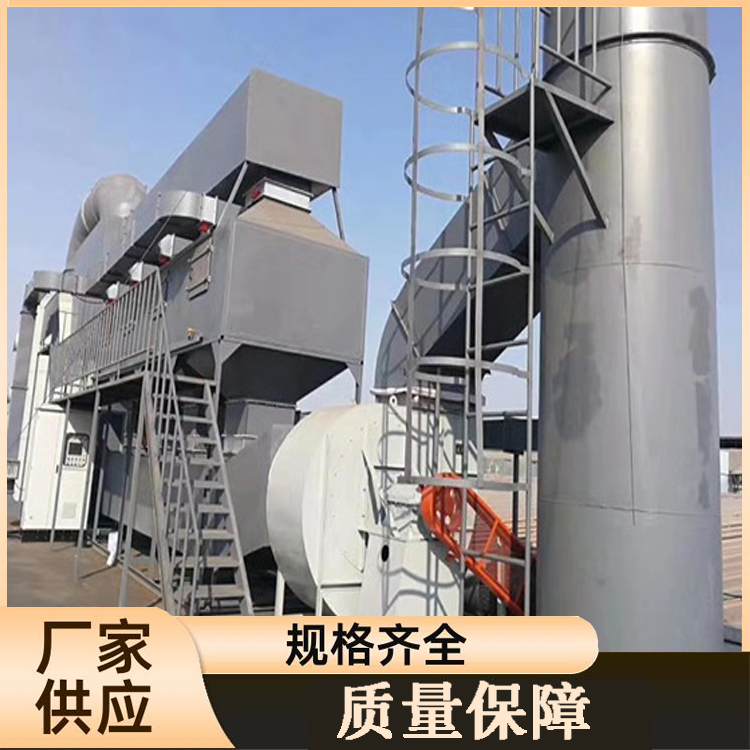 Catalytic Combustion Emission Treatment
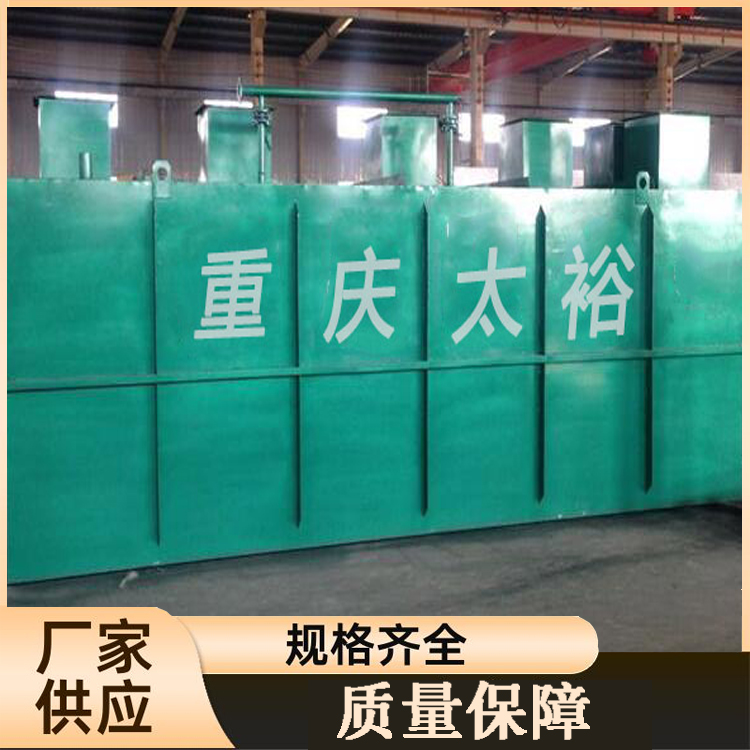 Electronic factory wastewater treatment equipment
Product Details

Wastewater Treatment Equipment Rental

产品Price Negotiable
最小起订Quantity:1 Bag 供货总Quantity: 1000 Bag


Appearance and properties |
|
Is Importing |
No |
Application |
Water Treatment Industry |
Customized Processing |
No |
Grade |
Industrial-grade |
Available Markets |
National |
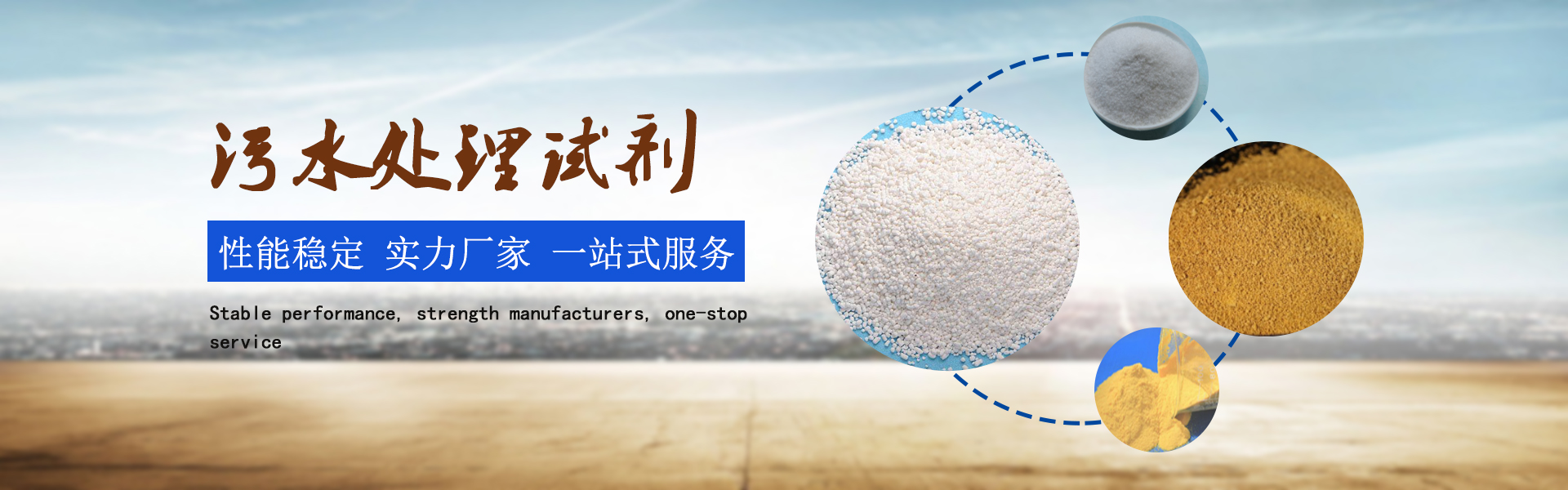
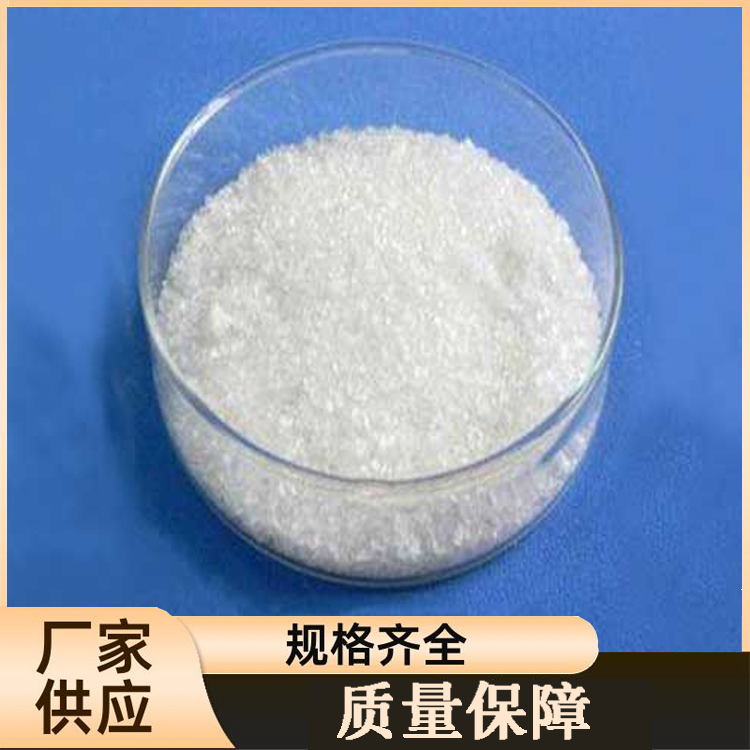
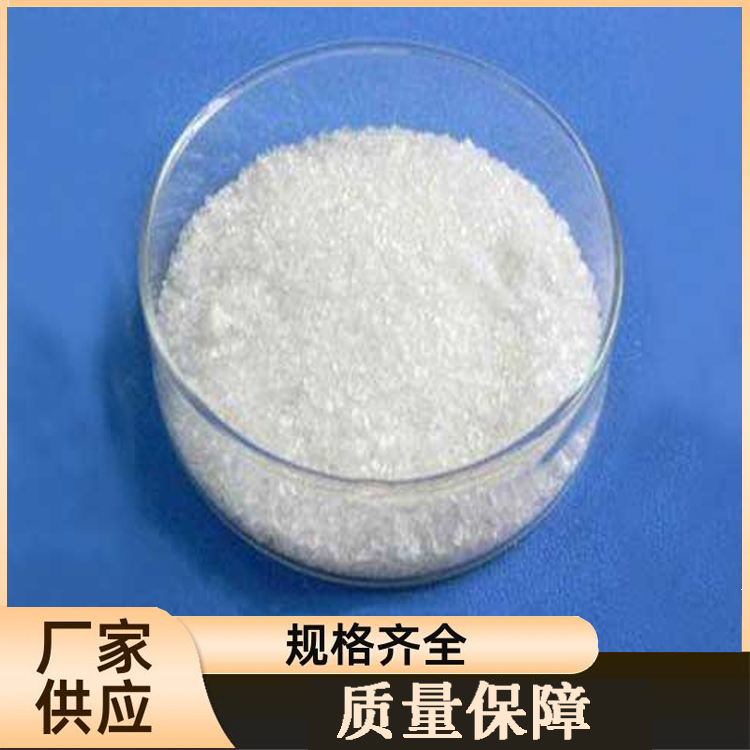
Sodium acetate trihydrate is a chemical raw material used in dyeing, chemical reagents, industrial catalysts, additives, and preservatives, and is also widely applied in wastewater treatment, coal chemical industry, and the preparation of energy storage materials. 1. Chemical Name: Sodium Acetate 2. Molecular Formula: C2H3NaO2; C2H3NaO2·3H2O 3. Molecular weight: Anhydrous: 82.03; Trihydrate: 136.08 4. CAS: Anhydrous: 127-09-4/127-09-3; Trihydrate: 6131-90-4 5. Properties: The crystalline form (trihydrate) is colorless transparent crystals or white crystalline powder, usually a white, jelly-like substance or a solid mass, odorless with a vinegar-like acidity. The relative density of the crystalline form is 1.45, and it will volatilize in air at certain temperatures, dissolving approximately 1g in 0.8mL of water and 19mL of ethanol. The anhydrous form has a relative density of 1.582, a melting point of 324°C, and is highly hygroscopic, dissolving approximately 1g in 2mL of water. 6. Uses: Can be used as a cleaning agent, sodium acetate can neutralize sulfuric acid from factory effluent. It can also be used to treat wastewater, investigate the effect of sludge retention time (SRT) and added carbon source (sodium acetate solution) on the system's nitrogen and phosphorus removal. Sodium acetate can also compensate for its deficiencies, condition denitrifying sludge, and then control the increase in pH during the denitrification process to within 0.5 with buffer solution. Excessive adsorption of denitrifying bacteria on CH3COONa, therefore, when CH3COONa is used as an additional carbon source for denitrification, the effluent COD value can also be maintained at a low level. At the time, to meet the effluent standards for wastewater treatment in cities and counties, sodium acetate as a carbon source had to be added. 7. Packaging: Inner polyethylene bags, outer plastic woven bags, 25 kg per bag. 8. Storage and Transportation: This product should be stored in a dry, well-ventilated, and clean warehouse. Handle with care to prevent damage to packaging, and ensure it is protected from humidity, rain, and kept isolated from toxic substances during transportation.

Phone Consultation