
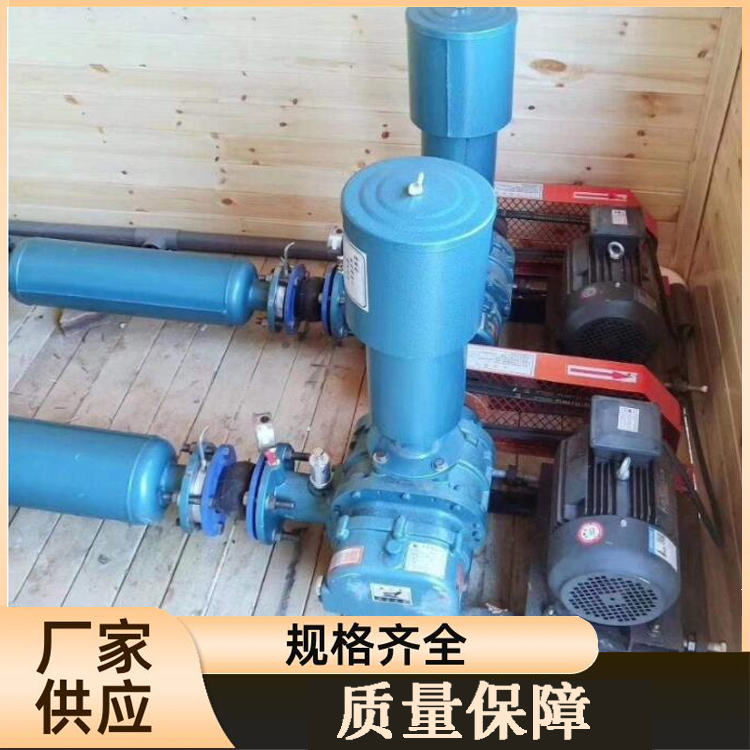
 ZSR-40 Roots Blower
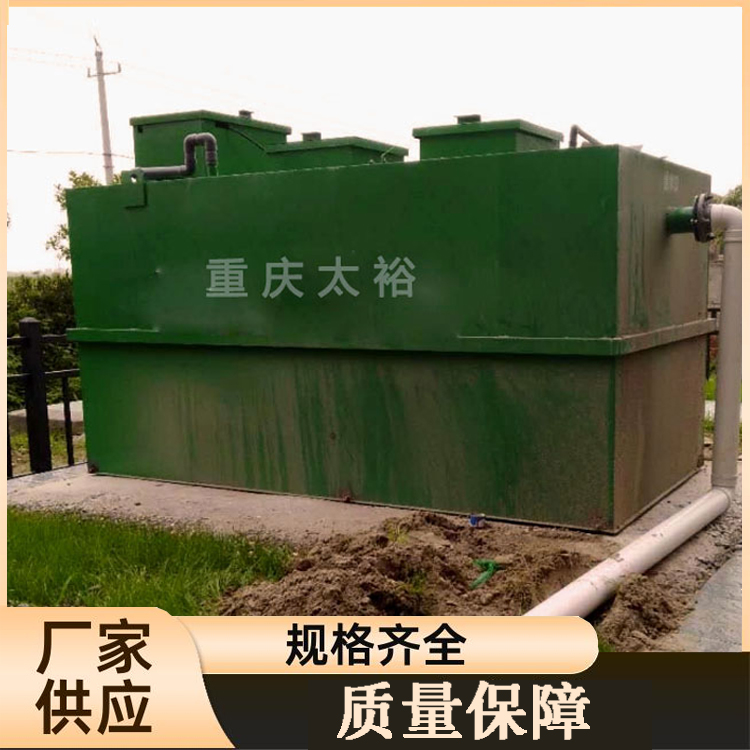 200-ton integrated wastewater treatment plant
 Used Sand Washing Belt Filter Press for Sale
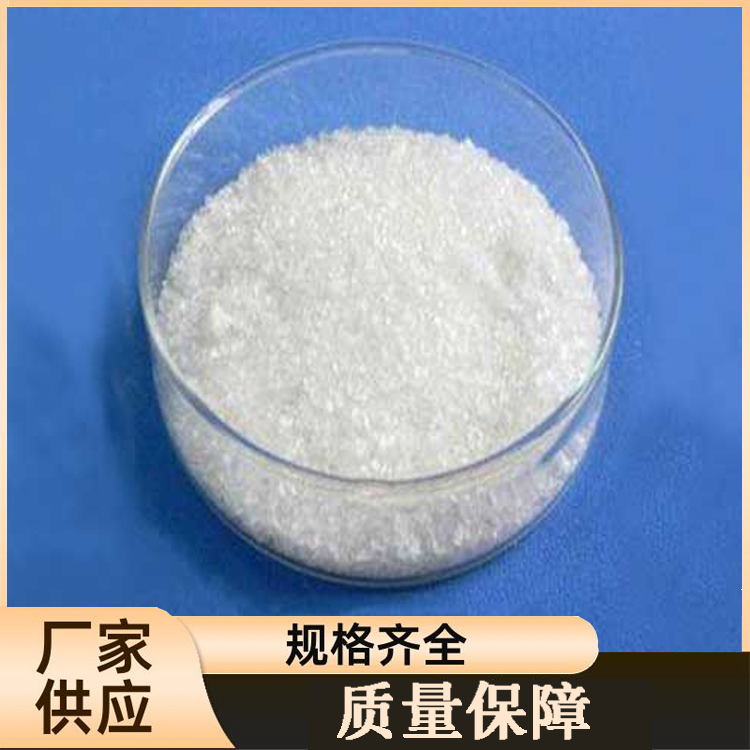 Sodium acetate from Sanshui
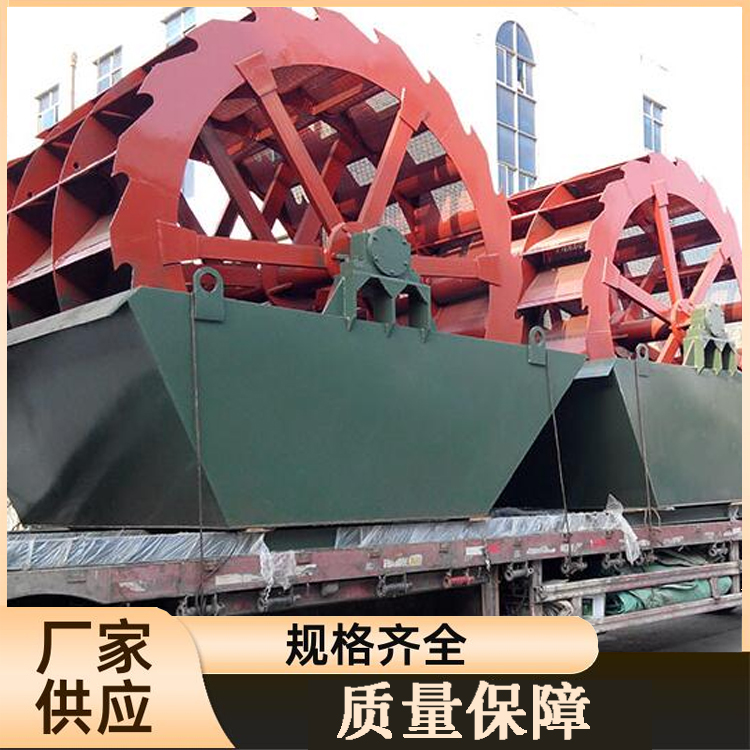 Wheel Wash Sand Separator
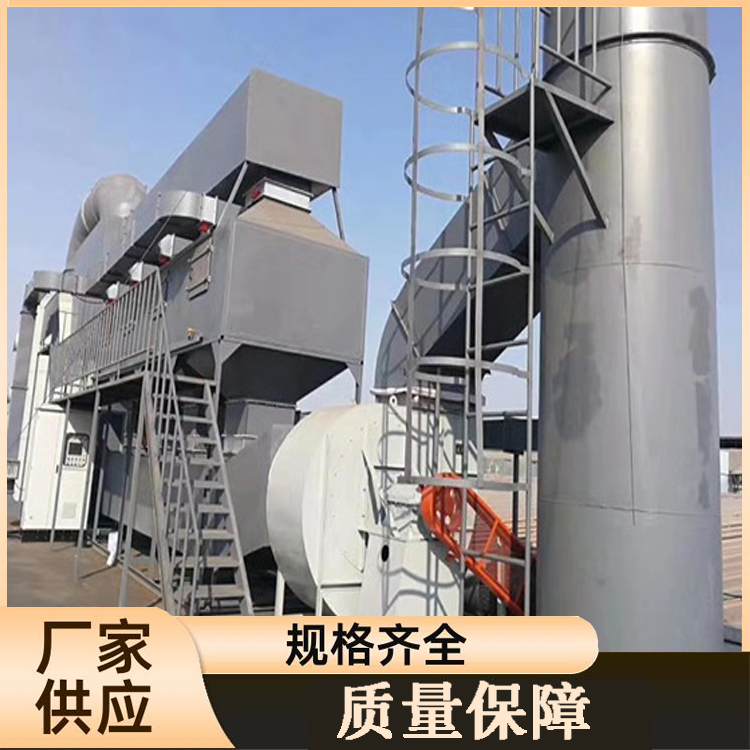 Catalytic Combustion Emission Treatment
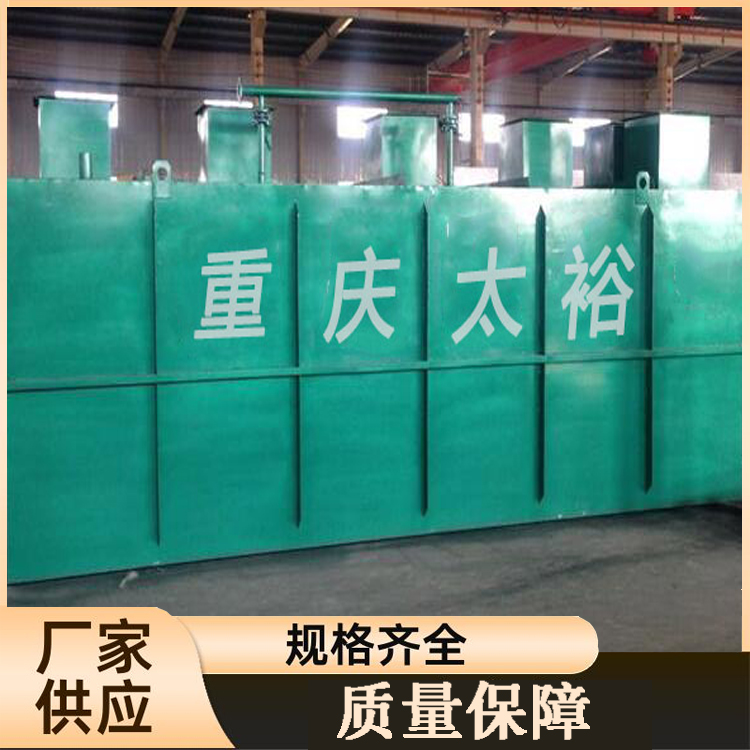 Electronic factory wastewater treatment equipment
Product Details

Wastewater Treatment Equipment Rental
产品Price Negotiable
最小起订Quantity:1 Tai 供货总Quantity: 1000 Tai


Noise |
|
Application Range |
Municipal factory wastewater treatment |
Operation level |
Fully Automatic |
Custom Processing |
Certainly |
Product Features |
Smart Integrated Solution |
Available Locations |
National |
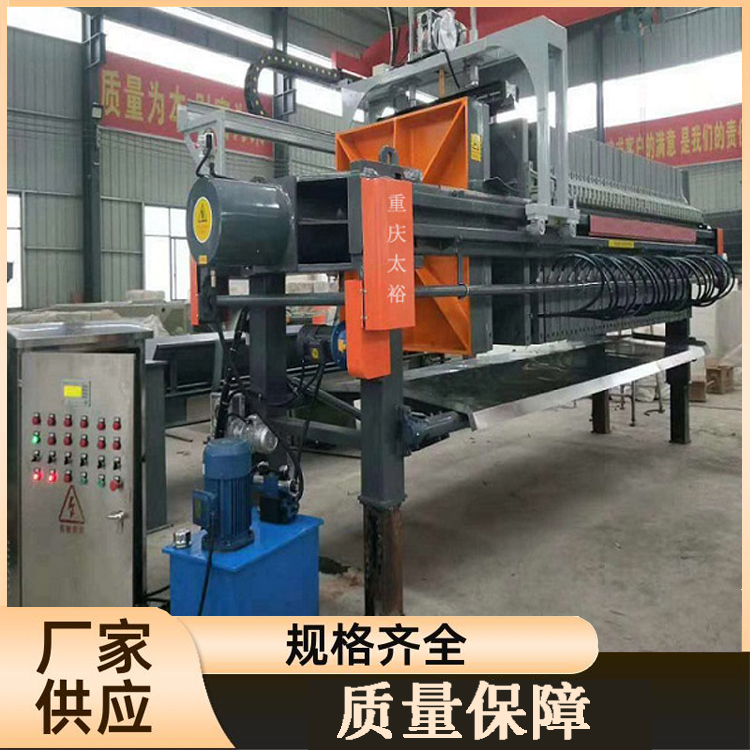
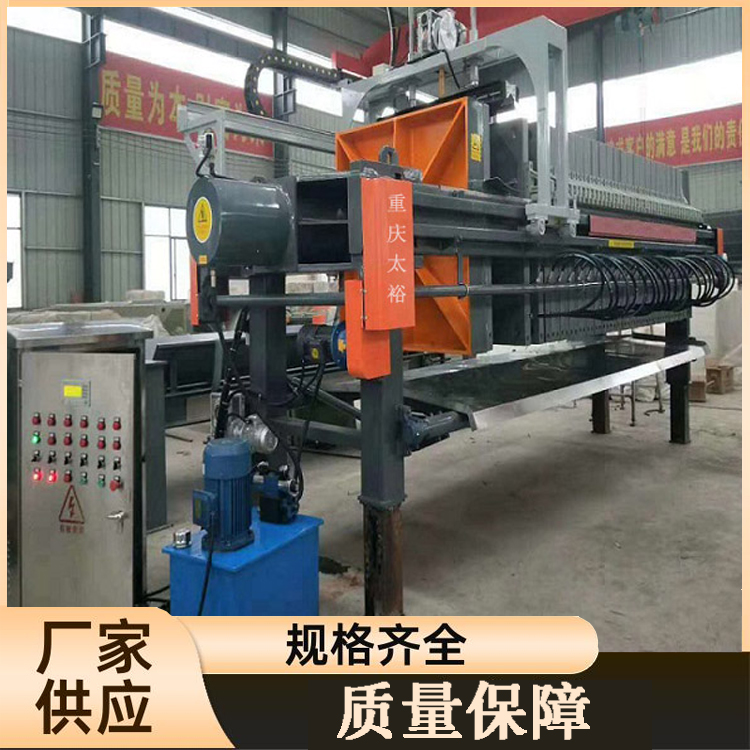
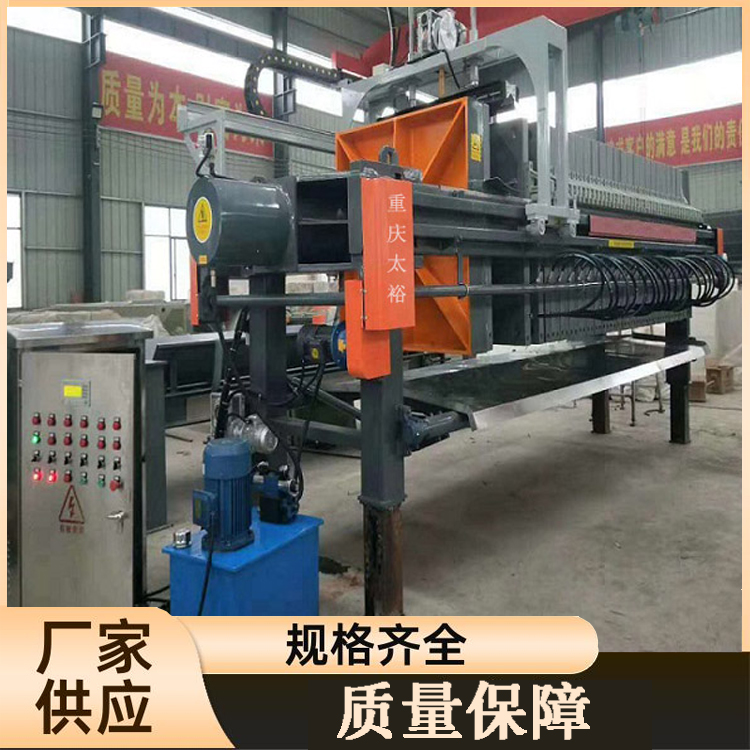
Diaphragm Filter Press Introduction: New TPE diaphragm technology for high-pressure membrane filter has been adopted, which extends the service life and offers stable performance, suitable for various industries. Utilizing two pressure methods for extraction, the pressure can reach 0.8-2.0 MPa. The variable filter chamber technology improves production efficiency and reduces sludge moisture content in applications such as solid-liquid separation in chemical and mining industries. The machine operates automatically after startup, equipped with an online filter cloth cleaning system and electrical control valves and instruments, eliminating the need for a dedicated operator. Diaphragm Press Filter Overview: Diaphragm pressure filter presses are known for their high pressing force, excellent corrosion resistance, and safety stability, making them ideal machines for clients in industries such as metallurgy, coal gas, papermaking, coking, food, brewing, and chemical engineering. They are used in any field involving solid-liquid separation. The diaphragm pressure filter press is an upgraded version of the previous box-type pressure filter press. Diaphragm filter presses have a high wastewater treatment capacity for the area they occupy, effectively reducing the moisture content of filter cakes, and offer excellent treatment for sludge cakes. The main difference between diaphragm filter presses and conventional box filter presses is that they are equipped with two elastic membranes (composite rubber diaphragms) on both sides of the filter plates. During operation, when the addition of material is stopped, high-pressure substances can be injected into the diaphragm plate, causing the membrane to bulge and exert pressure on the filter cake. This achieves the dewatering properties of the filter cake, resulting in an squeezing filtration effect. Diaphragm filter presses are used for sludge and wastewater treatment, with filter cake moisture content reaching about 60%. Compared to older filter presses, the solid content in the filter cake is increased by twice as much, reducing cost expenditures. The filter cake can be used as fuel in power plants, turning waste into treasure and transforming wastewater into dischargeable water. Diaphragm Filter Press Working Principle: The main difference between diaphragm filter presses and regular box filter presses is the addition of an elastic membrane diaphragm plate between the filter plates and filter cloth. During operation, upon completion of the feed, high-pressure fluid medium can be injected between the filter plate and the diaphragm. At this point, the entire diaphragm will bulge and compress the filter cake, thereby achieving further dewatering of the filter cake and accomplishing squeezing and filtering. Firstly, there is positive pressure dewatering, also known as feed slurry dewatering. Under certain quantities, filter plates are arranged in a row under the strong force of the machinery, forming a filter chamber between the filter chamber surface and the filter plate. The filter material is sent into the filter chamber under the strong positive pressure, where it is retained as a solid cake (such as filter cloth) as it enters the filter chamber. The fluid passes through the filter material and discharge chamber, effectively separating solids from liquids. Increasing the pressure further enhances the separation efficiency. However, the cost does not justify the increased energy consumption. After the slurry leaves the water, a rubber extrusion membrane press filter is used to send compressed medium (such as gas, water) to the back of the extrusion membrane, pushing the membrane and also known as extrusion dewatering. After slurry dewatering or extrusion dewatering, compressed air enters the filter chamber on one side of the filter cake, passing through it. The liquid water passes through the filter cloth on the other side of the filter cake and is discharged from the filter chamber for dewatering, known as blowing dewatering. If both sides of the lawyer have filter cloth, the liquid part is uniform and can be drained out through the filter cloth on both sides of the filter chamber, which is also the dewatering of both sides of the filter chamber. After the dewatering step is completed, the mechanical compression ability on the filter plate decreases, slowly pulling the filter plate into a flat sheet, and the filter cake can be unloaded by opening the filter chamber separately. Depending on the properties of the filter material, the press filter can be set for slurry dewatering, extrusion dewatering, air dewatering, or single/dual dewatering, with the aim of reducing the moisture content of the filter cake to a very low level. Membrane Filter Press Installation Precautions: 1. Firstly, before installation, check if there are any uneven areas on the diaphragm filter press. Its level error should not exceed 2mm when handed over as a subcontract. 2. Install the cylinder bracket and adjust it with washers to level. Its two bracket planes will be on a single surface, and the bolts between the oil cylinder and bracket are not yet tightened. 3. Install the rear deck. Lift the right rear deck (using a wire rope to lift through the center hole), and connect the rear deck to the main beam. 4. Install the main beam columns. The main beam is assembled on the cylinder and secured to the middle pillar with main beam clamps. 5. After installation, place a tailboard pad and then install a main beam, securing it with clamps. The locating sockets for the two main beams and the tailboard must be properly installed with no gaps. 6. Diaphragm Alignment. Measure the horizontal alignment of the two main beams, the height difference between any two points on the main beams should be less than 3mm. Adjust the height of the main beams via the main beam pillars. The diagonal error of the frame should be less than 6mm, which can be achieved by adjusting the left and right positions of the tailboard. 7. Install the headboard. The headboard is suspended on two main beam tracks. Check the coaxiality between the spherical end cap and the piston rod, with a coaxiality tolerance of 2mm. Move the spherical end cap up, down, left, and right to achieve the coaxiality requirement. Install the clamping plate to connect the headboard with the piston rod. 8. Install the track box bracket and the upper and lower track boxes. 9. Install transmission parts, including sprockets, chains, oil motors, and hook boxes, etc. When connecting the chain to the hook box, the two hook boxes should be close to the locating plate at the end of the rail box. The synchronization accuracy of the two hook boxes should be less than 4mm. 10. Raise the filter plate onto the main beam track and place the handle on the same side. 11. Install the pressing fabric and make a pressing ring for it (no pressing ring is needed when sewing the pressing fabric). 12. Adjust the track box height so that the bottom surface of the filter plate handle is at a distance from the bottom surface of the upper track box to ensure stable and reliable pull plate operation.

Phone Consultation