Comprehensive Solution Provider for Smart Agricultural In...

I. Project Background
In Xinjiang, it is a tradition for farmers and herders to raise sheep. A courtyard without sheep is like life without sunshine.
Once, locals took it for granted, knowing only that these were the native sheep raised by generations, without realizing that they were a valuable breed of poly-ovine sheep.
Now, the local sheep, once known simply, has been renamed with a grand title, "Pishan Red Sheep."
Xinjiang Agricultural University's School of Animal Science experts have identified the Pishan Red Sheep as a superior local sheep breed with high fertility, milk yield, meat quantity, and adaptability. It is a rare group of sheep with exceptional qualities both domestically and internationally. The research findings on the gene mutation for producing twins were published in the 2019 international authoritative journal, PeerJ.

Section II: Project Overview
From breeding to expansion, from slaughtering to processing... Xinjiang Yaxi Muyangren Agricultural & Pastoral Technology Co., Ltd., a key enterprise in the regional agricultural industrialization, has grown through constant innovation, establishing a fully self-sufficient full industrial chain model.
The Xinjiang Western Sheepman Muji Sheep Farming Project is located in Langgan Village, Pishan County, Hetian City, Xinjiang Uyghur Autonomous Region, with a total investment of 50 million yuan and a land area of 296 acres. It has constructed 44 breeding sheds, each with an area of 800 square meters, one embryo transfer center, one laboratory, four silos with a capacity of 1,500 tons each for silage, three forage sheds, and one medicated bath pool.

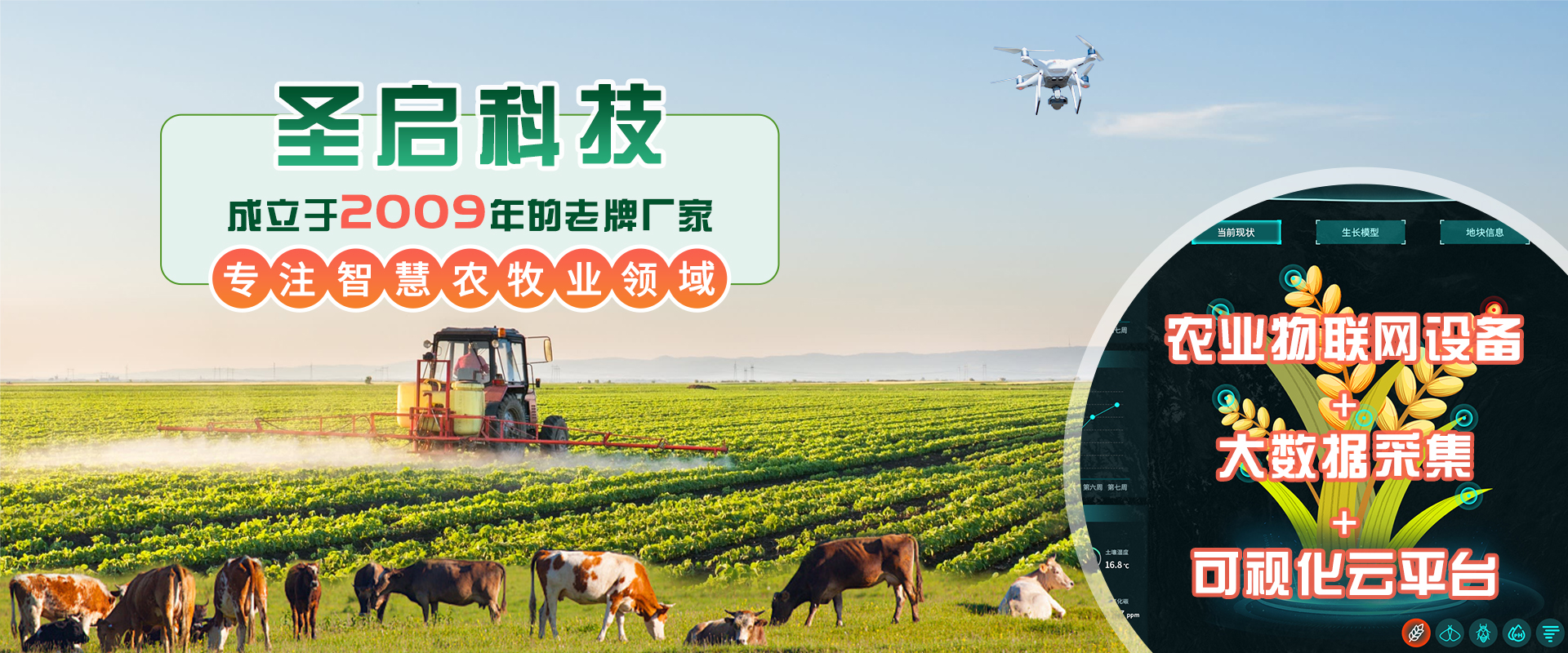
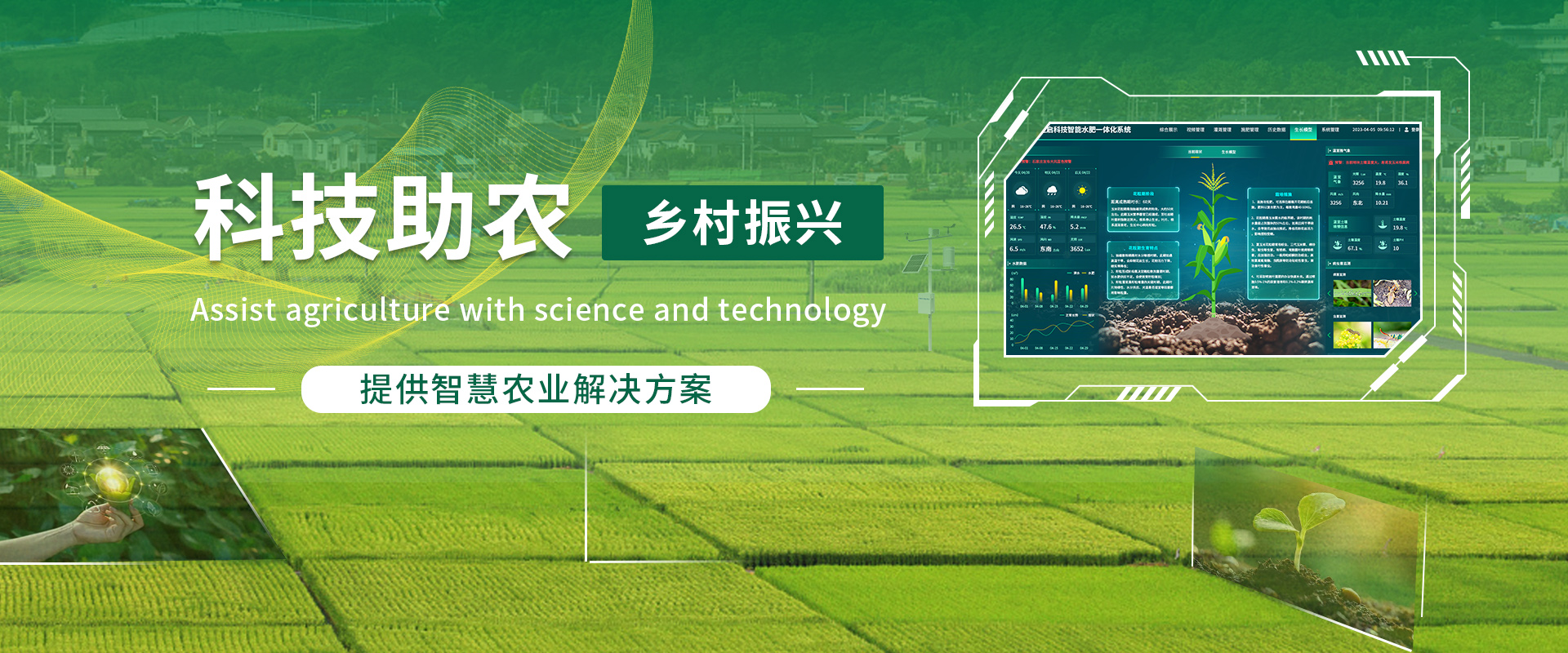
This project is located within the Muji Sheep Breeding Farm of the Western Regions of Xinjiang. It is a smart livestock farming management system established with the assistance of Shijiazhuang Shengqi Technology Co., Ltd. The system is based on big data and the Internet of Things for intelligent control, facilitating the transformation and upgrading of the modern livestock industry.
Tag earsAnimal IdentificationOne, a mark used to prove livestock identity, carrying individual information of livestock, applied to the livestock's ear.


Track and monitor animals throughout their entire lifecycle from birth to slaughter, sales, consumers, and ultimately to the final consumption stage, utilizing the identification feature of electronic ear tags.
1. BeneficialAnimal DiseaseControl
Electronic ear tags can manage each animal's ear ID, species, origin, production performance, immunization status, health condition, and owner information all together. In the event of product quality issues in animal husbandry, their source can be traced, responsibilities can be clarified, loopholes can be plugged, thereby achieving scientific, institutionalized management, and improving the level of animal husbandry.
2. Beneficial for Safe Production
Electronic tags are an excellent tool for the clear identification and detailed management of a large number of livestock. Through electronic tags, breeding enterprises can promptly detect potential hazards and swiftly implement corresponding control measures, ensuring safe production.
3. Enhance the management level of the farming facilities
In livestock management, ear tags are used for individual animal identification, with each animal receiving a tag with a unique code to ensure individual recognition. The ear tags applied in breeding sheep farms primarily record data such as farm number, shed number, and individual sheep number. After each breeding sheep is tagged for individual identification in the breeding sheep farm, daily information management such as feed management, vaccination management, disease management, mortality management, weighing management, medication management, and exit records are achieved through handheld device reading and writing.
4. Facilitates the country's safety supervision of livestock products.
A sheep's electronic ear tag is a lifetime identifier. Through this electronic code, one can trace the sheep's origin from the production farm, purchase site, slaughterhouse, and the retail outlets where its meat and wool are sold. If sold to processed meat vendors, the final destination is also recorded. This tagging feature is beneficial in combating participants in the sale of diseased meat, regulating the safety of domestic agricultural products, and ensuring the public consumes healthy lamb meat and wears healthy sheepskin products.
The羊舍Panoramic Monitoring System allows for real-time surveillance of the sheep pens and intelligently reports to the platform. With the mobile app, users can check the pen conditions anytime, quickly identifying any unusual activities. This significantly reduces the time farmers need to monitor each pen.

The Sheep Pen Intelligent Environmental System can visually and clearly display parameters such as temperature and humidity inside the breeding shed on the customer's computer. It can also show the operational status of fans, air conditioners, sprinklers, and manure scrapers. It features manual and automatic operation functions, allowing it to start or stop fans and air conditioners based on changes in temperature.


You can also manually control the working status of each device using the buttons on the cabinet.


To ensure ease of data viewing while customers tour the sheep shed, we've installed screens inside the shed. These screens allow users to glance up and clearly see the various data points of the shed.


Having an intelligent livestock environment system offers numerous benefits to farmers, some of the main advantages include:
Enhancing Production Efficiency: Smart environmental systems can monitor and control the living conditions of livestock, including factors such as temperature, humidity, and ventilation, helping to create the most favorable growth conditions and thereby increasing the growth rate and production efficiency of livestock.
Reducing Labor Costs: Intelligent systems can automatically monitor and adjust environmental parameters, reducing the labor and time costs for farmers, thereby enhancing work efficiency.
Enhancing Livestock Farming Quality: Intelligent systems aid farmers in monitoring the living environment of their livestock, enabling timely detection and resolution of potential health issues, thereby improving the overall health and growth quality of the animals.
Energy Conservation: The intelligent environmental system adjusts energy usage based on real-time data, optimizing energy efficiency and reducing breeding costs.
Data Analysis and Decision Support: Intelligent systems can gather vast amounts of data, offering decision support to farmers through analysis and forecasting, assisting them in optimizing farm management and business strategies.
Environmental Protection and Energy Efficiency: Precise control through intelligent environmental systems can reduce waste, enhance resource utilization efficiency, and contribute to achieving the goals of environmental protection and energy conservation.
In summary, the intelligent livestock environment system provides farmers with a more efficient and intelligent method of farming management, leading to improved economic benefits and production quality.


b2b.china9.net © Zhongshang 114 Hebei Network Technology Co., Ltd.Address: Room 6009, Oriental New World Center, No.118 East Zhongshan Road, Qiaoxi District, Shijiazhuang City, Hebei ProvincePlatform Service Hotline: 4006299930