
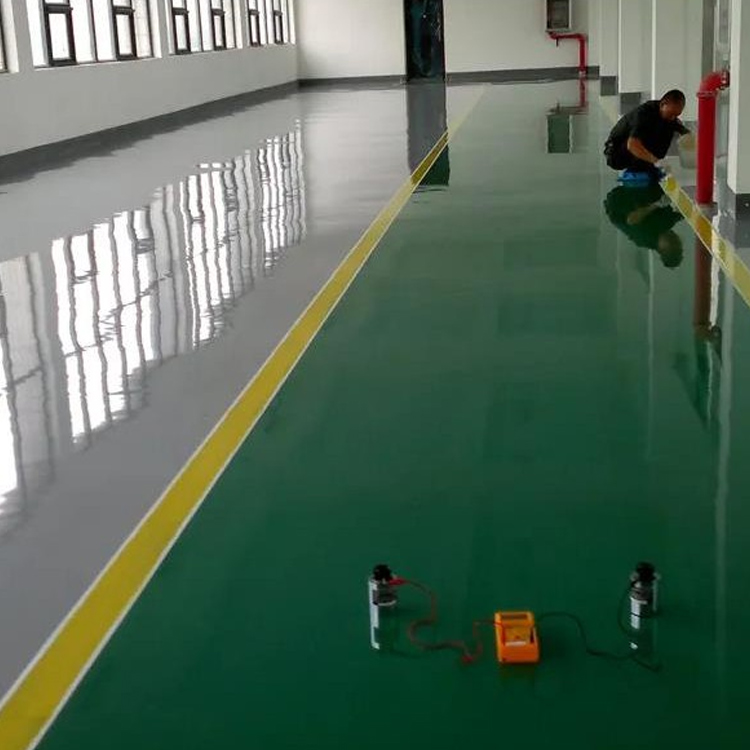
 Anti-static flooring
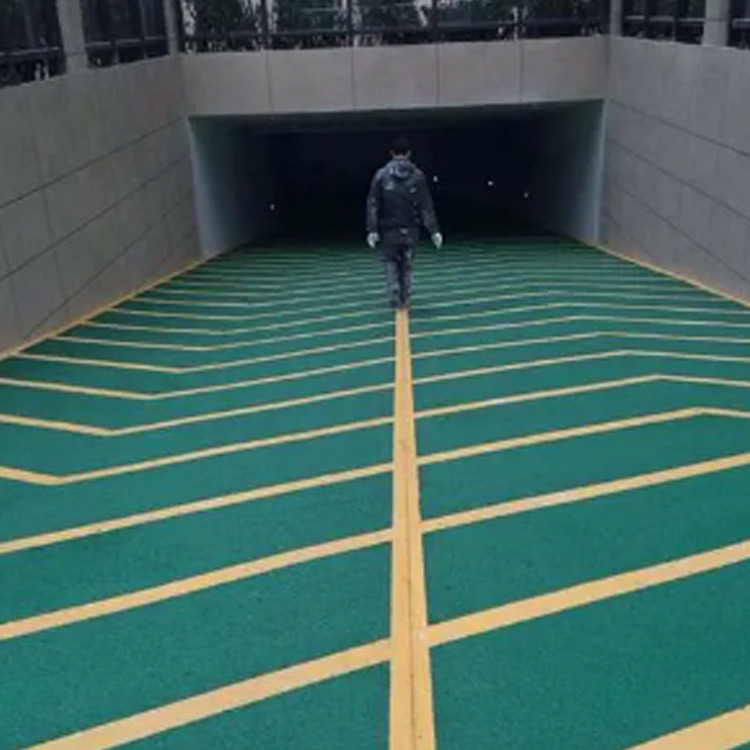 Anti-slip ramp construction
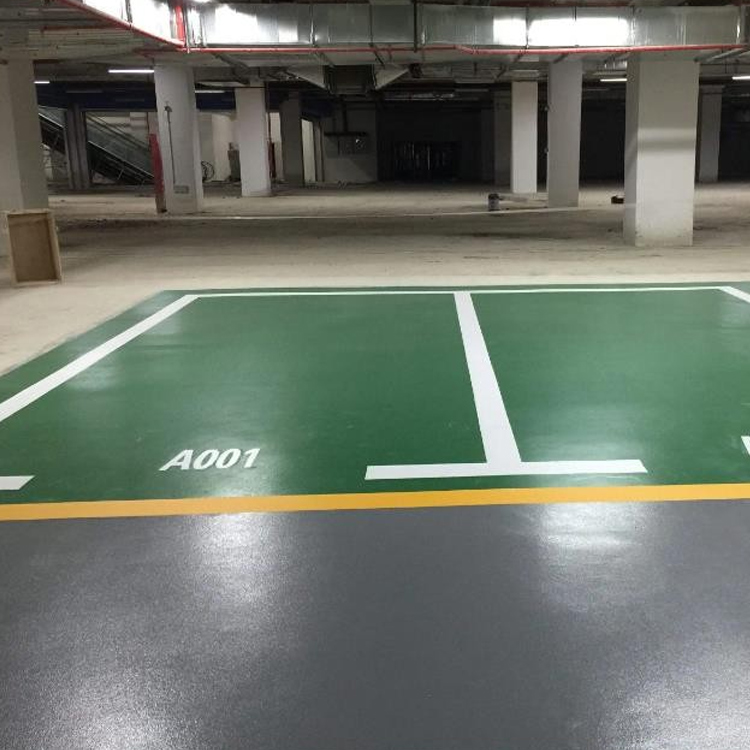 Garage Floor
Product Details

Floor Paint, Wall Paint, Corrosion-Resistant Paint, Waterproof Paint, Industr...


产品Price 100.00/square meter
最小起订Quantity:1 square meter 供货总Quantity: 1000 square meter


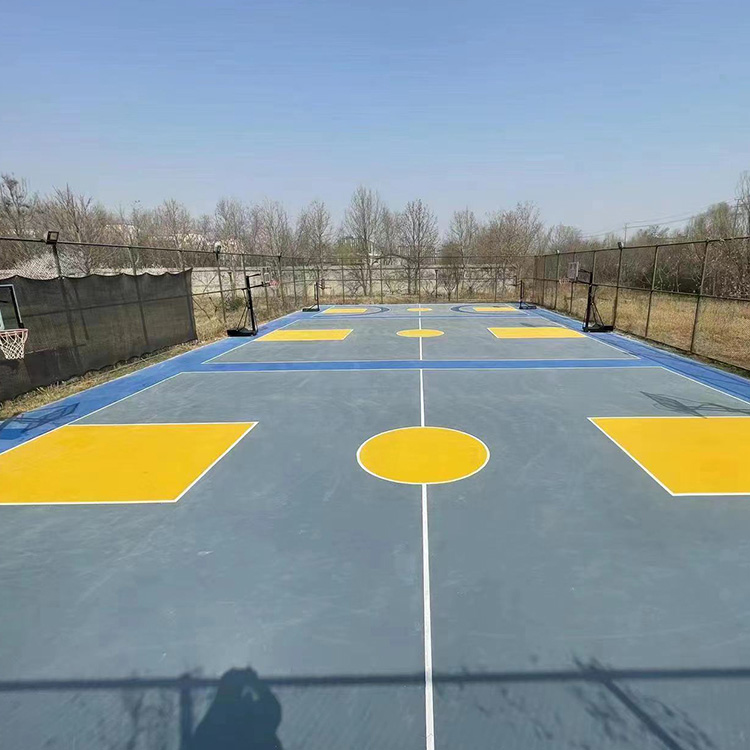 Rubber Track
¥100.00
Rubber Track
¥100.00
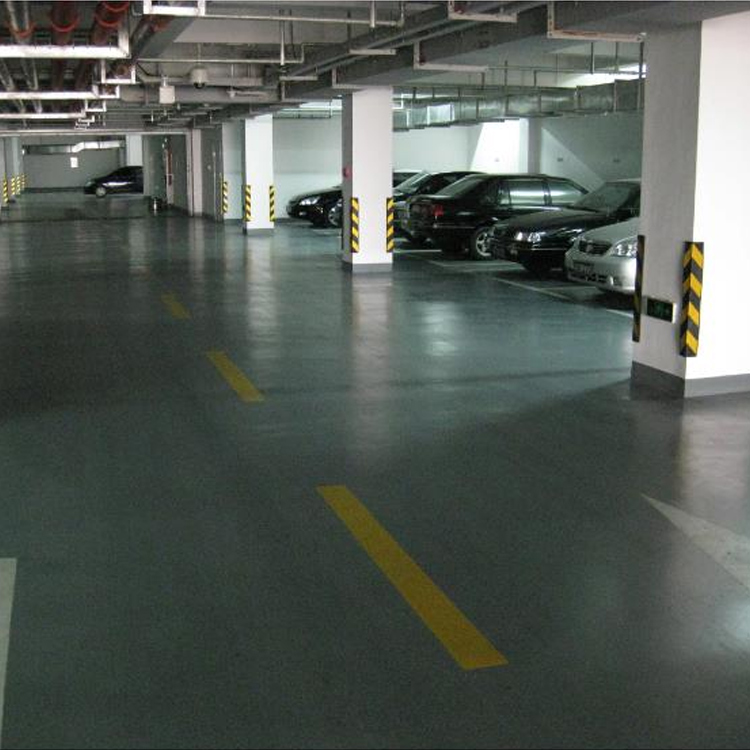 Abrasion-Resistant Flooring
¥100.00
Abrasion-Resistant Flooring
¥100.00
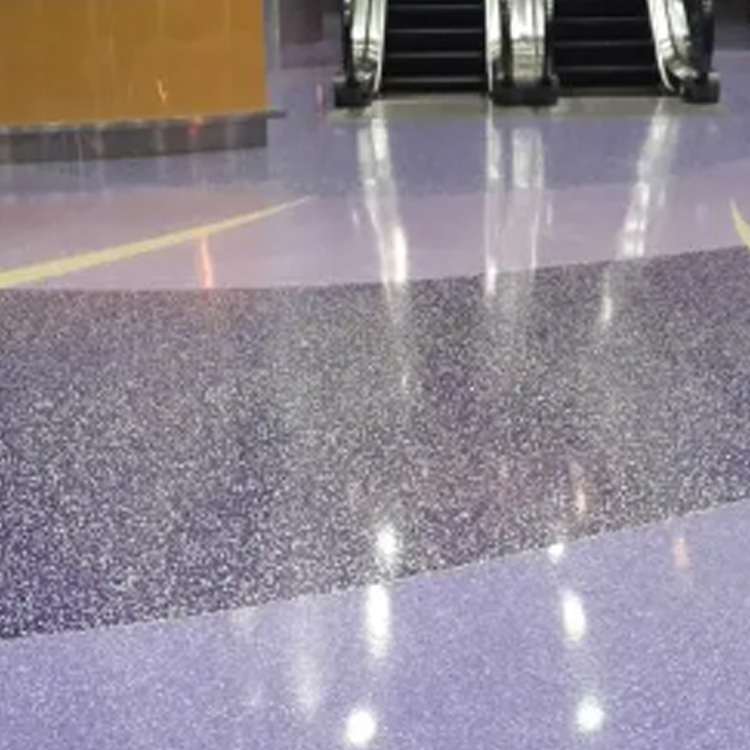 Epoxy Sanding Floor
¥100.00
Epoxy Sanding Floor
¥100.00
Feature Highlights |
|
Basic strength |
30MP |
Wear resistance |
Ground undamaged |
Epoxy flooring is primarily used in industrial areas or certain public venues, but it's now widely adopted in residential settings as well, and it's quite popular. More and more businesses in various regions are adopting epoxy flooring, and its application scale is expanding. Since the cost of creating epoxy flooring is higher than that of regular cement, maintenance can be quite cumbersome and expensive. Proper maintenance is crucial for epoxy flooring compared to other cement floors. Just like any other item, regular maintenance can naturally extend its lifespan and improve its utilization rate. Choosing the right epoxy flooring material is key within the region. Epoxy floor paint serves numerous purposes due to its corrosion and slip-resistant properties, making it a necessity for many parking lots and factories. However, if there are mistakes during installation, it may affect the later performance. Therefore, we should pay attention to the following issues during the application of epoxy floor paint:
- Basic Ground Treatment: The surface preparation of the base material is a critical step in the application process. The quality of the base surface treatment significantly impacts the bond between the coating and the ground, as well as the smoothness and brightness of the coating.
- Purpose of Base Surface Treatment: To remove surface stains from the floor, allowing the coating to adhere well to the base; to correct the base surface, eliminate various surface defects, and achieve the flatness required for painting; and to perform various chemical treatments on the base to enhance the adhesion between the coating and the base. 1. Adhesion of epoxy floor paint
2. Chemical corrosion resistance of epoxy floor paint
3. Tensile properties of epoxy floor paint
4. Epoxy resins have certain wetting power on wet surfaces.
5. Epoxy resins are insulating.
6. **Epoxy floor paint properties**.
These six points reflect the quality of epoxy floor paint, but also consider customer construction requirements factors. 1. **Requirement for**, pressure resistance, and impact resistance. 2. Requirements for chemical corrosion resistance, acid and alkali resistance, solvent resistance, and the like. The construction and daily maintenance of epoxy floor paint are also important as they can greatly extend the service life of the epoxy floor. The advantages of epoxy floor paint include resistance to strong acids and alkalis, **, pressure resistance, impact resistance, mold prevention, water resistance, dust resistance, non-slip, and anti-static. Epoxy floor paint can protect the sub-base and make it **solid**. It penetrates into the inner layers of concrete. **Construction technique of epoxy floor paint - Middle coat application**: Thoroughly mix the middle coat material with an appropriate amount of quartz sand and apply it with a trowel to form a level and dense layer of a certain thickness. **Construction technique of epoxy floor paint - Top coat patching**: Use the top coat material mixed with fine quartz powder to patch and fill in the gaps between larger particles in the middle coat. After curing, grind the surface with a dust-free grinder, and use a vacuum cleaner to remove dust and smooth the surface. **Construction technique of epoxy floor paint - Top coat application**: Mix the epoxy color paint and hardener evenly before applying. It can be applied with a trowel, brush, roller, or sprayed to achieve a smooth, level coating. Epoxy floor paint coatings primarily refer to resins based on drying oils or modified with drying oils. They harden and polymerize through reaction with oxygen in the air, *beginning on the surface and then the oxygen permeates the surface to react further with the deeper coating. Due to the surface reaction, the surface usually has a higher degree of polymerization *and is not soluble, especially in relatively mild solvents. Therefore, it is quite challenging to use patching paint during the application of epoxy floor coatings, as it must not only be compatible with the old coating but also wet the old coating to achieve adhesion. The common patching procedure is as follows: Apply a compatible topcoat to the abraded surface, which is done by brushing. Remove grease or other similar contaminants from the surface. Use a brush and sponge to wash with clean water, removing soluble impurities and pollutants, as well as the powdery layers and dust that have accumulated on the surface for years. Lightly sand or manually abrade the surface of the epoxy floor coating to remove the top layer. Construction Conditions: The quality of the floor paint coating is crucial for the film formation effect and long-term anti-corrosion performance. Outdoor construction can be significantly affected by weather conditions such as rain, snow, strong winds, as well as excessively high or low temperatures, high humidity, and condensation on the coated floor surface. Therefore, it is necessary to clearly specify the construction conditions in the instructions.

Phone Consultation