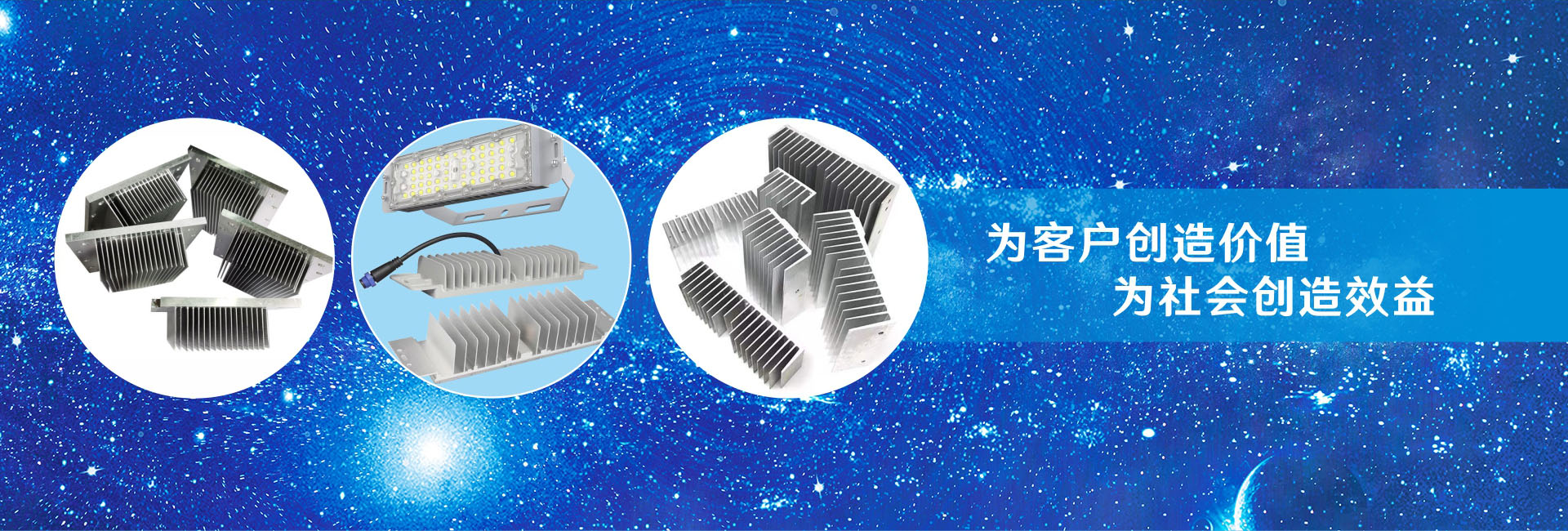
Insertion Radiators, Extruded Radiators, Electronic Radia...

The primary chemical components of aluminum alloy include Al, Mg, Si, and other impurities such as Fe and Cu. The weight ratio of Mg to Si should be controlled between 113-115 for optimal corrosion resistance, along with good toughness and strength. If the Si content increases in the alloy, its corrosion resistance decreases, making it prone to corrosion. Similarly, if the Fe content exceeds the standard, it will also reduce the alloy's corrosion resistance.
So, when using aluminum extrusion radiators, the following aspects should be prevented and improved:
What to Pay Attention to When Using Extruded Aluminum Radiators?
All media, temperature, and pressure within the system must comply with design specifications; over-pressure and over-temperature operations are strictly prohibited.
When increasing pressure and temperature within the system, they should be slowly and gradually escalated in steps to avoid equipment damage due to sudden shock heat.
3. When starting a tubular radiator operated under vacuum, the vacuum pump should be turned on first, and the fan should be started once the specified vacuum level is reached. Then, introduce the medium into the tubes. When shutting down, operate in reverse order. During winter operations, after the vacuum pump reaches the specified vacuum level, introduce the medium into the tubes before starting the fan to prevent the tubes from freezing and becoming inoperable.
4. The procedures for handling viscosifying medium are the opposite in winter.
5. During normal operation of aluminum extrusion radiators, the fan should be turned on first before introducing the medium into the tube bundle. When stopping the operation, the medium supply to the tube bundle should be stopped first, followed by turning off the fan.
Improvements have been made to the hot water heating system, adjusting the relationship between the design flow rate and make-up water flow rate at the pressure-setting point to prevent make-up water from bursting. The pH value of the heating system is controlled between 8-10. Theoretically, aluminum alloy radiators are a good anti-corrosive product because the pH value of boiler water usually falls between 8-10. In this range, aluminum alloys are in a pure protective state, and aluminum alloy radiators with a thickness of 112mm can last for over 10 years without any anti-corrosion treatment. Ensure that the chemical composition of the aluminum alloy raw materials meets national standards. Necessary internal anti-corrosion treatment should be applied to aluminum alloy radiators to form a passivation protective film, preventing direct contact with water and other media to avoid leakage and corrosion.


b2b.china9.net © Zhongshang 114 Hebei Network Technology Co., Ltd.Address: Room 6009, Oriental New World Center, No.118 East Zhongshan Road, Qiaoxi District, Shijiazhuang City, Hebei ProvincePlatform Service Hotline: 4006299930