



- AllProduct Category
-
Purification Engineering
Air Shower Room
Cleanroom Workbench
Transfer Window
Air curtain







详情描述
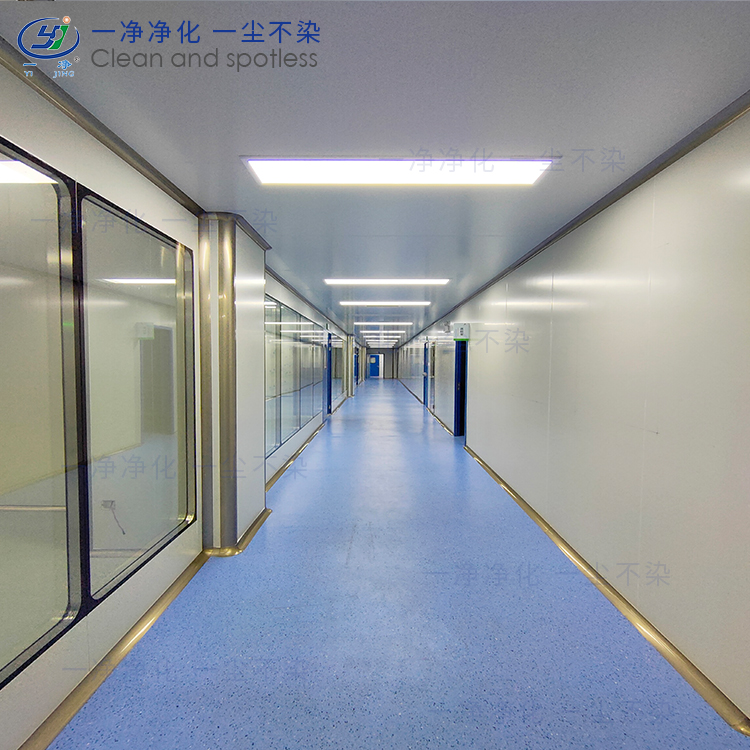
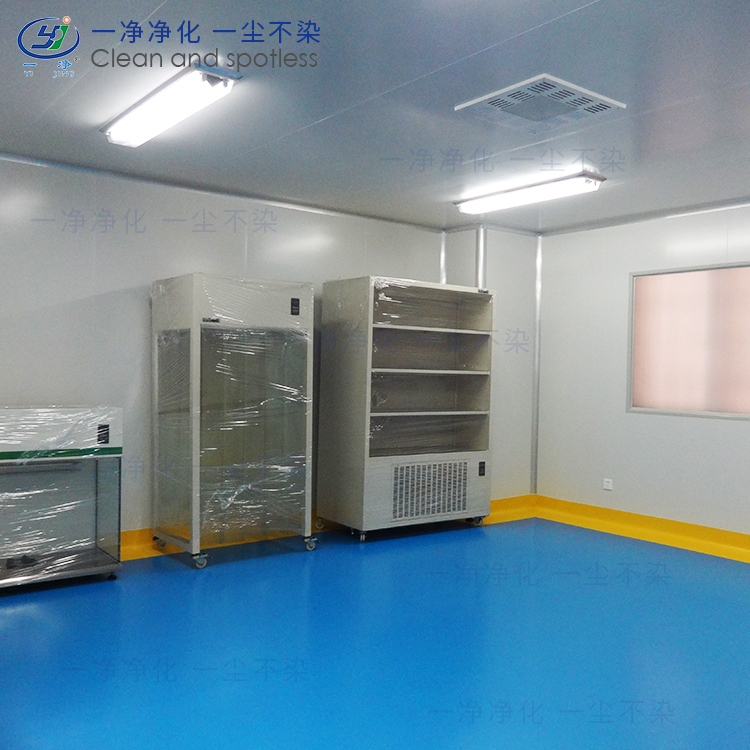
Electrostatic Dust-Free Cleanroom
Industry Adaptability: Electronics, Microelectronics, Semiconductors, Precision Manufacturing, Liquid Crystal Manufacturing, Optical Manufacturing, PCB Manufacturing, etc.
Suggested Grade: Level 1 - 100,000 Level
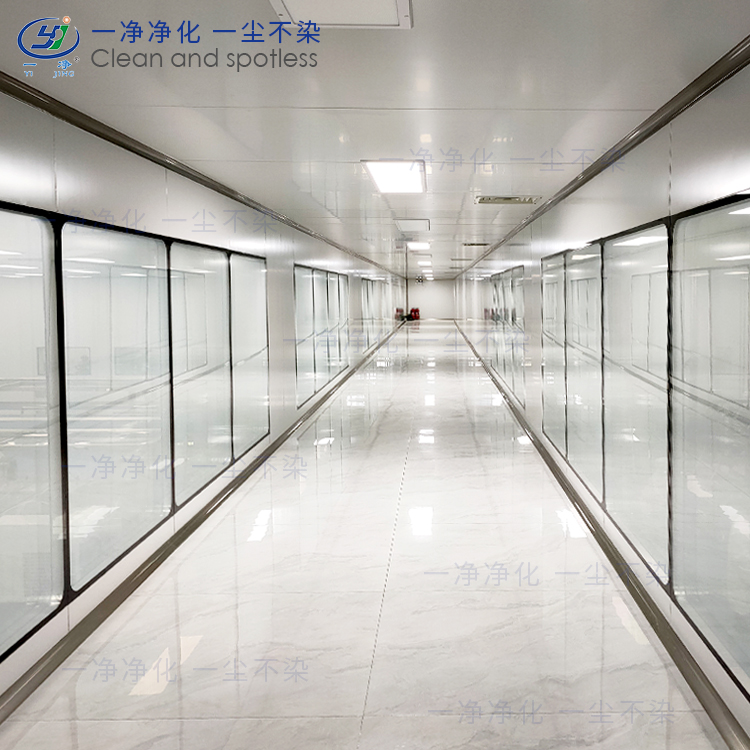
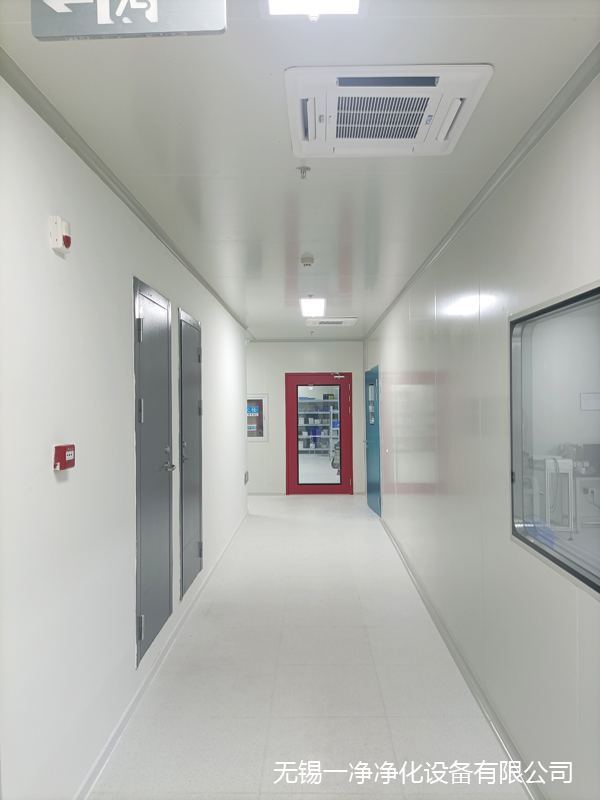
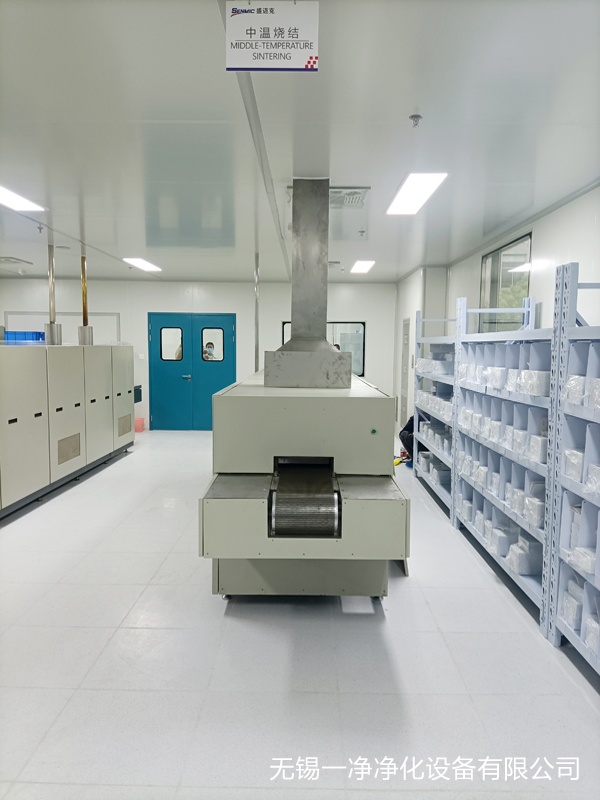
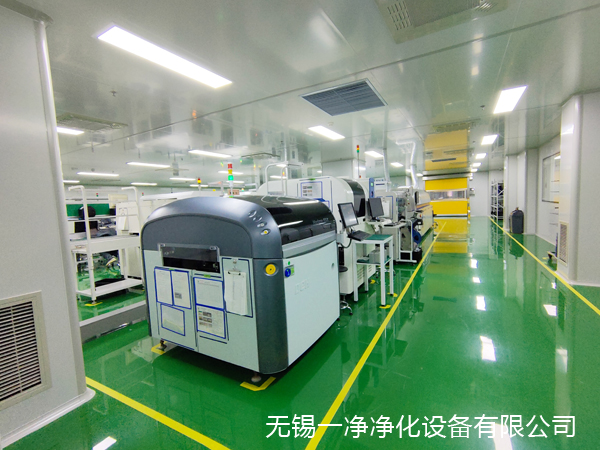

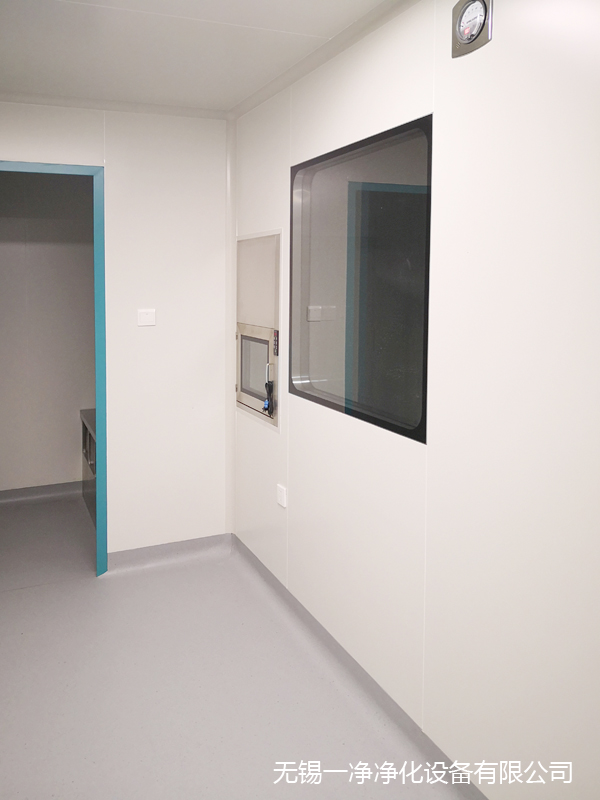
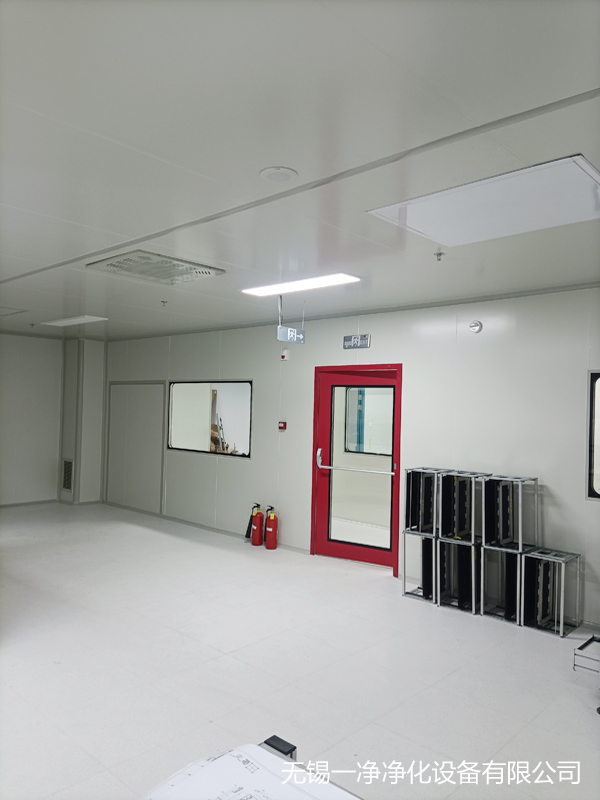
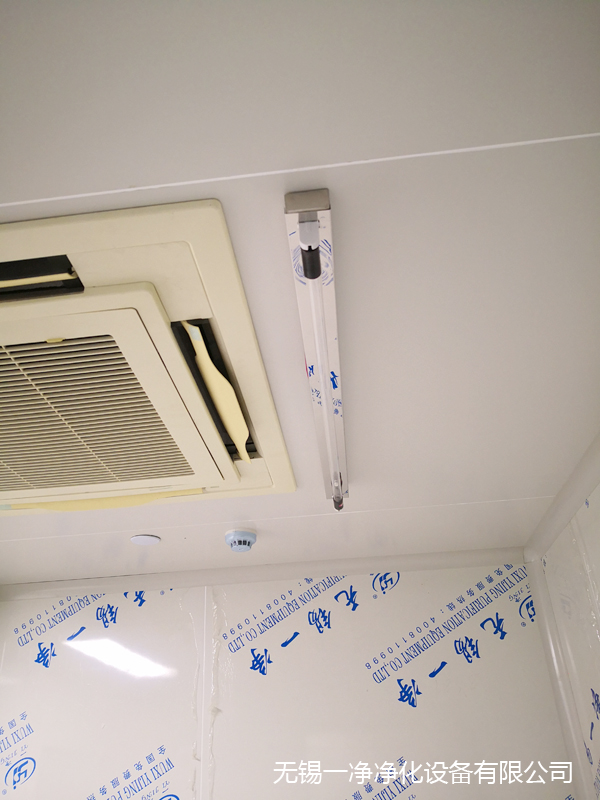
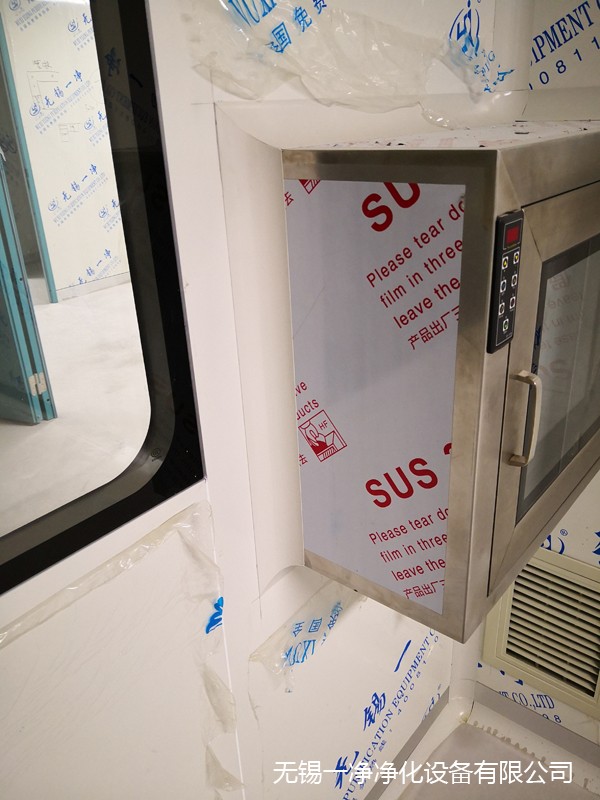
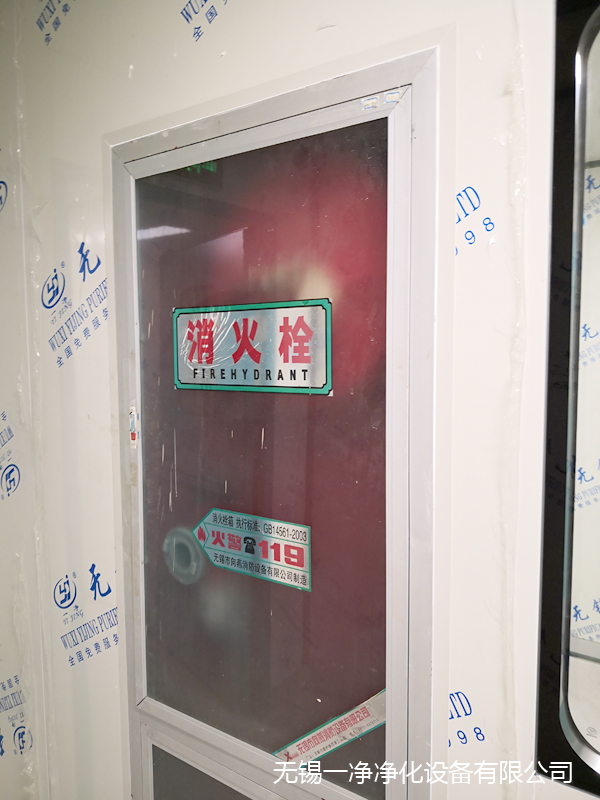
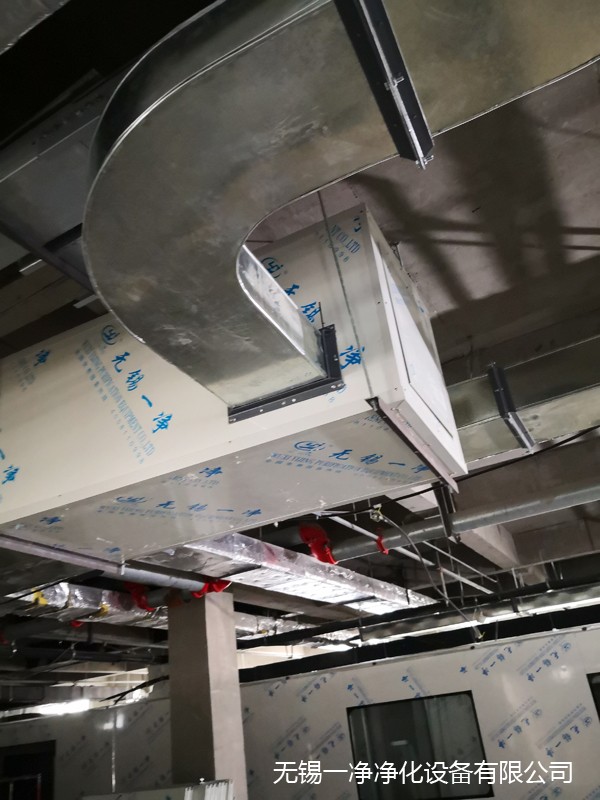
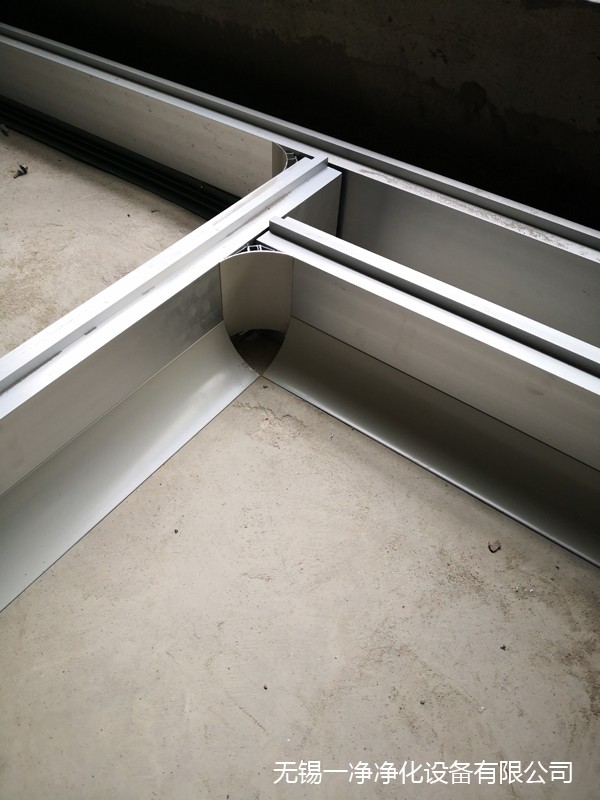
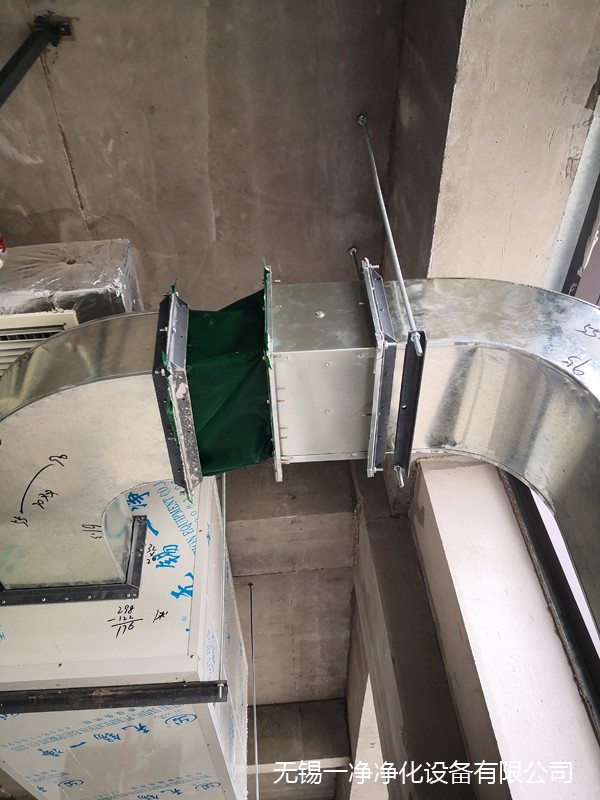
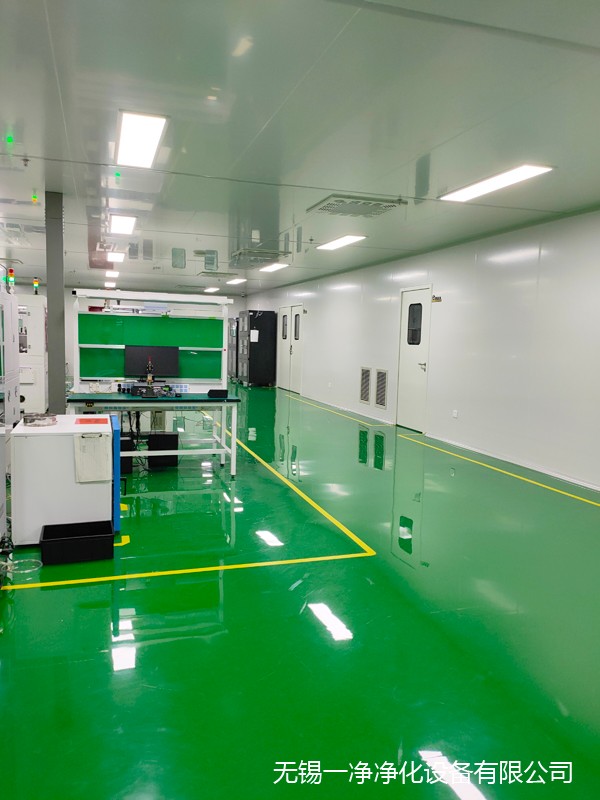
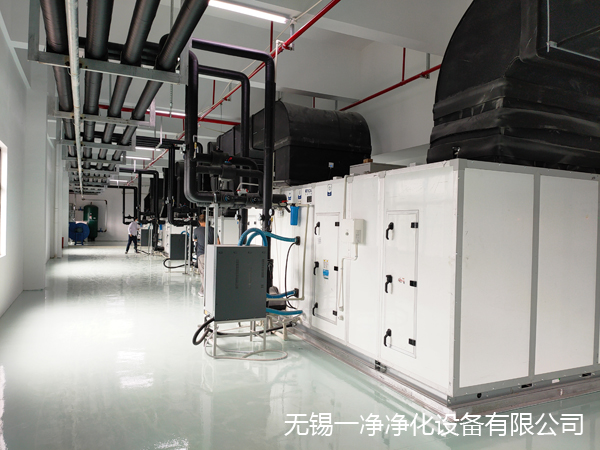
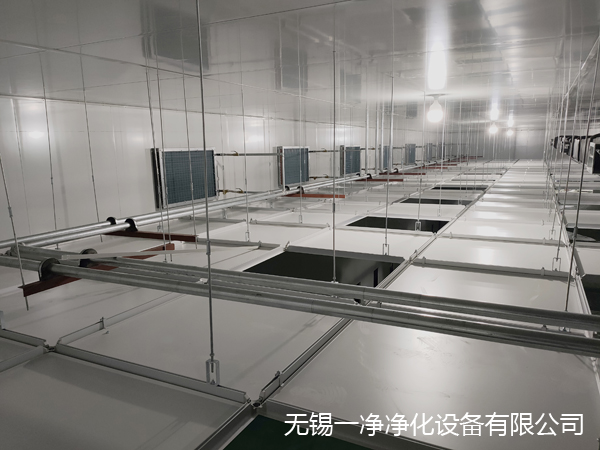
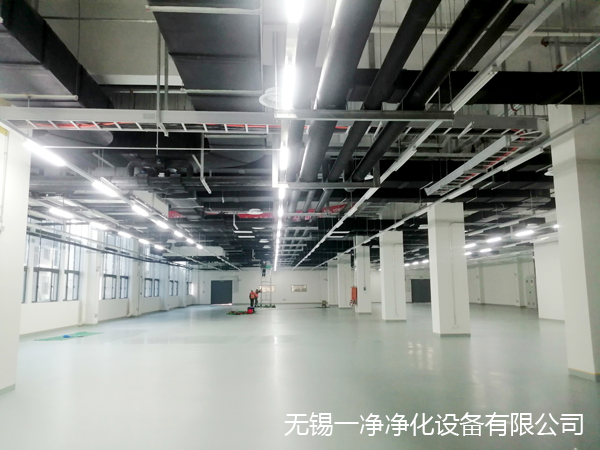
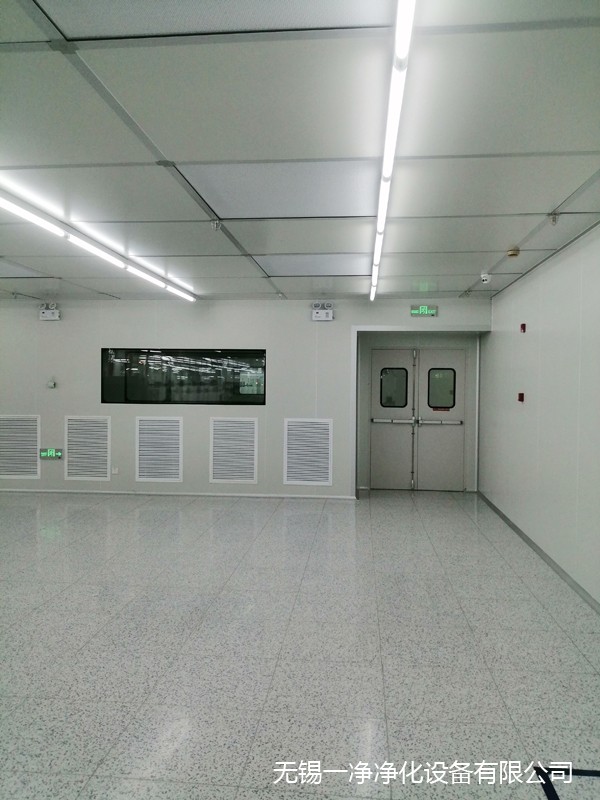
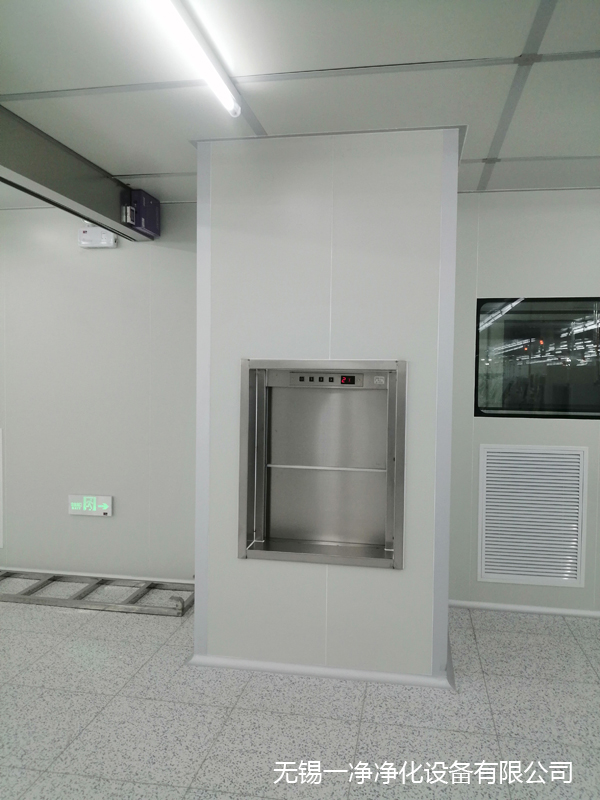
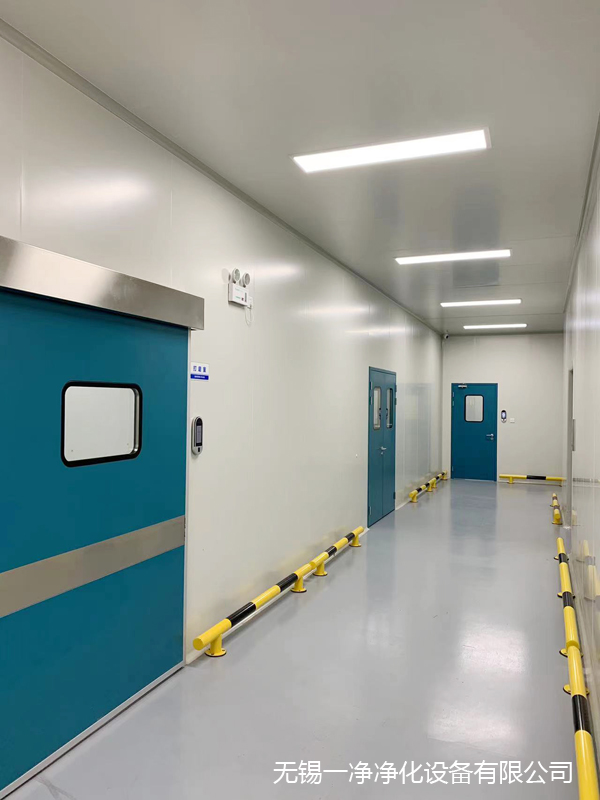
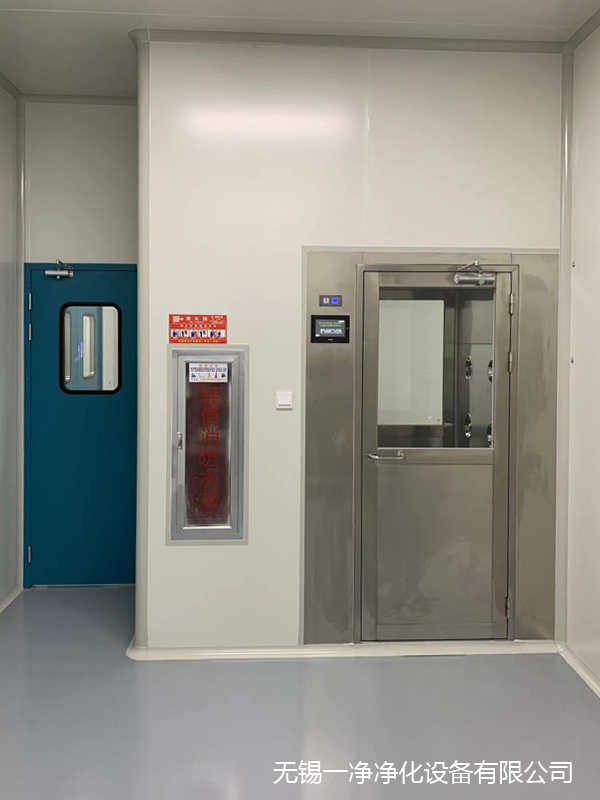
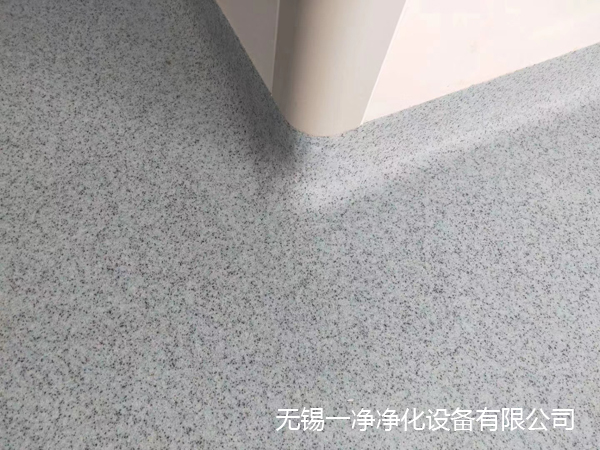
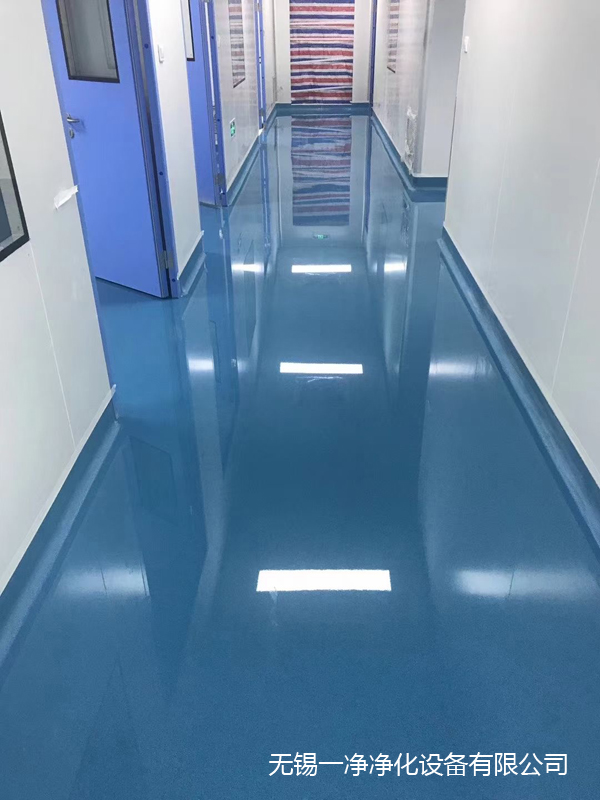

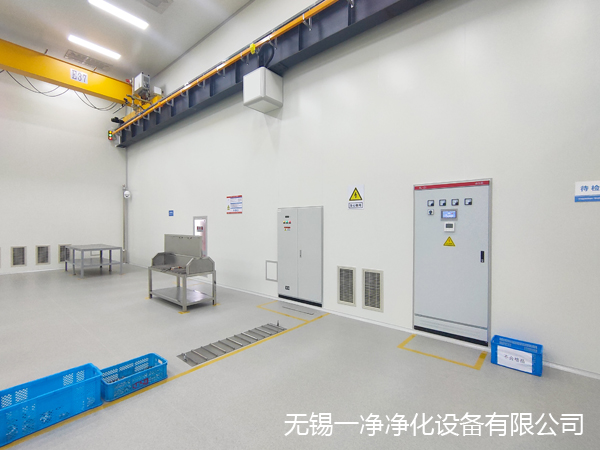
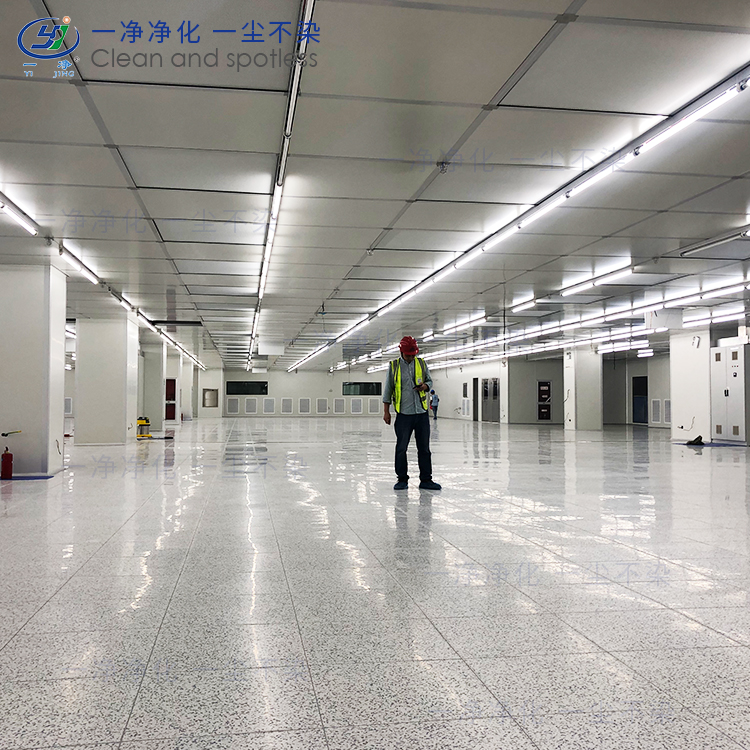
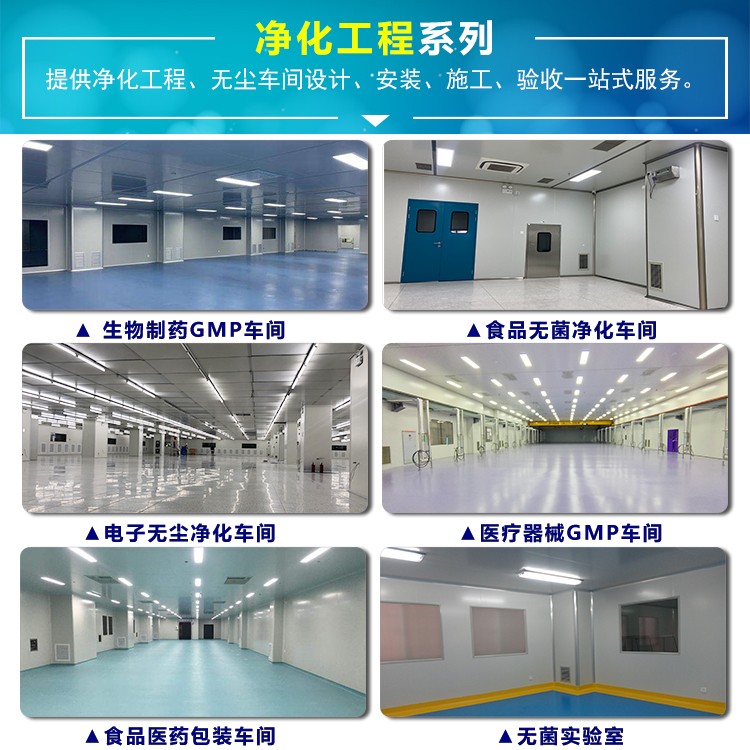
Electronic dust-free clean room
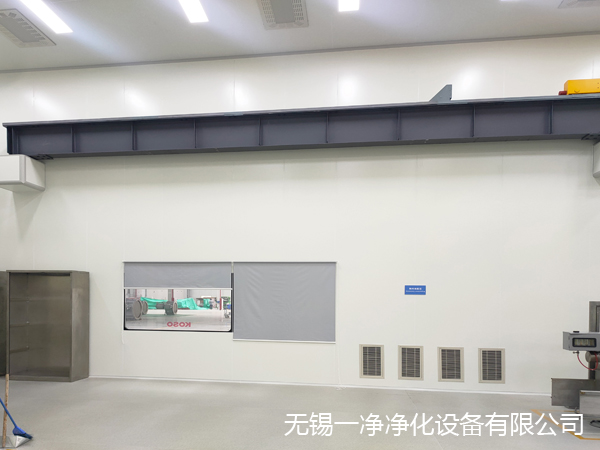
Electronic dust-free purification workshop
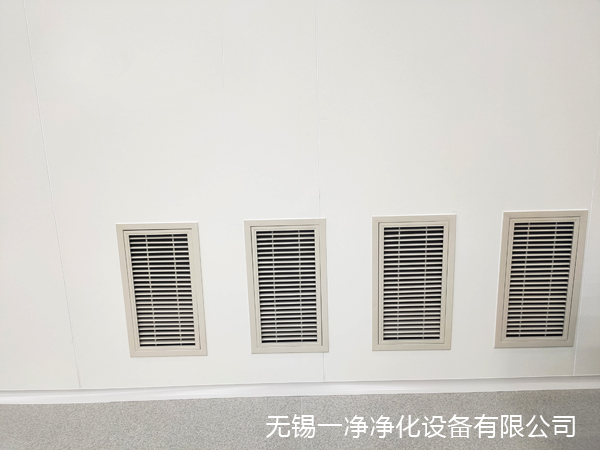
Electrostatically Cleaned Dust-Free Workshop
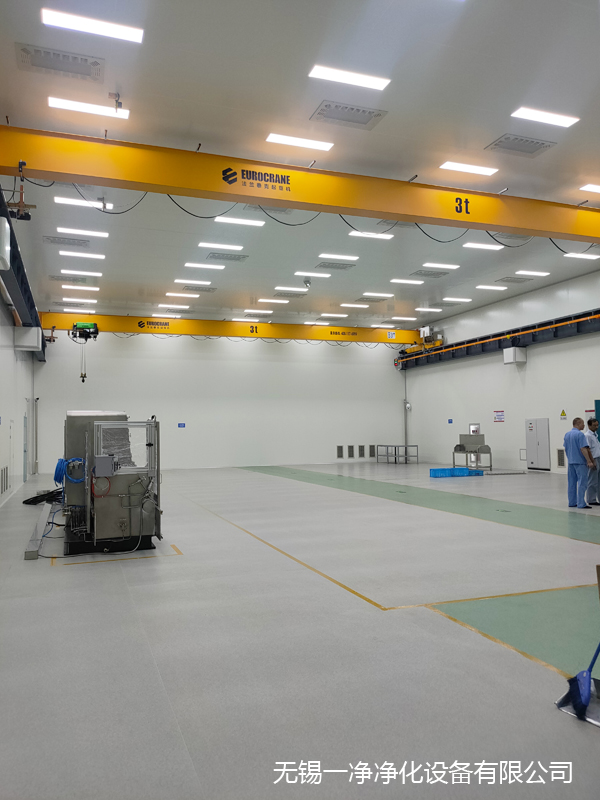
Electrostatic dust-free cleanroom
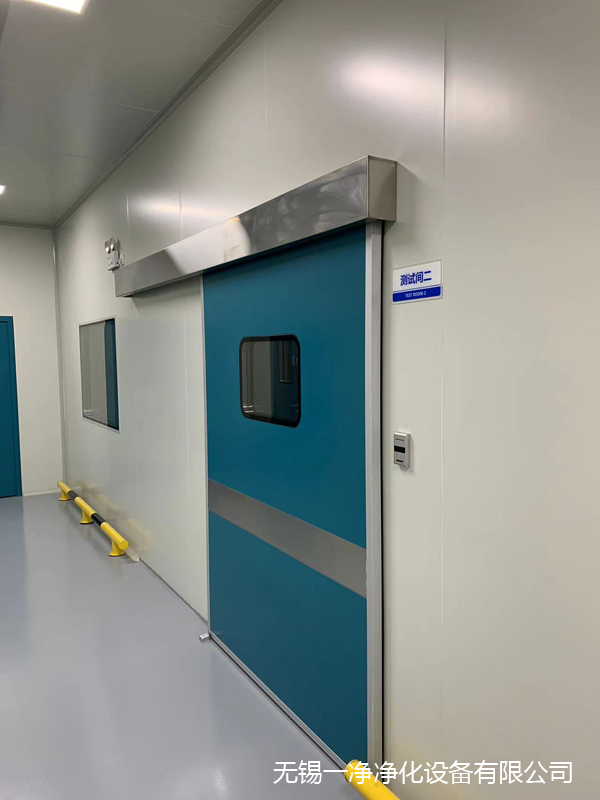
Electronic dust-free purification workshop
Electrostatic dust-free clean room cleanliness grade specifications:
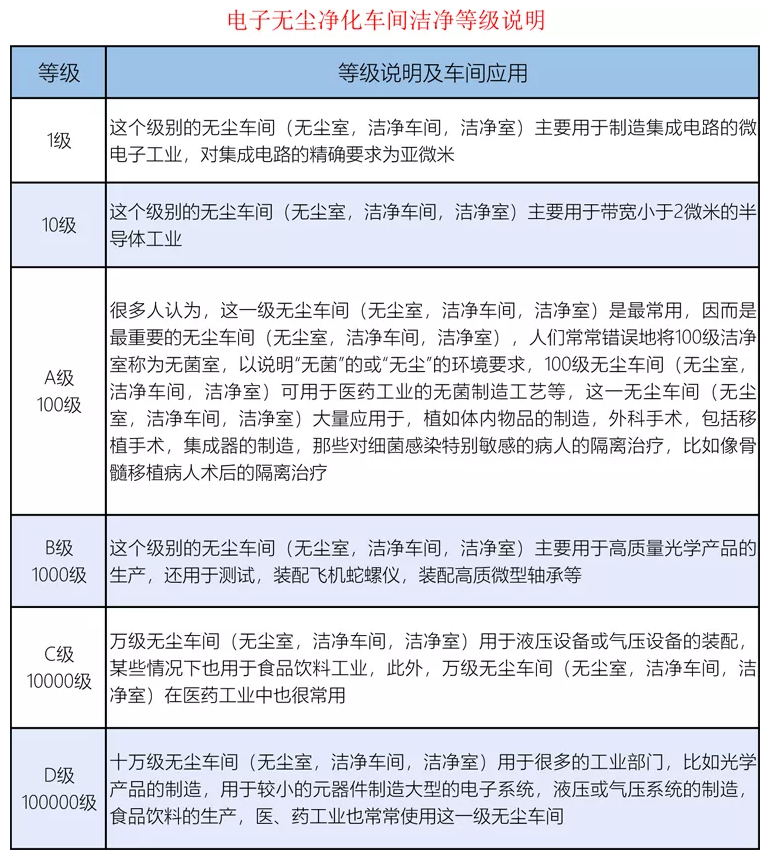
Cleanroom Engineering - Management and Standards for Electronic Cleanroom
I. Purpose: To ensure hygiene monitoring and management during the production process in cleanroom (clean room, clean workshop, clean chamber) to prevent cross-contamination, which plays a crucial role in product quality. Therefore, a hygiene management system for the clean zone in dust-free cleanrooms is specifically established.
Section II: Scope - Applies to the management of human and material traffic, as well as other elements related to environmental and facility cleanliness in cleanrooms and dust-free workshops.
Section 3: Work Procedure:
1. Personnel entering the cleanroom (clean room, clean workshop, clean area) of the dust-free workshop must undergo a physical examination and obtain a health certificate before starting work. They should be re-examined annually; those who fail must be transferred out. Employees with a cold are not allowed to work in the clean area.
2. Cleanroom (clean room, clean workshop, clean room) occupants must not occupy less than 4 square meters per person in the clean area.
3. Cleanroom (clean room, clean workshop, clean area) workwear management is detailed in the "Clean Area Workwear Management System."
4. After work each day, the clean room must be disinfected with UV lights for 60 minutes, and the "UV Light Disinfection Record" must be filled out. Monthly, the room should be fumigated with formaldehyde for 30 minutes, and the "Fumigation Disinfection Record" should be completed.
5. Access to and egress from the cleanroom (clean room, clean workshop, clean area) must be conducted according to the following procedures and requirements:
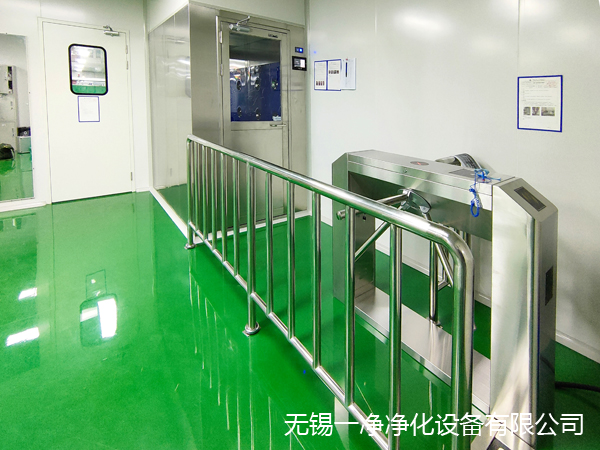
People enter → Change shoes → Remove outer clothing → Wash hands → Put on clean attire → Hand disinfection → Air shower room → Clean area
Clean Room → Exit Door → Remove Cleanroom Garments → Put on Outerwear → Change Shoes → Person Exits
6. Disinfectant preparation is handled by a designated person using 0.3% disinfectant solution for sterilization.
7. Components and raw materials entering the cleanroom (clean room, clean workshop, clean area) of the dust-free workshop pass through the transfer window. The transfer window is primarily used for small cargo transfers between clean and non-clean areas, or between clean rooms, effectively reducing the number of times the cleanroom doors are opened and minimizing the degree of contamination in the clean area.
8. After work each day, the cleanroom (clean room, clean workshop, clean area) operators should clean the workbench, floor, and stools. The walls and ceiling should be cleaned once a week, and the "Clean Room Sanitation Record" should be filled out.
9. In all cleanroom environments (clean rooms, clean workshops, clean areas), long fingernails are prohibited; nail polish is not allowed; jewelry, bracelets, watches, and necklaces must not be worn; eating is not permitted; loud talking is not allowed; work uniforms must not be worn outside the clean area or inside without wearing them; masks must be worn properly.
10. Cleanroom (clean room, clean workshop, clean room) circulation boxes in the clean area should use holeless covered周转boxes, and must not be cross-used with周转boxes in the non-clean area.
11. Cleanroom (clean room, clean workshop, clean area)周转boxes are to be cleaned no less than once a week, ensuring their cleanliness, and the "Cleaning and Disinfection Record of Work Tools" must be filled out.
12. The clean room (cleanroom, clean workshop, clean room) area's protective gear must be maintained and cleaned daily after work by the operators to ensure its cleanliness.
13. All compressed air used for testing and production in cleanroom areas (clean rooms, clean workshops, clean rooms) within dust-free workshops must undergo purification processing.
14. In dust-free workshops (cleanrooms, clean workshops, clean rooms), parts that fall to the ground during production must be cleaned before they can be reused.
15. Cleanroom operators in the clean area must sanitize their hands with alcohol every two hours to prevent sweat or skin flaking from affecting product quality.
16. At the end of each day, personnel in the cleanroom (clean room, clean workshop, clean area) must place the products in周转箱 and cover them to prevent contamination.
17. The lighting equipment in the clean room should be inspected and maintained every two months to ensure safety, cleanliness, and adequate illumination for use.
18. Each ultraviolet lamp in the electronic clean room should be numbered individually, with specific records of its start date of use, cumulative usage time. Lamps should be replaced after exceeding 800 hours of use. Additionally, the UV intensity should be tested annually; lamps should be replaced if the intensity is insufficient. The lighting fixtures should be wiped with alcohol once a week, and records should be kept.



.jpg)
询价单


