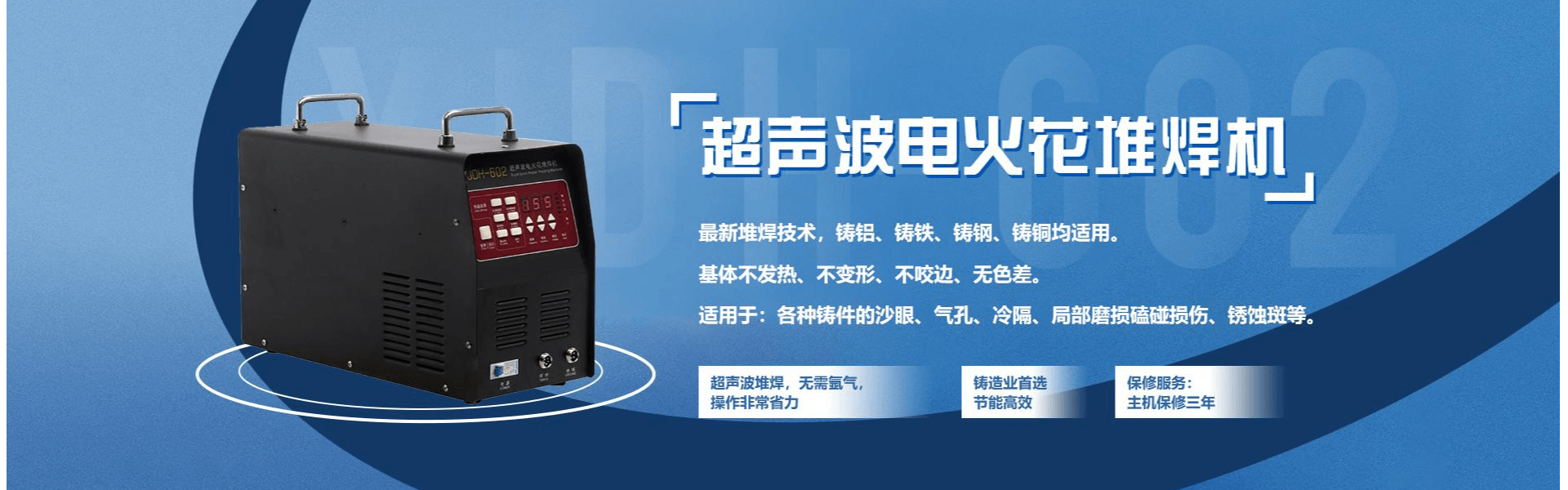
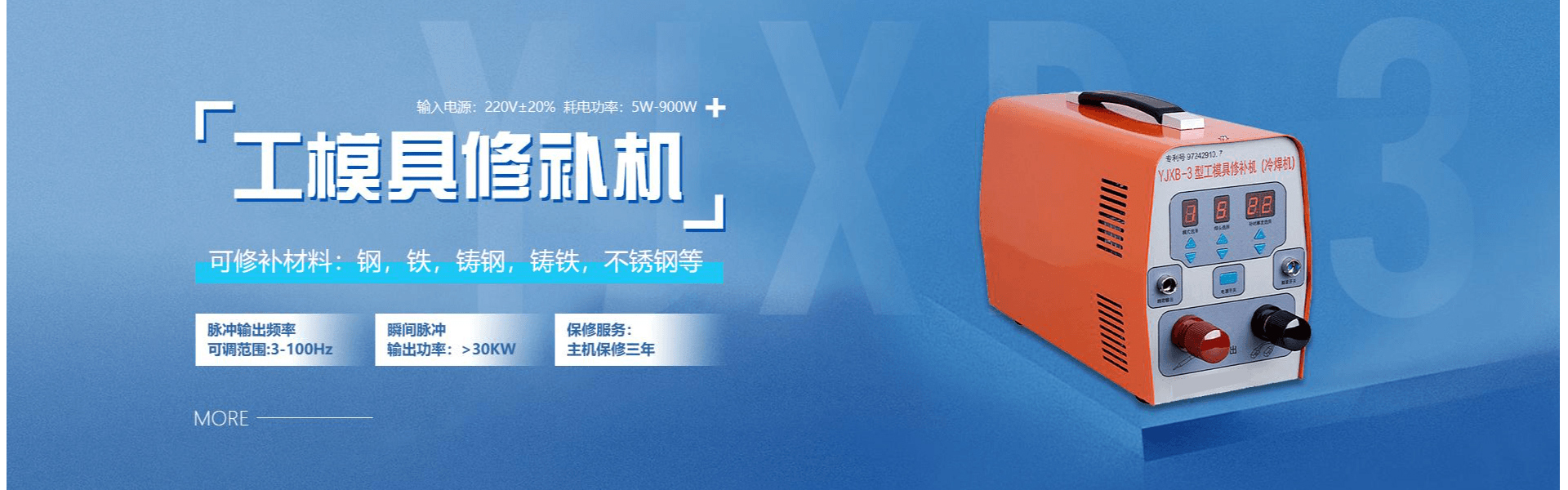
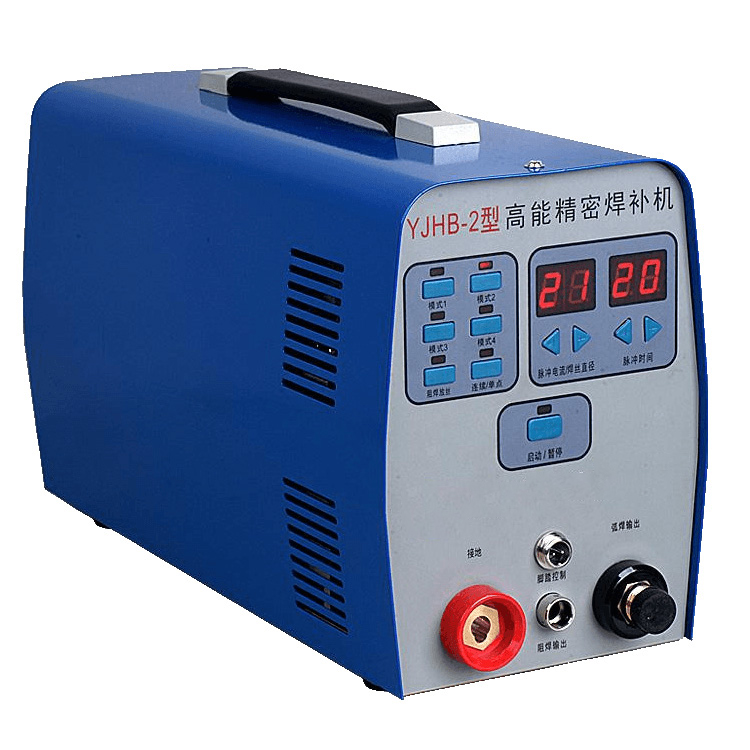
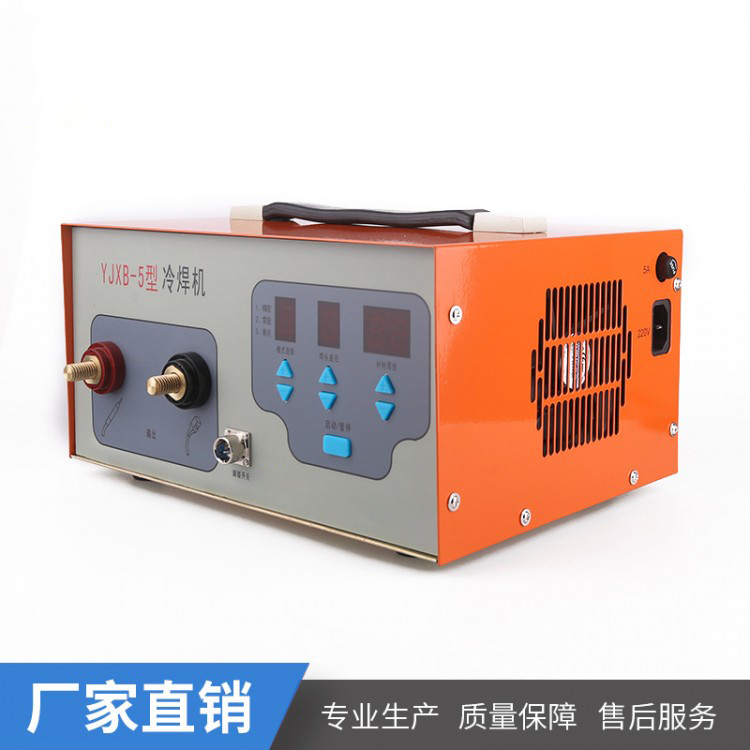
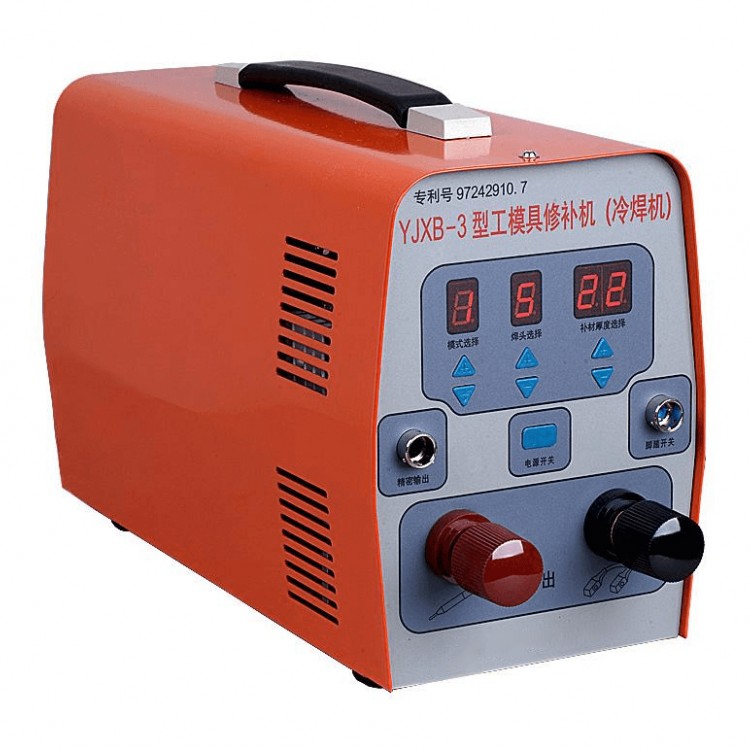
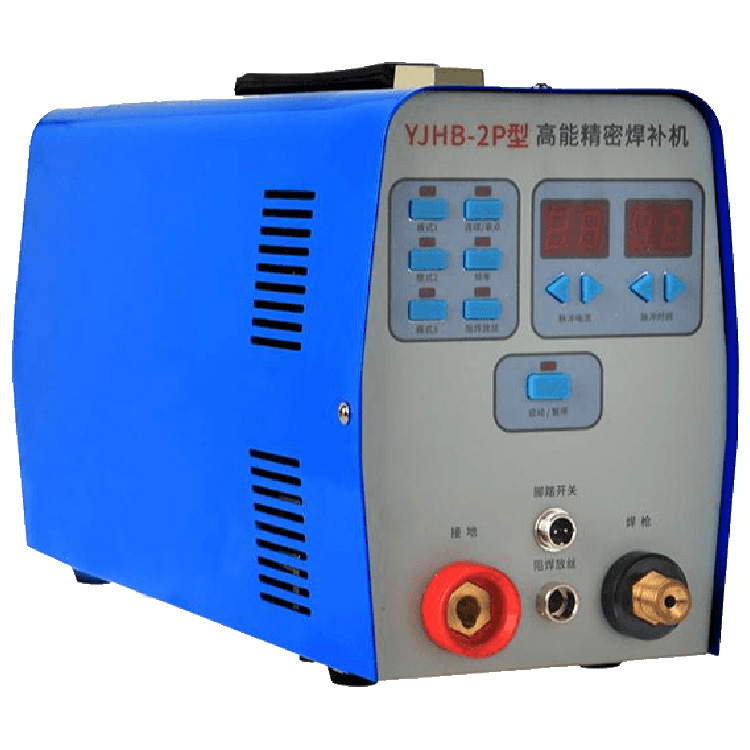
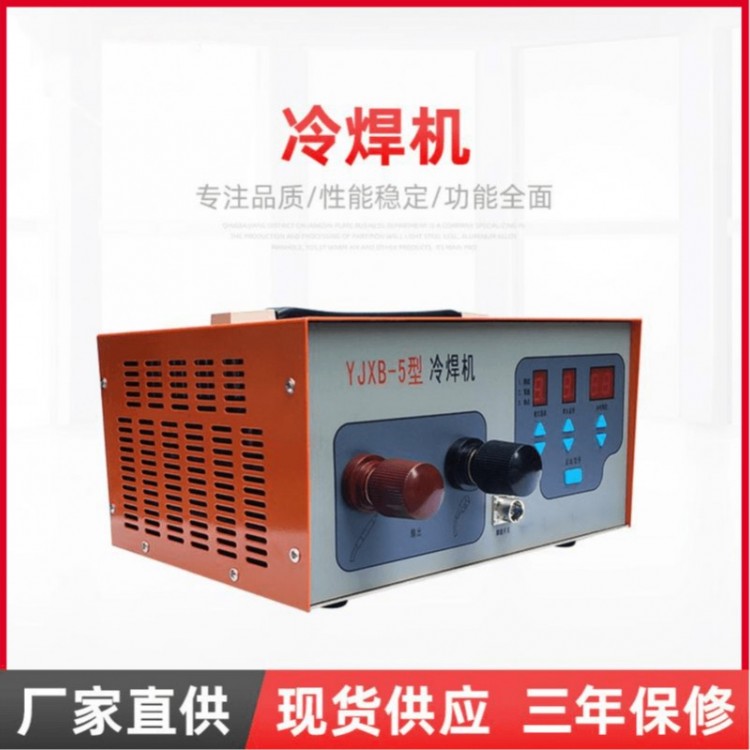
Four series (Ultrasonic Molding Polishers, Tool and Mold ...

Stainless Steel Cold Welding MachineAs the application of stainless steel in our country is increasing year by year, the usage has grown from 300,000 tons in 1988 to 1.65 million tons in 2000, with an annual growth rate of 15%, and thin plates dominate the market. With the rapid growth of the industry, an increasing number of thin plates are being used across various sectors. Manufacturers are in urgent need of a reliable welding equipment to address the challenges of thin plate welding during production, thus improving production efficiency. Since thin plate welding requires strict control over heat input to the base material, it also demands stringent requirements for the welding power source. It is essential to ensure stability during the welding process and to form beautiful, high-quality welds. Additionally, heat input to the base material must be minimized to reduce thermal distortion.
Shanghai Yibing Electric Co., Ltd. has launched a new YBSM-2 thin plate cold welding machine in response to such achievements, supporting enterprises in achieving remarkable results! This welding machine utilizes the latest microcomputer chip control technology, ensuring precise input current regulation; it expertly employs CWT (Cold Welding Technology) for thin plate welding to meet market demands.
One: Exploring the Weldability of Stainless Steel Sheets
When welding plates thinner than 1mm, due to their inherent small stiffness and low thermal conductivity (about one-third of common steel), and a larger coefficient of linear expansion, the temperature change during welding is rapid. This results in internal stresses that are much greater than those at normal temperatures, making it easy to experience rare welding burn-through and deformation during the welding process. Welding deformation can be categorized into in-plane and out-of-plane deformation. In-plane deformation includes longitudinal and transverse compression deformation, and reverse bending deformation of the weld seam. Out-of-plane deformation encompasses angular deformation, twist deformation, warping deformation, and unstable wave deformation.
Weld pool stress state:
For example, in spot welding, the stress environment of the molten pool metal is as shown in the figure below.
The significant influences include: P: the arc's influence, Q: the gravitational force of the molten pool metal, F: the surface tension of the molten pool metal.
When the volume quality and width of the molten pool are consistent, the depth of the molten pool depends on the size of 'P', while the molten pool force is closely related to the welding current, and the width of the molten pool is determined by the arc voltage. As the volume of the molten pool metal increases, 'F' also increases, causing the surface tension to be unable to balance 'P' and 'Q'. At this point, the molten pool metal will sag, leading to burn-through. Therefore, 'P' and 'Q' are the forces that cause the molten pool to burn through, while surface tension is what prevents the molten pool from sagging or burning through.
To prevent burn-through in thin plate welding, it is necessary to advance F. To improve F, it is essential to control the heat input to the molten pool, i.e., the input heat.
2. Welding deformation of workpieces:
Stainless steel plates exhibit minimal warping, which, during the welding process, is subjected to partial heating and cooling effects, resulting in uneven thermal and cooling conditions. This leads to uneven stresses and strains in the workpiece. When the longitudinal extension of the weld exceeds a certain pressure threshold on the thin plate edges, it can cause severe wave-like deformation, affecting the aesthetic shape of the workpiece.
3. Key steps in preventing overburning and deformation during stainless steel sheet welding: (1) Select appropriate welding equipment, requiring features such as high instant current and rapid heat dissipation.
(2) Strictly control the heat input at welding joints, select the appropriate welding method and process parameters, and adjust the welding current and speed.
(3) Efforts are made to ensure accurate dimensions of the assembly, and the spacing during assembly should be kept as small as possible to avoid excessive gaps causing weld burn-through and weld spatter. In summary, when welding thin stainless steel plates, it is advisable to use welding equipment with lower current input and higher instantaneous power. When the welding spot stress is concentrated, it will not cause significant deformation. Control the welding current, adjust the welding parameters, and manage the technique and speed of welding.


b2b.china9.net © Zhongshang 114 Hebei Network Technology Co., Ltd.Address: Room 6009, Oriental New World Center, No.118 East Zhongshan Road, Qiaoxi District, Shijiazhuang City, Hebei ProvincePlatform Service Hotline: 4006299930