 Printing Factory Catalytic Combustion Equipment
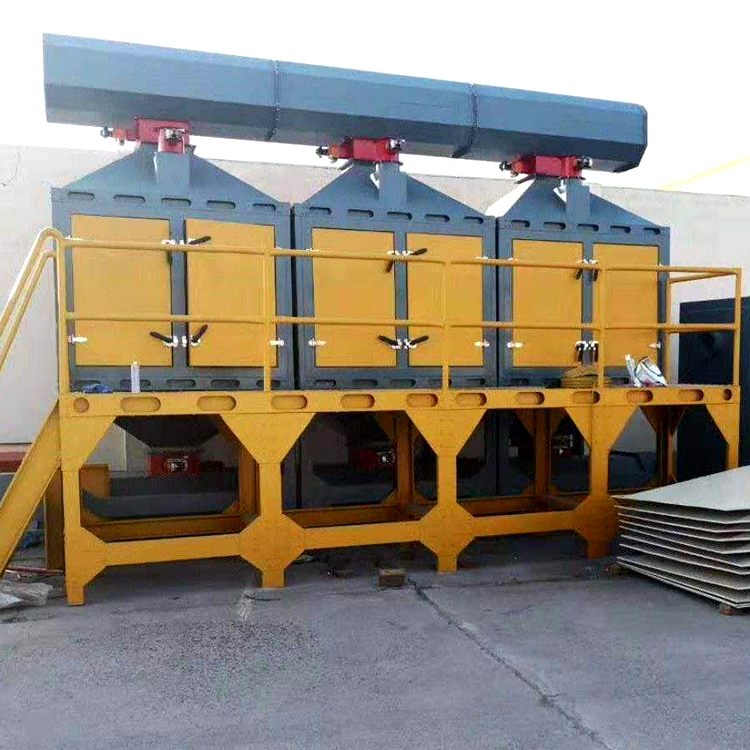 Activated Carbon Adsorption Catalytic Combustion Equipment
 Catalytic combustion furnace
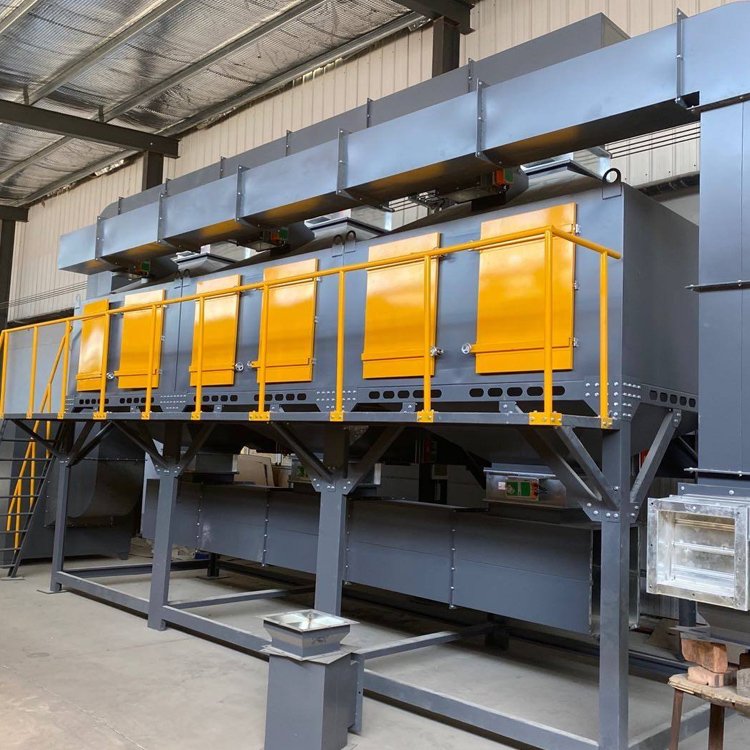 Organic Waste Gas Catalytic Combustion
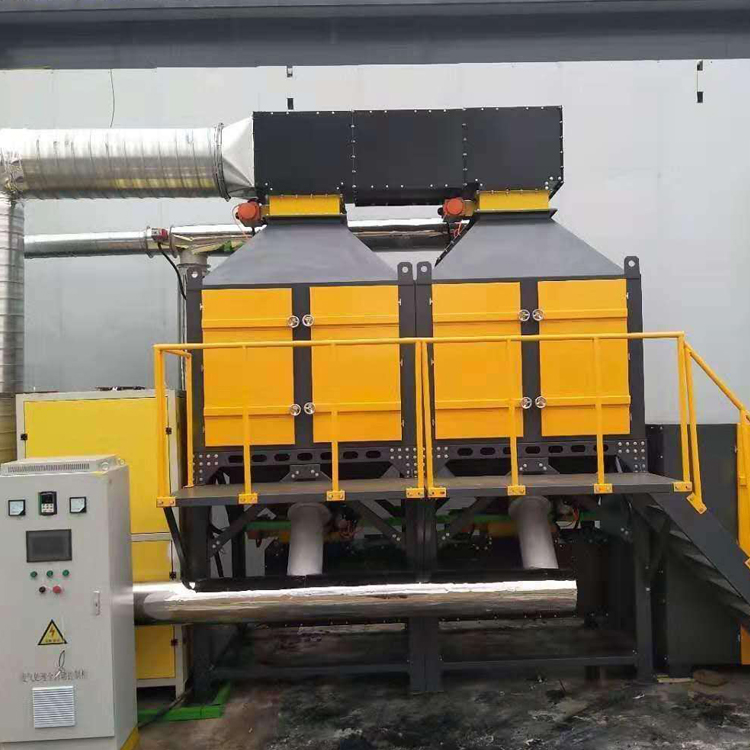 Co-catalytic combustion furnace
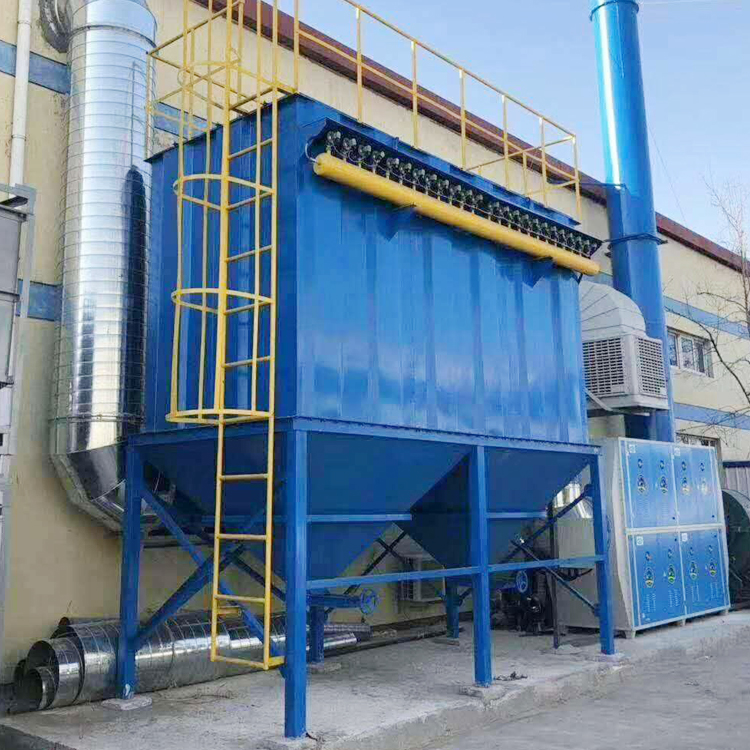 Melting Furnace Dust Collector
Product Details

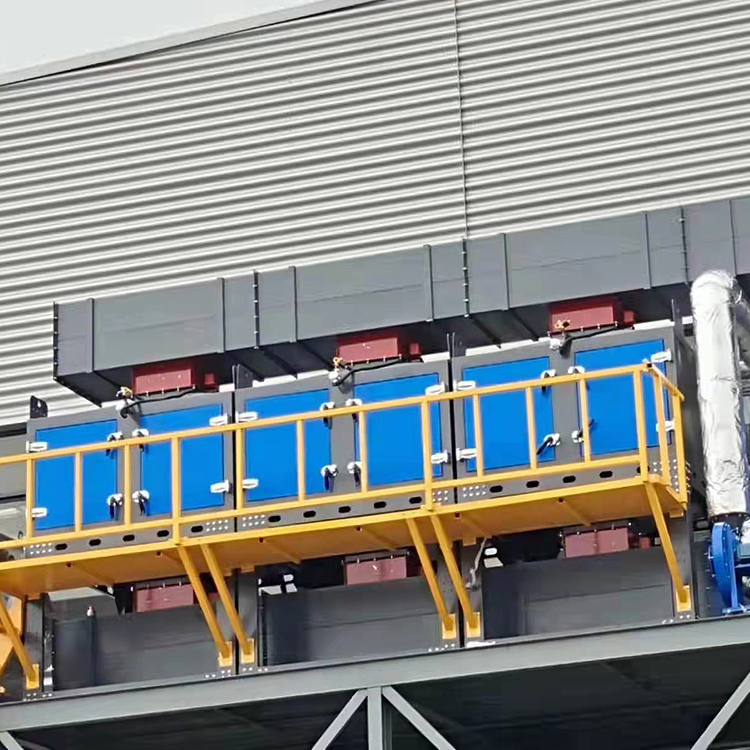
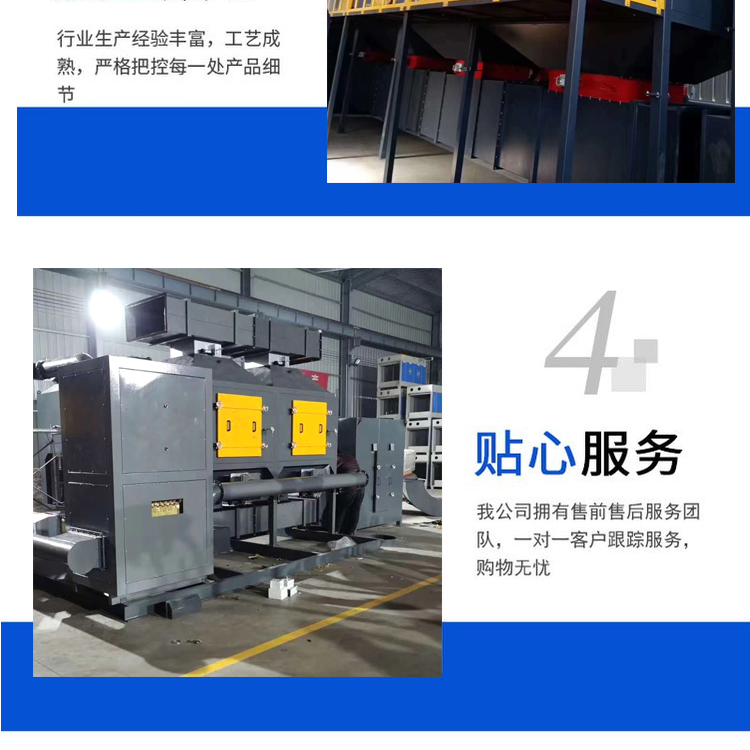
Comprehensive Waste Gas Treatment Equipment, VOC Catalytic Combustion Organic...


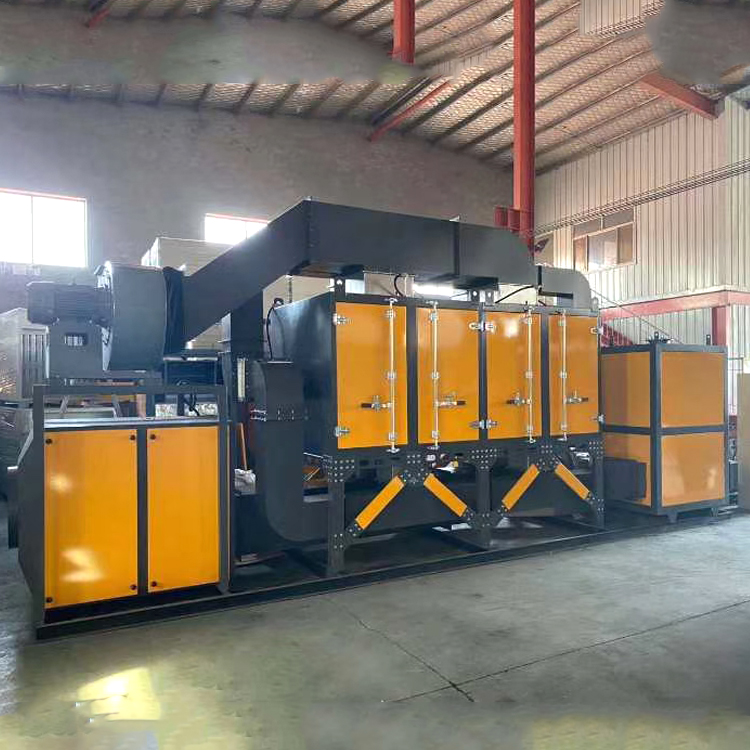


产品Price 32000.00/Tai
最小起订Quantity:1 Tai 供货总Quantity: 100 Tai


Brand |
|
Dust Removal Efficiency |
98% |
Rated Voltage |
220/380V |
Type |
Air Purification Equipment |
Power Range |
0.014-335 kW |
Ignition Temperature |
120-300°F |
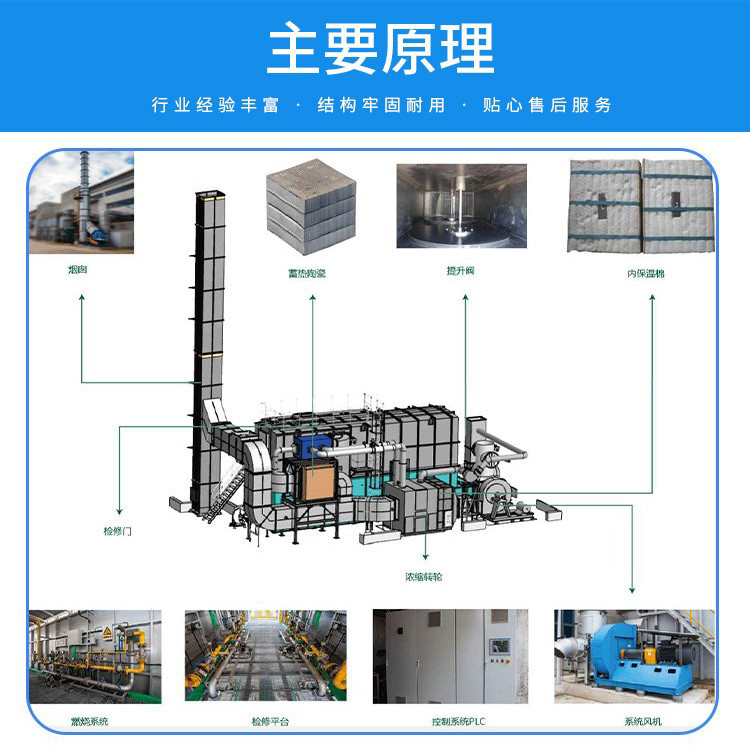
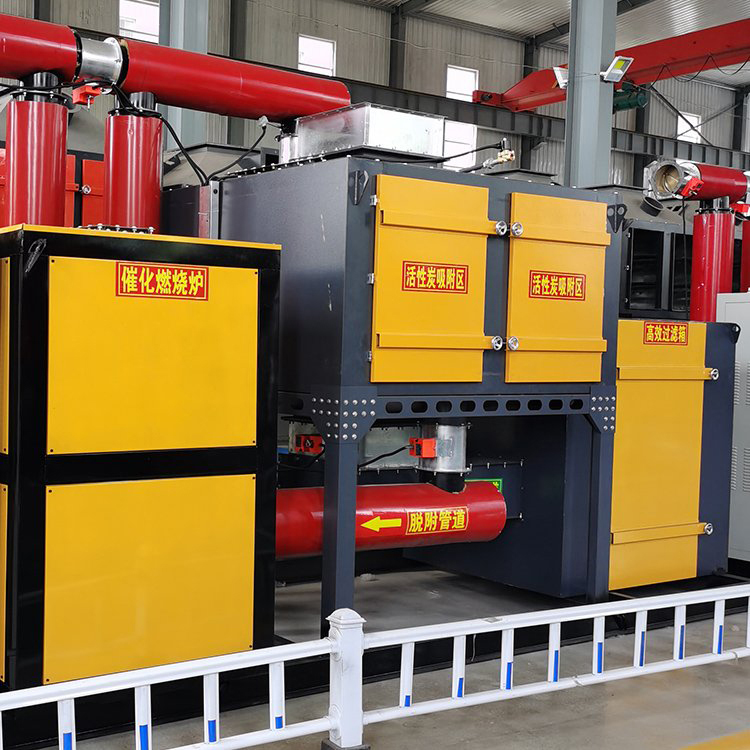
Waste Gas Catalytic Combustion Unit primarily heats waste gases to a high temperature of 200 degrees Celsius for catalytic combustion, achieving effective purification. This method boasts high purification efficiency, no secondary pollution, ease of operation and use, and is mainly used for treating high-concentration waste gases. The principle of operation for the waste gas catalytic combustion equipment: Under normal operation, waste gases enter the activated carbon purifier through the main duct, where they are directly adsorbed and purified, then discharged through the exhaust gas duct. When the activated carbon becomes saturated, the induced draft fan and main valve are closed, and the catalytic combustion unit is activated. At this point, the heating rod of the catalytic combustion unit heats the air inside, and the blowing fan sends the hot air through the pipeline to the activated carbon purifier, where it desorbs the activated carbon. If the hot air overheats, a cold air fan must be turned on to supplement cool air. After the activated carbon is desorbed, the waste gas concentration is high enough to reach the combustion density, and it is then catalytically combusted in the catalytic combustion chamber through the return air duct. The reaction produces carbon dioxide and water, with the following reaction equation:
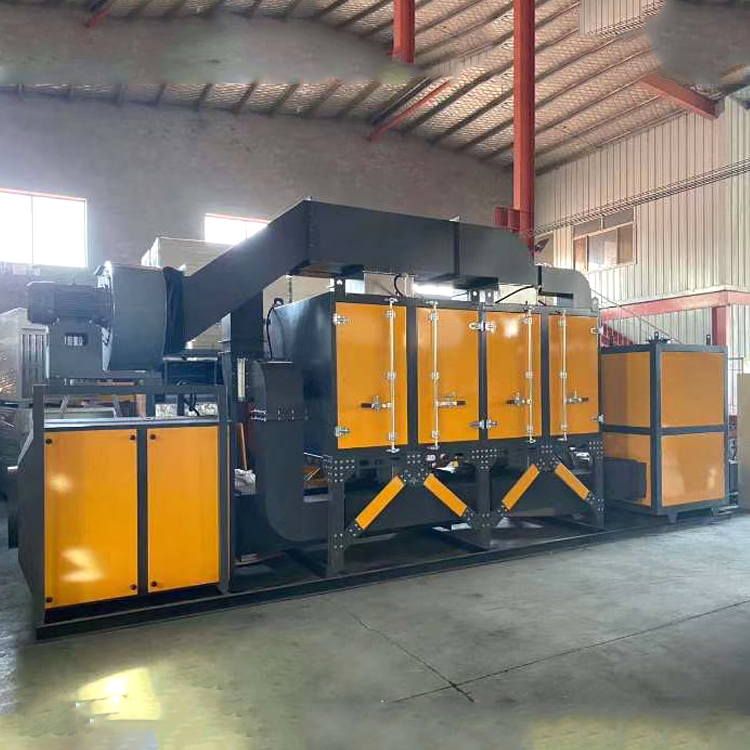


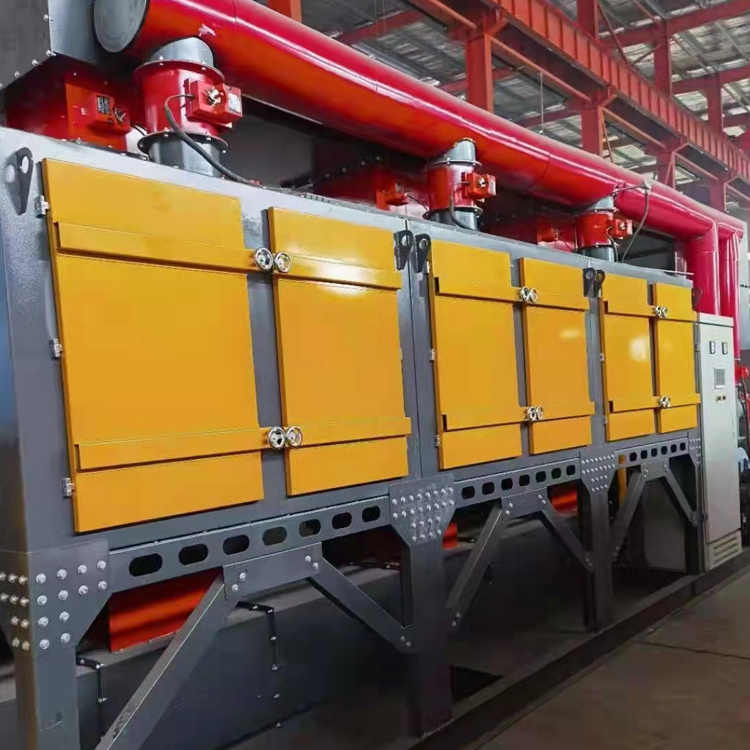

CnHm + (n + m/4)O2 over Pd•Pt at 250~300°C → nCO2 + m/2H2O + heat
The heat released from the reaction is reused to heat the air, which is then sent back to the activated carbon purifier for desorption. This cycle continues, with the start-up cycle of the catalytic combustion unit and the duration of each start determined based on the adsorption capacity of the activated carbon, the designed air volume, and the concentration of waste gas being treated.