
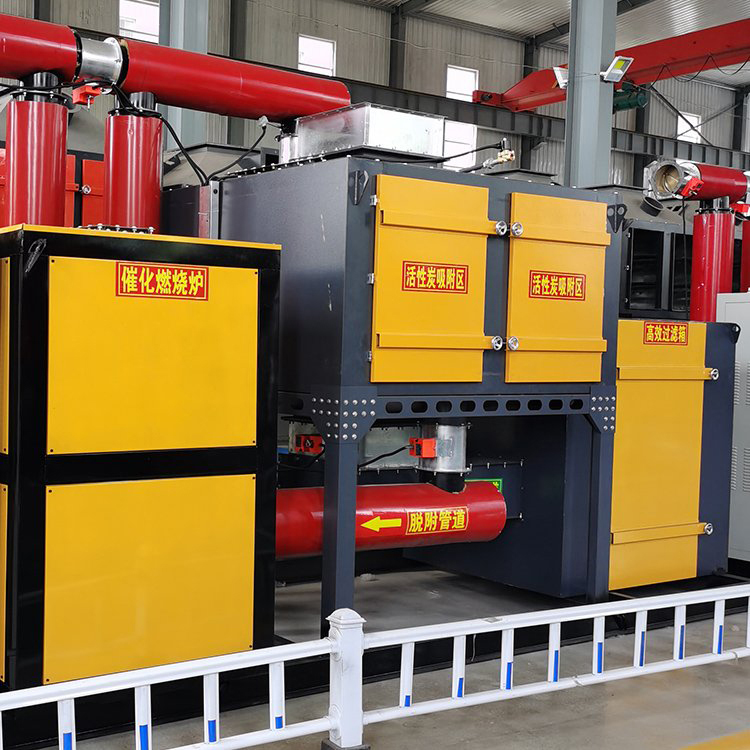
 Printing Factory Catalytic Combustion Equipment
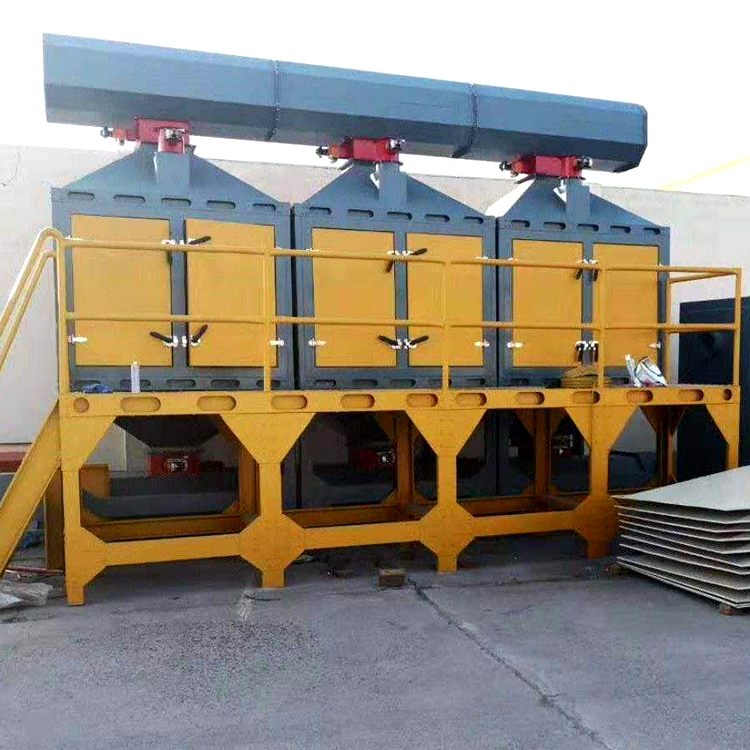 Activated Carbon Adsorption Catalytic Combustion Equipment
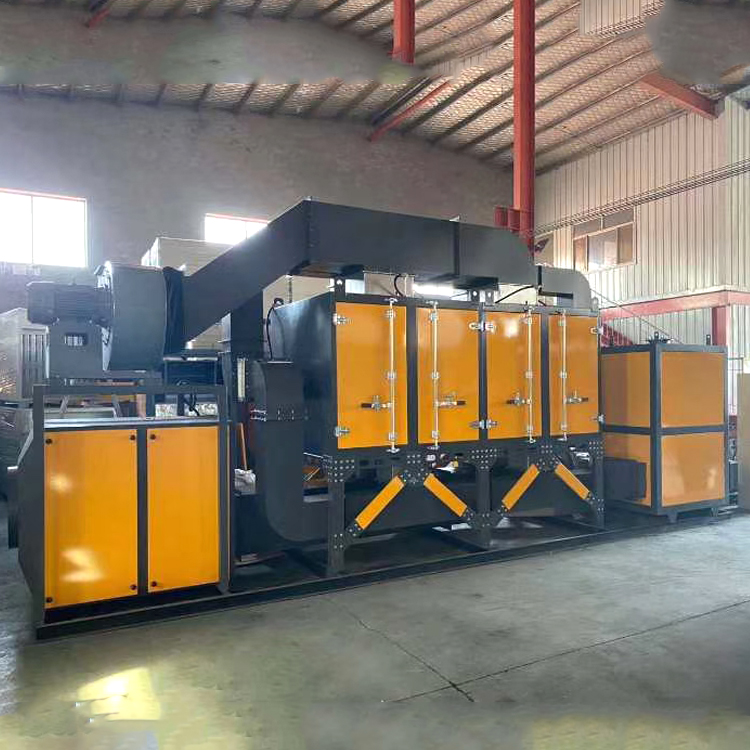 Waste Gas Catalytic Combustion Equipment
 Catalytic combustion furnace
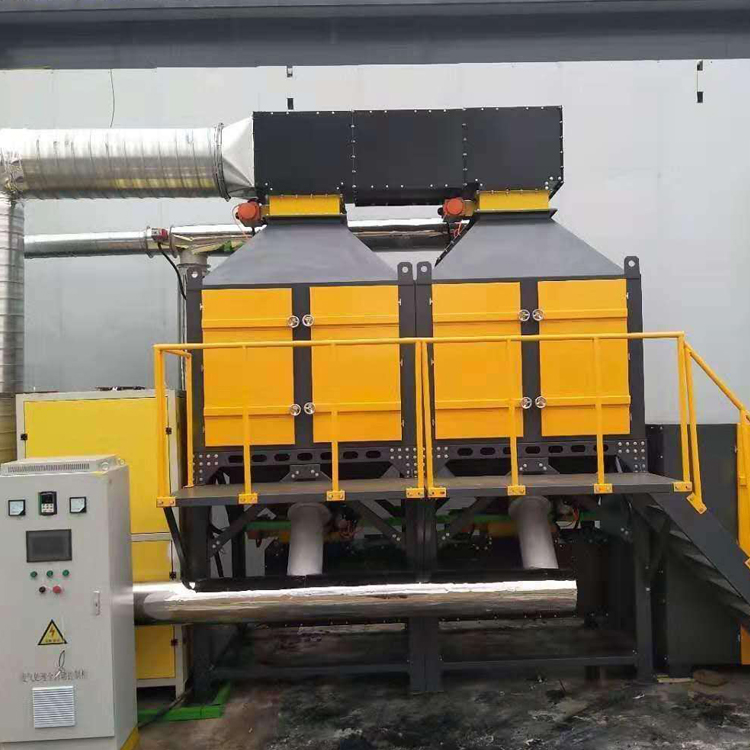 Co-catalytic combustion furnace
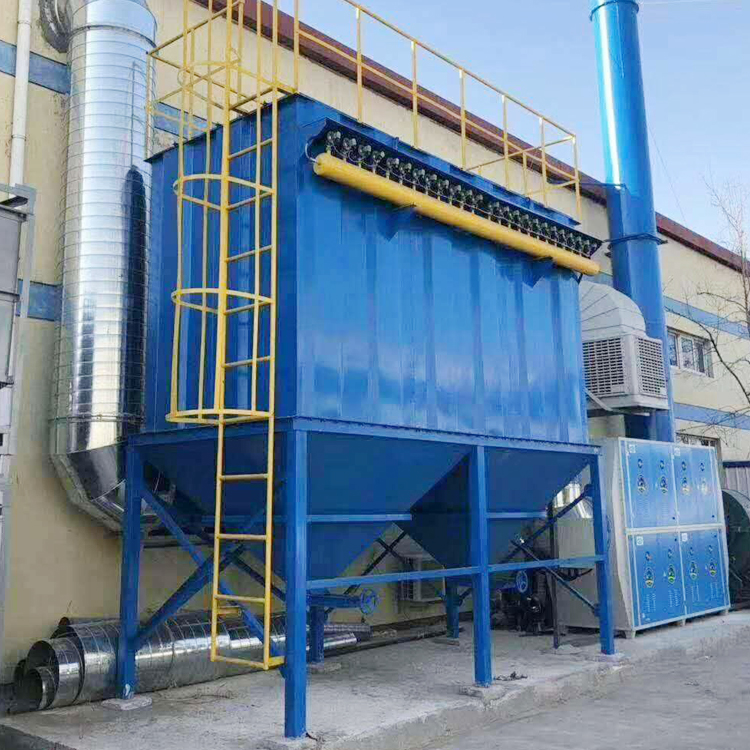 Melting Furnace Dust Collector
Product Details

Comprehensive Waste Gas Treatment Equipment, VOC Catalytic Combustion Organic...


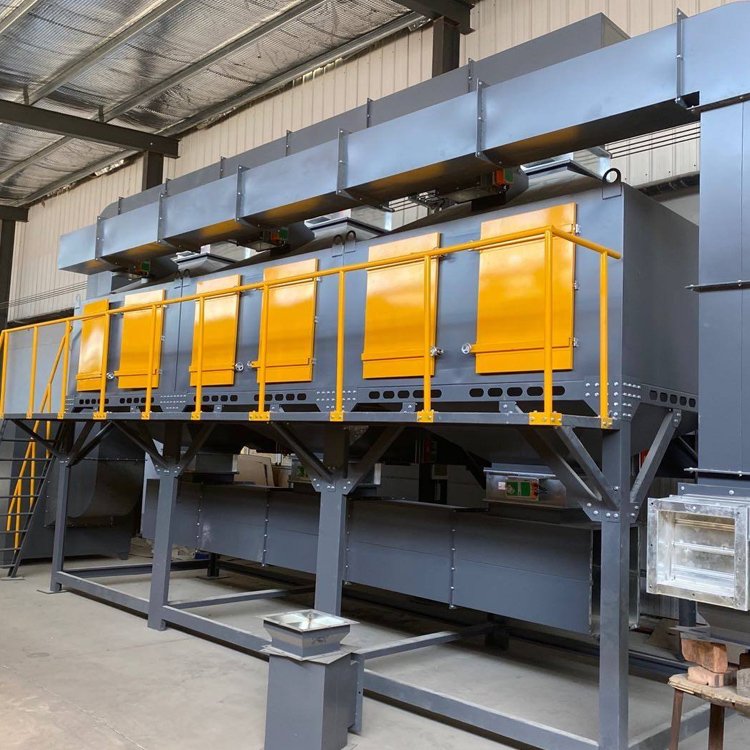


产品Price 35000.00/Tai
最小起订Quantity:1 Tai 供货总Quantity: 100 Tai


Brand |
|
Dust removal efficiency |
98% |
Handle concentration |
120 (mg/L) |
Type |
Air Purification Equipment |
Power Range |
0.014-335 kW |
Ignition Temperature |
120-300°F |
Overview of Organic Waste Gas Catalytic Combustion: Under the action of catalysts, hydrocarbons in organic waste gases are rapidly oxidized into water and carbon dioxide at lower temperatures, achieving the purpose of treatment. The catalytic combustion process takes place in a catalytic combustion unit. The organic waste gases are first preheated to 200-400°C through a heat exchanger, then enter the combustion chamber. As they pass through the catalyst bed, the molecules of hydrocarbons and oxygen molecules in the mixture are adsorbed on the surface of the catalyst and activated. Due to the surface adsorption, which reduces the activation energy of the reaction, hydrocarbons and oxygen molecules are quickly oxidized at lower temperatures, producing carbon dioxide and water. Product Features: ① Can lower the ignition temperature of organic waste gases. For example, methanol and formaldehyde start to burn at room temperature under the action of Pt catalyst (Pt/Al2O3) with alumina as the carrier, whereas the ignition point of the direct combustion method is usually between 300~600°C. ② Combustion is not limited by the concentration of hydrocarbons. ③ Essentially, it does not cause secondary pollution. ④ The equipment is relatively simple, with low investment and quick returns. The main issues with catalytic combustion are the catalyst's susceptibility to poisoning and its intolerance to high temperatures. Substances that can easily poison the catalyst include tar, smoke, dust, lead compounds, and compounds of sulfur, phosphorus, and halogens. To maintain the catalyst's activity, pretreatment methods are generally employed to pre-eliminate toxic substances. In recent years, there have been advancements in the research of composite oxide catalysts with perovskite structures containing rare earth elements, particularly in enhancing their high-temperature resistance. Rare earth element catalysts developed in China have been used for the treatment of organic waste gases.


