




详情描述
Use: Suitable for concrete highways and asphalt surfaces, cement roads, garage painting. Also used for small area painting on outdoor ground (bus stops, parking lots, garages), exterior walls, and roofs.
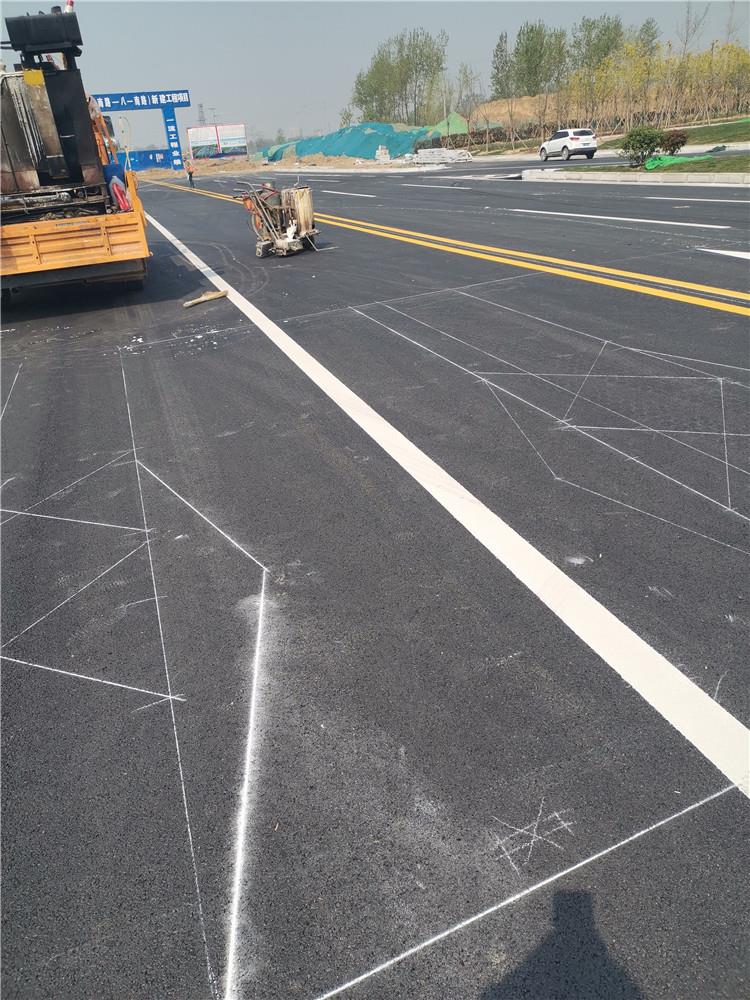
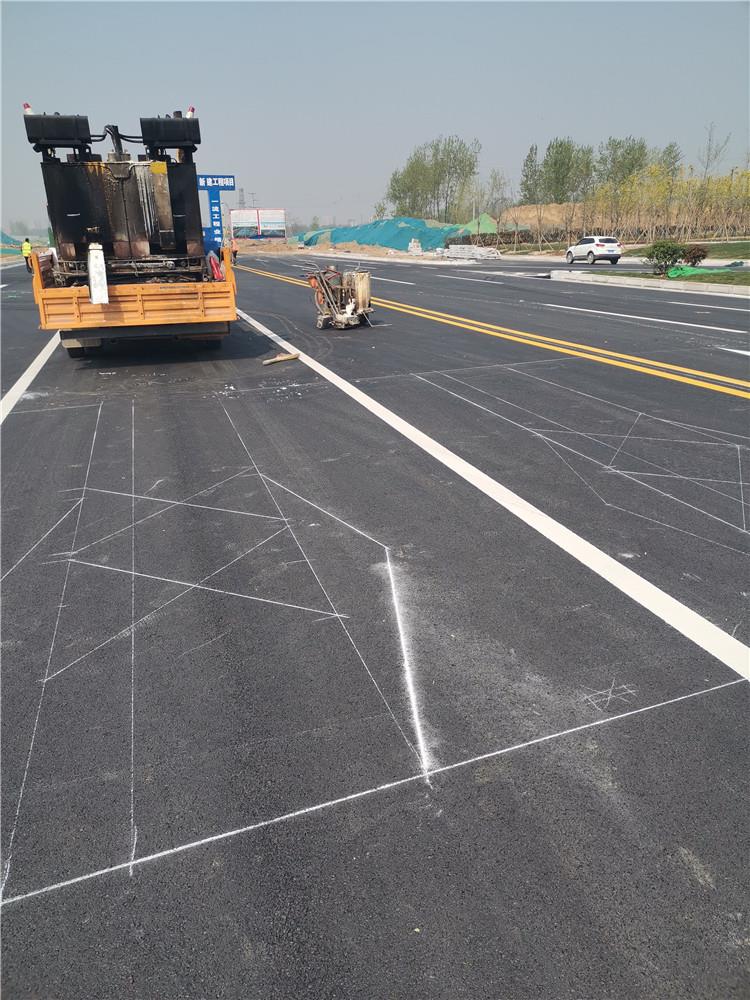
In outdoor parking lot striping, road hot melt paint can be used, which has strong reflectivity. The construction process is as follows:
Reflective thermoplastic road marking, with glass bead base paint and petroleum resin thermoplastic coating.
2. Place the paint in the hot melt machine and heat it until it melts. Maintain the temperature between 180°C and 220°C, and stir thoroughly for about 10 minutes before applying.
3. Mark the positions and measure, then apply the primer coating to the marked areas as indicated by the design diagrams.
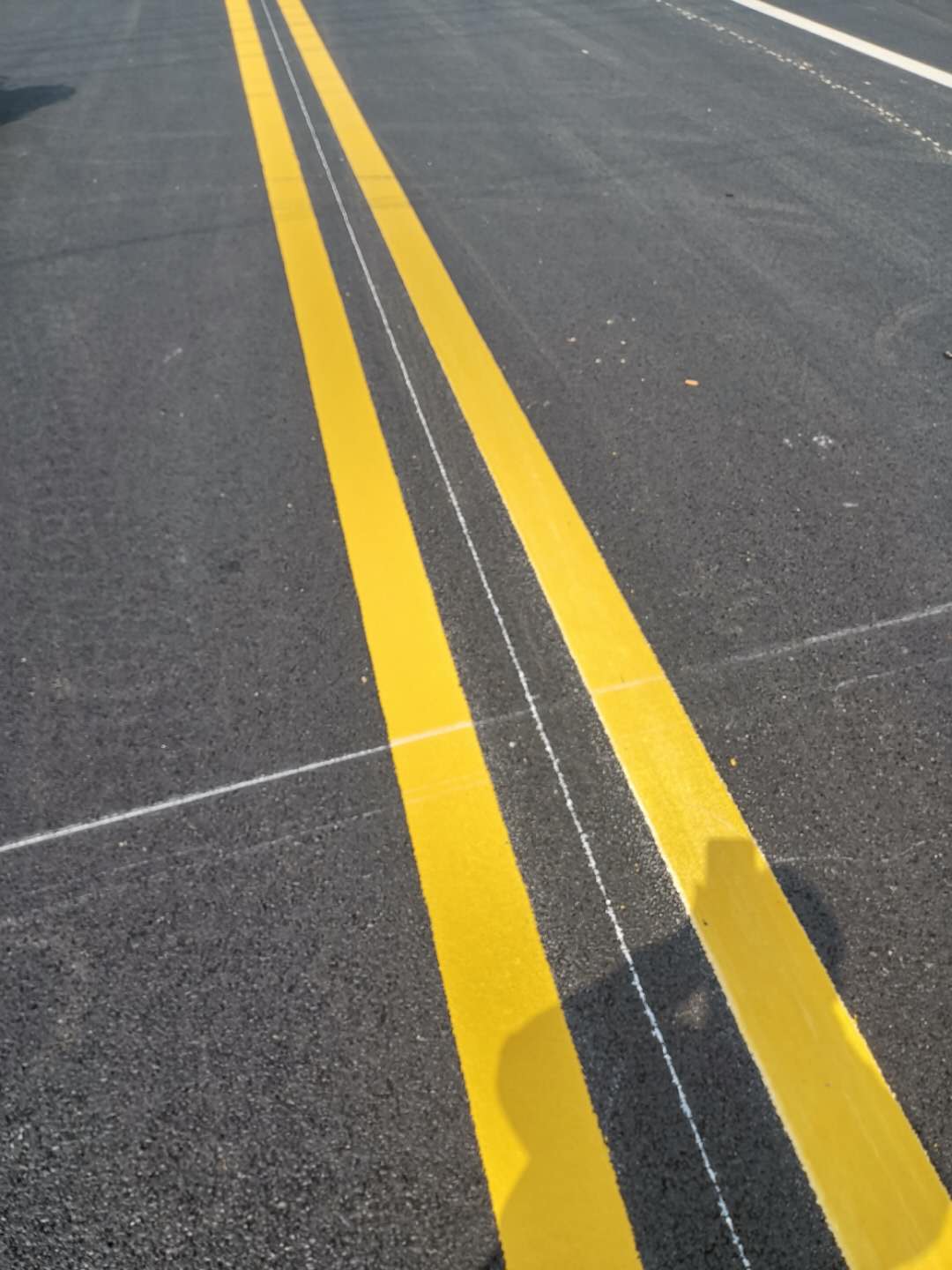
4. Apply the heat-fused coating only after the undercoat has dried. Sprinkle reflective glass beads while painting the lane markings to enhance night visibility. The lane marking thickness is 1.5-1.8MM.
Road markings come in the following types:
1. Road traffic markings can be divided into three categories based on their functions:
1) Guide Lines: Markings indicating lanes for vehicle traffic, driving directions, road edges, sidewalks, etc.
2) No-Parking Lines: Lines indicating special regulations for traffic compliance, prohibition, and restrictions.
3) Warning Lines: Markings that prompt road users to be aware of special conditions on the road, increase alertness, and prepare for preventive or responsive measures.
2. Road traffic markings can be divided into three categories based on their application methods: self-
1) Centerline: A marking painted along the driving direction of the road.
2) Lateral lines: Lines set at an angle relative to the direction of road traffic.
3) Other Markings: Character markings or other types of centimeter lines.
3. Road traffic markings can be divided into four categories based on their shapes:
1) Lines: Solid or dashed lines drawn on the road surface, curbs, or facades.
2) Paving Characters: Words, numbers, and various graphics or symbols painted on the road surface; types of road markings.
3) Raised Road Markers: Reflective or non-reflective objects installed on the road surface to indicate lane demarcations, edges, merges and splits, curves, hazardous sections, changes in road width, and the locations of road obstructions.
4) Contour Markers: Reflective posts (or reflective sheets) installed on both sides of roads to indicate the direction of the road and the outline of the traffic lanes.
Usage (for reference only)
· Line width: 8 cm, approximately 50 meters per kilogram.
· Line width: 10 cm, approximately 40 meters per kilogram.
· 15 cm line width, approximately 27 meters per kilogram.